

Fans and Blowers
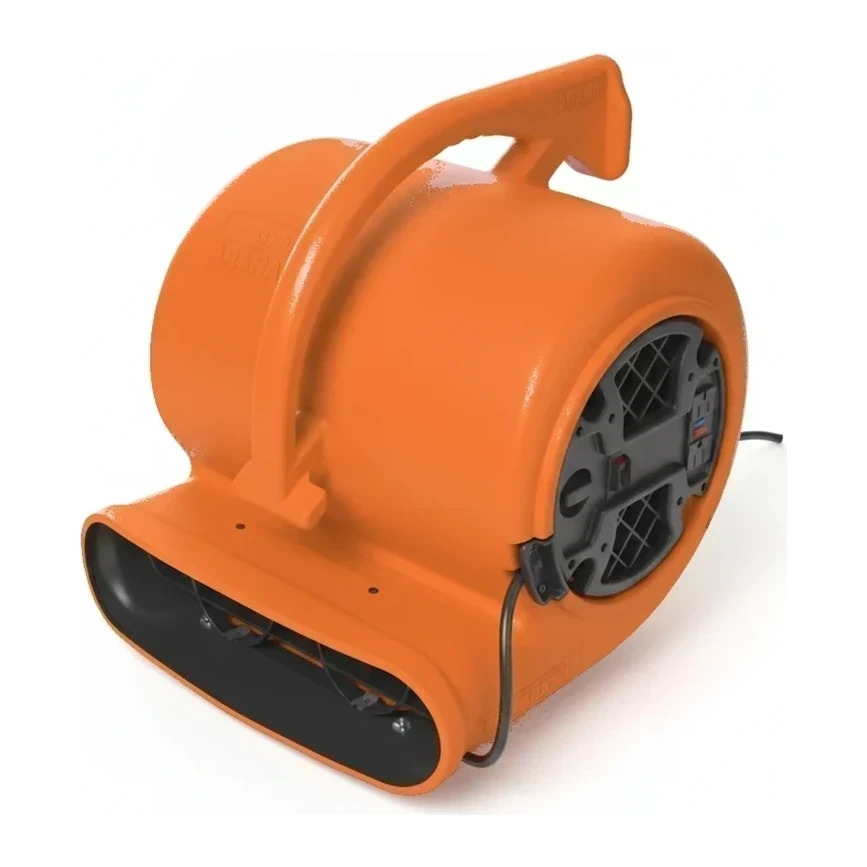
Fans and blowers move air for drying, ventilation, and cooling. Air movers lead the class, with confined space ventilators, evaporative coolers, and high-velocity and axial fans covering the rest of the family.
How it works
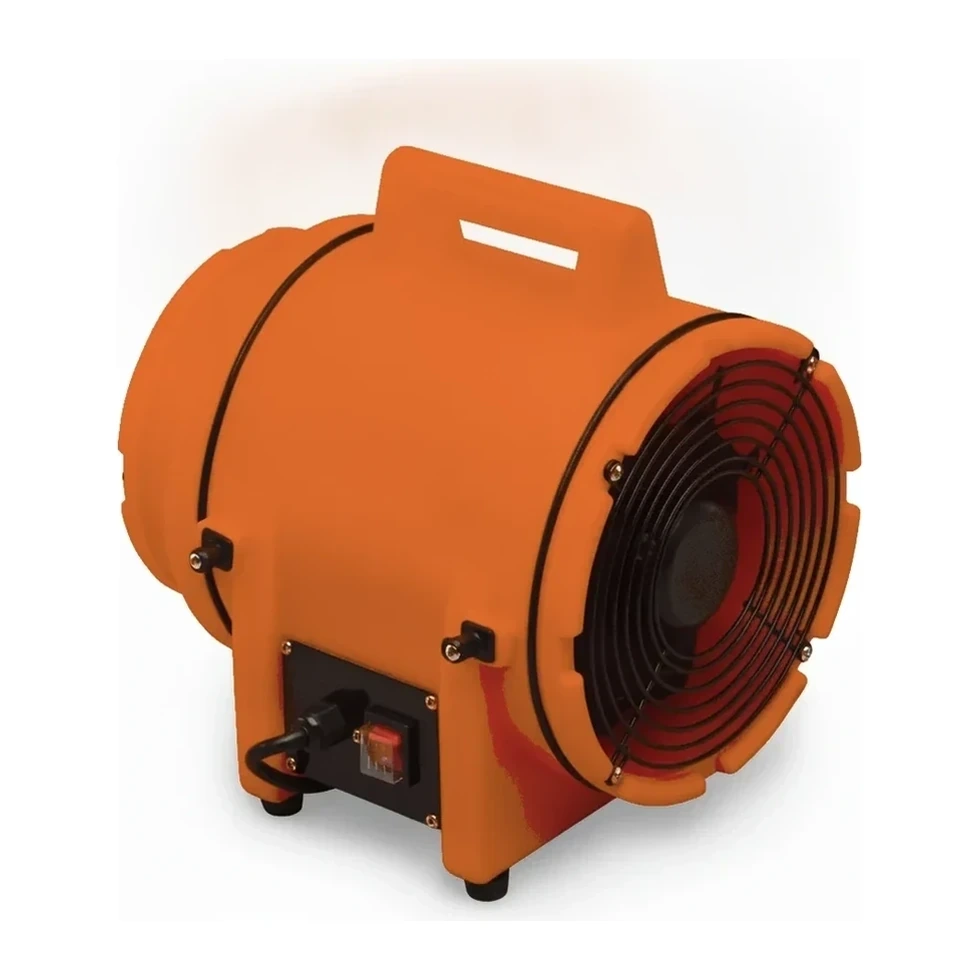
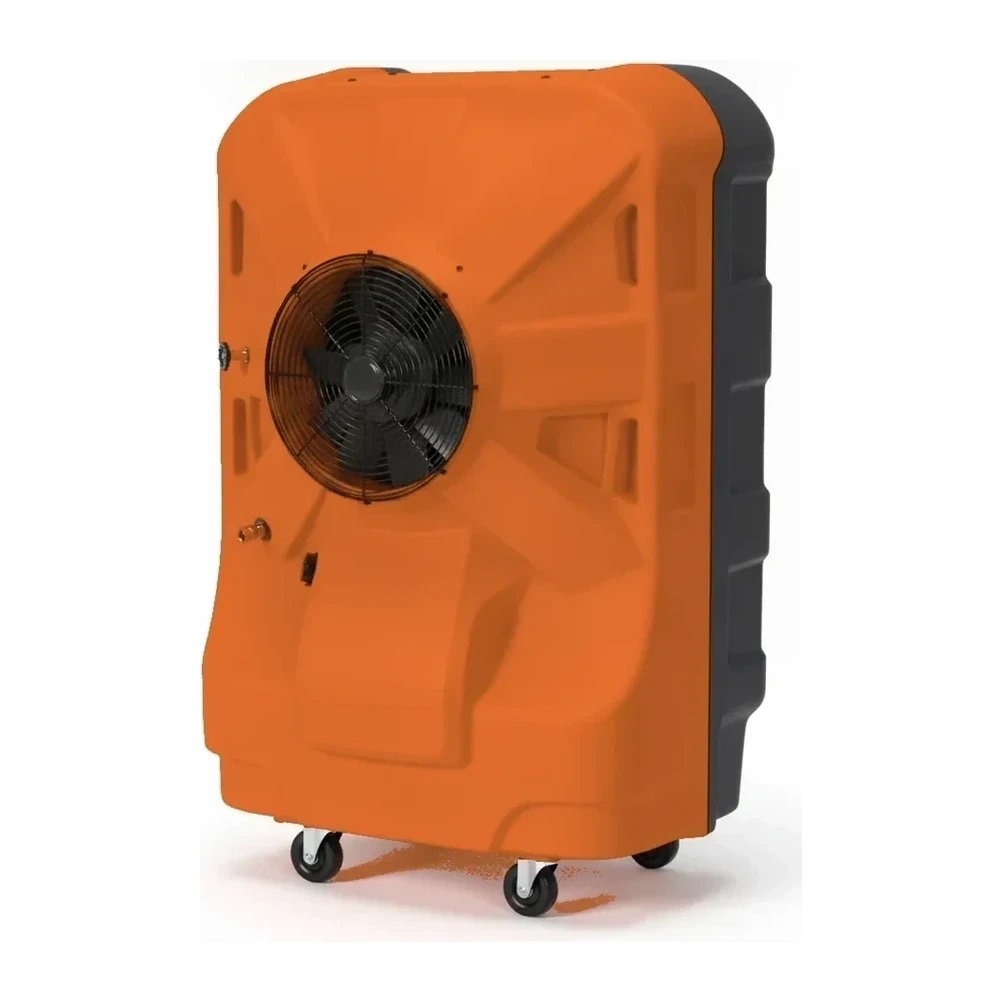
Each format shapes airflow differently: air movers hug the floor and throw a flat, fast stream along walls and carpet; axial fans push volume straight through ducts and openings; evaporative units cool the stream by evaporating water into it. Confined-space blowers move fresh air through flexible duct into manholes and tanks — a life-safety function with its own rules.
Types & variants
- Air Movers
- Compact centrifugal fans that drive airflow across wet surfaces for drying.
- Confined Space Ventilators
- Blowers with ducting that ventilate manholes, tanks, and other confined spaces.
- Evaporative Cooling Fans
- Fans that cool open areas by evaporating water into the airstream.
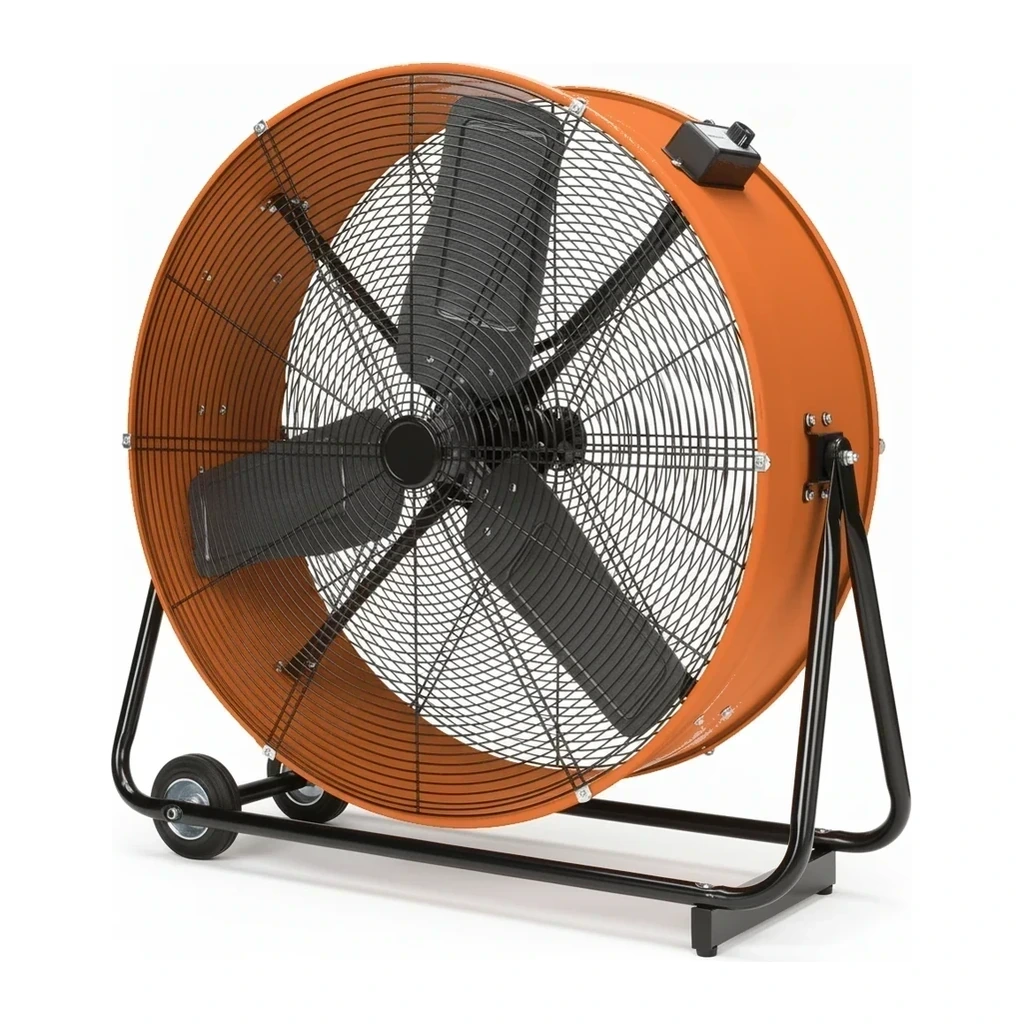
- High Velocity Fans
- Drum and pedestal fans that move large air volumes for cooling and ventilation.
- Axial Fans
- Inline propeller fans for duct ventilation and exhaust.
- Pet Dryers
- Small forced-air dryers filed within the fan family.
How to choose
Purpose decides the machine: structural drying counts air movers per S500 guidance, confined-space entry requires rated ventilators with duct, open-air cooling turns on evaporative fans where humidity allows, and general ventilation is a cfm-versus-space calculation. Amp draw matters when many units share temporary power.
Standards & certifications
- OSHA · 29 CFR 1926 Subpart AA
- Confined spaces in construction, including ventilation requirements.
- IICRC · S500
- Standard of care for water-damage restoration and structural drying equipment deployment.