

Riding Mower
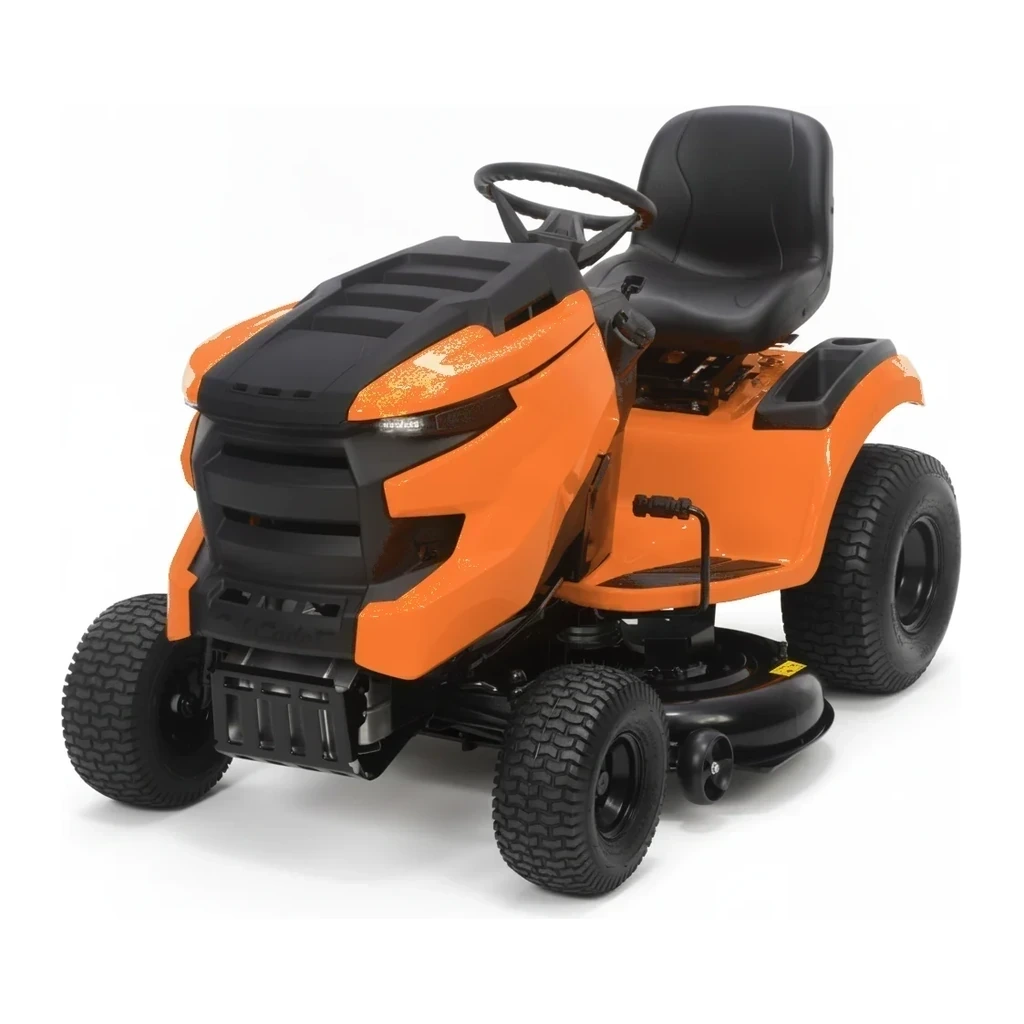
A riding mower is a powered lawn maintenance machine where the operator sits on the unit while mowing. These machines range from compact lawn tractors for residential properties to robust garden tractors and front-mount mowers capable of managing several acres. The equipment class encompasses various configurations designed for efficient grass cutting on medium to large turf areas.
Cat classes
Pick a size class: capacity and reach differ across the range.
How it works
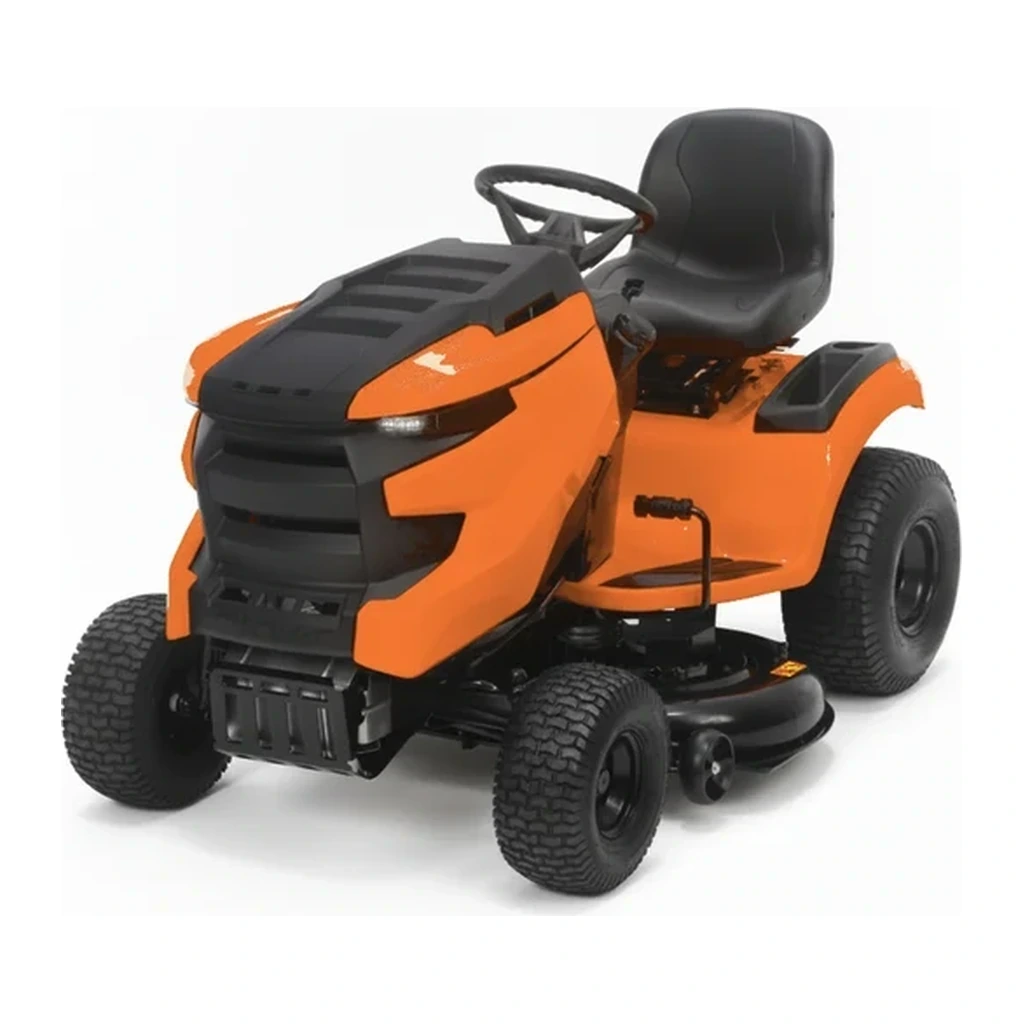
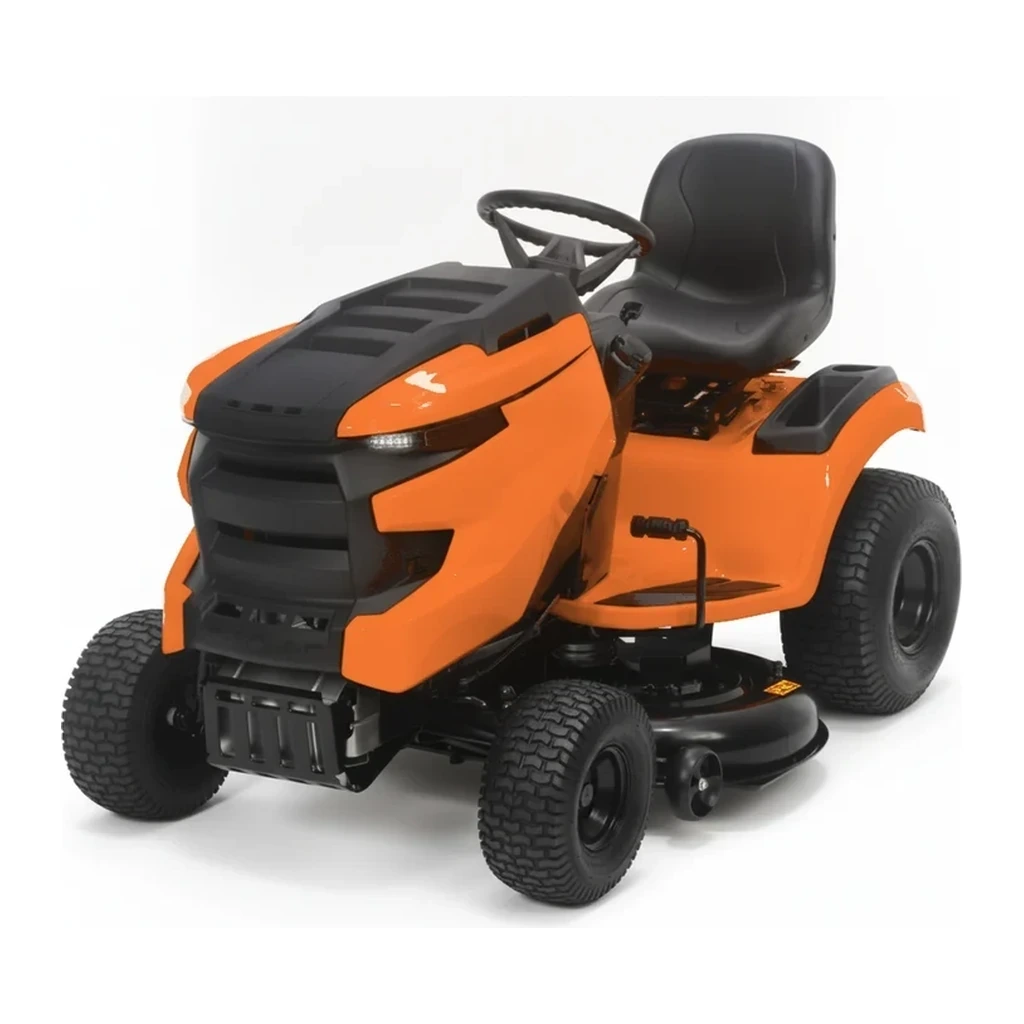
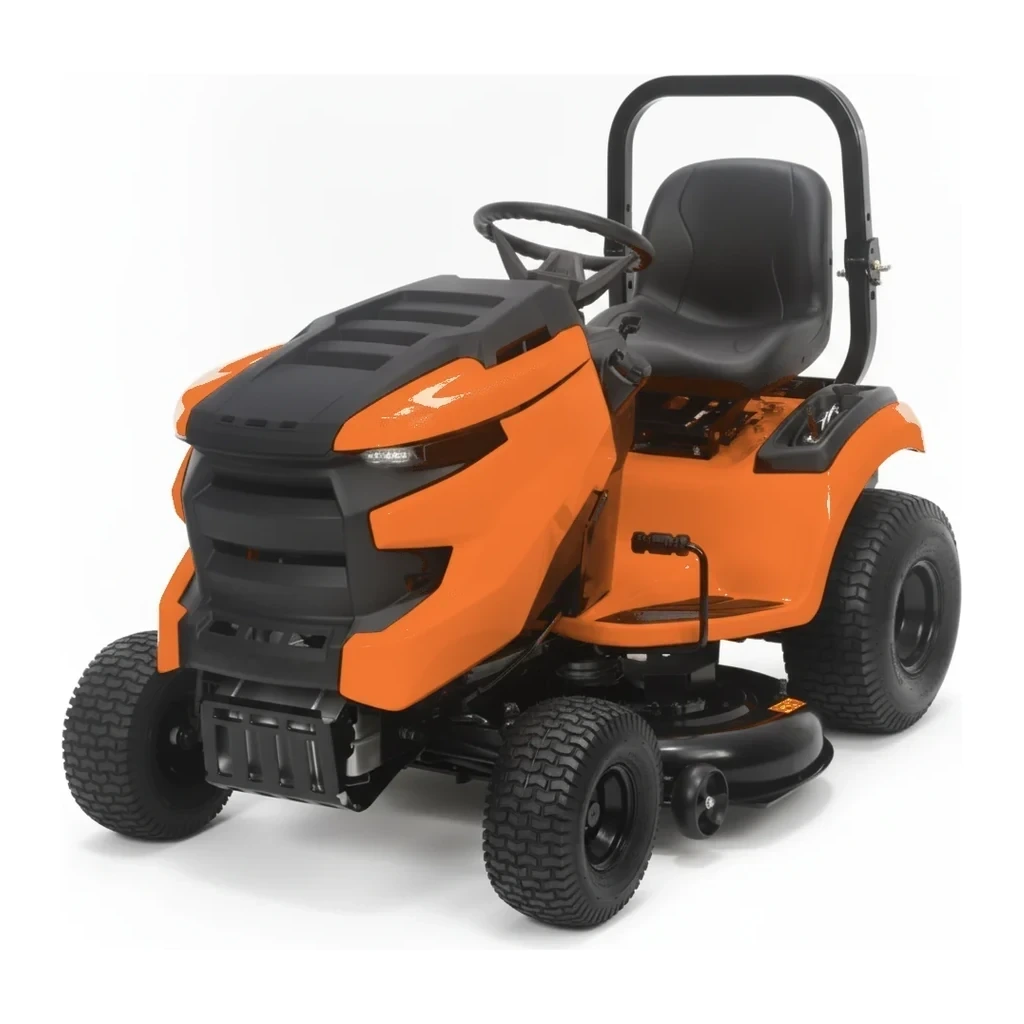
The operator controls the riding mower from a seated position, using steering wheel or lever controls to navigate and engage the rotary cutting deck beneath the chassis. The engine transfers power through a transmission system, typically hydrostatic or manual gear, to the rear wheels for propulsion, while a separate belt-driven system powers the rotating mower blades. Cutting decks discharge grass clippings through side discharge chutes, rear baggers, or mulching systems depending on configuration. Deck height is adjustable via manual or electric lift systems to accommodate different grass conditions and desired cutting heights.
Types & variants
- Lawn Tractor
- Rear-engine models with cutting decks positioned beneath the operator platform; most common configuration for residential and light commercial mowing
- Garden Tractor
- Heavy-duty tractors with reinforced frames and higher horsepower; designed to accept attachments like tillers, snow blades, and carts for year-round utility
- Front-Mount Mower
- Deck positioned ahead of the operator for enhanced visibility and maneuverability; typically commercial-grade units for large properties
- Zero-Turn Radius (ZTR)
- Lap-bar or dual-lever steering controls individual rear wheel speeds for tight turns and precision mowing around obstacles
- Rear-Engine Rider
- Compact models with engine behind the operator; smaller footprint for tight spaces and limited storage areas
Key specifications
| Specification | Typical range | What it means |
|---|---|---|
| Cutting Deck Width | Measured in inches | Primary sizing metric determining swath coverage per pass and suitability for property size |
| Engine Power | 10.5-36.9 hp | Horsepower rating indicating capability to handle terrain, grass density, and accessory loads |
| Transmission Type | Hydrostatic or manual gear | Drive system affecting ease of speed control and operational smoothness |
| Fuel Capacity | Varies by model size | Tank size determining operational duration between refueling cycles |
| Cutting Height Range | Adjustable, typically 1.5-4 inches | Adjustable blade elevation to accommodate varying grass species and seasonal growth patterns |
How the industry sizes it
The industry sizes riding mowers primarily by cutting deck width measured in inches. Small lawn tractors under 42 inches suit half an acre with a bagger or side discharge. The 46-inch class handles one to two acres of open residential lawn. Large tractors and front-mount mowers at 50 inches and above address properties spanning several acres and often accept seasonal attachments for snow removal, aerating, or hauling. Engine horsepower scales proportionally with deck size, providing adequate power for larger cutting widths and optional accessories.
Applications
- Residential lawn maintenance on properties exceeding half-acre lot sizes
- Municipal park and recreation area turf management
- Golf course rough mowing and non-greens turf maintenance
- Commercial property grounds keeping for office parks and industrial facilities
- Agricultural farmstead mowing around buildings and fence lines
- Cemetery grounds maintenance on level to gently rolling terrain
Safety & operation
- Operator presence systems automatically disengage blades and stop drive when the operator leaves the seat
- Machines should be operated on slopes within manufacturer-specified grade limits to prevent rollovers, typically 10-15 degrees maximum
- Blades continue rotating briefly after disengagement due to momentum; operators must wait for complete blade stoppage before deck maintenance
- Bystanders and pets should maintain safe distances from discharge chutes due to debris projection hazards
- Proper ballast and tire inflation are critical when operating attachments or on uneven terrain to maintain stability
Standards & certifications
- ANSI/OPEI B71.1 · B71.1-2017
- Consumer turf care equipment safety standard covering riding mowers, including blade engagement and operator presence systems
- ASABE/ISO 5395 · ISO 5395-3
- International safety requirements for ride-on lawn and garden equipment with seated operator
- EPA · Tier regulations
- Emission standards for small off-road engines governing hydrocarbon and NOx output from riding mower powerplants
Frequently asked
What property size justifies a riding mower over a walk-behind model?
How does deck width affect mowing efficiency?
What distinguishes a lawn tractor from a garden tractor?
Are riding mowers suitable for sloped terrain?
Compare popular models
Find by spec →Normalised to the same units. A dash means the figure was not published.
| Model | Engine power | Operating weight | Fuel capacity |
|---|---|---|---|
| Craftsman CM13APA9ZSA93 | 20 hp | - | - |
| Craftsman CM13APA9ZTA93 | 22 hp | - | - |
| Craftsman T150 46 In. 19 Hp Single Cylinder Gas Riding Mower | 19 hp | - | - |
| Craftsman CMXGRAM1130036 | 18 hp | - | - |
| Craftsman CMXGRAM201305 | 18 hp | - | - |
| Craftsman CMXGRAM1130035 | 10 hp | - | - |
Related equipment
Browse by manufacturer
Sources
Every specification is verified against the manufacturer's published data, with the source linked for reference.