

Electrical and Cable Pulling
Electrical and cable pulling equipment installs conductors through conduit and tray. Cable pullers and crimping tools share the top of the class, with fish tapes for the first line in.
How it works
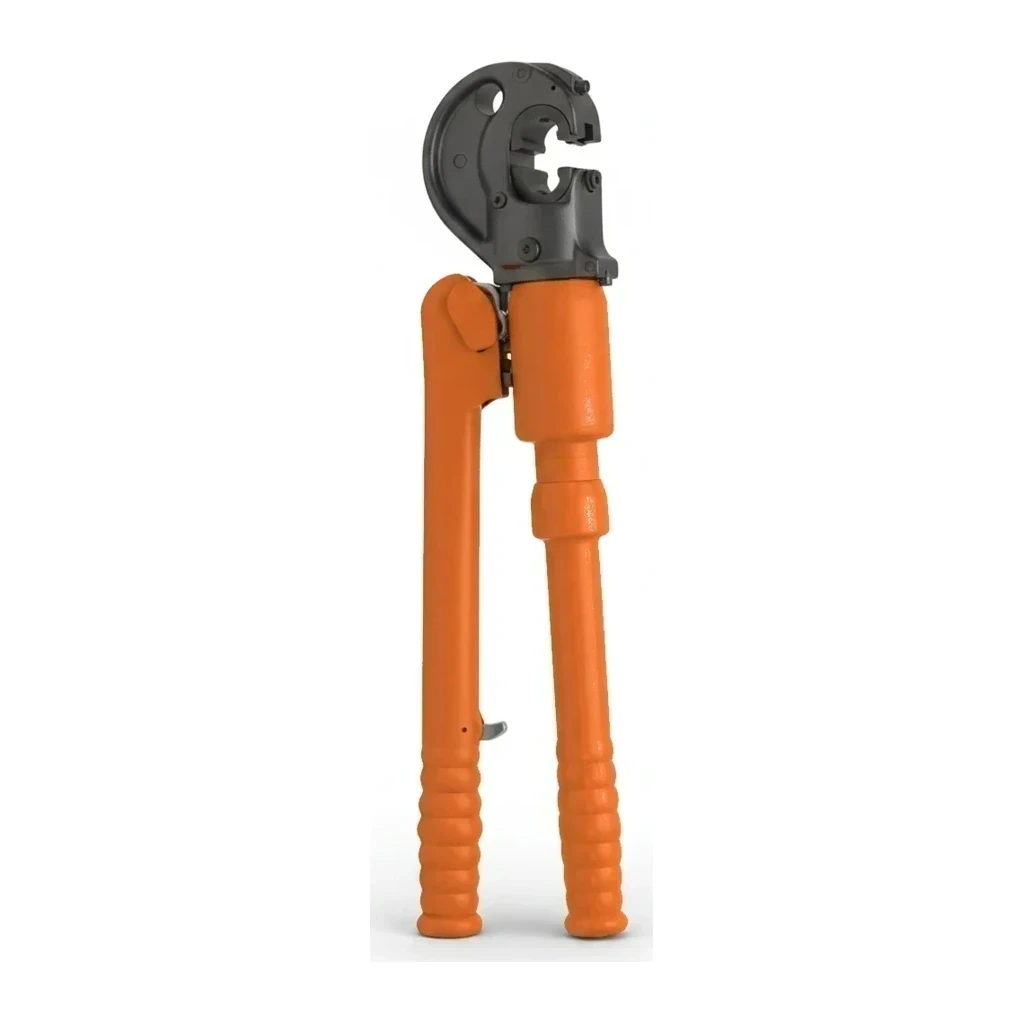
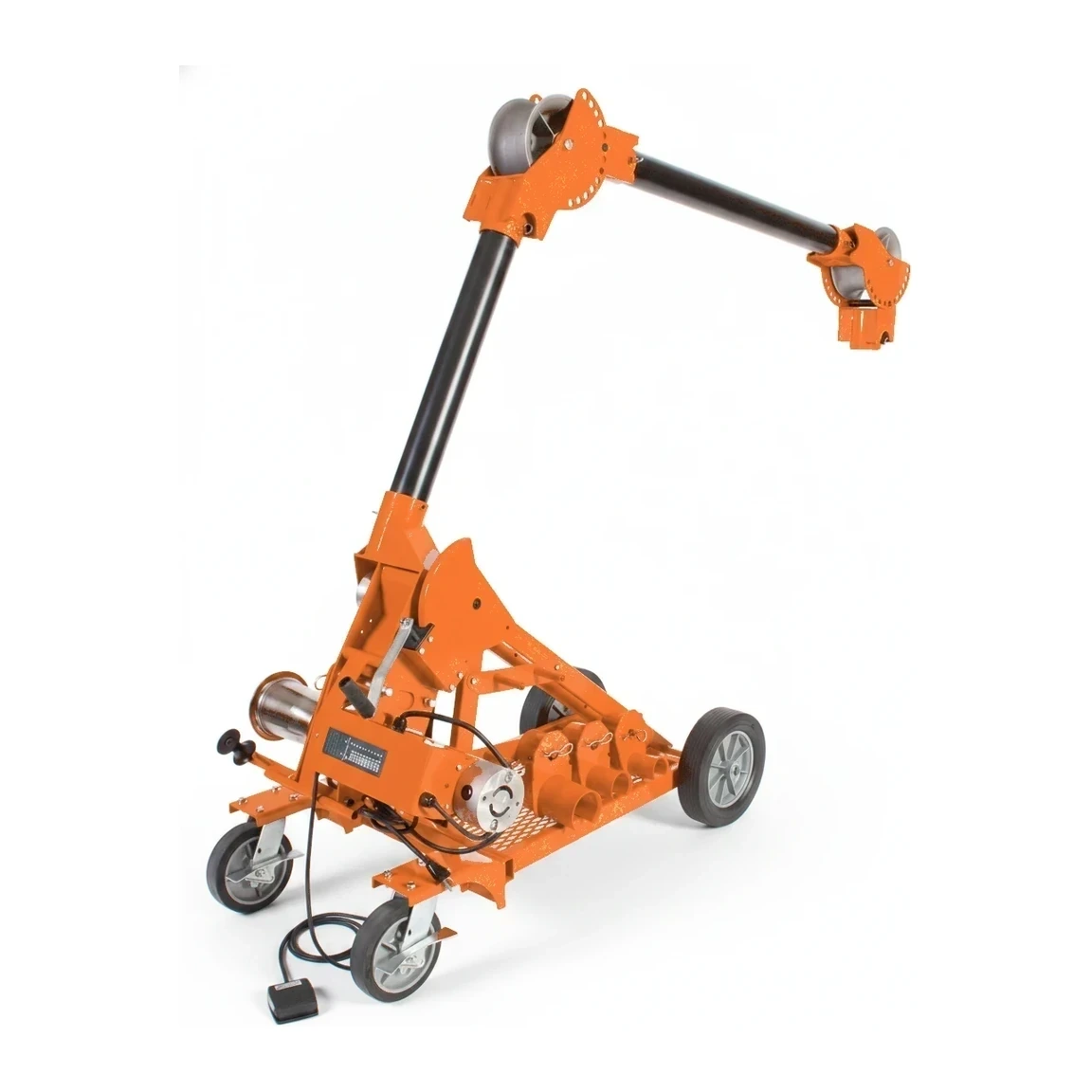
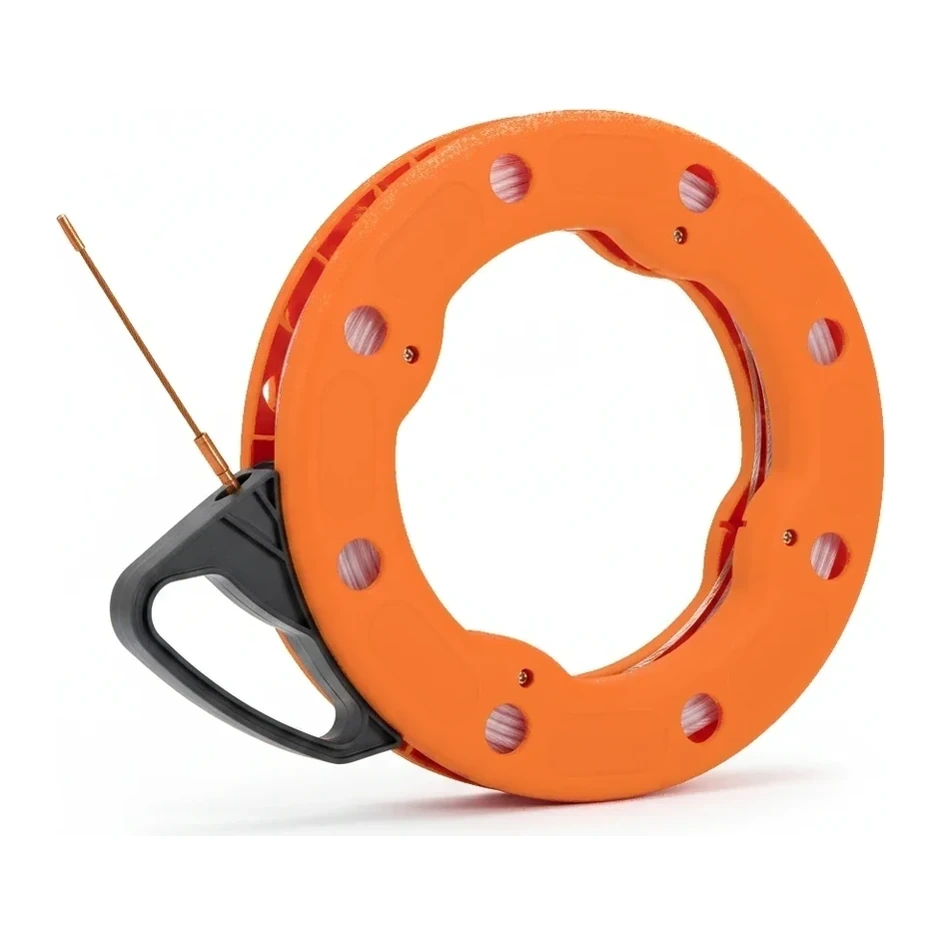
A fish tape threads the empty conduit and hauls back a pull rope; the puller then draws the conductor bundle through, its capstan multiplying force well beyond hand strength while staying under the cable's rated pulling tension. Crimpers finish the run, compressing connectors with calibrated dies into gas-tight terminations.
Types & variants
- Cable Pullers
- Powered tuggers that pull conductor and cable through conduit and tray.
- Crimping Tools
- Hydraulic and manual tools that compress connectors onto conductors.
- Fish Tape
- Flexible tape that routes pull lines through conduit.
How to choose
Pull calculations — conductor weight, run length, bends — set required puller force; lubricant and correct setup often matter more than raw capacity. Crimp tools are matched by die to conductor size and connector family, and a completed crimp should emboss the die index for inspection.
Standards & certifications
- NFPA · NFPA 70E
- Electrical safe work practices, including arc-flash protection for energized work.
- OSHA · 29 CFR 1926.404
- Wiring design and protection, including GFCI requirements for temporary power on sites.