

Power Distribution
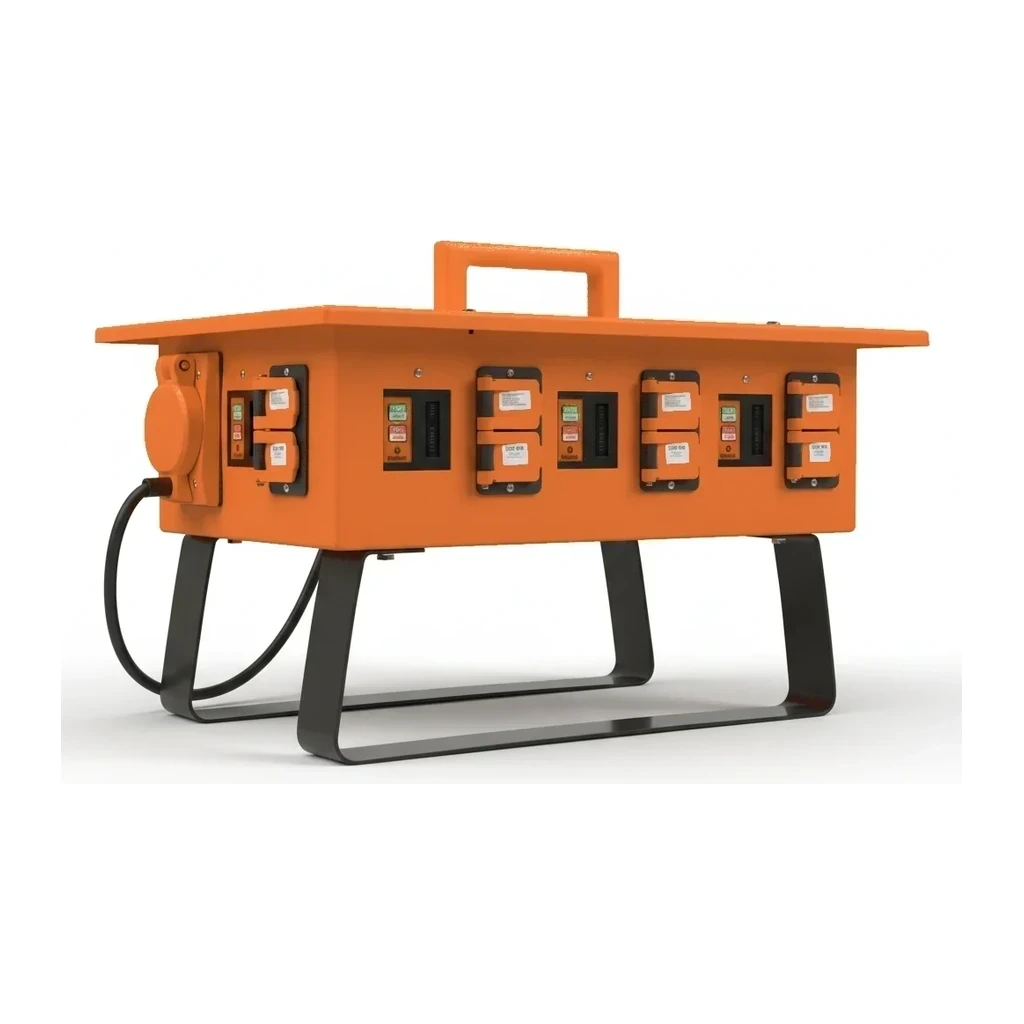
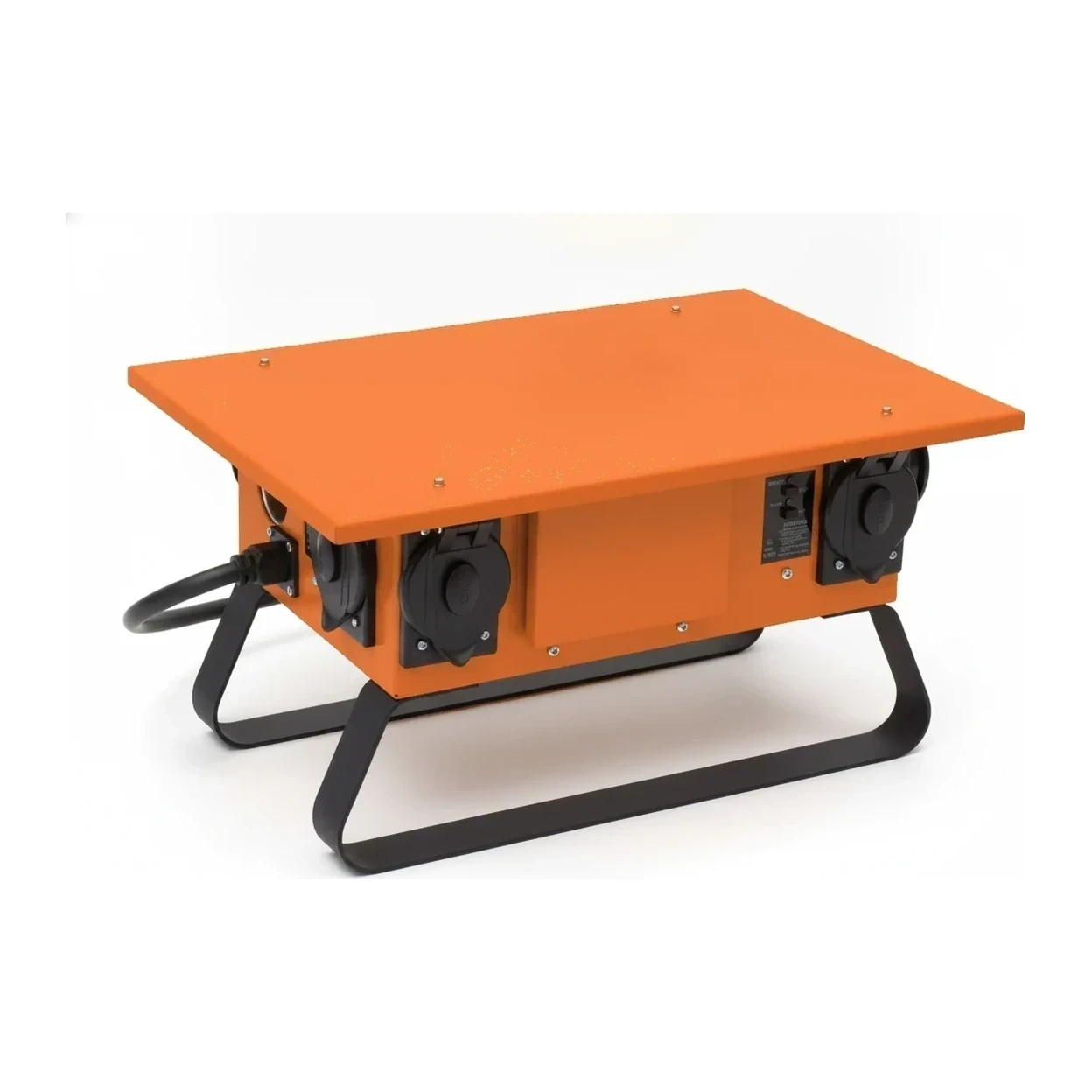
Power distribution equipment carries generator and service power safely to the loads. Spider boxes and distribution panels lead the class, with feeder cable, transformers, and transfer switches completing the chain.
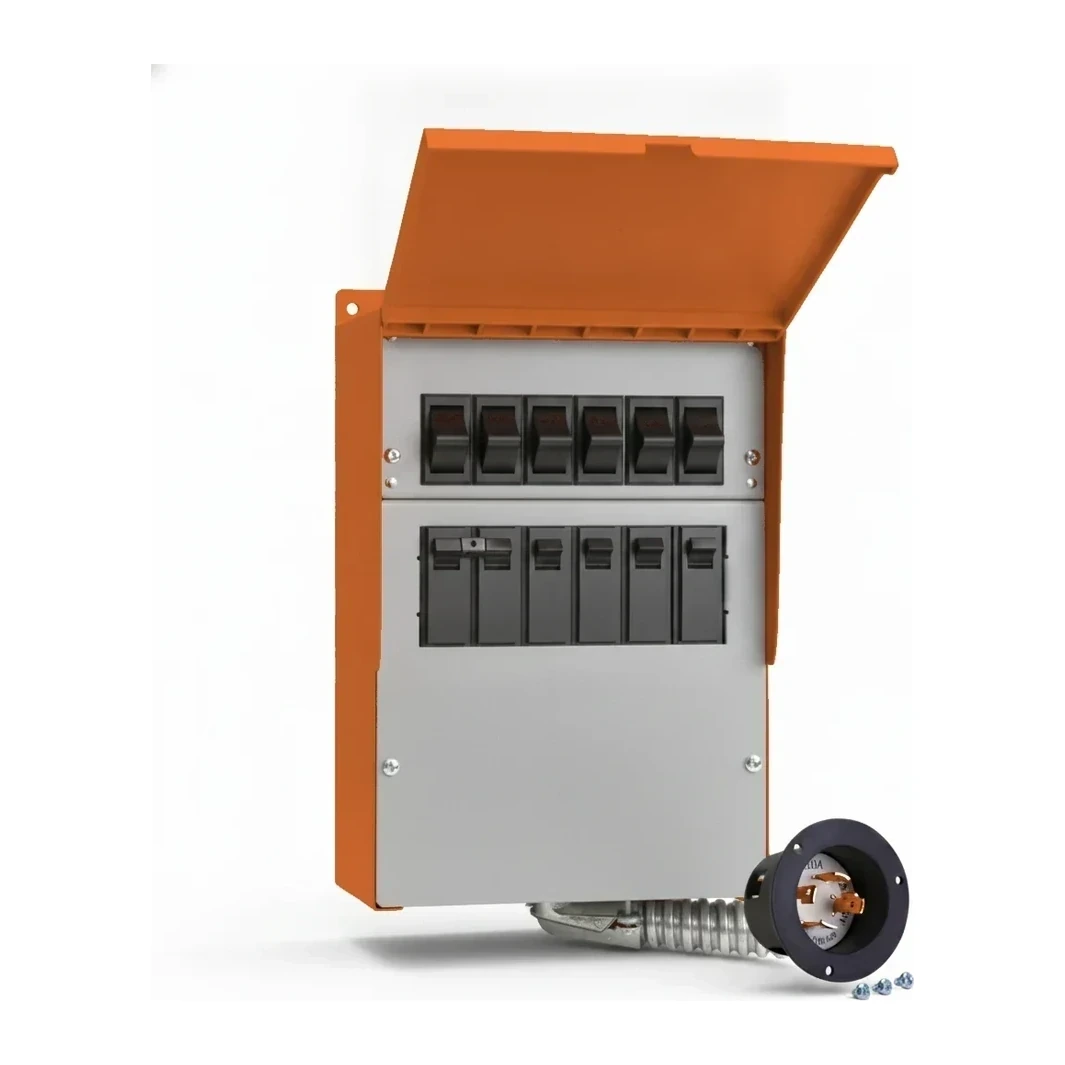
How it works
Power lands from generator or service at high amperage through cam-lock connected feeder cable, steps through panels and transformers to working voltages, and terminates in spider boxes that put protected receptacles within cord reach of the work. GFCI protection and grounding continuity through the whole chain are what the codes inspect.
Types & variants
- Spider Box
- Portable distribution box that splits temporary power into protected receptacles.
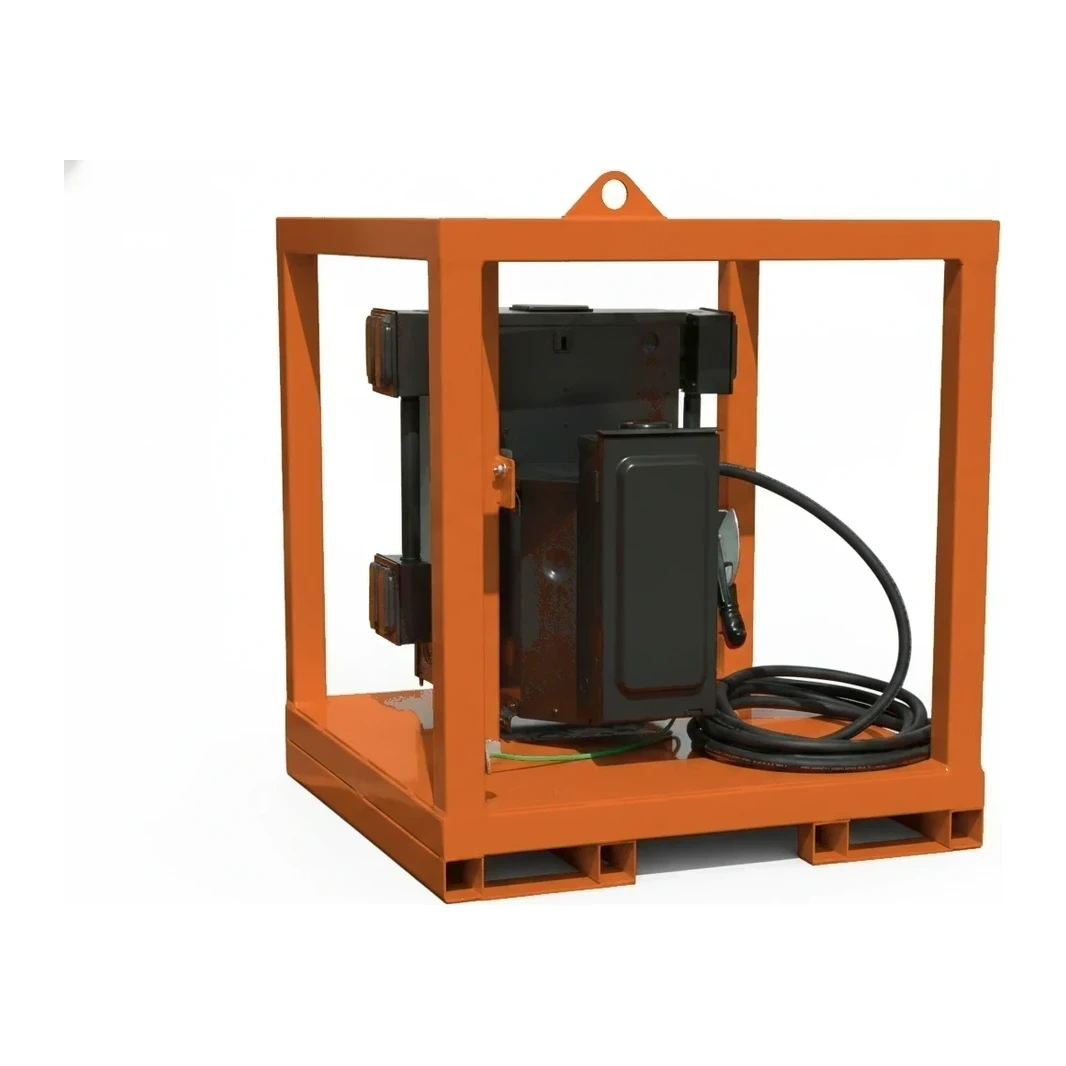
- Distribution Panel
- Panelboard that distributes and protects branch circuits of temporary power.
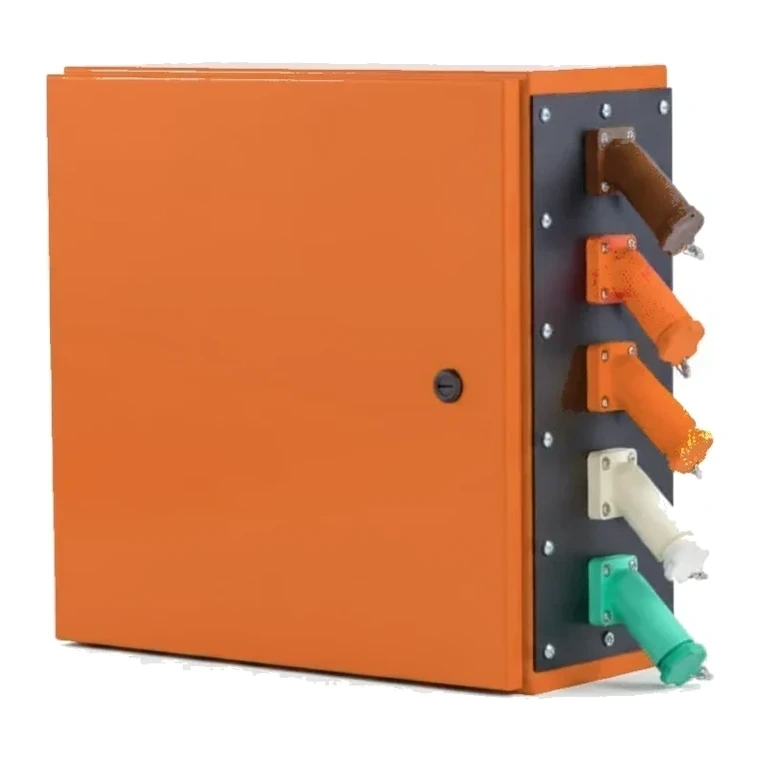
- Cable & Cam-Lock Distribution
- Feeder cable and cam-lock connectors for high-amperage temporary power.
- Step-Down Transformer
- Transformer that converts distribution voltage to tool voltage.
- Transfer Switch
- Switch that shifts a load between utility and generator sources safely.
How to choose
A load plan sizes the system — total amperage, voltages needed, and where the loads sit — then feeder runs, panel schedule, and box count follow. Voltage drop over long runs pushes cable sizes up, and every design decision defers to the NEC and the site's inspection authority.
Standards & certifications
- NFPA · NFPA 70 (NEC)
- Electrical code governing temporary power, generator connections, and distribution equipment.
- OSHA · 29 CFR 1926.404
- Wiring design and protection, including GFCI requirements for temporary power on sites.