

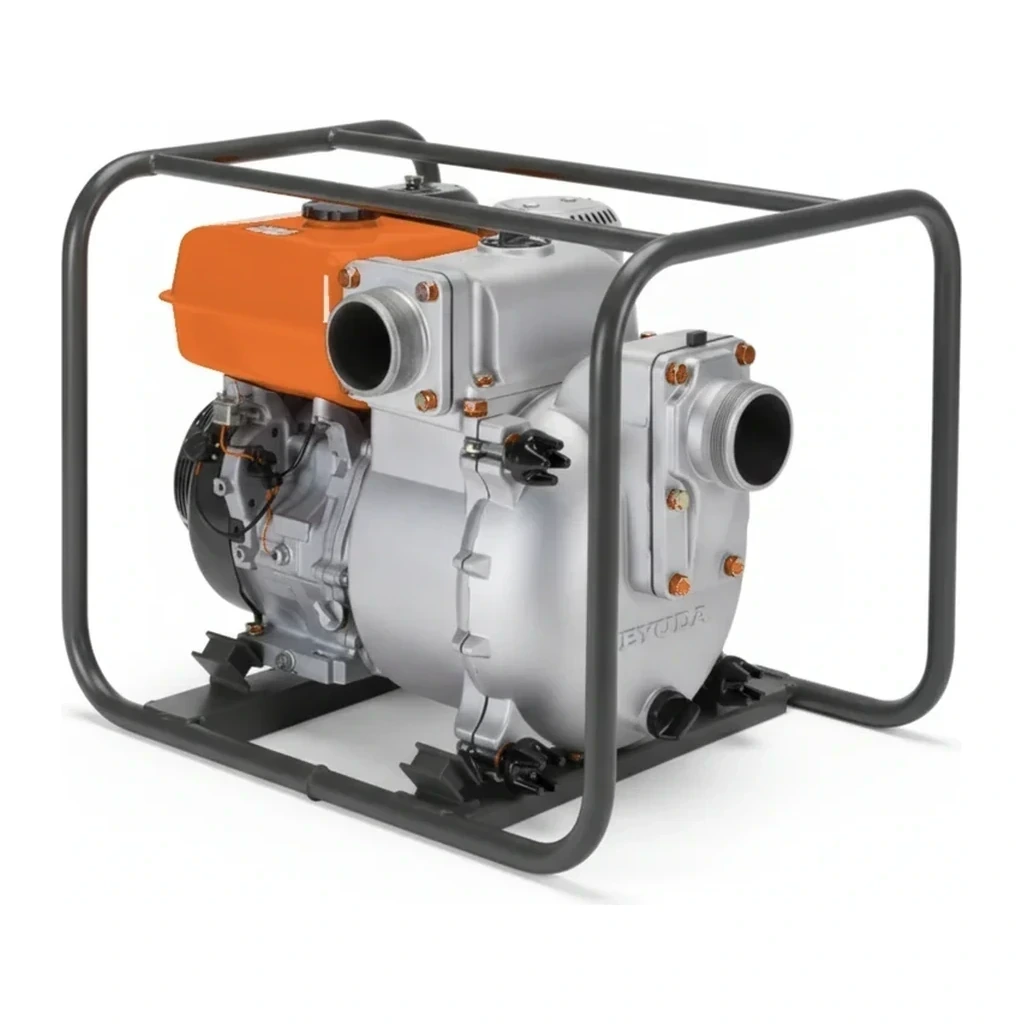
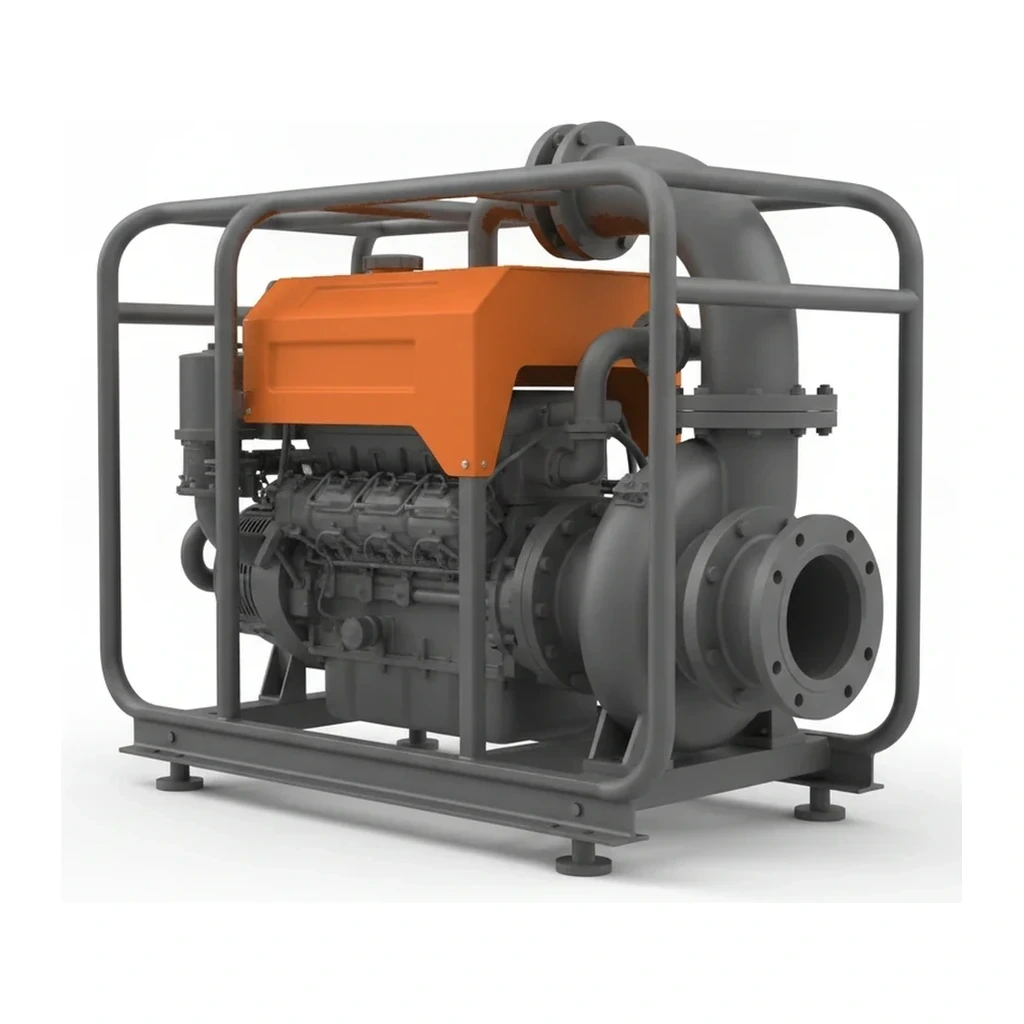
4-6 in Trash Pump
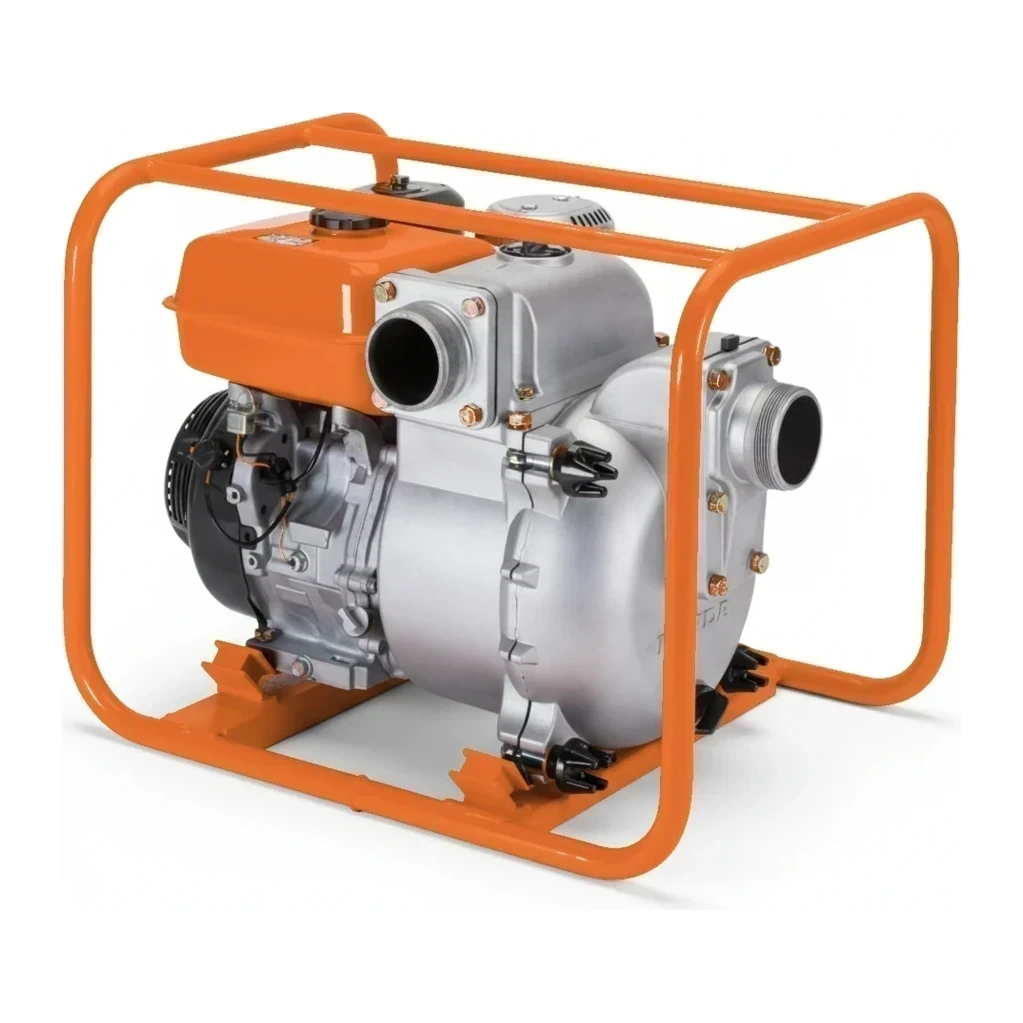
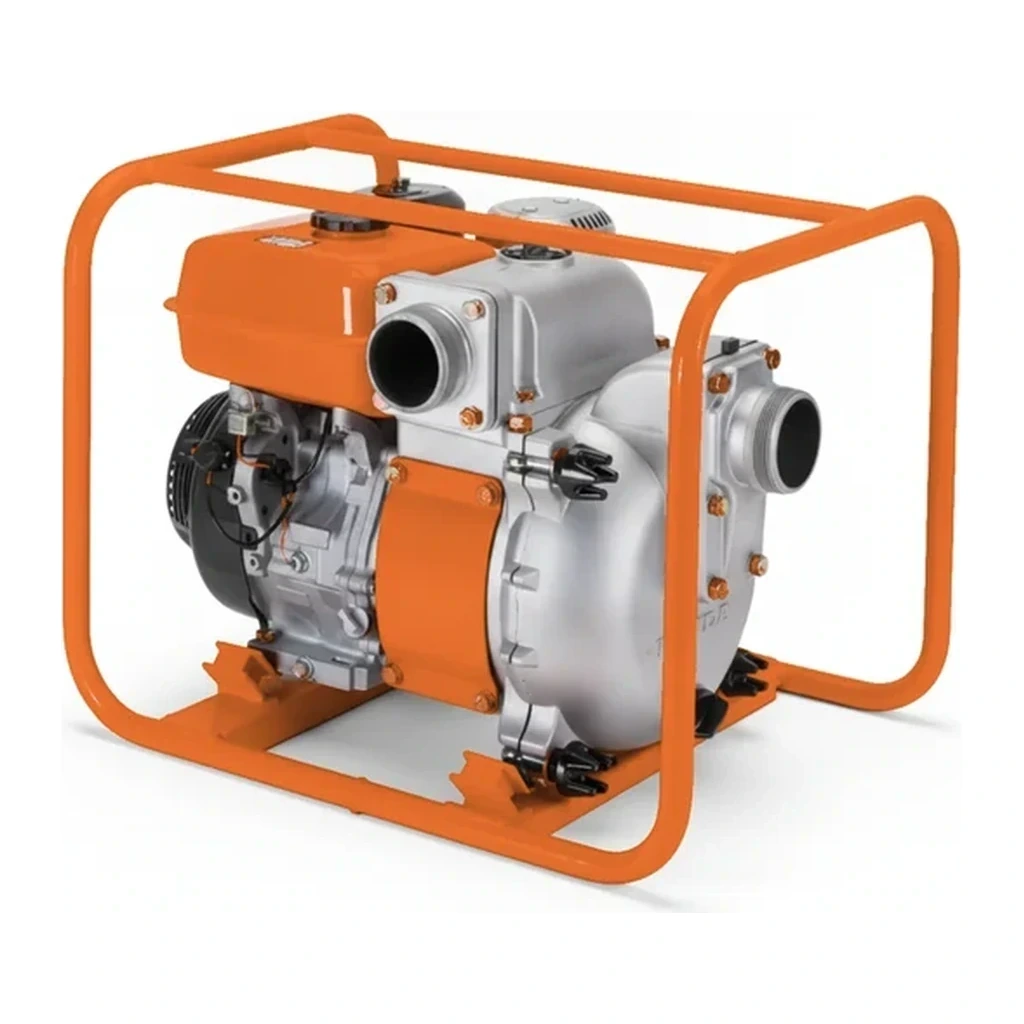
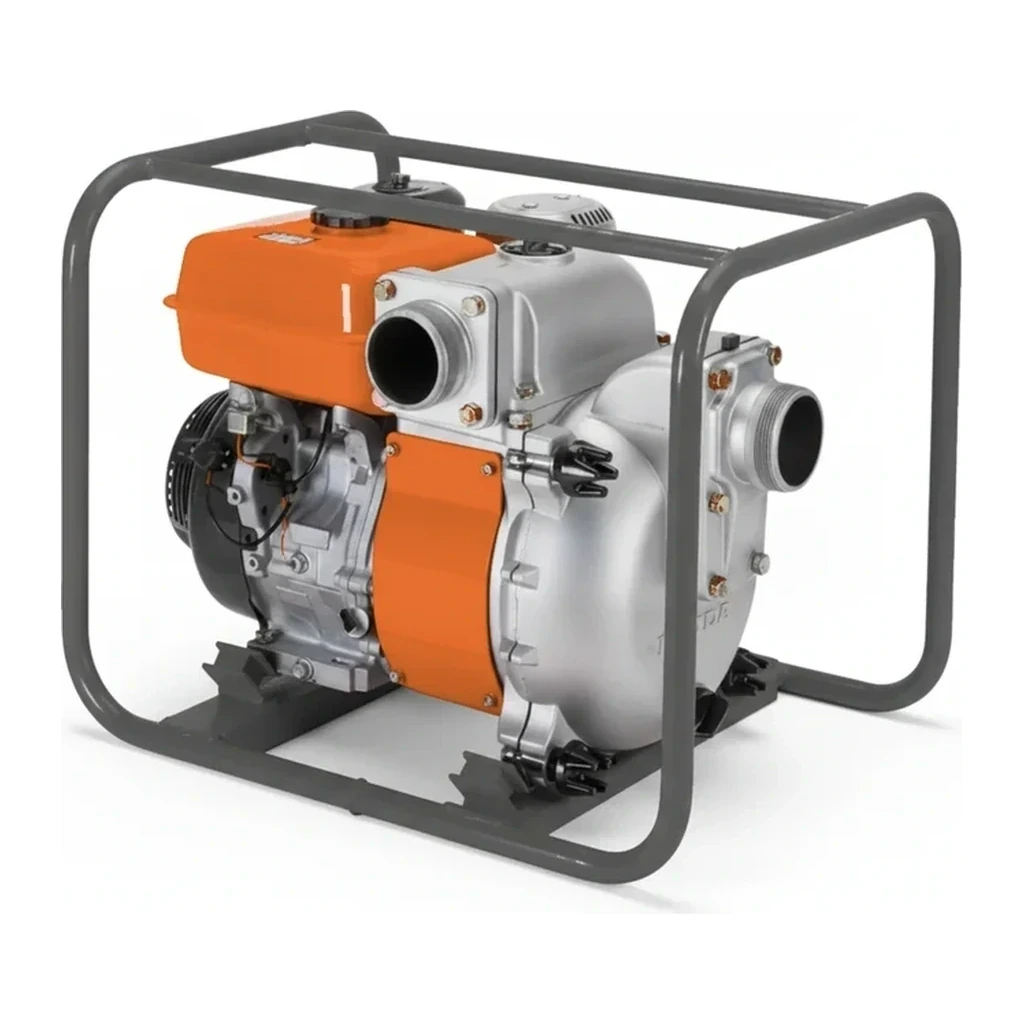
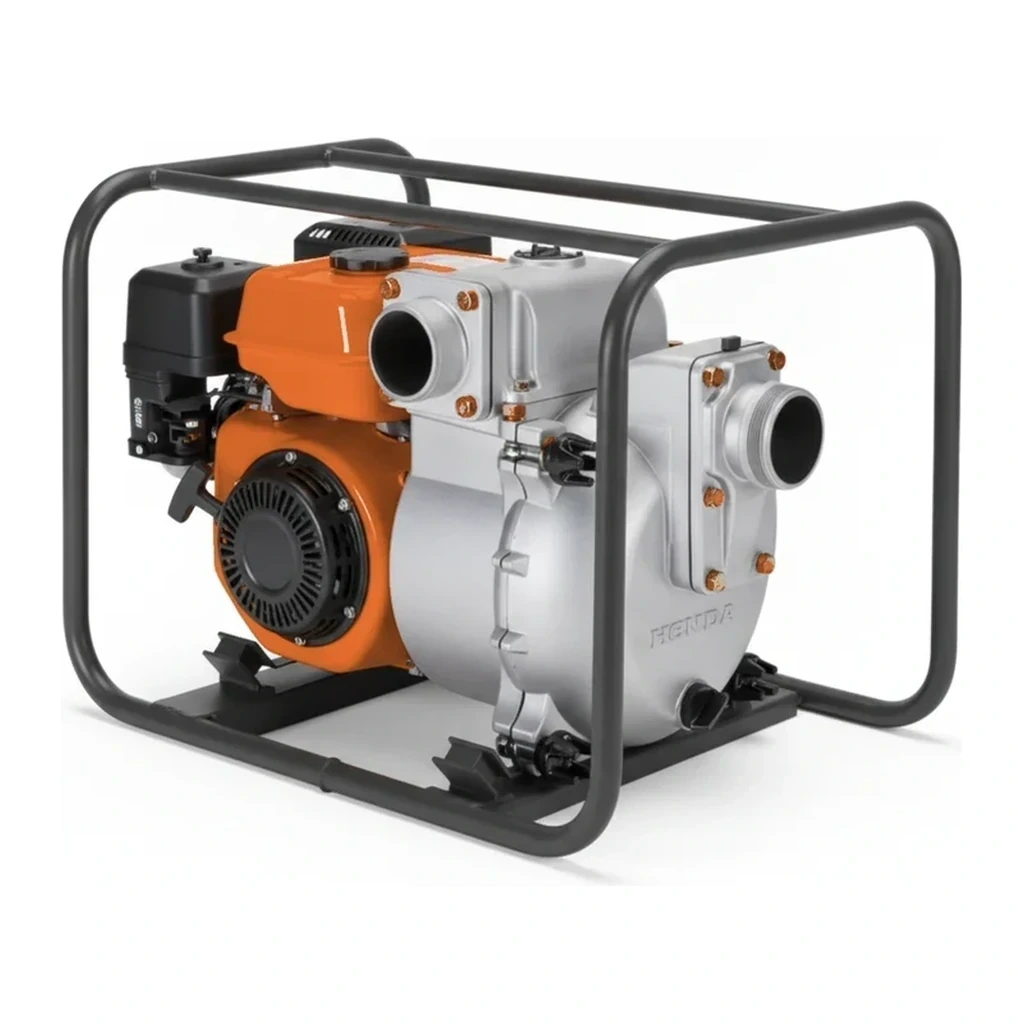
The 4-6 in trash pump class is sized for active excavations and small-line bypass applications requiring approximately 500 gallons per minute. This mid-range segment sits between the 3-4 in class for smaller dewatering tasks and the 8+ in class for large-volume municipal or industrial work. Models in this band feature 4 in discharge ports and are supplied by Tsurumi and Gorman-Rupp.
Cat classes
Pick a size class: capacity and reach differ across the range.
Key specifications
| Specification | Typical range | What it means |
|---|---|---|
| Discharge port diameter | 4 in (10.2 cm) | Standard connection size across models in this class for coupling to discharge piping. |
| Flow capacity | ~500 gpm | Target pumping rate for working excavations and bypass operations at design head. |
| Solids passage | Varies by impeller design | Trash pumps accommodate debris and solids larger than clean-water centrifugal pumps handle. |
How to choose
Choose a 4-6 in trash pump when flow requirements approach 500 gpm and discharge piping is 4 in, typical of working excavations, utility trenches under active dewatering, or bypassing flow around a small water or sewer main. For lighter dewatering, foundation trenches, shallow pits, or flows below 300 gpm, the 3-4 in Trash Pump class offers easier handling and lower fuel consumption. When municipal bypass, large excavation dewatering, or flows exceeding 1,000 gpm are required, step up to the 8+ in Trash Pump class with its significantly larger discharge and higher-volume impellers.
What this size handles
- Dewatering a working excavation for utility installation with continuous groundwater inflow
- Bypassing flow around a 6-8 in water main during repair or replacement
- Pumping from a sump or wet well serving a mid-sized construction site
- Handling runoff and seepage in trenching operations with moderate solids content
- Transferring water from retention basins or temporary holding ponds
- Controlling water levels in cofferdam or caisson construction
Safety & operation
- Ensure suction strainer is clear and properly seated to prevent debris from damaging the impeller
- Monitor discharge pressure and flow to detect clogging or cavitation conditions
- Maintain safe distances from rotating couplings and belt drives during operation
- Secure pumps on stable ground or trailer to prevent tipping or movement under vibration
Transport & logistics
- Commonly trailer-mounted or skid-mounted for towing behind a pickup or utility truck
- Requires moderate lifting capacity for crane or forklift placement if skid-mounted
- Typical setup involves positioning near discharge point and running suction/discharge lines
Power & supply
- Diesel-powered models with onboard fuel tanks for field independence
- Electric models available for sites with three-phase power and no emissions restrictions
- Fuel consumption and runtime depend on load, head, and engine size
Frequently asked
What distinguishes a 4-6 in trash pump from a 3-4 in model?
Can a 4-6 in trash pump handle sewage or highly contaminated water?
When should an operator choose the 8+ in class instead?
Related equipment
Browse by manufacturer
Sources
Every specification is verified against the manufacturer's published data, with the source linked for reference.
4-6 in Trash Pump
4 models · Every spec cited to source