

Hand Wash and Sanitizing Stations
Portable hygiene stations bring handwashing and sanitizing to sites and events without plumbing. Hand wash stations are the main class.
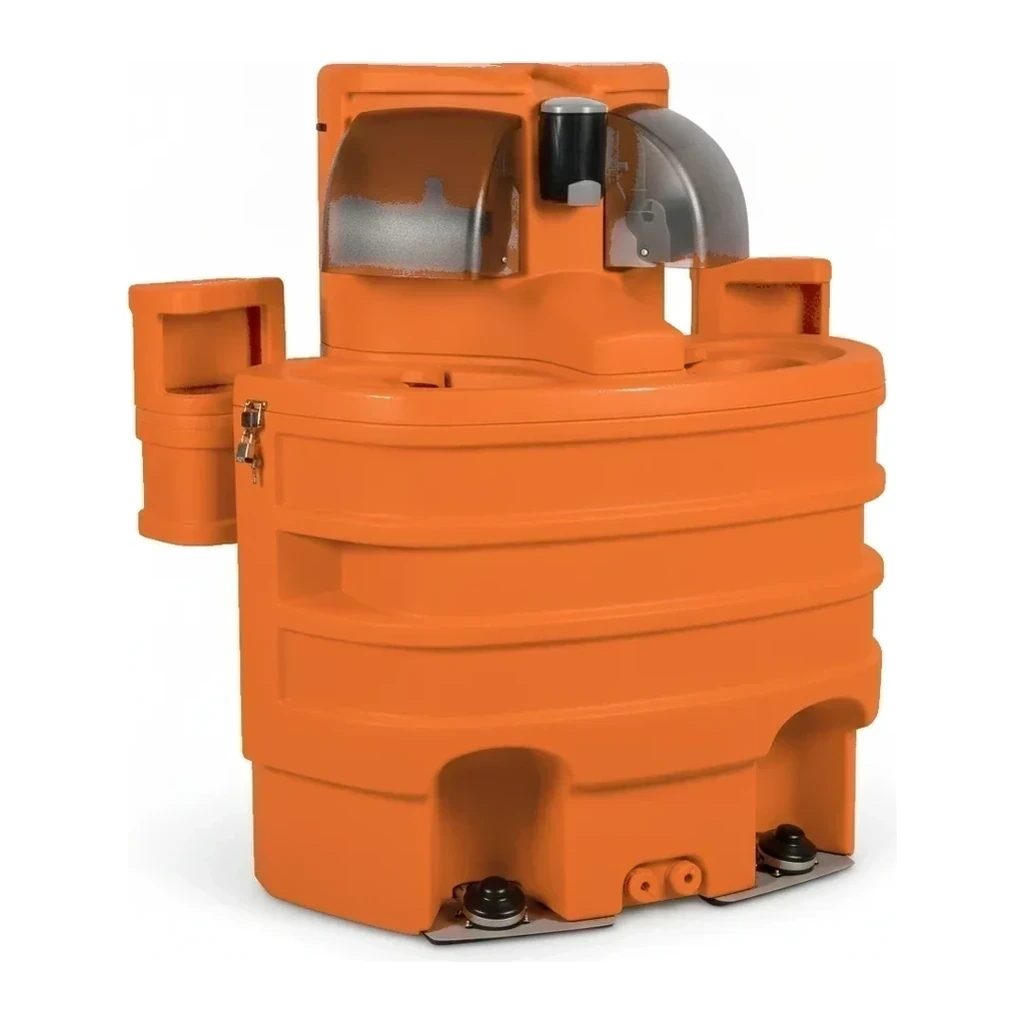
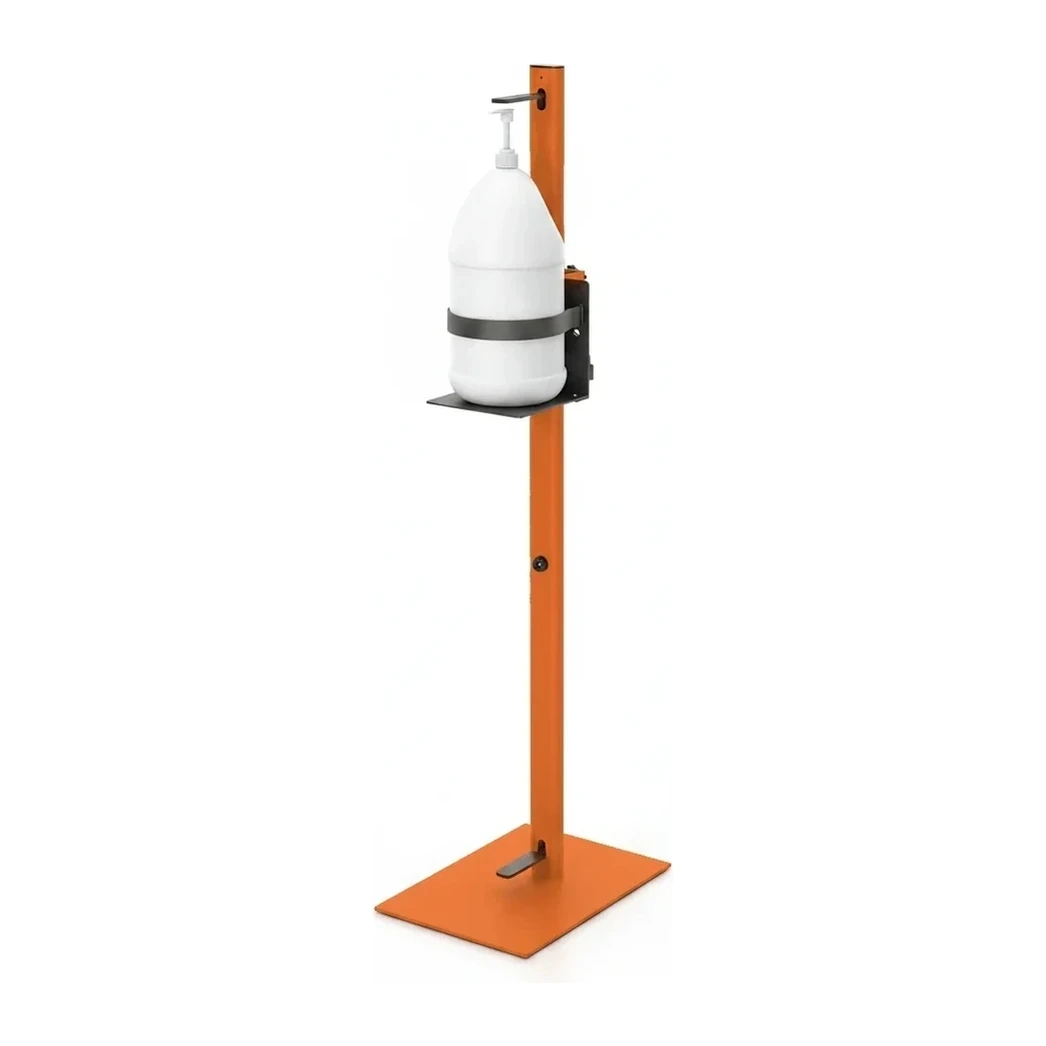
How it works
A foot pump draws fresh water to the basin; used water collects in a gray tank for service. Capacity is rated in washes per fill, and units station beside toilets, food areas, and work zones — servicing replenishes water, soap, and towels on the pumping schedule.
Types & variants
- Portable Hand Wash Station
- Free-standing station with fresh and gray water tanks for handwashing.
- Portable Hand Sanitizer Station
- Stand-mounted dispenser station for waterless hand sanitizing.
How to choose
Station count follows headcount and placement rules — at minimum alongside every toilet cluster and food service point. Wash stations satisfy soap-and-water requirements that sanitizer alone does not; cold-weather sites need freeze protection or heated units.
Standards & certifications
- OSHA · 29 CFR 1926.51
- Job-site sanitation requirements, including toilet counts and washing facilities.
- ANSI · Z4.3
- Minimum requirements for nonsewered waste-disposal systems such as portable toilets.
Frequently asked
What is the difference between a wash station and a sanitizer station?
Water. Wash stations provide soap-and-running-water handwashing — the requirement where toilets and food are involved; sanitizer stands supplement coverage but do not replace washing.
How many stations does a site need?
At least one wash point at every toilet cluster, plus food and high-traffic areas — sized so servicing intervals keep water and supplies stocked between visits.
How often are stations serviced?
Typically on the same schedule as the toilets they accompany — fresh water refilled, gray water pumped, soap and towels restocked, commonly weekly or more on busy sites.