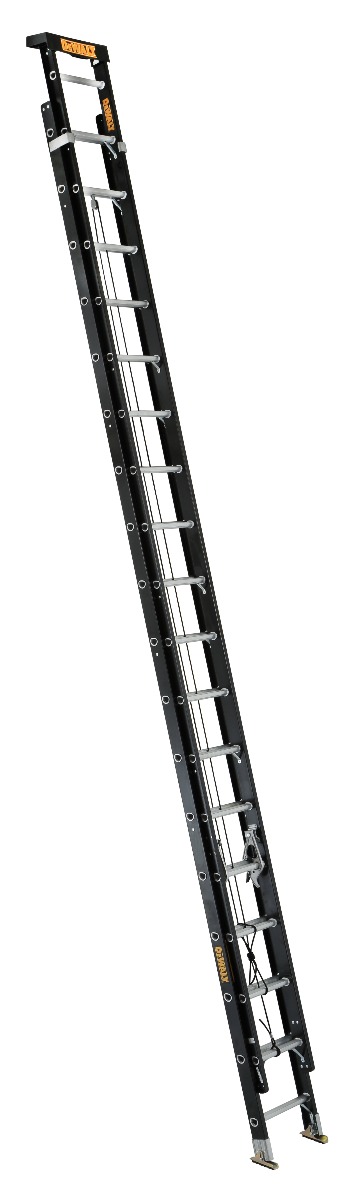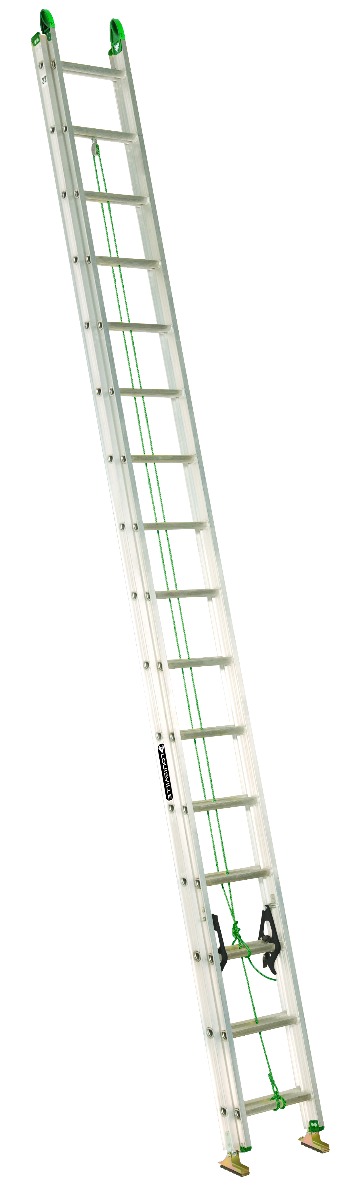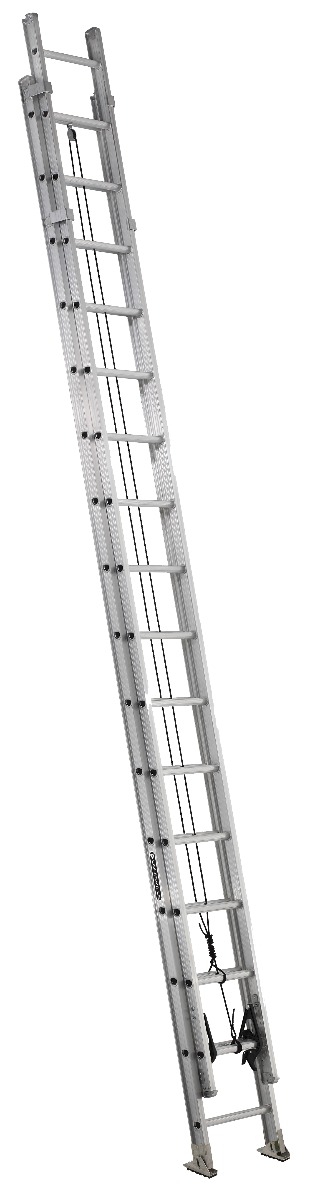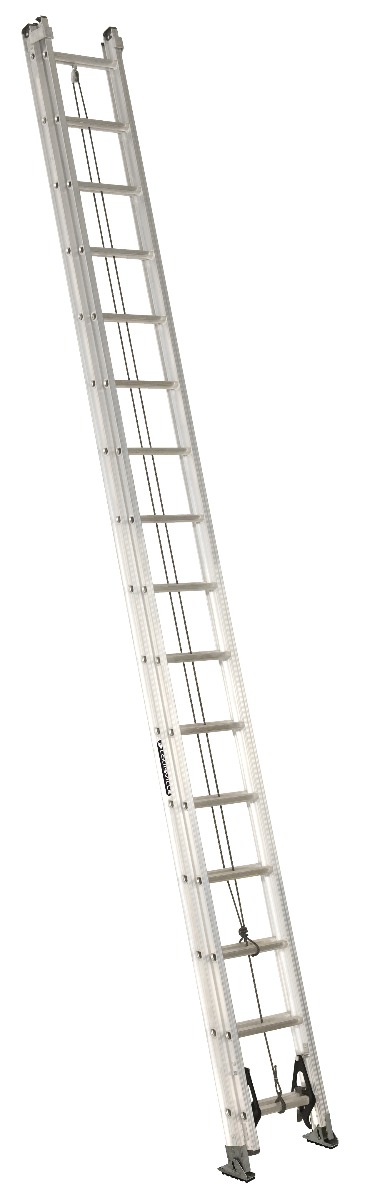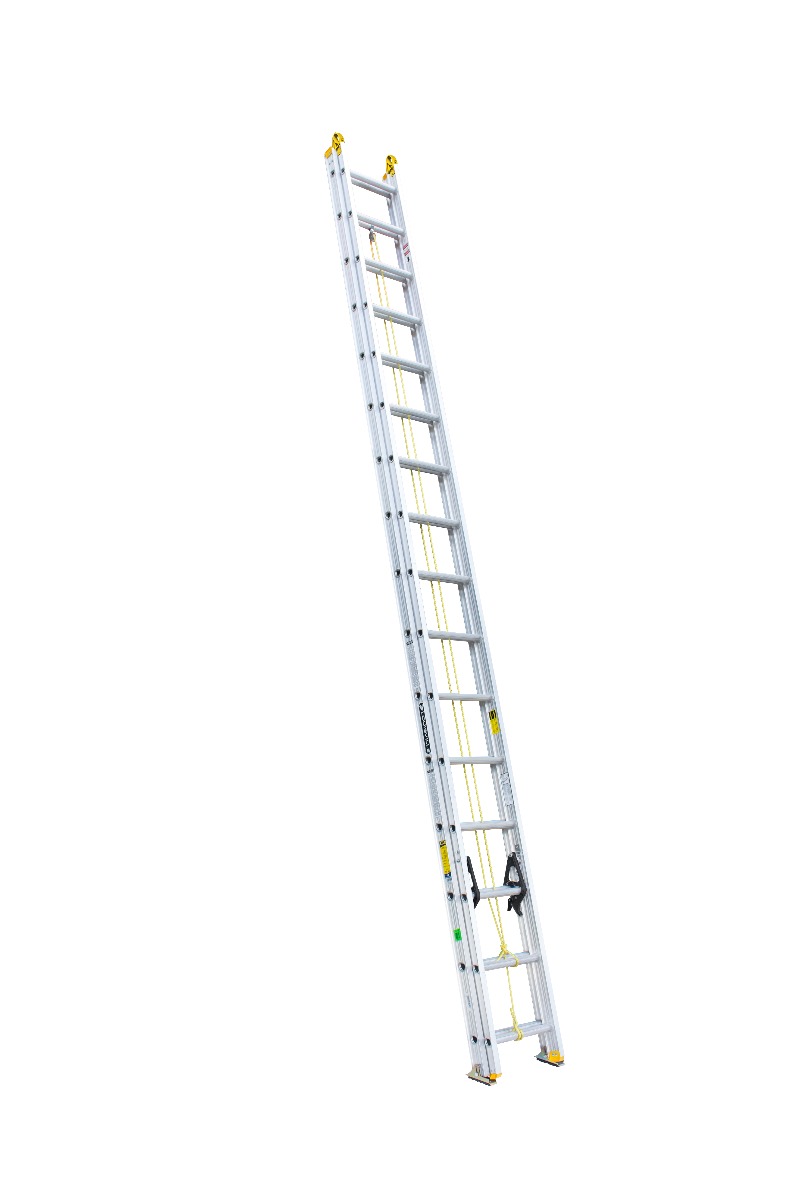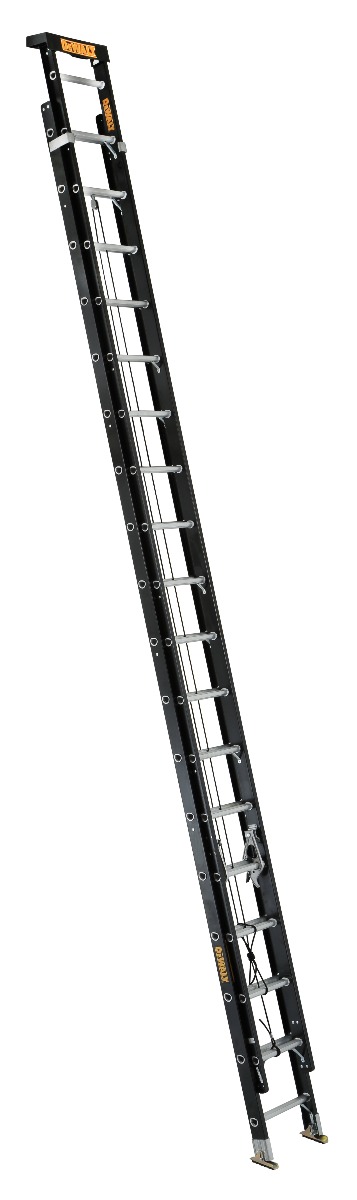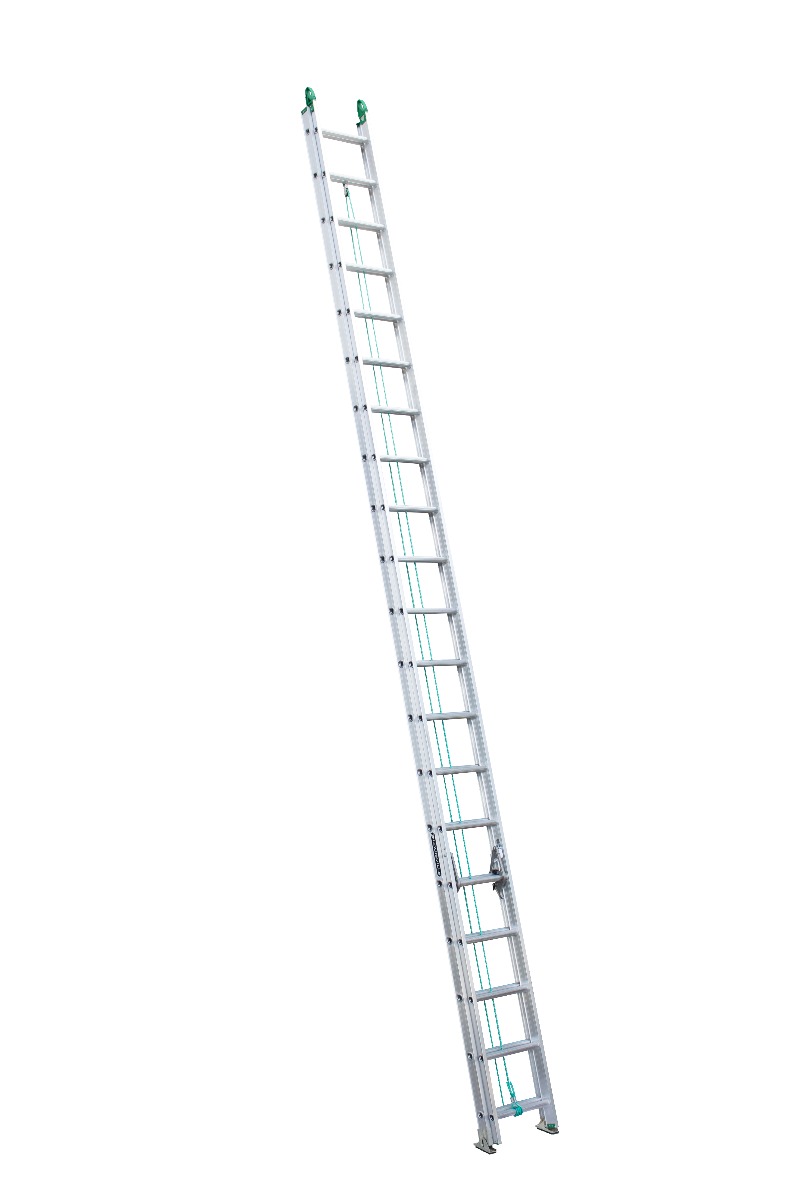

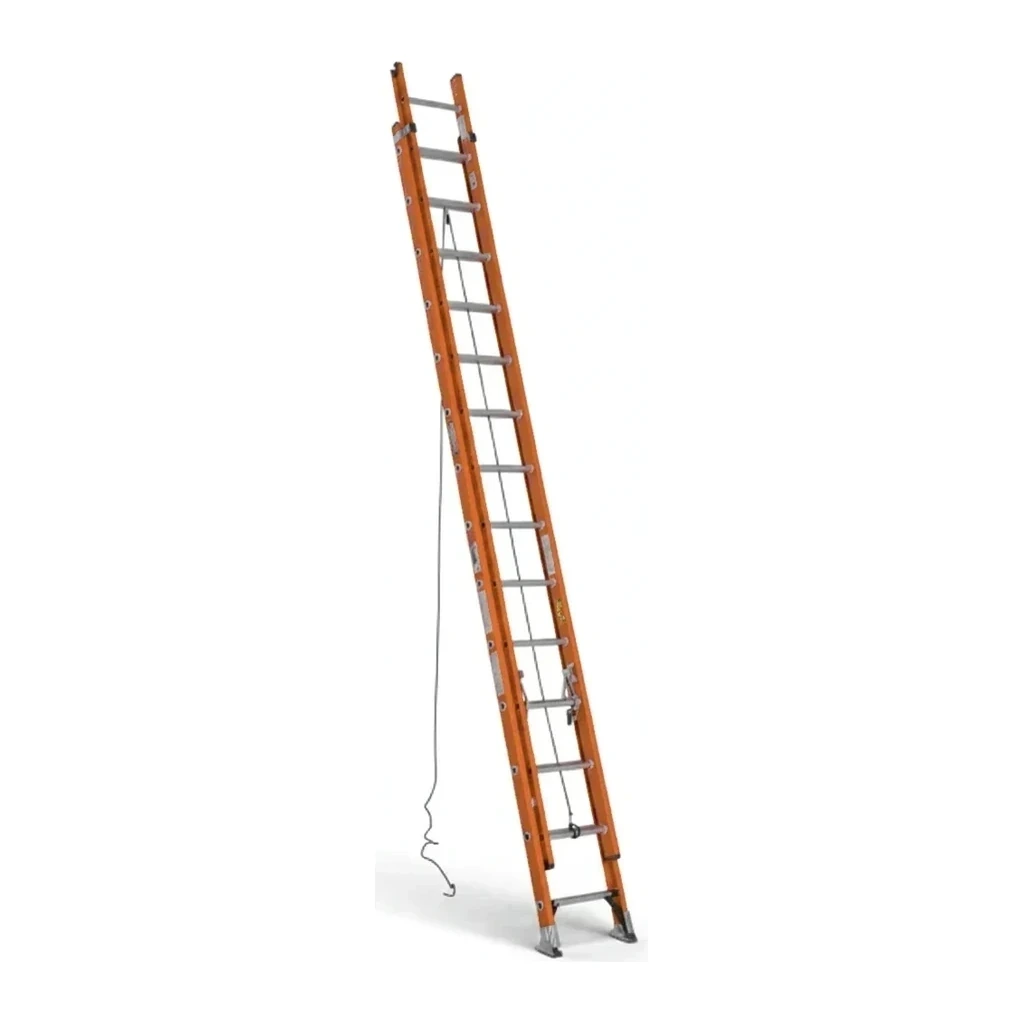
26-32 ft Extension Ladder
The 26-32 ft extension ladder is specified for three-storey access, tall commercial facades, steep roof pitches, and chimney work where a 20-26 ft extension ladder falls short. This size class bridges mid-height residential work and the longest extension ladders in the fleet. Maximum extended heights in this range typically reach 27-31 ft, with load capacities from 225 to 375 kg depending on duty rating.
Cat classes
Pick a size class: capacity and reach differ across the range.
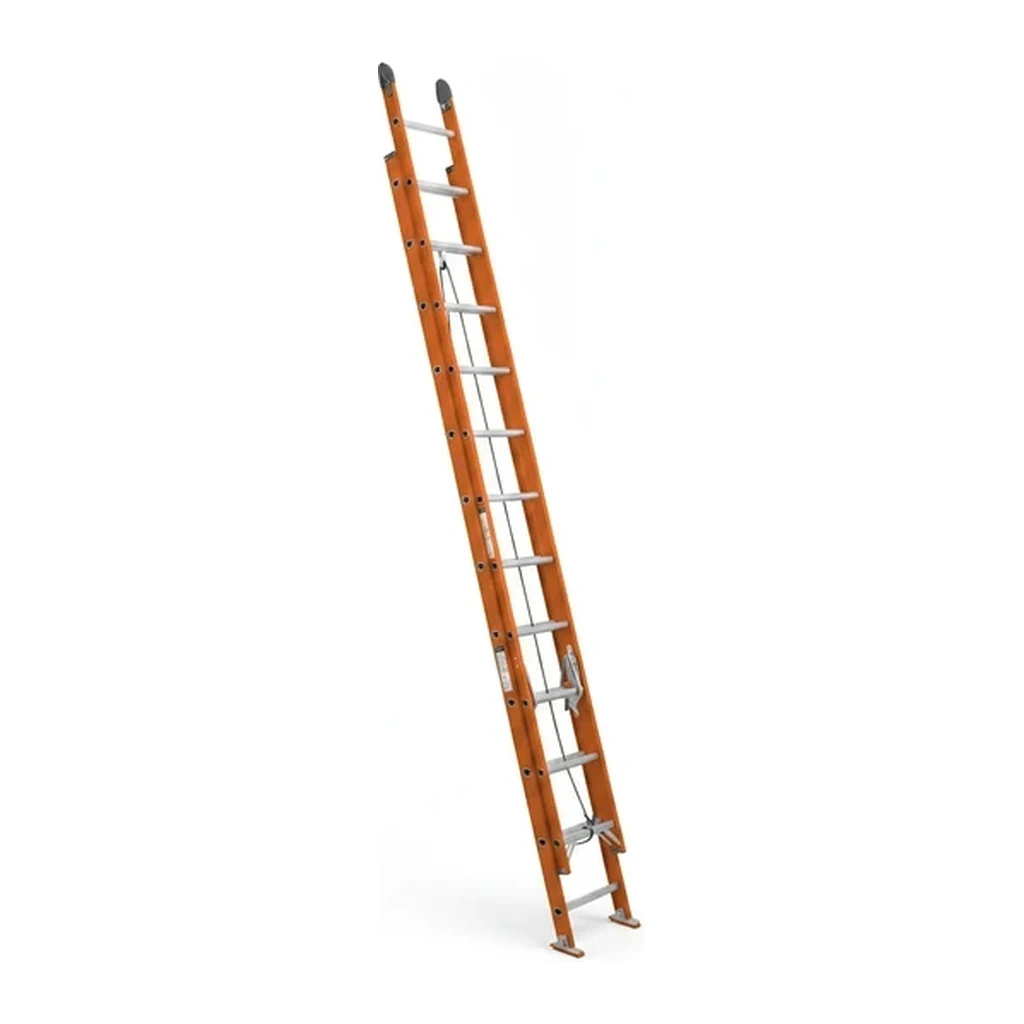
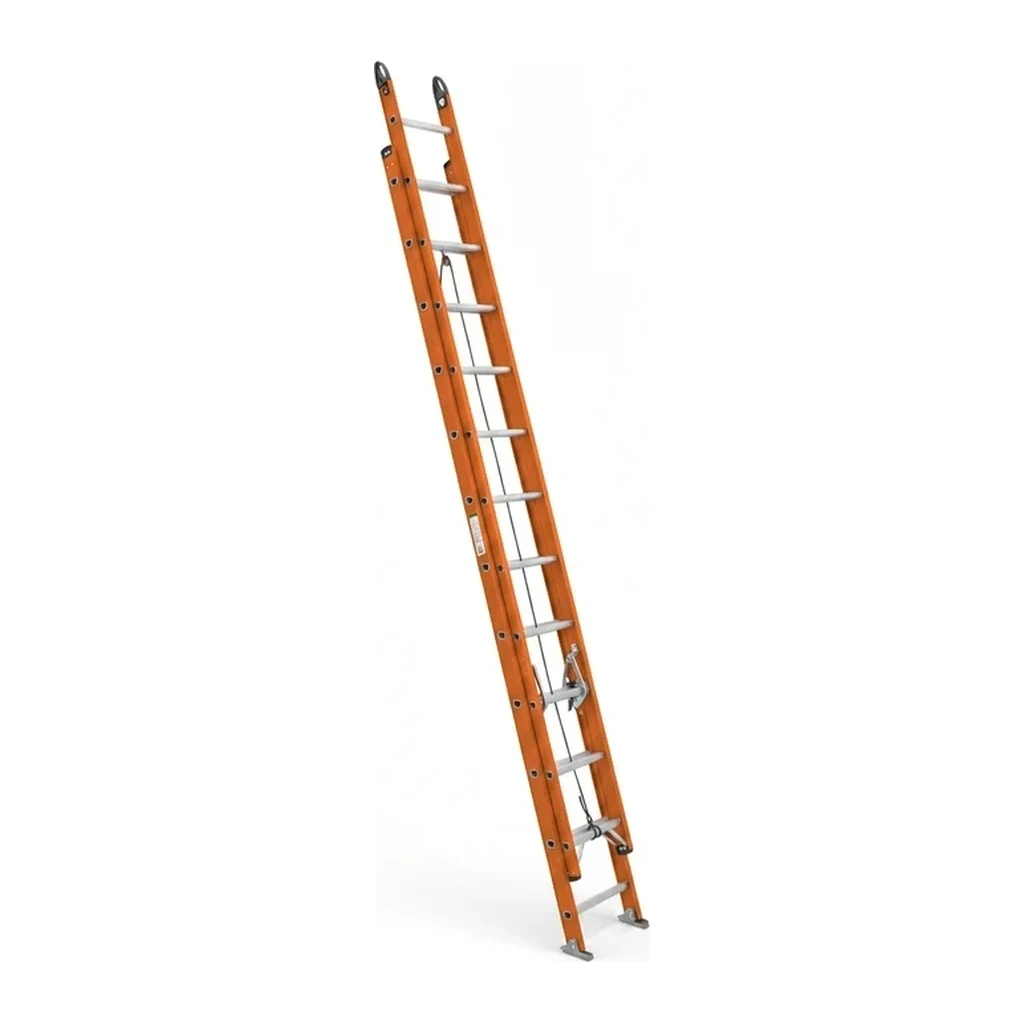
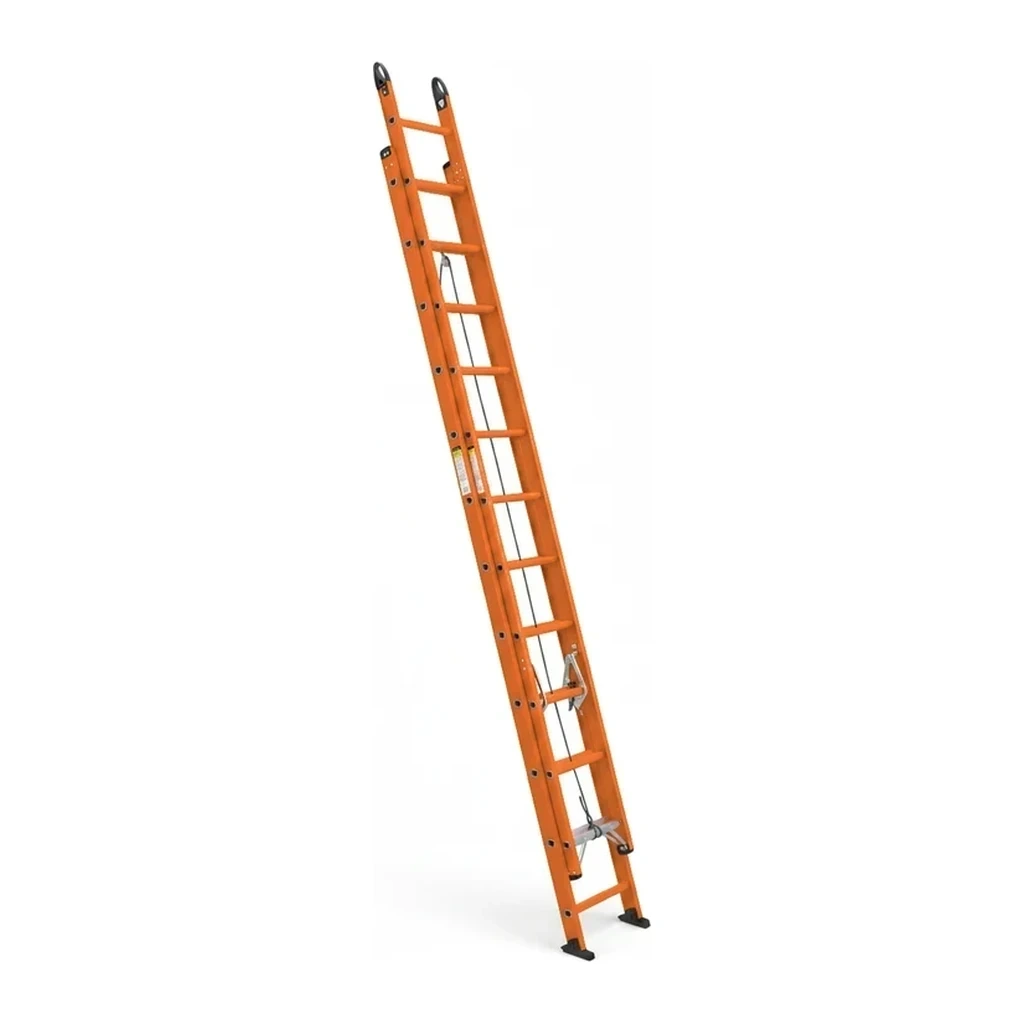
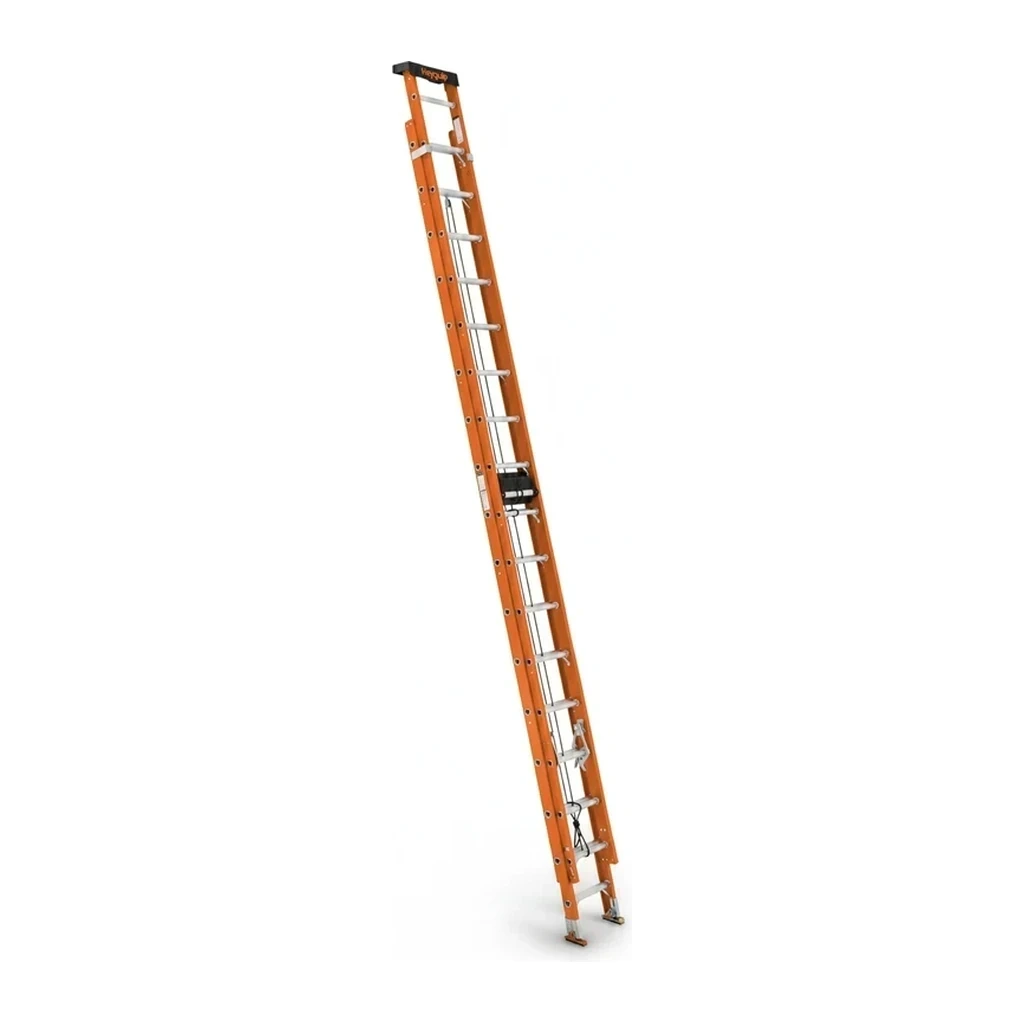
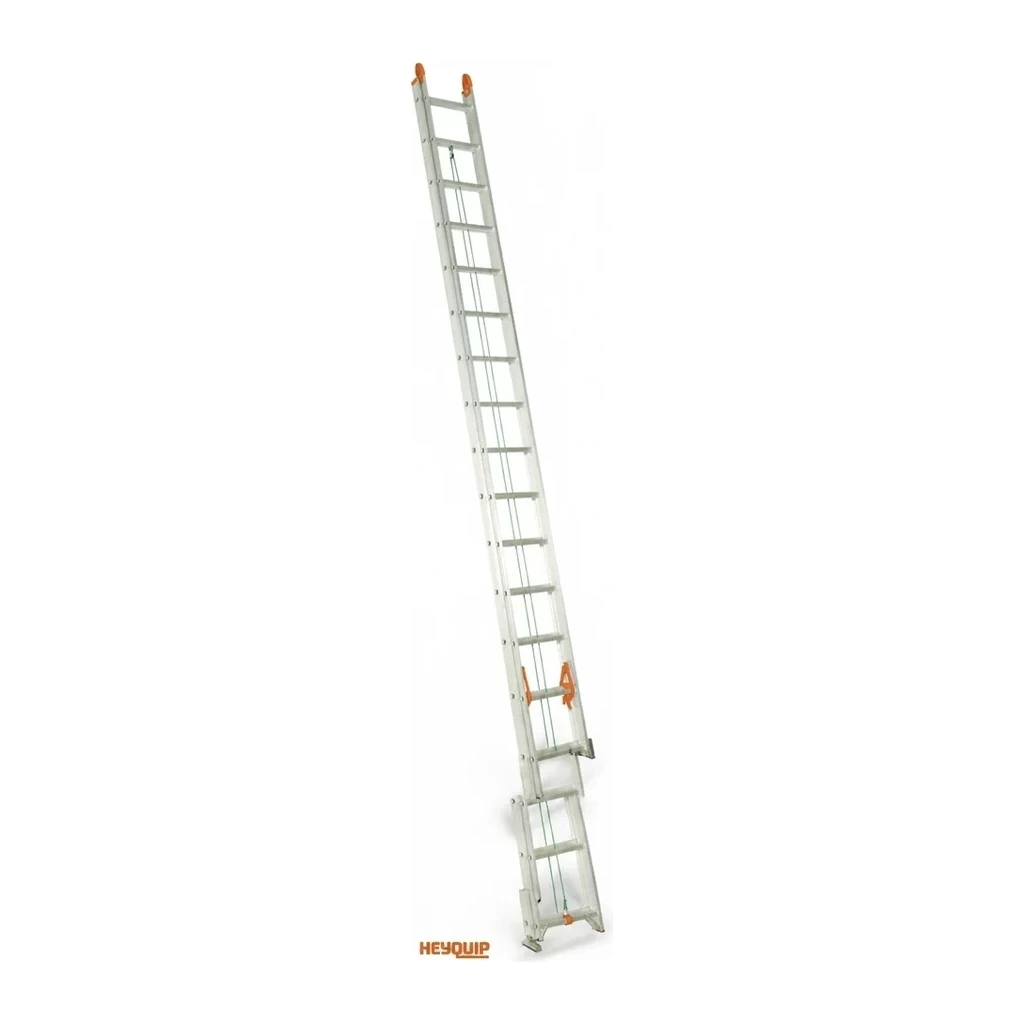
Key specifications
| Specification | Typical range | What it means |
|---|---|---|
| Max height | 27–31 ft (8.2–9.4 m) | Extended length determines the highest safe working position, accounting for required overlap and setup angle. |
| Load capacity | 496–827 lb (225–375 kg) | Duty rating varies from Type II (commercial) to Type IA (heavy-duty industrial); higher ratings accommodate tools and materials. |
| Retracted length | ~14-17 ft | Nested length governs transport vehicle requirements and jobsite maneuverability. |
| Weight | ~30-45 kg | Heavier-duty ratings and fiberglass construction increase mass; two-person handling is standard for this size. |
How to choose
This size is appropriate when the work height exceeds the reach of a 20-26 ft extension ladder: typically three-storey eaves, commercial storefronts, or chimney stacks on steep-pitch roofs. If the task involves standard two-storey residential siding, soffit, or gutter work below 24 ft, the 20-26 ft extension ladder offers easier handling and setup. For work above 30 ft, such as four-storey buildings or large commercial facades, the 32+ ft extension ladder provides the necessary reach. Setup angle, overlap requirements, and the distance of the base from the wall all reduce effective working height, so the actual task elevation should be several feet below the ladder's maximum extended length.
What this size handles
- Three-storey residential exterior painting and window access
- Tall commercial building facade maintenance and signage installation
- Chimney inspection and repair on steep-pitch roofs
- Electrical service mast work at 25-28 ft height
- High soffit and fascia repair on split-level or hillside structures
- Tree pruning and trimming at crown heights of 22-26 ft
Safety & operation
- Setup angle of 75° (1:4 ratio: base one foot out for every four feet of height) is critical for stability; over-steepening or over-flattening increases tip or slide risk.
- Minimum overlap between fly and base sections increases with extension length; consult manufacturer rung labels for required overlap at working height.
- Two-person setup is standard practice due to weight and length; raising the fly section and stabilizing the base require coordination.
- Tie-off or standoff stabilizers are often used at this height to prevent lateral movement and keep the ladder clear of fragile surfaces like gutters or siding.
Transport & logistics
- Requires full-size pickup truck or flatbed trailer; retracted length of 14-17 ft typically overhangs compact truck beds.
- Two-person lift recommended for loading and unloading due to 30-45 kg weight and length.
- Roof racks or ladder racks on larger vans can accommodate this size with proper tie-down.
Power & supply
- No power or fuel required; extension ladders are unpowered access equipment.
- Fiberglass models are non-conductive and specified for electrical work; aluminum models conduct electricity and require clearance from live lines.
Frequently asked
What is the actual working height for a 28 ft extension ladder?
Can one person set up a ladder in this size range?
What is the difference between Type I, Type II, and Type IA ratings in this size class?
Compare popular models
Find by spec →Normalised to the same units. A dash means the figure was not published.
| Model | Max height | Load capacity |
|---|---|---|
| Louisville Ladder AE1232HD | 29 ft (8.8 m) | 827 lb (375 kg) |
| Louisville Ladder AE2232 | 29 ft (8.8 m) | 661 lb (300 kg) |
| Louisville Ladder AE3232 | 29 ft (8.8 m) | 551 lb (250 kg) |
| Louisville Ladder AE4232PG | 29 ft (8.8 m) | 496 lb (225 kg) |
| Louisville Ladder AE4240 | 30.8 ft (9.4 m) | 496 lb (225 kg) |
| Louisville Ladder DXL3020-36PT | 27.6 ft (8.4 m) | 661 lb (300 kg) |
Related equipment
Browse by manufacturer
Sources
Every specification is verified against the manufacturer's published data, with the source linked for reference.
26-32 ft Extension Ladder
16 models · Every spec cited to source