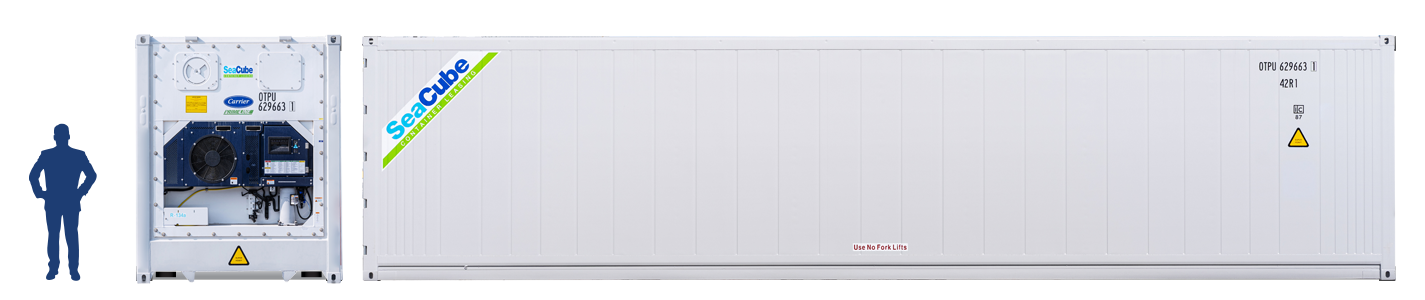

Refrigerated Storage Container
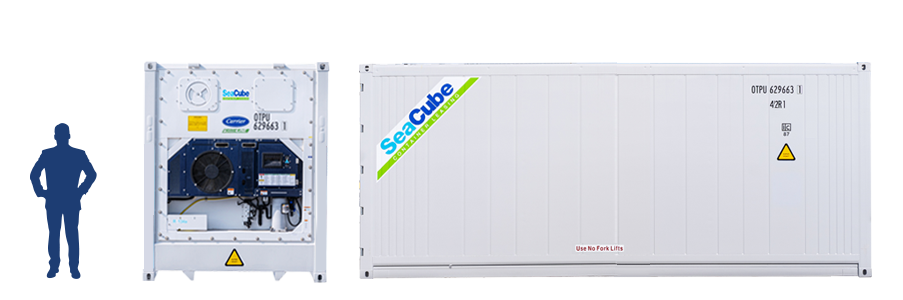
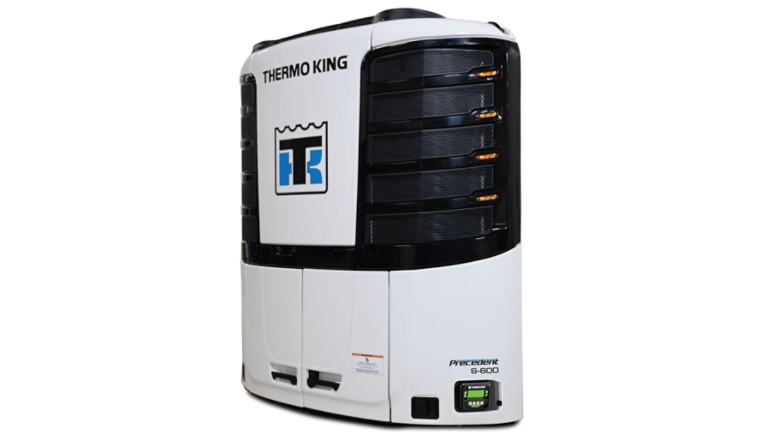
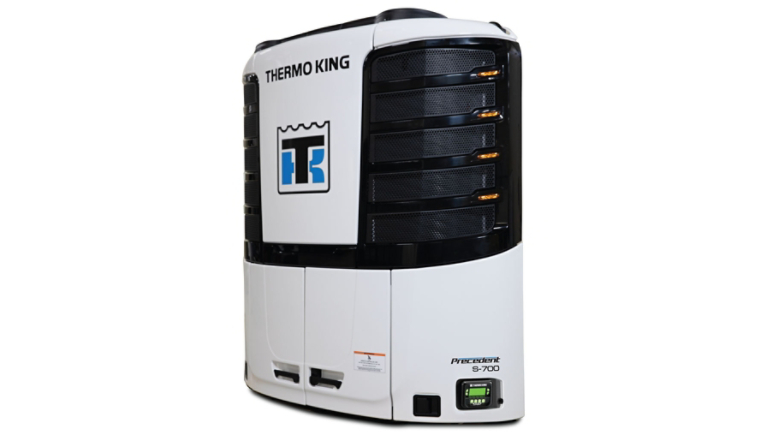
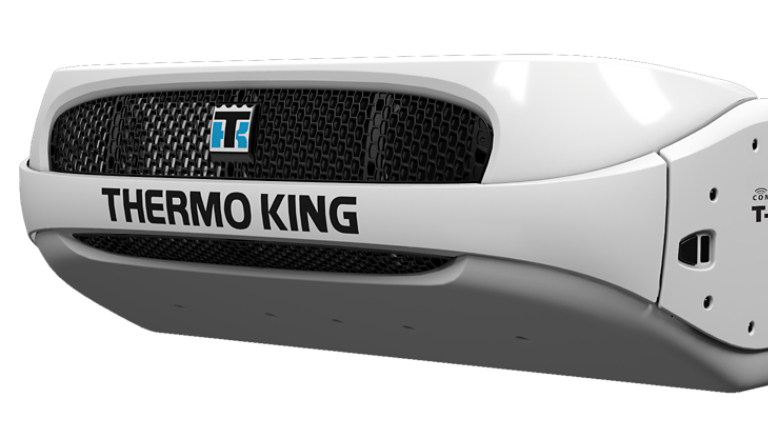
A refrigerated storage container (reefer) is a self-contained insulated box with a built-in refrigeration unit, holding perishable goods or temperature-sensitive materials at set temperature on site. The catalog lists 31 models from Thermo King, Triton, Seacube, Conex and Williams Scotsman.
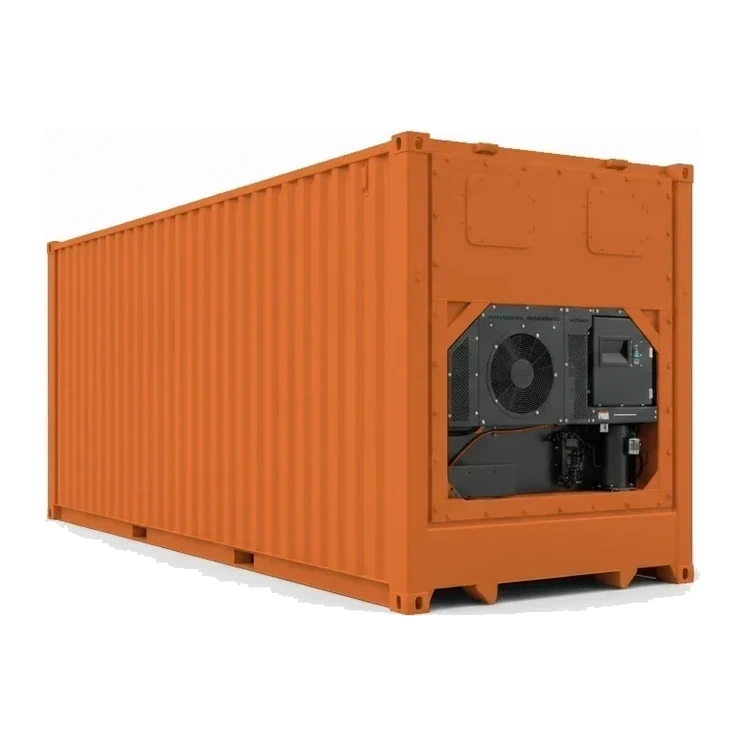
How it works
An integral refrigeration machine at the container nose circulates conditioned air through the insulated cargo space, holding setpoints from chilled to deep frozen. Listed units run R-452A refrigerant. Power comes from a site electrical feed or a paired generator set. Listed generator pairings run 19.6-35.0 hp engines. Load capacity across listed models spans 3,535-5,000 kg.
Types & variants
- Standard reefer containers
- ISO-format insulated boxes with integral cooling, available in 20 ft and 40 ft lengths.
- Freezer-capable units
- Machines rated to hold deep-frozen setpoints for pharmaceutical and long-term storage.
- Generator-paired units
- Reefers matched to diesel gen-sets (19.6-35.0 hp listed) for off-grid operation.
Key specifications
| Specification | Typical range | What it means |
|---|---|---|
| Engine power | 19.6-35.0 hp | Engine power of paired generator sets for off-grid operation; on-grid units draw from site power. |
| Load capacity | 7,793–11,023 lb (3,535–5,000 kg) | Maximum cargo weight the container floor structure supports. |
| Max height | 19.9–45 ft (6.1–13.7 m) | Overall height dimension across listed models, relevant to site clearance and transport. |
How the industry sizes it
Reefers are sized by box length: 20 ft and 40 ft in the catalog. A 20 ft unit suits chilled or frozen storage for a site kitchen, a lab, or temperature-sensitive material. A 40 ft unit provides full pallet-load cold storage for catering, produce and pharmaceutical overflow. Sites choosing between one 40 ft and two 20 ft units weigh placement flexibility against a single power feed.
Applications
- Overflow cold storage for restaurants, grocers and caterers
- Event and festival food and beverage storage
- Cold-chain buffer storage in distribution operations
- Pharmaceutical and medical supply storage
- Temperature-controlled material storage on construction sites
Safety & operation
- Interior door release must work: anyone inside a closed reefer needs a guaranteed way out, and the latch is checked at delivery.
- Refrigerant handling is certified-technician work under EPA rules; leaks in enclosed spaces displace oxygen.
- The machine end needs service clearance and ventilation; generator pairings exhaust away from occupied areas.
- Product safety rides on power continuity: alarms or checks catch a tripped feed before a load is lost.
Standards & certifications
- ISO · 1496-2
- Thermal container specification underlying reefer construction.
- EPA · 40 CFR 82
- Refrigerant management rules (Section 608) governing service and leak repair.
Frequently asked
What temperatures can a reefer hold?
What power does a refrigerated container need?
How is load capacity specified?
Related equipment
Browse by manufacturer
Sources
Every specification is verified against the manufacturer's published data, with the source linked for reference.
All models
31 models · Every spec cited to source