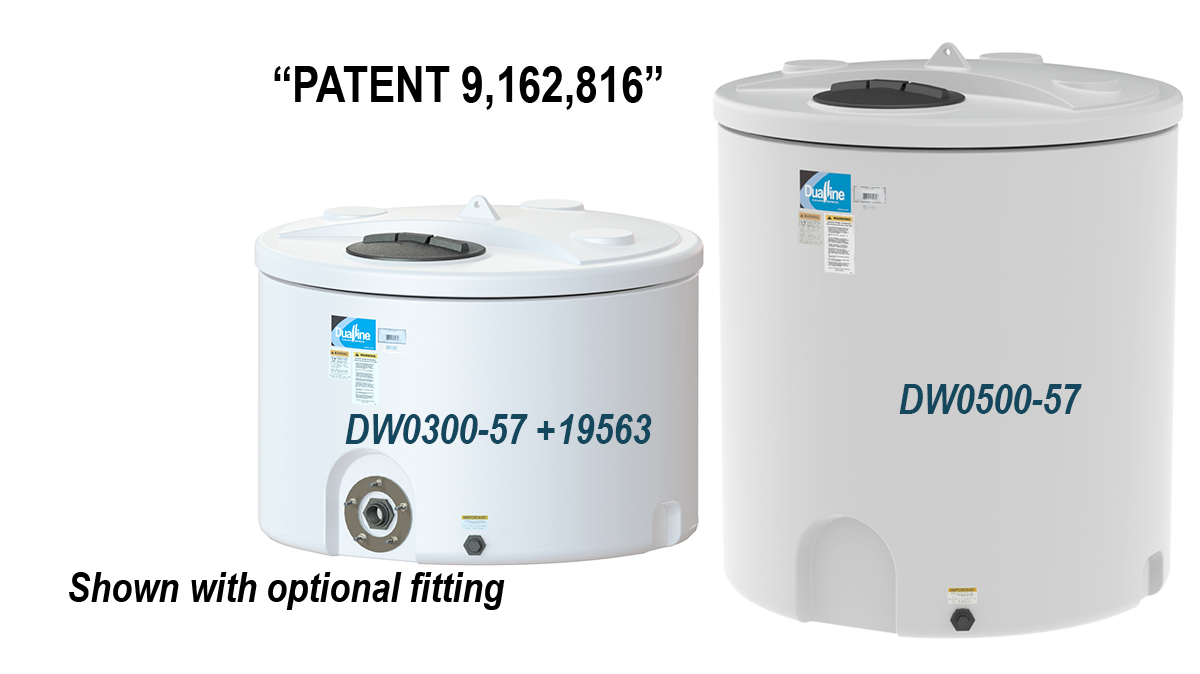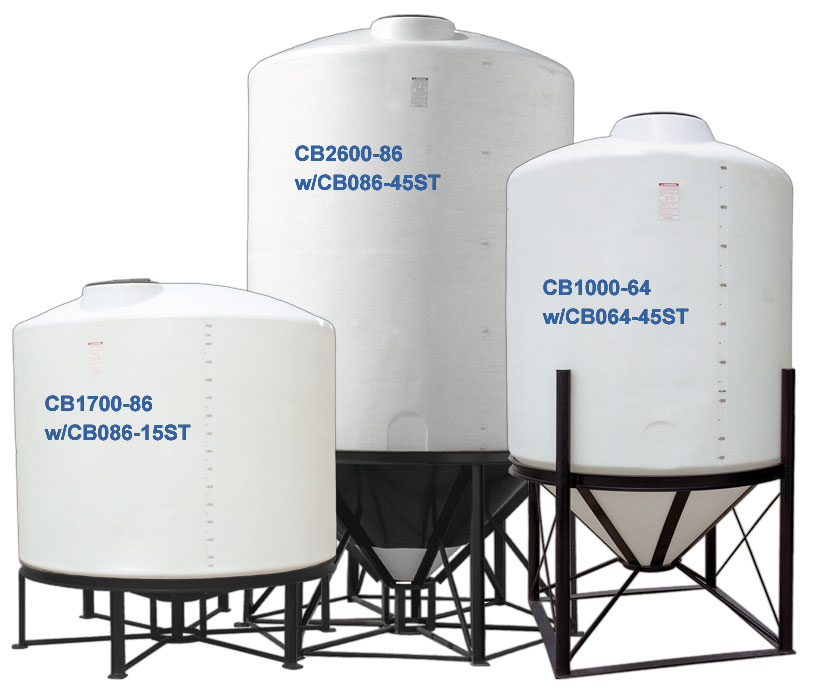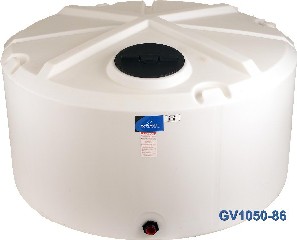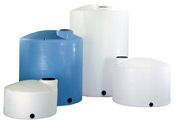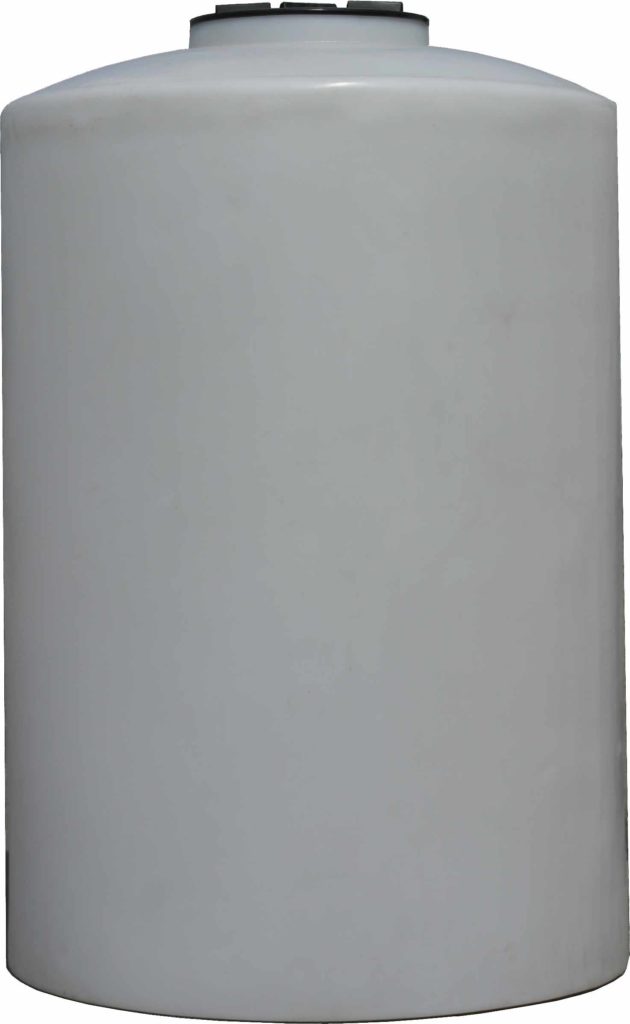

6,000+ gal Water Tank
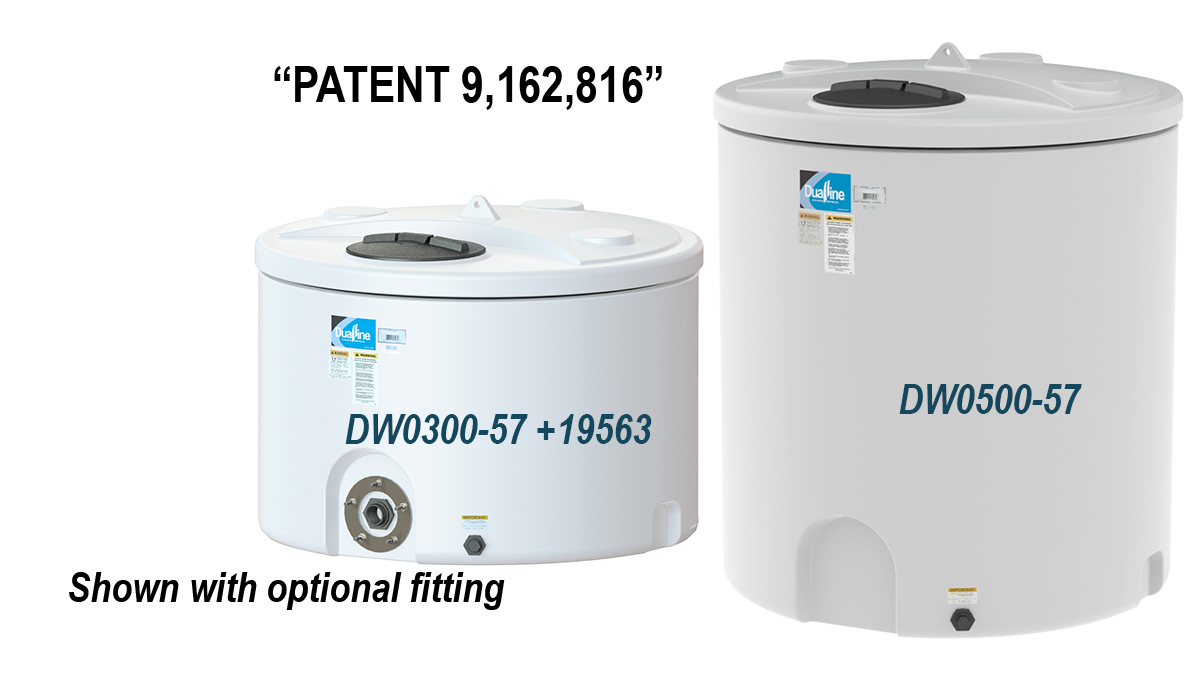
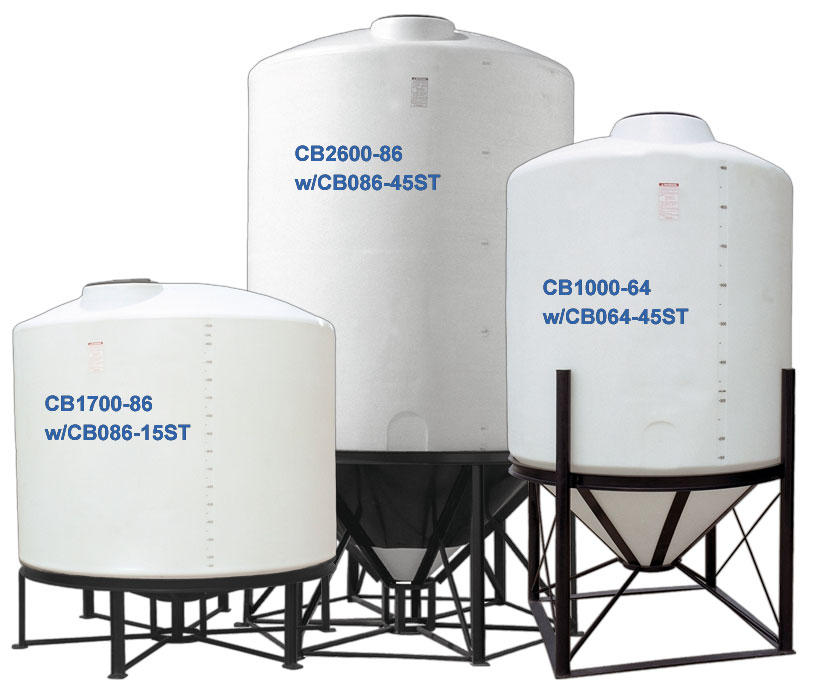
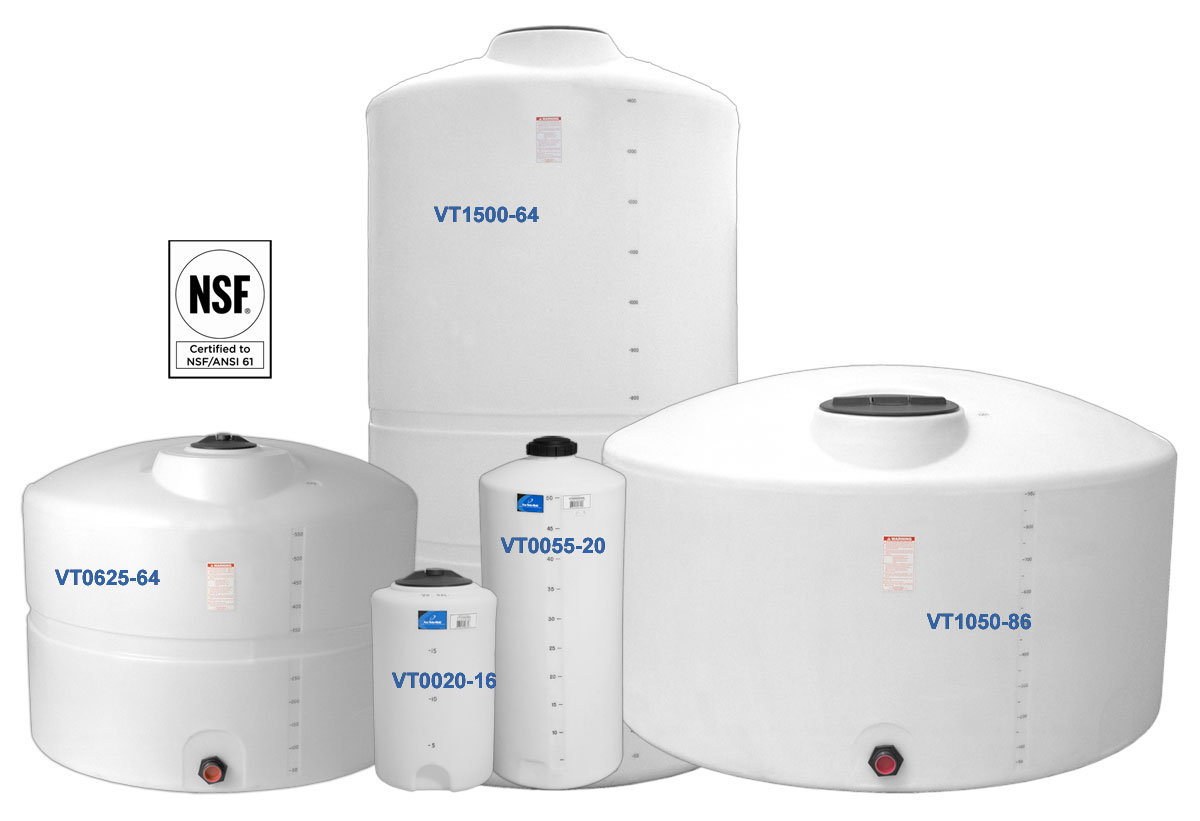
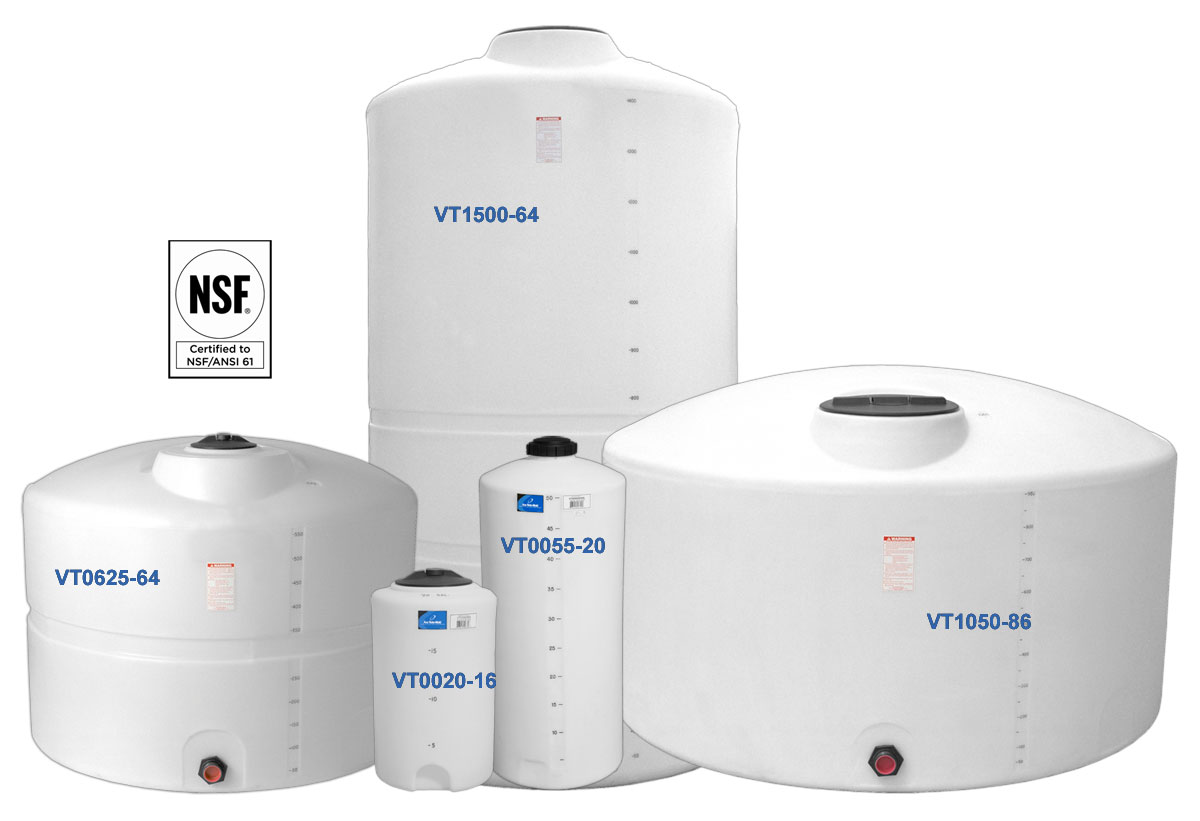
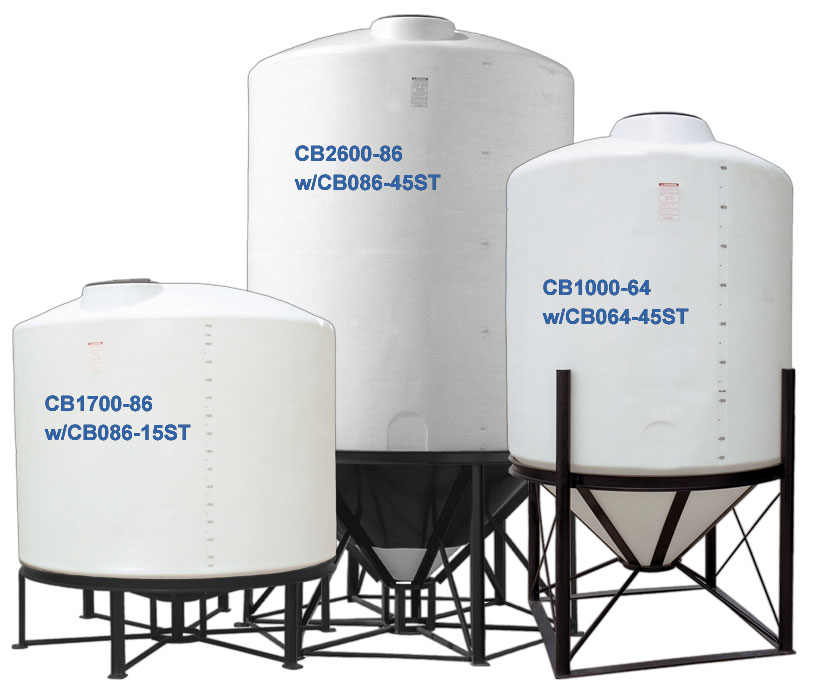
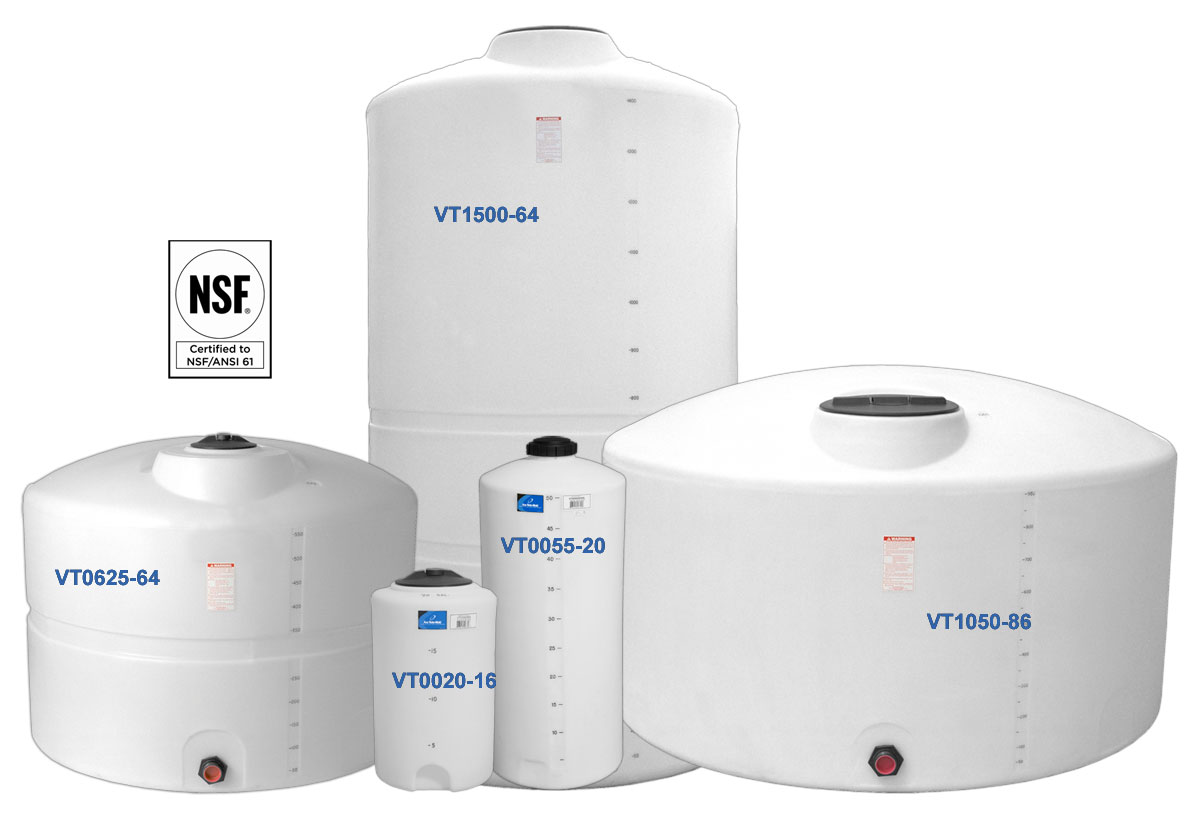
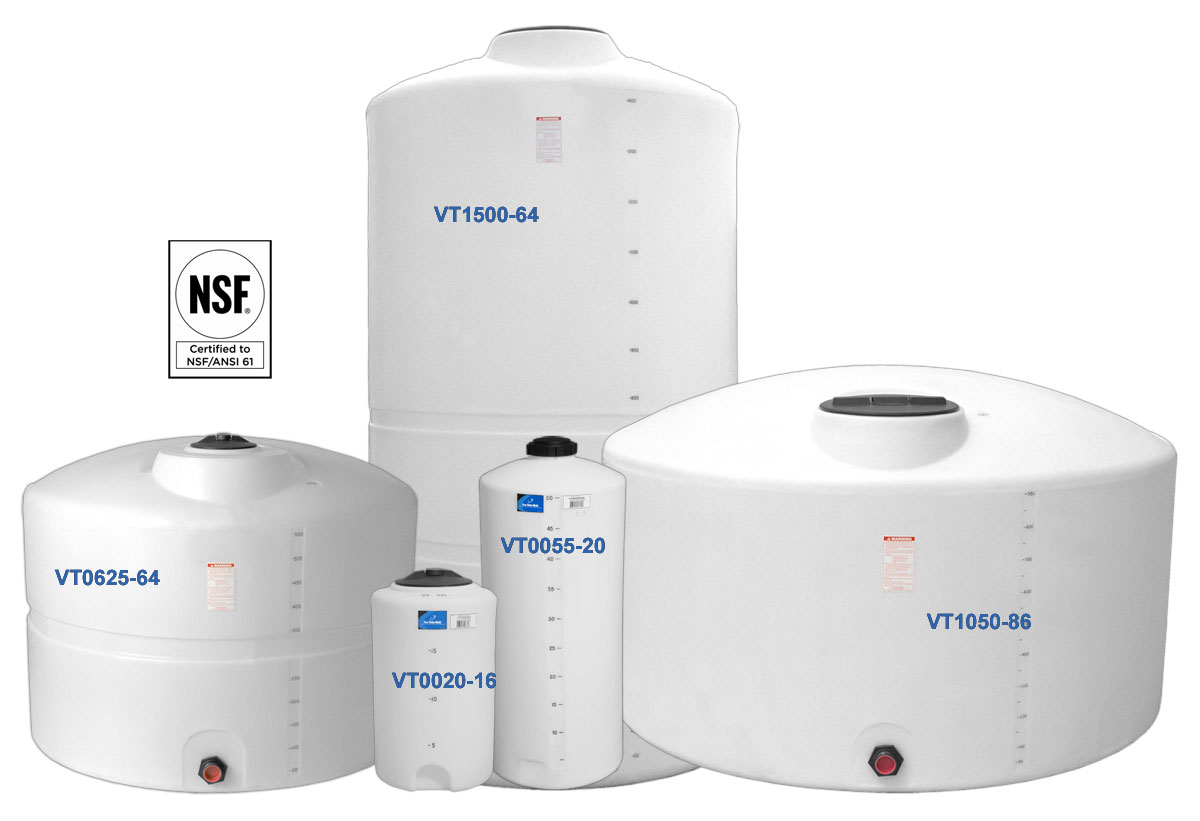
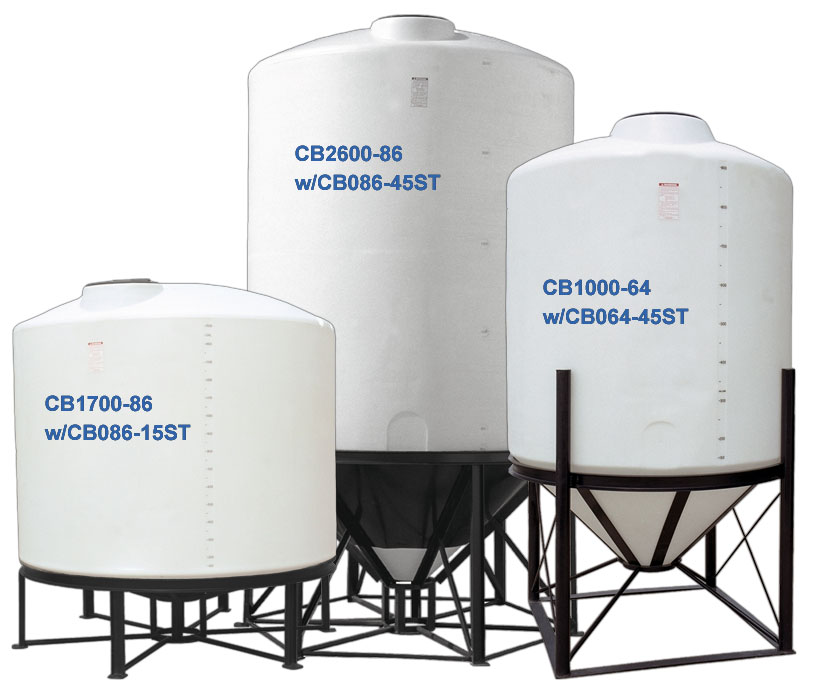
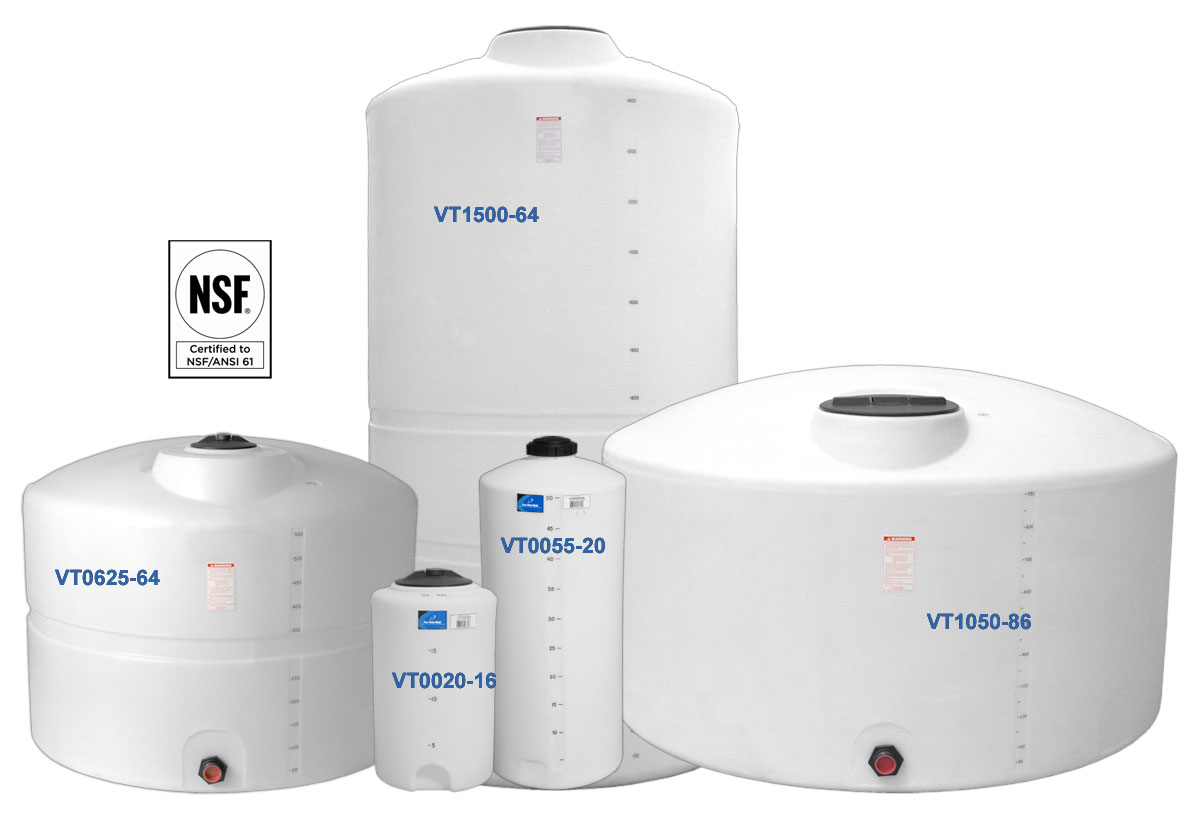
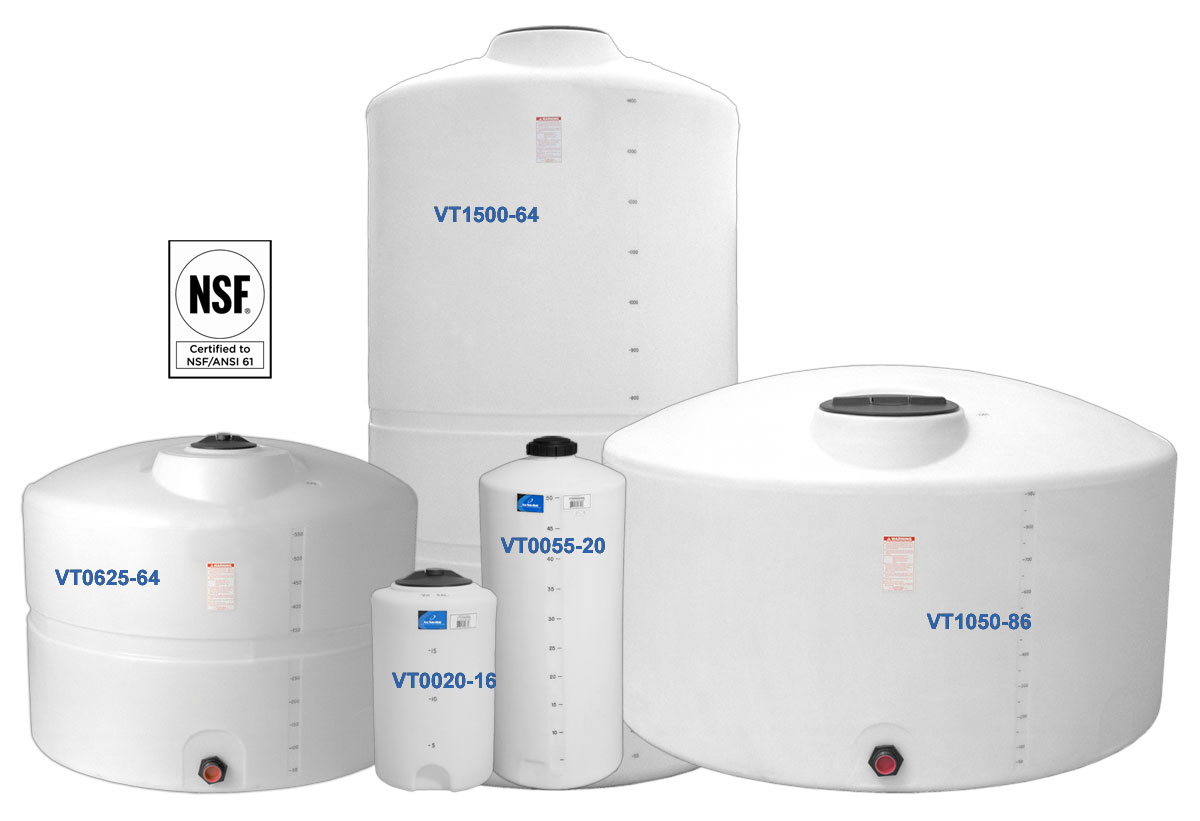
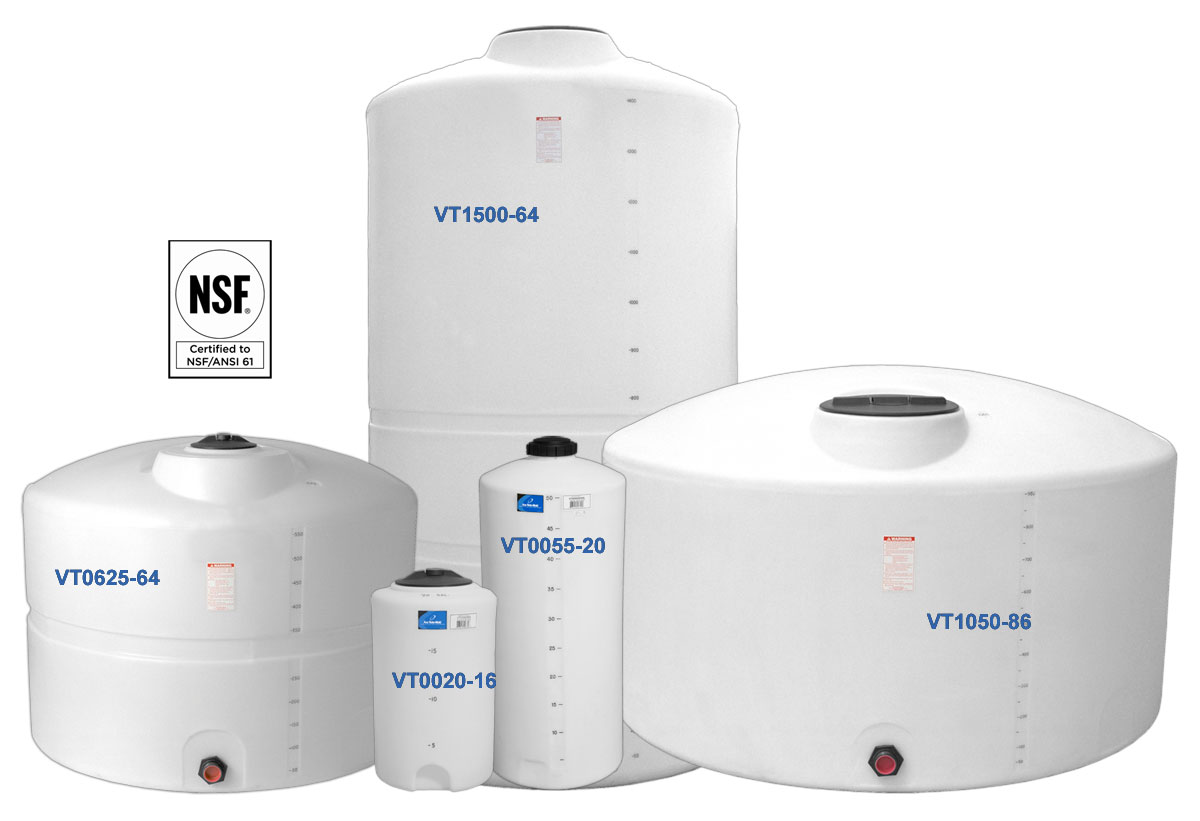
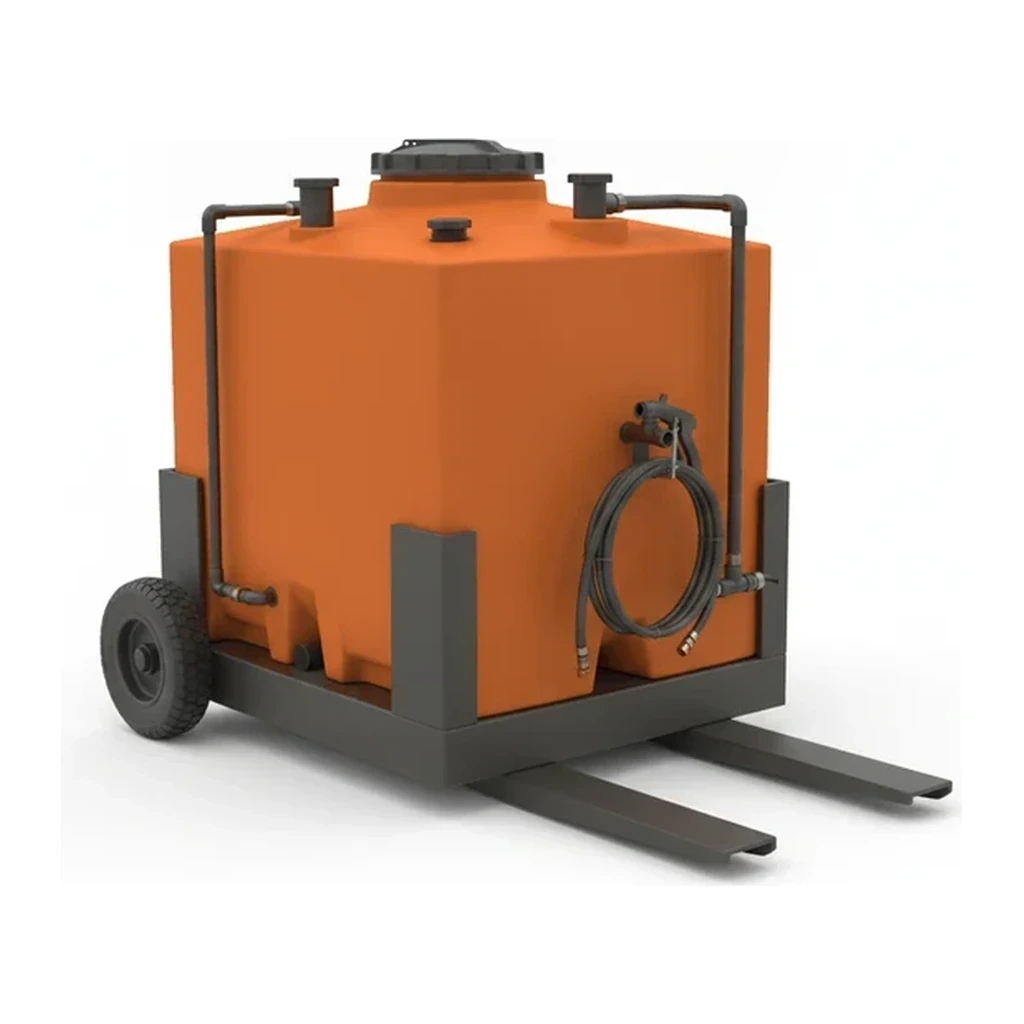
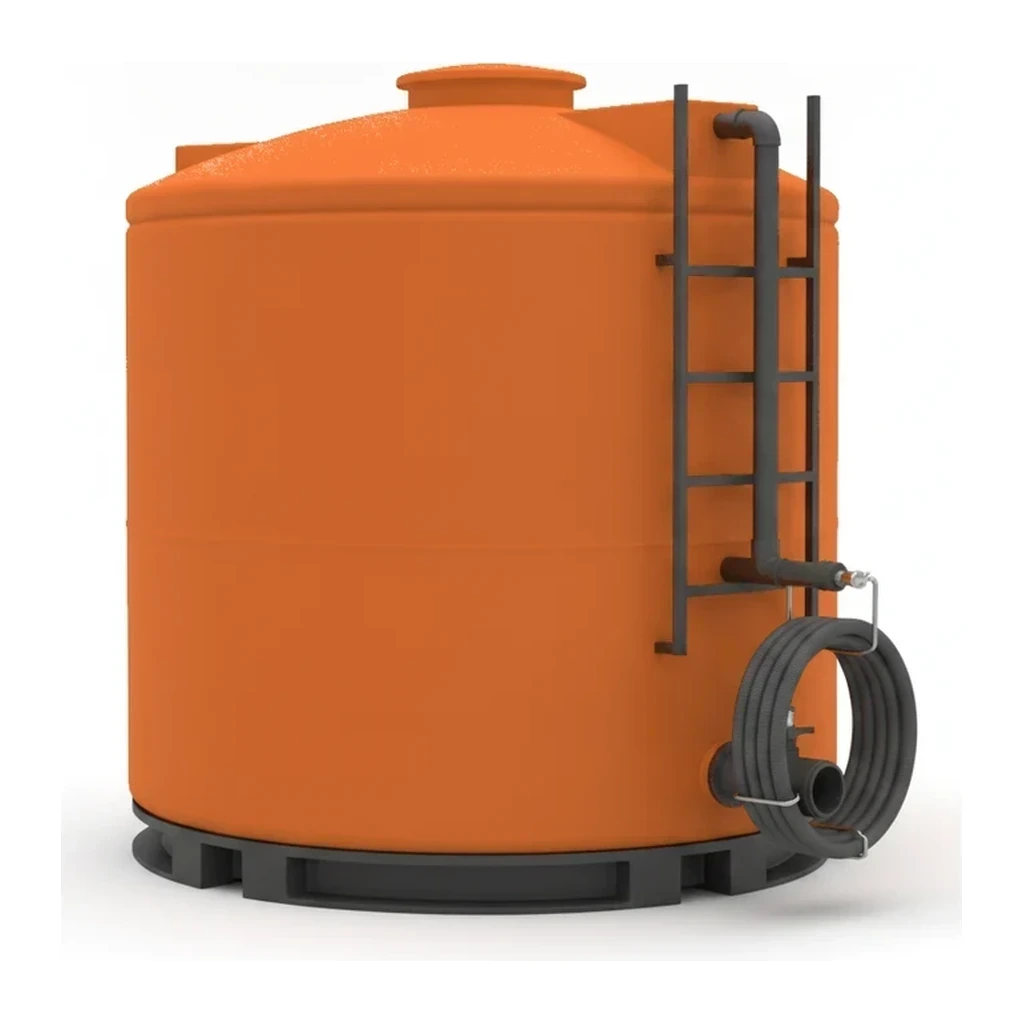
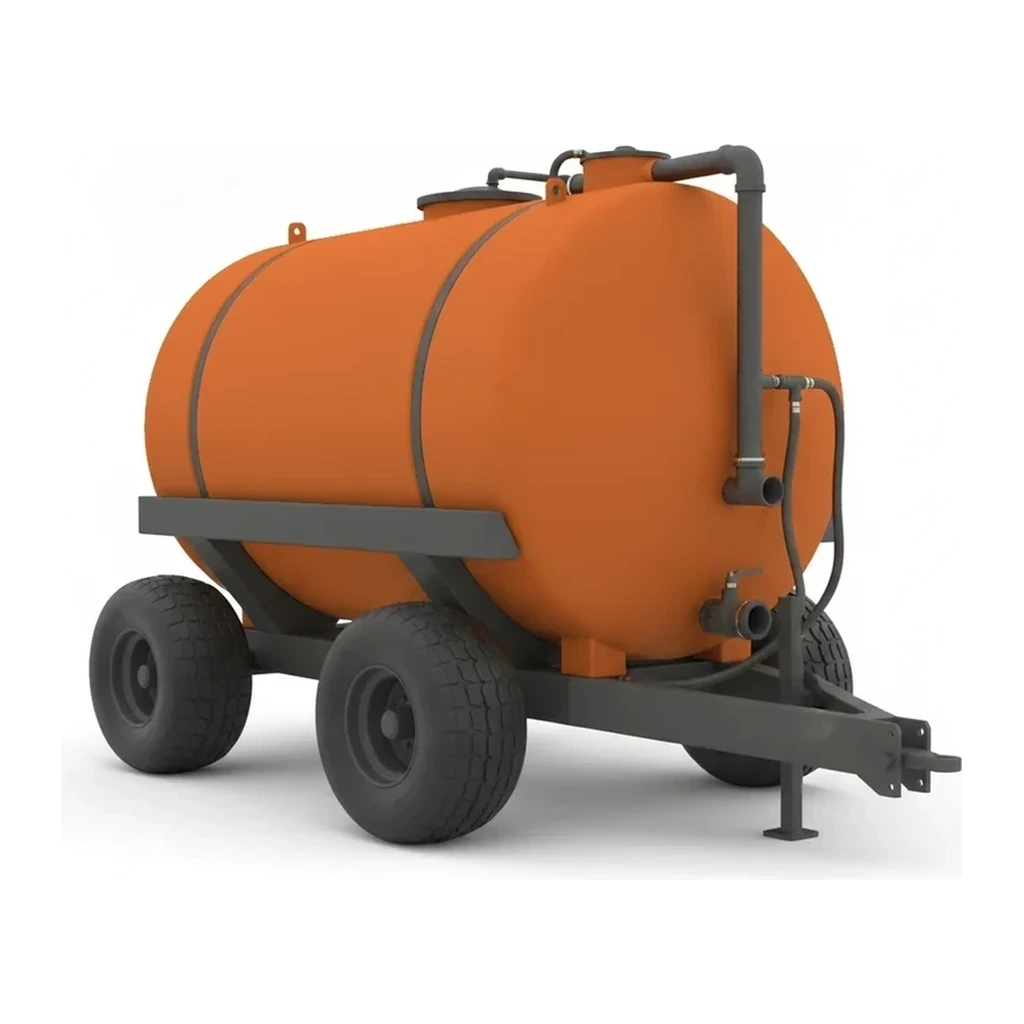
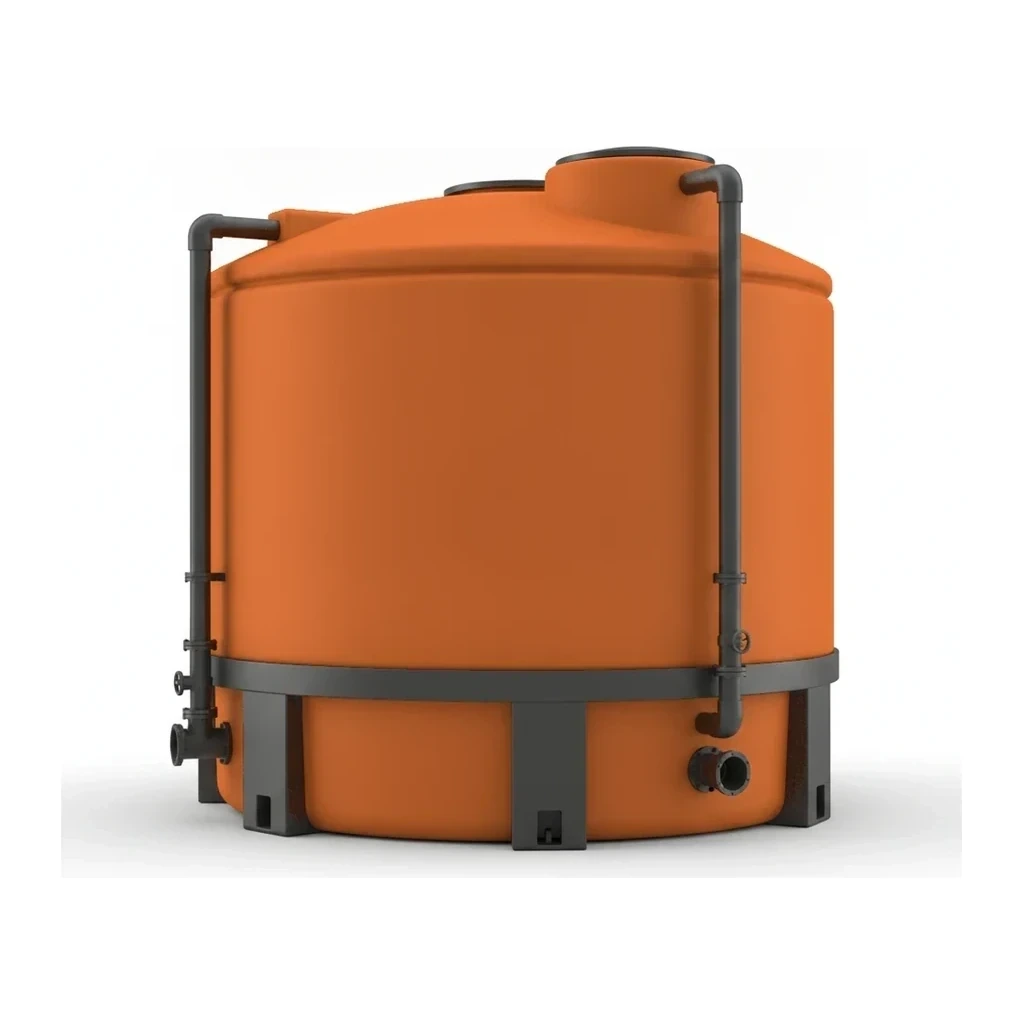
The 6,000+ gallon water tank class encompasses large-capacity storage vessels typically ranging from 10,000 to 21,000 gallons, used for potable water supply, fire protection systems, and industrial process water on extended or high-demand projects. This is the largest rung on the water tank ladder; beyond approximately 21,000 gallons, applications typically transition to frac tanks. These vertical or horizontal polyethylene tanks provide weeks of water autonomy for remote sites, staging areas, and large-scale construction operations.
Cat classes
Pick a size class: capacity and reach differ across the range.
Key specifications
| Specification | Typical range | What it means |
|---|---|---|
| Capacity | 10,000-20,000 gal | Volume range for the largest standard water tanks before transitioning to frac tank systems. |
| Load capacity | 13,228–44,092 lb (6,000–20,000 kg) | Total weight capacity varies with tank design and wall thickness; larger models require engineered foundations. |
| Material | Polyethylene (HDPE) | UV-stabilized high-density polyethylene provides corrosion resistance and potable water compliance. |
| Configuration | Vertical or horizontal | Vertical tanks minimize footprint; horizontal tanks offer lower profile and easier transport. |
How to choose
The 6,000+ gallon class suits projects requiring multi-week water autonomy, fire suppression reserves exceeding 10,000 gallons, or process water for batch operations and concrete plants. Applications include remote construction camps, emergency response staging, agricultural processing, and municipal backup supply. For daily volumes under 6,000 gallons or sites where weekly refills are feasible, the 2,000-6,000 gal Water Tank class offers easier transport and placement. When continuous supply exceeds 21,000 gallons or the site requires modular, trailered storage, frac tanks become the industry-standard solution.
What this size handles
- Potable water supply for remote construction camps housing 50+ workers
- Fire protection reserve for industrial facilities and large commercial sites
- Process water storage for concrete batch plants and soil stabilization operations
- Emergency municipal backup supply during infrastructure repairs or contamination events
- Agricultural processing water for wash stations and cleaning systems
- Dust suppression supply for extended earthmoving and grading projects
Safety & operation
- Foundation design must account for full load; 10,000 gallons equals approximately 83,000 pounds of water alone
- Overflow and venting provisions prevent overpressure and structural failure during filling operations
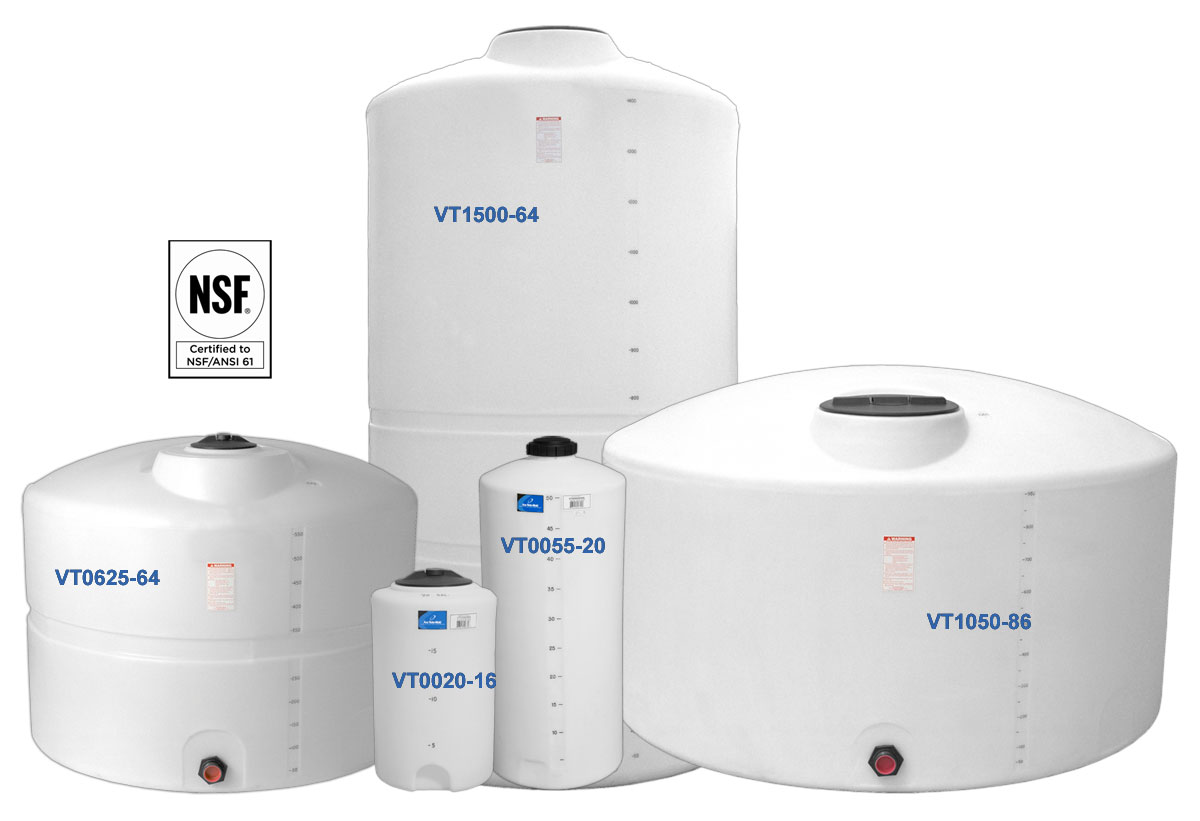
- Potable water tanks require food-grade liner certification and periodic cleaning per NSF/ANSI 61 standards
- Secondary containment or spill berms may be required for non-potable or chemical-contaminated water applications
Transport & logistics
- Horizontal tanks up to 12,000 gallons typically ship on flatbed trailers; vertical tanks may require specialized transport or on-site assembly
- Filled weight ranges from 25 to 85+ tons; site delivery usually involves crane or heavy forklift offloading onto prepared foundations
- Larger models in this class often transport empty and fill on site via truck delivery or municipal hookup
Power & supply
- Tanks are passive storage; no power required for containment
- Active filling systems may use electric pumps (typically 230V single-phase or 480V three-phase) or diesel transfer pumps
- Pressurized distribution systems require on-site pumps or connection to existing pressure infrastructure
Frequently asked
What foundation is required for a 15,000-gallon water tank?
How long does it take to fill a 10,000-gallon tank?
When does a project move from this size class to frac tanks?
Related equipment
Browse by manufacturer
Sources
Every specification is verified against the manufacturer's published data, with the source linked for reference.
6,000+ gal Water Tank
23 models · Every spec cited to source