

36+ in Walk-Behind Trencher
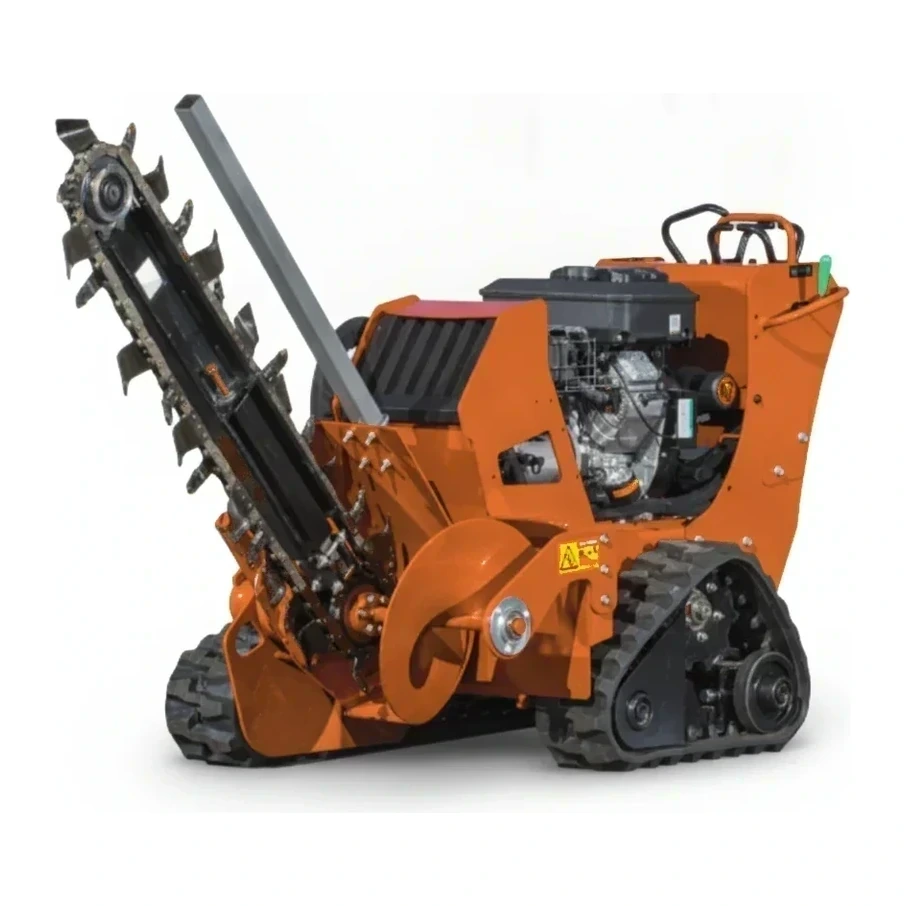
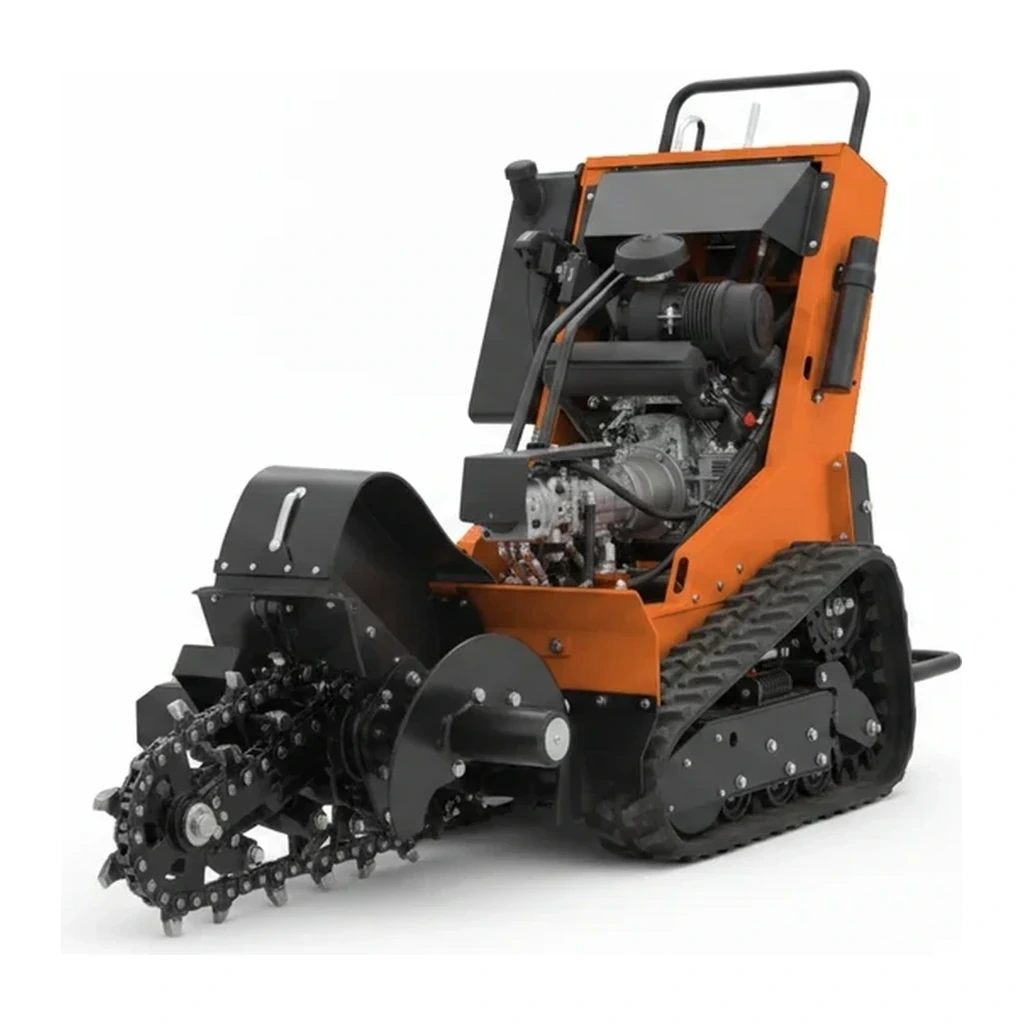
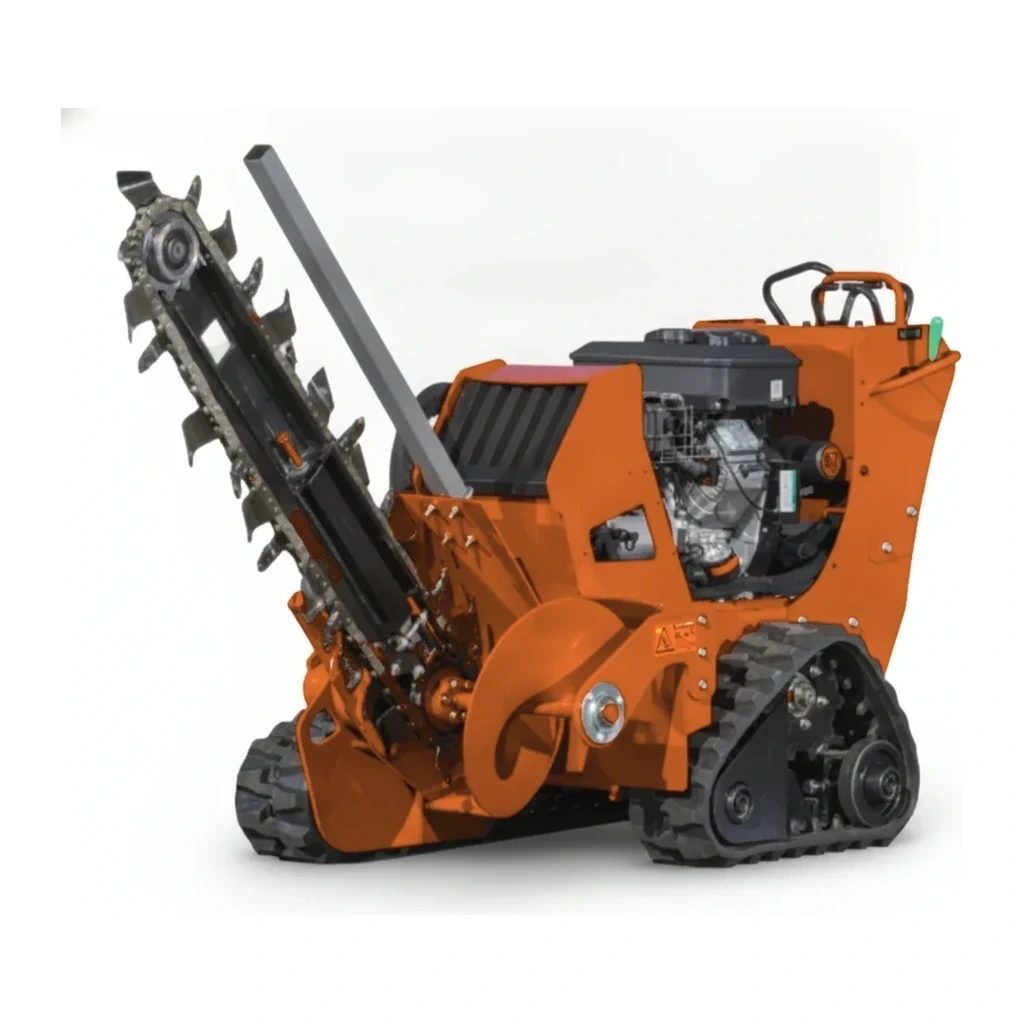
The 36+ in walk-behind trencher class represents the deepest walk-behind machines in the industry, digging to 8.1 ft for sewer laterals, deep utility service, and foundation drainage in soft ground. These machines bridge the gap between 24-36 in walk-behinds and ride-on trenchers, offering maximum depth capacity while remaining operator-guided. Six models from Ditch Witch and Blue Diamond define this segment, spanning 16.5 to 121 hp.
Cat classes
Pick a size class: capacity and reach differ across the range.
Key specifications
| Specification | Typical range | What it means |
|---|---|---|
| Max dig depth | 3–8.1 ft (0.9–2.5 m) | Reaches sewer lateral and deep service depths without a ride-on machine |
| Engine power | 16.5-121 hp | Wide power range accommodates both compact units and high-production models |
| Trench width | Varies by chain | Interchangeable digging chains match pipe diameter and backfill requirements |
How to choose
This size class suits projects requiring depths beyond 36 inches in accessible terrain where an operator can walk alongside the machine: sewer laterals to buildings, deep water services, and foundation perimeter drains. The 24-36 in walk-behind handles most residential utility work at shallower depths with less machine weight and lower fuel consumption. When trench depth exceeds 6 ft regularly, when ground conditions include rock or hardpan, or when production volume justifies it, a ride-on trencher offers better productivity and operator comfort despite higher transport and operating costs.
What this size handles
- Sewer lateral connections from street main to building foundation
- Deep water service lines below frost depth in northern climates
- Perimeter foundation drainage systems at 4-6 ft depth
- Irrigation main lines and valve manifolds in soft soil
- Electrical duct banks and telecommunications conduit at depth
- Drainage swales and curtain drains for site grading
Safety & operation
- Operator walks behind machine; stable footing and clear path essential on slopes or uneven ground
- Digging chain exposed during operation; maintain clearance from bystanders and obstacles
- Depth exceeding 5 ft requires trench protection or sloping per OSHA excavation standards
- Utility locate and hand-digging mandatory before trenching; striking underground lines at depth poses severe hazard
Transport & logistics
- Equipment trailer or flatbed required; machines at the upper power range exceed typical landscape trailer capacity
- Ramps and winch typically necessary for loading given machine weight
- Tow vehicle must meet trailer GVWR including machine and chain attachments
Power & supply
- Gasoline or diesel fuel depending on engine size; higher-horsepower models typically diesel
- On-site fuel storage necessary for extended trenching runs
- Machines in this class generally run 4-8 hours on a tank under continuous digging load
Frequently asked
What differentiates a high-horsepower walk-behind from a ride-on trencher?
Can these machines trench in rocky or compacted soil?
How is trench depth adjusted during operation?
Related equipment
Browse by manufacturer
Sources
Every specification is verified against the manufacturer's published data, with the source linked for reference.
36+ in Walk-Behind Trencher
6 models · Every spec cited to source