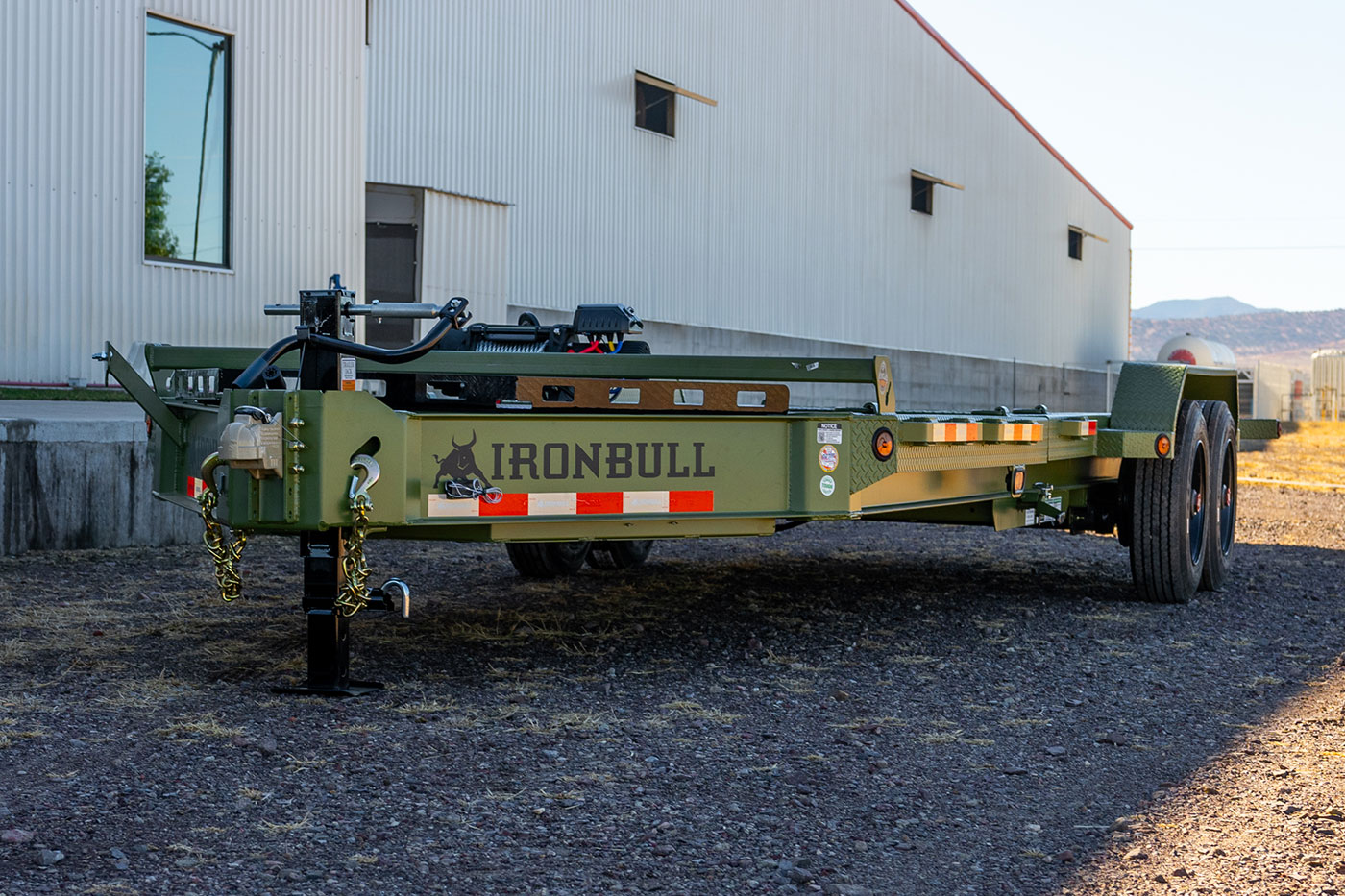

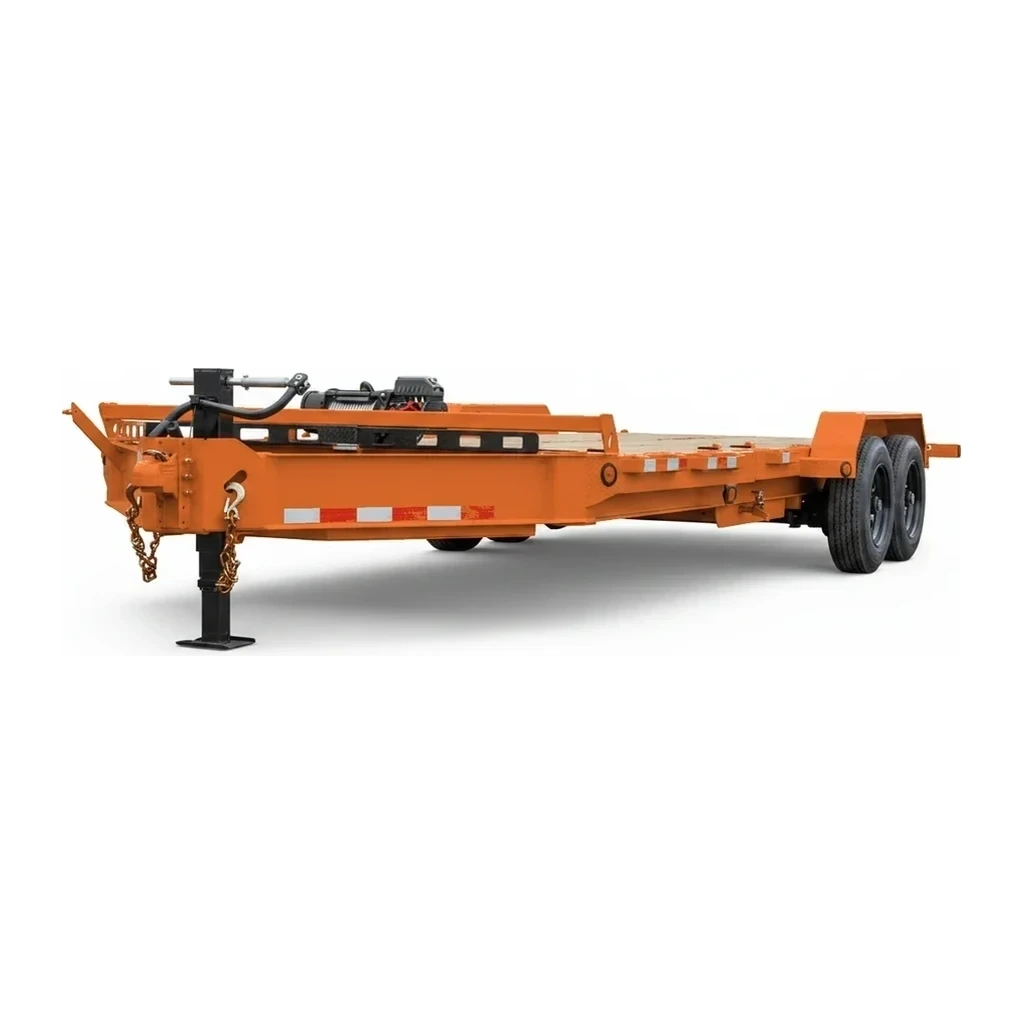
14,000-26,000 lb Tilt Deck Trailer
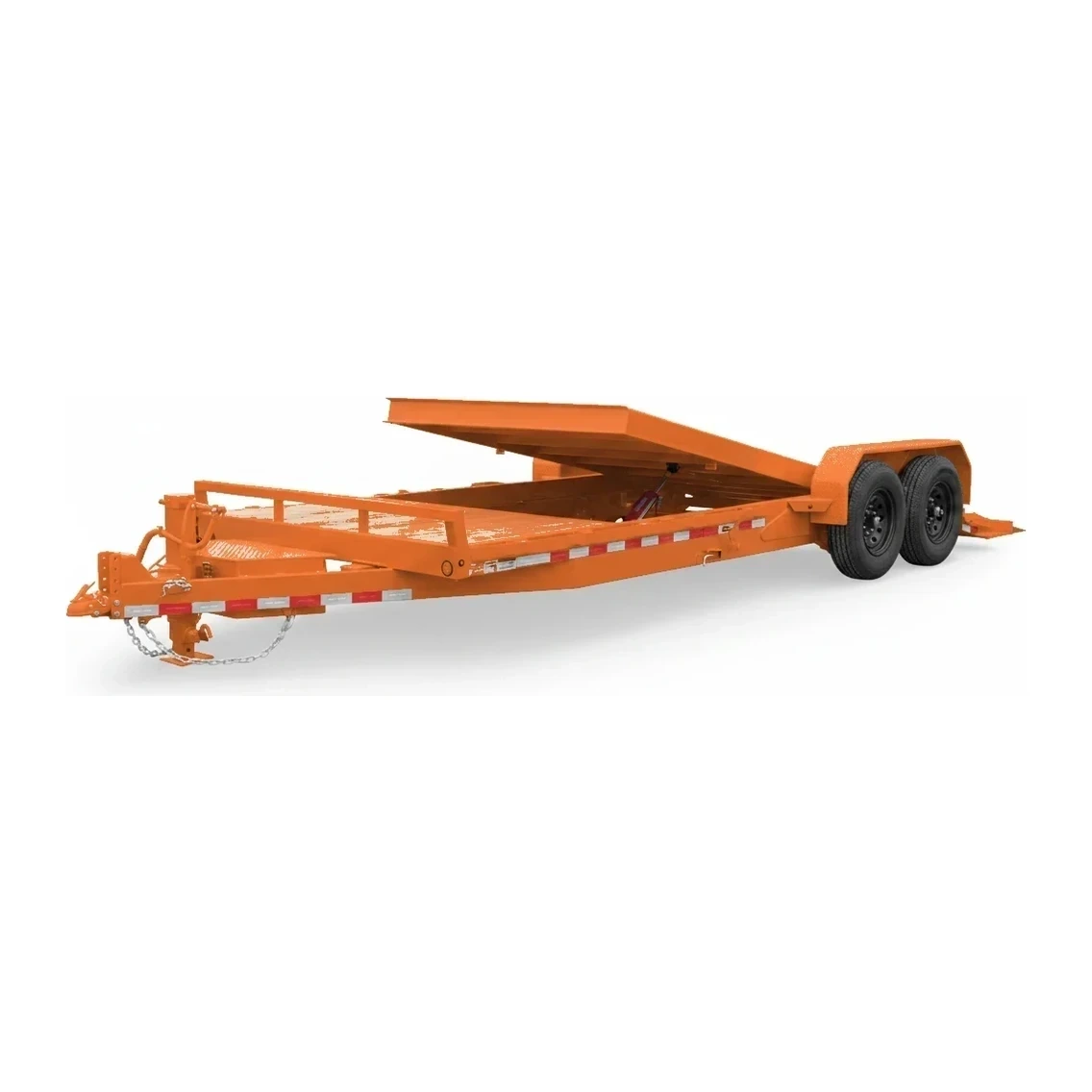
The 14,000-26,000 lb tilt deck trailer class represents the heaviest weight band in common non-CDL tilt deck applications, designed for mid-size excavators, rollers, and other heavy compact equipment. These trailers sit at the top of the tilt deck ladder, above the 10,000-14,000 lb class, and remain just under the federal CDL requirement for combined vehicle weight. The tilting deck mechanism allows operators to drive equipment on and off without ramps, critical when handling machines too heavy for manual loading.
Cat classes
Pick a size class — capacity and reach differ across the range.
Key specifications
| Specification | Typical range | What it means |
|---|---|---|
| GVWR (Gross Vehicle Weight Rating) | 14,000–26,000 lb (6,350–11,793 kg) | Maximum allowable combined weight of trailer and cargo, defining the class boundary |
| Deck tilt mechanism | Hydraulic or gravity-assist tilt | Allows the deck to lower to ground level for self-loading of heavy equipment |
| Axle configuration | Tandem or triple axle | Multiple axles distribute weight and meet highway load requirements for this class |
| Deck dimensions | 16–24 ft length, 7–8.5 ft width | Sized to accommodate mid-size excavators, skid steers, and compact rollers |
How to choose
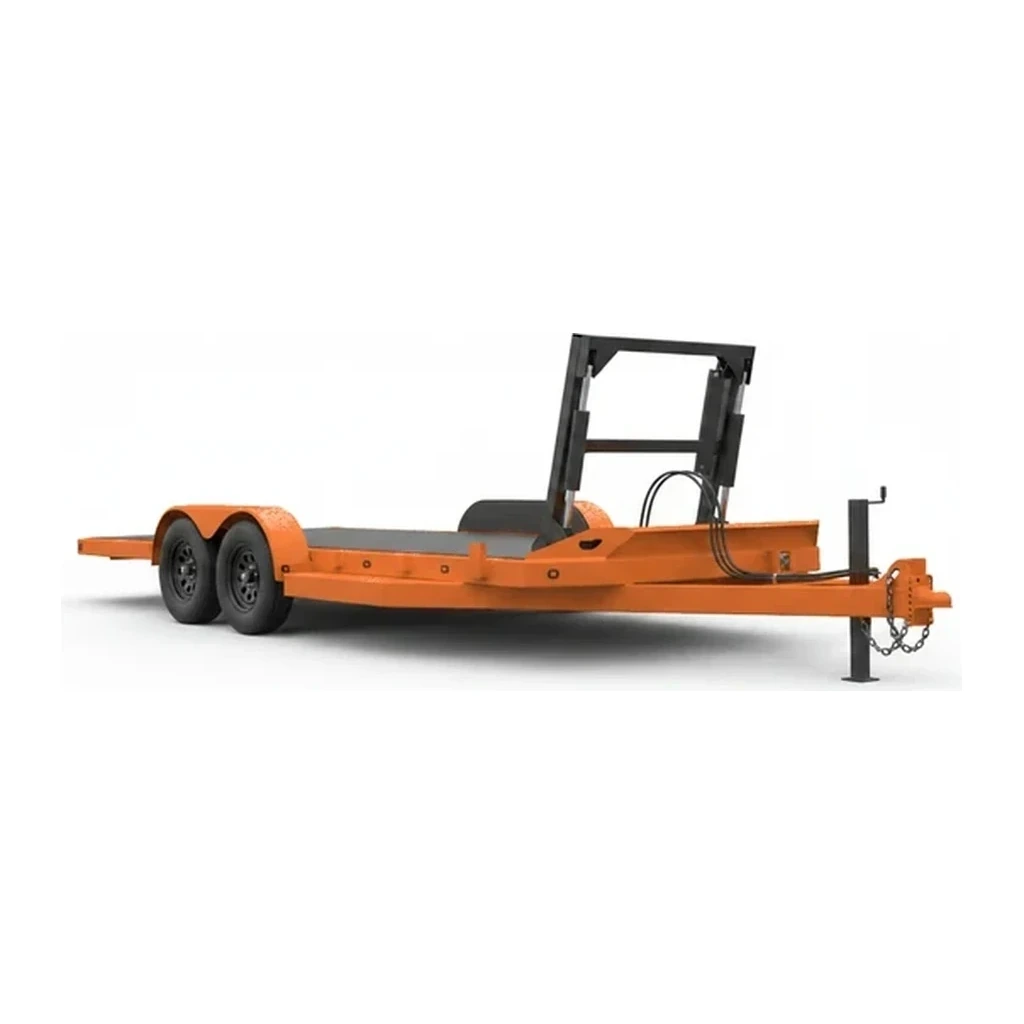
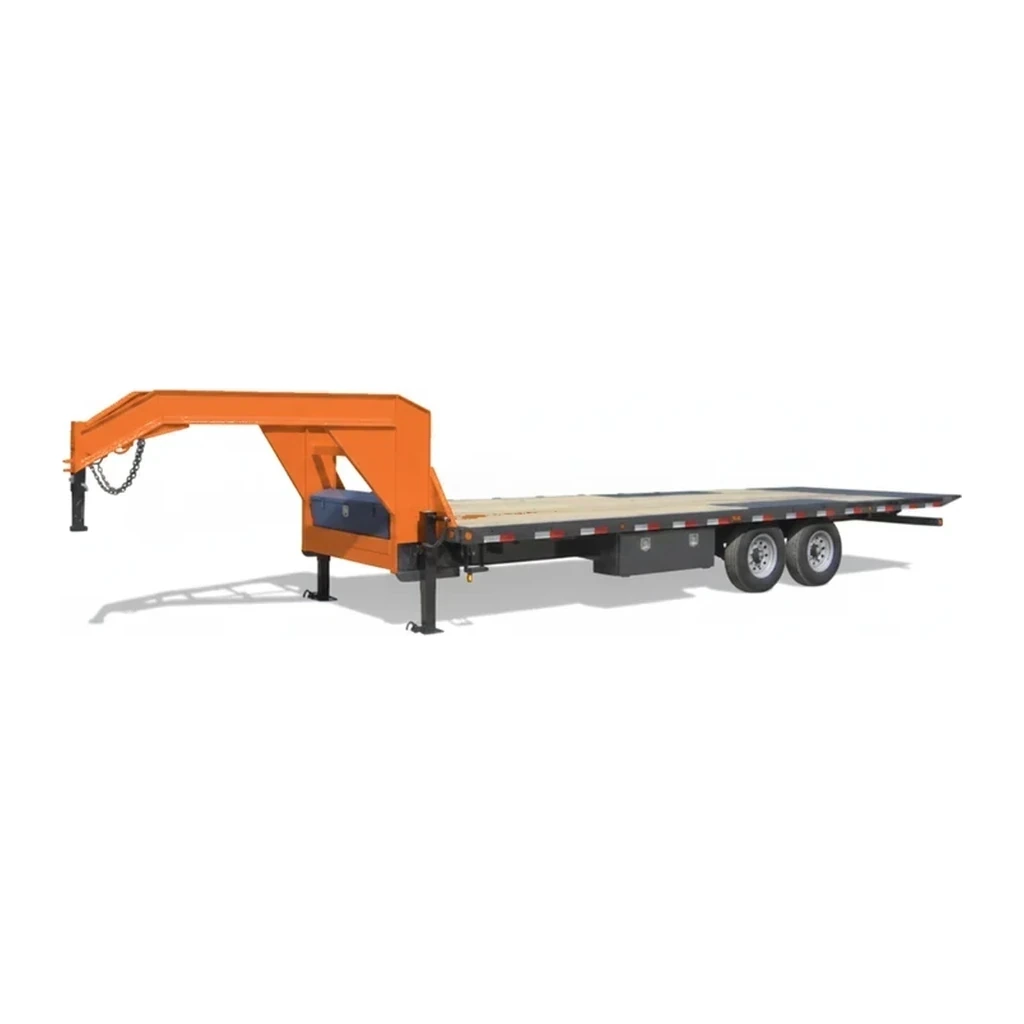
The 14,000-26,000 lb class suits applications where mid-size excavators (5–10 ton), walk-behind or ride-on rollers, and larger skid steers must be transported while keeping the towing vehicle and trailer combination under 26,001 lb GVWR to avoid CDL requirements. When hauling lighter equipment such as compact skid steers, utility tractors, or small mini excavators under 7,000 lb, the 10,000-14,000 lb Tilt Deck Trailer or Up to 10,000 lb Tilt Deck Trailer classes offer easier towing and lower acquisition costs. Loads requiring GVWR above 26,000 lb necessitate CDL-rated trailers outside the tilt deck category, typically transitioning to gooseneck or lowboy configurations.
What this size handles
- Transporting a 9,000 lb mini excavator between residential job sites
- Hauling a mid-size ride-on roller for asphalt paving or compaction work
- Moving a large skid steer loader with attachments to commercial construction sites
- Delivering compact track loaders to landscape installation projects
- Transporting utility tractors with implements for municipal maintenance operations
- Hauling compact wheel loaders for material handling at small industrial sites
Safety & operation
- Operators must verify combined tow vehicle and loaded trailer GVWR remains under 26,001 lb to avoid CDL requirements in most jurisdictions
- Proper weight distribution and tongue weight (typically 10–15% of total trailer weight) prevent sway and maintain towing stability
- Equipment must be secured with chains or straps rated for the machine weight, even on tilt deck trailers with raised sides
- Deck tilt pins and locking mechanisms require inspection before each transport to ensure the deck remains secure during highway travel
Transport & logistics
- Requires a tow vehicle rated for the combined GVWR, typically a heavy-duty pickup (3/4-ton or 1-ton) or larger truck with appropriate hitch capacity
- Tandem or triple axle configuration distributes weight for highway compliance and improved towing stability
- Tilt deck mechanism allows equipment to drive on and off at ground level, eliminating separate ramp handling
Power & supply
- Hydraulic tilt systems draw power from the tow vehicle's hydraulic pump or an onboard 12V DC power pack
- Gravity-assist tilt mechanisms require no external power, using manual release pins and the trailer's weight distribution
- Trailer brake systems connect to the tow vehicle's electrical system via standard 7-pin or 6-pin connectors for electric or electric-over-hydraulic brakes
Frequently asked
What differentiates the 14,000-26,000 lb class from lighter tilt deck trailers?
Why is the 26,000 lb upper limit significant for this class?
When does a project require stepping outside the tilt deck trailer category entirely?
Related equipment
Browse by manufacturer
Sources
Every specification is verified against the manufacturer's published data, with the source linked for reference.
14,000-26,000 lb Tilt Deck Trailer
2 models · Every spec cited to source