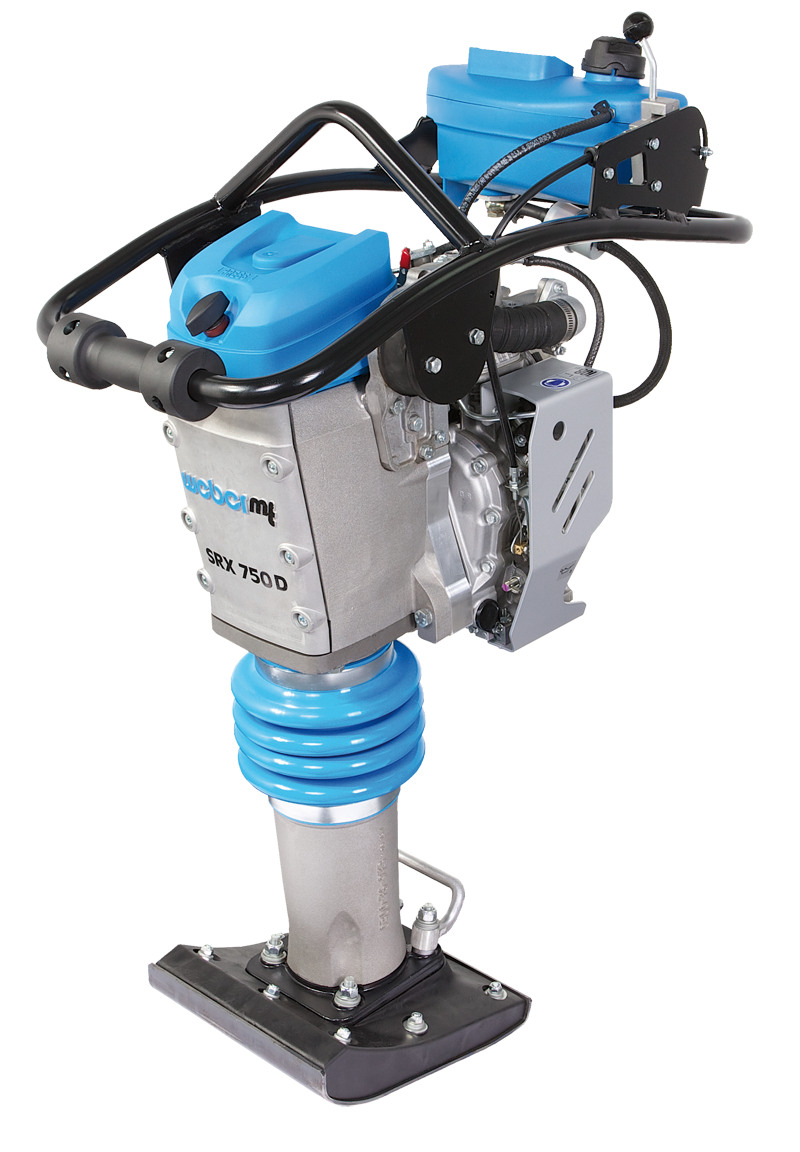

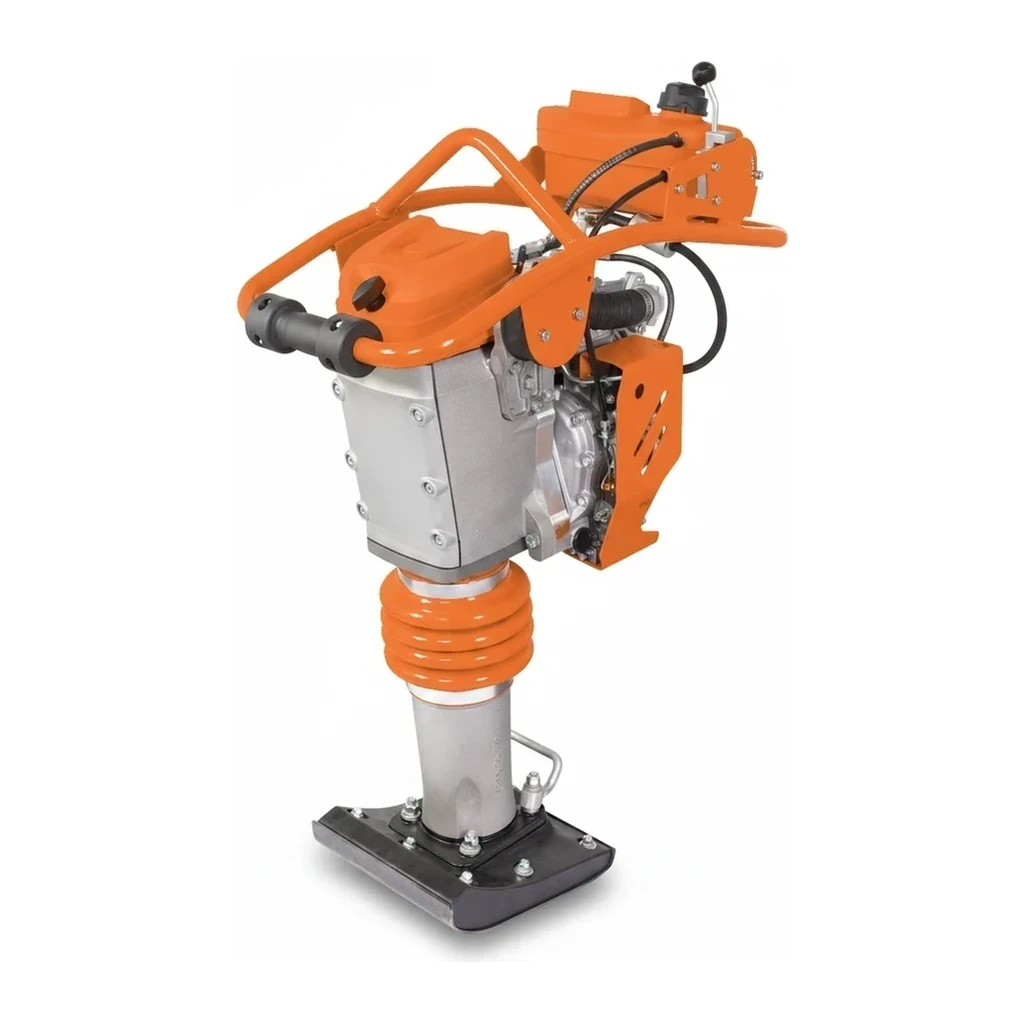
160+ lb Rammer
The 160+ lb rammer represents the top of the rammer weight ladder, designed for maximum compaction depth in cohesive soils where vibratory plates cannot achieve adequate penetration. This class excels in thick lifts of clay and silt, delivering higher impact force and deeper compaction per stroke than lighter models. Offered by manufacturers including Wacker Neuson and Ammann, these machines are the heaviest option for deep-layer cohesive soil work.
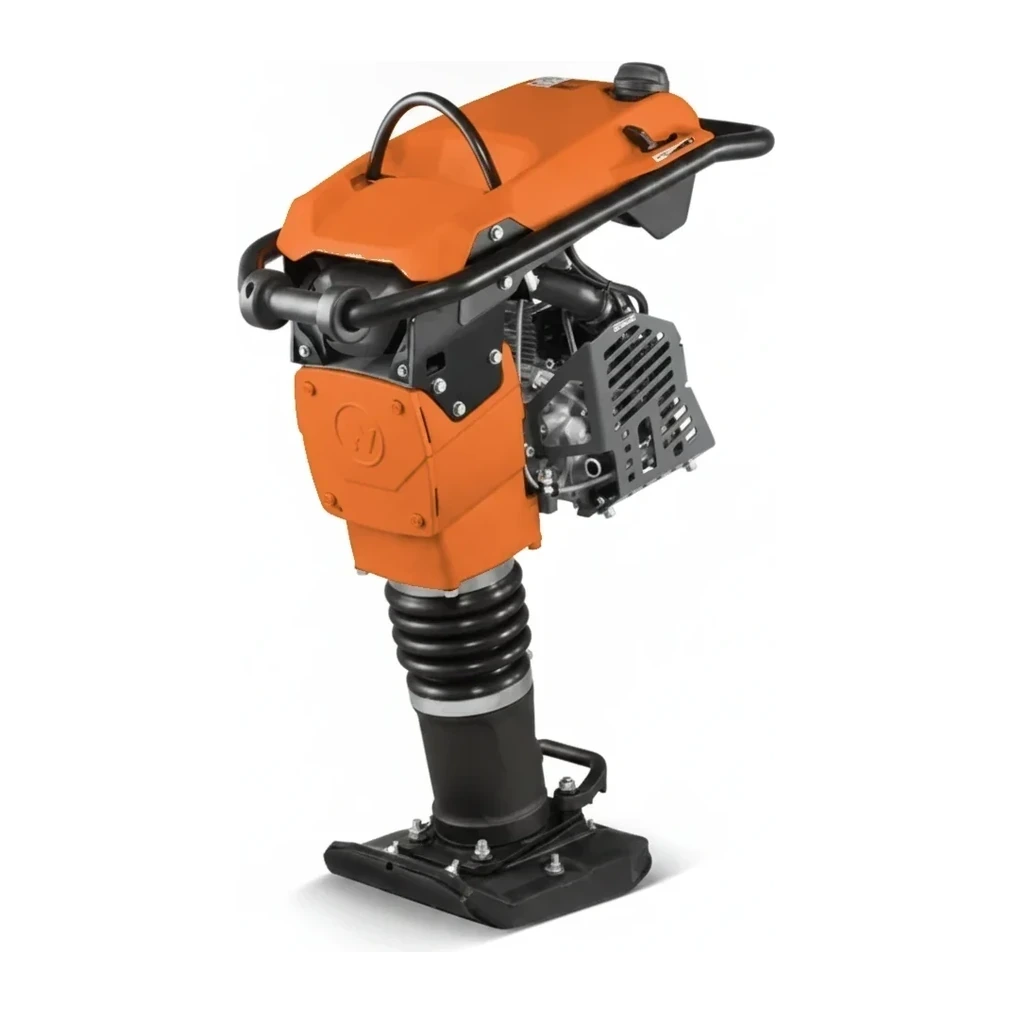
Cat classes
Elija una clase de tamaño: la capacidad y el alcance varían en la gama.
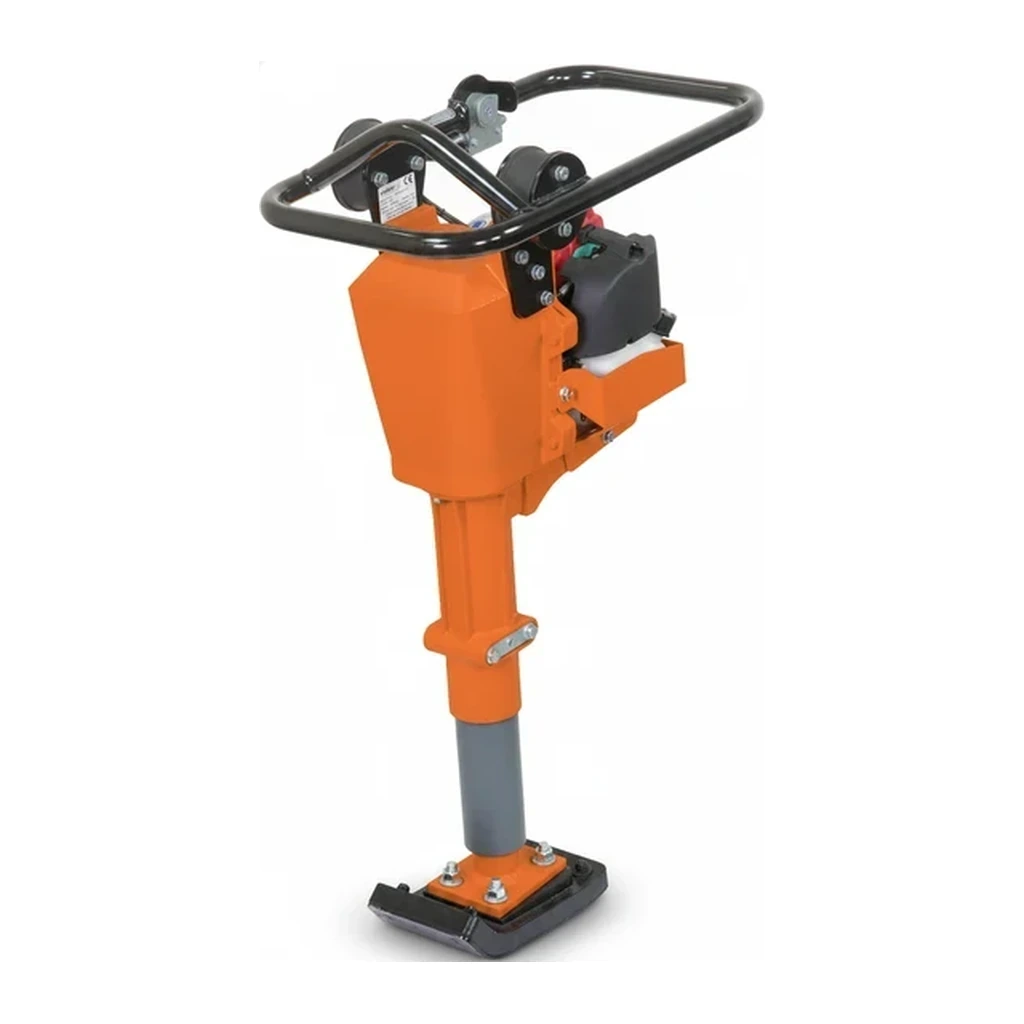
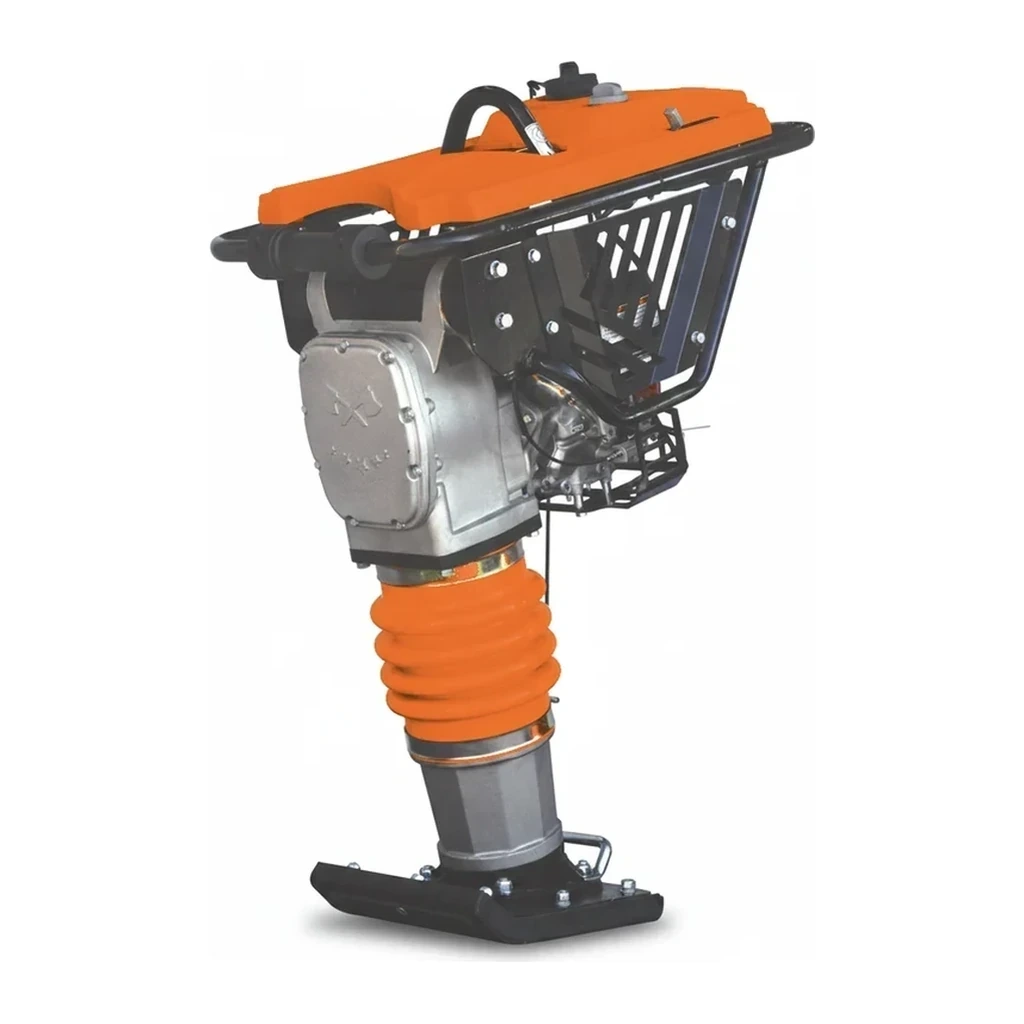
Especificaciones clave
| Especificación | Rango típico | Qué significa |
|---|---|---|
| Operating Weight | 160+ lb | Higher mass produces greater impact force per stroke for deeper compaction energy in cohesive soils |
| Lift Capacity | 12-16 in per pass | Significantly thicker layer compaction than lighter rammers due to greater impact energy and depth penetration |
| Engine Type | 4-stroke gasoline | Larger displacement engines generate the power necessary to drive the heavier ram mass at effective stroke rates |
| Jump Height | 2.5–3.5 in (63.5–88.9 mm) | Higher impact stroke translates to greater force delivery and deeper effective compaction zone in dense soils |
Cómo elegir
The 160+ lb rammer is appropriate when compacting thick lifts (12 inches or more) of clay, silt, or other cohesive soils in deep trenches, backfills, or foundation work where depth of compaction is the critical requirement. Operators working in confined spaces with highly plastic soils or wet clay conditions benefit from the additional impact energy this class provides. For general trench backfill with moderate lift thickness or less challenging soil types, the 130-160 lb Rammer delivers sufficient compaction with easier handling and lower operating weight. This heaviest class is justified only when soil conditions and lift depth demand maximum impact force.
Lo que maneja este tamaño
- Deep utility trench backfill with 12-16 inch lifts of heavy clay
- Foundation pier backfill in highly plastic cohesive soils
- Pipeline bedding and haunching in wet silt or clayey material
- Basement excavation backfill where vibratory plates cannot reach depth
- Retaining wall backfill with thick lifts of imported clay fill
- Manhole and vault backfill requiring deep compaction around structures
Seguridad y operación
- Heavier operating weight increases operator fatigue; plan rotation schedules and breaks to maintain control and reduce repetitive strain
- Higher impact force transmits greater vibration to the operator; use anti-vibration gloves and limit continuous operation per shift per OSHA guidelines
- Wet or saturated cohesive soils can cause the machine to stick or labor; monitor engine load and clear packed material from the shoe regularly
- Operate in well-ventilated areas or use exhaust extraction in confined trench work to prevent carbon monoxide buildup
Transporte y logística
- One-person lift onto pickup bed or utility trailer with assistance or ramps due to 160+ lb operating weight
- Fits within standard pickup truck bed or 5×8 ft utility trailer; secure to prevent movement during transit
- Heavier than lighter rammer classes but remains small enough for van or enclosed trailer transport to confined job sites
Alimentación
- Gasoline-powered with onboard fuel tank; no external power connection or generator required
- Refuel on site from portable fuel containers; typical runtime 2-4 hours per tank depending on engine size
- Ensure adequate ventilation in trenches or excavations; carbon monoxide accumulation is a hazard in confined spaces
Preguntas frecuentes
When does the additional weight of a 160+ lb rammer justify its use over a lighter model?
Can a 160+ lb rammer replace a vibratory plate in cohesive soils?
What lift thickness can a 160+ lb rammer effectively compact?
Comparar modelos populares
Buscar por especificación →Normalizado a las mismas unidades. Un guion significa que el valor no fue publicado.
| Modelo | Peso operativo | Potencia del motor |
|---|---|---|
| Wacker Neuson BS70-4As | 176 lb (80 kg) | 4 hp |
| Ammann ACR 70 D | 183 lb (83 kg) | 4 hp |
| Bomag BT 80 D | 190 lb (86 kg) | - |
Equipos relacionados
Explorar por fabricante
Fuentes
Cada especificación se verifica con los datos publicados por el fabricante, con la fuente enlazada como referencia.
160+ lb Rammer
12 modelos · Cada especificación citada a la fuente