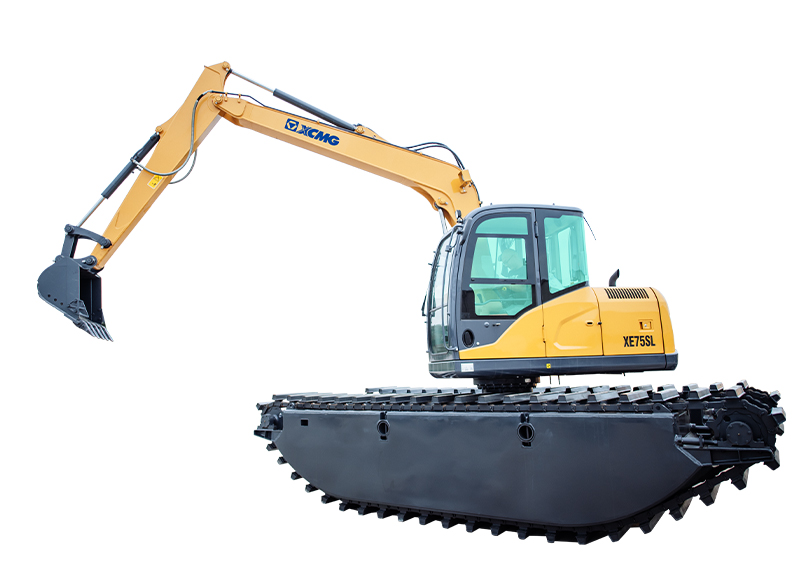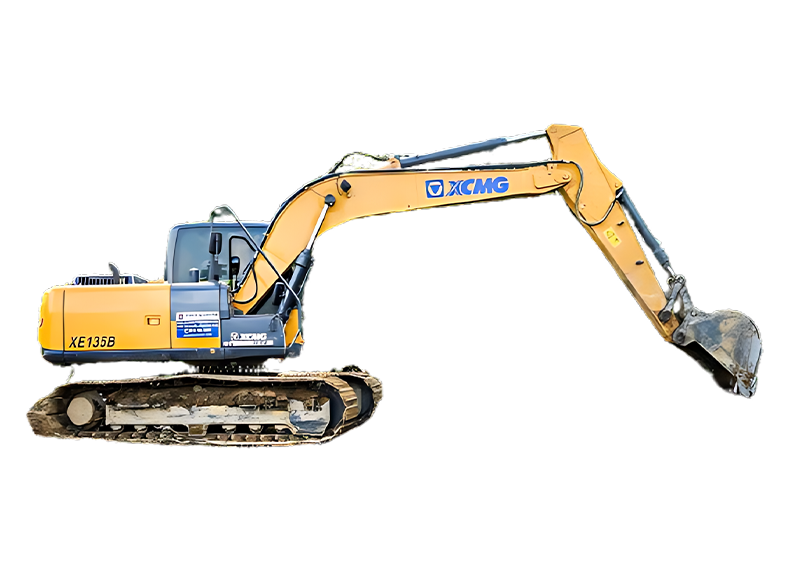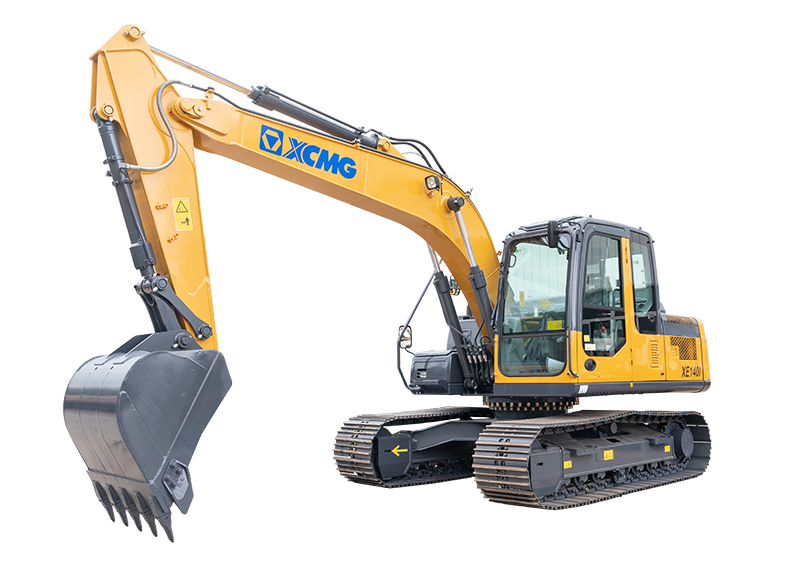

22,000-33,000 lb Track Excavator
The 22,000-33,000 lb (10-15 ton) track excavator is the utility contractor's everyday workhorse, sized for municipal infrastructure, trenching water and sewer mains, and small foundation work. This class sits at the bottom of the mid-size excavator ladder, above compact models and below the 33,000-50,000 lb machines used for larger site work. With engine outputs from 57 to 122 hp and dig depths to 20 feet, this size balances production capacity with transportability on standard trailers.
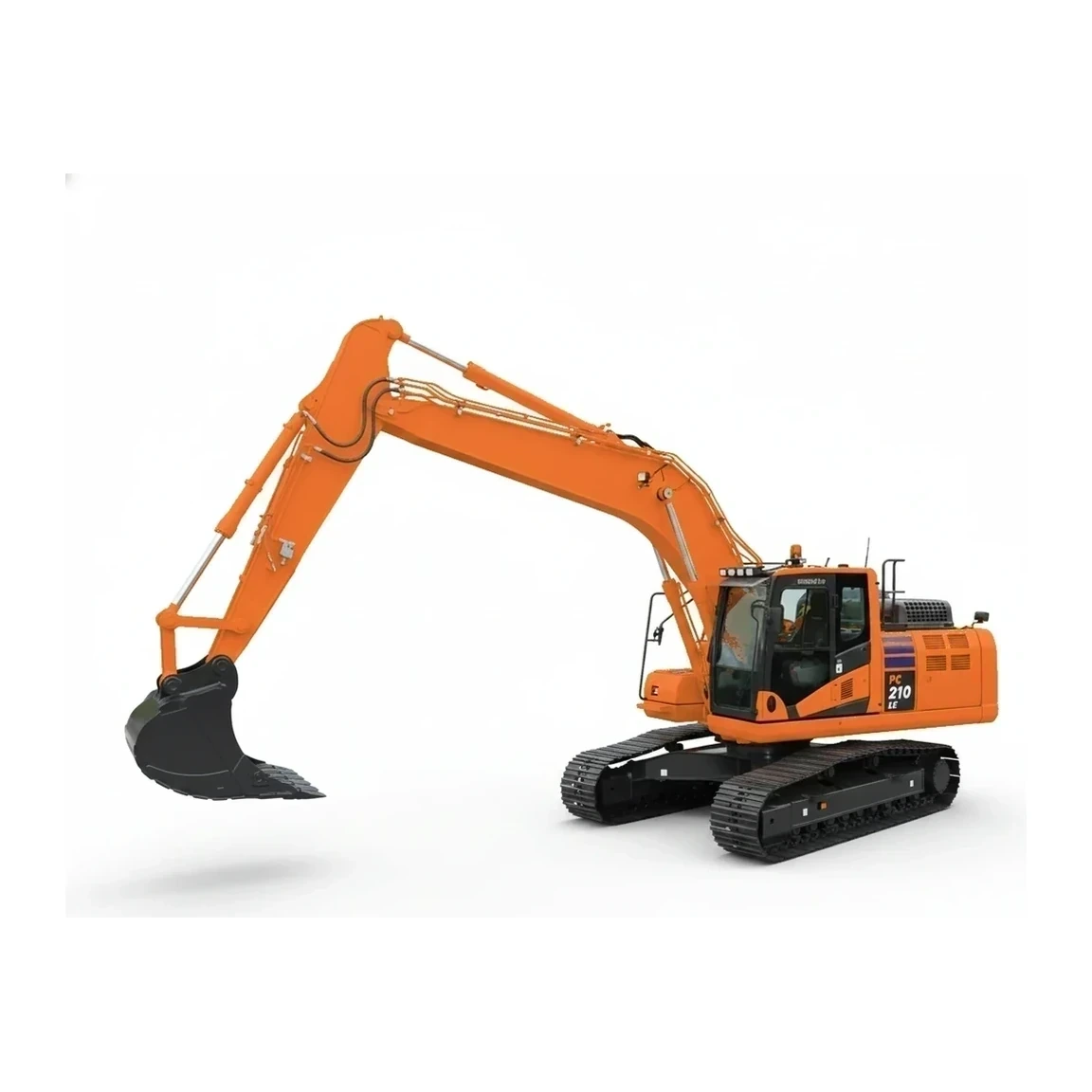
Cat classes
Elija una clase de tamaño: la capacidad y el alcance varían en la gama.
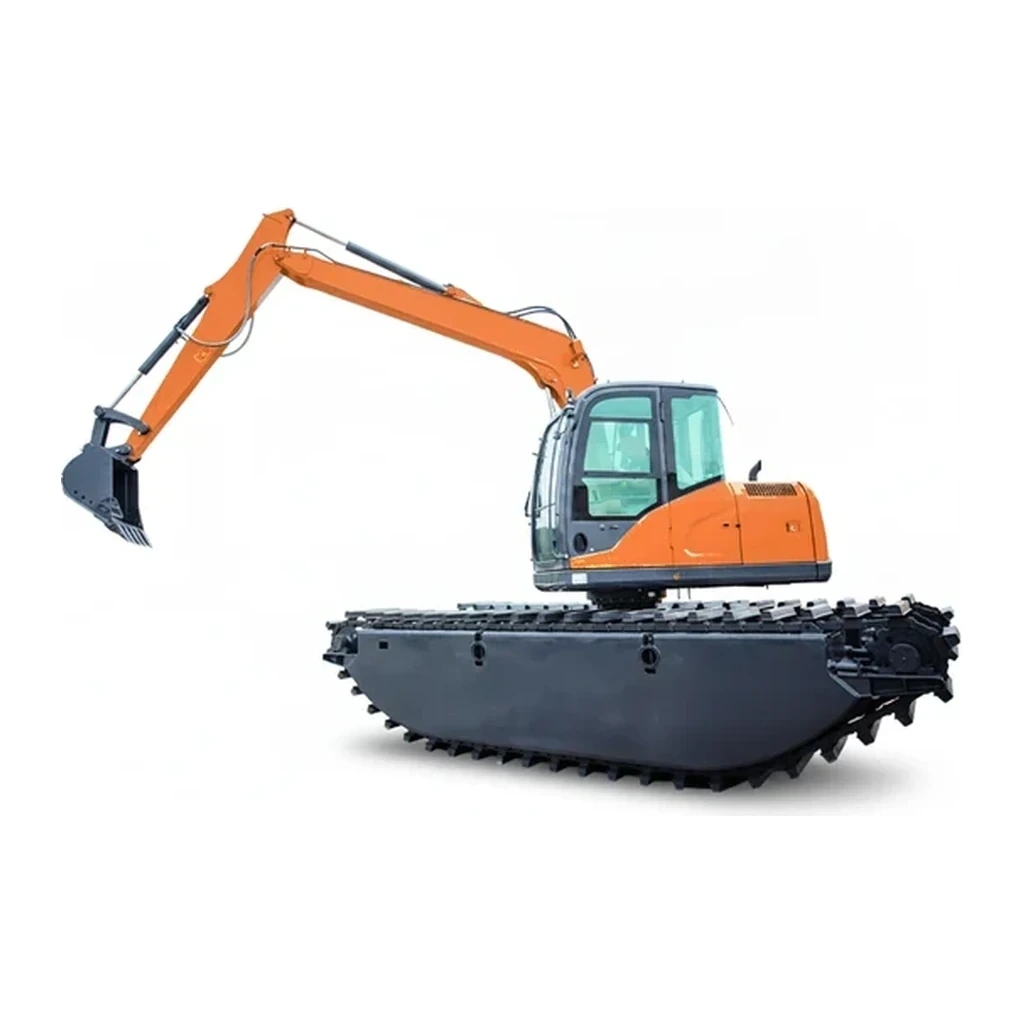
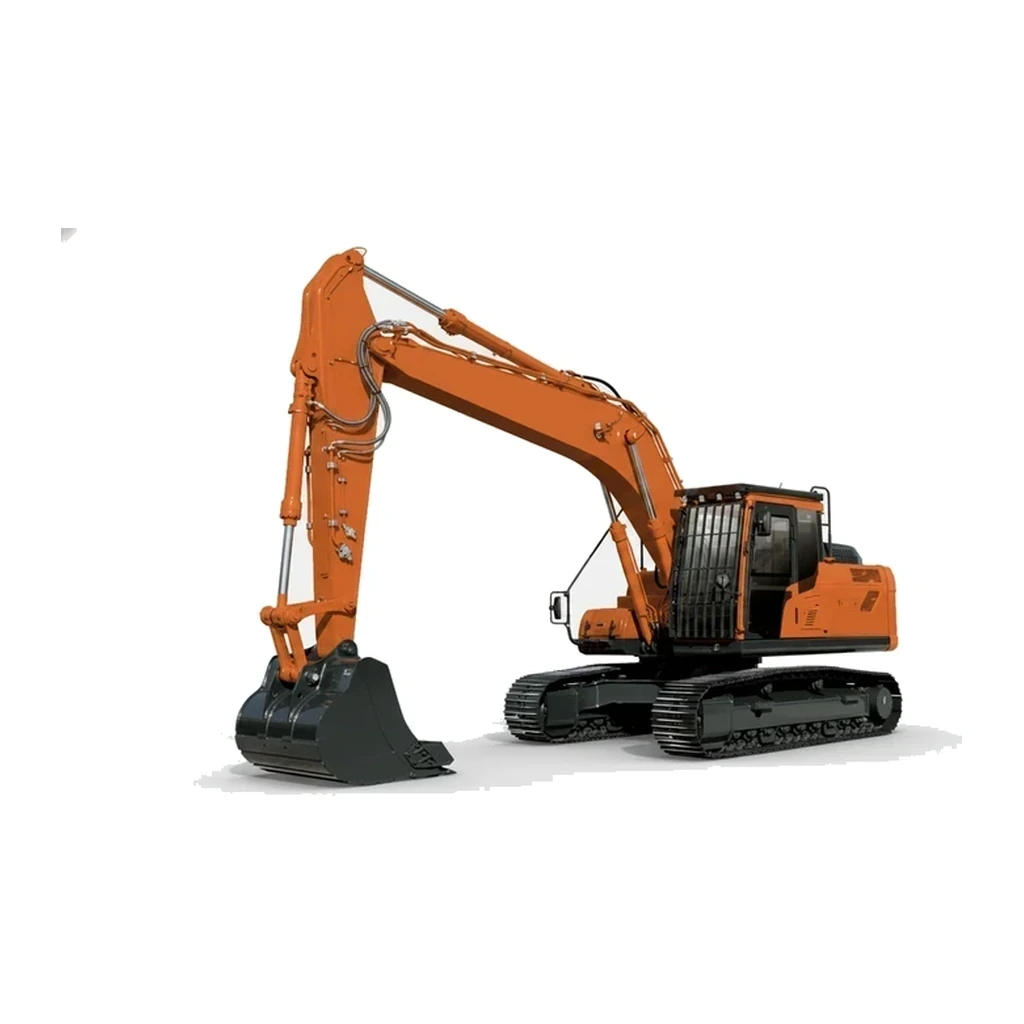
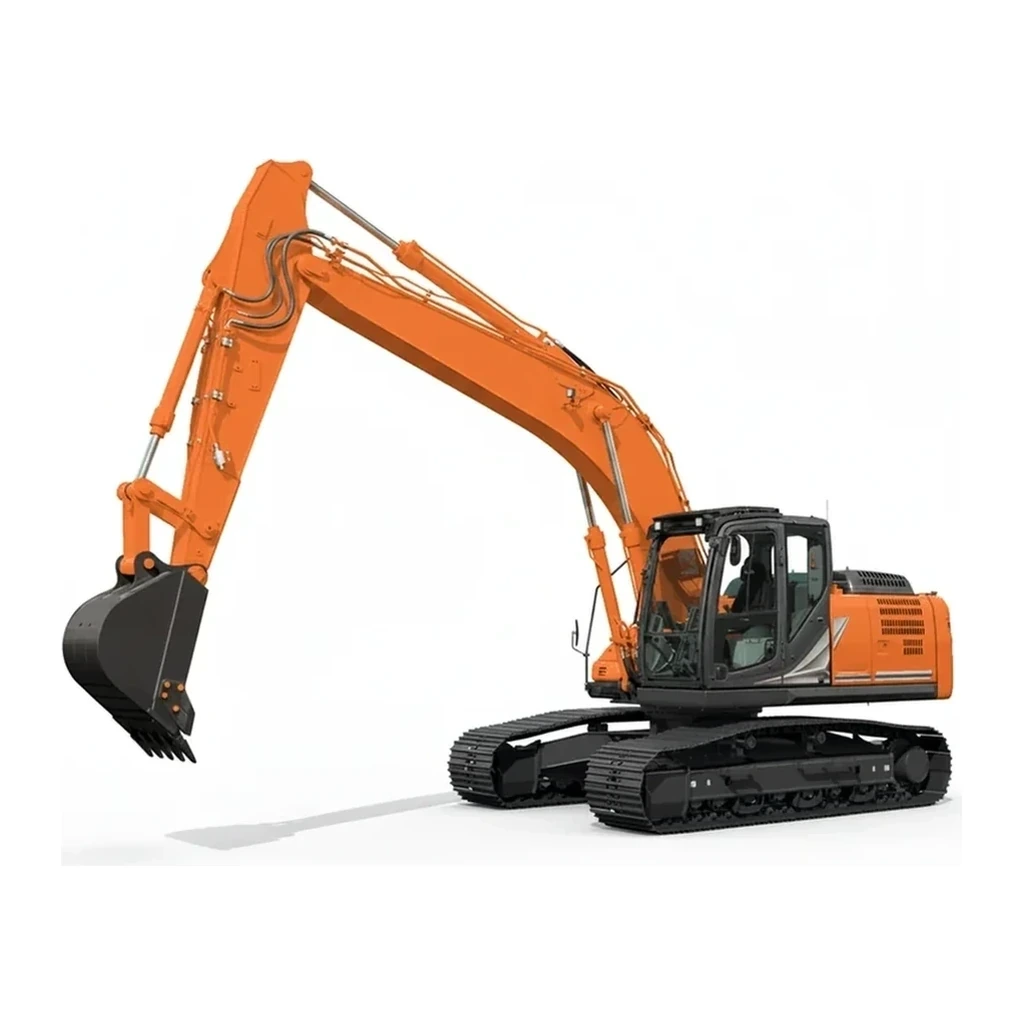
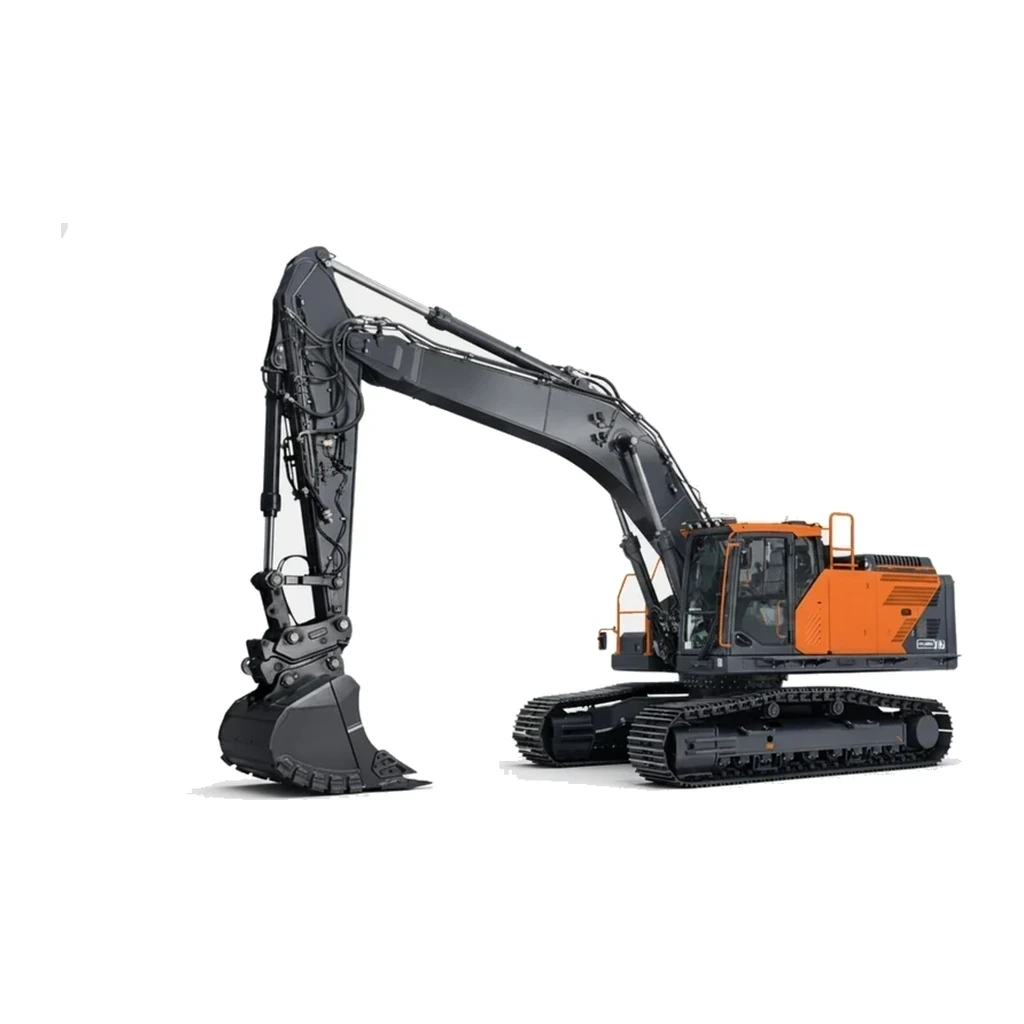
Especificaciones clave
| Especificación | Rango típico | Qué significa |
|---|---|---|
| Operating weight | 10,000-14,900 kg (22,000-32,800 lb) | Defines the machine class and determines trailer requirements and ground pressure. |
| Engine power | 57-122 hp | Drives hydraulic pump capacity for digging force and cycle speed in production trenching. |
| Max dig depth | 18–20 ft (5.5–6.1 m) | Limits trench depth for utility installations and basement excavations without benching. |
| Max reach at ground level | 26–30 ft (7.9–9.1 m) | Determines working radius from a fixed position and ditch width capability. |
| Fuel tank capacity | 250-320 L (66-85 gal) | Supports full-day operation in most utility and site development applications. |
Cómo elegir
This size class is appropriate for municipal utility trenching, residential and light commercial foundations, and general site work where production speed matters more than in compact excavator applications. Machines in this band handle 12- to 24-inch trenching buckets efficiently and move material at contractor-grade production rates. For tighter urban jobsites, smaller footprint requirements, or work inside existing structures, compact excavators below this class offer better maneuverability. When projects demand deeper excavation beyond 20 feet, higher breakout force for rock or hard clay, or faster material movement on large sites, the 33,000-50,000 lb Track Excavator class provides the necessary capacity.
Lo que maneja este tamaño
- Trenching 8- to 12-foot-deep water and sewer service lines in municipal streets
- Excavating small residential basements and foundation footings
- Installing storm drainage systems and catch basins in commercial parking lots
- Digging utility trenches for electrical duct banks and communication conduit
- Grading and finish work on subdivision streets and cul-de-sacs
- Loading trucks with excavated material on small to mid-size site development projects
Seguridad y operación
- Operator certification under OSHA 1926 Subpart P required for excavation and trenching operations
- Rollover protective structures (ROPS) and falling object protective structures (FOPS) standard on cab models
- Ground conditions and slope stability must be assessed before operation; machine weight concentrates significant load on tracks
- Boom and bucket swing radius requires exclusion zones around the machine to protect ground personnel from struck-by hazards
Transporte y logística
- Requires tandem-axle tag trailer or tri-axle lowboy rated for 15-18 tons gross weight
- Typical transport dimensions fit within standard 8.5-foot width and 13.5-foot height limits on most highways without oversize permits
- Loading and unloading performed via hydraulic ramps or tilt-deck trailers; machines track on and off under own power
Alimentación
- Diesel fuel consumption typically 3-6 gallons per hour under normal digging and loading cycles
- Equipped with Tier 4 Final emissions engines using diesel exhaust fluid (DEF) in post-2015 models
- On-board fuel capacity supports 8-12 hours of continuous operation between refueling
Preguntas frecuentes
What bucket sizes does this excavator class typically use?
How does operating weight affect jobsite ground pressure?
What differentiates this size from the next class up?
Comparar modelos populares
Buscar por especificación →Normalizado a las mismas unidades. Un guion significa que el valor no fue publicado.
| Modelo | Peso operativo | Profundidad de excavación máx | Alcance máx | Potencia del motor |
|---|---|---|---|---|
| John Deere 130P | - | 19.8 ft (6.0 m) | - | 98 hp |
| Case CX145CSR | - | - | - | - |
| Case CX140E | - | 19.8 ft (6.0 m) | - | 102 hp |
| Hitachi ZX130-7B | 35,494 lb (16,100 kg) | 19.8 ft (6.0 m) | 28.8 ft (8.8 m) | - |
| Hyundai Construction Equipment R140LC-9S | 31,085 lb (14,100 kg) | 19.3 ft (5.9 m) | 30.1 ft (9.2 m) | 110 hp |
| Hyundai Construction Equipment R140LC-9 | 32,187 lb (14,600 kg) | 19.3 ft (5.9 m) | 30.4 ft (9.3 m) | 114 hp |
Equipos relacionados
Explorar por fabricante
Fuentes
Cada especificación se verifica con los datos publicados por el fabricante, con la fuente enlazada como referencia.
22,000-33,000 lb Track Excavator
23 modelos · Cada especificación citada a la fuente