

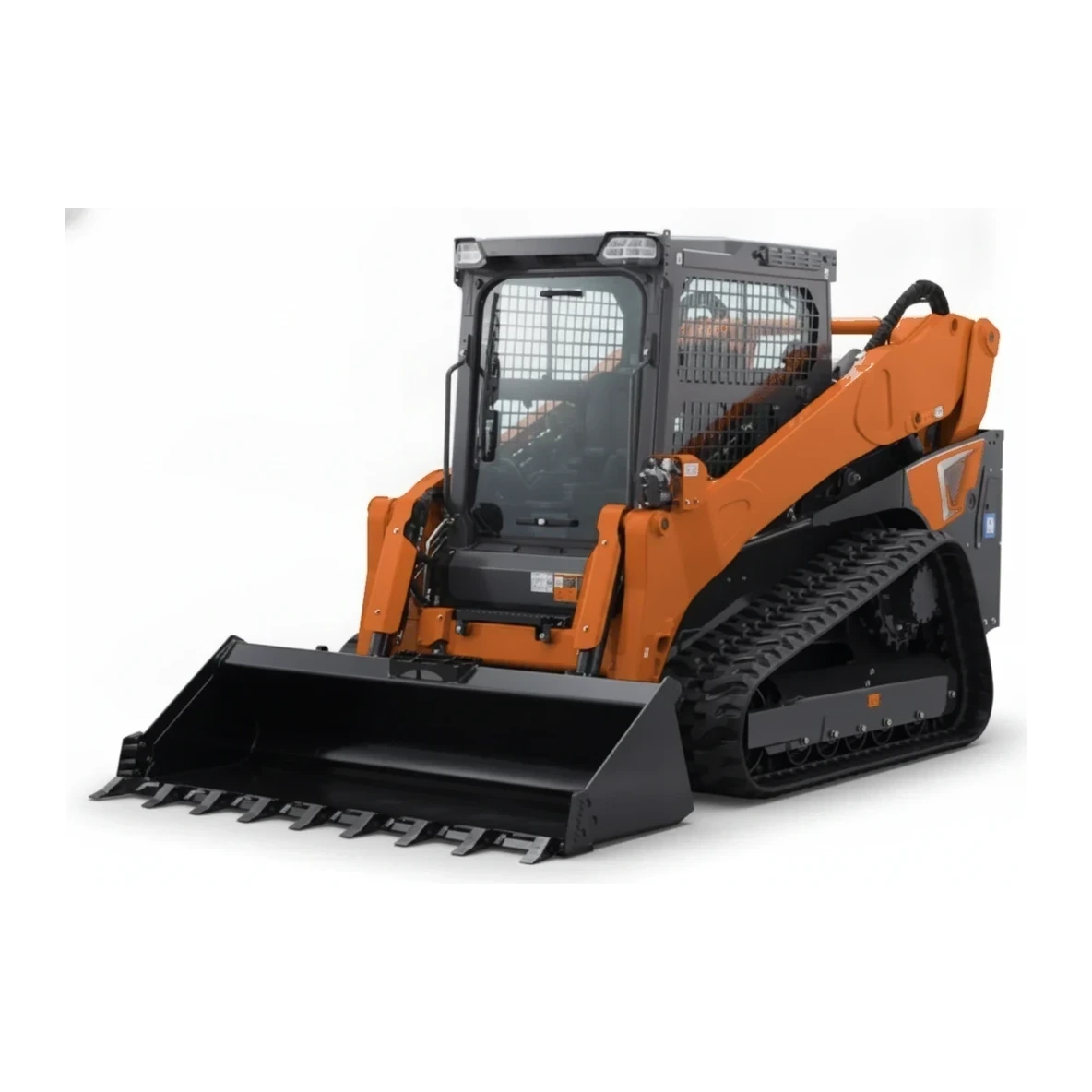
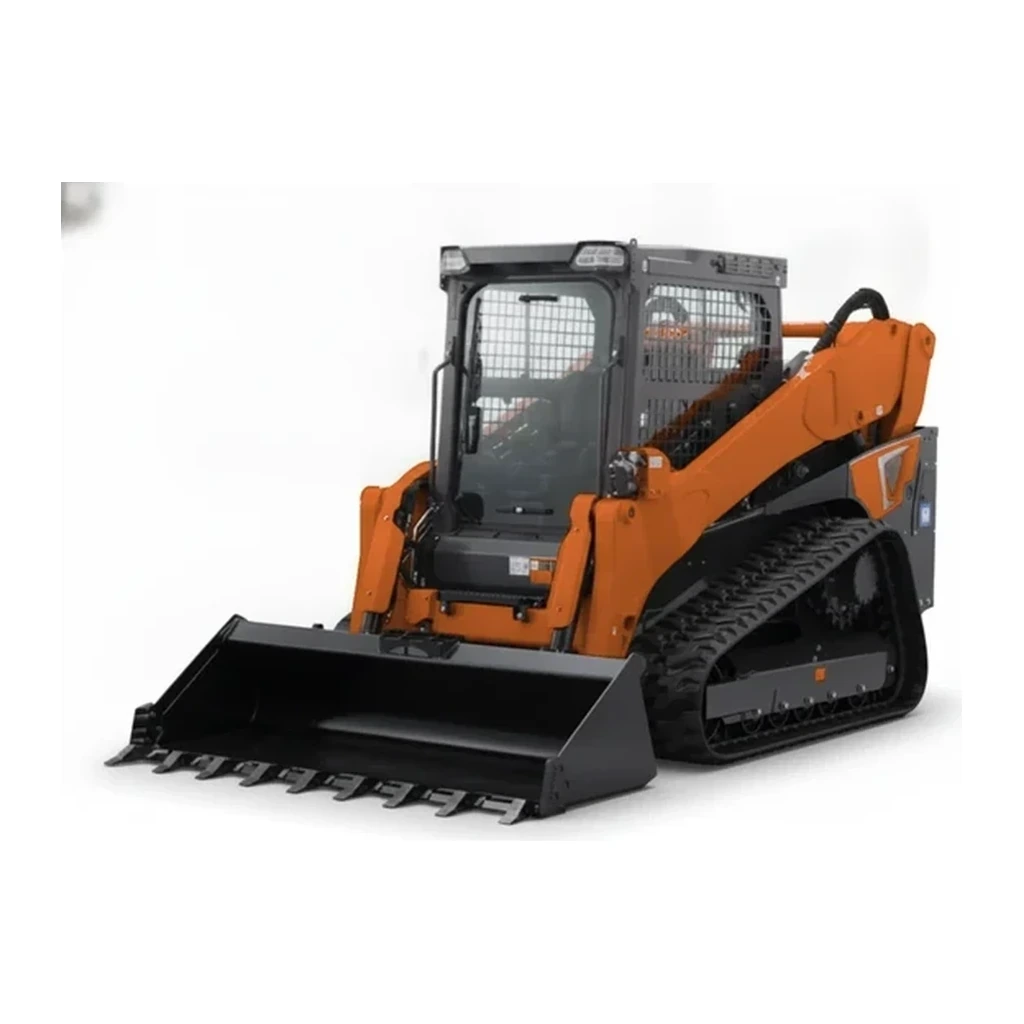
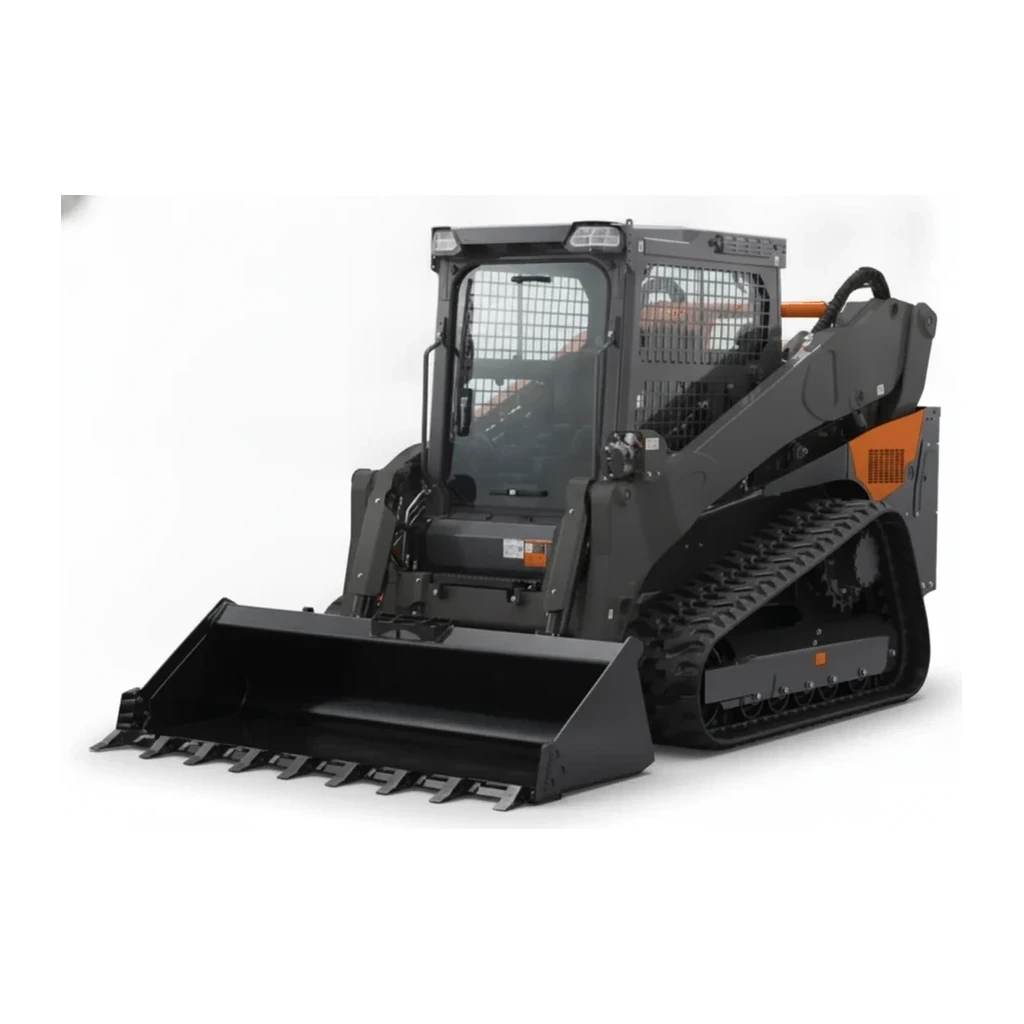
1,500-2,200 lb Compact Track Loader
The 1,500-2,200 lb compact track loader occupies the second rung of the CTL ladder, defined by rated operating capacity. This size represents the everyday workhorse for grading, landscape installation, and general site work where ground conditions would cause a wheeled skid steer to sink or compact sensitive soils. Machines in this band deliver 48.6-55.2 hp and tipping loads of 2,390-2,740 lb.
Cat classes
Elija una clase de tamaño: la capacidad y el alcance varían en la gama.
Especificaciones clave
| Especificación | Rango típico | Qué significa |
|---|---|---|
| Rated operating capacity | 1,500–2,200 lb (680–998 kg) | The weight the machine can safely lift and carry at full boom height, calculated at 35% of tipping load |
| Engine power | 48.6-55.2 hp | Diesel engines sized to drive both hydraulic systems and the undercarriage through soft or sloped terrain |
| Operating weight | 3,395-4,165 kg (7,485-9,180 lb) | Total weight with full fuel and standard bucket, distributing ground pressure through rubber tracks |
| Track width | 320-400 mm (12.6-15.7 in) | Wider tracks lower ground pressure and reduce sinking on soft ground; narrower tracks fit through gates and between plantings |
| Fuel tank capacity | 76.0-166.2 L (20-44 gal) | Tank size varies by manufacturer; larger tanks extend runtime on full-day grading or material-handling jobs |
Cómo elegir
The 1,500-2,200 lb band suits grading, hardscape installation, drainage work, and material placement on turf, mud, or sandy soil where flotation matters more than maximum lift. When the job involves pallet loads under 1,500 lb on firm ground, the Up to 1,500 lb Compact Track Loader offers lower weight and often narrower overall width for residential access. When bucket loads regularly exceed one cubic yard of dense material, or when lifting palletized stone or pipe over 2,000 lb, the 2,200-3,000 lb Compact Track Loader provides the necessary capacity and stability without stepping to the largest class.
Lo que maneja este tamaño
- Final grade and seeding prep across sodden construction sites
- Spreading 10-15 yards of mulch or topsoil in commercial landscape beds
- Placing 1-1.5 yd³ bucket loads of crushed stone for drainage trenches
- Loading and moving pallets of pavers, block, or bagged material up to 1,800 lb
- Clearing snow and ice from parking lots where wheeled loaders would spin
- Installing French drains and utility trenches in wet or sandy subsoil
Seguridad y operación
- Enclosed cabs with ROPS/FOPS protection and seatbelts are standard; the operator must remain seated and belted whenever the boom is raised
- Ground pressure averages 3-5 psi depending on track width, reducing the risk of sinking but still capable of damaging buried utilities or thin pavement
- Tracks provide superior traction on slopes and wet ground, but steep cross-slopes and sudden direction changes can still cause lateral slide or tip
- Hydraulic quick-attach systems allow tool changes without leaving the cab; always lower the attachment flat to the ground and relieve hydraulic pressure before disconnecting
Transporte y logística
- Most models in this band weigh 7,500-9,200 lb and fit on tandem-axle tagalong or tilt trailers rated 10,000-14,000 lb GVWR
- A 3/4-ton or 1-ton pickup typically tows the combined weight; some operators use single-rear-wheel trucks when trailer and machine total under 12,000 lb
- Track loaders load via walk-on ramps or hydraulic tilt; the rubber tracks climb grades more safely than wheeled machines on wet ramps
Alimentación
- Diesel fuel tank capacity ranges from 76 to 166 liters; plan for 2-4 gallons per operating hour under typical load
- Tier 4 Final or Stage V emissions equipment is standard on current models, requiring ultra-low-sulfur diesel and periodic diesel exhaust fluid (DEF) refills
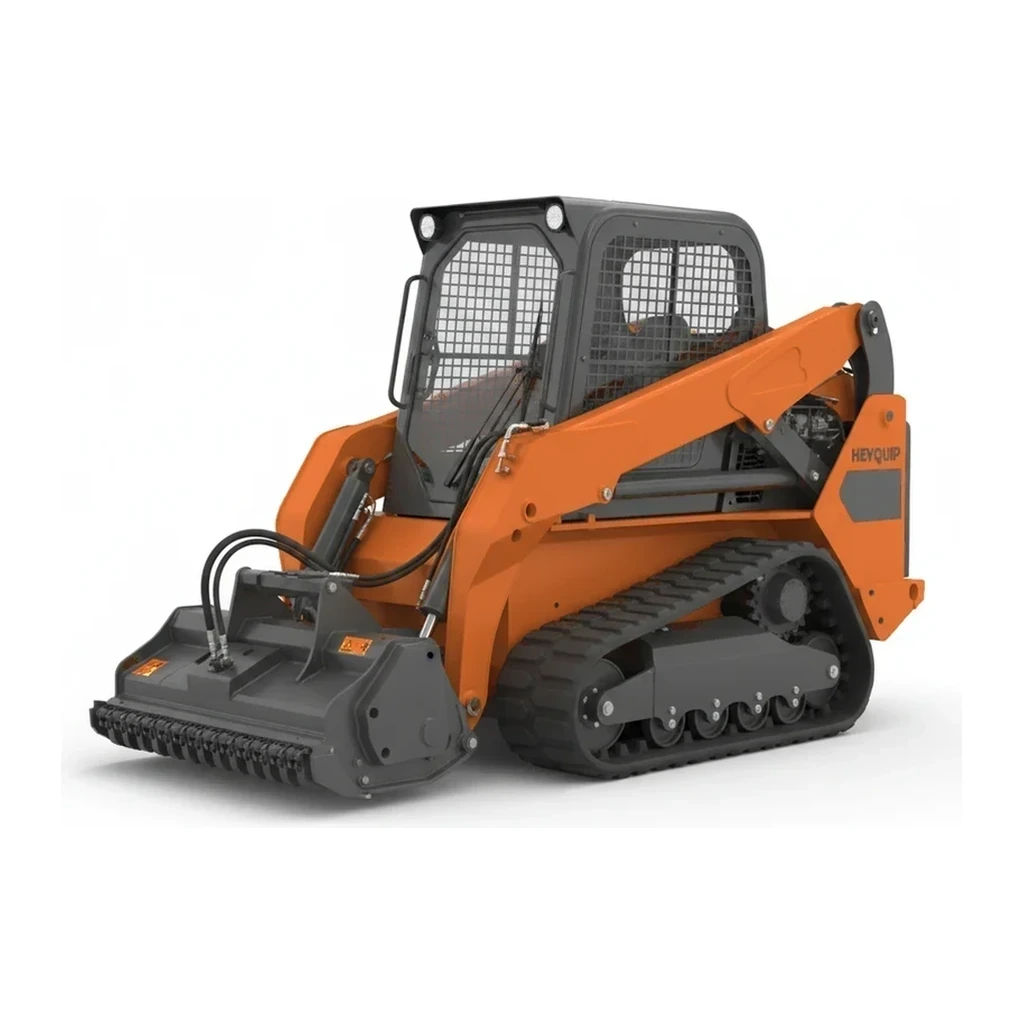
- Auxiliary hydraulic flow (10-20 gpm typical) powers attachments such as augers, trenchers, and brush cutters from the machine's engine-driven pump
Preguntas frecuentes
What is the practical difference between a 1,700 lb and a 2,000 lb rated capacity?
How does track width affect performance on turf or mud?
Can this size class handle a 72-inch rotary tiller or trencher attachment?
Comparar modelos populares
Buscar por especificación →Normalizado a las mismas unidades. Un guion significa que el valor no fue publicado.
| Modelo | Peso operativo | Profundidad de excavación máx | Alcance máx | Potencia del motor |
|---|---|---|---|---|
| Bobcat T630 | - | - | - | 74 hp |
| Takeuchi TL6R | - | - | - | 65 hp |
| Takeuchi TL8R2 | - | - | - | 73 hp |
Equipos relacionados
Explorar por fabricante
Fuentes
Cada especificación se verifica con los datos publicados por el fabricante, con la fuente enlazada como referencia.
1,500-2,200 lb Compact Track Loader
3 modelos · Cada especificación citada a la fuente