

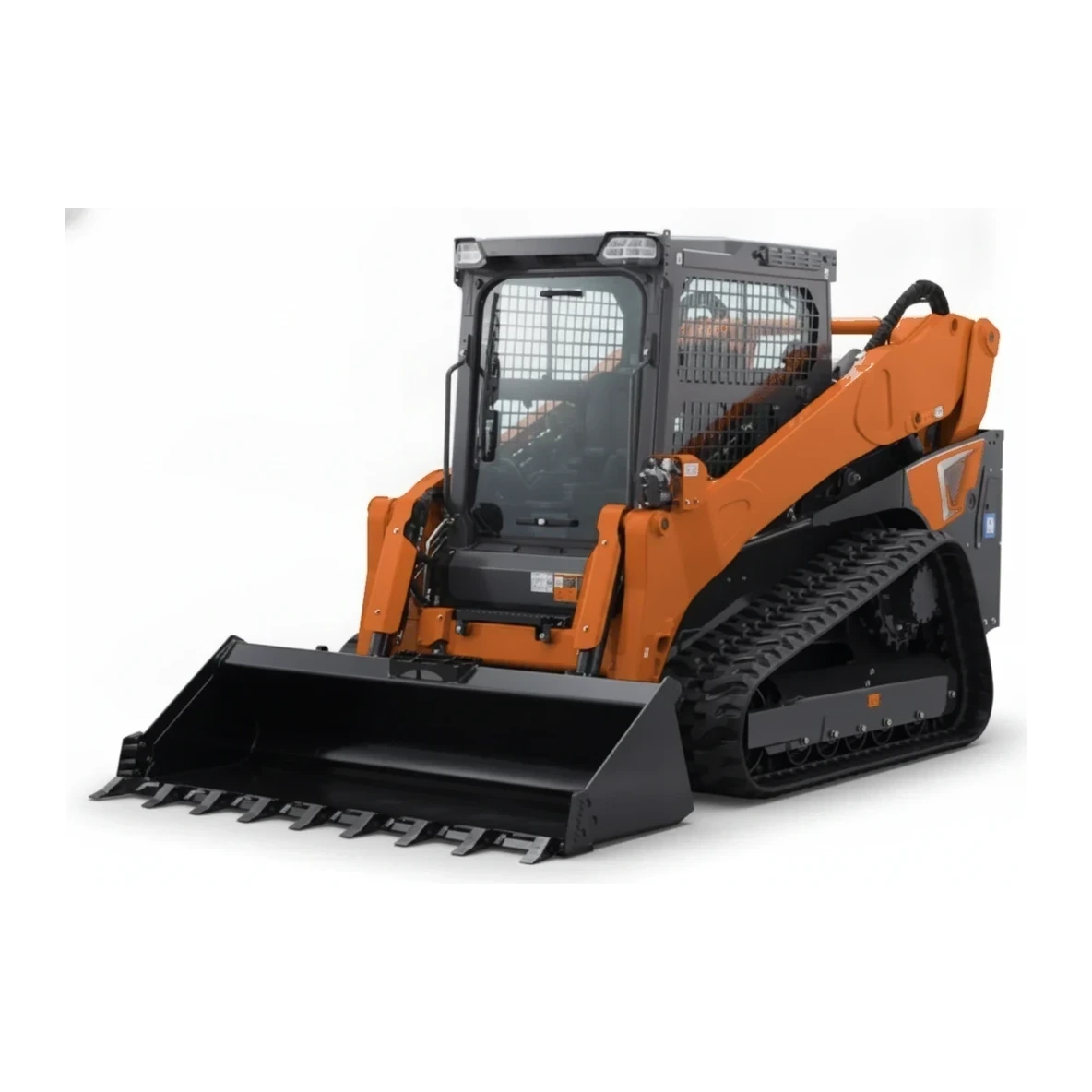
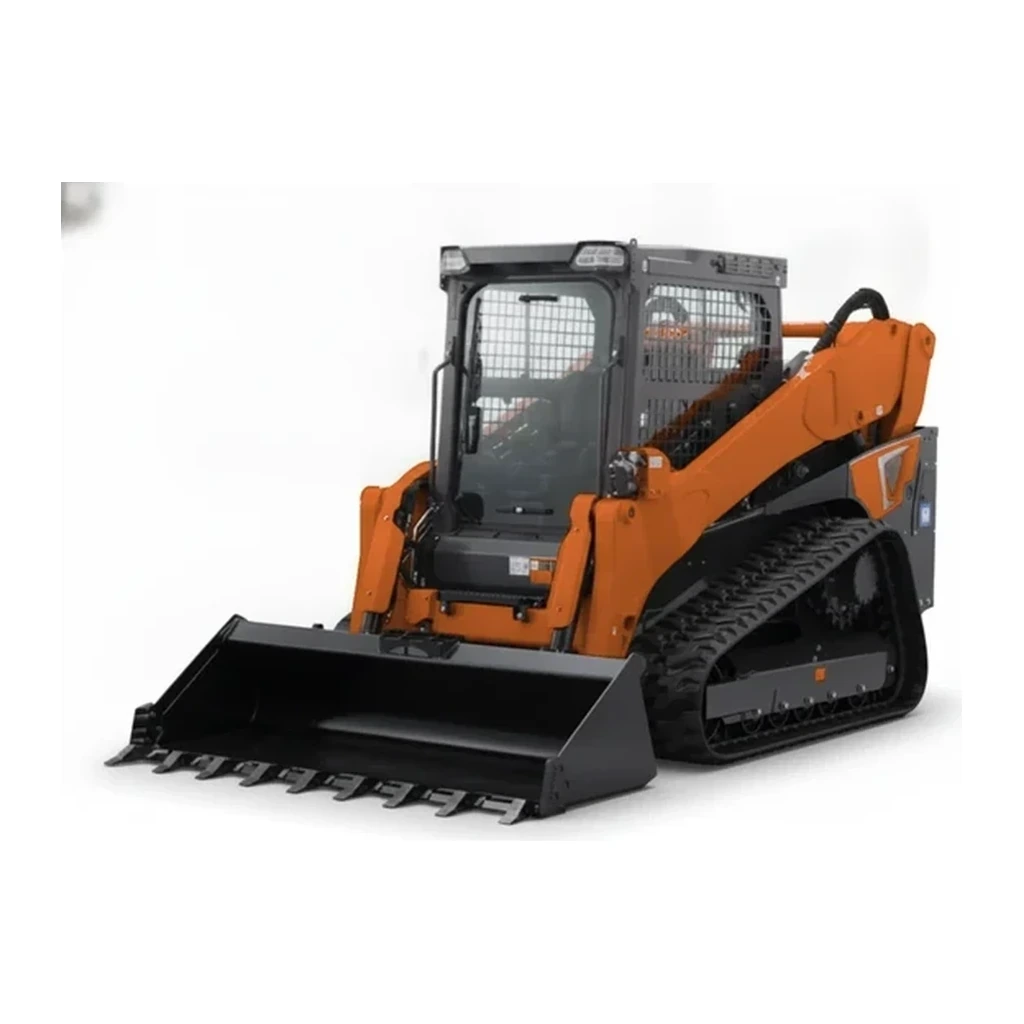
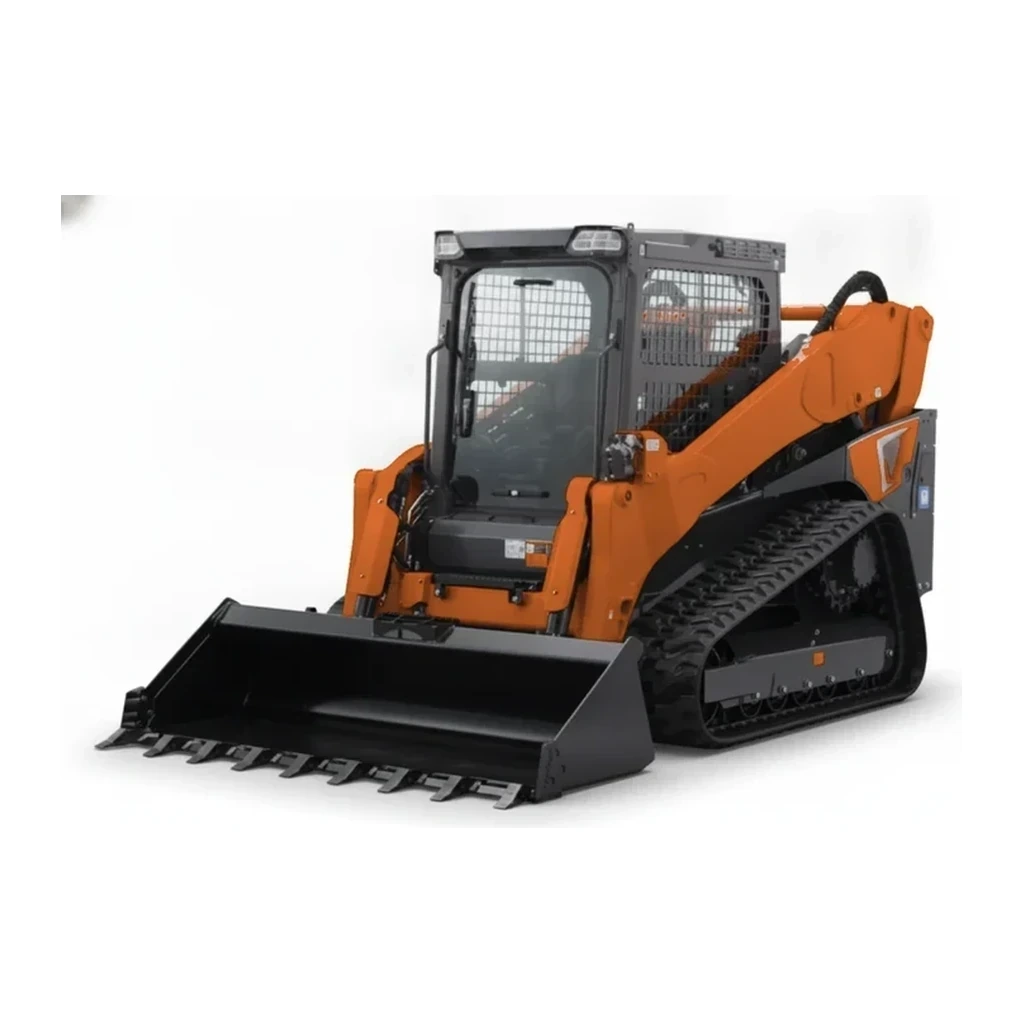
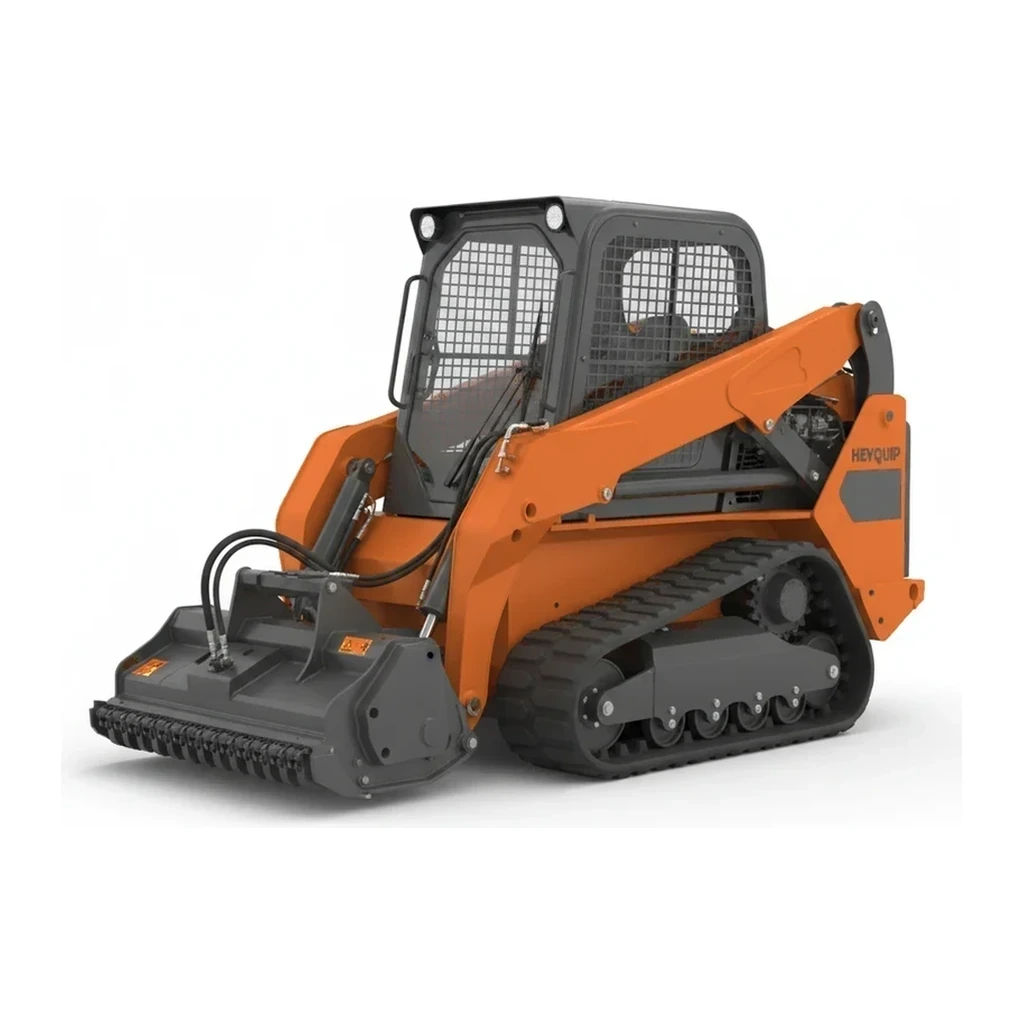
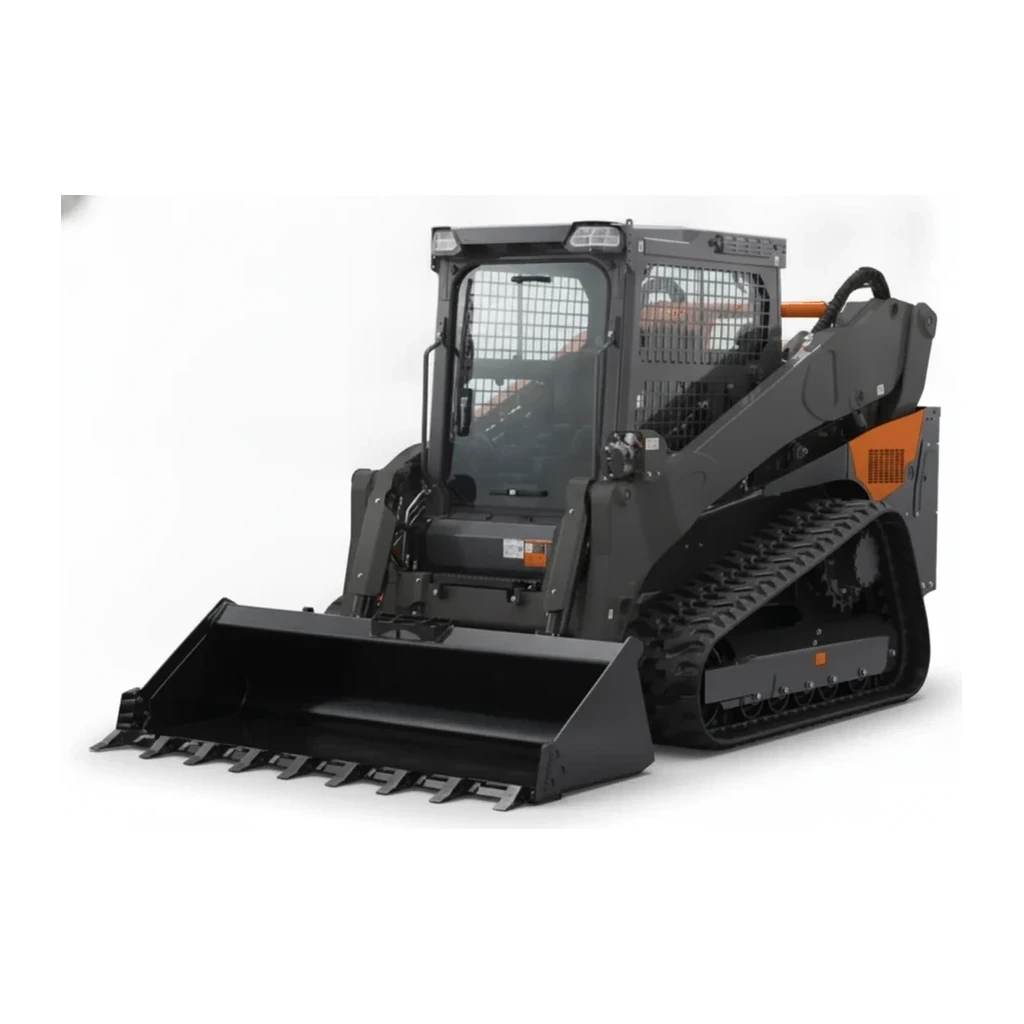
2,200-3,000 lb Compact Track Loader
The 2,200-3,000 lb compact track loader is a large-frame, high-flow machine designed for heavy attachment work on challenging terrain. Positioned at the upper end of the compact track loader ladder, this size class delivers 55-74 hp and hydraulic flow sufficient to drive mulching heads, forestry cutters, and cold planers where rubber tires would lose traction. Operating weights range from 3,750 to 10,250 kg, providing the stability and counterweight needed for high-load attachments.
Cat classes
Elija una clase de tamaño: la capacidad y el alcance varían en la gama.
Especificaciones clave
| Especificación | Rango típico | Qué significa |
|---|---|---|
| Engine power | 55-74 hp | Output range supports high-demand hydraulic attachments including forestry and milling tools. |
| Lift capacity | 1,178–2,900 lb (534–1,315 kg) | Rated operating capacity at full reach; brackets heavy buckets, grapples, and specialized heads. |
| Operating weight | 8,267–22,597 lb (3,750–10,250 kg) | Machine mass provides counterbalance for high-capacity attachments and stability on slopes. |
| Tipping load | 2,449–8,285 lb (1,111–3,758 kg) | Total load at which the machine begins to tip; rated capacity is typically 35-50% of this figure. |
| Track width | 12.6–450 in (32.0–1,143 cm) | Wider tracks distribute weight across soft or uneven surfaces and improve flotation. |
Cómo elegir
This size class is appropriate when the workload includes mulching, forestry milling, or cold planing on slopes, mud, or uneven ground where traction and hydraulic flow are critical. Machines in the 1,500-2,200 lb Compact Track Loader band are sufficient for general grading, landscaping, and pallet-fork work; step down if high-flow attachments are not required. The 3,000+ lb Compact Track Loader category offers greater lift capacity and machine weight for demolition, quarry grading, and other tasks where loader size and attachment tonnage exceed this band's limits.
Lo que maneja este tamaño
- Land clearing with forestry mulcher or brush cutter on sloped or wooded sites
- Cold planing and asphalt milling on driveways, parking areas, or road shoulders
- Stump grinding and tree-service work requiring high auxiliary hydraulic flow
- Grading and finish work on soft, wet, or sandy soils where track flotation is essential
- Snow removal with high-flow blower attachments in confined or hilly areas
- Trenching and utility installation using vibratory plows or saw attachments
Seguridad y operación
- Operator certification and familiarity with high-flow attachments are essential; mulching heads and planers introduce kickback and projectile hazards.
- Slope operation requires attention to machine stability and center of gravity, especially when the attachment is extended or loaded.
- Track tension and undercarriage inspection are critical on rough terrain to prevent derailment and component damage.
- Establish exclusion zones around the machine when operating forestry or milling attachments due to debris ejection and visibility limits.
Transporte y logística
- Operating weights of 3,750-10,250 kg require a tandem-axle or tri-axle equipment trailer with appropriate GVWR and ramps rated for the machine mass.
- Transport width and track projection often exceed 7 feet; verify trailer deck width and local width regulations before highway movement.
- Loading and unloading typically performed via walk-on ramps or hydraulic tilt-deck trailers; some larger models in this band may require a lowboy or heavy equipment transport.
Alimentación
- Diesel fuel tanks range from approximately 9 to 97 liters; high-flow attachment work increases fuel consumption significantly compared to loader-only operation.
- Auxiliary hydraulic systems deliver high flow (typically 20-40+ gpm) to power attachments; no external power source is required on site.
- Daily fuel supply planning should account for continuous high-rpm operation when running forestry or milling attachments.
Preguntas frecuentes
What differentiates this size from the 1,500-2,200 lb class?
Can machines in this size range operate standard skid-steer attachments?
What track width is typical for soft-ground applications?
Comparar modelos populares
Buscar por especificación →Normalizado a las mismas unidades. Un guion significa que el valor no fue publicado.
| Modelo | Peso operativo | Profundidad de excavación máx | Alcance máx | Potencia del motor |
|---|---|---|---|---|
| Case TV370B | - | - | - | 74 hp |
| Kubota SVL75-2 | 9,039 lb (4,100 kg) | - | - | - |
| Bobcat T64 | 8,728 lb (3,959 kg) | - | - | 68 hp |
| Bobcat T76 | 10,249 lb (4,649 kg) | - | - | 74 hp |
| Case TR270B | 8,267 lb (3,750 kg) | - | - | 74 hp |
Equipos relacionados
Explorar por fabricante
Fuentes
Cada especificación se verifica con los datos publicados por el fabricante, con la fuente enlazada como referencia.
2,200-3,000 lb Compact Track Loader
5 modelos · Cada especificación citada a la fuente