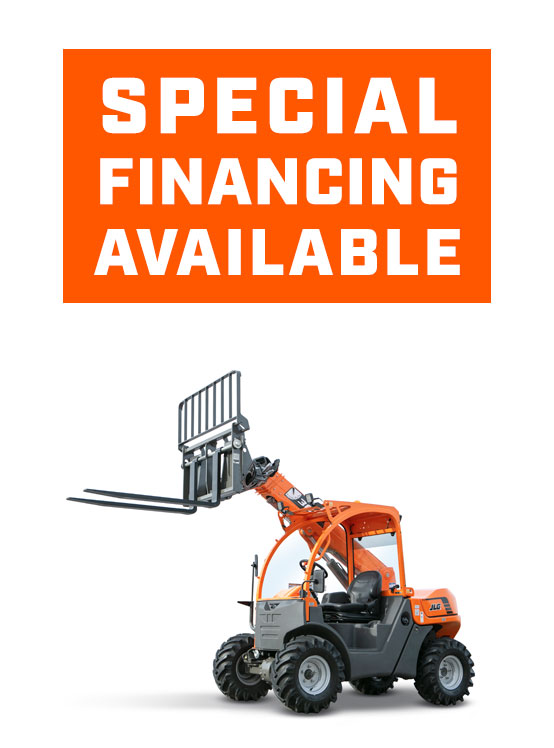

Up to 6,000 lb Telehandler
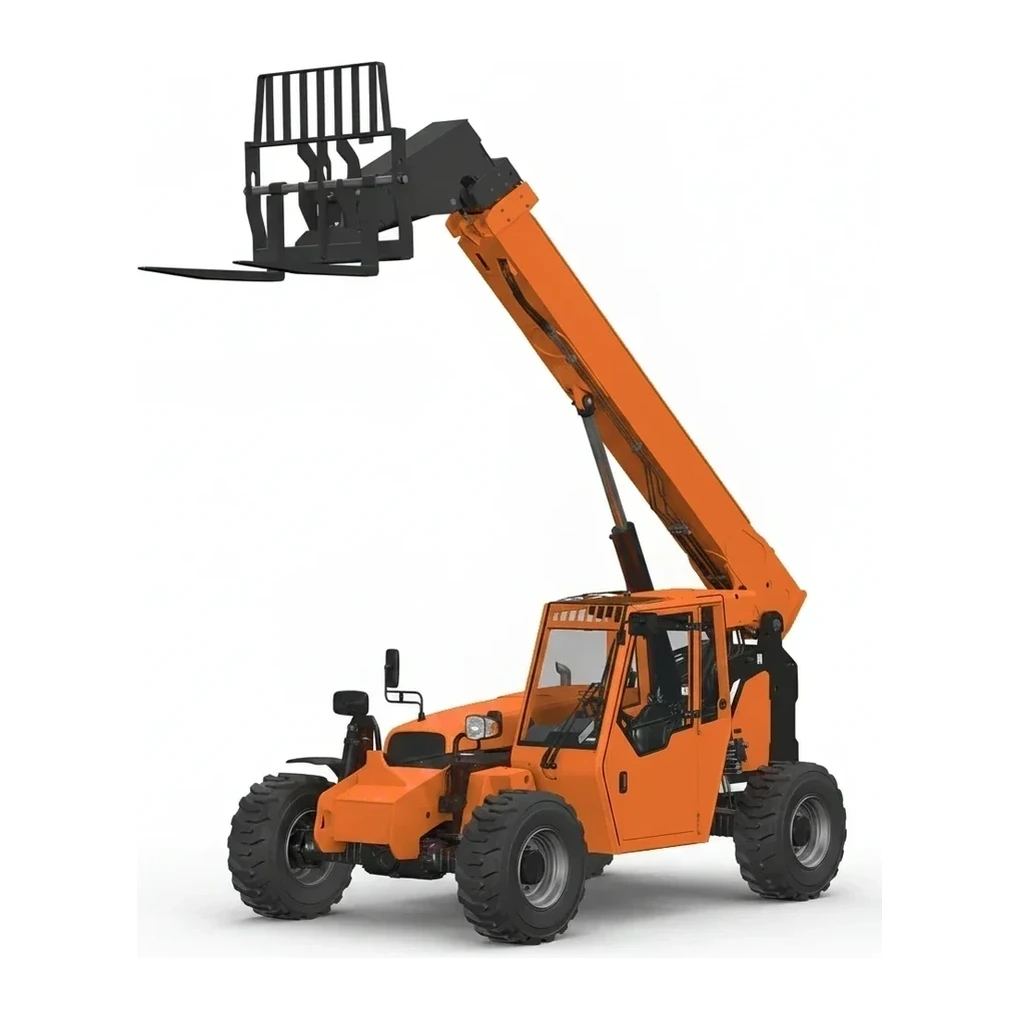
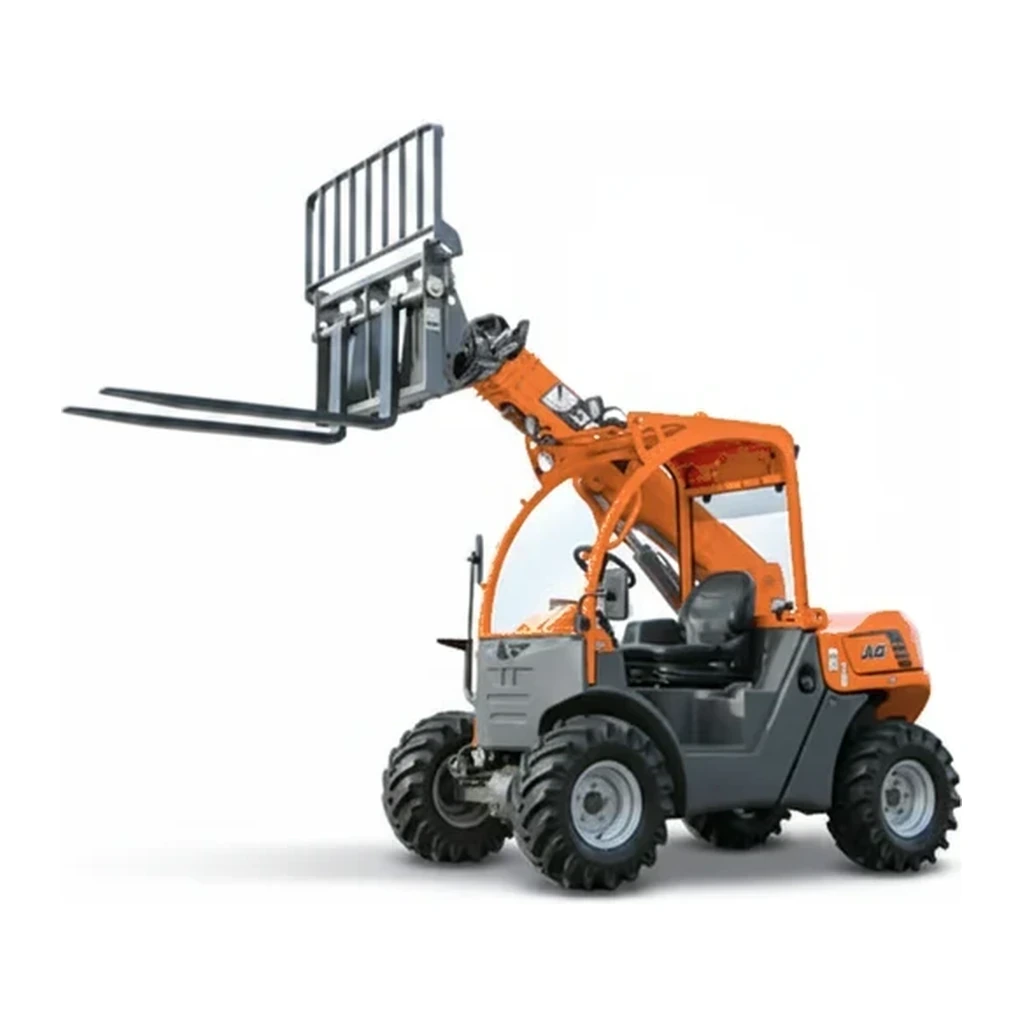
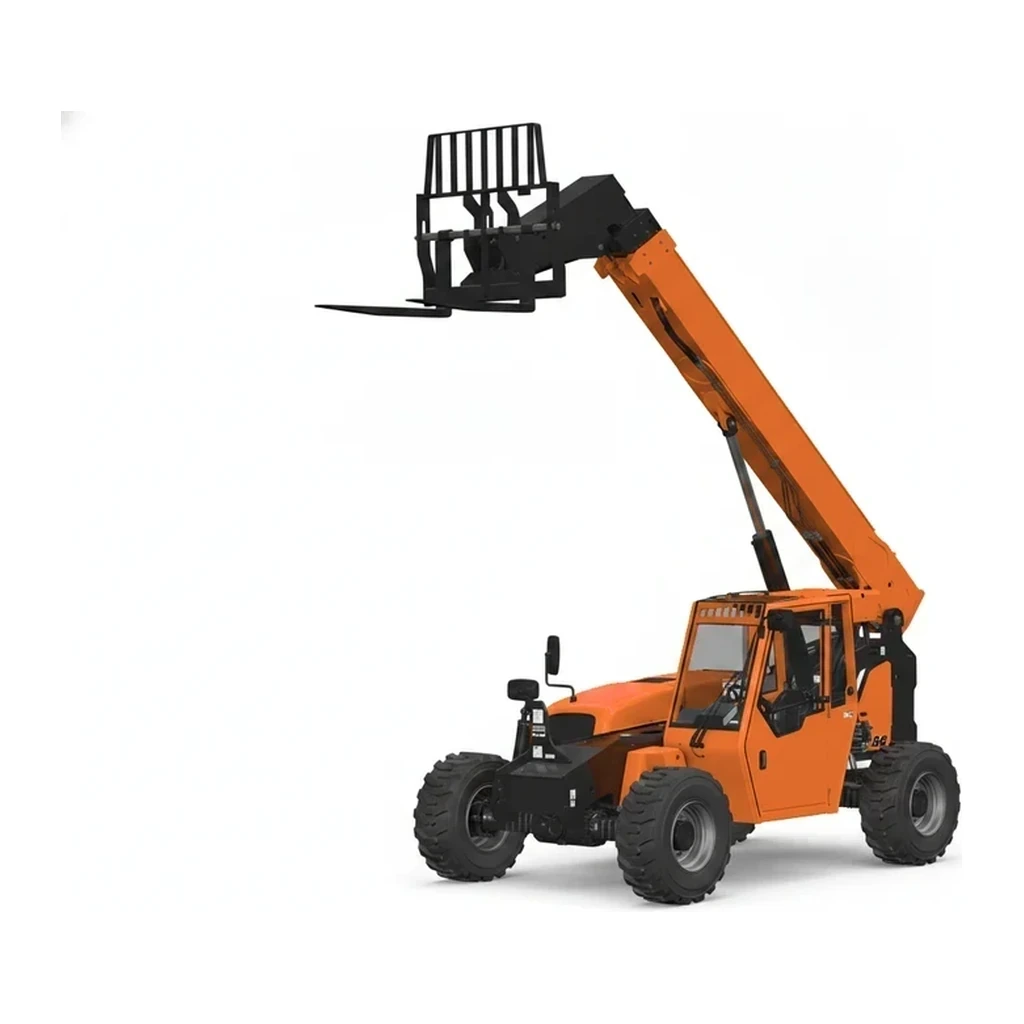
Up to 6,000 lb telehandlers are the compact end of the telescopic handler ladder, designed for work where reach and footprint both constrain machine choice. With lift heights typically 19-30 ft and operating weights under 6,000 kg, these machines suit residential framing, light commercial construction, and any site where a larger telehandler cannot navigate or position. For higher reach or capacity, the next step is the 6,000-8,000 lb class.
Cat classes
Elija una clase de tamaño: la capacidad y el alcance varían en la gama.
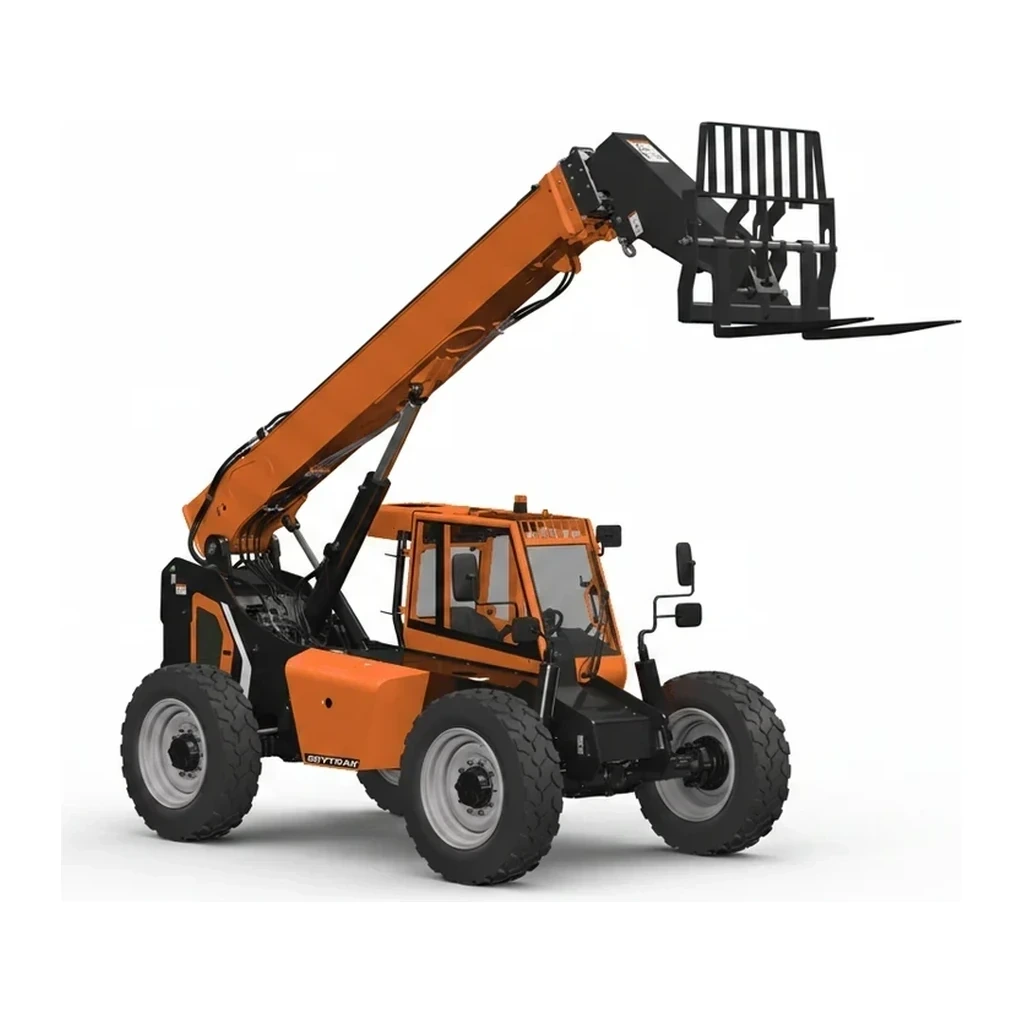
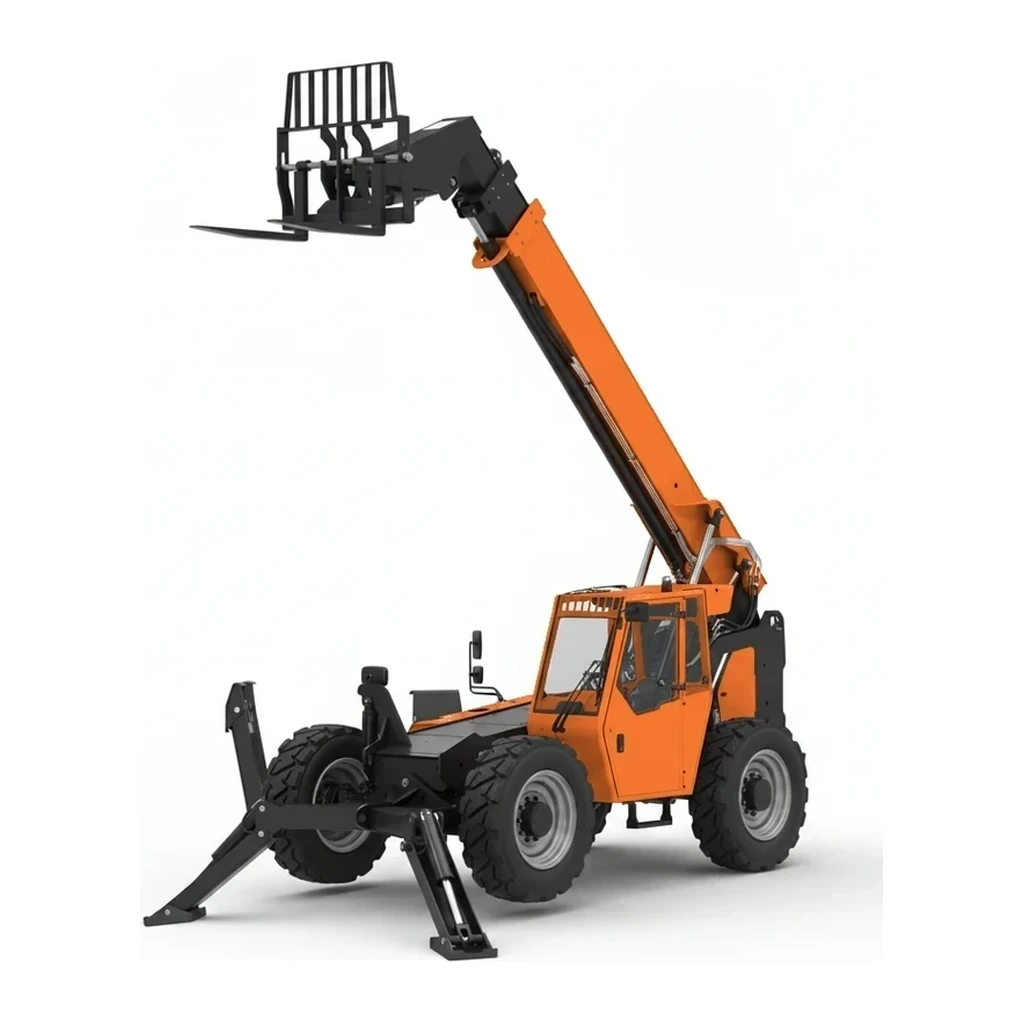
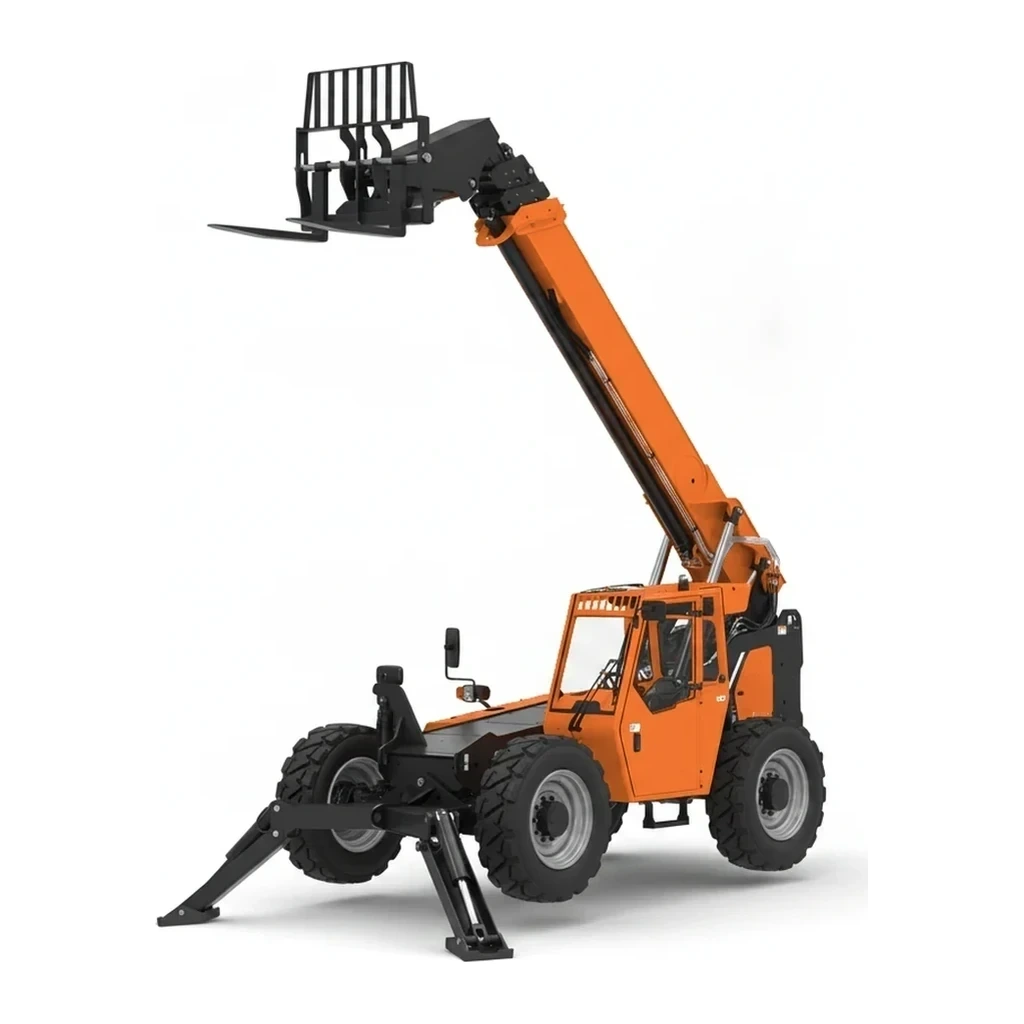
Especificaciones clave
| Especificación | Rango típico | Qué significa |
|---|---|---|
| Lift capacity | 2,000–5,500 lb (907–2,495 kg) | Maximum load at minimal extension; capacity decreases as boom extends and lifts. |
| Lift height | 19–30 ft (5.8–9.1 m) | Vertical reach to place materials on second-story decks or light commercial rooflines. |
| Operating weight | 920-5,935 kg (2,030-13,090 lb) | Machine mass provides stability; lighter units trade capacity for maneuverability. |
| Engine power | 18-75 hp | Diesel or gasoline engines sized for compact hydraulic systems and travel speed. |
| Max travel speed | 18.5-32 mph | Self-propelled transport between staging areas on larger sites. |
Cómo elegir
Up to 6,000 lb telehandlers are the correct choice when lift height under 30 ft is sufficient and the machine must navigate tight residential lots, narrow commercial alleys, or weight-restricted surfaces. When reach beyond 30 ft or capacity above 5,500 lb is required, common on multi-story wood framing or heavier material pallets, the 6,000-8,000 lb Telehandler class provides the necessary performance. This smallest size class prioritizes access and footprint over raw reach and load.
Lo que maneja este tamaño
- Single-family residential framing: placing lumber bundles on second-floor decks
- Light commercial remodels in confined urban sites with limited staging area
- Landscape supply yards moving bagged materials and small pallets in tight aisles
- Residential roofing projects with shingle bundles lifted to single-story eaves
- Agricultural operations handling hay bales and feed in barn aisles
- Utility work staging poles and equipment along narrow right-of-way corridors
Seguridad y operación
- Operators require telehandler-specific training covering load charts, boom extension, and tip-over geometry
- Load capacity decreases with boom extension and angle; real-time load indicators are standard on most models
- Jobsite traffic management necessary during travel; compact size does not eliminate blind spots
- Ground conditions affect stability; soft soil or slopes demand reduced loads and careful positioning
Transporte y logística
- Operating weights 2,000-13,000 lb allow transport on standard tandem-axle equipment trailers
- Overall widths 1.2-1.8 m (4-6 ft) fit within legal trailer widths without permits
- Loading via walk-on ramps or tilt-deck trailers; no crane assistance typically required
Alimentación
- Diesel or gasoline engines; fuel tank capacities 35-145 L support full-day operation
- No external electrical supply required; self-contained hydraulic and engine systems
- Refueling from standard diesel or gasoline cans or on-site fuel trailers
Preguntas frecuentes
What distinguishes this class from a standard forklift?
How much reach loss occurs as load increases?
Can these machines work indoors?
Comparar modelos populares
Buscar por especificación →Normalizado a las mismas unidades. Un guion significa que el valor no fue publicado.
| Modelo | Capacidad de carga | Altura de elevación | Potencia del motor |
|---|---|---|---|
| Genie GTH-5519 Telehandler | 5,501 lb (2,495 kg) | 18.8 ft (5.7 m) | 63 hp |
| JCB 525-60 | - | 19.7 ft (6.0 m) | 74 hp |
| JLG R-2632 | - | - | - |
| JLG R-4045 | - | - | - |
| JLG AE1932 | - | - | - |
| Manitou MLT627 | - | - | 100 hp |
Equipos relacionados
Explorar por fabricante
Fuentes
Cada especificación se verifica con los datos publicados por el fabricante, con la fuente enlazada como referencia.
Up to 6,000 lb Telehandler
38 modelos · Cada especificación citada a la fuente