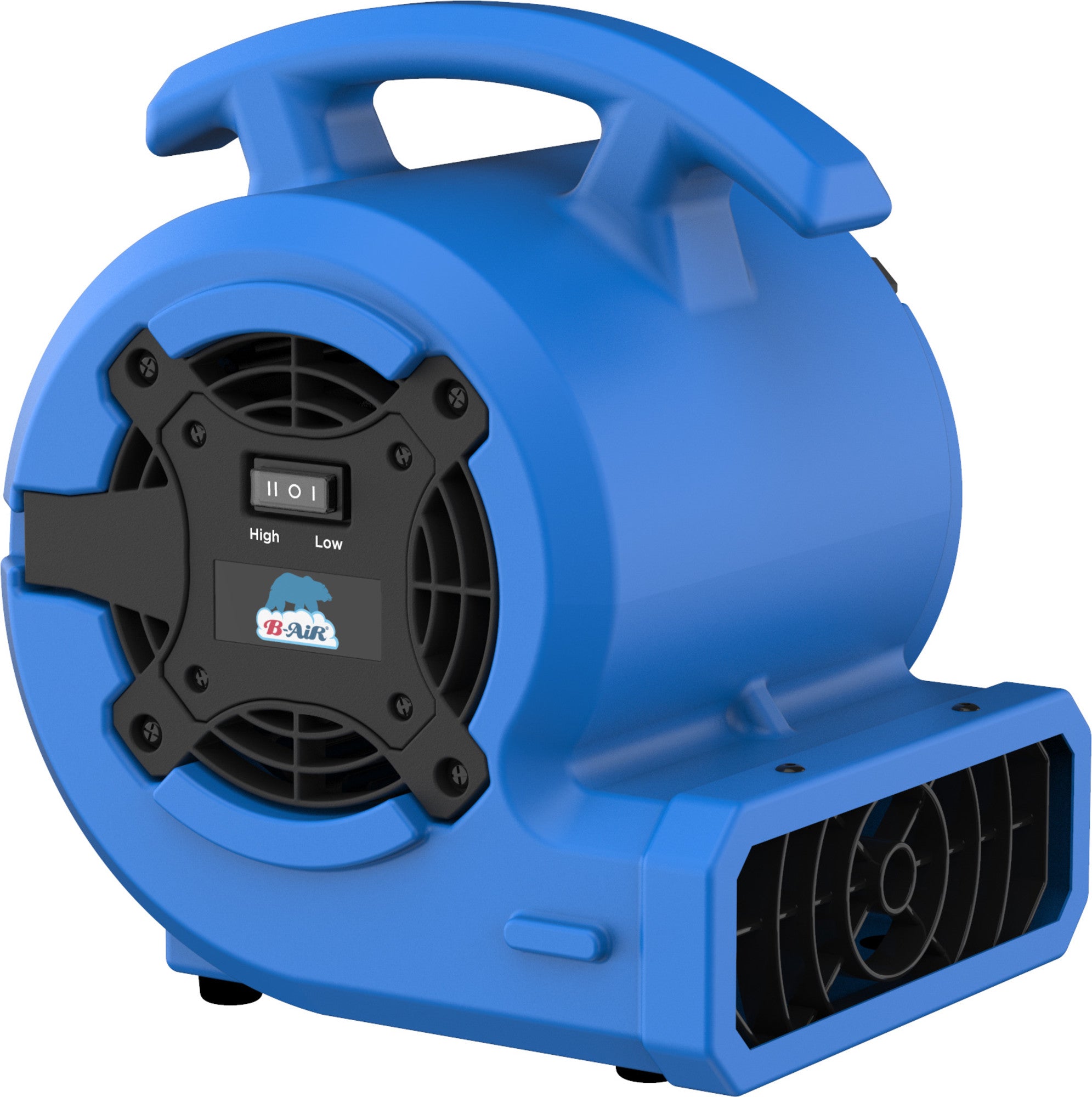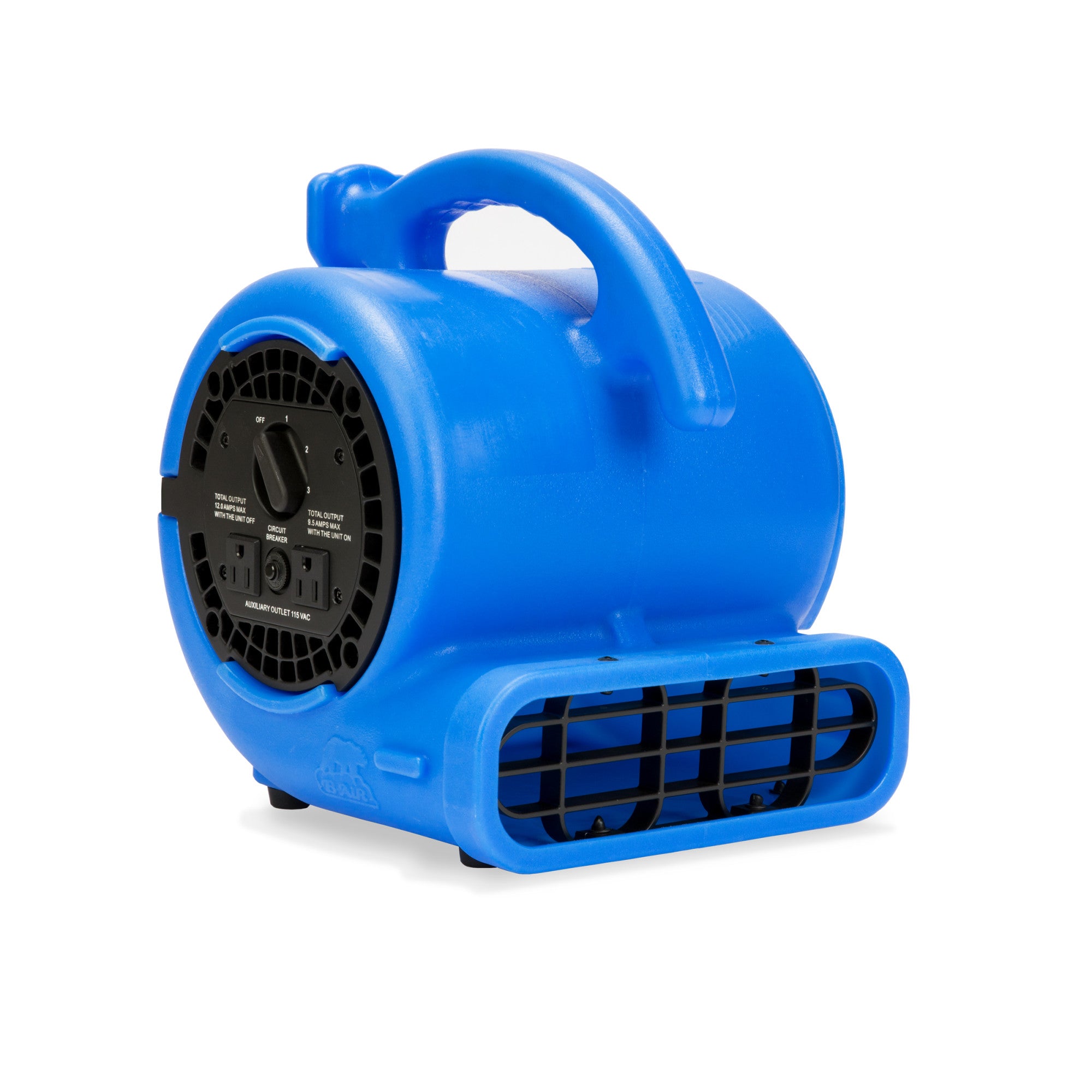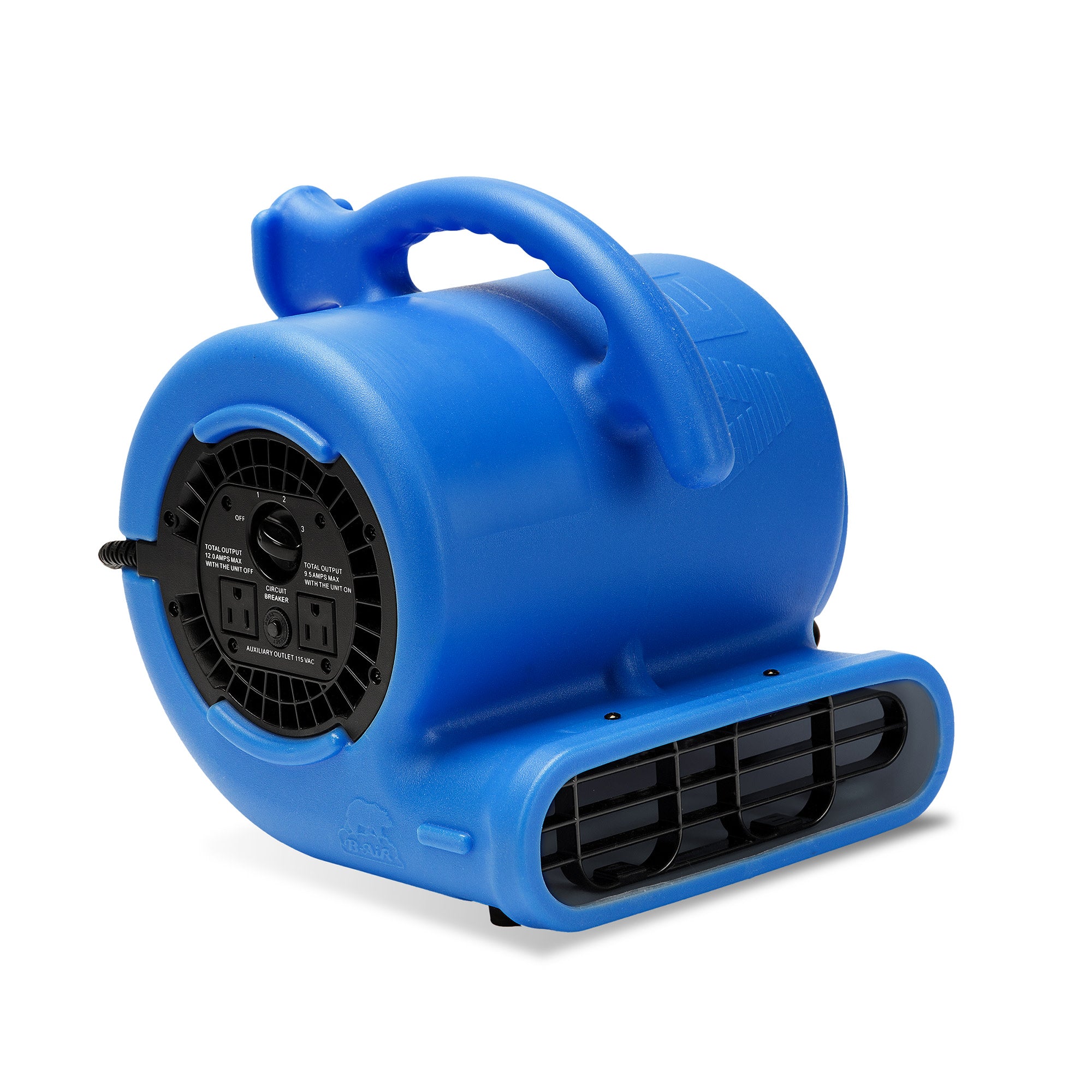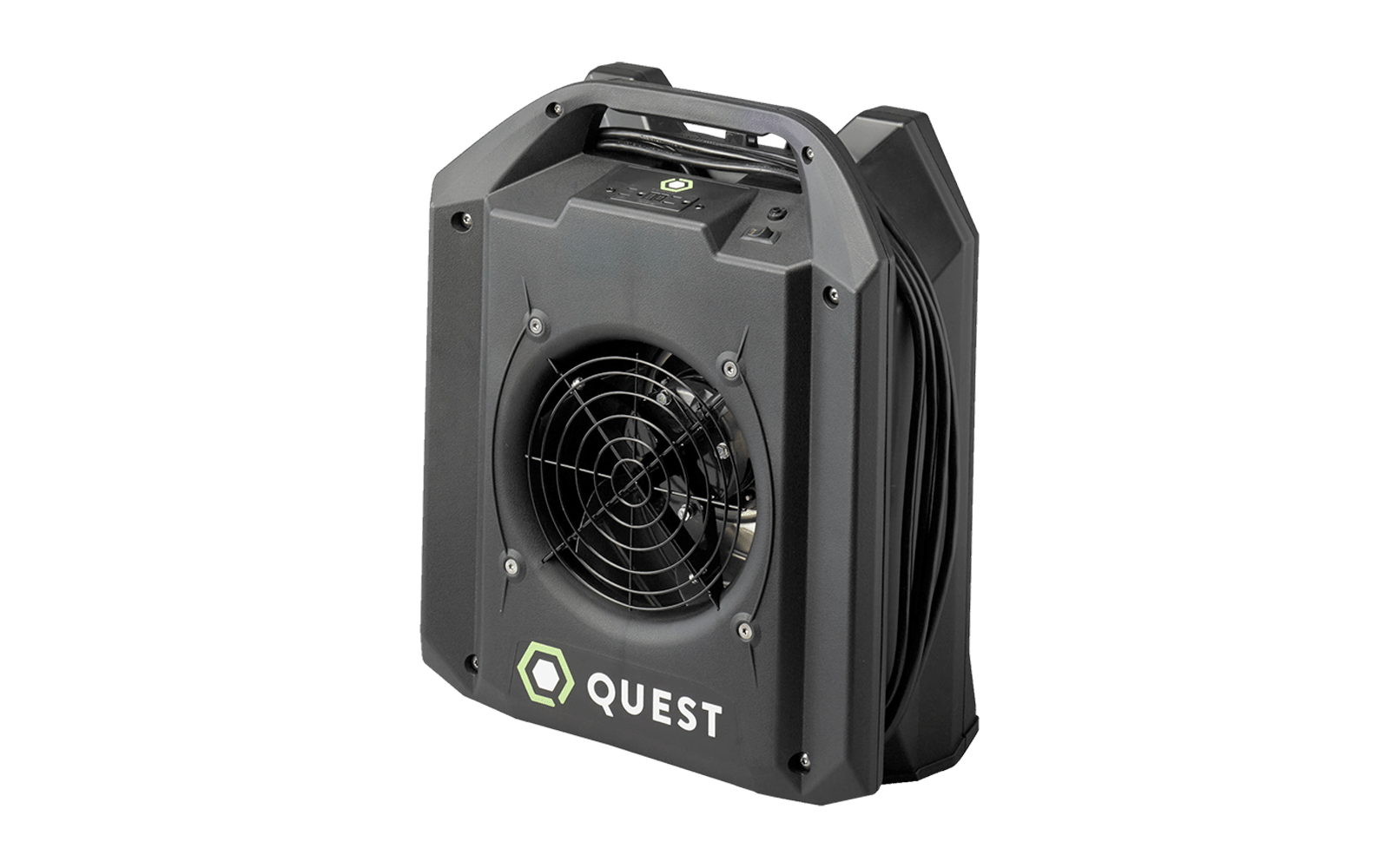

Up to 1,000 cfm Air Mover
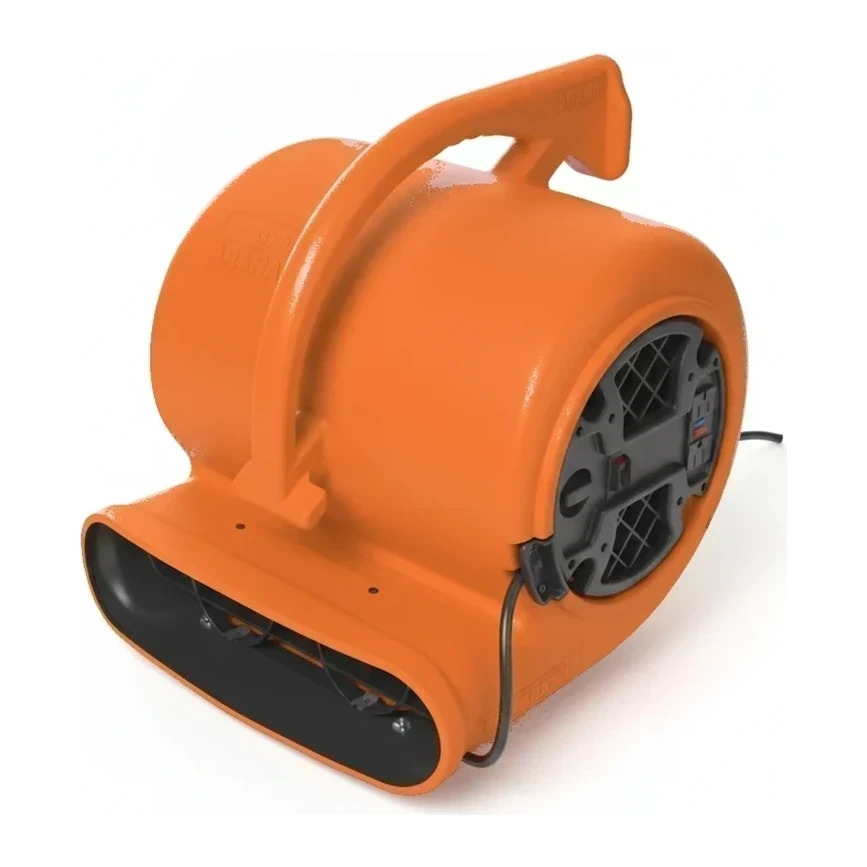
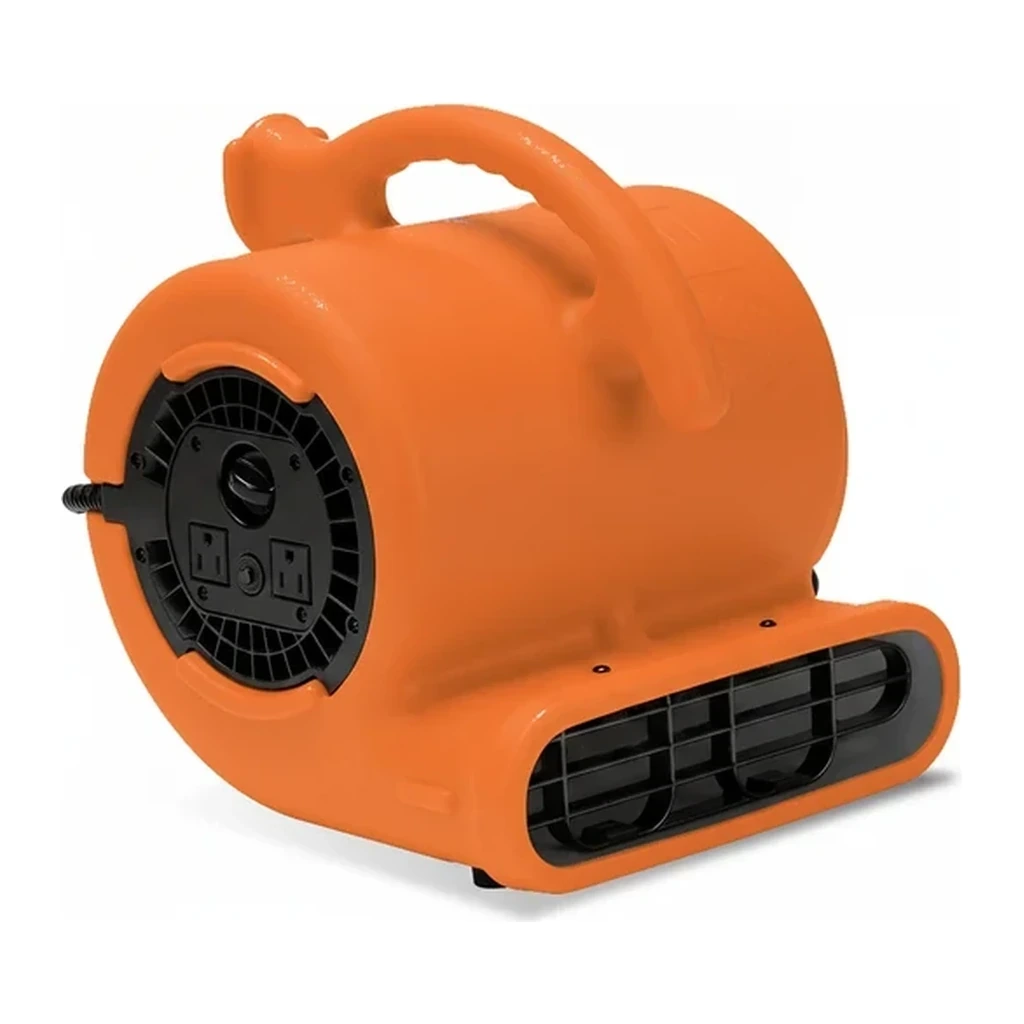
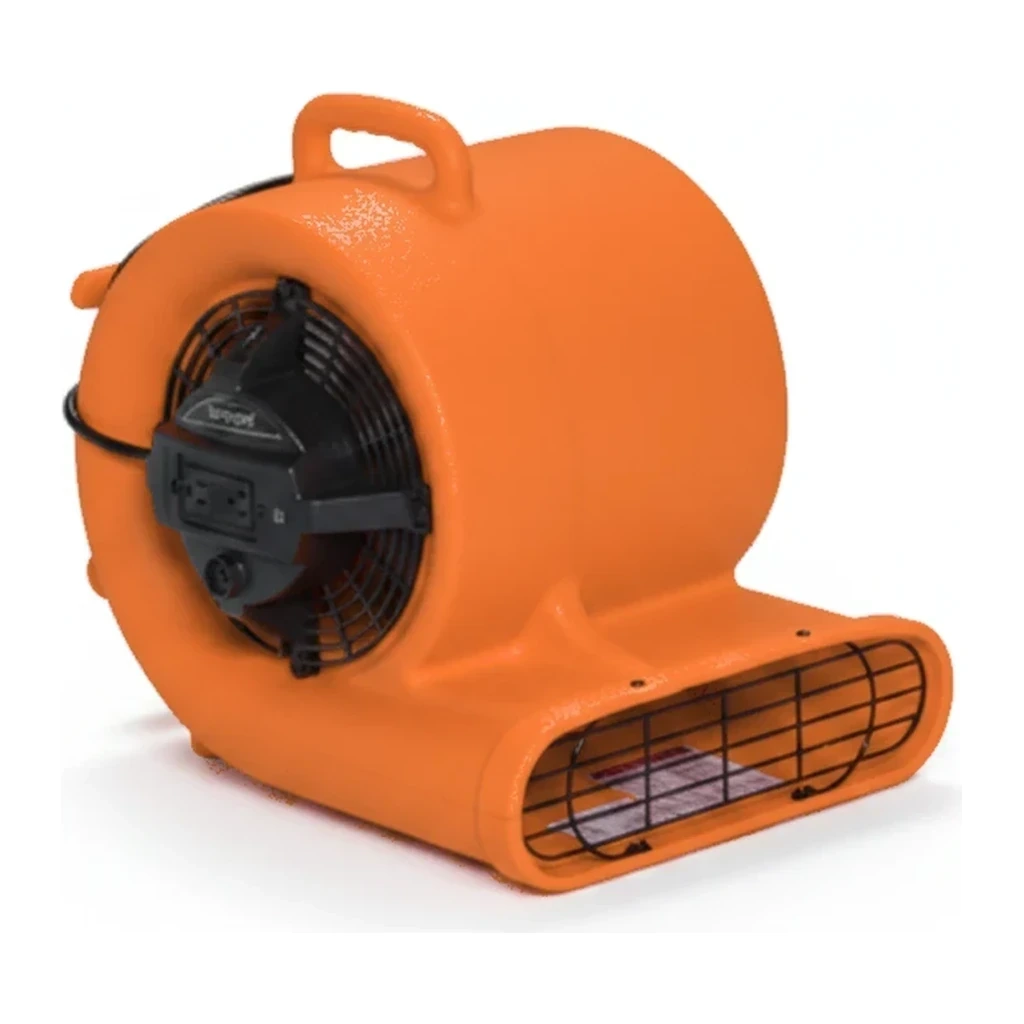
Air movers rated up to 1,000 cfm are compact, stackable units designed to dry confined spaces such as a single wall cavity, a room-sized carpet area, or a closet. This is the smallest and most widely deployed air mover class in the restoration and remediation industry. For larger open areas or whole-room air circulation, the 1,000-2,000 cfm class offers greater coverage per unit.
Cat classes
Elija una clase de tamaño: la capacidad y el alcance varían en la gama.
Especificaciones clave
| Especificación | Rango típico | Qué significa |
|---|---|---|
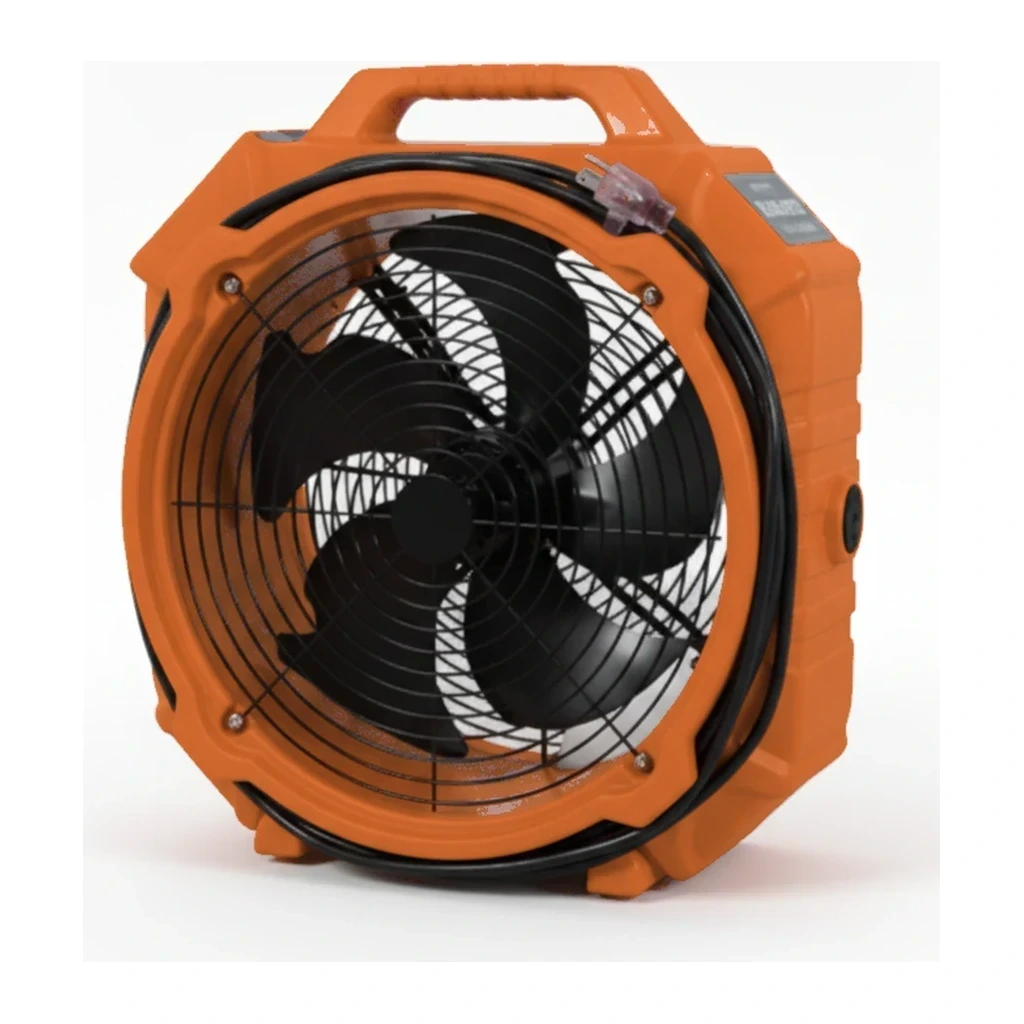
| Airflow | 120-980 cfm | Range spans entry-level centrifugal units to high-velocity axial designs; most models cluster between 500-900 cfm |
| Fuel capacity | 17-68 gal | Applies to gasoline-powered portable models; electric versions dominate this size class |
| Form factor | Low-profile stackable | Designed for tight spaces and efficient transport; three or more units typically fit in a cargo van |
Cómo elegir
This size class is the standard choice when drying localized moisture intrusion: water-damaged carpet in a bedroom, a single soaked wall, or confined spaces such as bathrooms and closets. Multiple units are often deployed together to create overlapping airflow patterns in water-loss scenarios. When the objective is to circulate air throughout an entire basement, gymnasium, or open warehouse space, the 1,000-2,000 cfm Air Mover provides more efficient coverage and reduces the total number of units required on site.
Lo que maneja este tamaño
- Drying carpet and pad in a residential bedroom after pipe leak
- Accelerating wall-cavity drying behind removed baseboards
- Ventilating a bathroom or closet during mold remediation
- Supporting dehumidification in a hotel room water-loss event
- Circulating air in a small retail stockroom during restoration
- Drying hardwood floors in localized spill or overflow areas
Seguridad y operación
- Position units to avoid tripping hazards; cord management is critical when deploying multiple machines
- Do not operate electric models in standing water or saturated environments without GFCI protection
- Gasoline-powered units must be operated outdoors or in well-ventilated spaces to prevent carbon monoxide buildup
- Secure stacked units during transport to prevent shifting and impact damage
Transporte y logística
- Three to six units stack in a standard cargo van or pickup bed
- Individual units weigh 15-35 lb and are carried by handle or grip cutouts
- Electric models require no fuel transport; gasoline versions necessitate approved containers
Alimentación
- Electric models operate on standard 115V, 15A or 20A circuits; amperage draw typically 1.5-8 amps per unit
- Multiple units may share a circuit depending on draw; distribution planning required to avoid overloads
- Gasoline-powered variants run on pump gas; fuel capacity supports 8-24 hours of continuous operation
Preguntas frecuentes
How many air movers are needed for a typical residential water-loss event?
What distinguishes axial from centrifugal designs in this size range?
Can this size class substitute for dedicated ventilation in confined-space work?
Comparar modelos populares
Buscar por especificación →Normalizado a las mismas unidades. Un guion significa que el valor no fue publicado.
| Modelo | Flujo de aire | Capacidad de combustible |
|---|---|---|
| Echo ES-250 | 392 cfm | 16.9 gal |
| Echo PB-2520 | 453 cfm | 18.6 gal |
| Echo PB-255LN | 354 cfm | 16.9 gal |
| Echo PB-2620 | 456 cfm | 20.3 gal |
| Echo PB-265LN | 375 cfm | 22.3 gal |
| Echo PB-580H | 517 cfm | 62.0 gal |
Equipos relacionados
Explorar por fabricante
Fuentes
Cada especificación se verifica con los datos publicados por el fabricante, con la fuente enlazada como referencia.
Up to 1,000 cfm Air Mover
42 modelos · Cada especificación citada a la fuente