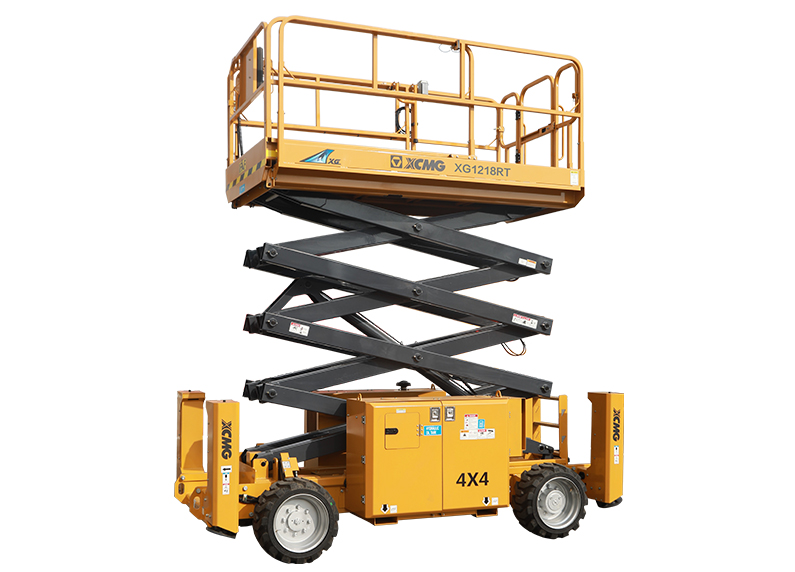

34-45 ft Rough Terrain Scissor Lift
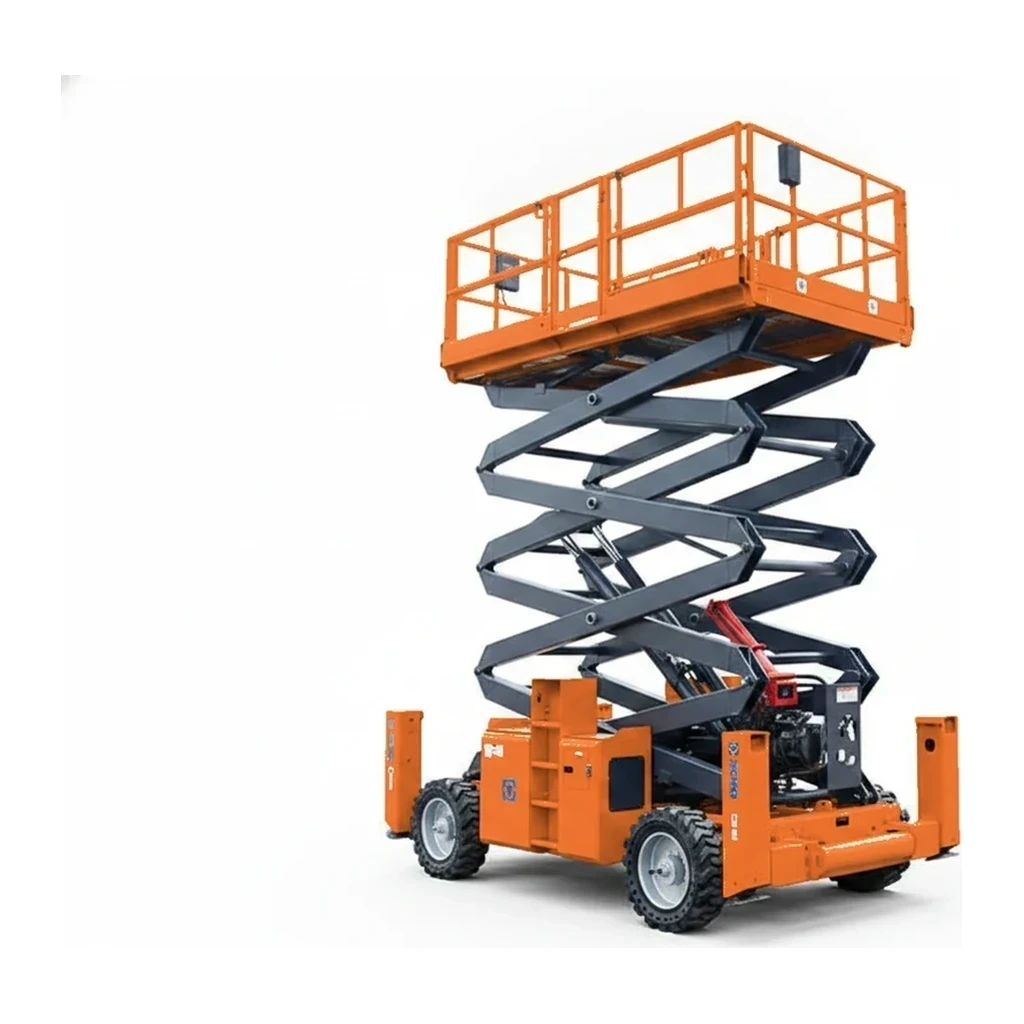
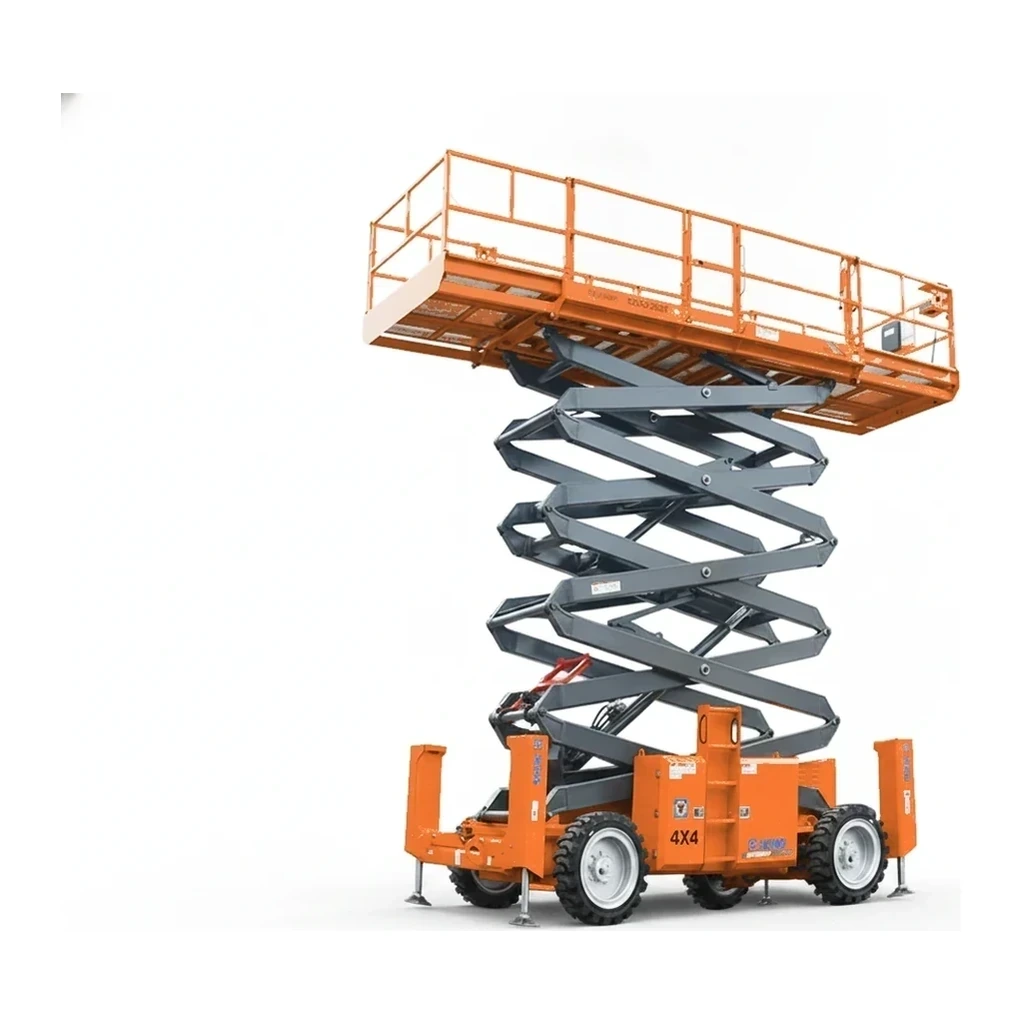
The 34-45 ft rough terrain scissor lift is the dominant workhorse in the RT scissor category, designed for siding, precast panel installation, glazing, and structural steel work from unfinished, uneven ground. This size class provides working heights up to 43 ft with platform capacities from 363 to 1500 kg, balancing reach and stability on sloped or soft surfaces. It sits between the Up to 34 ft Rough Terrain Scissor Lift for lower-elevation exterior work and the 45-55 ft Rough Terrain Scissor Lift for taller structural applications.
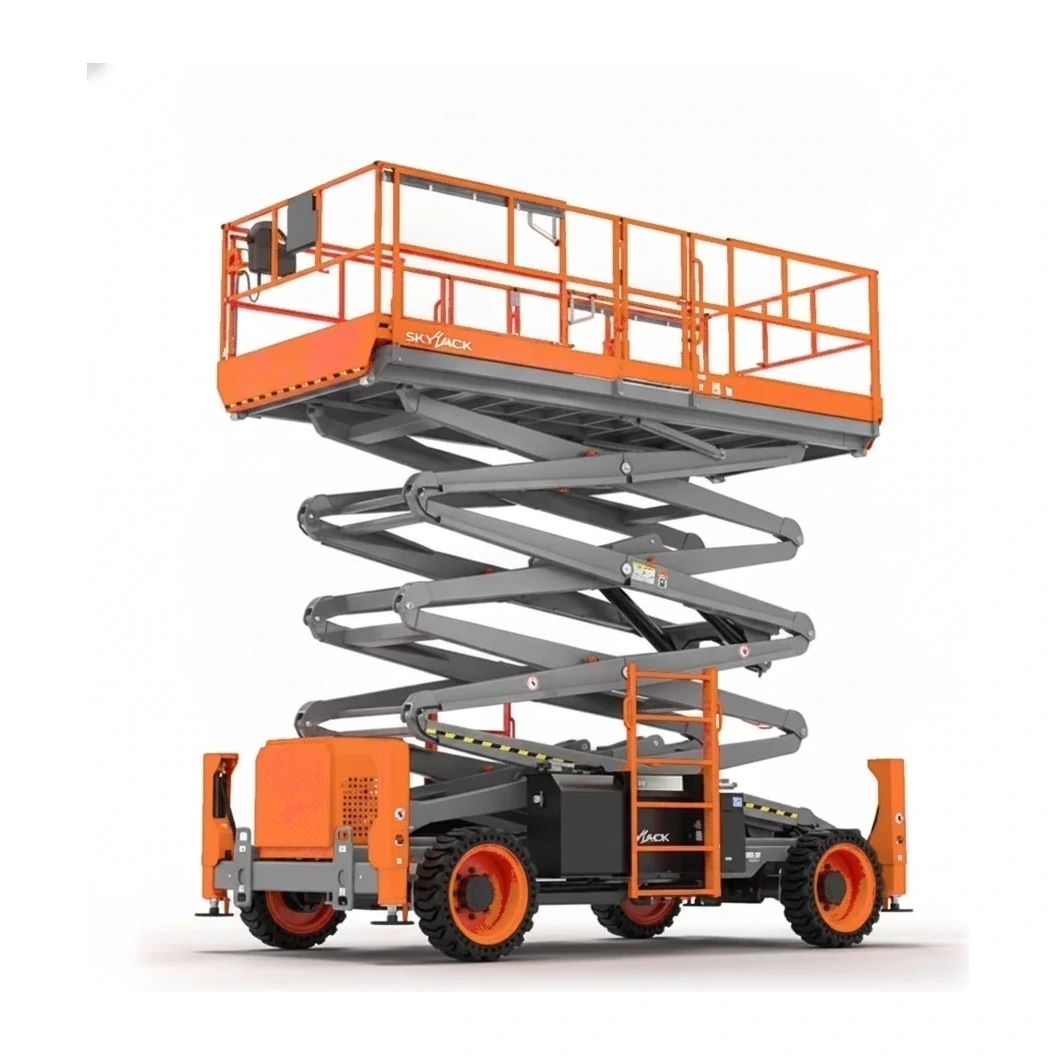
Cat classes
Elija una clase de tamaño: la capacidad y el alcance varían en la gama.
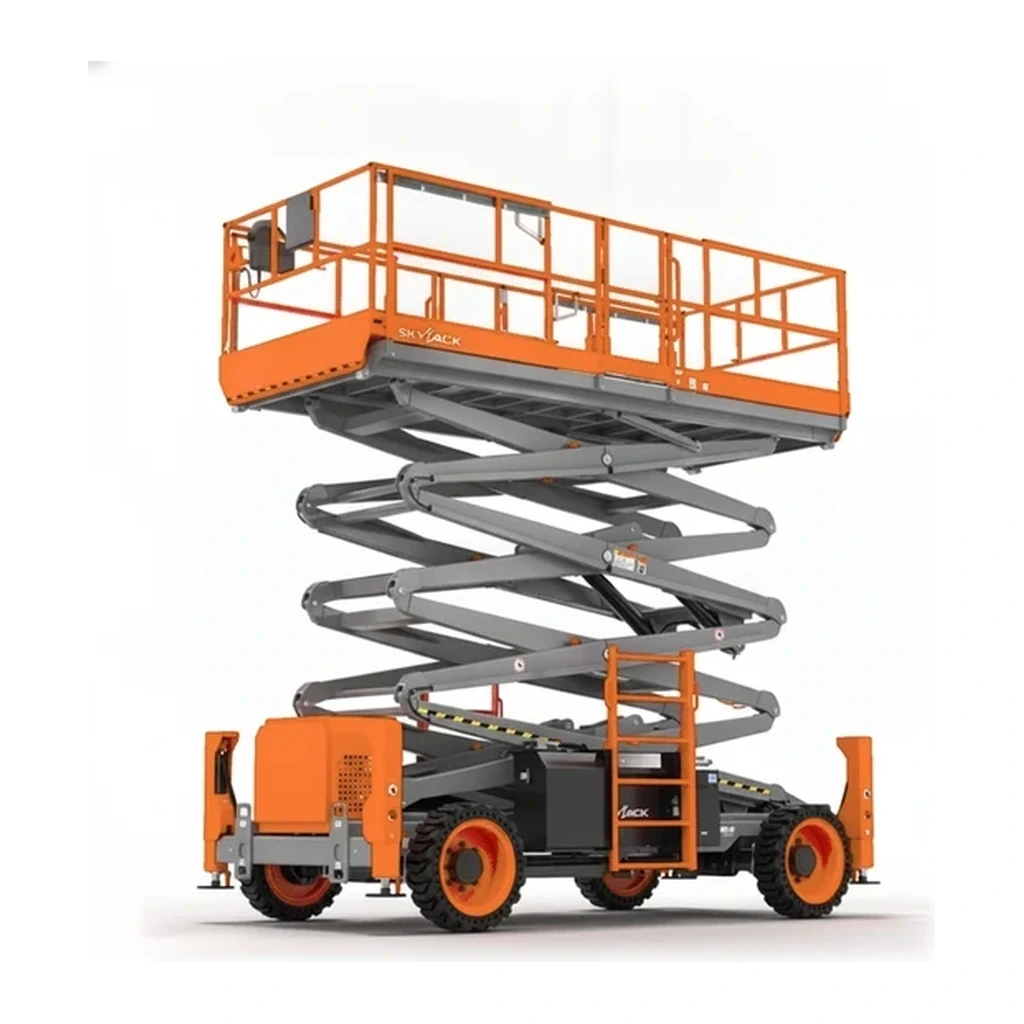
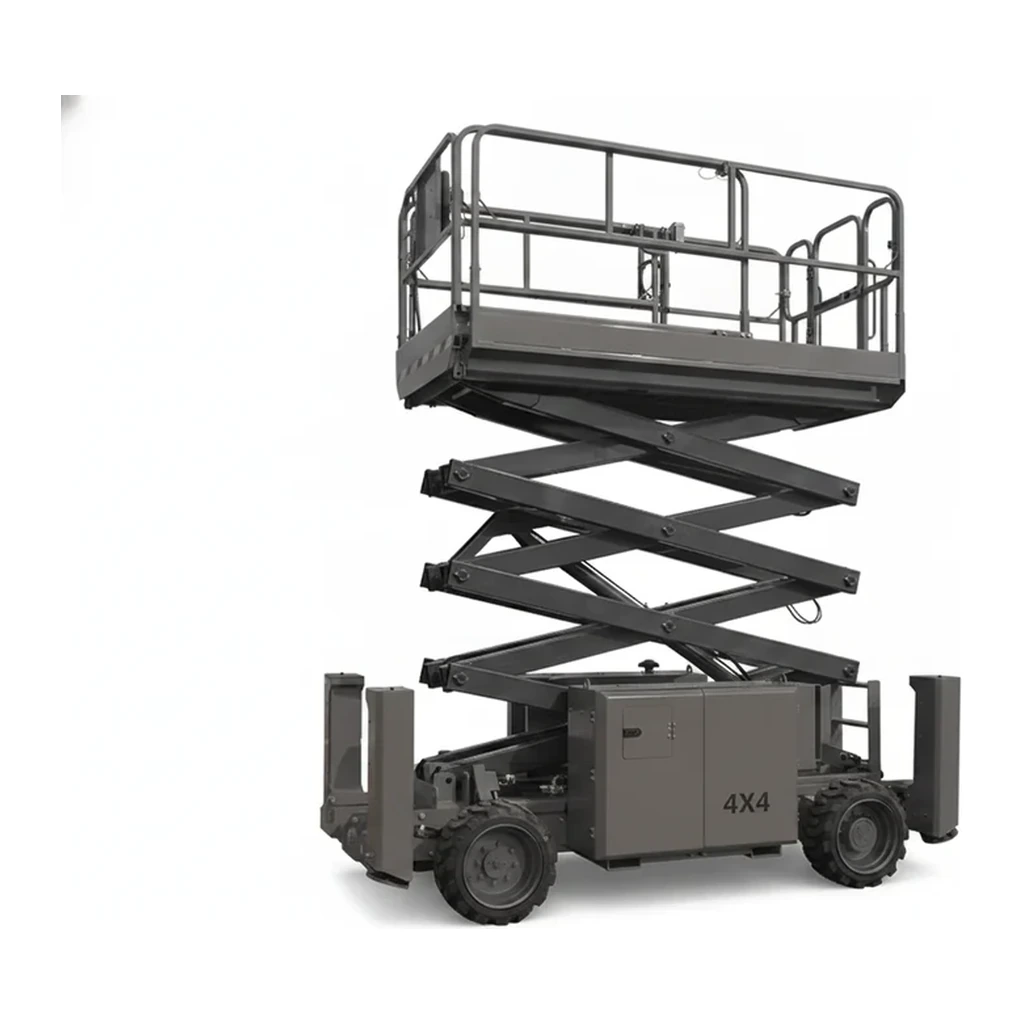
Especificaciones clave
| Especificación | Rango típico | Qué significa |
|---|---|---|
| Working height | 40–43 ft (12.2–13.1 m) | Reaches third- and fourth-story elevations for wall assembly, cladding installation, and overhead steel connections. |
| Platform capacity | 1,499–3,307 lb (680–1,500 kg) | Accommodates multiple workers, heavy materials like panel sections, and power tools without exceeding load limits. |
| Gradeability | 35–50% | Climbs significant grades and operates on uncompacted fill, gravel, or rutted terrain common to active construction sites. |
| Operating weight | 10,362–15,212 lb (4,700–6,900 kg) | Provides ground-pressure distribution and stability on soft ground while remaining transportable on standard trailers. |
| Engine power | 18.5–36 hp | Diesel engines deliver consistent performance across elevation changes and sustained duty cycles in outdoor environments. |
Cómo elegir
This size class is appropriate when working heights fall between 38 and 43 ft on unprepared or sloped ground, particularly for exterior envelope trades requiring material staging at elevation. For work below 34 ft or on sites where weight, transport cost, or maneuverability in confined zones matters more than reach, the Up to 34 ft Rough Terrain Scissor Lift offers lower operating weight and tighter turning radius. When working heights exceed 43 ft—such as five-story structures or overhead truss installation—the 45-55 ft Rough Terrain Scissor Lift provides the necessary reach, though at higher transport and fuel costs.
Lo que maneja este tamaño
- Installing metal wall panels and insulated cladding systems on three- and four-story pre-engineered buildings
- Setting precast concrete panels and tilt-up sections with crew and lifting hardware on platform
- Glazing curtain wall and storefront systems on mid-rise commercial construction from grade
- Structural steel connection work, column plumbing, and beam alignment on unfinished concrete decks
- EIFS application, stucco finishing, and exterior painting on sloped or unpaved perimeters
- Installing soffit, fascia, and roofline trim on multi-story residential framing from ungraded lots
Seguridad y operación
- Ground conditions and slope must stay within manufacturer gradeability limits (35–50%) during travel and operation; soft fill or rain-saturated soil reduces effective capacity
- Platform load calculations include combined weight of personnel, materials, and tools; exceeding rated capacity compromises stability and tip resistance
- Wind speed restrictions—typically 28 mph (12.5 m/s)—apply when platform is elevated; work must cease when conditions exceed manufacturer limits
- Outriggers and stabilizers are not used on scissor lifts; machine stability depends entirely on wheelbase, ground contact, and load distribution within the platform
Transporte y logística
- Typically transported on tandem-axle or tri-axle lowboy trailers; operating weights of 4700–6900 kg fall within most 7-ton trailer capacities
- Standard pickup trucks with appropriate towing capacity (check GVWR and tongue weight) can move smaller models in this class on short hauls
- Loading via drive-on ramps or dock-height loading; some sites require crane or forklift assistance depending on trailer deck height and machine ground clearance
Alimentación
- Diesel fuel exclusively; fuel tank capacities of 38–114 liters support 8–12 hour shifts depending on duty cycle and elevation changes
- No external electrical connection required; onboard batteries supply 12V or 24V control systems independent of engine operation
- Refueling protocols must account for diesel handling on active sites and DEF (diesel exhaust fluid) requirements on emissions-compliant engines
Preguntas frecuentes
What distinguishes this size class from electric slab scissors in the same height range?
How does platform capacity vary across models in this class?
Can machines in this class operate on compacted gravel or crushed stone?
Comparar modelos populares
Buscar por especificación →Normalizado a las mismas unidades. Un guion significa que el valor no fue publicado.
| Modelo | Altura de trabajo | Capacidad de plataforma |
|---|---|---|
| JLG ERT4069 | 40.2 ft (12.3 m) | 800 lb (363 kg) |
| Genie GS-4390 | - | 1,499 lb (680 kg) |
| JLG RT4069 | 40.2 ft (12.3 m) | 800 lb (363 kg) |
| JLG RT4394 | 43 ft (13.1 m) | 1,499 lb (680 kg) |
| MEC 4069ERT | 40 ft (12.2 m) | 800 lb (363 kg) |
| MEC 4069RT | 40 ft (12.2 m) | 800 lb (363 kg) |
Equipos relacionados
Explorar por fabricante
Fuentes
Cada especificación se verifica con los datos publicados por el fabricante, con la fuente enlazada como referencia.
34-45 ft Rough Terrain Scissor Lift
12 modelos · Cada especificación citada a la fuente