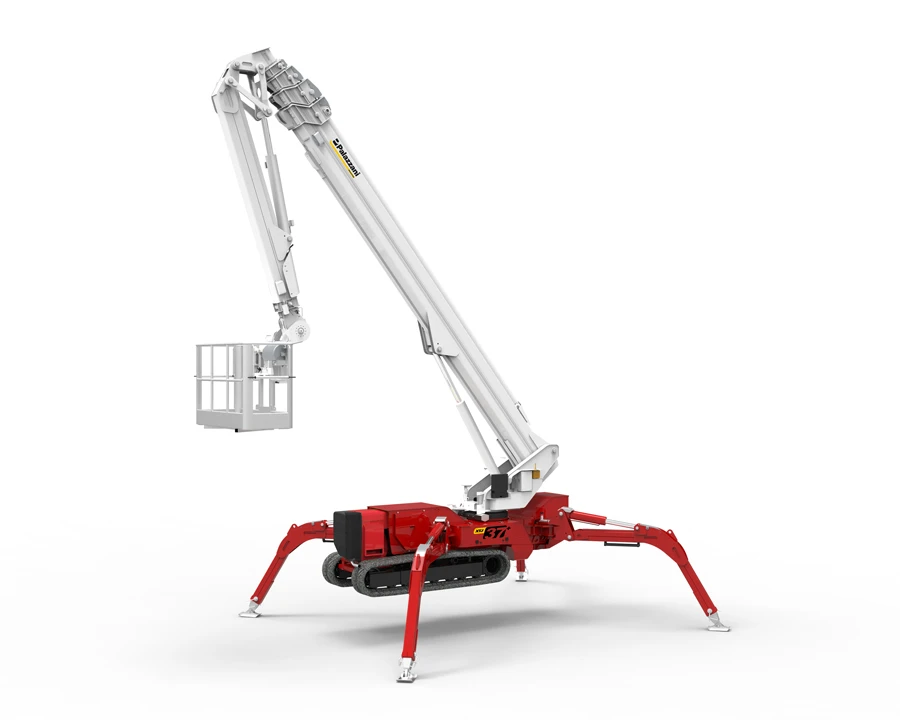
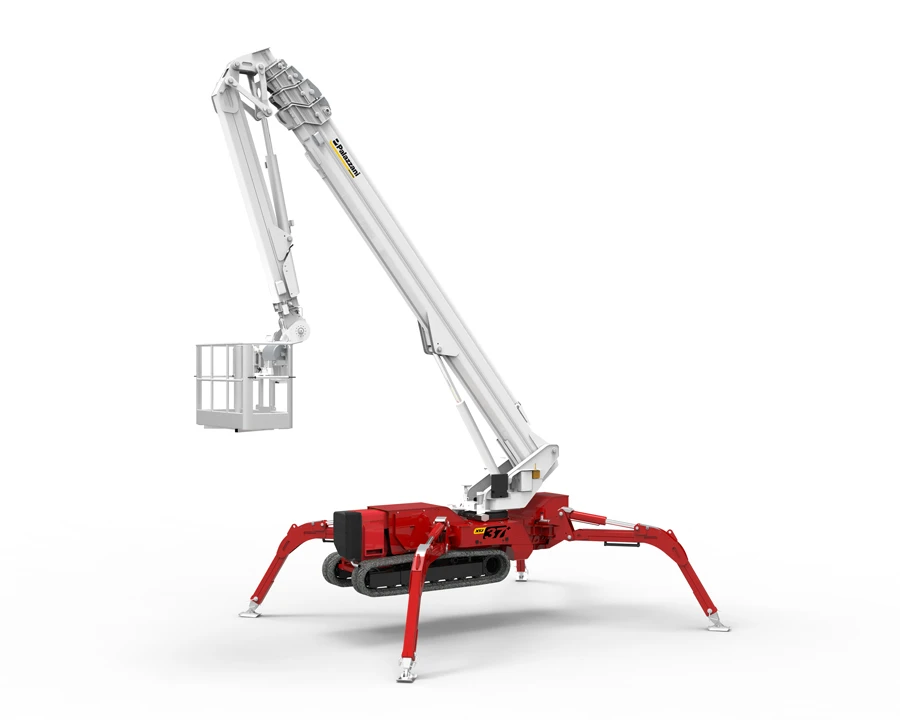
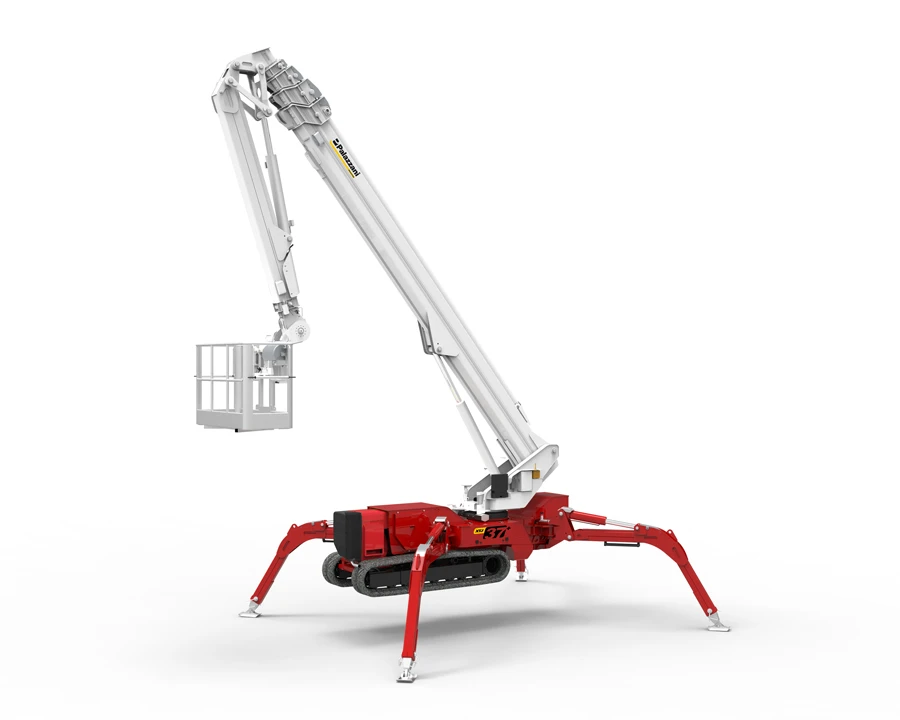
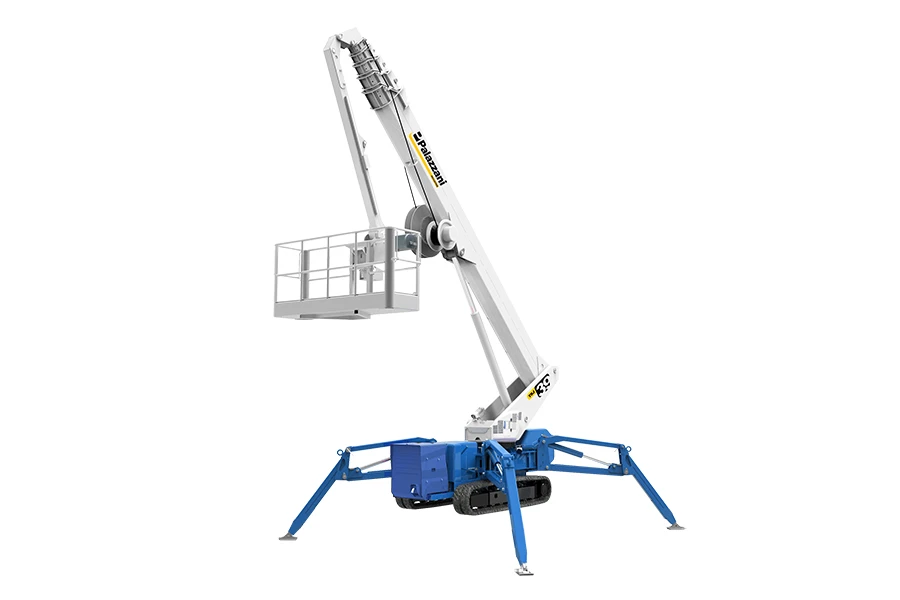
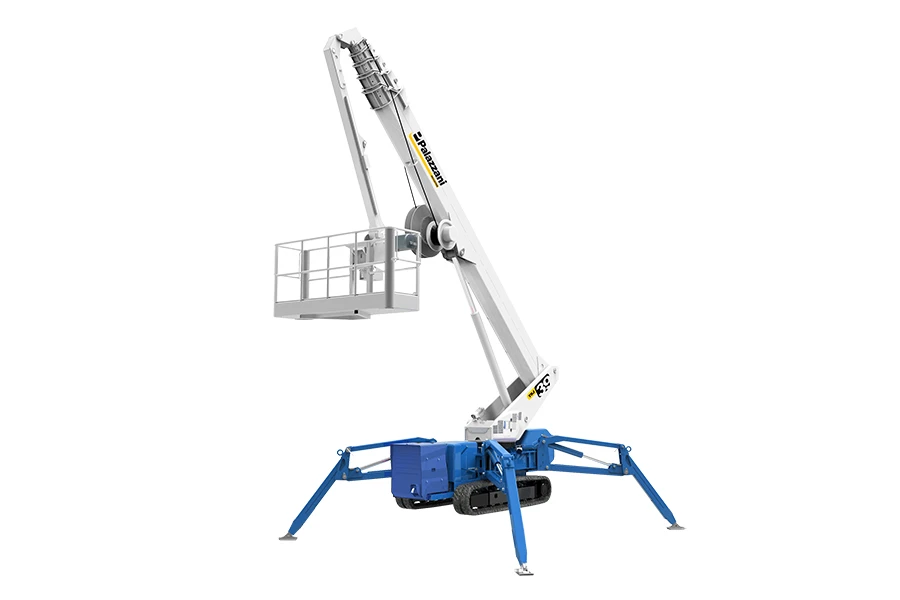
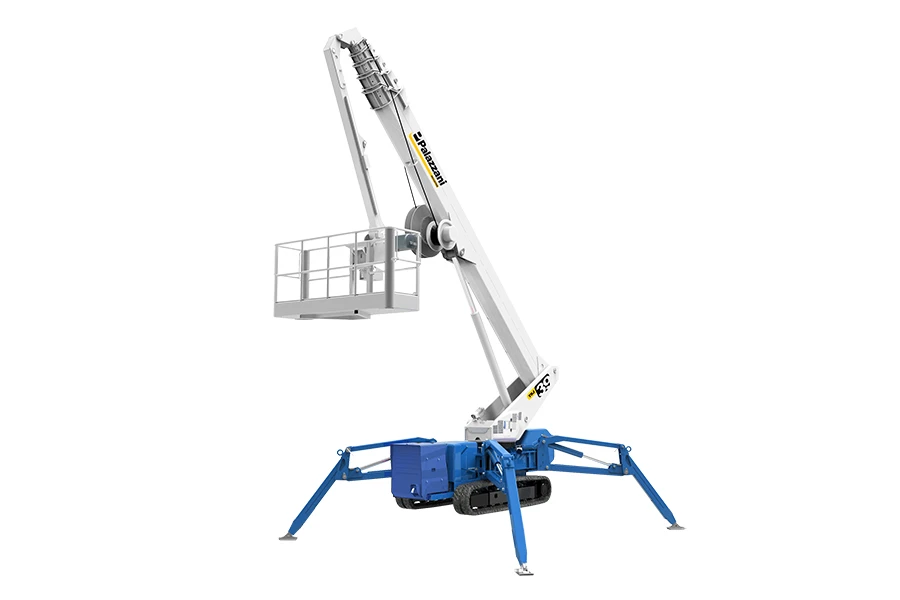
120+ ft Atrium / Spider Lift
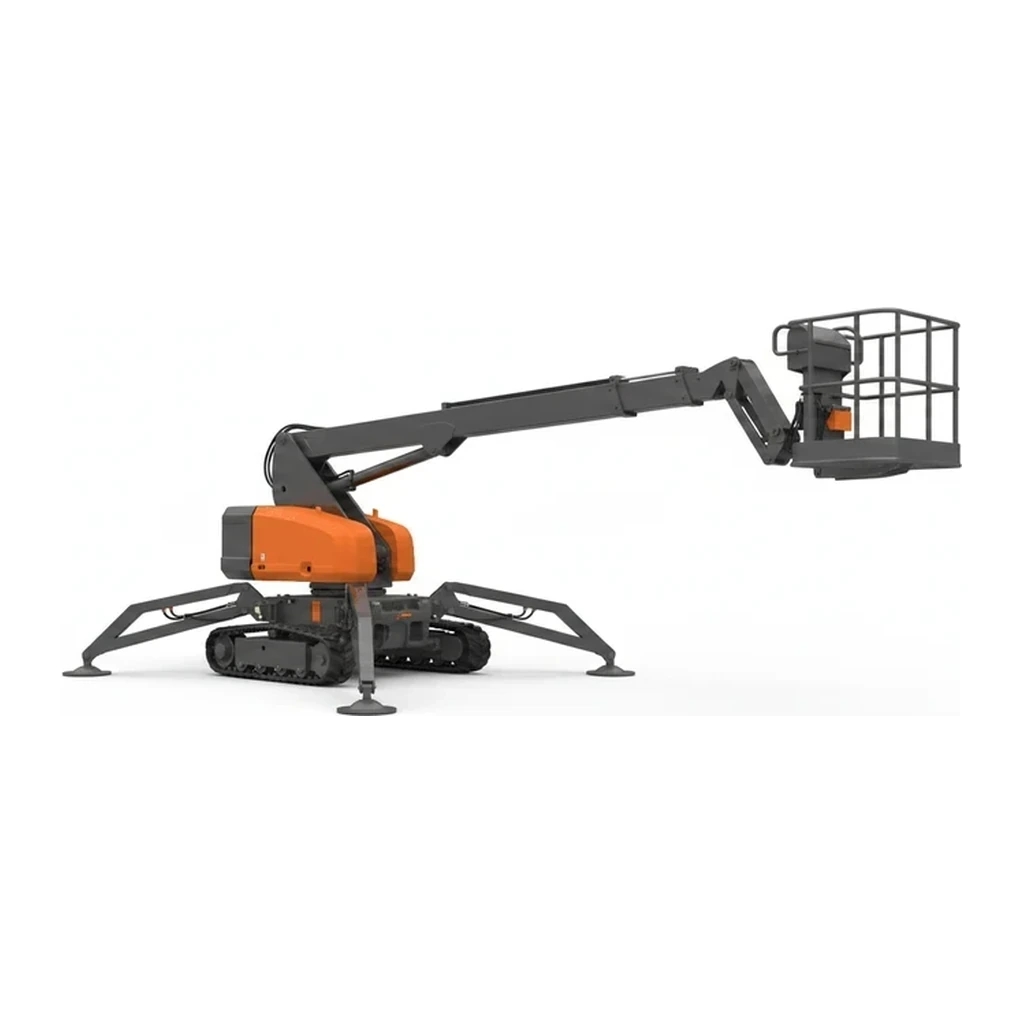
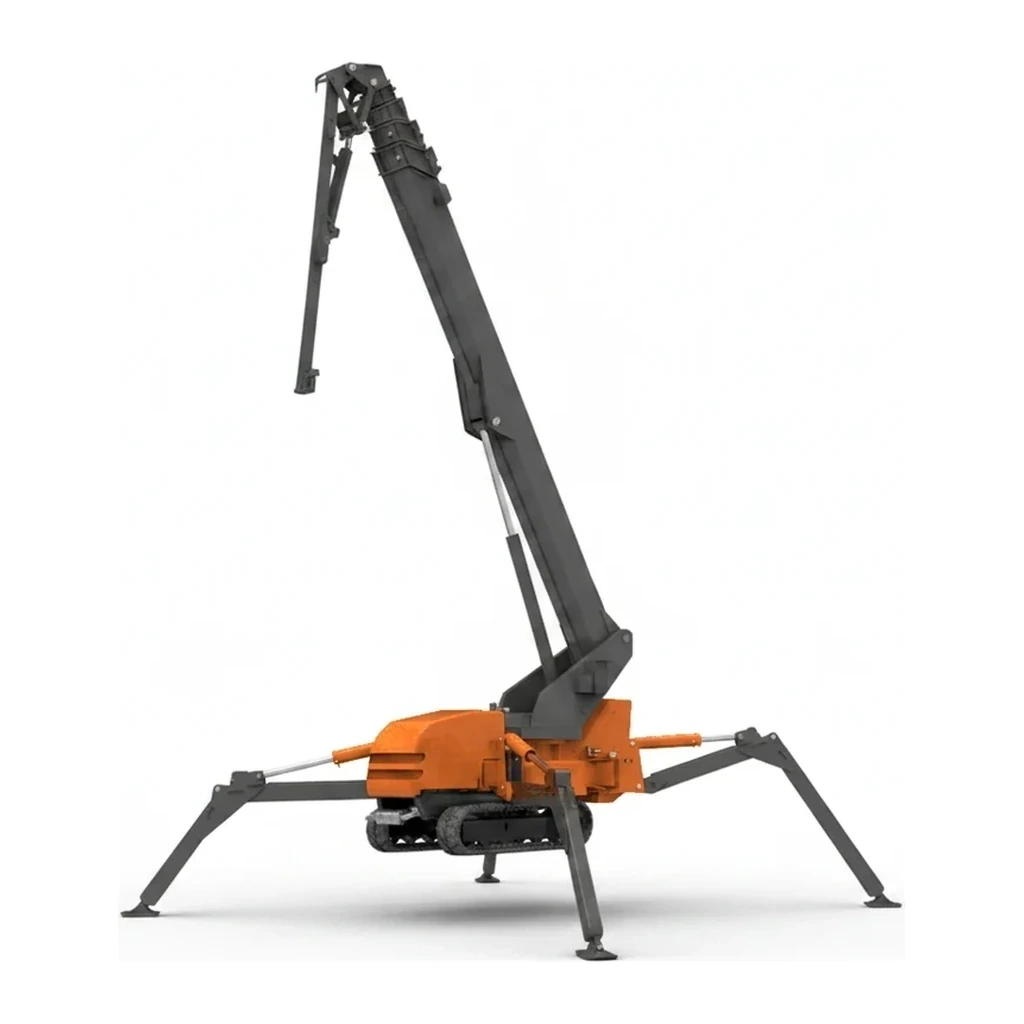
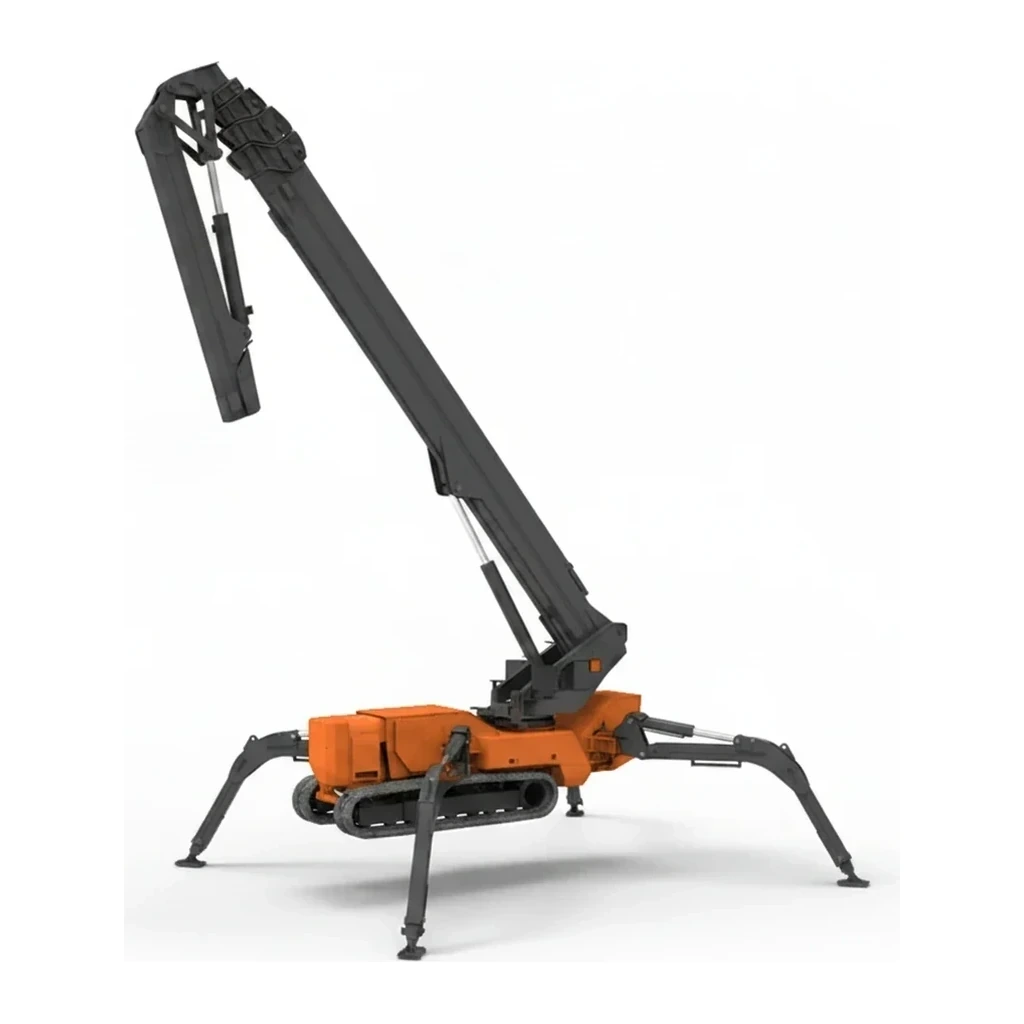
The 120+ ft atrium / spider lift class comprises the tallest self-propelled aerial platforms in the spider lift category, with working heights from 121 to 141 feet. These machines are engineered for tower work, industrial stack access, and specialty facade projects that exceed the reach of all other compact aerial platforms. With only three manufacturers offering models in this band, Palazzani, CMC, and Altec, the class represents highly specialized equipment for extreme-height interior and confined exterior applications.
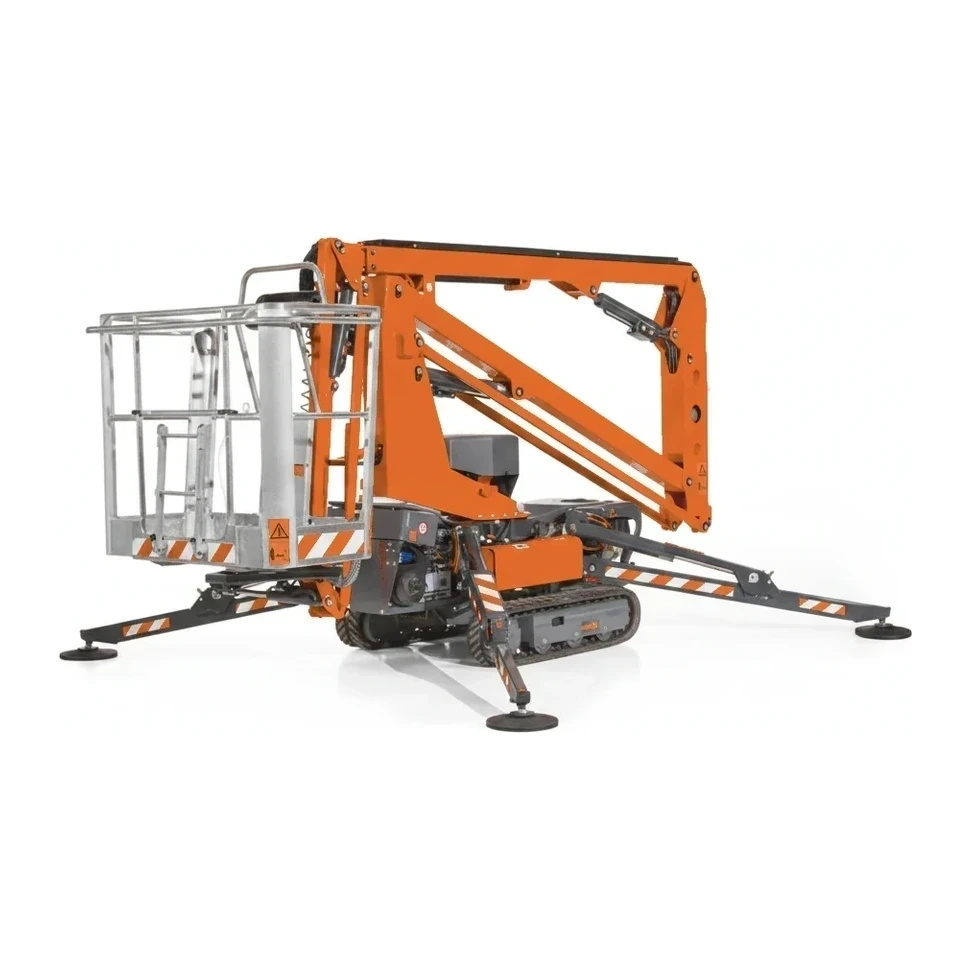
Cat classes
Elija una clase de tamaño: la capacidad y el alcance varían en la gama.
Especificaciones clave
| Especificación | Rango típico | Qué significa |
|---|---|---|
| Working height | 121–141 ft (36.9–43.0 m) | Maximum platform height; the defining specification separating this class from the 85-120 ft band below. |
| Manufacturer availability | Palazzani, CMC, Altec | Only three manufacturers produce spider lifts in this extreme-height range. |
| Model count | 10 models industry-wide | Limited selection reflects the specialized nature and narrow application range of 120+ ft spiders. |
Cómo elegir
The 120+ ft atrium / spider lift is appropriate when working heights exceed 120 feet and the site prohibits truck-mounted aerials or scissor lifts due to floor loading, access restrictions, or indoor operation. For projects with working heights between 85 and 120 feet, the 85-120 ft Atrium / Spider Lift band offers broader manufacturer selection, lower operating weight, and simpler transport. This top band is justified only when the vertical reach genuinely requires 121 feet or more: tower inspection, multi-story atrium lighting, stack maintenance, or curtain wall work on tall facades. If the work can be staged from 120 feet or below, stepping down one rung typically reduces cost and logistical complexity.
Lo que maneja este tamaño
- Lighting and HVAC service in 12-14 story hotel and office atriums
- Inspection and coating work on industrial stacks and silos above 100 feet
- Curtain wall installation and repair on tall building facades with restricted ground access
- Tower-mounted antenna and communications equipment service in confined sites
- Multi-level warehouse racking installation and maintenance in high-bay facilities
- Historic building restoration on tall facades where truck-mounted lifts cannot operate
Seguridad y operación
- Ground bearing pressure and outrigger load distribution are critical; floor load calculations must account for full extension and dynamic loading at maximum reach.
- Wind loading becomes significant at working heights above 120 feet; manufacturers specify maximum safe wind speeds, and operations must be suspended when limits are approached.
- Operator certification and fall protection are required; platform capacity decreases with height on many models, and load charts must be consulted before ascent.
- Indoor atrium work requires coordination with building occupants and fire systems; emergency descent procedures and rescue plans are essential given extreme height and confined egress.
Transporte y logística
- Most models in this class require heavy-duty tilt-bed or lowboy trailers due to overall height and weight; standard single-axle trailers are typically inadequate.
- Transport dimensions and permits vary by model; machines at 130+ ft working height may require oversize load permits even when disassembled for transport.
- Some manufacturers offer models that disassemble or fold for container shipping; confirm transport configuration and reassembly requirements before mobilization.
Alimentación
- Electric-powered models dominate this class for indoor atrium work; require 110V or 220V single-phase or three-phase jobsite power depending on model and market.
- Hybrid diesel-electric and bi-energy models are available for outdoor or ventilated applications where emission-free operation is not mandatory.
- Battery runtime at maximum height is limited; continuous operation may require onboard charging or battery swap cycles depending on duty cycle.
Preguntas frecuentes
What differentiates a 120+ ft spider lift from a truck-mounted aerial platform at the same height?
Why are only three manufacturers represented in the 120+ ft spider lift class?
Can a 120+ ft spider lift operate on upper building floors?
Equipos relacionados
Explorar por fabricante
Fuentes
Cada especificación se verifica con los datos publicados por el fabricante, con la fuente enlazada como referencia.
120+ ft Atrium / Spider Lift
10 modelos · Cada especificación citada a la fuente