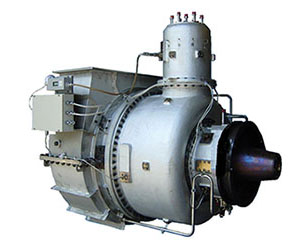
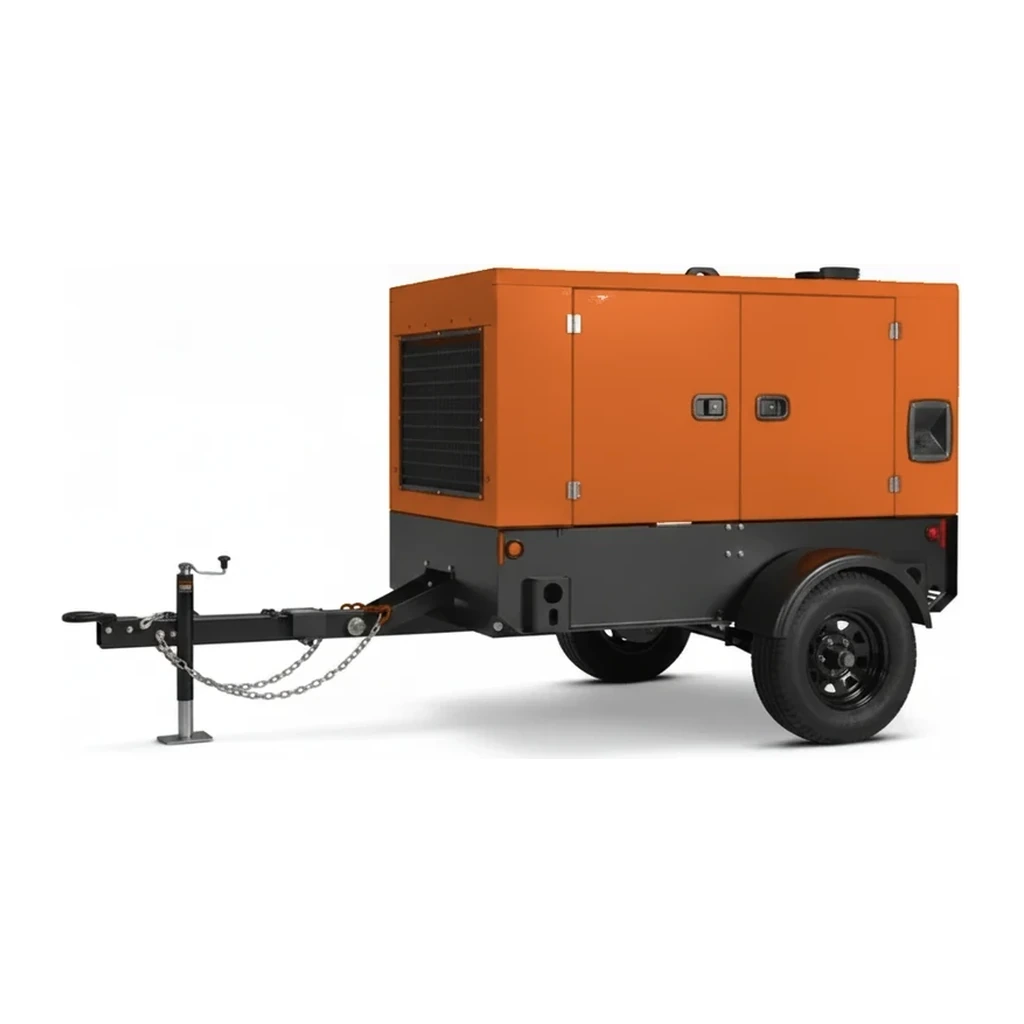
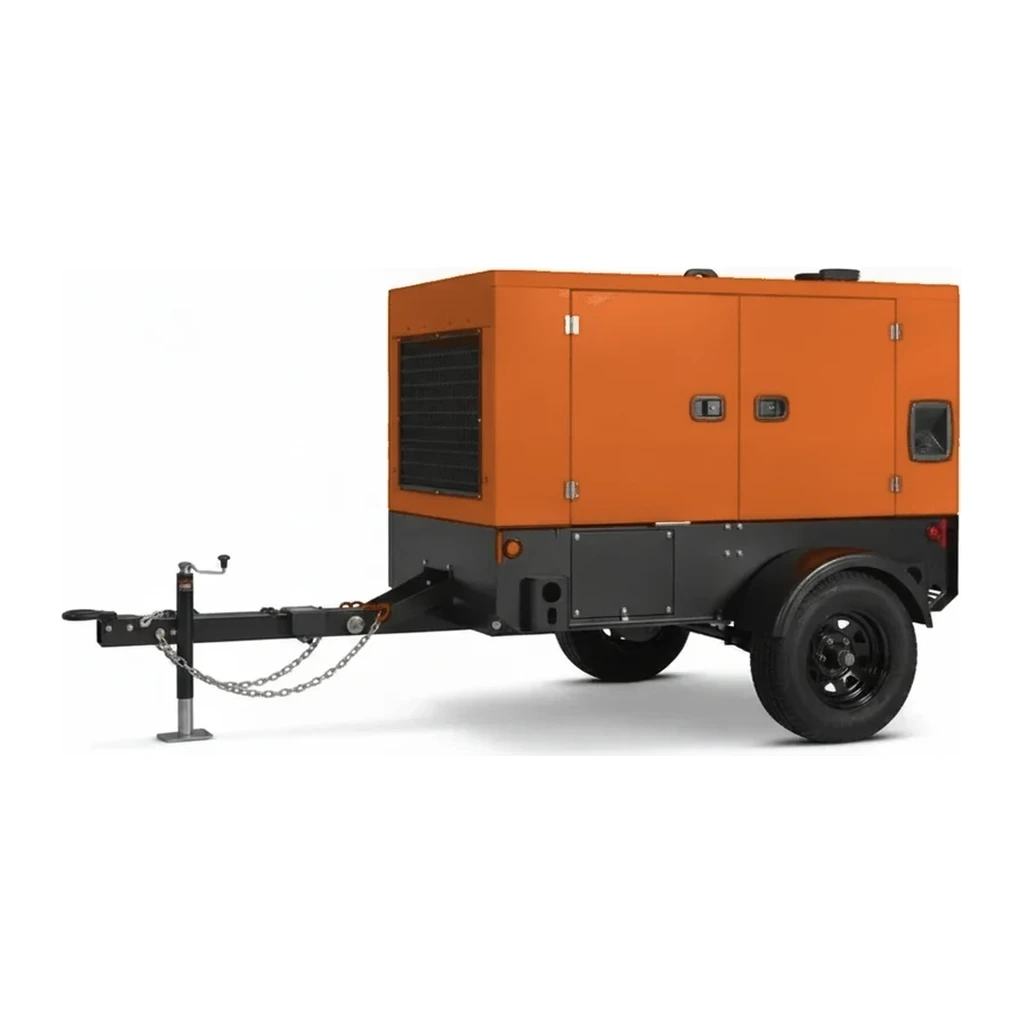
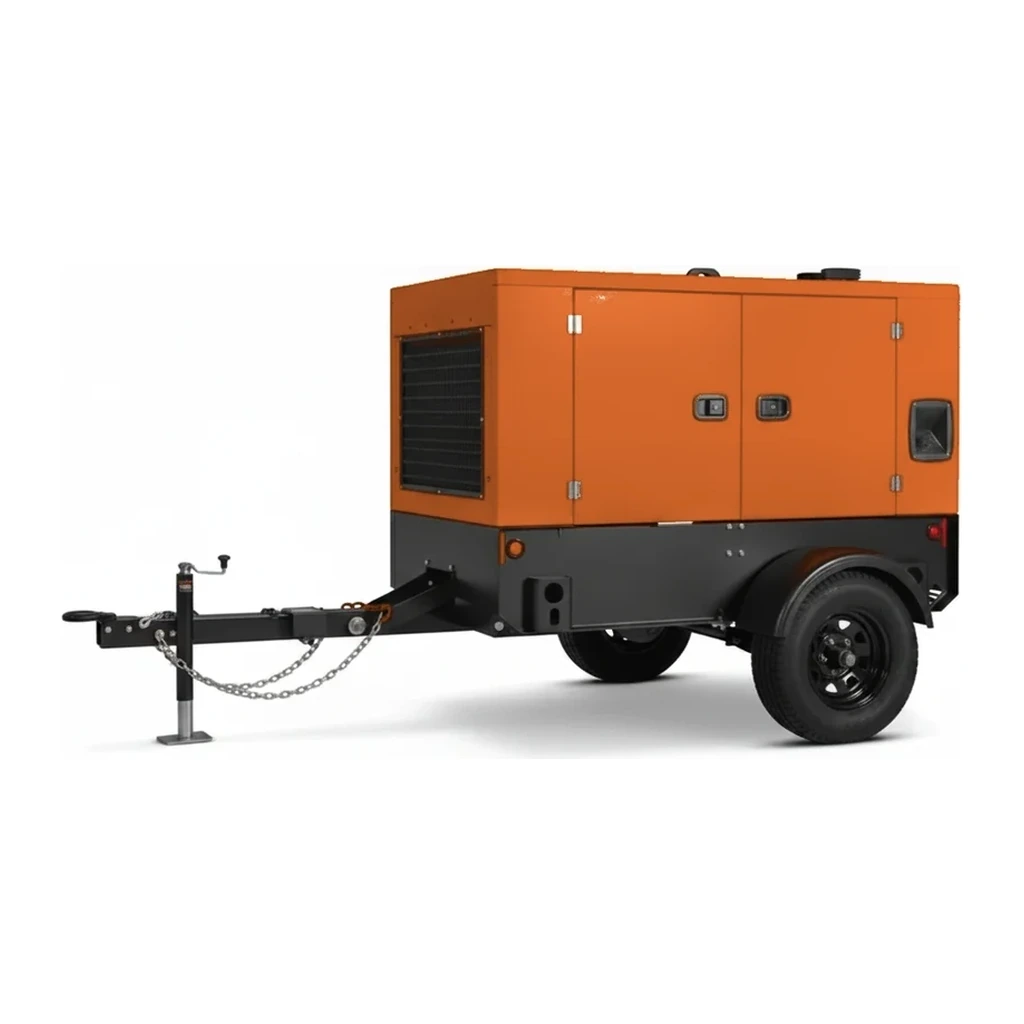
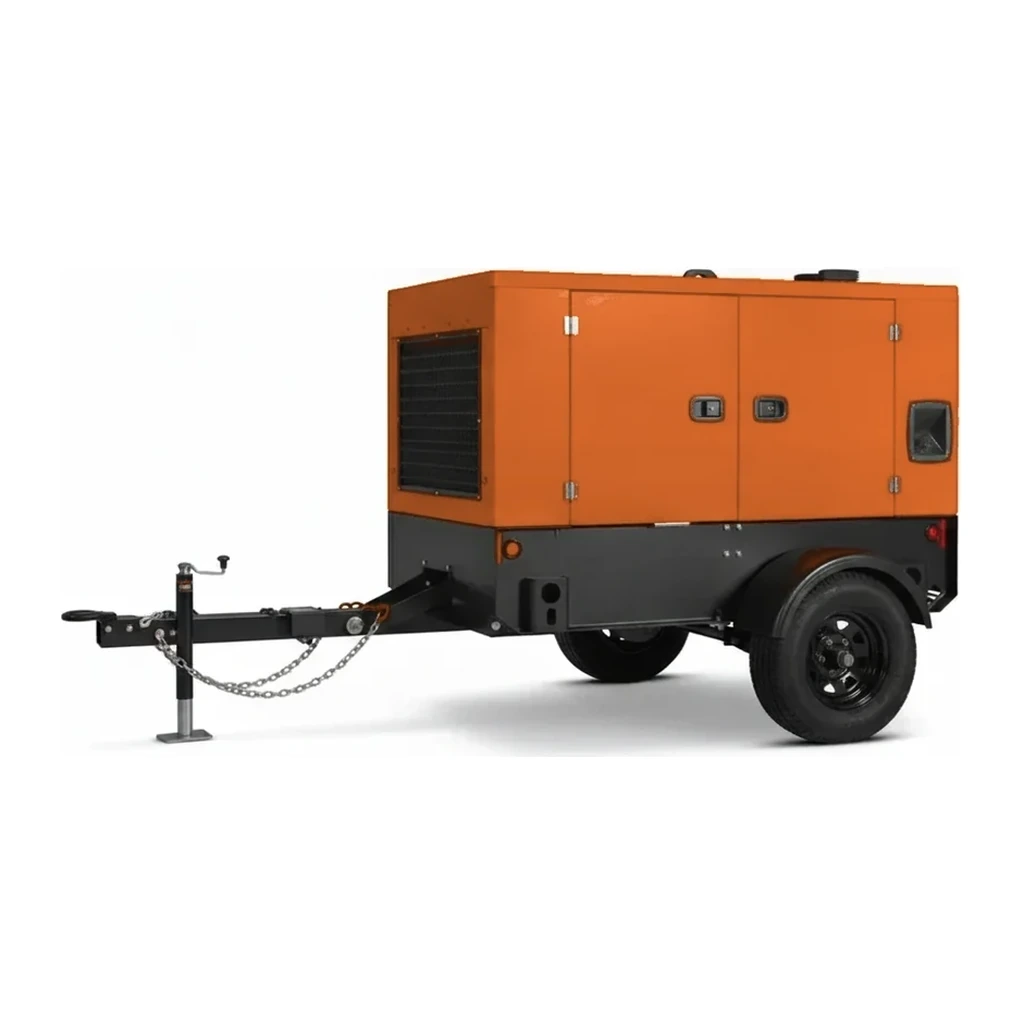
1,250+ kW Towable Diesel Generator
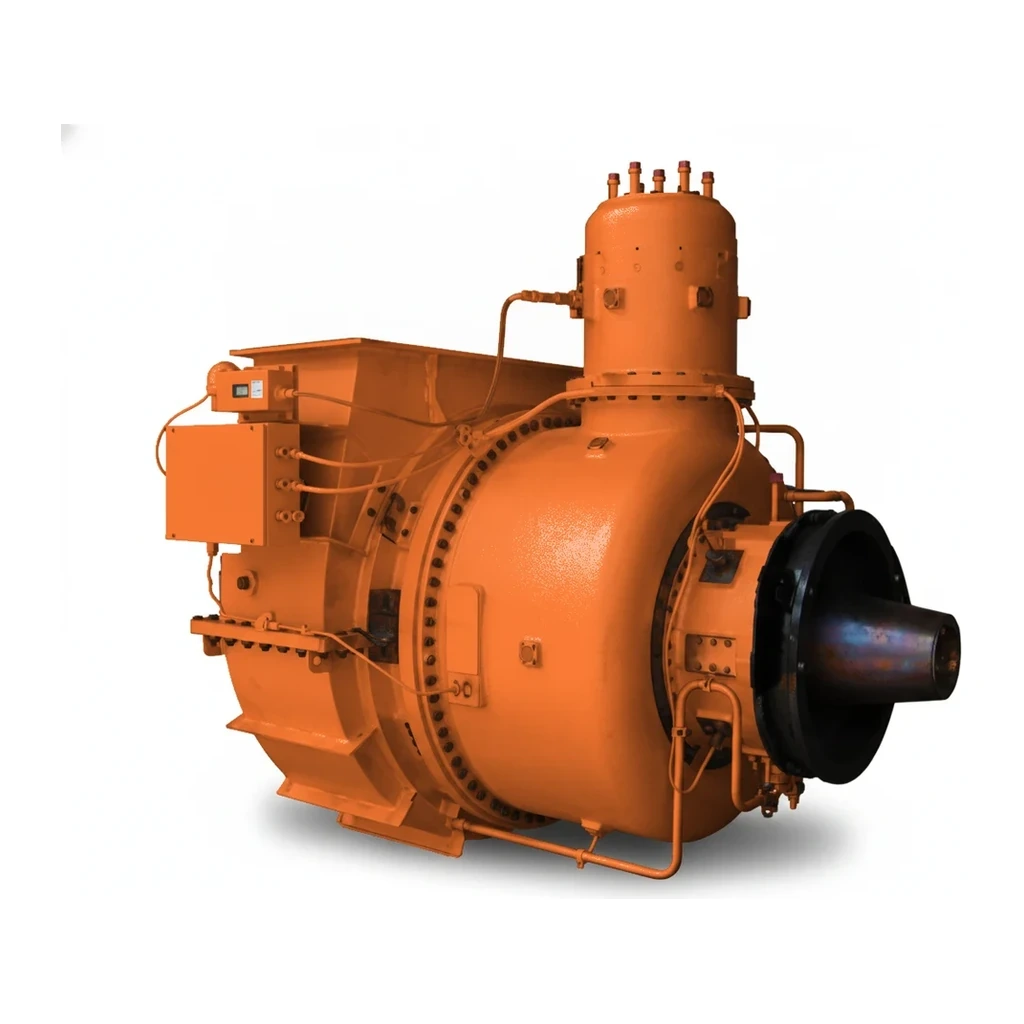
The 1,250+ kw towable diesel generator class provides plant-scale prime power and grid support, often deployed in synchronized multi-unit configurations. This is the top rung of the towable diesel generator ladder, serving industrial operations, utility infrastructure, and large-scale backup power applications. Units in this class deliver megawatt-level output in a mobile package.
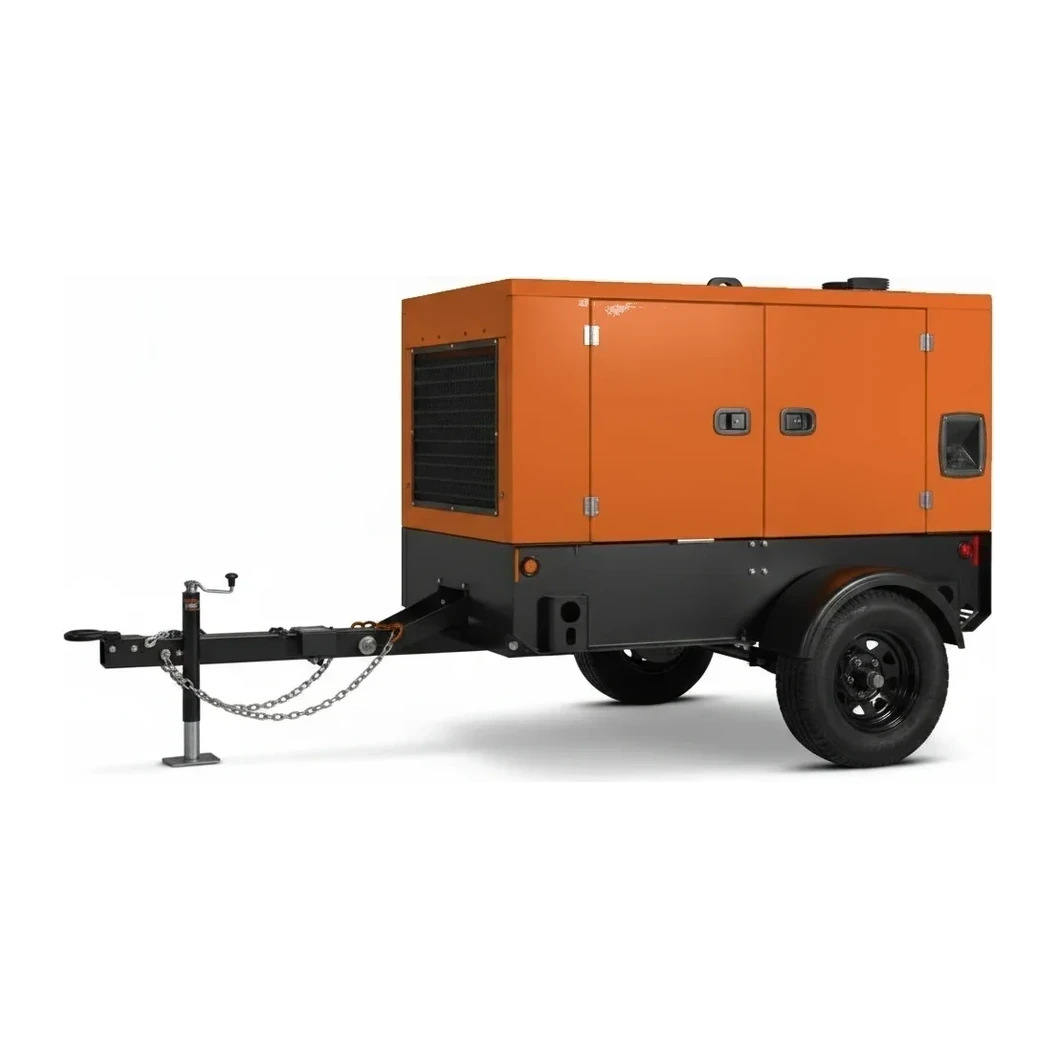
Cat classes
Elija una clase de tamaño: la capacidad y el alcance varían en la gama.
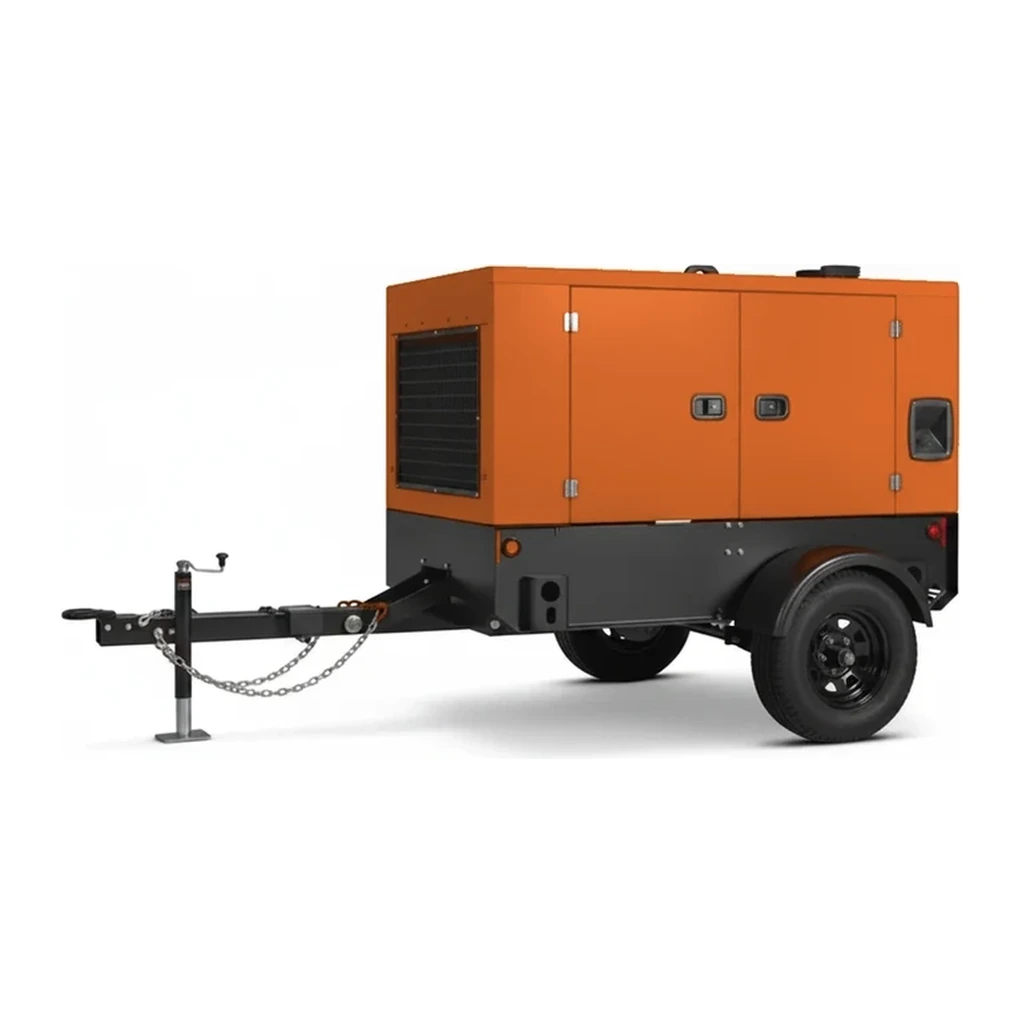
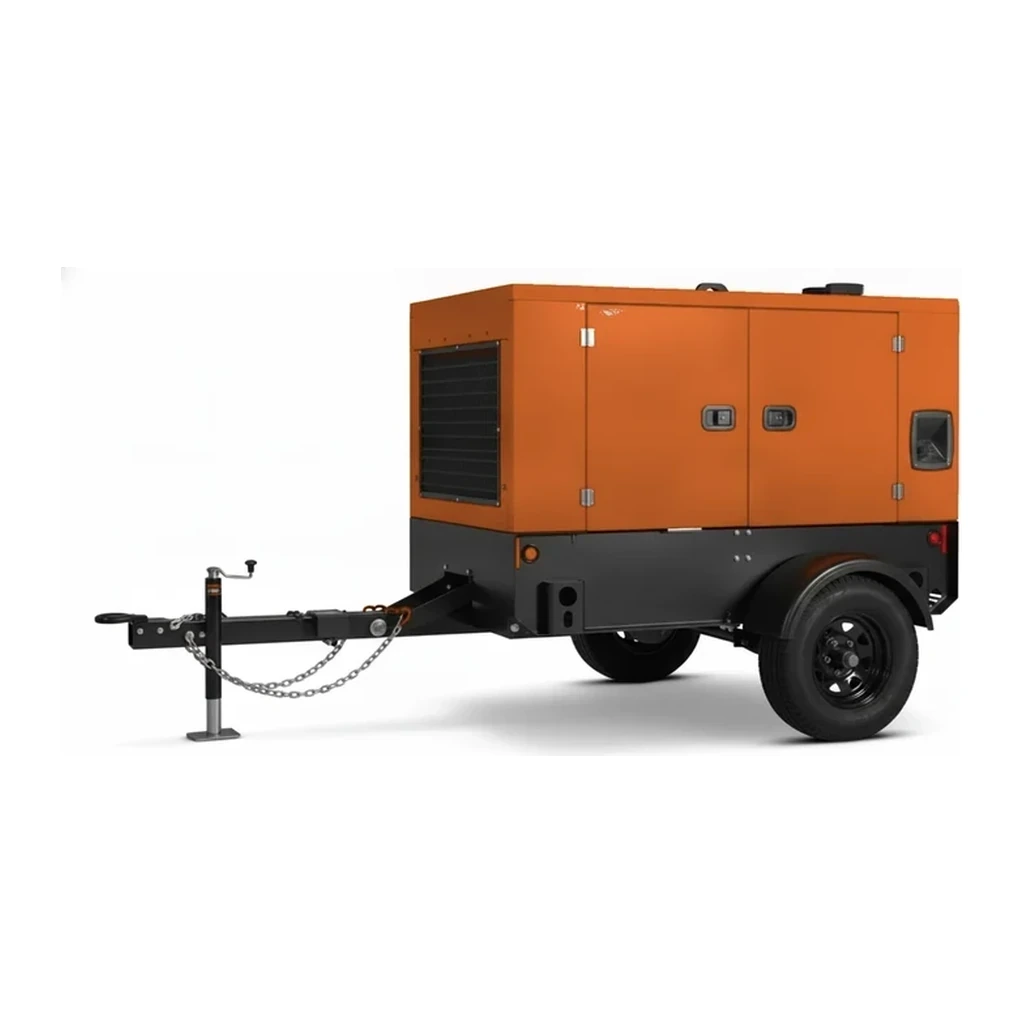
Especificaciones clave
| Especificación | Rango típico | Qué significa |
|---|---|---|
| Power Output | 1,250-2,000+ kW | Megawatt-scale continuous or standby power for large industrial loads. |
| Voltage Configuration | 480V three-phase, medium-voltage options | Industrial and utility-grade electrical distribution systems. |
| Fuel Capacity | 500-1,000+ gallons on-board | Extended run time between refueling for prime power applications. |
| Synchronization | Parallel operation capable | Multiple units can be synchronized for increased capacity and redundancy. |
Cómo elegir
This class is appropriate when prime power or grid support exceeds one megawatt, or when multiple units will be synchronized for total capacity and N+1 redundancy. For industrial facilities, data centers, or utility peaking applications requiring plant-scale generation, 1,250+ kw units provide the necessary output. The 300-600 kw Towable Diesel Generator class is better suited to smaller industrial loads, large commercial sites, or temporary power for events and construction that do not require megawatt-level capacity or synchronized operation.
Lo que maneja este tamaño
- Prime power for remote industrial plants and mining operations
- Utility peaking and grid stabilization during demand surges
- Backup power for data centers and mission-critical facilities
- Temporary power for large-scale construction projects and infrastructure work
- Multi-unit synchronized systems for manufacturing plants
- Emergency generation for hospitals and large municipal facilities
Seguridad y operación
- Licensed operators and coordination with utility or facility electrical engineers required
- Load bank testing and synchronization verification before energizing critical loads
- Exhaust management and noise abatement for extended operation near occupied areas
- Grounding and bonding per NEC for high-power temporary installations
Transporte y logística
- Heavy-duty tandem or tri-axle trailers with towing capacity exceeding 30,000 lbs
- Commercial tractor or specialized transport vehicle required for road movement
- Oversize load permits and escort requirements typical for width and weight
Alimentación
- High-volume diesel fuel supply via bulk delivery or on-site storage tanks
- Connection to medium-voltage switchgear or industrial distribution panels
- Automatic transfer switch (ATS) integration for prime power and backup applications
Preguntas frecuentes
Can multiple 1,250+ kw generators be paralleled for higher capacity?
What distinguishes this class from smaller towable generators?
What infrastructure is needed on site for a 1,250+ kw generator?
Equipos relacionados
Explorar por fabricante
Fuentes
Cada especificación se verifica con los datos publicados por el fabricante, con la fuente enlazada como referencia.
1,250+ kW Towable Diesel Generator
3 modelos · Cada especificación citada a la fuente