

Dewatering Pumps
Portable pumps move water and slurry in construction dewatering, cleanup, and transfer. Trash pumps are the largest class, with submersible, diaphragm, and centrifugal designs covering the range of liquids sites produce.
Cómo funciona
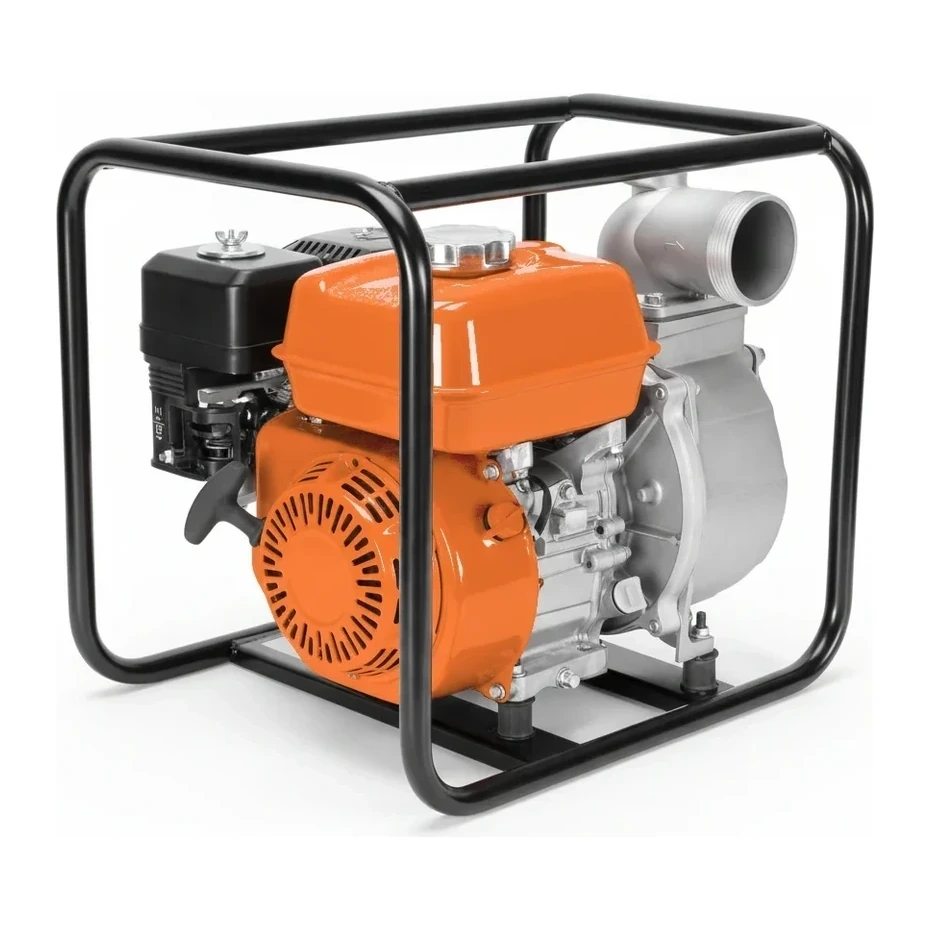
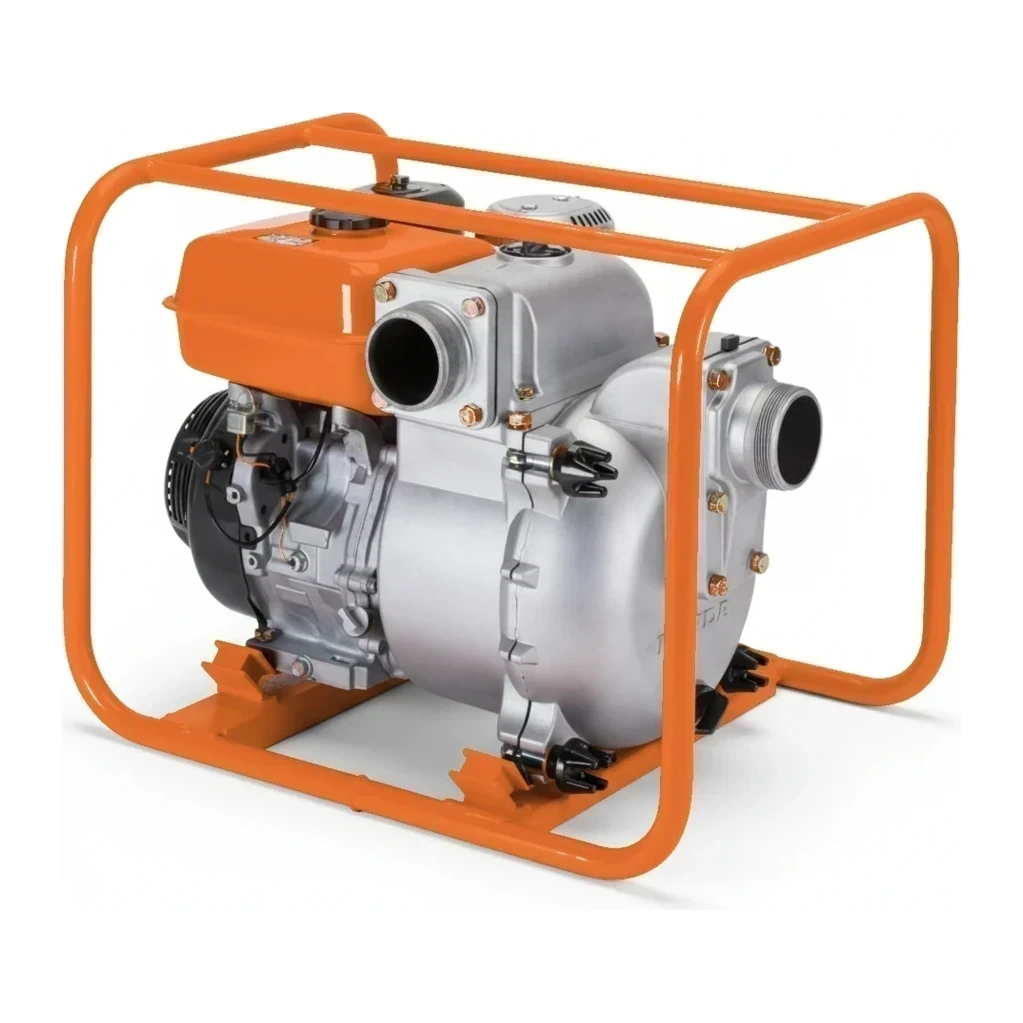
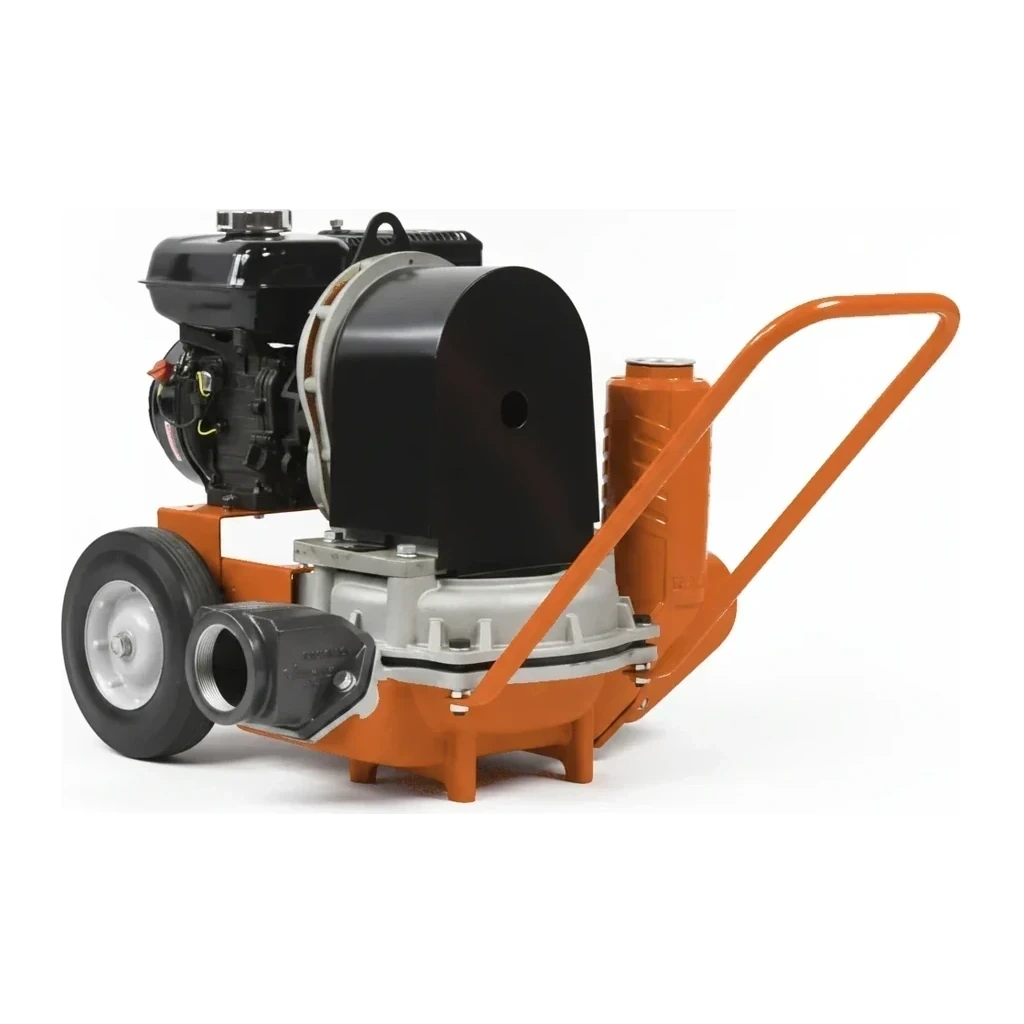
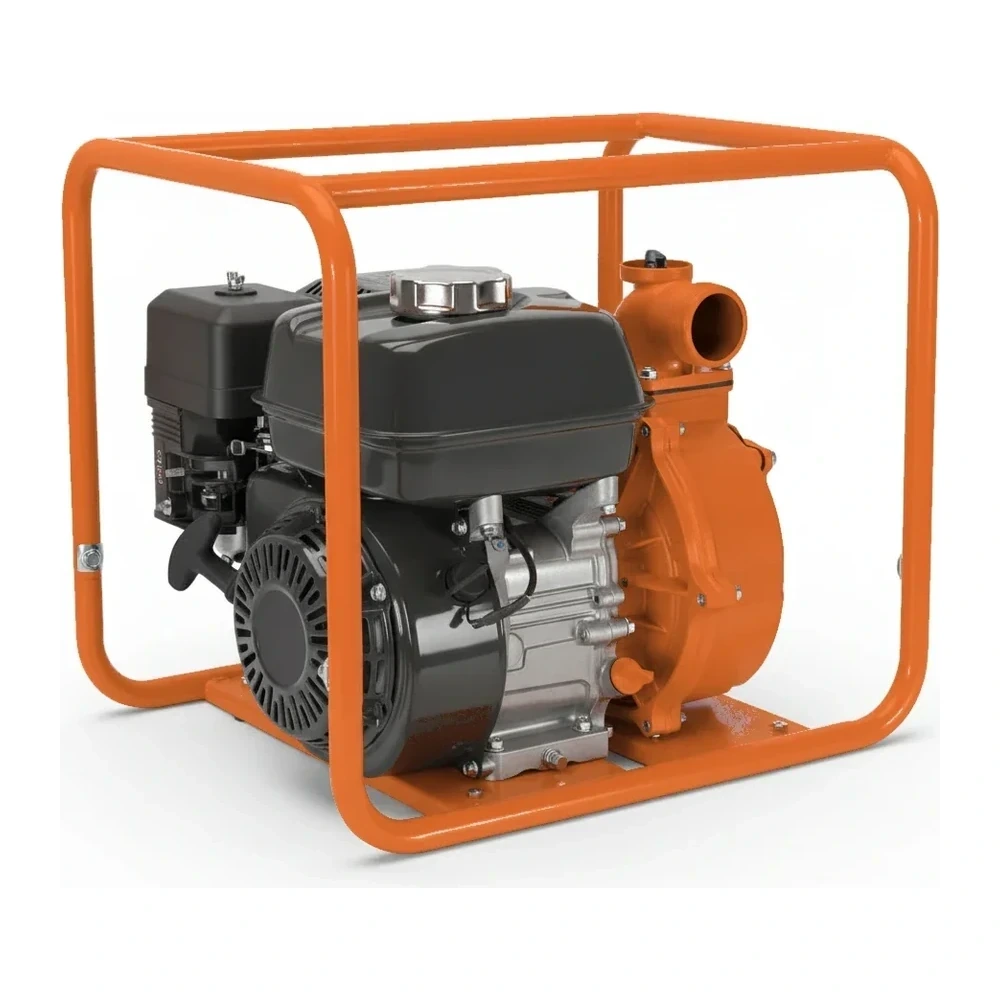
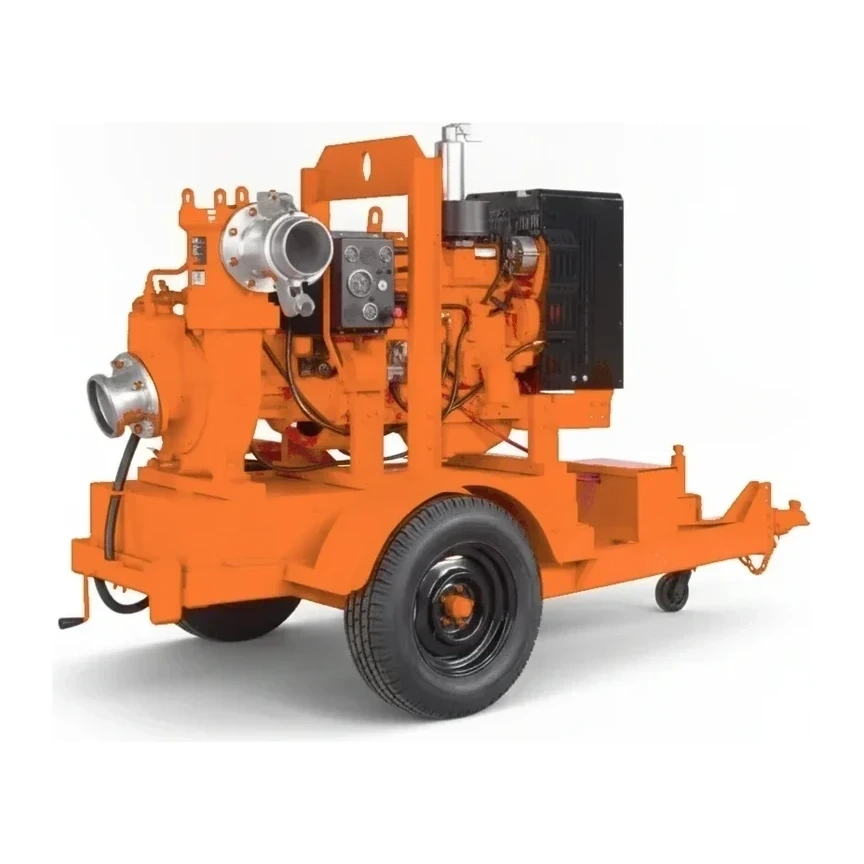
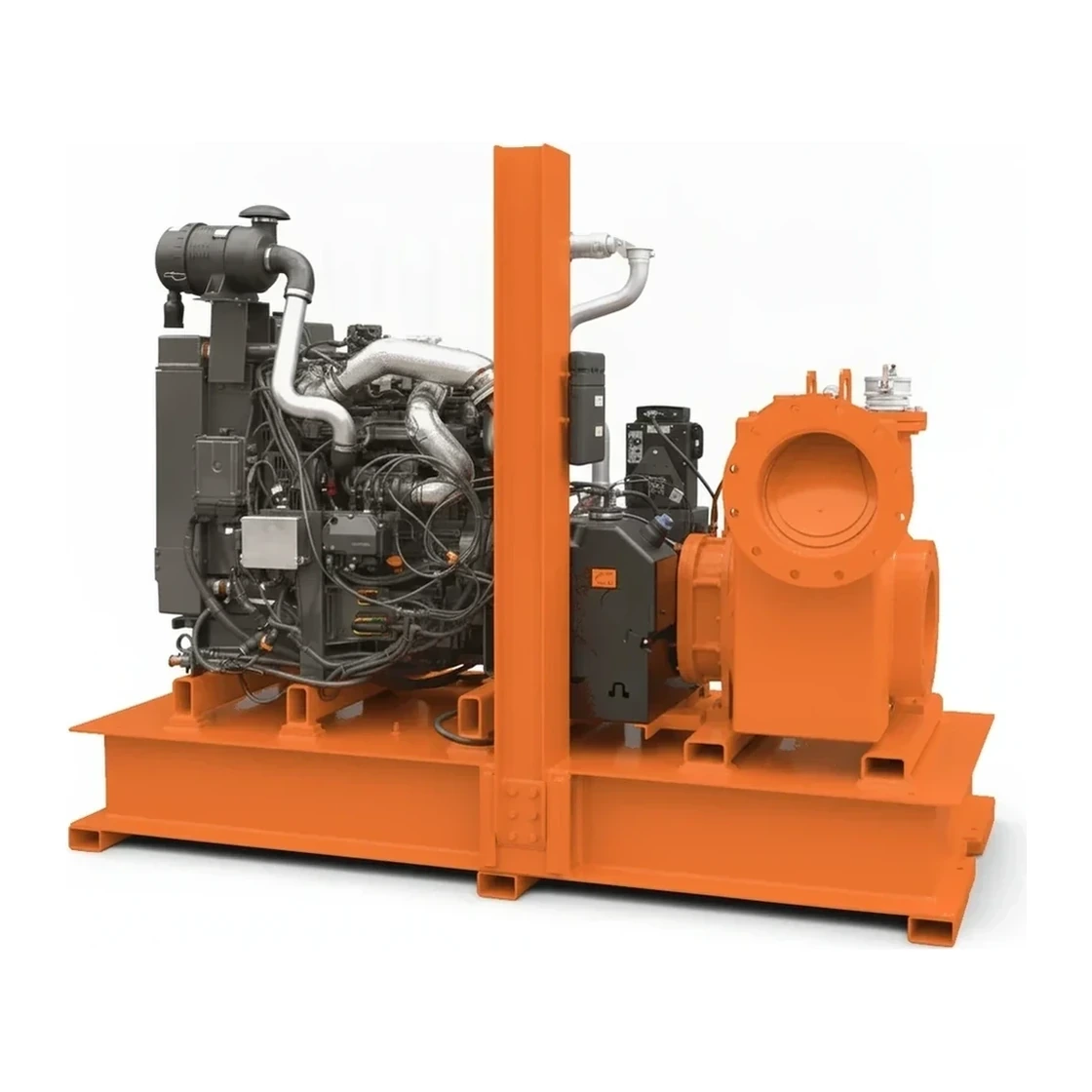
Centrifugal designs (trash, clear-water, submersible) fling water outward through an impeller — trash models with open impellers and inspection ports that let solids pass. Diaphragm pumps instead pulse a flexible membrane, moving thick, abrasive mixtures at low flow and tolerating dry running that would destroy a centrifugal seal.
Tipos y variantes
- Trash Pump
- Centrifugal pump with large solids-handling clearance for muddy, debris-laden water.
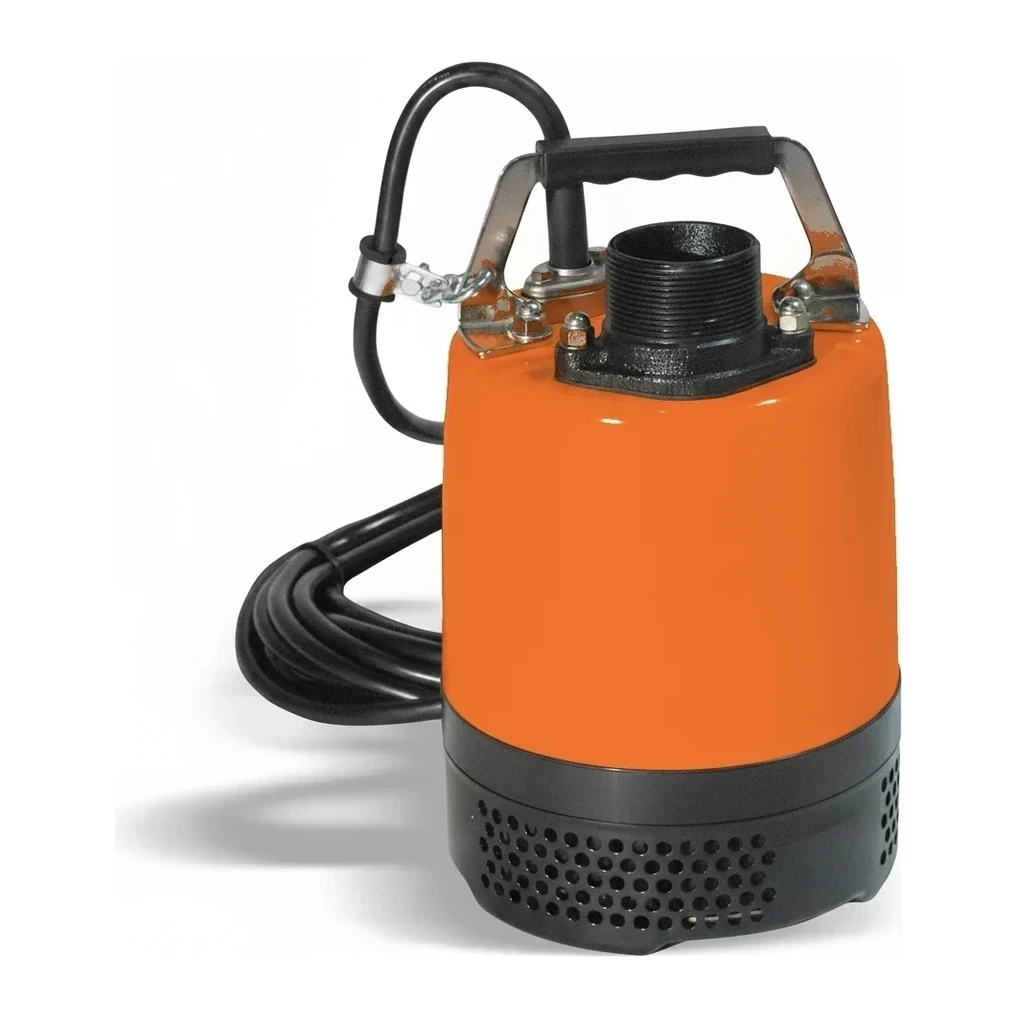
- Submersible Pump
- Pump that operates underwater at the bottom of the sump or excavation it drains.
- Diaphragm Pump
- Positive-displacement pump that moves thick sludge and seepage and can run dry.
- Centrifugal Pump
- Impeller pump for high-flow transfer of water and thin liquids.
- Oil-Water Separator
- Unit that removes oil from pumped water before discharge.
Cómo elegir
The liquid picks the pump: clean transfer to standard centrifugal, muddy excavation water to trash pumps sized by solids rating, mucky seepage to a diaphragm, and confined sumps to submersibles that need no suction lift. Flow (gpm) and total head — lift plus friction — size the unit; suction lift beyond about 25 ft is a physical wall no surface pump crosses.
Normas y certificaciones
- Hydraulic Institute · ANSI/HI series
- Industry standards for pump definitions, testing, and application practice.