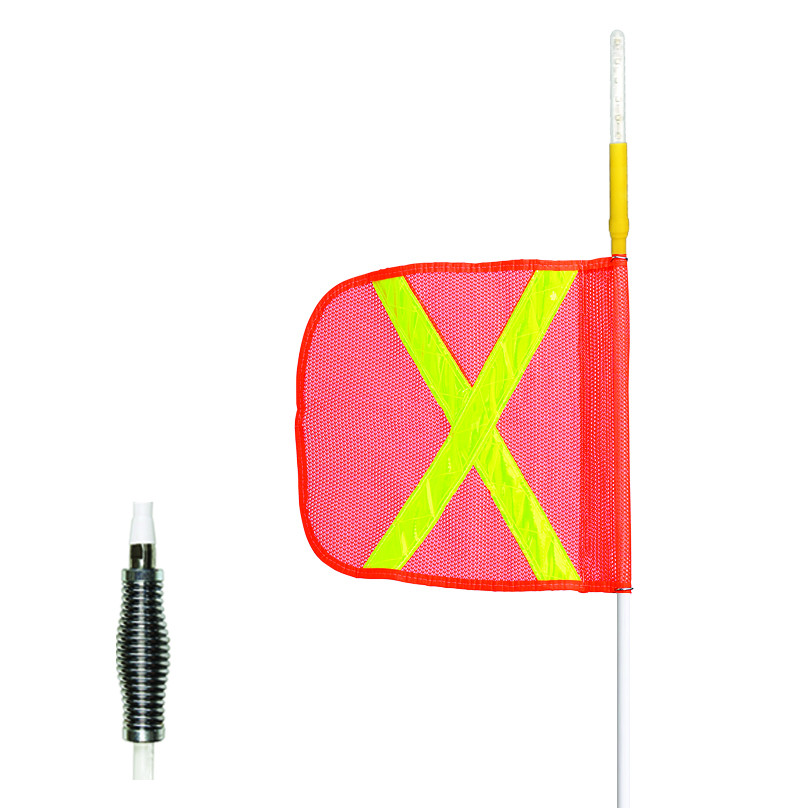
Warning Light
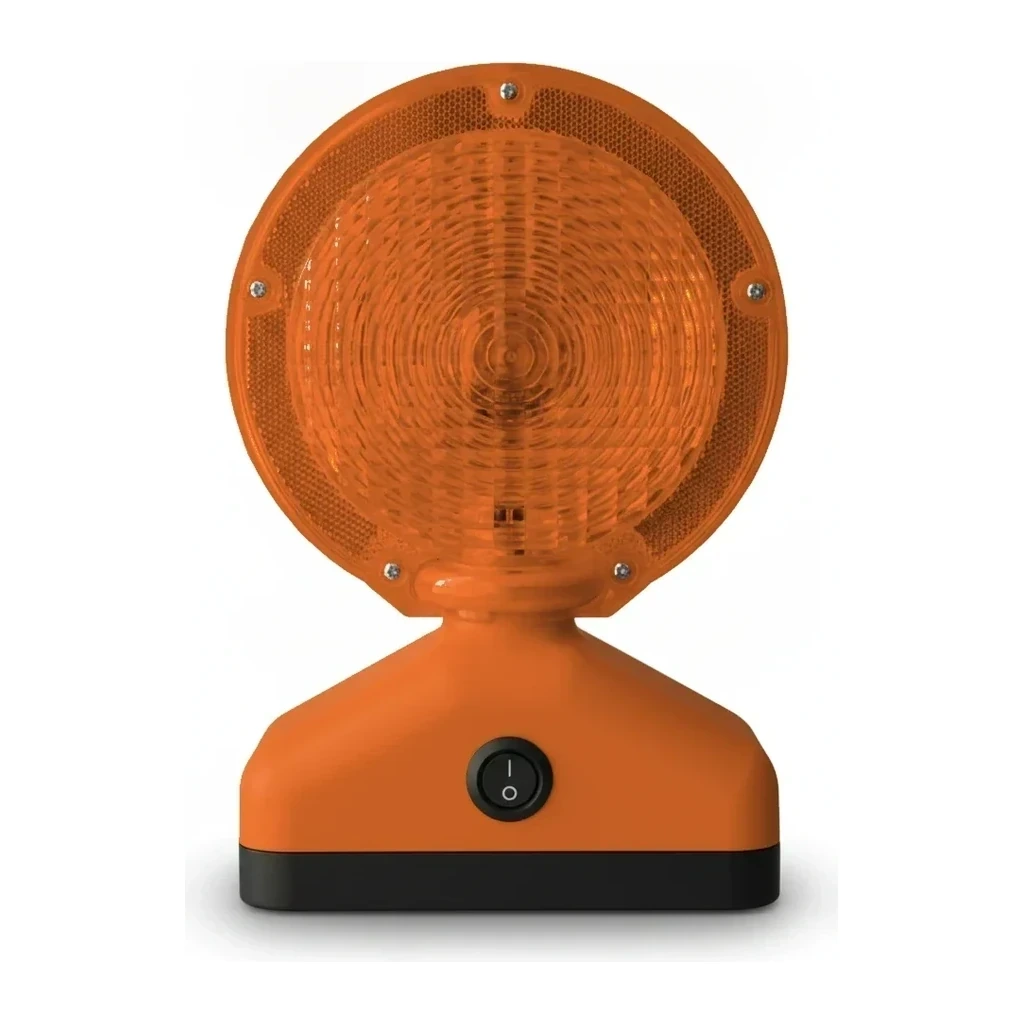
A warning light is a self-powered flashing or steady-burn lamp that alerts drivers and workers to hazards, closures and equipment at night and in low visibility. Mounted on barricades, drums and posts, the lights run independently on batteries or solar charge. The catalog lists 7 models from Wanco and Checkers Industrial.
Cómo funciona
An LED or lamp head on a sealed, weatherproof housing flashes or burns steadily from its own battery, with photocells switching operation to darkness and solar models recharging by day. Mounting hardware clamps the light to barricade rails, drums or dedicated posts. The MUTCD assigns duties by type: low-intensity flashers mark isolated hazards at night, high-intensity flashers work around the clock, and steady-burn lamps trace channelizing lines through closures.
Tipos y variantes
- Type A low-intensity flashers
- Nighttime flashers marking isolated hazards and single devices.
- Type B high-intensity flashers
- Continuous-duty flashers visible in daylight for advance warning points.
- Type C steady-burn lights
- Constant lamps outlining tapers and channelizing runs at night.
- Solar-rechargeable units
- Photocell-controlled lights that recharge by day for long unattended deployments.
Especificaciones clave
| Especificación | Rango típico | Qué significa |
|---|---|---|
| Power source | Varies by model | Battery or solar-recharged operation sets how long the light runs unattended. |
| Mounting type | Varies by model | Clamp and bolt patterns must match the barricade rails, drums or posts on the job. |
| Flash pattern | Varies by model | Flashing versus steady-burn maps to the MUTCD type and therefore the legal application. |
Cómo la industria lo dimensiona
Warning lights are selected by MUTCD type rather than physical size: the traffic control plan dictates flashing or steady-burn duty and where each is placed. Planning is then a count-and-endurance exercise: enough units for every device that needs one, with battery or solar endurance covering the closure duration between maintenance visits.
Aplicaciones
- Marking barricades and drums through nighttime closures
- Advance warning points ahead of work zones
- Outlining tapers and channelizing runs after dark
- Flagging equipment and material staged near traffic
Seguridad y operación
- Dead lights on a night closure are a serious hazard: batteries are checked and units test-flashed at every zone inspection.
- Lights supplement retroreflective devices; they never substitute for compliant sheeting on the devices themselves.
- Mounting must be secure: a light shaken loose by traffic blast becomes road debris in the travel lane.
Normas y certificaciones
- FHWA · MUTCD
- Defines warning light Types A, B and C and assigns their applications in temporary traffic control.
- ATSSA
- Industry guidance on selecting and maintaining work zone warning devices.
Preguntas frecuentes
What is the difference between Type A, B and C lights?
When are warning lights required on barricades?
How long do the batteries last?
Equipos relacionados
Explorar por fabricante
Fuentes
Cada especificación se verifica con los datos publicados por el fabricante, con la fuente enlazada como referencia.
Todos los modelos
6 modelos · Cada especificación citada a la fuente