
Traffic Control Devices
Traffic control equipment channels vehicles and protects crews in work zones. Barricades and arrow boards lead the class, with delineators, crash cushions, cones, and warning lights completing the standard device set.
Cómo funciona
Devices work as a system laid out per the MUTCD: advance warning signs, a taper of channelizing devices at calculated length, the work space behind positive protection, and a termination area returning traffic to normal. Arrow boards command lane changes; crash cushions convert impact energy into controlled deceleration.
Tipos y variantes
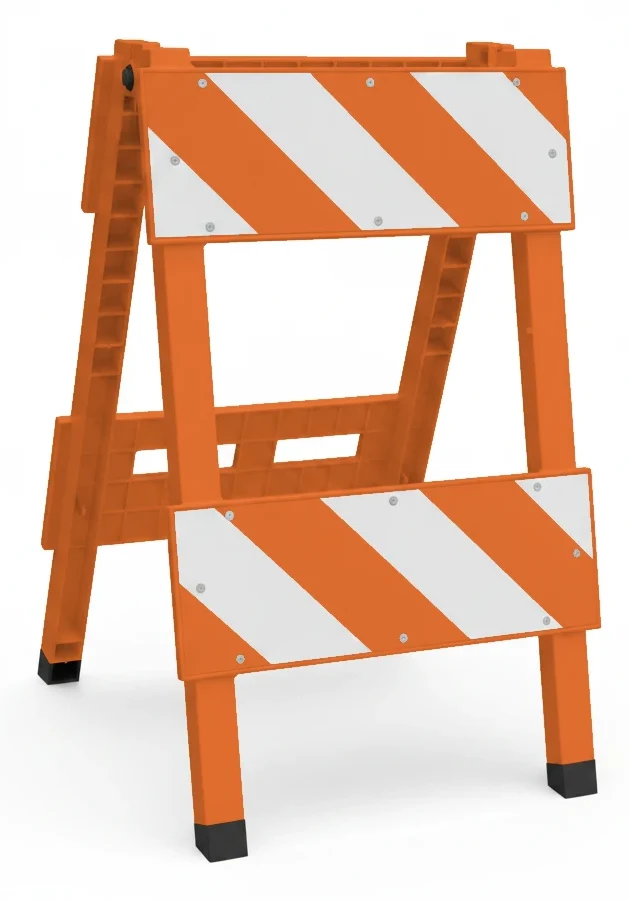
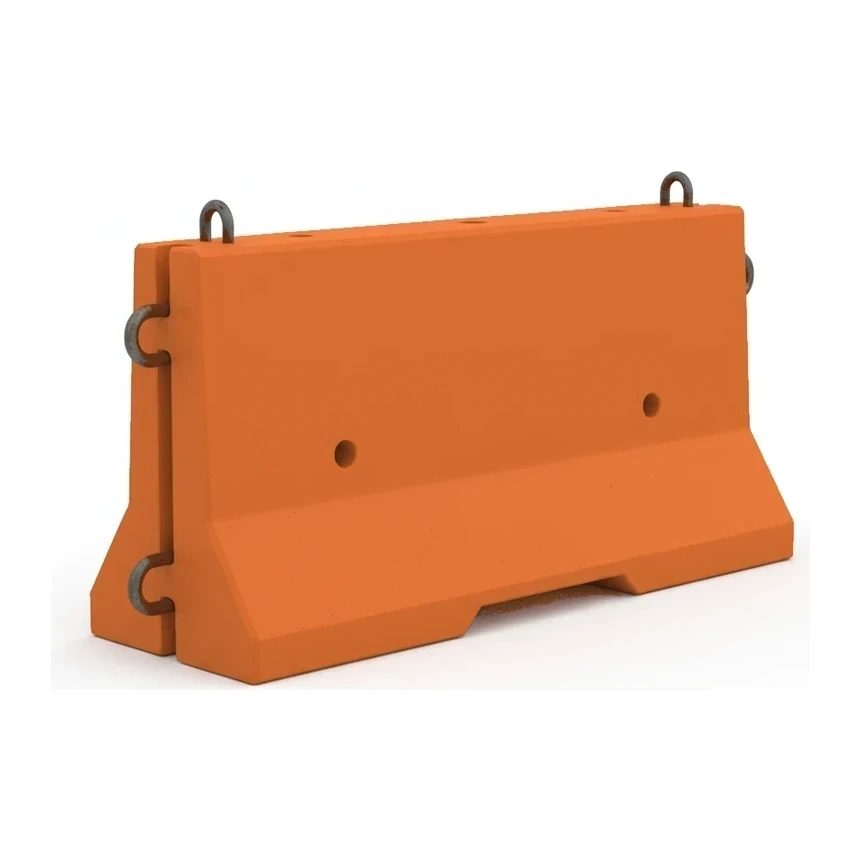
- Barricade
- Type I-III folding or panel barricades that close lanes and mark hazards.
- Arrow Board System
- Trailer- or truck-mounted flashing arrow panel that directs traffic through closures.
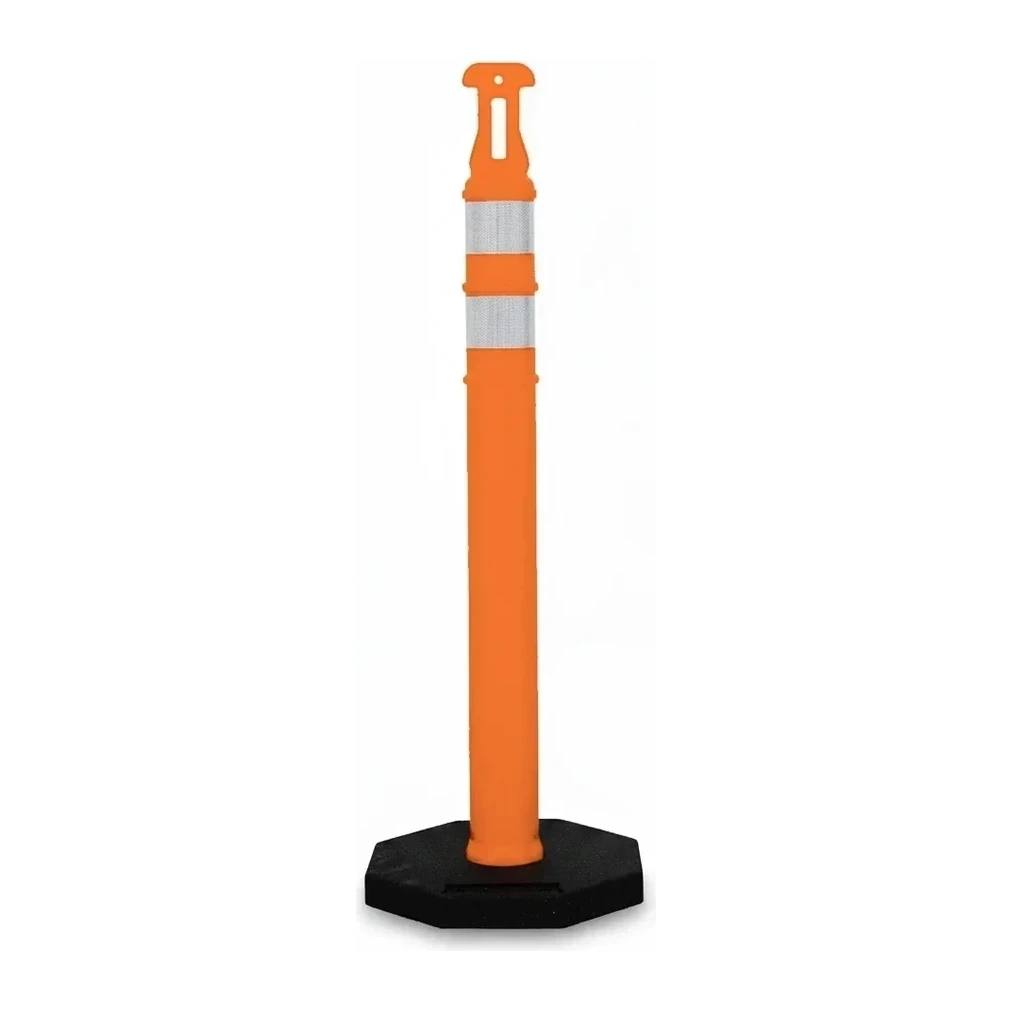
- Delineator
- Vertical post or panel that channels traffic along a path.
- Crash Cushion
- Energy-absorbing attenuator that protects vehicles from fixed objects or work zones.
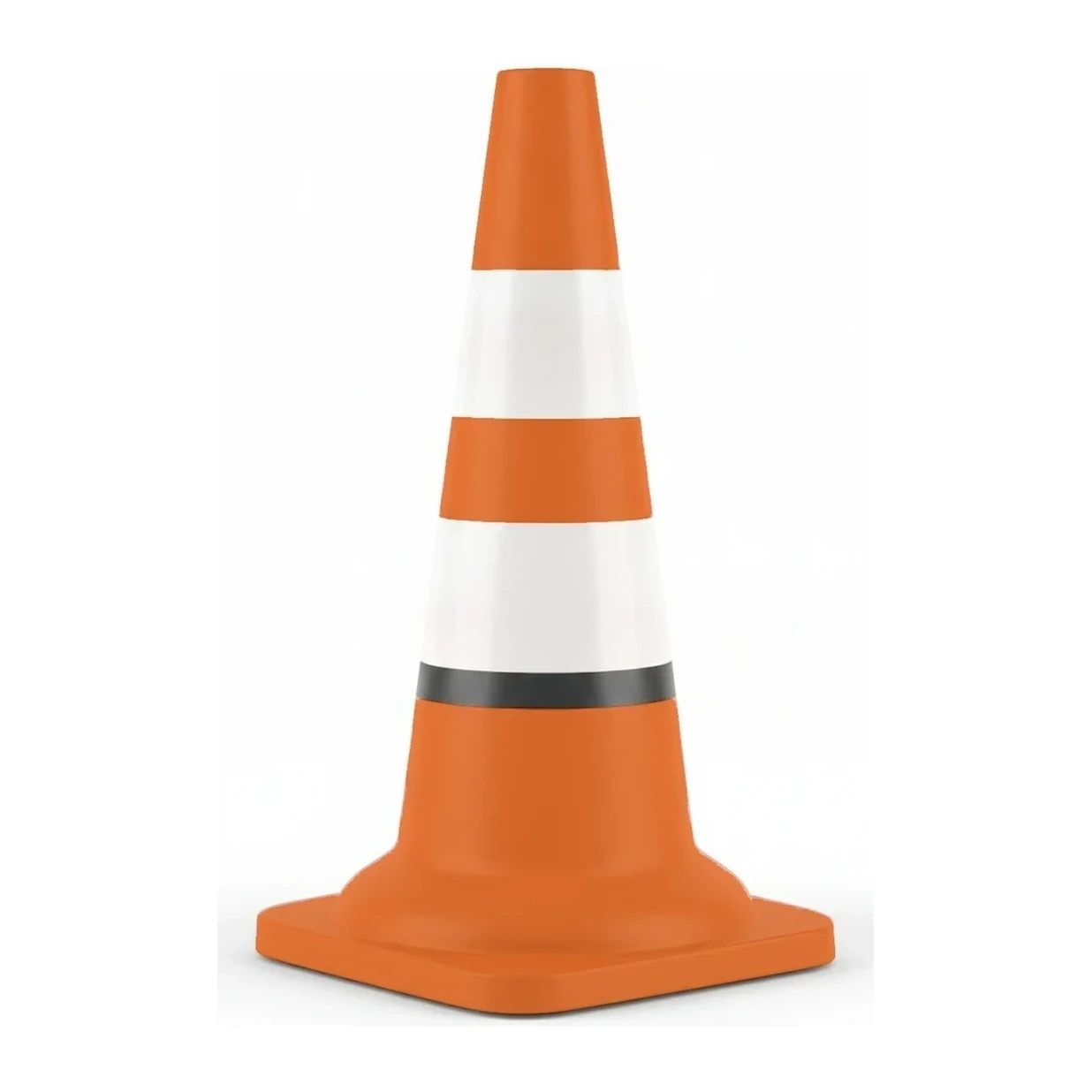
- Traffic Cone
- Conical channelizing device for short-term traffic guidance.
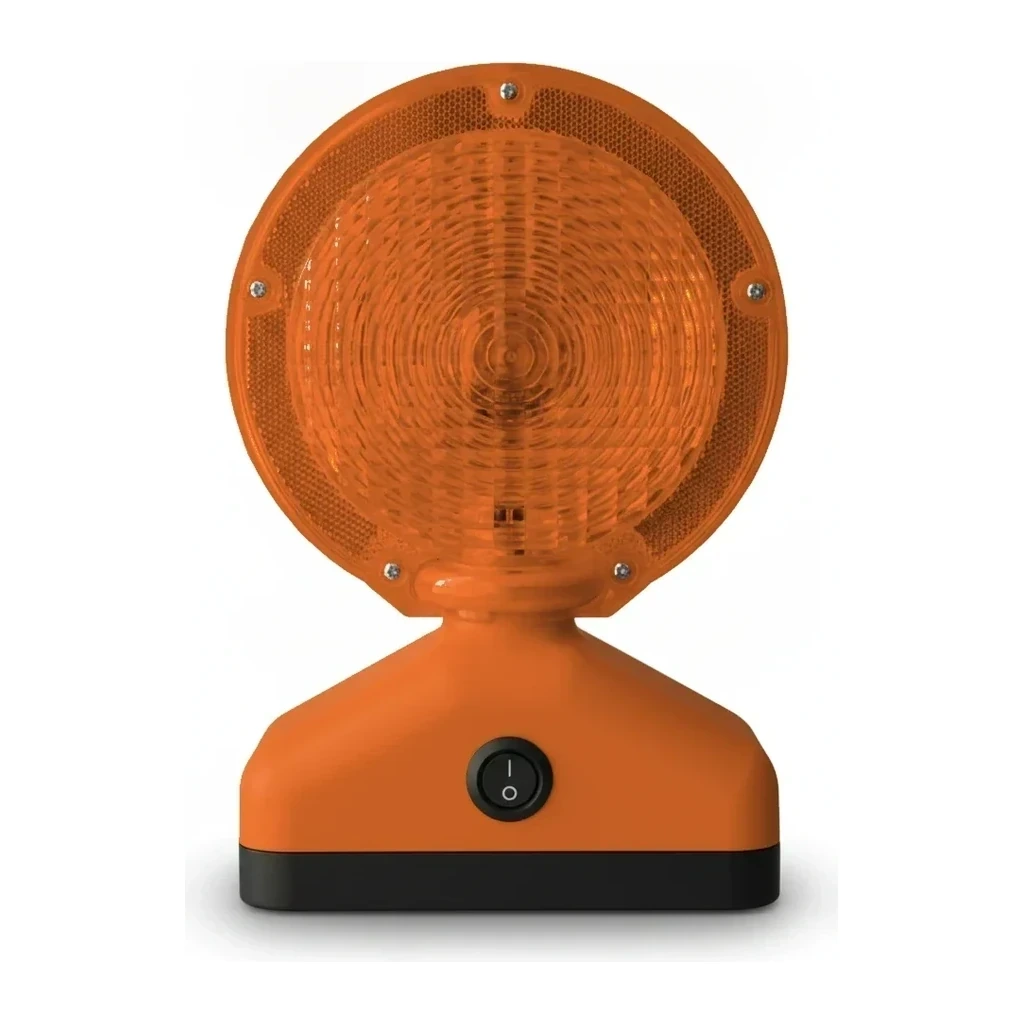
- Warning Light
- Flashing beacon that marks barricades and hazards at night.
Cómo elegir
Road speed and lane geometry drive everything: taper lengths, device spacing, arrow board size class, and whether crash-tested (MASH) hardware is required. Agency traffic-control plans specify the layout; retroreflectivity condition and nightly light checks keep a compliant zone compliant.
Normas y certificaciones
- FHWA · MUTCD
- National standard for temporary traffic control devices and work-zone layouts on public roads.
- AASHTO · MASH
- Crash-testing criteria for roadside safety hardware such as crash cushions and barricades.