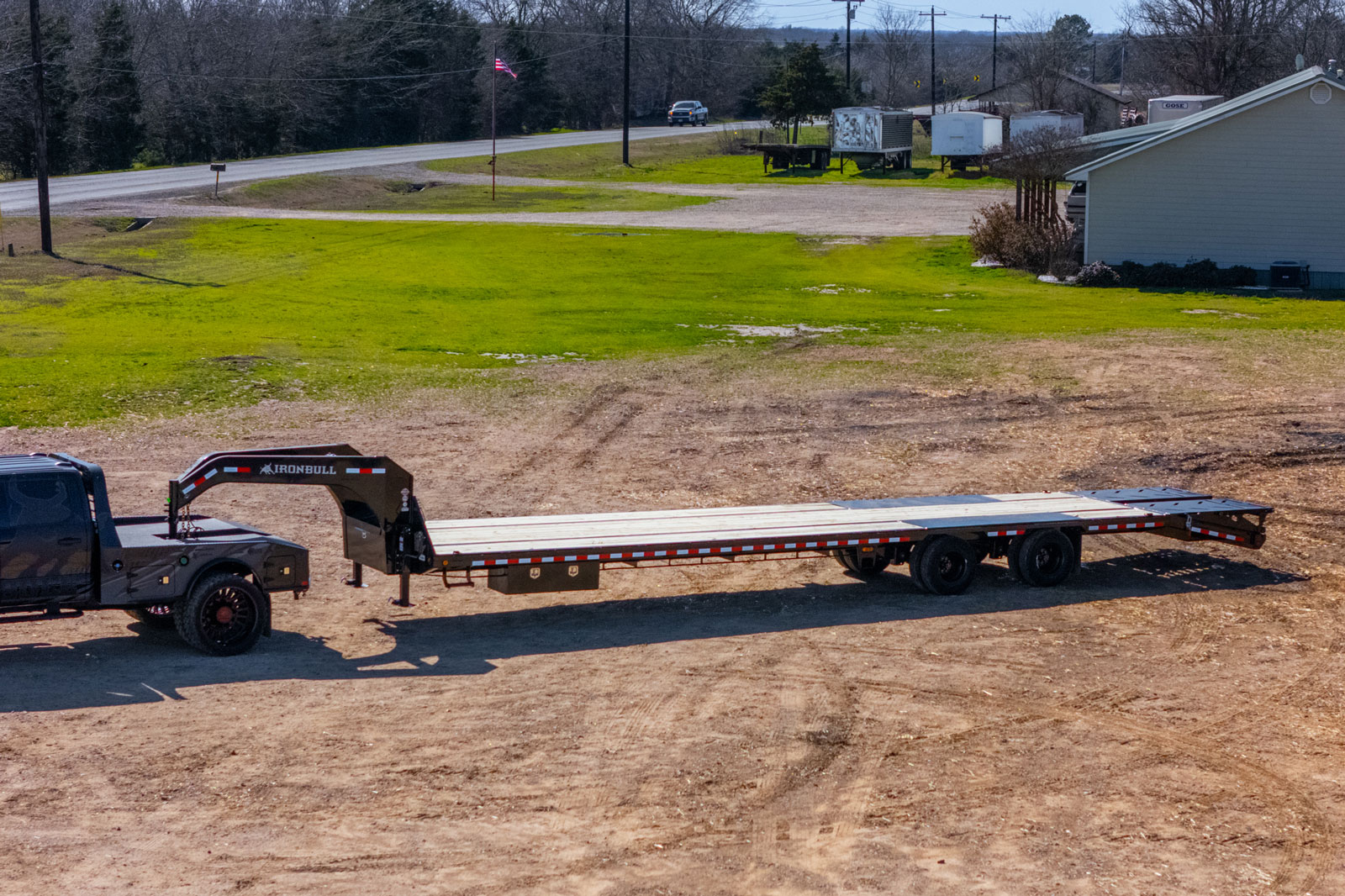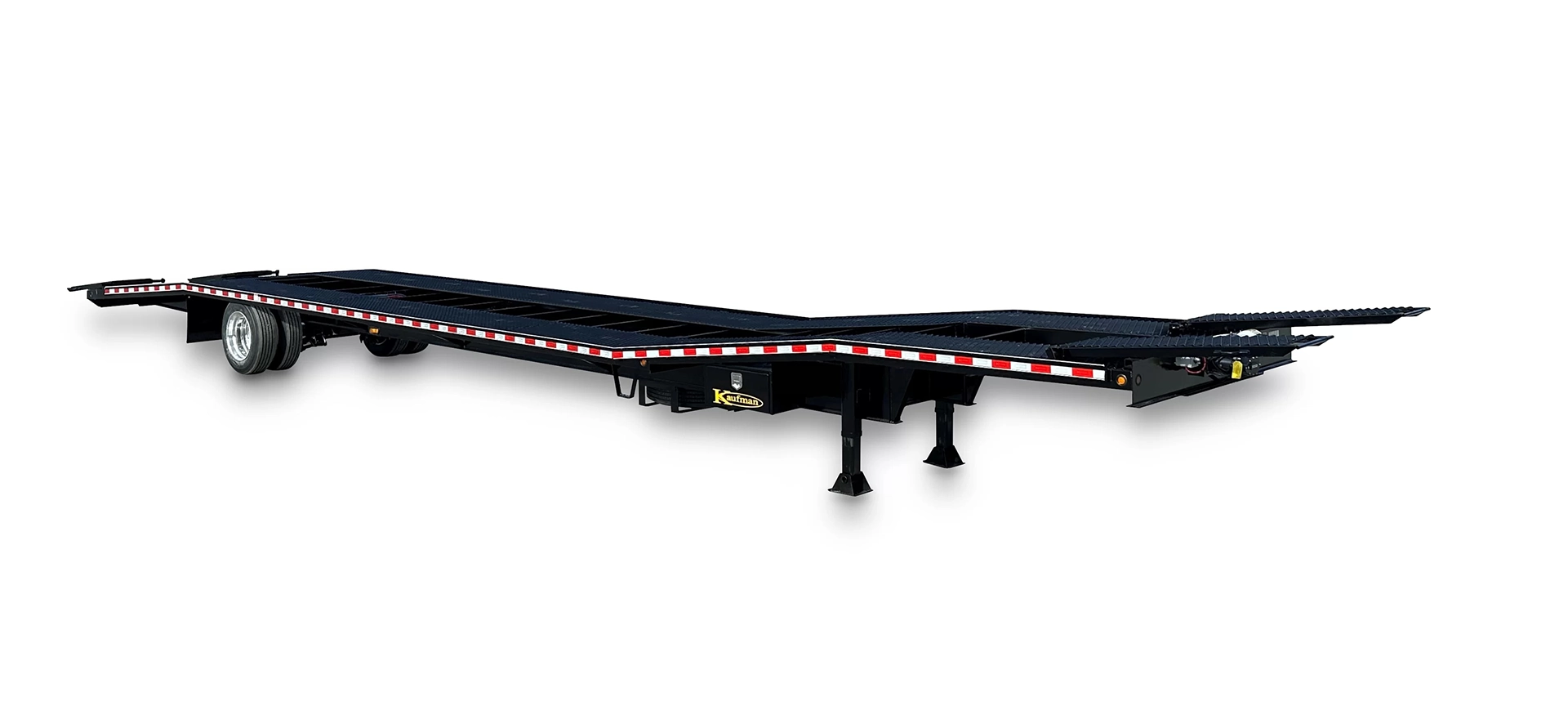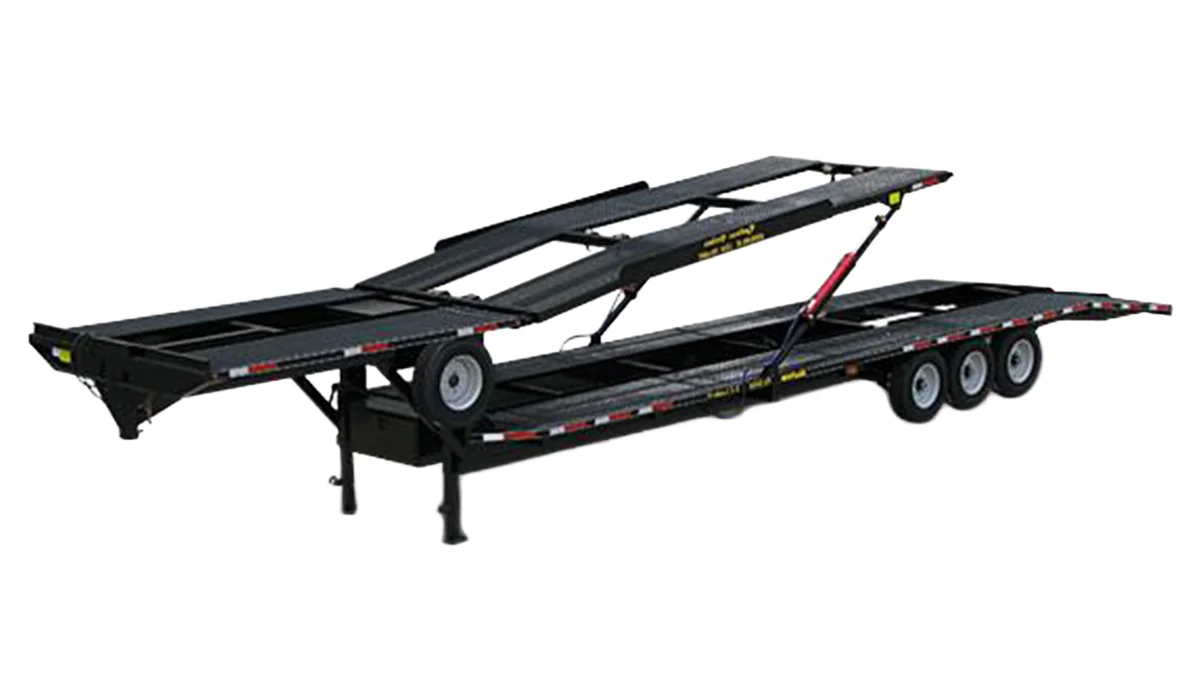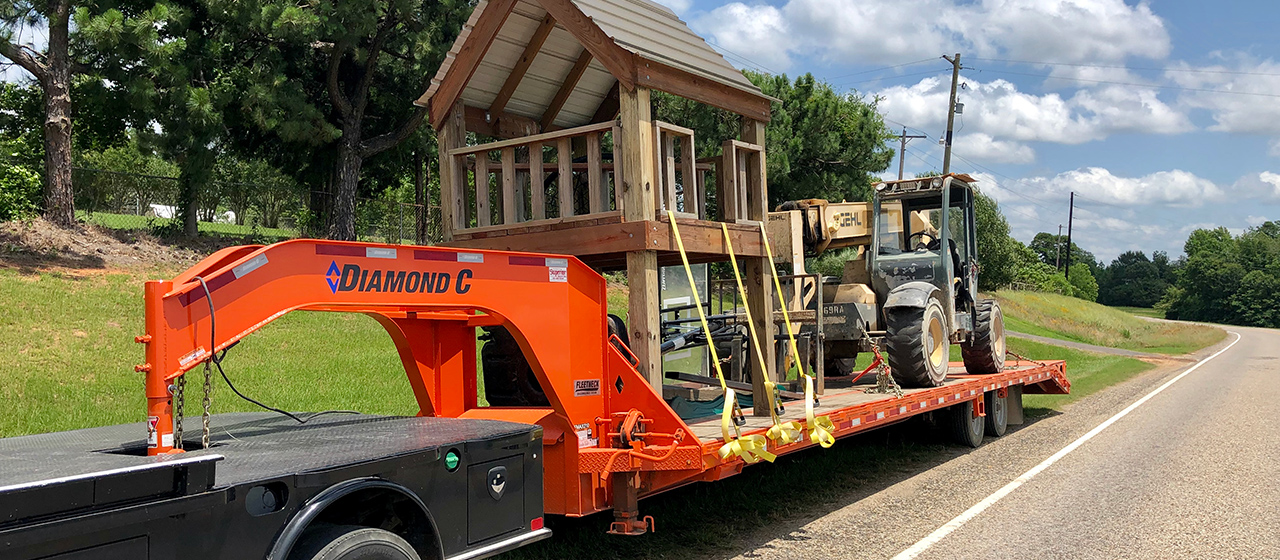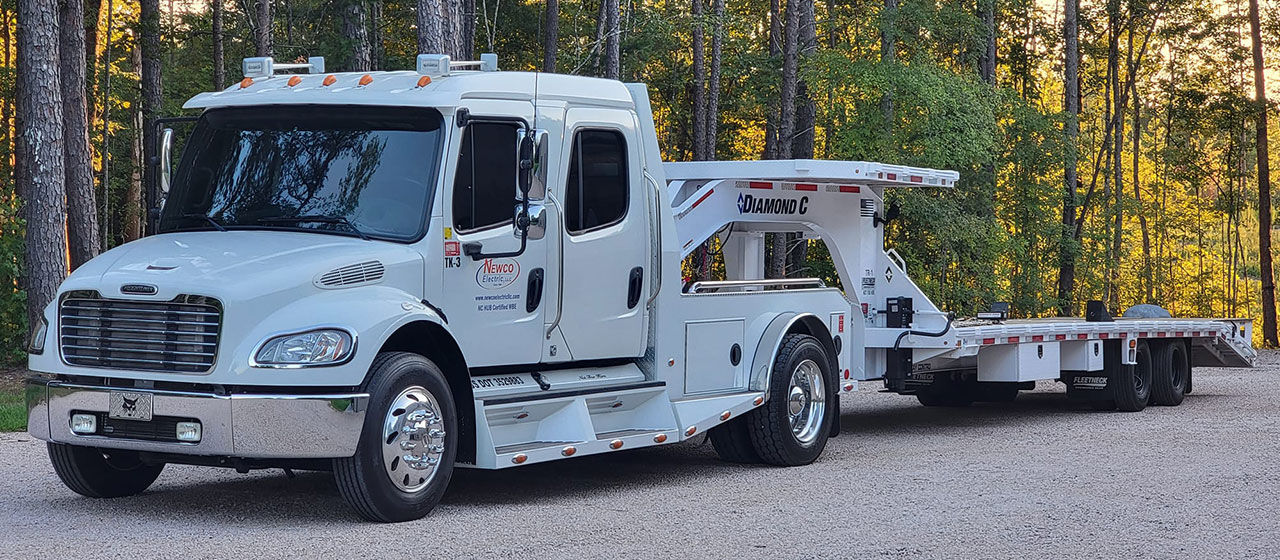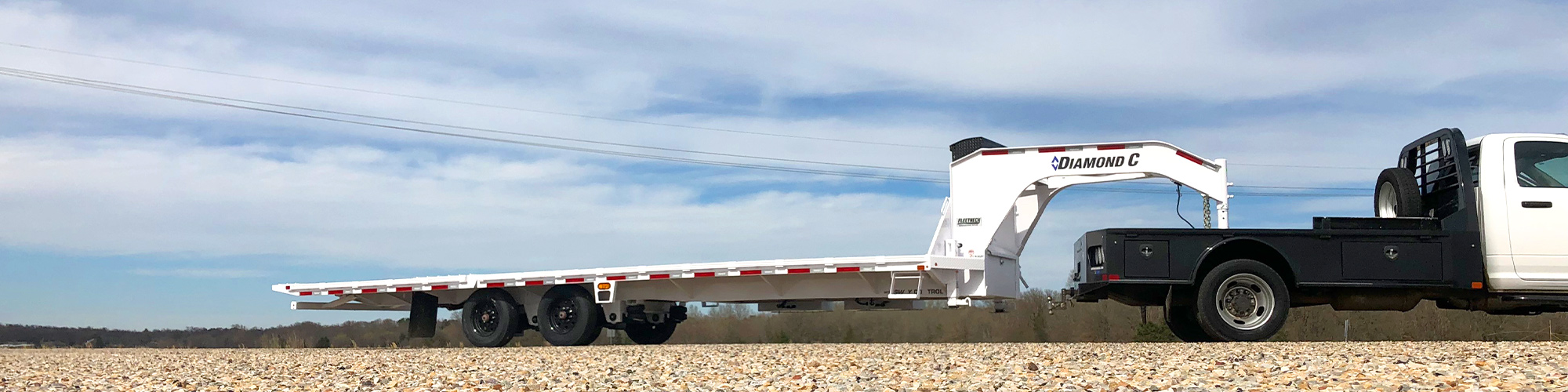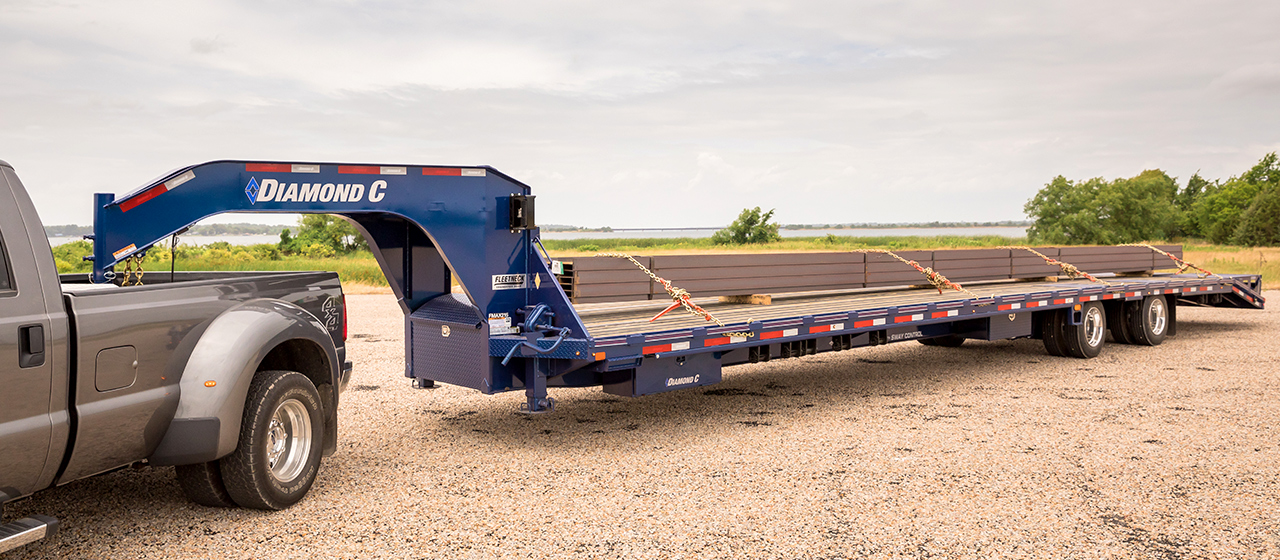

14,000-26,000 lb Equipment Trailer
The 14,000-26,000 lb equipment trailer class represents the heaviest non-CDL hauling tier, built on tandem and tri-axle configurations for demanding commercial work. This size band bridges medium-duty construction and the threshold where federal commercial driving regulations begin. It sits above the 10,000-14,000 lb class and below the 26,000+ lb CDL-required category.
Cat classes
Elija una clase de tamaño: la capacidad y el alcance varían en la gama.
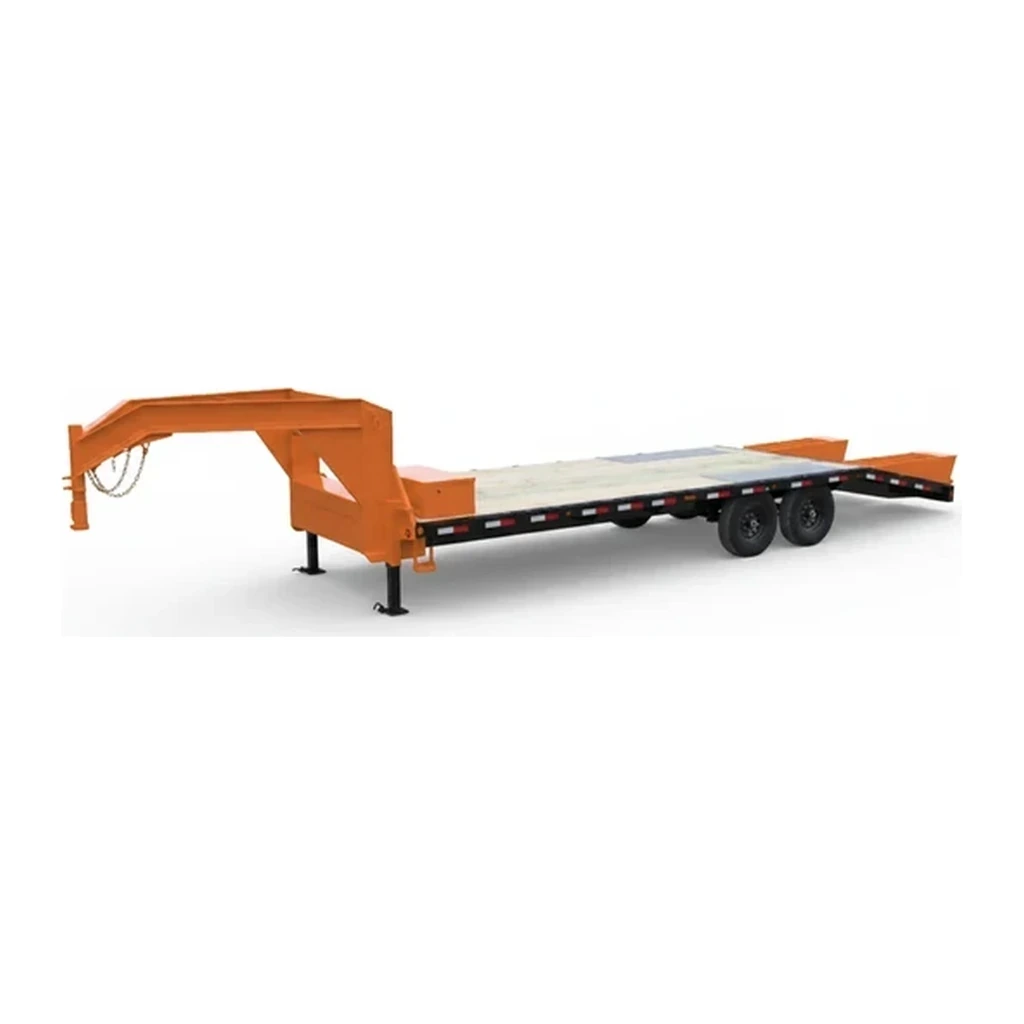
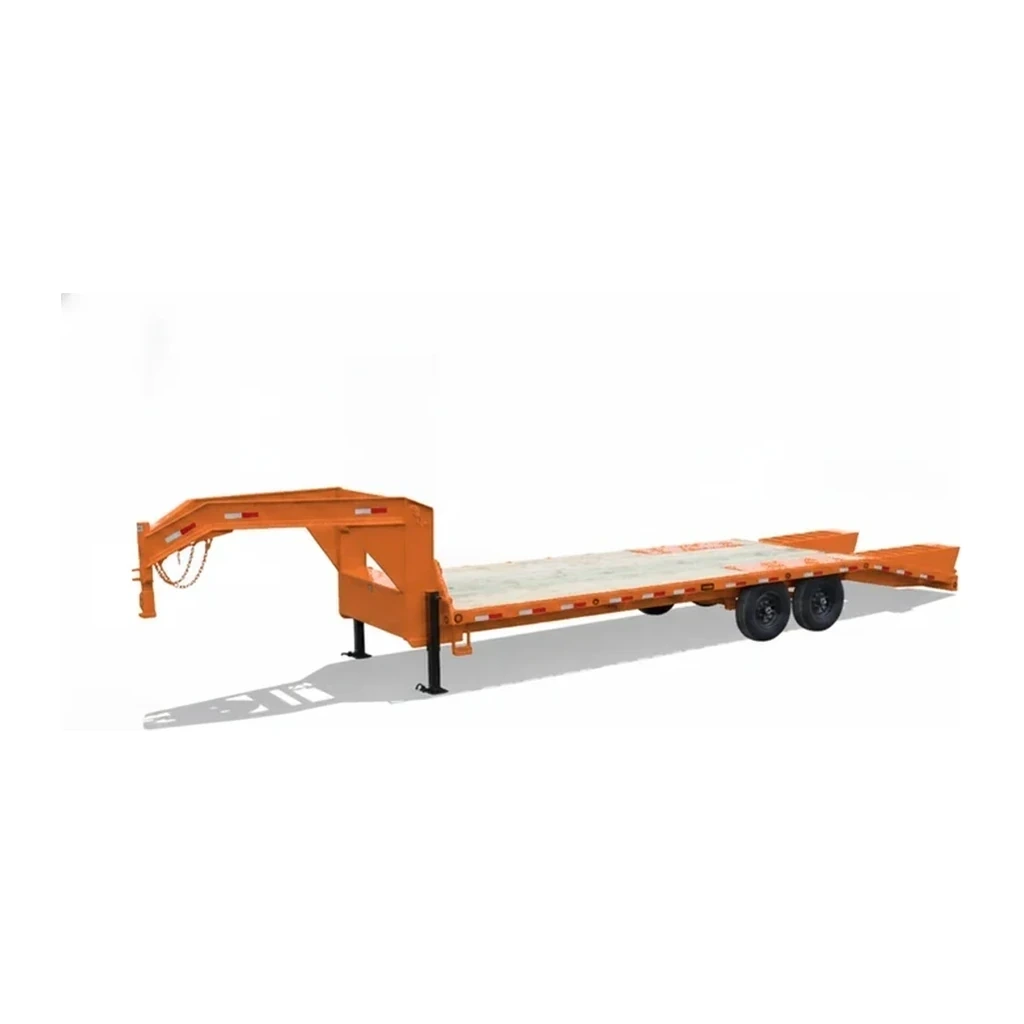
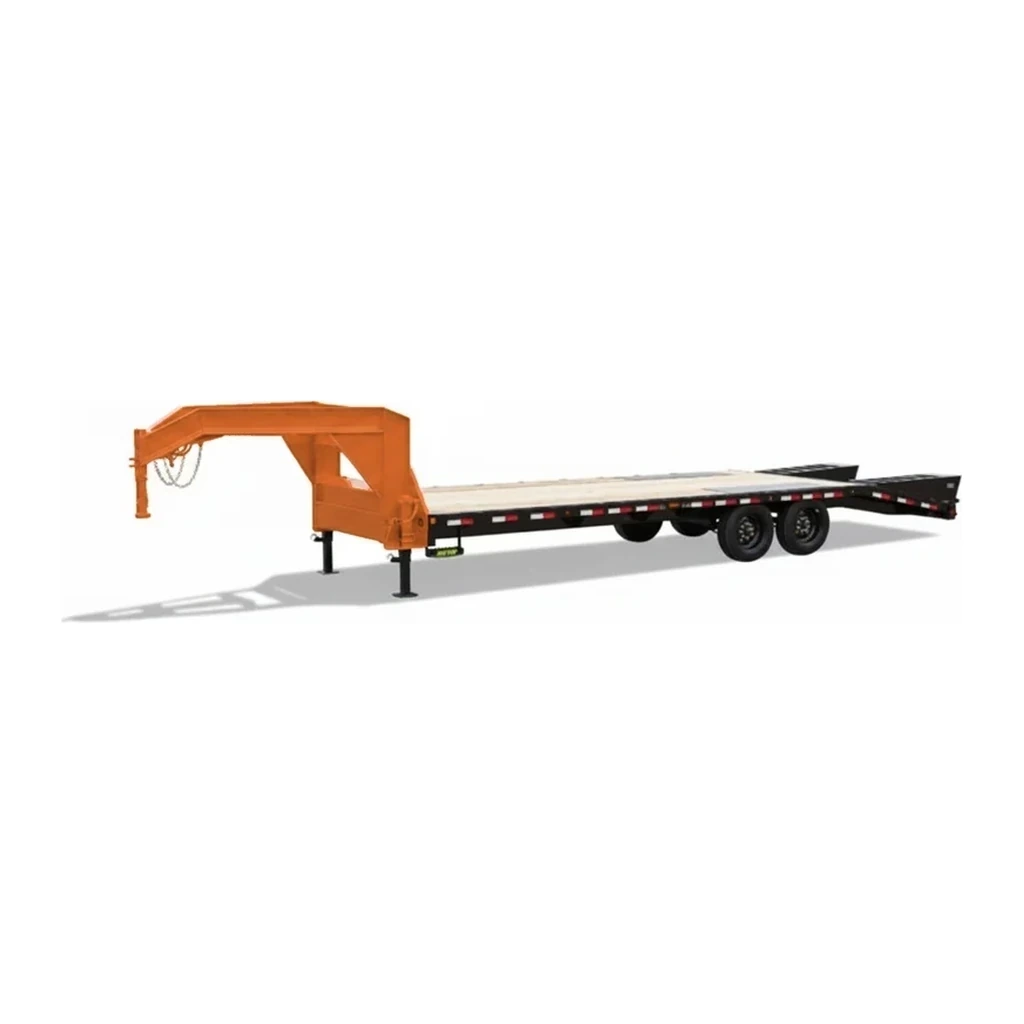
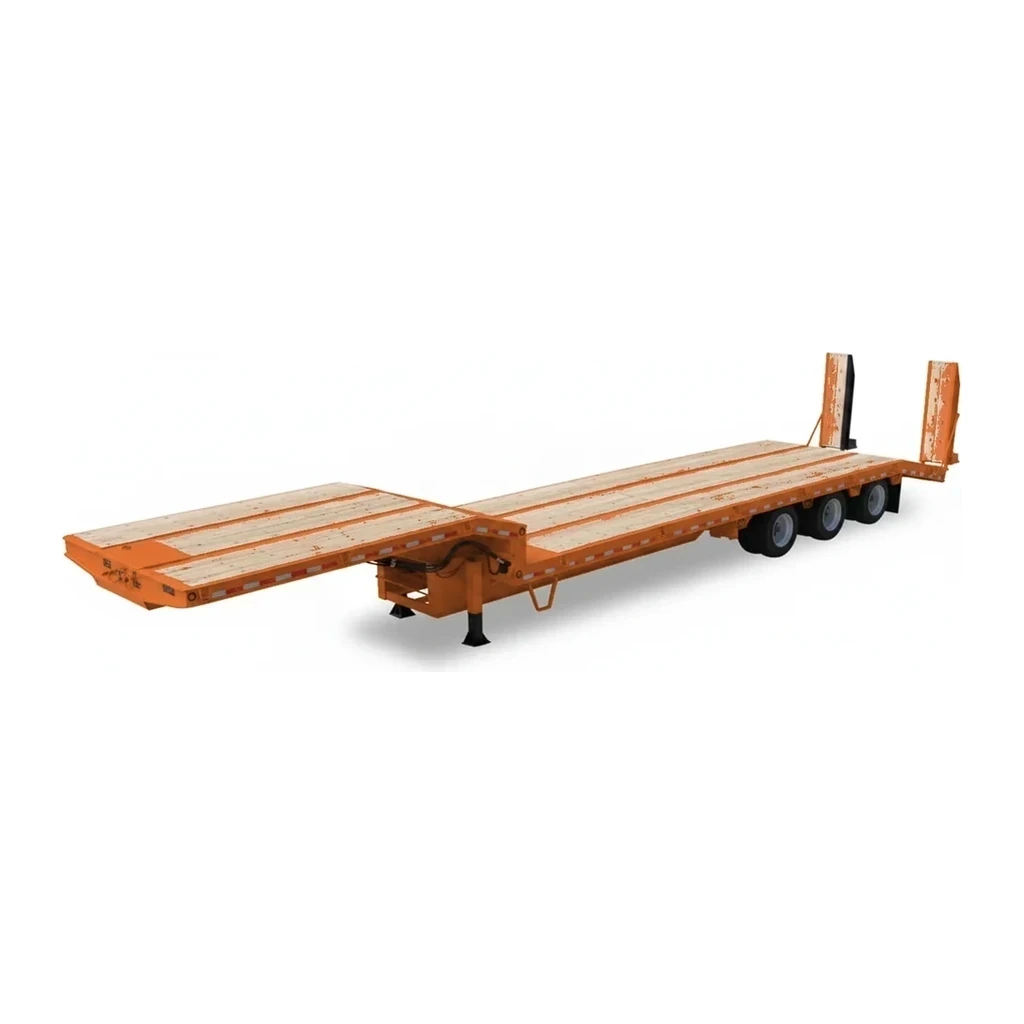
Especificaciones clave
| Especificación | Rango típico | Qué significa |
|---|---|---|
| Load capacity | 6,400-11,700 kg (14,000-26,000 lb) | Defines maximum payload; heaviest non-CDL tier in the equipment trailer ladder |
| Axle configuration | Tandem or tri-axle | Multiple axles distribute weight across roadway and improve stability under heavy loads |
| GVWR | Approaches 26,000 lb threshold | Gross vehicle weight rating stays below the federal CDL requirement |
| Deck length | 18–24 ft (5.5–7.3 m) | Accommodates excavators, skid steers, and compact dozers typical of commercial sites |
Cómo elegir
This size class is appropriate when hauling excavators, skid steers, compact track loaders, or utility vehicles that exceed the 10,000-14,000 lb Equipment Trailer capacity but work must remain within non-CDL limits. Contractors choose this tier to maximize payload without triggering commercial driver licensing, medical certification, or hours-of-service logs. When combined trailer and load exceed 26,000 lb GVWR, the 26,000+ lb Equipment Trailer class is required along with a CDL-licensed operator. Conversely, jobs consistently under 14,000 lb GVWR gain maneuverability and lower tow-vehicle demands with the 10,000-14,000 lb Equipment Trailer class.
Lo que maneja este tamaño
- Hauling 8,000-10,000 lb compact excavators to residential or light commercial sites
- Transporting multiple skid steers or a single compact track loader for earthmoving
- Moving utility tractors, ride-on rollers, or trenchers for municipal maintenance crews
- Delivering concrete buggies, plate compactors, and walk-behind equipment in tandem
- Shuttling generators, light towers, and welders for job-site power staging
- Hauling landscape equipment including mini skid steers and turf rollers for park projects
Seguridad y operación
- GVWR must remain below 26,000 lb to avoid CDL requirements; operators verify combined trailer, payload, and fuel weights before each haul
- Tri-axle configurations improve weight distribution and braking but increase turning radius and curb sensitivity
- Load securement per FMCSA regulations: chains, straps, or binders rated to working load limit; four tie-down points minimum for most equipment
- Tandem and tri-axle trailers require wider clearance at gates, intersections, and on narrow job-site roads
Transporte y logística
- Requires heavy-duty pickup truck (3/4-ton minimum, often 1-ton dually) or medium-duty commercial chassis rated for 14,000-26,000 lb towing
- Trailer brakes (electric or surge) and brake controller mandatory; many jurisdictions require breakaway systems and safety chains rated to GVWR
- Loading via drive-on ramps (fold-down or removable) or stand-up ramps with equipment under its own power; deck height typically 18-24 inches
Alimentación
- Equipment trailers in this class are unpowered; hauled machinery may carry onboard diesel, gasoline, or electric power systems
- Some models include battery boxes or tool storage; no integral generator or hydraulic power unit
Preguntas frecuentes
Does a 14,000-26,000 lb equipment trailer require a CDL?
What tow vehicle is needed for this trailer class?
How does tri-axle differ from tandem in this weight class?
Equipos relacionados
Explorar por fabricante
Fuentes
Cada especificación se verifica con los datos publicados por el fabricante, con la fuente enlazada como referencia.
14,000-26,000 lb Equipment Trailer
64 modelos · Página 2 de 2 · Cada especificación citada a la fuente