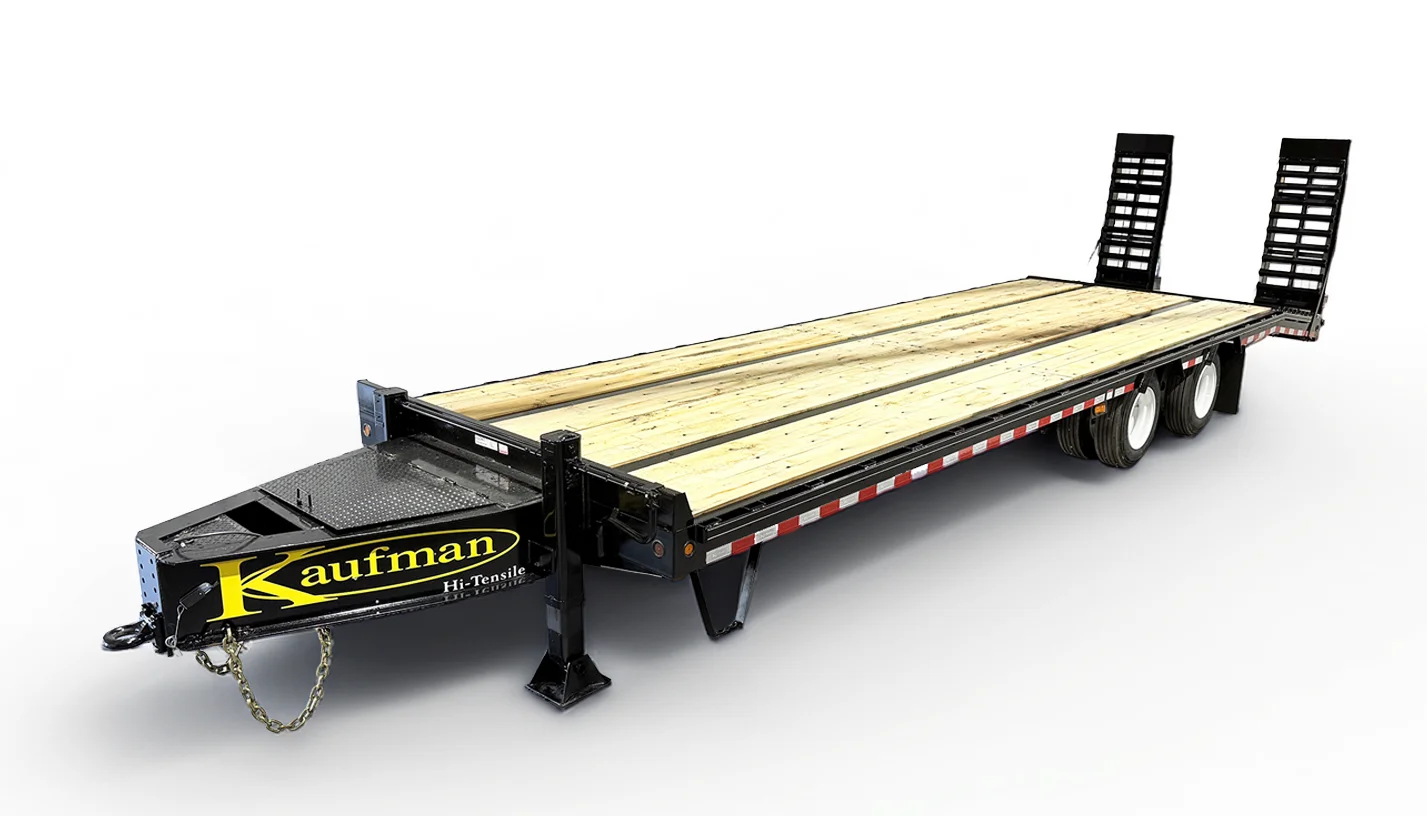
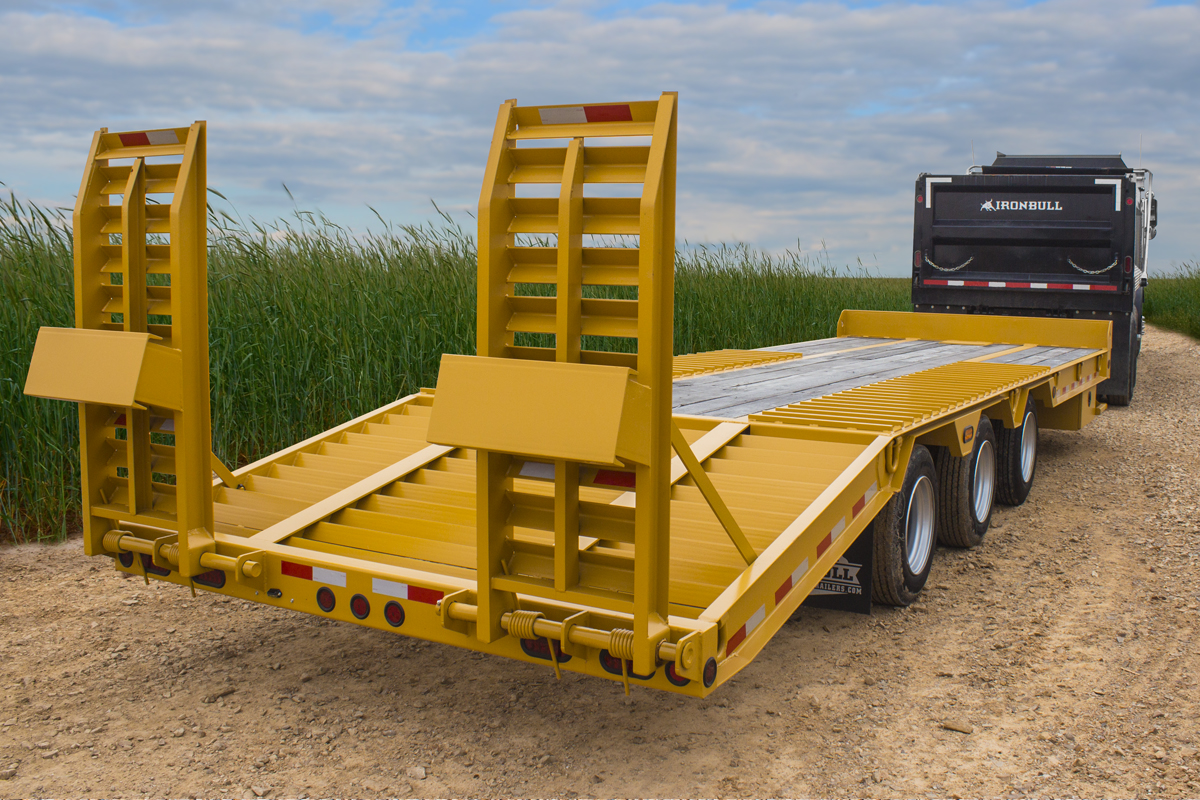
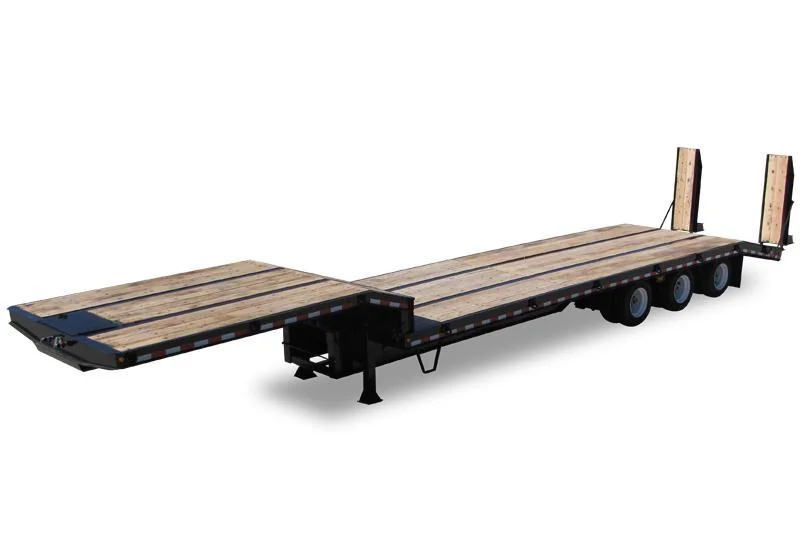
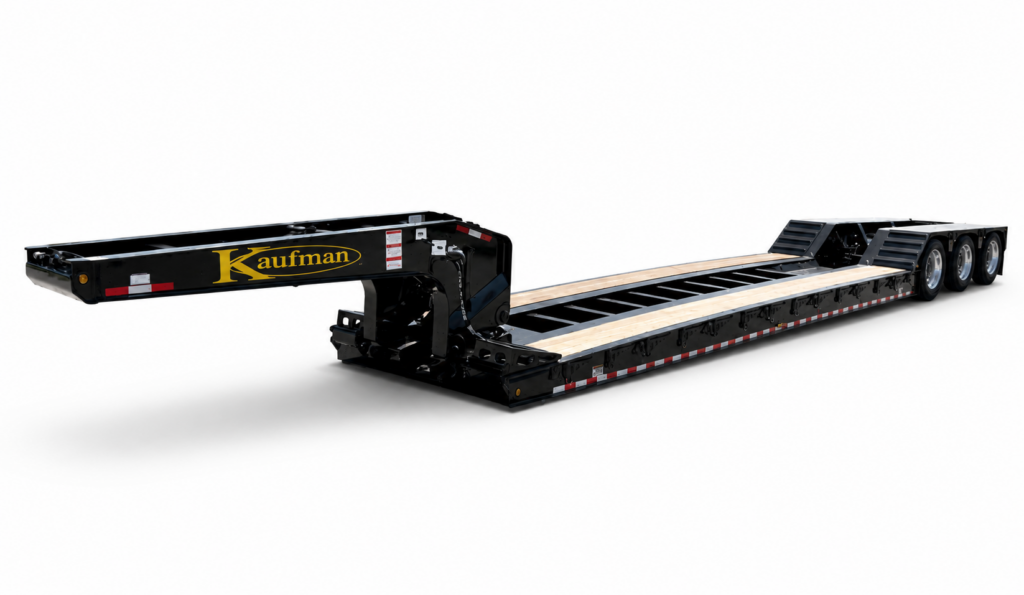
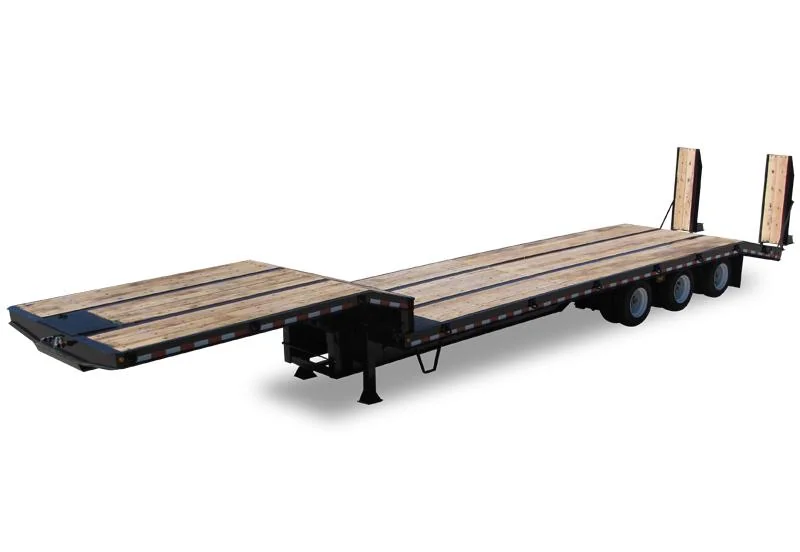
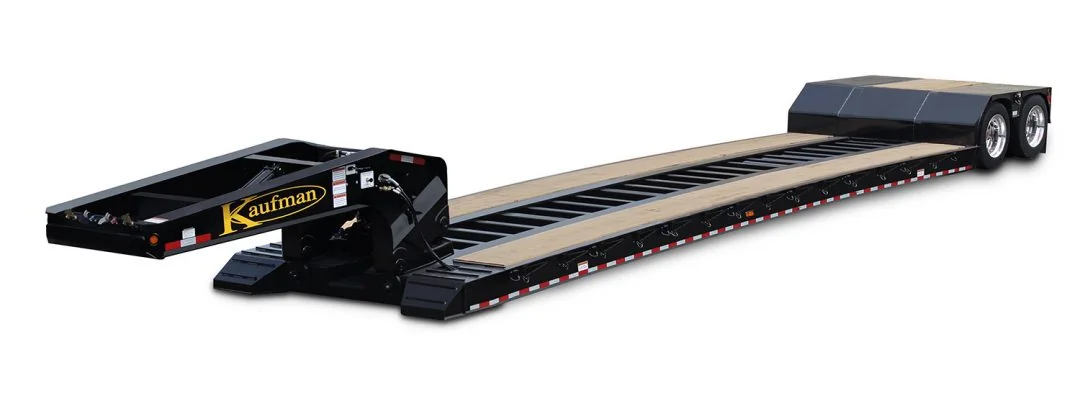
26,000+ lb Equipment Trailer
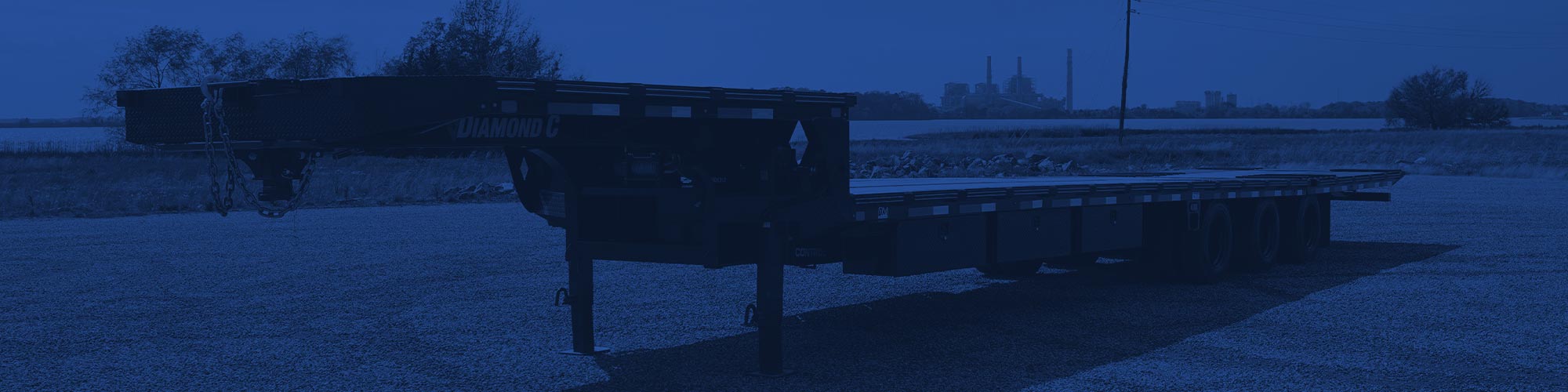
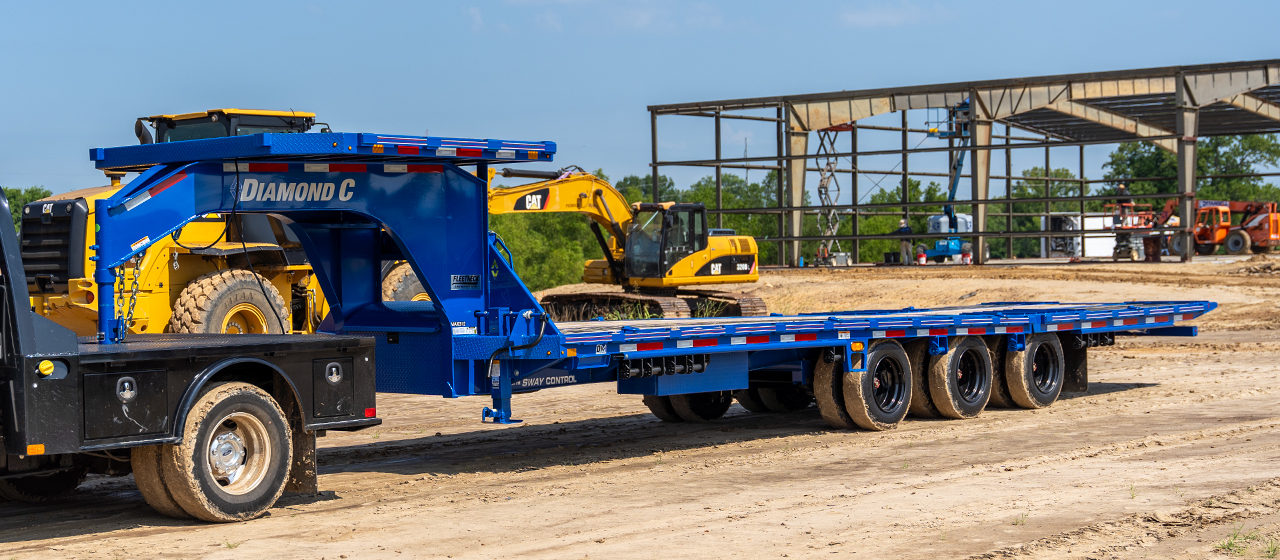
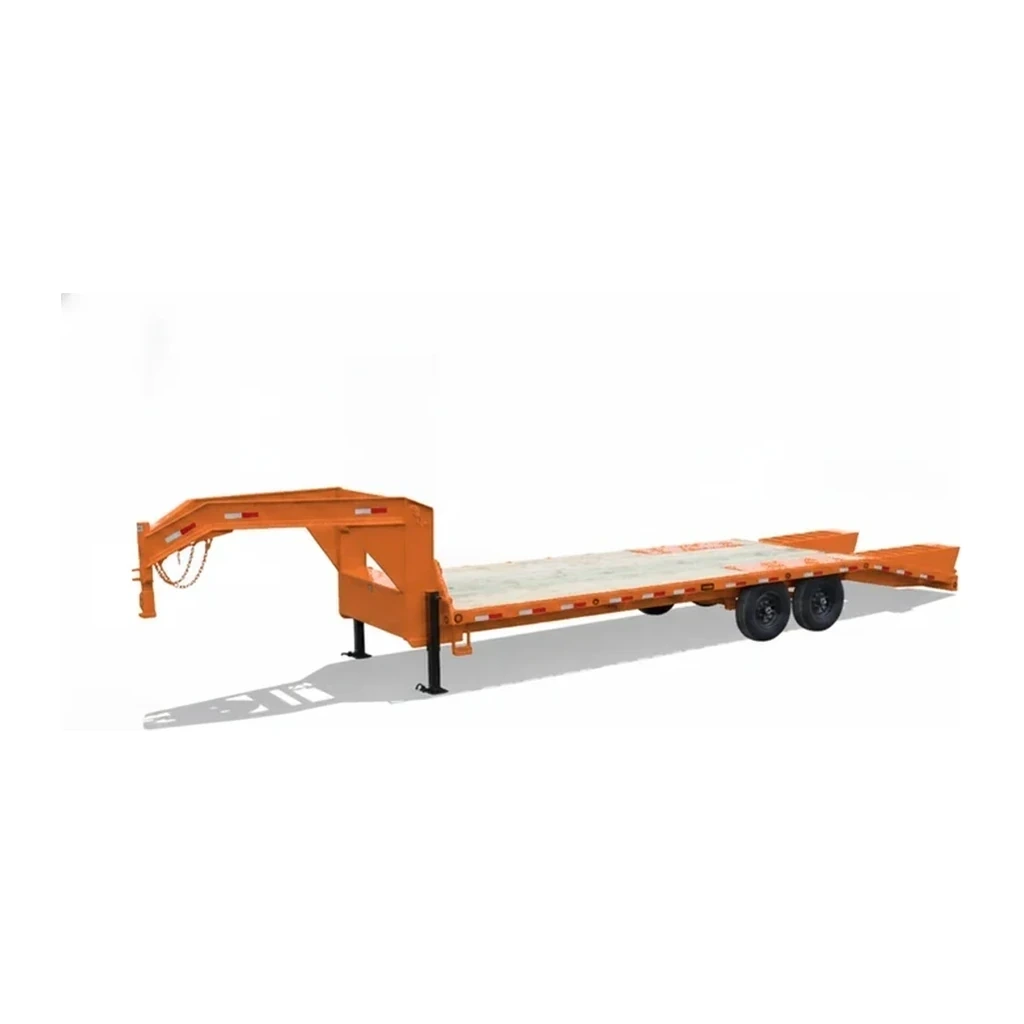
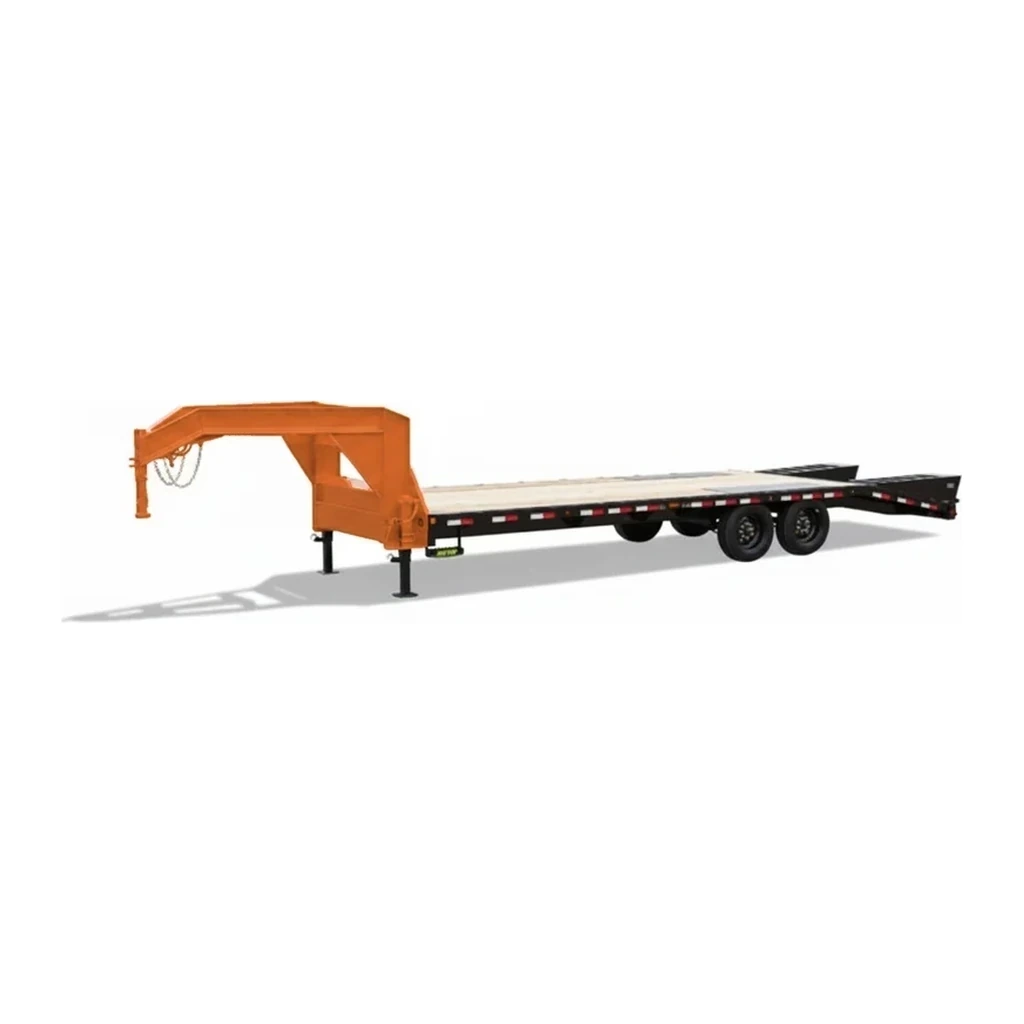
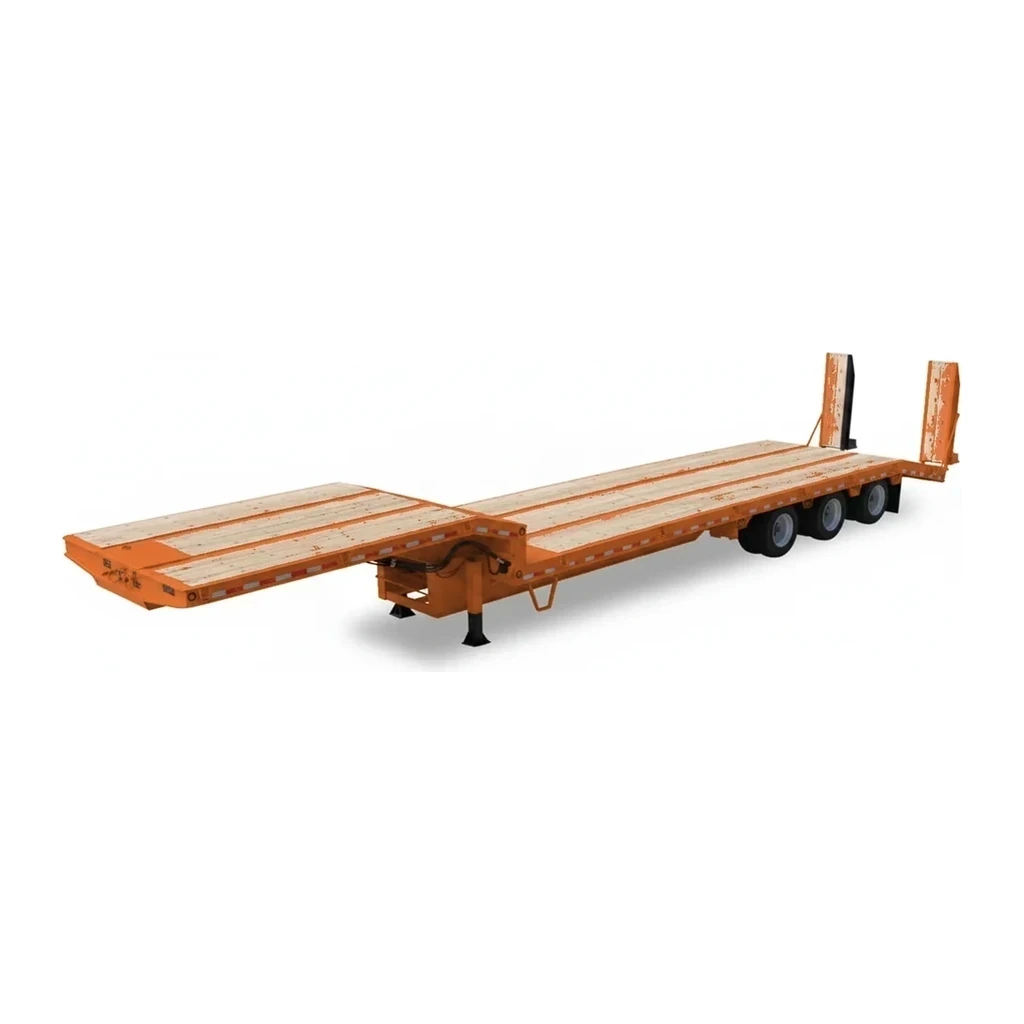
The 26,000+ lb Equipment Trailer class comprises lowboy and heavy-haul deck trailers designed for CDL-required commercial transport. These trailers demand commercial-grade tow vehicles and often require oversize/overweight permits. They represent the top rung of the equipment trailer ladder, stepping up from the 14,000-26,000 lb class when gross combination weight ratings exceed standard non-CDL limits.
Cat classes
Elija una clase de tamaño: la capacidad y el alcance varían en la gama.
Especificaciones clave
| Especificación | Rango típico | Qué significa |
|---|---|---|
| Load capacity | 11,900-60,300 kg (26,200-133,000 lb) | Measured deck load capacity; higher-rated models handle excavators, dozers, and other heavy machinery |
| GVWR threshold | 26,001+ lb | Gross Vehicle Weight Rating triggers CDL requirements in most jurisdictions |
| Deck configuration | Lowboy, tilt-deck, or gooseneck | Lower deck heights simplify loading tracked equipment and tall machinery |
Cómo elegir
This class is appropriate when gross combination weight, trailer plus load, exceeds 26,000 lb, requiring a CDL operator and commercial tow vehicle. Operators transporting excavators over 10 tons, wheel loaders, or multiple pieces of heavy equipment typically specify this range. For loads comfortably under 26,000 lb gross (including trailer weight), the 14,000-26,000 lb Equipment Trailer class avoids CDL requirements and permits simpler logistics. Within this 26,000+ lb class, deck height, axle count, and capacity spread from tag-along lowboys near the threshold to multi-axle heavy-haul configurations exceeding 60,000 kg capacity.
Lo que maneja este tamaño
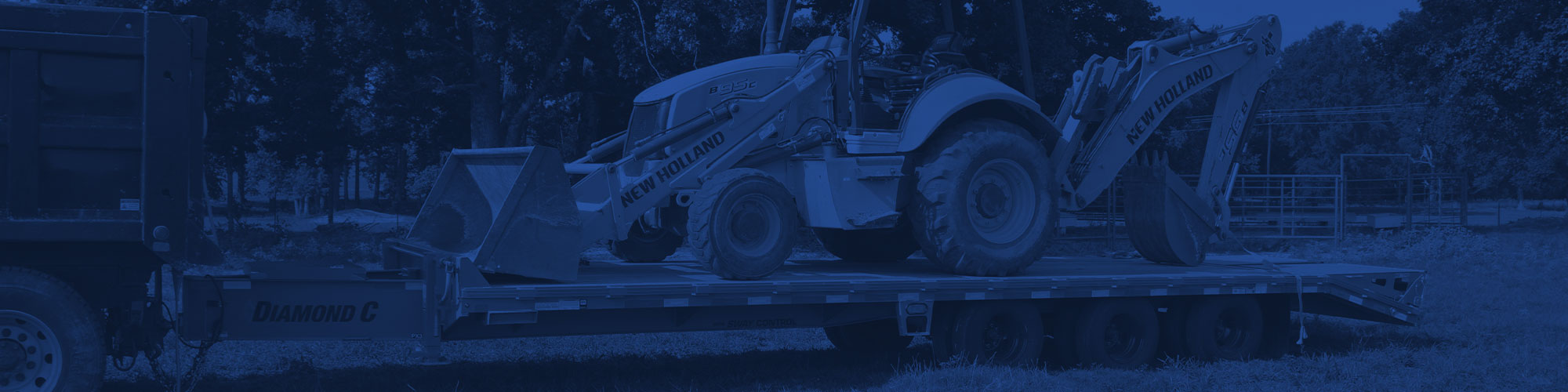
- Transporting 20-ton excavators between commercial construction sites
- Hauling wheel loaders or dozers for highway and infrastructure projects
- Moving multiple skid steers or compact equipment on a single heavy-capacity deck
- Delivering industrial compaction equipment to landfill or grading operations
- Relocating farm tractors and large agricultural implements across state lines
Seguridad y operación
- CDL-certified operators required; pre-trip inspections must verify brake function, hitch security, and tire condition per FMCSA regulations
- Load securement follows FMCSA standards: chains, binders, and tie-downs rated for the cargo weight with specified working load limits
- Oversize/overweight permits dictate travel hours, route restrictions, and escort requirements in many states
- Deck height and center of gravity critical during loading; tracked equipment should be centered and chained at multiple points
Transporte y logística
- Requires commercial tow vehicle rated for the gross combination weight: typically heavy-duty pickup (Class 3-5) or semi-tractor
- CDL mandatory in most jurisdictions due to GVWR exceeding 26,000 lb; oversize/overweight permits often required depending on load dimensions and axle spacing
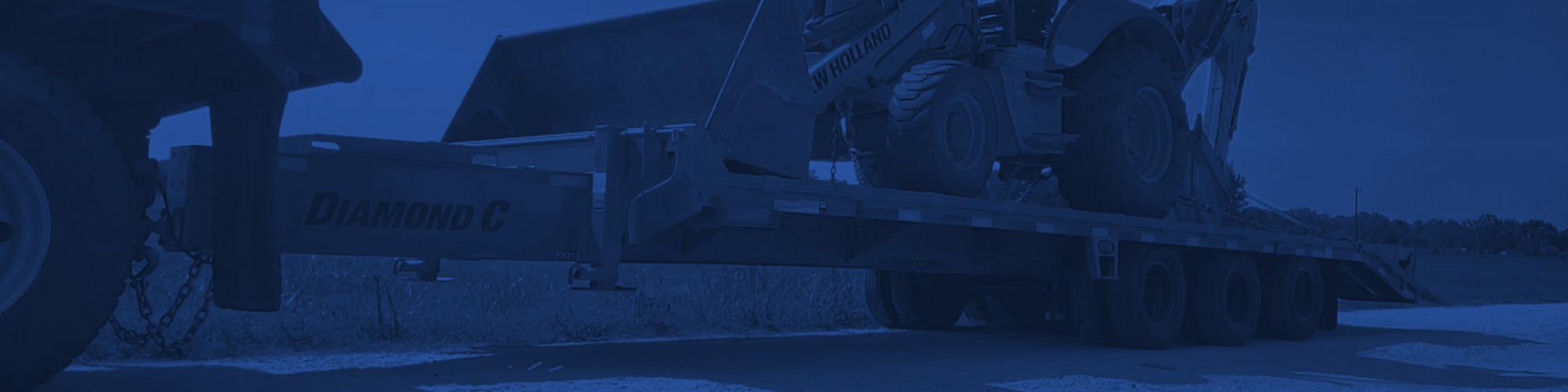
- Gooseneck or pintle hitch configurations common; tilt or hydraulic dovetails simplify loading tracked equipment
Alimentación
- Trailer lighting and brakes powered by 7-pin or commercial breakaway systems on the tow vehicle
- Electric-over-hydraulic brakes standard on heavier models; some units include hydraulic power units for tilt-deck operation
- No auxiliary power required for the trailer itself; transported equipment may need separate fuel or battery maintenance
Preguntas frecuentes
What distinguishes this class from the 14,000-26,000 lb range?
Are permits always required for this trailer class?
What tow vehicle is necessary for the upper end of this capacity range?
Equipos relacionados
Explorar por fabricante
Fuentes
Cada especificación se verifica con los datos publicados por el fabricante, con la fuente enlazada como referencia.
26,000+ lb Equipment Trailer
25 modelos · Cada especificación citada a la fuente