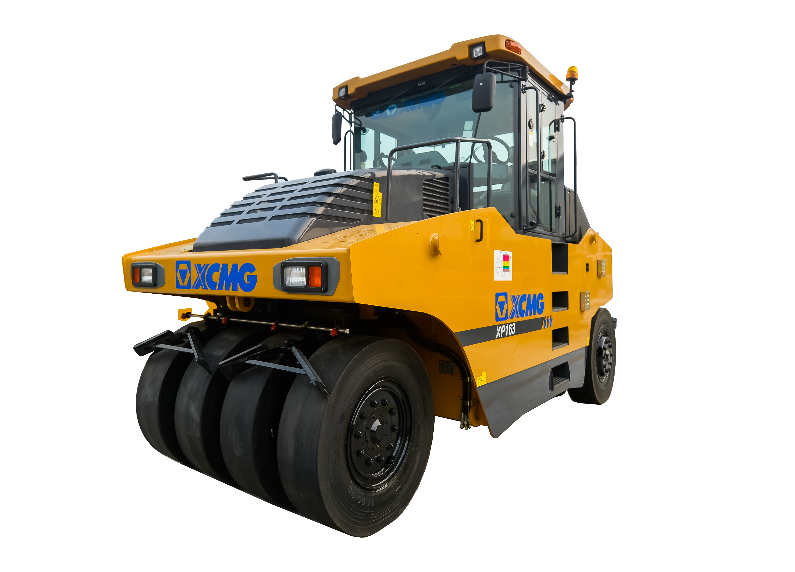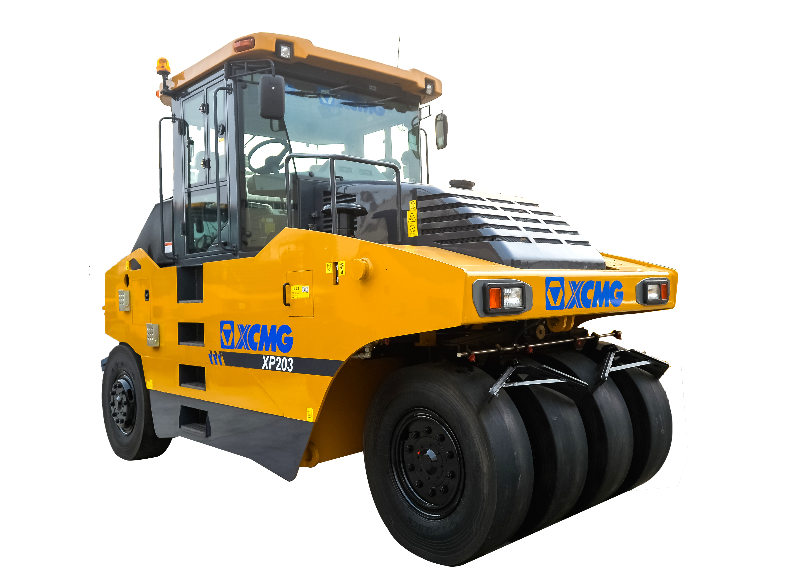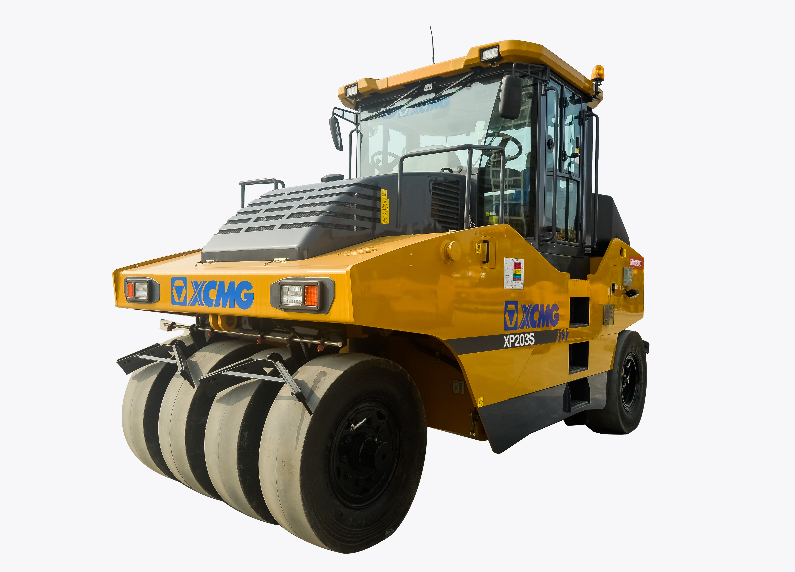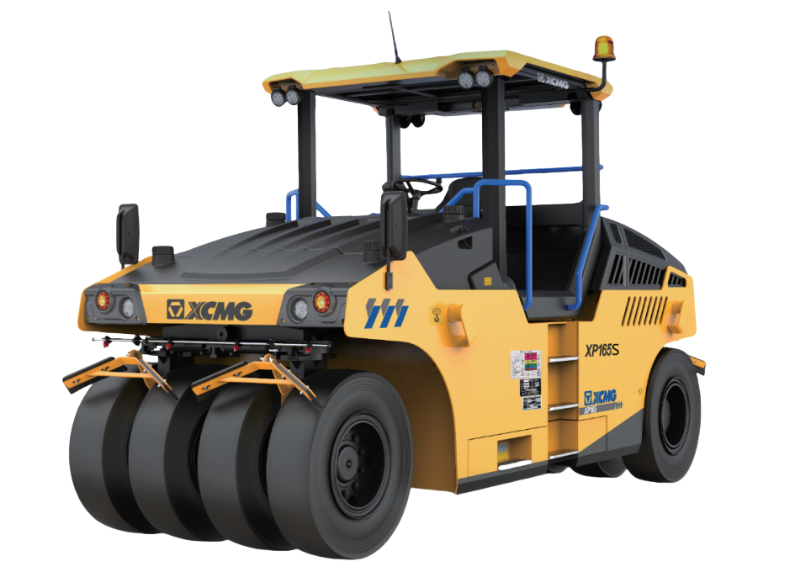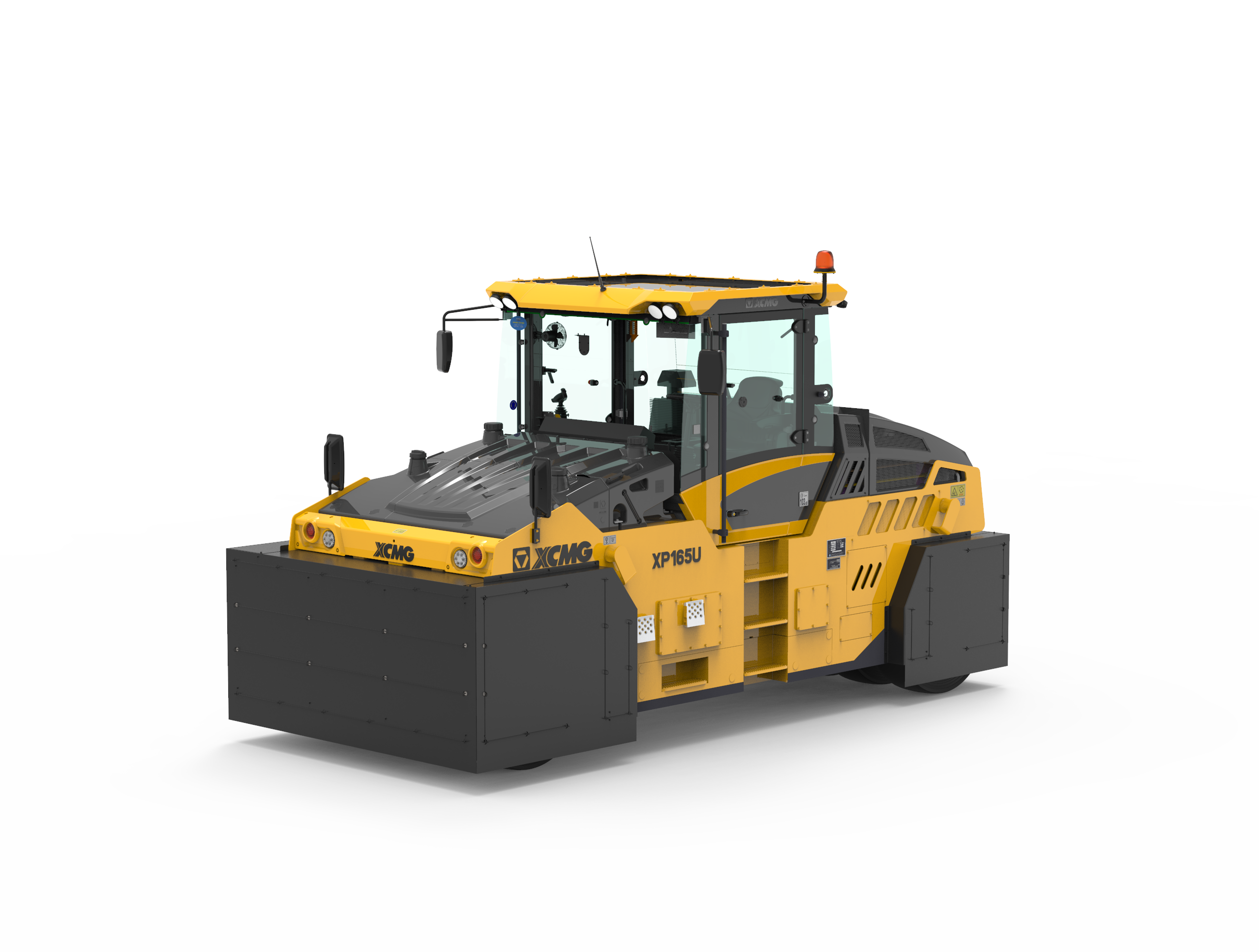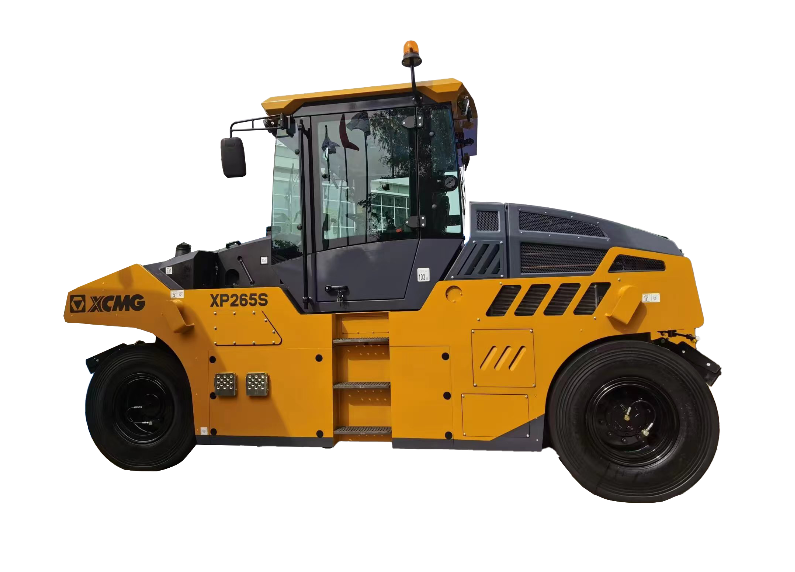

Smooth Drum Soil Compactor
A smooth drum soil compactor is a ride-on vibratory roller featuring one or more smooth steel drums designed to compact granular soils, subgrade, and base course materials. These machines use a combination of static weight and high-frequency vibration to densify fill, foundation layers, and roadway embankments on construction sites.
Cat classes
Choisissez une classe de taille — la capacité et la portée varient selon la gamme.
Fonctionnement
The compactor applies dynamic force through a steel drum equipped with eccentric weights that rotate at high speed, generating vertical vibrations typically between 29 and 70 Hz. This vibration, combined with the machine's static weight (ranging from approximately 2,500 to 38,000 kg), breaks particle-to-particle bonds in granular material and allows soil particles to settle into a denser configuration. Operators control vibration amplitude (typically 0.3 to 1.8 mm) and travel speed (generally 3 to 12 mph) to match soil type and lift thickness. Water systems with capacities from 35 to 530 gallons spray the drum surface to prevent asphalt pickup and aid in soil moisture management during compaction passes.
Types et variantes
- Single Drum Vibratory
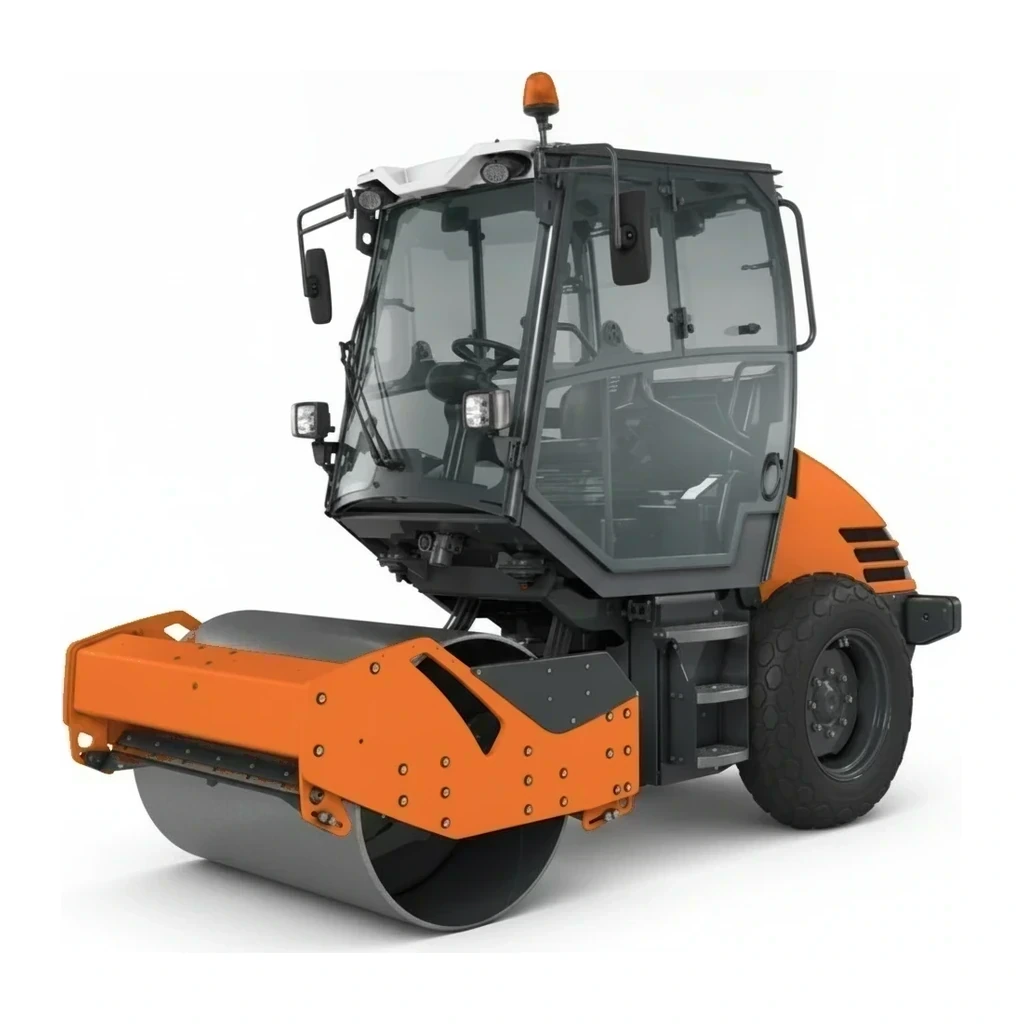
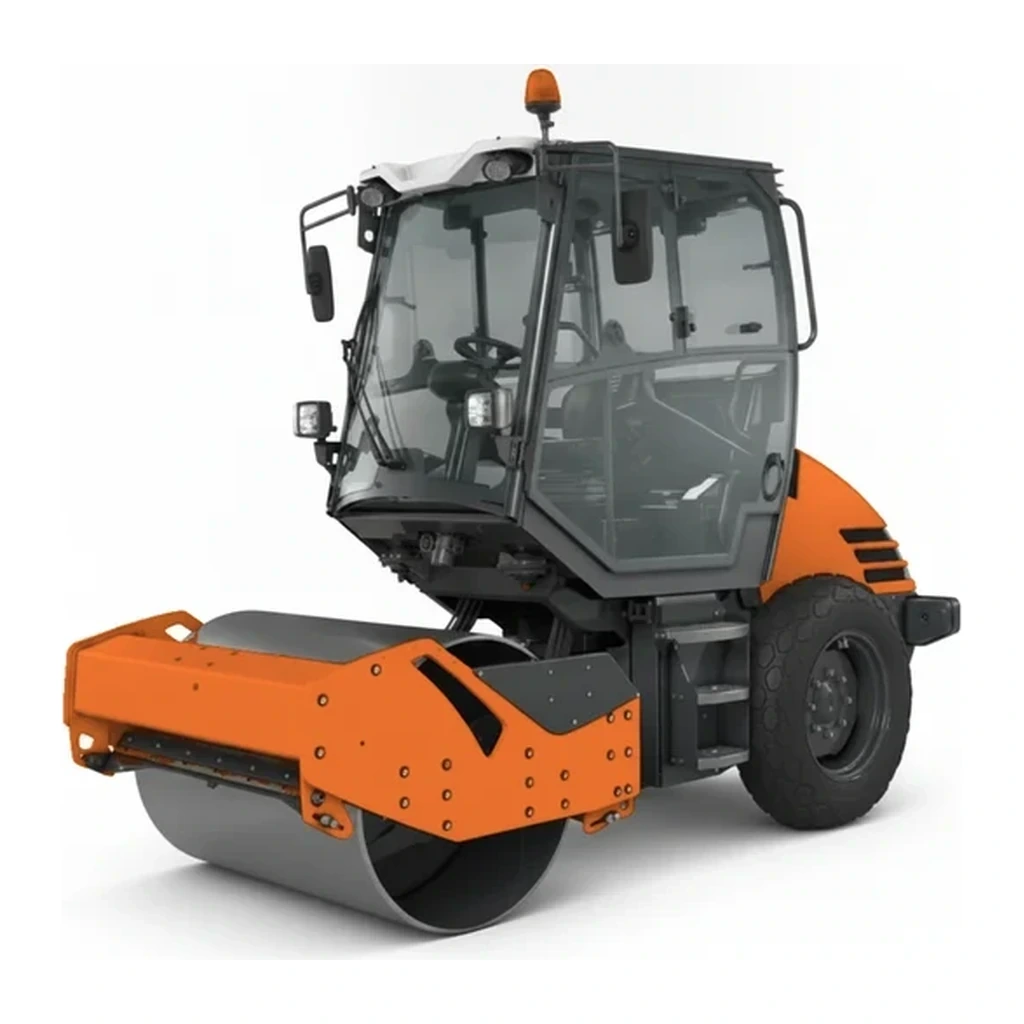
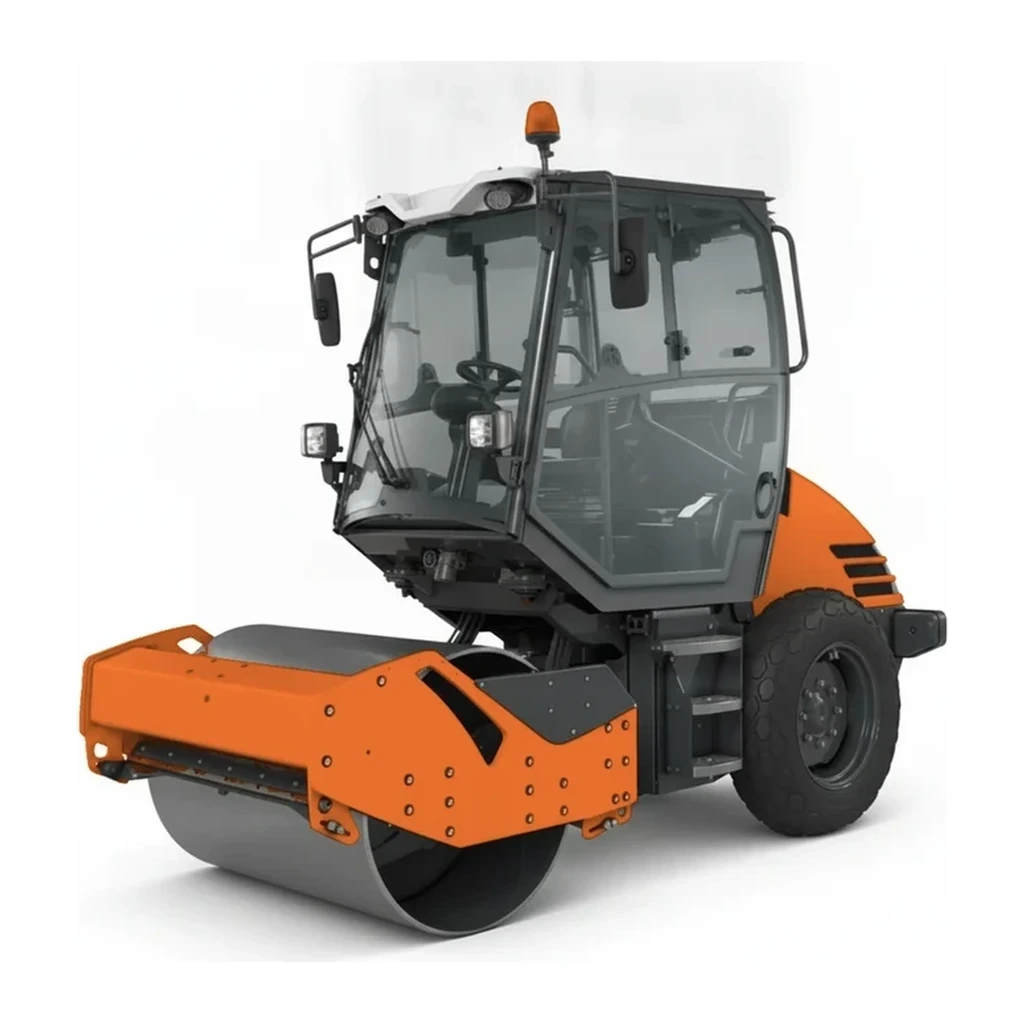
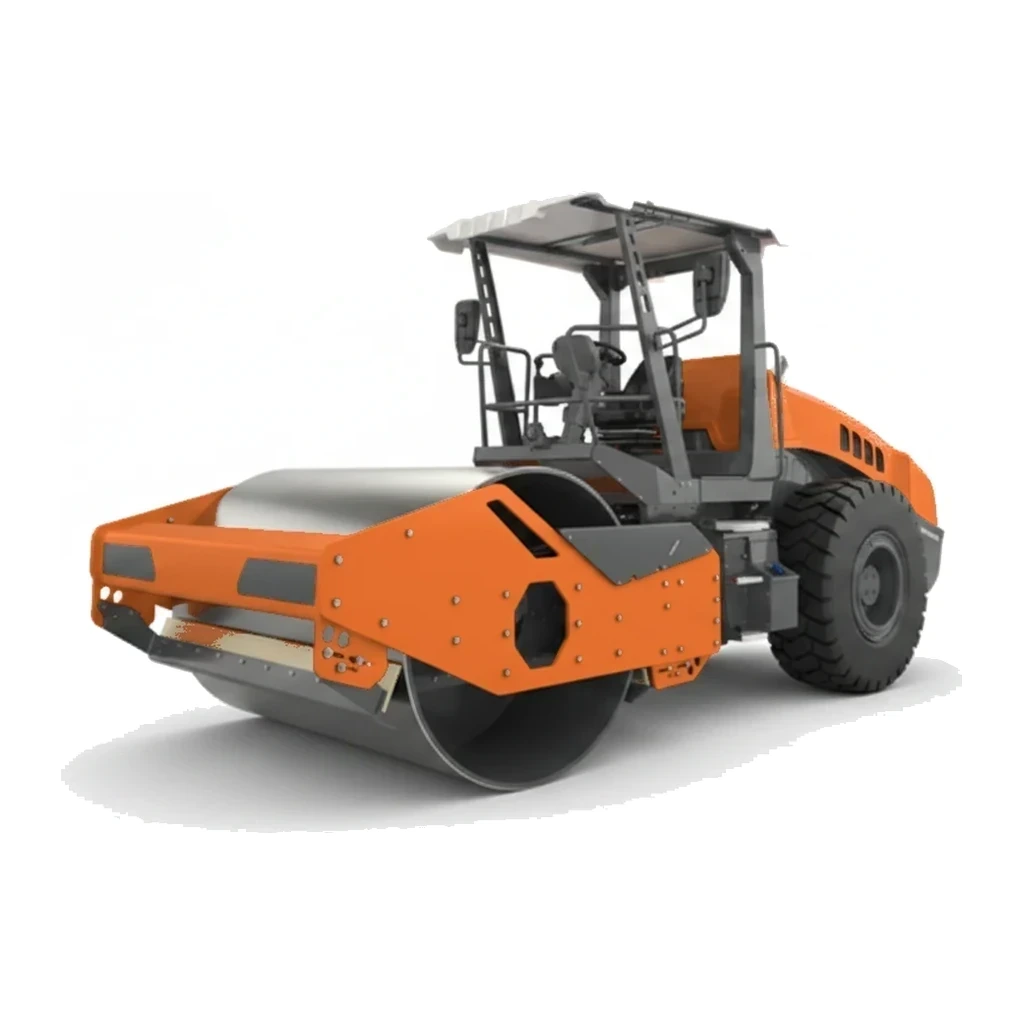
- Most common configuration with one vibratory steel drum at front and pneumatic tires at rear, offering excellent traction and maneuverability for soil work
- Tandem Smooth Drum
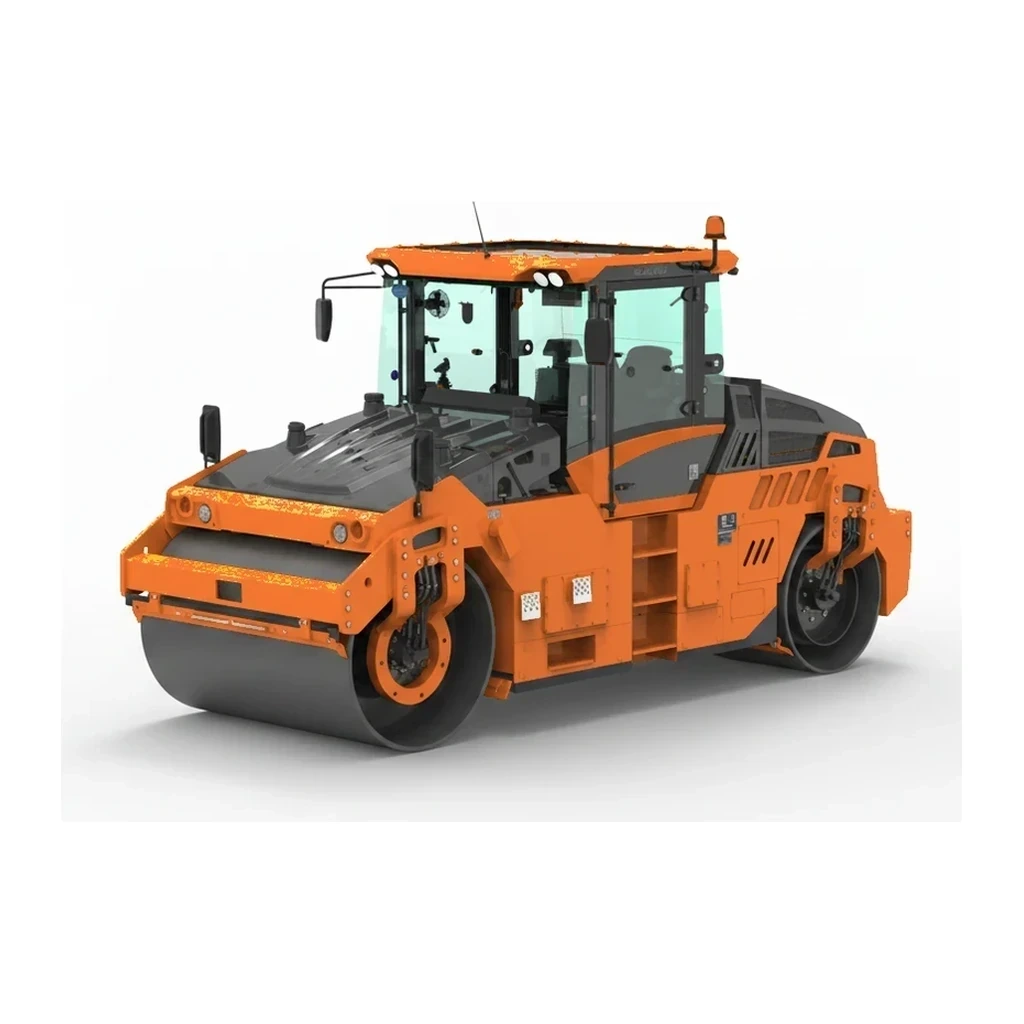
- Two smooth steel drums (front and rear) primarily used for asphalt but occasionally deployed on very smooth subgrade applications requiring minimal tire tracking
- Padfoot/Smooth Convertible
- Machines equipped with removable padfoot shells that convert between aggressive cohesive soil compaction and smooth drum finishing passes
- High-Amplitude Models
- Heavy production units with amplitude settings up to 1.8 mm for deep lift compaction of granular fills and highway embankments
- Compact Soil Rollers
- Smaller units under 13,200 lb designed for trench work, residential pads, and confined site areas where full-size rollers cannot operate
Spécifications clés
| Spécification | Plage typique | Signification |
|---|---|---|
| Operating Weight | 11,000–26,500 lb (5,000–12,000 kg) | Primary sizing metric; heavier machines deliver greater static linear load for thick lift and deep compaction |
| Drum Width | 54–84 in (1,370–2,130 mm) | Determines productivity and application fit; wider drums cover more area but require adequate working space |
| Centrifugal Force | 72–3,400 lb (320–15,120 N) | Dynamic compaction force generated by eccentric weights; higher values suit cohesive soils and deep lifts |
| Vibration Frequency | 29–70 Hz | Drum oscillation rate; higher frequencies suit thin lifts and finishing, lower frequencies penetrate deeper layers |
| Engine Power | 48–174 hp | Diesel engine output for hydraulics, vibration, and propulsion; scales with machine weight and drum width |
| Static Linear Load | 13–53 lb/in | Weight per inch of drum width; critical specification for achieving target soil density at specified lift thickness |
Comment l'industrie le dimensionne
The industry sizes smooth drum soil compactors primarily by drum width (measured in inches) and operating weight class. Standard weight classes include 11,000–13,200 lb units for trench and small pad work, 15,400–17,600 lb machines for general subdivision and site development, and 22,000–26,500 lb production rollers for roadway subgrade. Machines under 54-inch drum width handle confined areas and utility trenches, 54–70-inch models serve as general-purpose site rollers, 70–84-inch units provide production capacity for large sites and road construction, and machines above 84 inches specialize in mass earthwork and highway embankments. Selection depends on required static linear load, lift thickness, soil type, and site access constraints.
Applications
- Subgrade and base course compaction for roadways, highways, and airfield pavements
- Building pad and foundation preparation on commercial and residential developments
- Parking lot and subdivision street base layer densification
- Trench backfill compaction for utility installations and underground infrastructure
- Earthwork embankment and fill placement on site grading projects
- Granular material compaction in aggregate production and stockpile yards
Sécurité et opération
- ROPS/FOPS protection required on all modern units; operators must use seatbelts when the machine is equipped with an enclosed or framed cab
- Visibility limitations around the drum and rear require spotters or cameras when working near personnel, trenches, or excavation edges
- Vibration exposure can cause hand-arm and whole-body vibration injuries; equipment maintenance and operator rotation minimize health risks
- Grade stability assessment necessary before operation; machines can tip on slopes exceeding the manufacturer's rated gradeability (typically 30–60%)
- Water and fuel systems require daily inspection for leaks; diesel fuel capacities ranging to 250 gallons present fire hazards if not properly maintained
Normes et certifications
- OSHA · 29 CFR 1926.602
- Requires rollover protective structures (ROPS) and operator training for earthmoving equipment including compactors
- SAE · J1025
- Establishes test procedures and performance criteria for measuring soil compactor vibration and compaction effectiveness
- ANSI · B6.4
- Safety standard for compaction equipment covering guarding, controls, ROPS, and operational requirements
- EPA · Tier 4
- Emission standards governing diesel engines; machines manufactured after 2015 typically meet Tier 4 Final requirements
Questions fréquentes
What is the difference between smooth drum and padfoot rollers?
How is operating weight different from centrifugal force?
What determines the appropriate lift thickness for compaction?
Why do smooth drum compactors have pneumatic rear tires instead of a second drum?
Comparer les modèles populaires
Chercher par spécification →Normalisé aux mêmes unités. Un tiret signifie que la valeur n'a pas été publiée.
| Modèle | Poids en service | Puissance moteur |
|---|---|---|
| Dynapac CA250 | - | 110 hp |
| Dynapac CA250-II | - | 105 hp |
| Dynapac CA252D | 22,156 lb (10,050 kg) | 125 hp |
| Dynapac CA302D | 27,778 lb (12,600 kg) | 125 hp |
| Dynapac CA255 | - | 105 hp |
| Ammann ARW 65-S | 1,790 lb (812 kg) | 9 hp |
Équipements connexes
Parcourir par fabricant
Sources
Chaque spécification est vérifiée par rapport aux données publiées par le fabricant, avec la source liée pour référence.
Tous les modèles
343 modèles · Page 5 sur 8 · Chaque spécification citée à la source