

6+ ton Rigging Sling
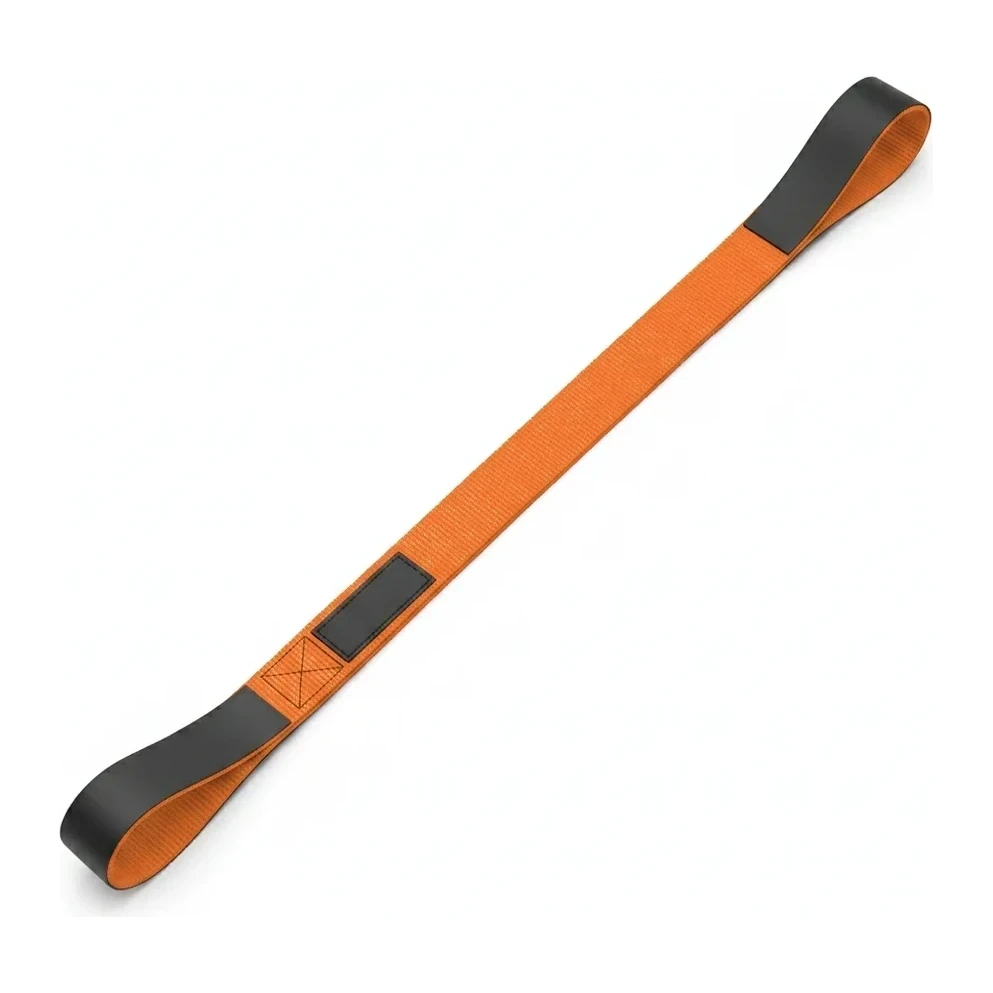
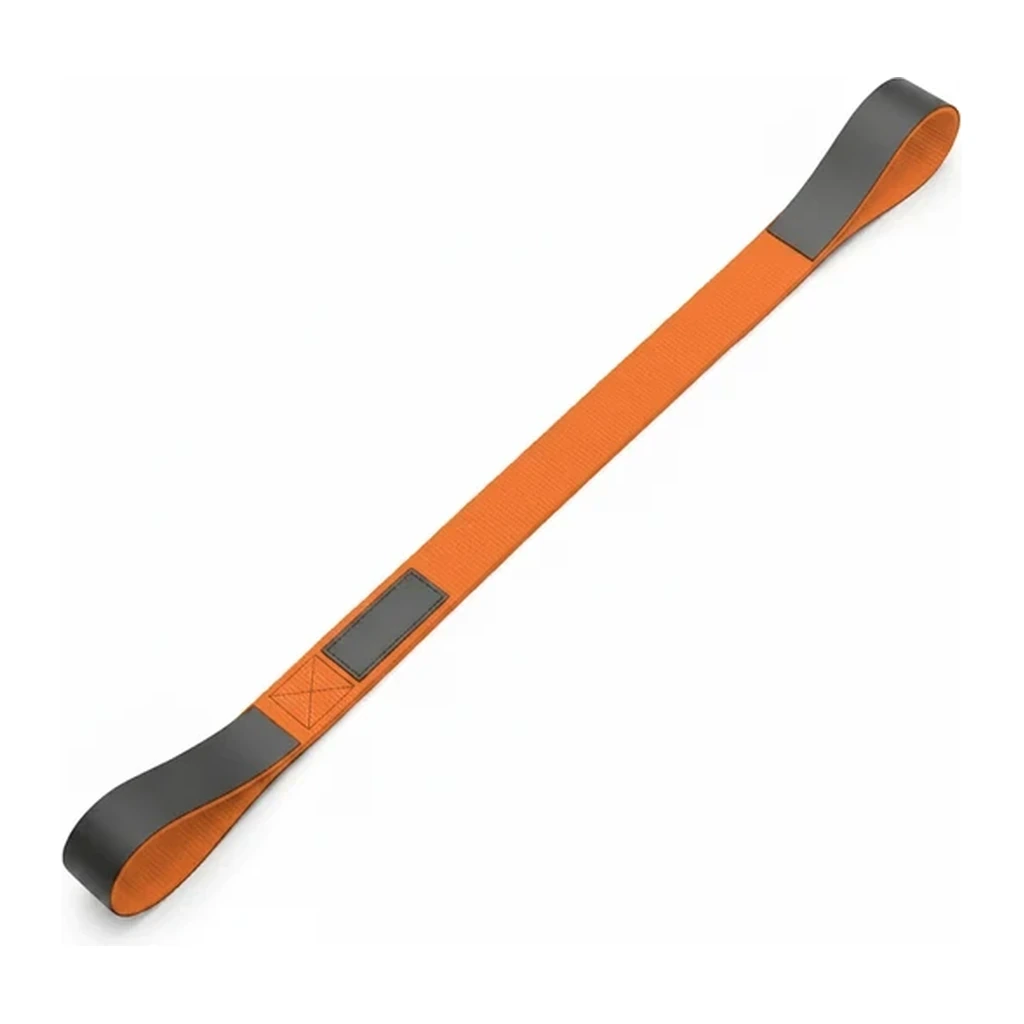
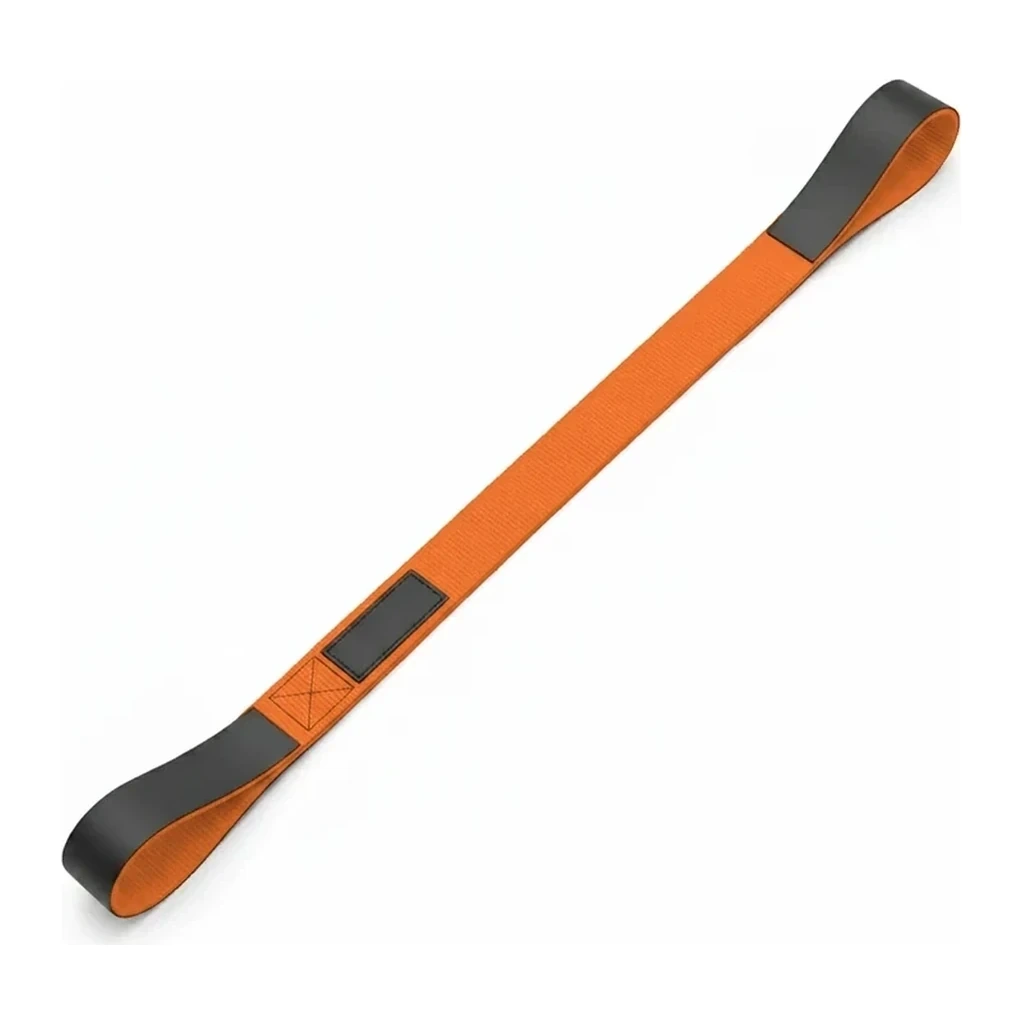
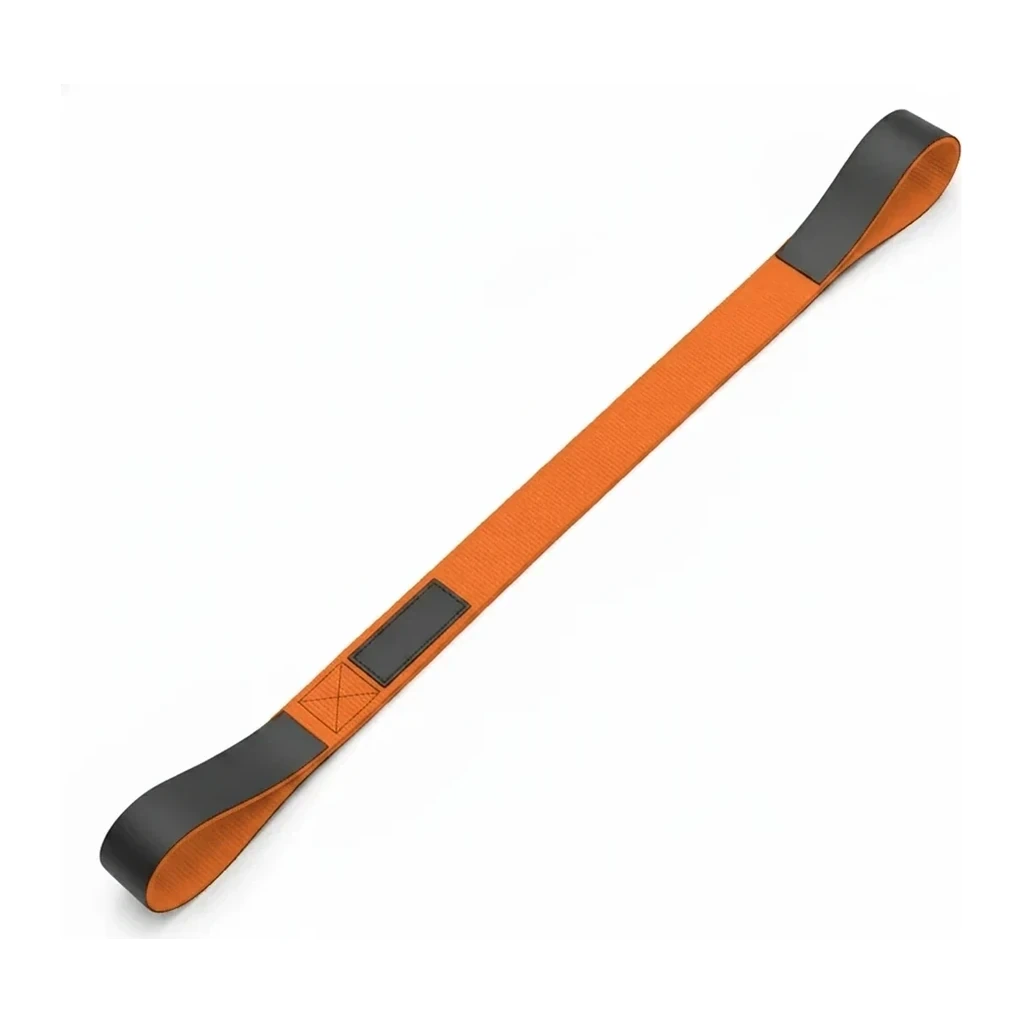
The 6+ ton rigging sling class comprises heavy-duty synthetic and wire rope slings engineered for crane picks involving structural steel, pressure vessels, and heavy machinery. With lifting capacities ranging from 6.0 to 21.6 tonnes, this top-tier band handles the most demanding industrial rigging applications. Below this band, 2-6 ton slings serve general construction and equipment handling.
Cat classes
Choisissez une classe de taille : la capacité et la portée varient selon la gamme.
Spécifications clés
| Spécification | Plage typique | Signification |
|---|---|---|
| Lifting capacity | 13,228–47,620 lb (6–21.6 t) | Maximum rated load in vertical hitch configuration; capacity reduces in basket and choker hitches per rigging geometry |
| Load capacity | 13,228–47,620 lb (6,000–21,600 kg) | Working load limit expressed in kilograms; identical capacity expressed in metric units |
| Hitch configurations | Vertical, choker, basket | Common rigging arrangements; each hitch type applies a different de-rating factor to the vertical capacity |
Comment choisir
This band is appropriate for crane picks involving structural steel beams, process vessels, generators, transformers, and other machinery exceeding 6 tonnes. Rigging plans for heavy industrial assembly, plant shutdowns, and infrastructure projects typically specify slings in this capacity range. For general construction equipment, steel bundles under 6 tonnes, and standard machinery moves, the 2-6 ton band offers sufficient capacity with easier handling. Load weight, hitch geometry, and D:d ratio (load diameter to sling diameter) all factor into selecting the correct sling from this class; engineered rigging plans often call for multiple slings in tandem to distribute loads safely.
Ce que cette taille peut gérer
- Lifting prefabricated bridge girders onto abutments during highway construction
- Rigging process vessels and heat exchangers in petrochemical plant turnarounds
- Setting large generators and transformers in substation and power plant installations
- Hoisting structural steel columns and trusses for high-rise and industrial buildings
- Moving injection molding machines and heavy CNC equipment during plant relocations
- Handling railway locomotives and rolling stock components in maintenance facilities
Sécurité et opération
- Inspect slings before each use for cuts, abrasion, heat damage, and worn or broken yarns in synthetic slings or broken wires in wire rope
- Never exceed the sling's working load limit; apply appropriate de-rating factors for choker (typically 75%) and basket (varies by angle) hitches
- Protect slings from sharp edges using corner protectors or softeners to prevent localized stress and premature failure
- Remove damaged slings from service immediately and follow manufacturer retirement criteria and ASME B30.9 standards for rigging hardware
Transport et logistique
- Heavy-capacity slings transport coiled or bagged in pickup beds, service vans, or rigging trucks alongside shackles and spreader beams
- Wire rope slings in this class may weigh 50-150 kg per sling depending on length and diameter; handled manually or with hoists during staging
- Rigging packages for large crane picks often arrive on flatbed trailers with multiple slings, blocks, and below-the-hook gear
Alimentation
- Rigging slings are passive lifting devices requiring no electrical power or fuel
- Crane or hoist providing the lifting force typically operates on diesel, hydraulic, or three-phase electric power
- On-site power needs are determined by the prime mover (crane, gantry, or winch) rather than the sling itself
Questions fréquentes
How does hitch configuration affect the working load limit of a 6+ ton sling?
What is the difference between synthetic and wire rope slings in this capacity class?
When are multiple slings required instead of a single high-capacity sling?
Comparer les modèles populaires
Chercher par spécification →Normalisé aux mêmes unités. Un tiret signifie que la valeur n'a pas été publiée.
| Modèle | Capacité de charge | Hauteur de levage | Puissance moteur |
|---|---|---|---|
| Lift-All Webmaster 1600 Polyester Web Sling: Type 3 Eye/Eye 2-Ply 6" | - | - | - |
| Lift-All Wide-Lift Continuous Eye Sling: 1-Ply 8" | 20,399 lb (9,253 kg) | - | - |
| Lift-All Tuflex Endless Roundsling EN150 | - | - | - |
| Lift-All Tuflex Eye & Eye Roundsling EE360 | - | - | - |
| Lift-All LiftAlloy Grade 100 Double Chain Sling: 1/2" | - | - | - |
| Lift-All LiftAlloy Grade 80 Single Chain Sling: 1" | - | - | - |
Équipements connexes
Parcourir par fabricant
Sources
Chaque spécification est vérifiée par rapport aux données publiées par le fabricant, avec la source liée pour référence.
6+ ton Rigging Sling
6 modèles · Chaque spécification citée à la source