

7-10 in Brush Chipper
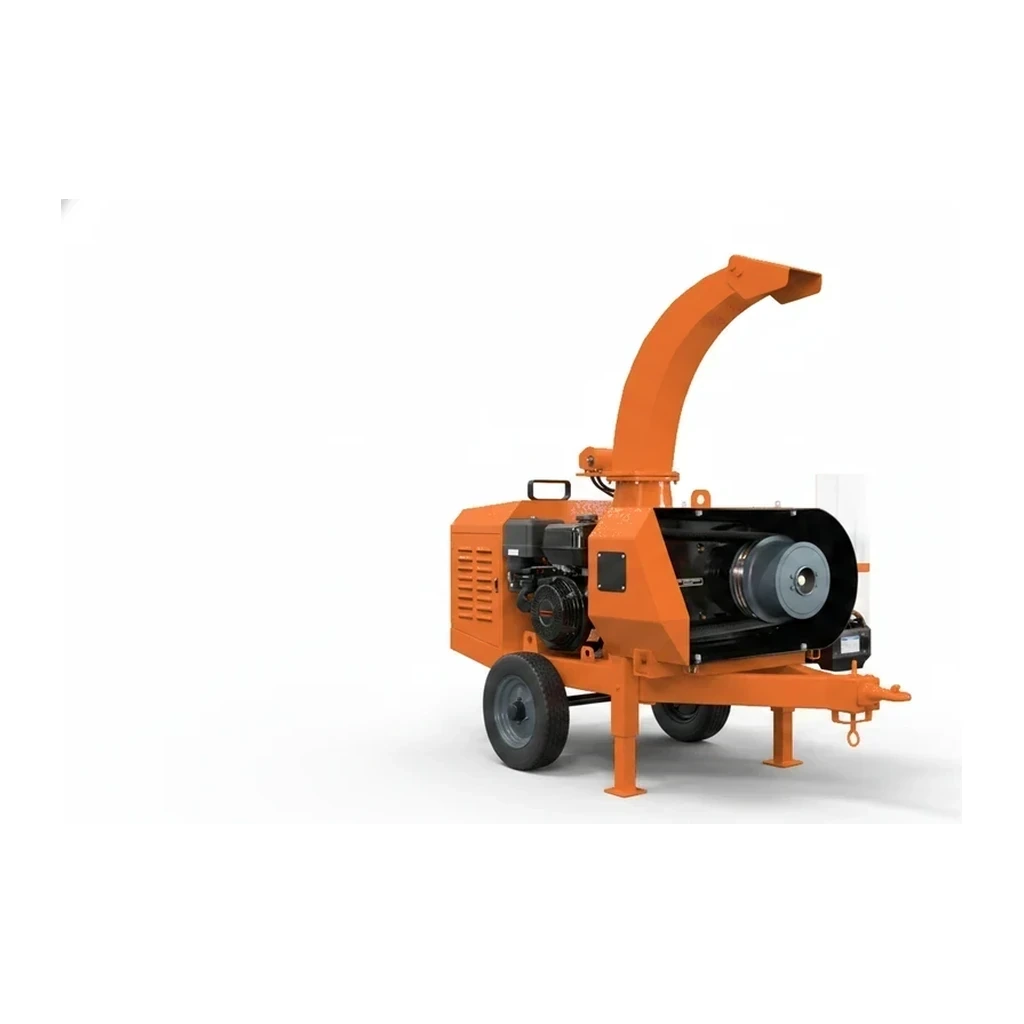
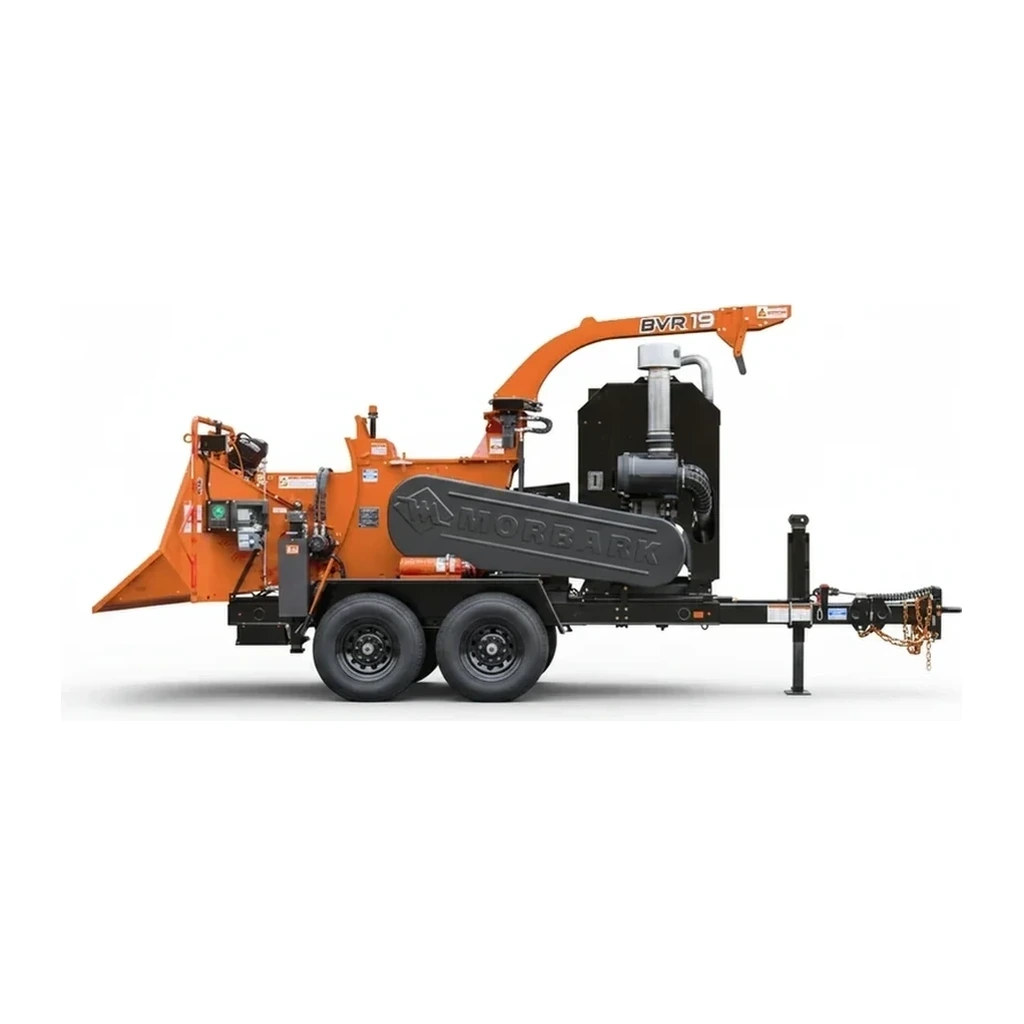
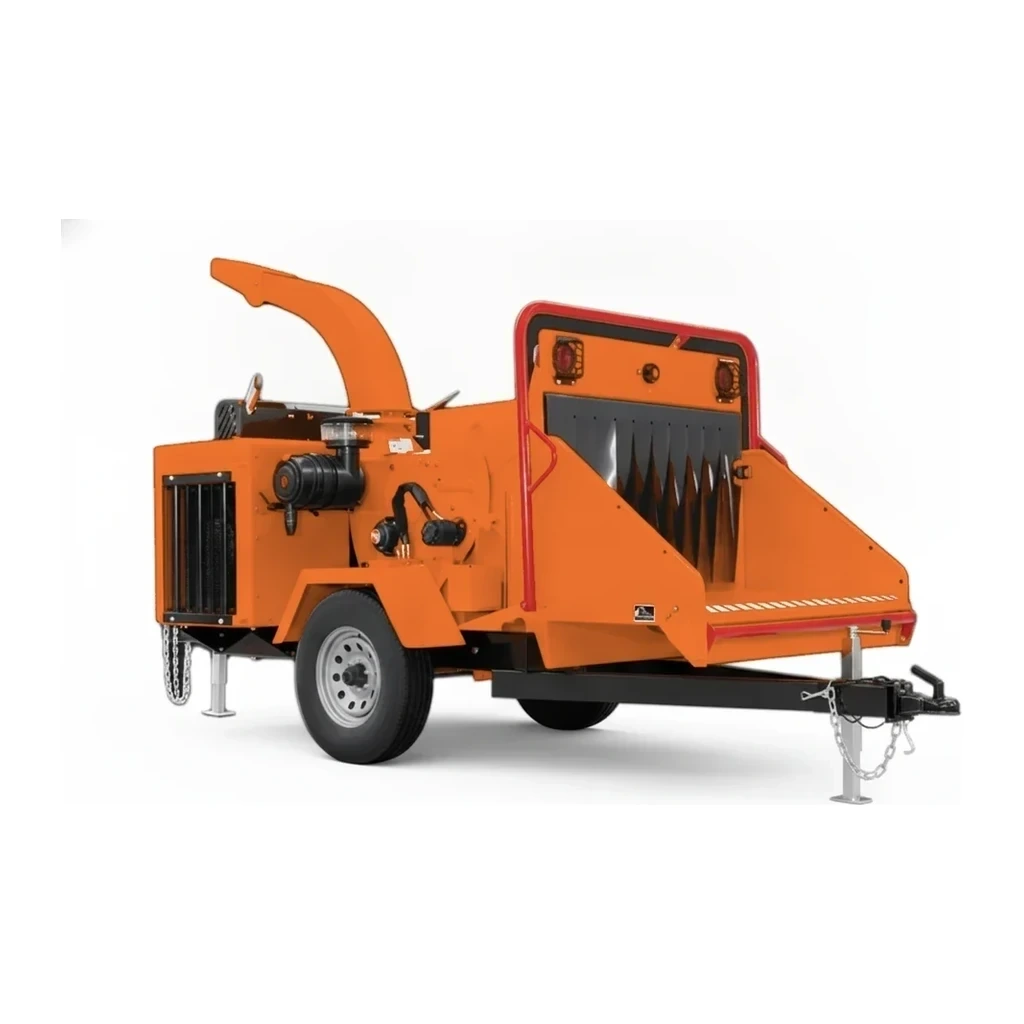
The 7-10 in brush chipper is the tree-service workhorse for residential pruning and removal operations, accepting branch diameters up to 9 inches. This size class sits in the mid-range of the brush chipper ladder, above compact sub-7 in units and below production-scale 10-13 in machines. Built around 37-57 hp engines, these chippers balance throughput with trailer-towable portability.
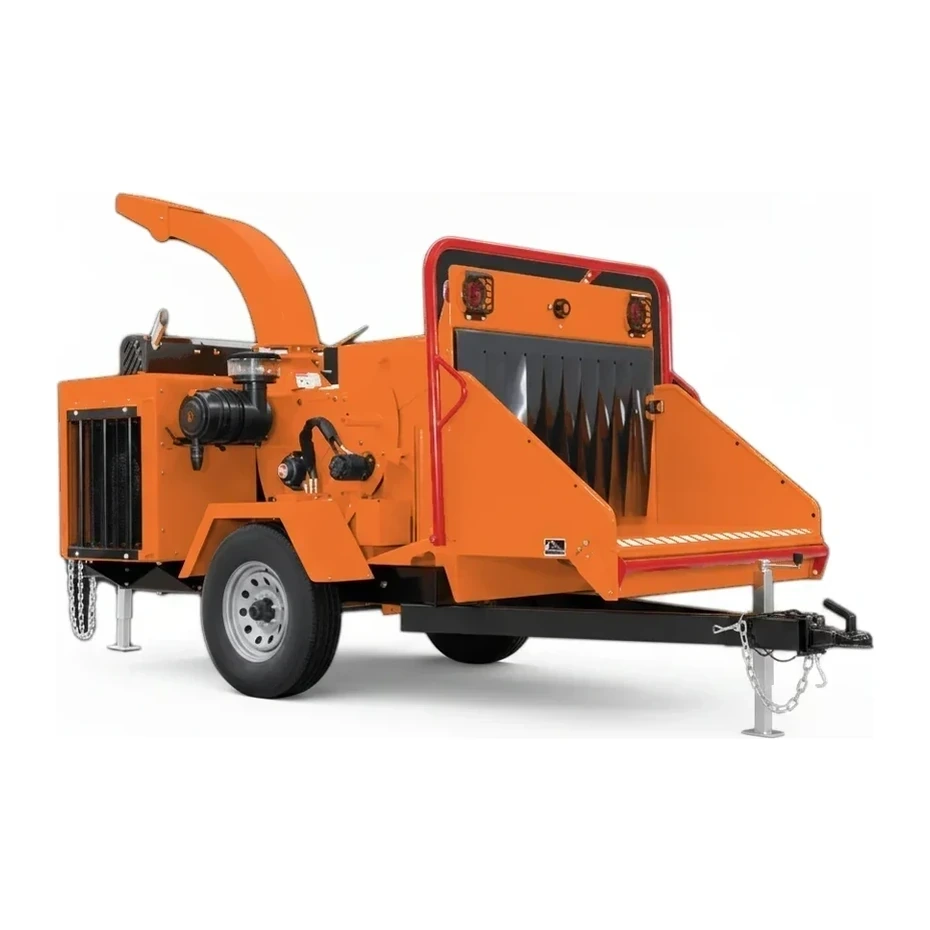
Cat classes
Choisissez une classe de taille : la capacité et la portée varient selon la gamme.
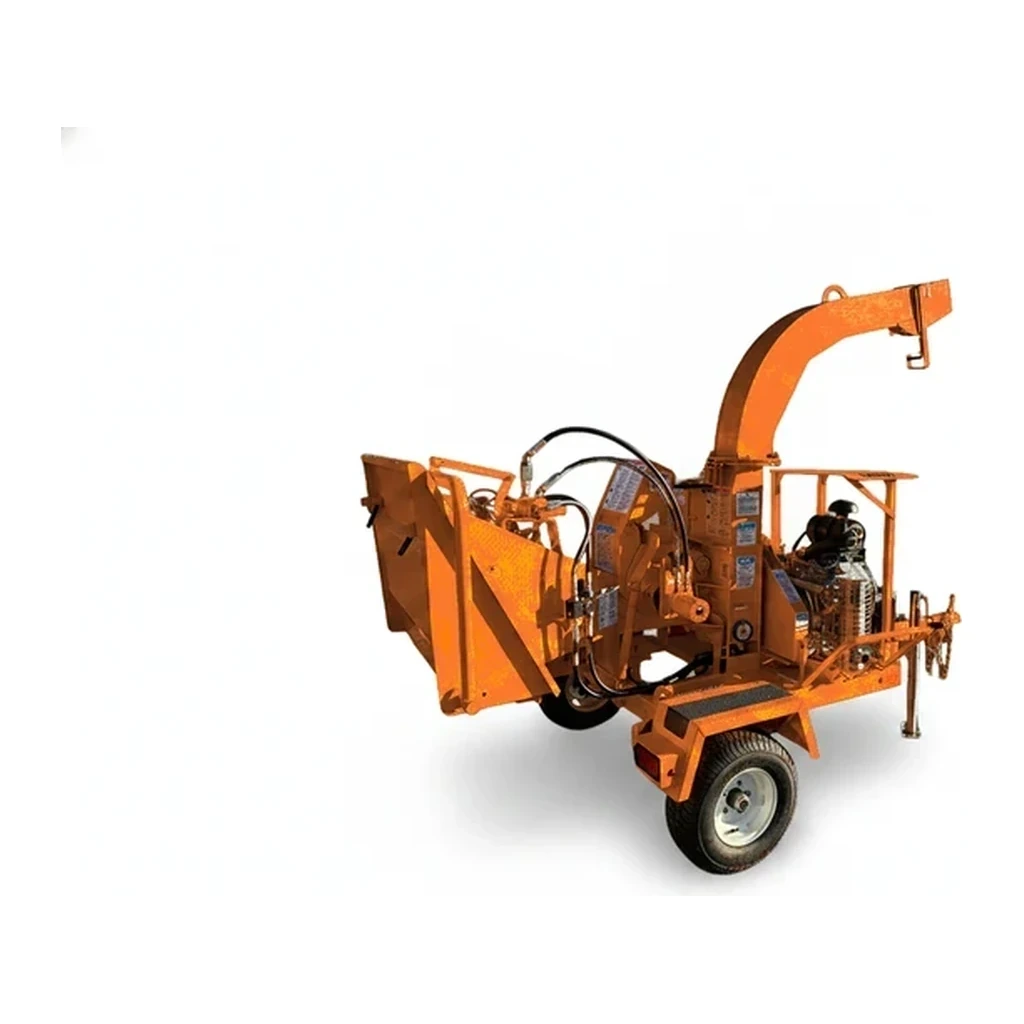
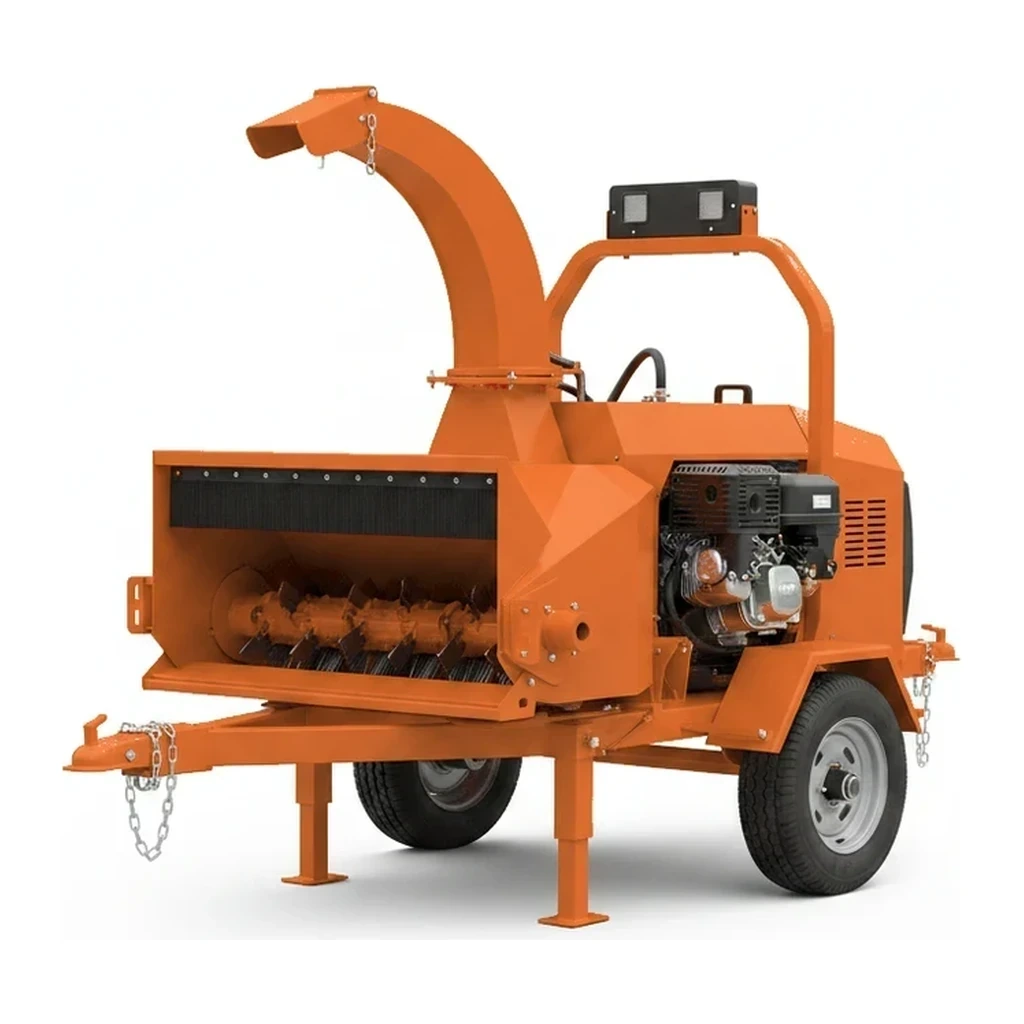
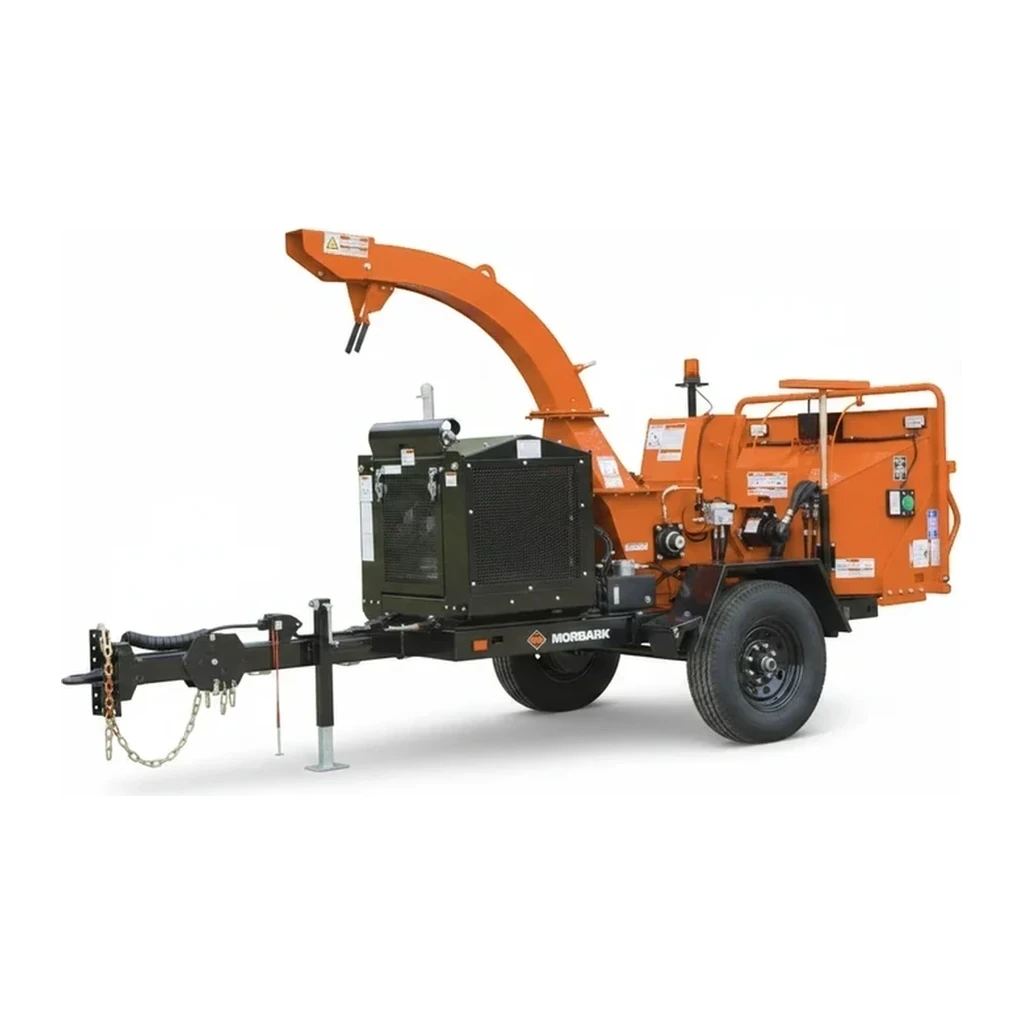
Spécifications clés
| Spécification | Plage typique | Signification |
|---|---|---|
| Chipping capacity | 7–9 in (17.8–22.9 cm) | Maximum branch diameter the chipper accepts; 9 in handles typical residential tree limbs. |
| Engine power | 37-57 hp | Diesel or gas engines sized to process hardwood and softwood at steady feed rates. |
| Operating weight | 2,094–3,968 lb (950–1,800 kg) | Total mass determines trailer requirements and site mobility; most units remain under one ton. |
Comment choisir
The 7-10 in class is the appropriate choice for residential tree services processing branches from pruning, crown thinning, and single-tree removals where the majority of material falls under 9 inches. When jobsite material regularly exceeds 9 in diameter, such as multi-tree removals or mature hardwood takedowns, the 10-13 in Brush Chipper delivers better throughput and less frequent jamming. Conversely, crews handling ornamental prunings, shrub clearance, or access-restricted sites where weight and footprint matter often find the Up to 7 in Brush Chipper more maneuverable and sufficient.
Ce que cette taille peut gérer
- Residential oak and maple pruning yielding 4-9 in limbs
- Single-tree removals in suburban yards with standard truck access
- Storm cleanup of downed branches and canopy debris under 9 in
- Municipal park maintenance processing mixed hardwood and softwood trimmings
- Utility line clearance where most cuts fall in the 5-8 in range
- Landscape contractor clean-up of ornamental tree removals
Sécurité et opération
- Feed chutes and control bars meet ANSI Z133 and OSHA standards for chipper operations
- Operating weight and chip discharge velocity require stable positioning on level ground
- Chipping hardwood at capacity generates significant noise; hearing protection is standard practice
- Auto-feed reversing mechanisms help clear jams without manual intervention in the chute
Transport et logistique
- Towed behind standard pickup trucks or service bodies using ball or pintle hitches
- Operating weights of 950-1,800 kg keep most models within light-duty trailer limits
- Road-towable at highway speeds; many units feature integrated lighting and DOT-compliant brakes
Alimentation
- Self-powered by onboard diesel or gasoline engines; no external electrical supply required
- Fuel tanks typically support half- to full-day operation between refills
- Hydraulic or belt-driven feed systems draw power from the same engine running the chipper drum
Questions fréquentes
What differentiates a 7 in chipper from a 9 in chipper in this class?
Can this size class process whole trees or only pruned branches?
Which brands dominate the 7-10 in segment?
Comparer les modèles populaires
Chercher par spécification →Normalisé aux mêmes unités. Un tiret signifie que la valeur n'a pas été publiée.
| Modèle | Puissance moteur | Poids en service | Capacité de carburant |
|---|---|---|---|
| Bandit 75XP | 37 hp | 2,101 lb (953 kg) | - |
| Bandit 90XP | 37 hp | 3,999 lb (1,814 kg) | - |
| Morbark TW 280PHB | 57 hp | 2,485 lb (1,127 kg) | 9.5 gal |
| Morbark TW 280FTR | 57 hp | 3,510 lb (1,592 kg) | 9.5 gal |
| Bandit 90XC | 40 hp | 3,501 lb (1,588 kg) | - |
Équipements connexes
Parcourir par fabricant
Sources
Chaque spécification est vérifiée par rapport aux données publiées par le fabricant, avec la source liée pour référence.
7-10 in Brush Chipper
5 modèles · Chaque spécification citée à la source