

Up to 20 ft Towable Light Tower
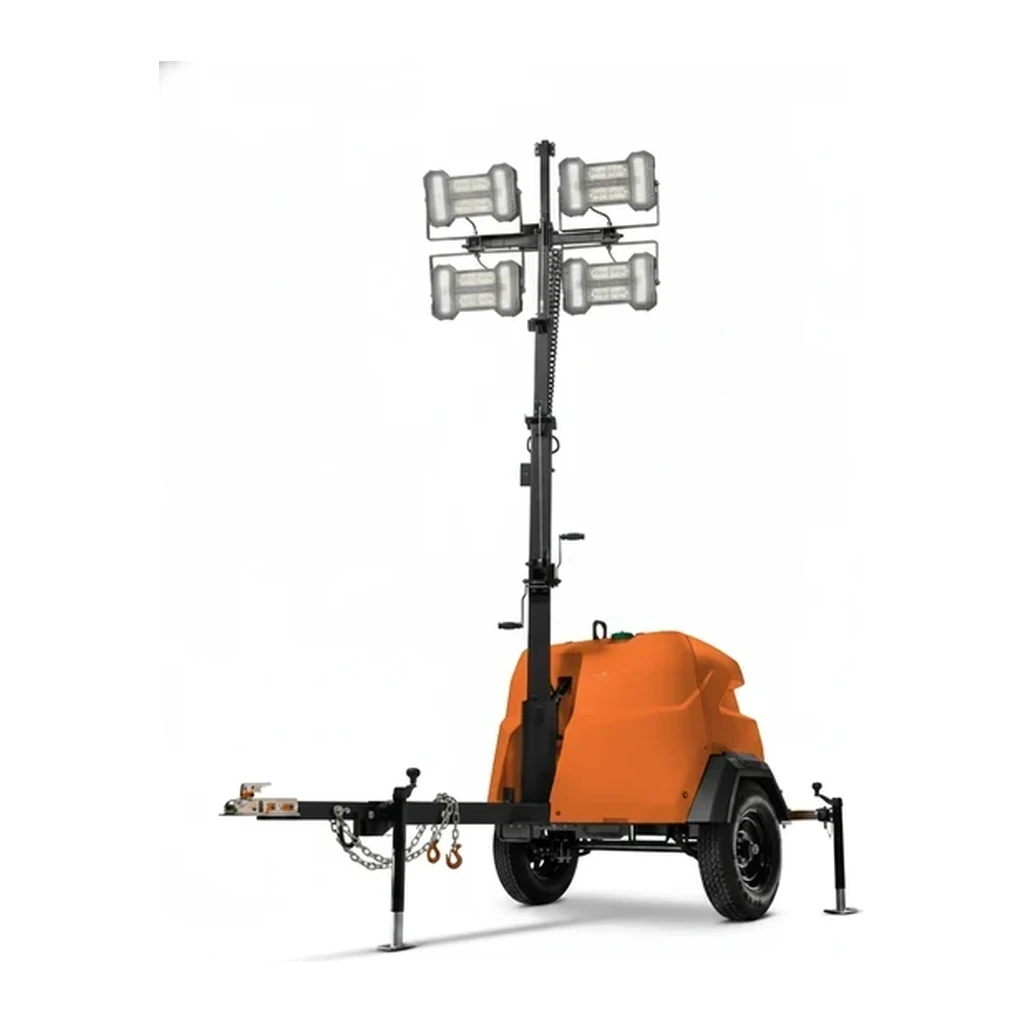
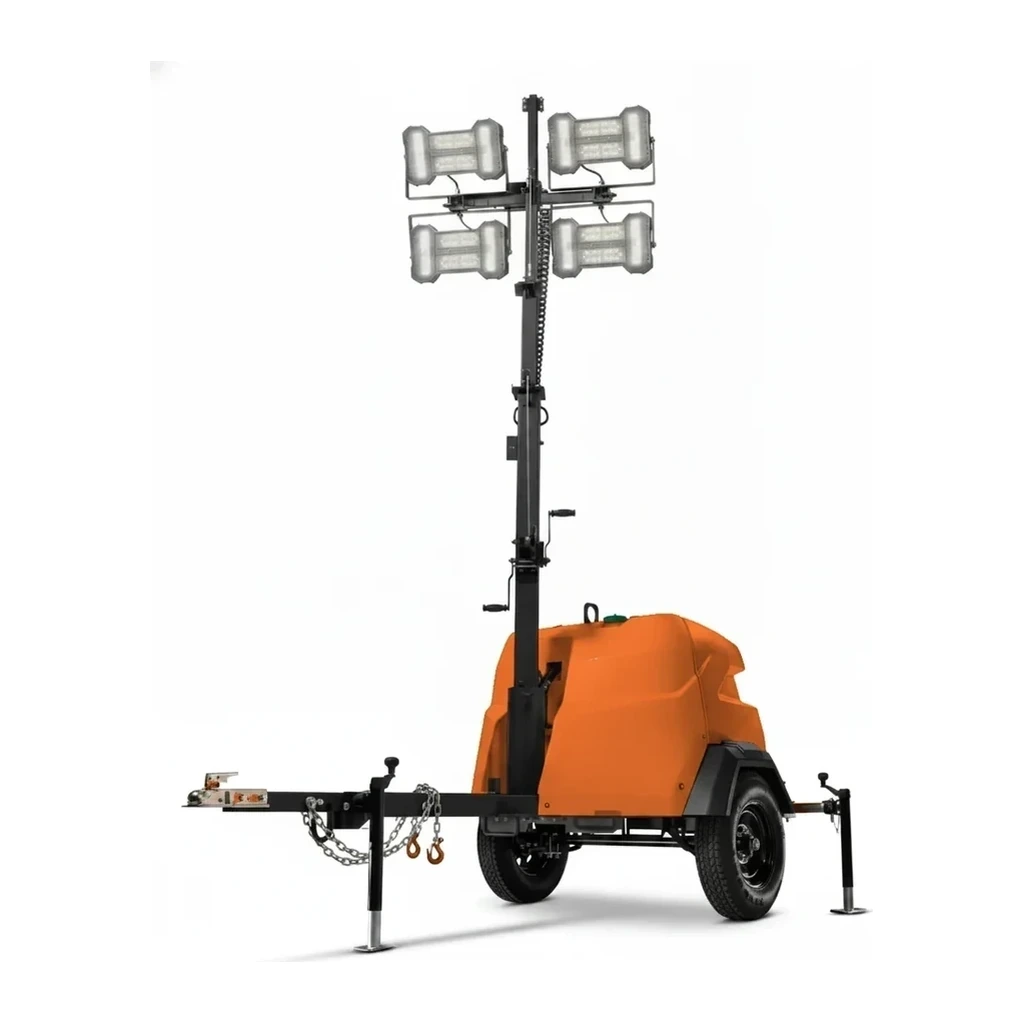
Up to 20 ft Towable Light Tower units represent the most compact size class in the towable lighting category, engineered specifically for indoor and low-clearance environments where standard diesel towers cannot operate. These electric-powered units serve garages, tunnels, warehouses, and interior construction zones. For outdoor sites or open-area projects requiring broader coverage and greater reach, the 20-35 ft Towable Light Tower class is the next step up.
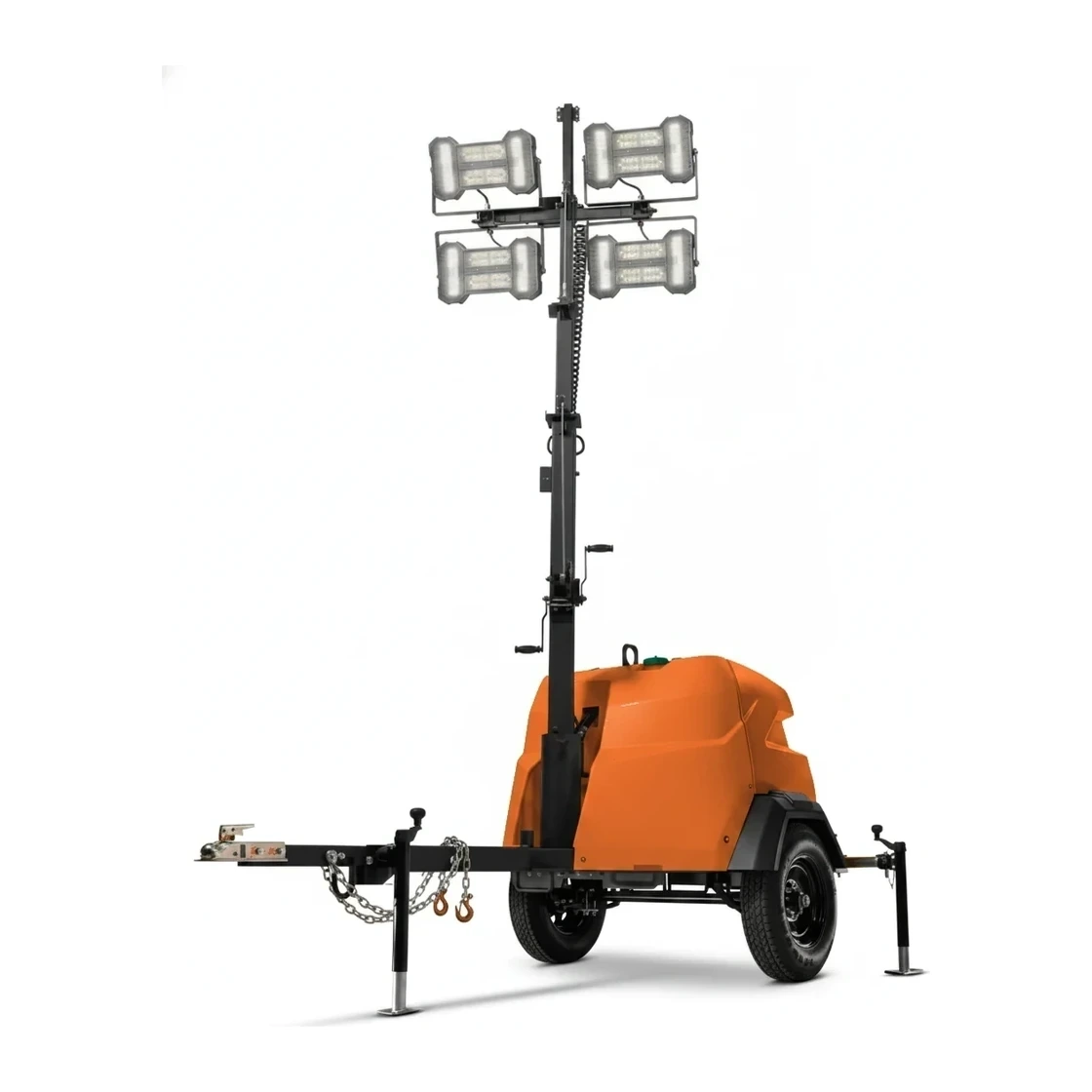
Cat classes
Choisissez une classe de taille : la capacité et la portée varient selon la gamme.
Spécifications clés
| Spécification | Plage typique | Signification |
|---|---|---|
| Maximum mast height | Up to 20 ft | Designed for clearance-restricted spaces where taller masts cannot deploy |
| Power source | Electric | Eliminates exhaust emissions for safe indoor operation |
| Mobility | Towable chassis | Four-wheel trailer design for relocation between zones or sites |
Comment choisir
This size class is appropriate when work occurs in enclosed or low-ceiling environments where exhaust-free lighting is required and mast height is constrained by structural clearances. Indoor manufacturing facilities, underground parking structures, tunnels, and warehouse renovations are typical applications. When the project transitions outdoors or requires illumination of large open areas, construction laydown yards, roadwork zones, or event sites, the 20-35 ft Towable Light Tower class delivers the extended reach and diesel runtime necessary for those conditions.
Ce que cette taille peut gérer
- Overnight warehouse retrofit work with 18 ft clear ceilings
- Tunnel inspection and maintenance requiring zero-emission lighting
- Underground parking garage concrete repair
- Indoor aircraft hangar maintenance zones
- Enclosed demolition and abatement projects
- Multi-level manufacturing facility production line work
Sécurité et opération
- Mast must remain fully retracted during transport and when moving through doorways or overhead obstructions
- Outriggers or stabilizers deploy to prevent tipping when mast is raised; verify floor load capacity in multi-story buildings
- Confirm electrical grounding and circuit protection meet local code before energizing lamps
- Maintain clearance from overhead cranes, sprinkler piping, and electrical conduit when raising or rotating mast
Transport et logistique
- Standard ball-hitch towing with most work trucks and service vehicles
- Compact footprint allows maneuvering through standard doorways and loading docks when partially retracted
- Four-wheel trailer chassis with manual or electric brakes depending on jurisdiction weight thresholds
Alimentation
- Requires site-supplied electrical service, typically 120V or 240V connection depending on lamp configuration
- Extension cord or temporary distribution panel connects tower to facility power or generator
- No on-board fuel storage or exhaust system; all energy sourced externally
Questions fréquentes
What differentiates this class from larger towable light towers?
Can this size class operate outdoors?
What ceiling height is required to deploy the mast fully?
Équipements connexes
Parcourir par fabricant
Sources
Chaque spécification est vérifiée par rapport aux données publiées par le fabricant, avec la source liée pour référence.
Up to 20 ft Towable Light Tower
1 modèles · Chaque spécification citée à la source