
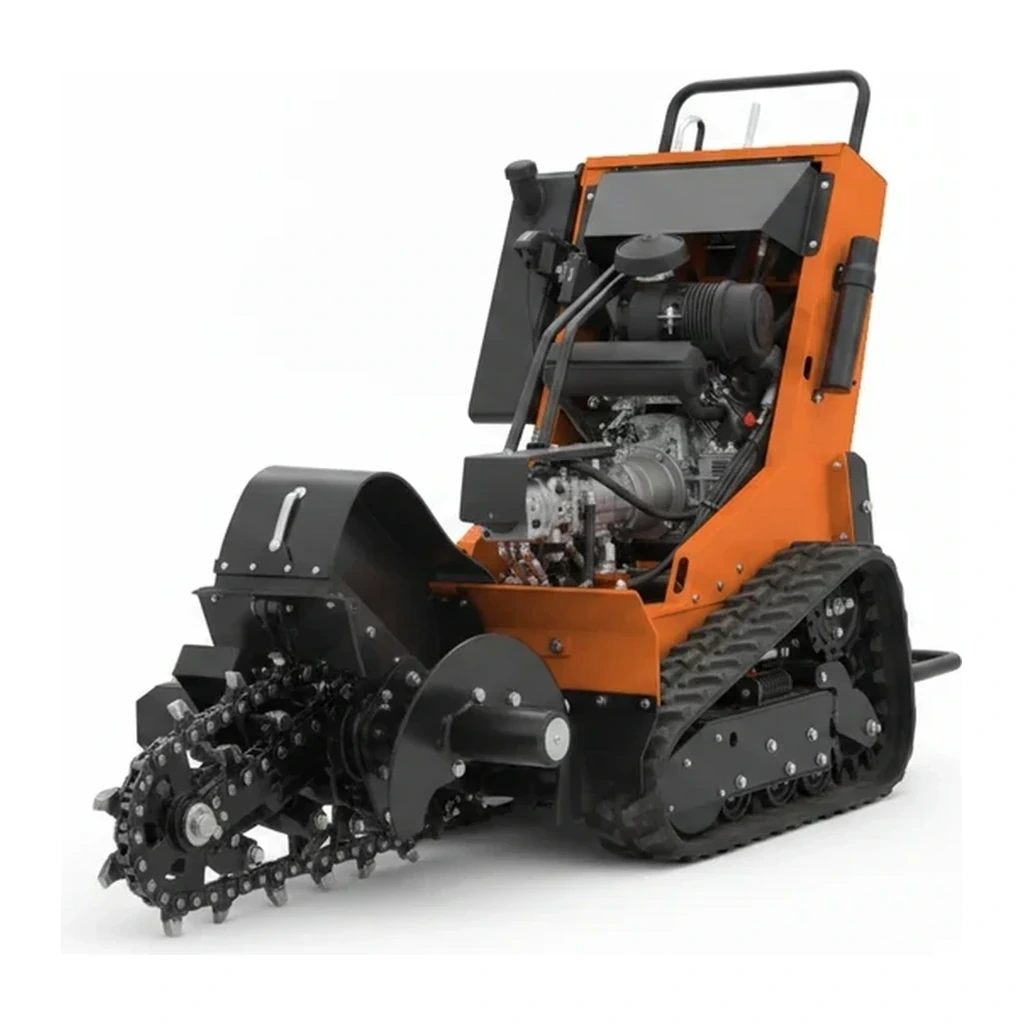
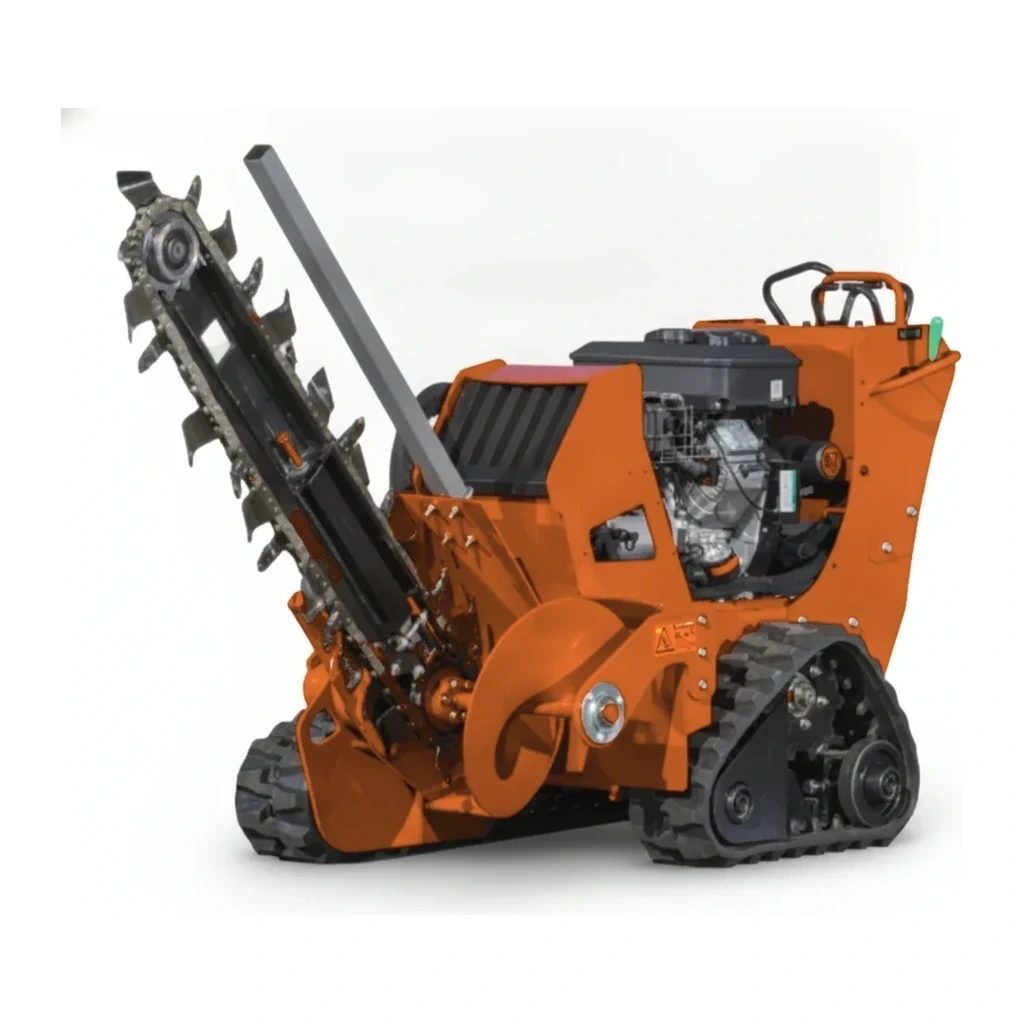
24-36 in Walk-Behind Trencher
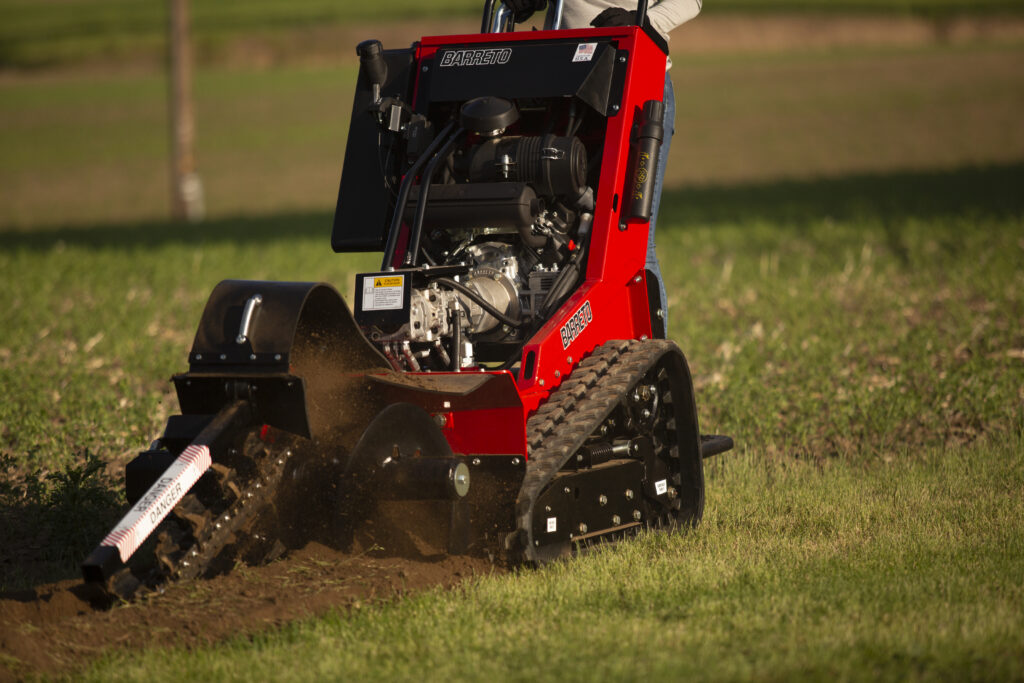
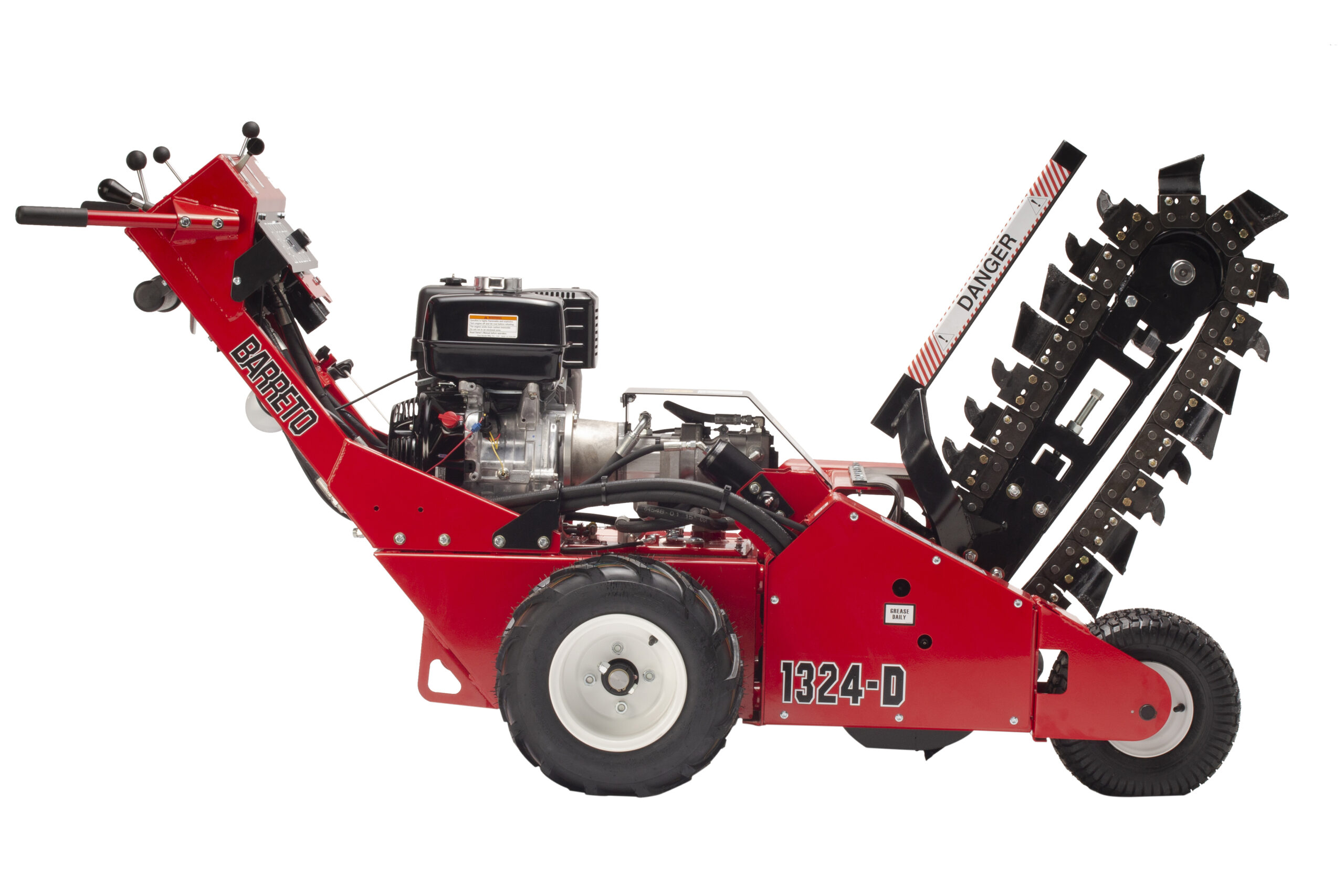
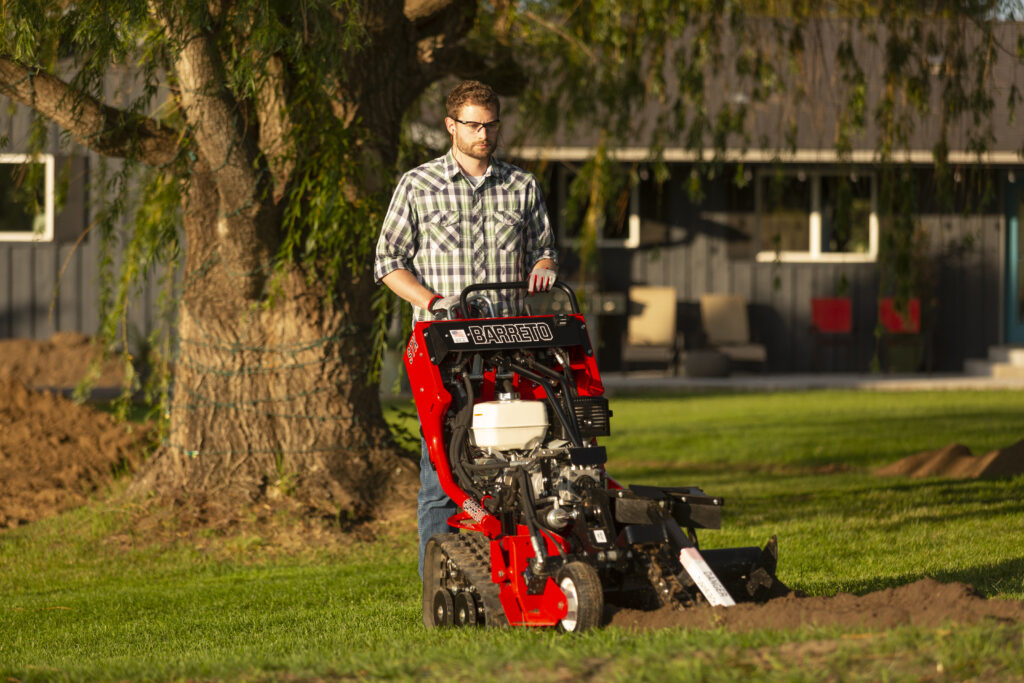
The 24-36 in walk-behind trencher is the standard for utility line installation in residential and light commercial work. With a maximum dig depth of 2 ft, this size class handles water service, gas, and electrical lines below frost depth in most of the United States. It represents the base of the walk-behind trencher ladder, suited to the majority of shallow utility installation.
Cat classes
Choisissez une classe de taille : la capacité et la portée varient selon la gamme.
Spécifications clés
| Spécification | Plage typique | Signification |
|---|---|---|
| Maximum dig depth | 2 ft (0.6 m) | Reaches below frost line in southern and many central states for code-compliant utility burial. |
| Digging chain width | 24–36 in (61.0–91.4 cm) | Defines trench width; narrower cuts reduce backfill and restoration work. |
| Manufacturer availability | Toro, Barreto | Two principal manufacturers supply this size class to the industry. |
Comment choisir
This size is appropriate for water service laterals, gas lines, and residential electrical conduit in zones where frost depth does not exceed 24 inches. It handles typical subdivision utility rough-in and landscape irrigation main installation. For deeper frost zones or locations requiring burial below 24 inches, including northern states and deep sewer service lines, the 36+ in Walk-Behind Trencher delivers the additional reach and chain length necessary for code compliance.
Ce que cette taille peut gérer
- Water service lateral from meter to foundation
- Natural gas line from street to residential meter
- Electrical conduit for detached garage or outbuilding
- Landscape irrigation main lines in turf or open ground
- Telecommunication or low-voltage cable burial in residential zones
- Shallow drainage or French drain installation
Sécurité et opération
- Operator walks behind machine; maintains clear zone around rotating digging chain at all times
- Utility locate and mark-out required before trenching to avoid underground strikes
- Spoil discharge throws soil to one side; bystanders and vehicles stay clear of discharge path
- Ground conditions and embedded rock can cause kickback or chain deflection; pre-site assessment reduces hazards
Transport et logistique
- Trailer-mounted or loaded onto utility trailer with ramps; units typically weigh 500-800 lb
- Standard pickup truck with ramp or liftgate for solo transport
- Compact footprint allows transport in enclosed trailers alongside other walk-behind equipment
Alimentation
- Gasoline engine, typically 8-13 hp, fueled on site from standard gas cans
- No external power connection required; self-contained engine drives digging chain and ground propulsion
- Daily fuel consumption typically 2-4 gallons depending on soil conditions and operating hours
Questions fréquentes
What frost depth does a 2 ft trencher satisfy?
Can this size cut through tree roots?
How does trench width affect backfill volume?
Équipements connexes
Parcourir par fabricant
Sources
Chaque spécification est vérifiée par rapport aux données publiées par le fabricant, avec la source liée pour référence.
24-36 in Walk-Behind Trencher
6 modèles · Chaque spécification citée à la source