

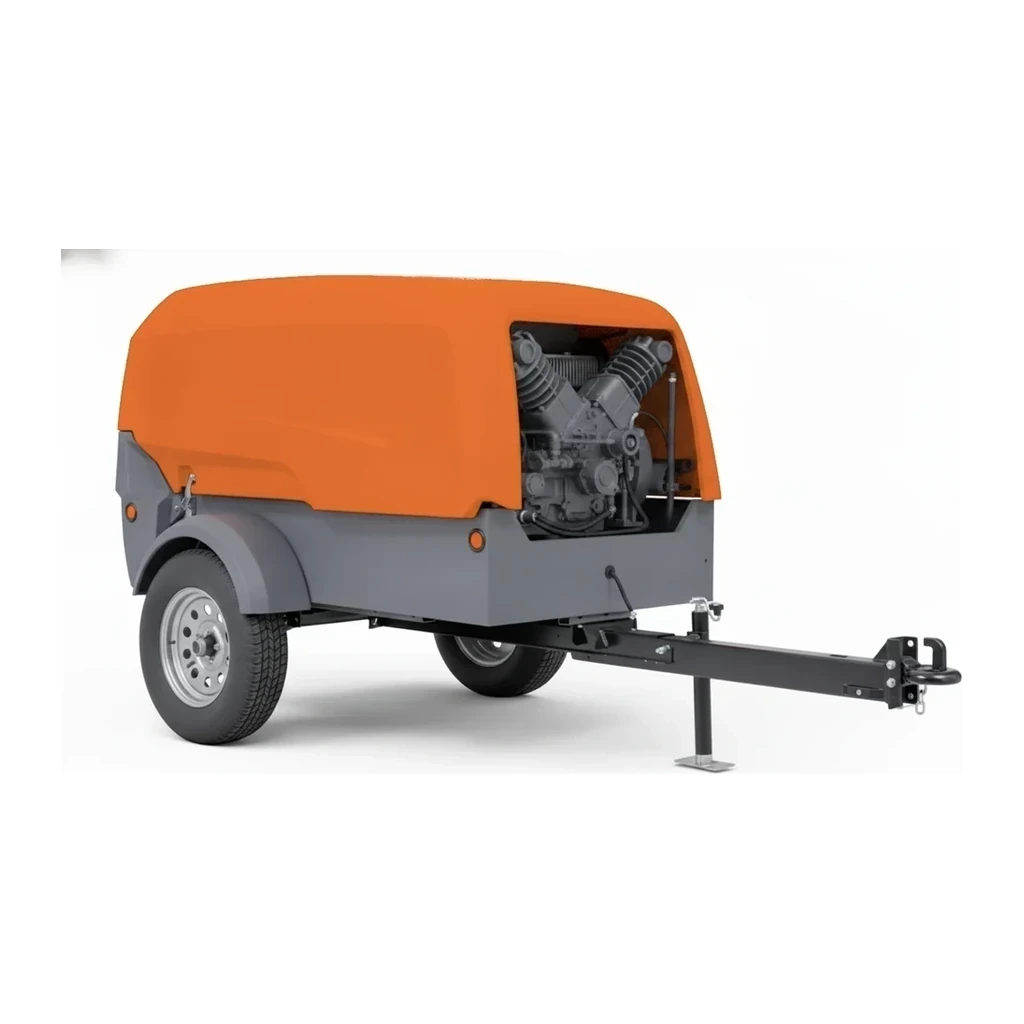
400-600 cfm Towable Diesel Air Compressor
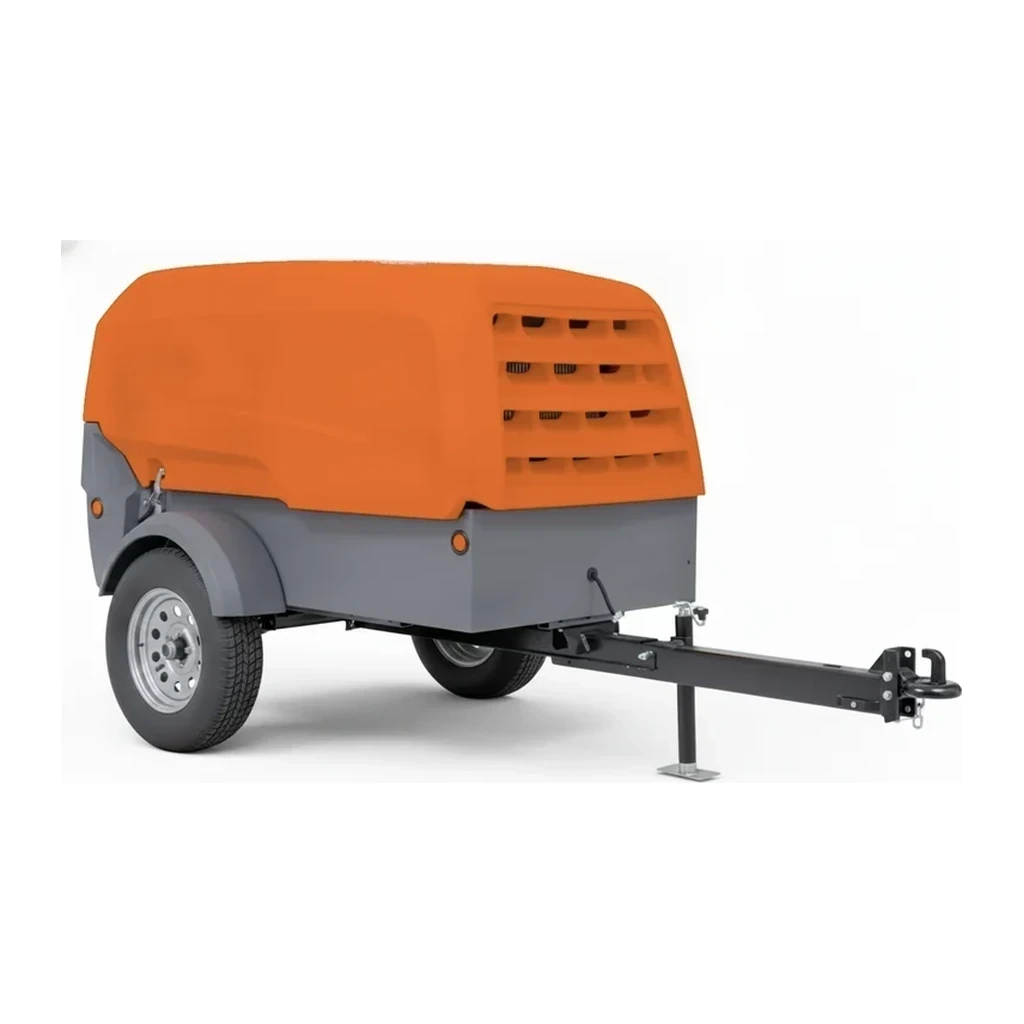
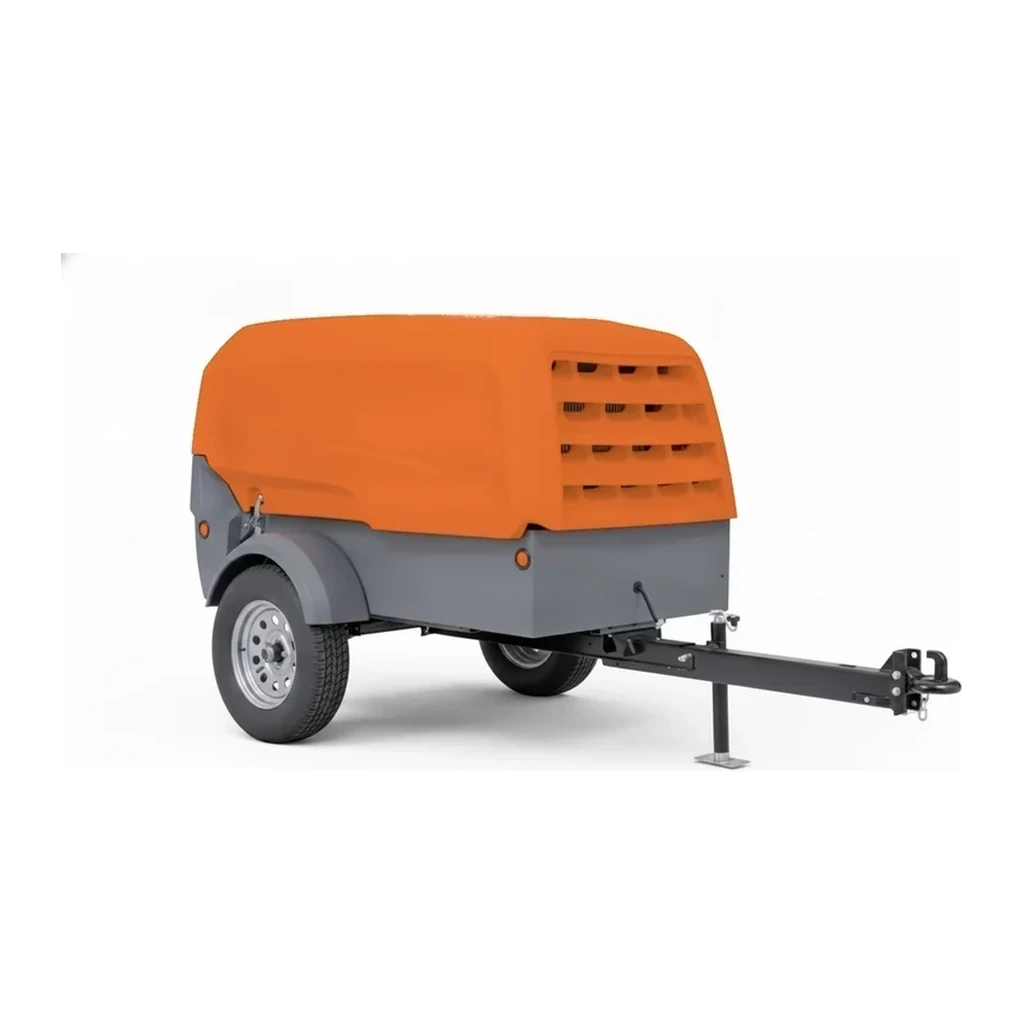
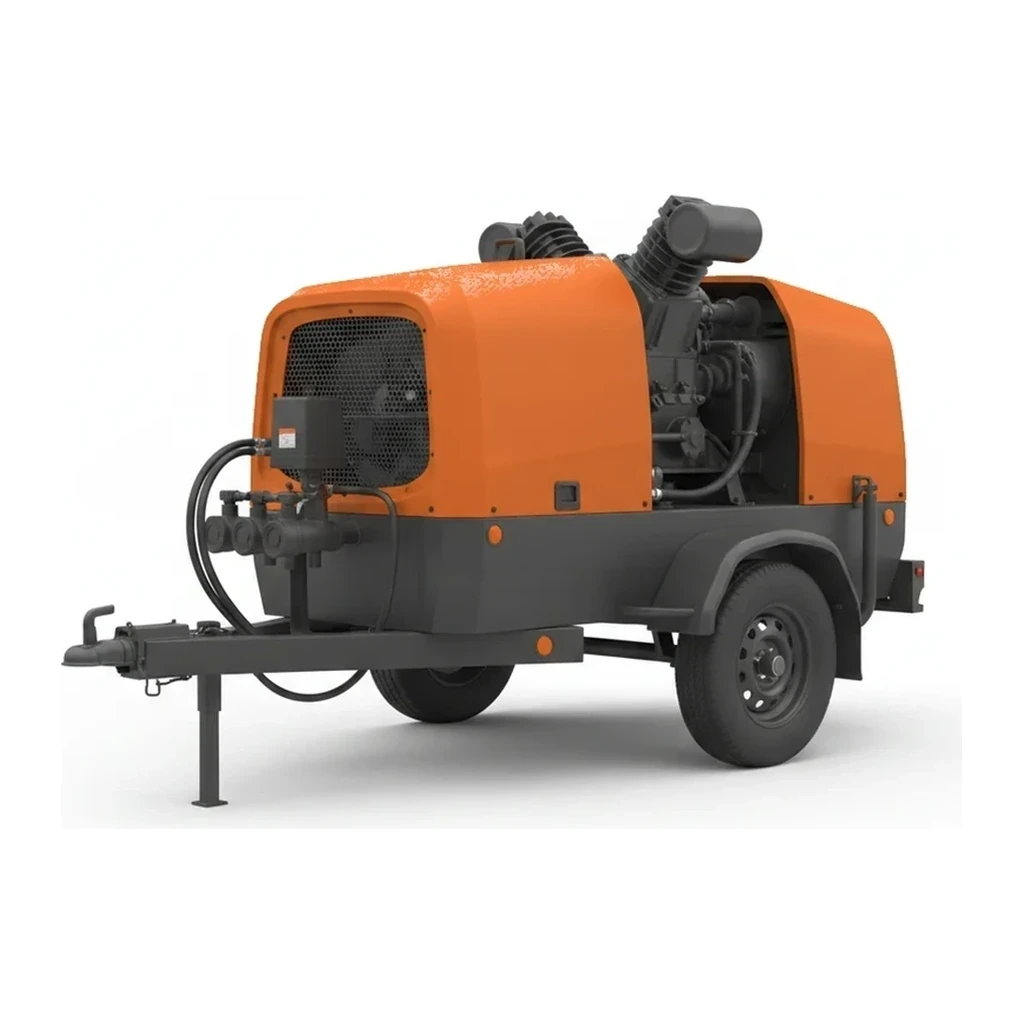
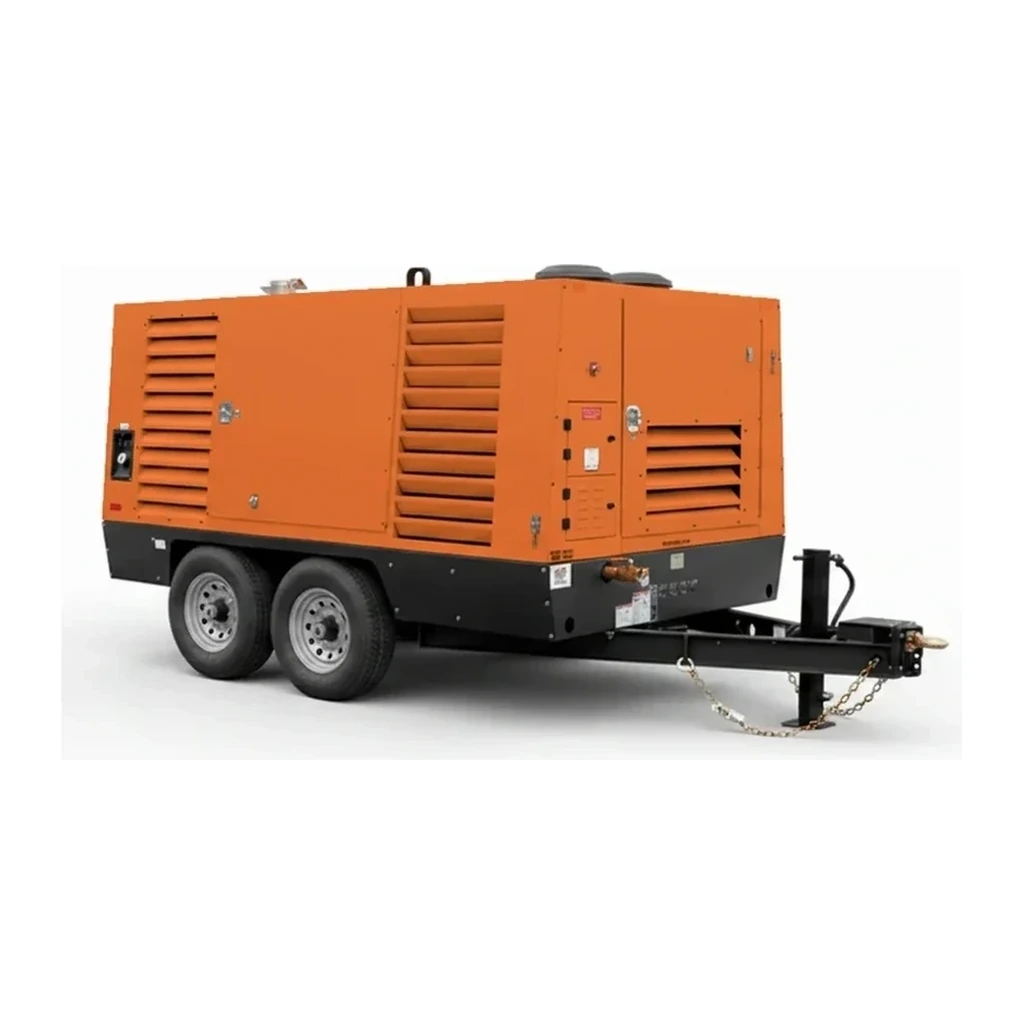
The 400-600 cfm towable diesel air compressor sits in the medium-high output tier, bridging single-operation support and multi-tool demand. Units in this class deliver 405-492 cfm of free air, powered by engines in the 93-127 hp range, suitable for sandblasting operations that require sustained pressure alongside multiple pneumatic tools or small crews working continuously. This band represents a step above 260-400 cfm models and below the 600-900 cfm heavy-duty tier.
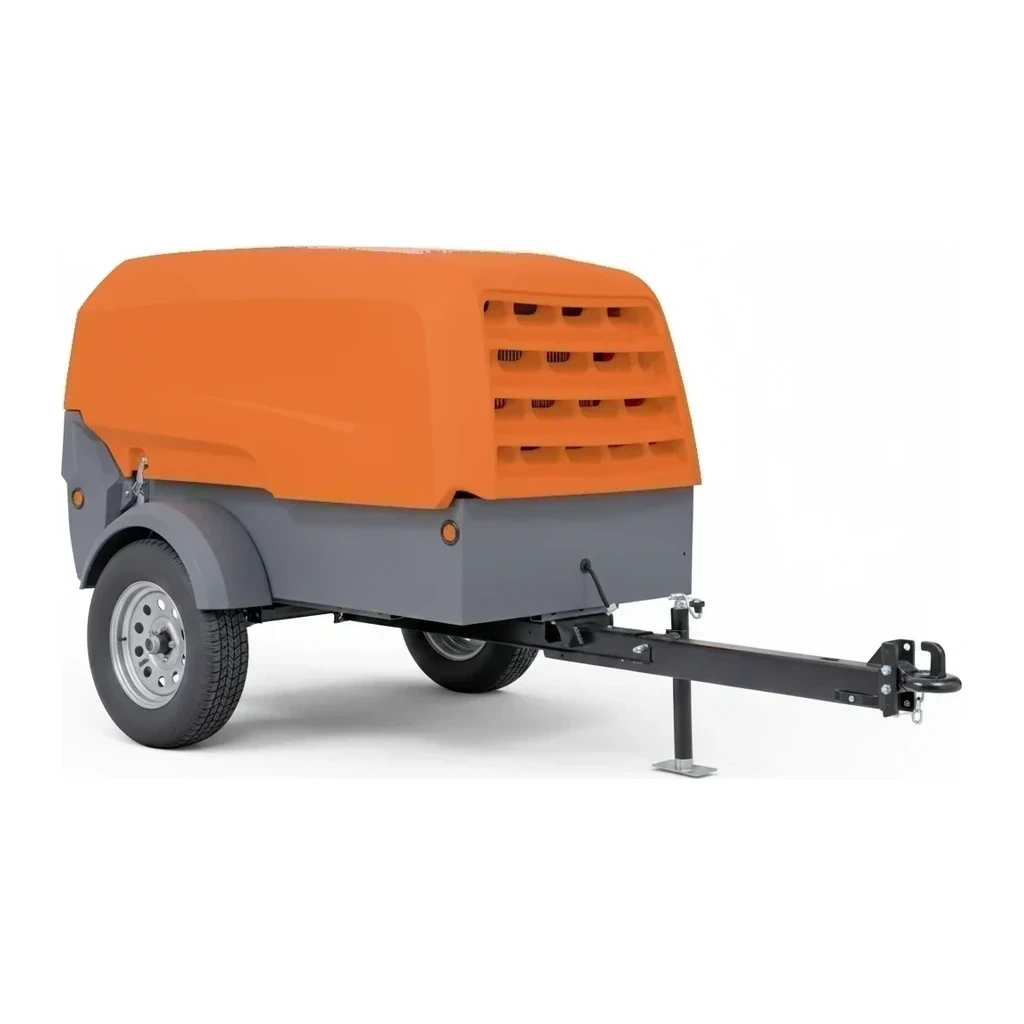
Cat classes
Pick a size class: capacity and reach differ across the range.
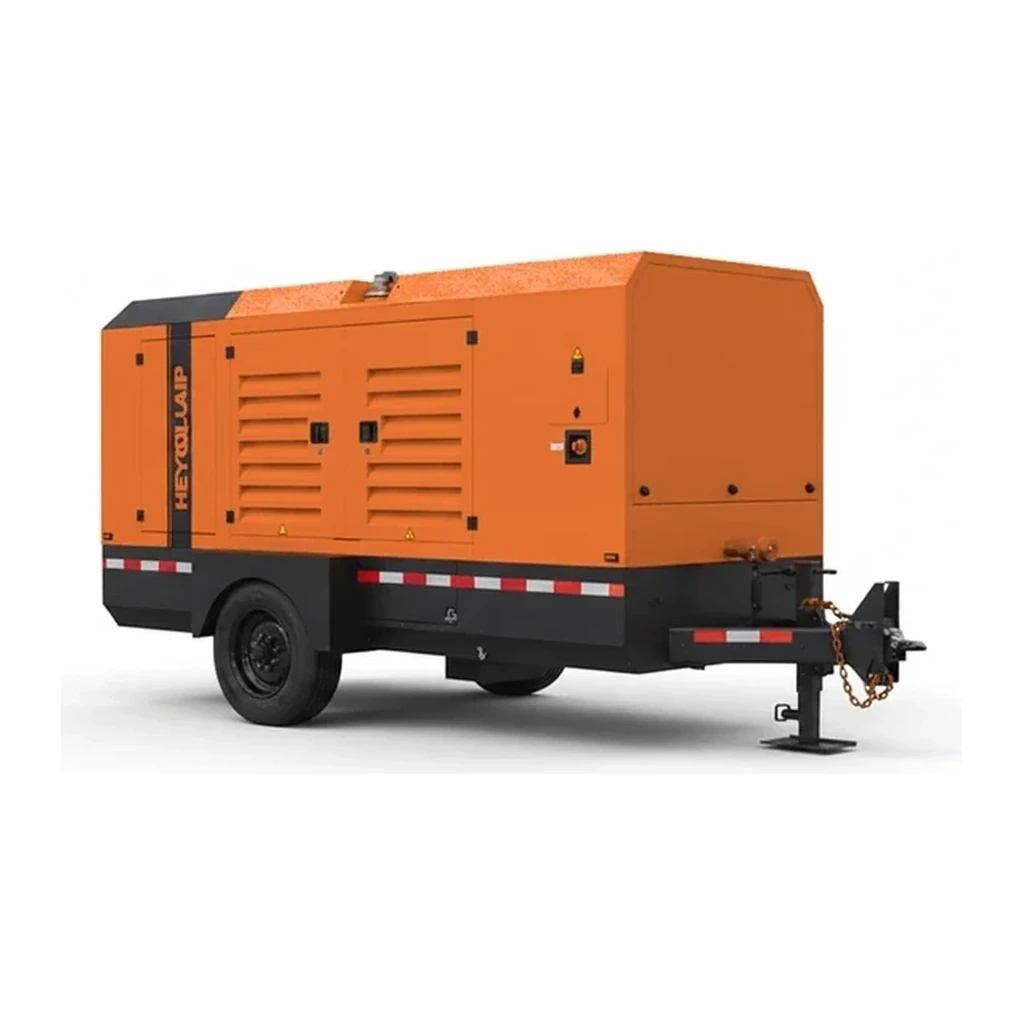
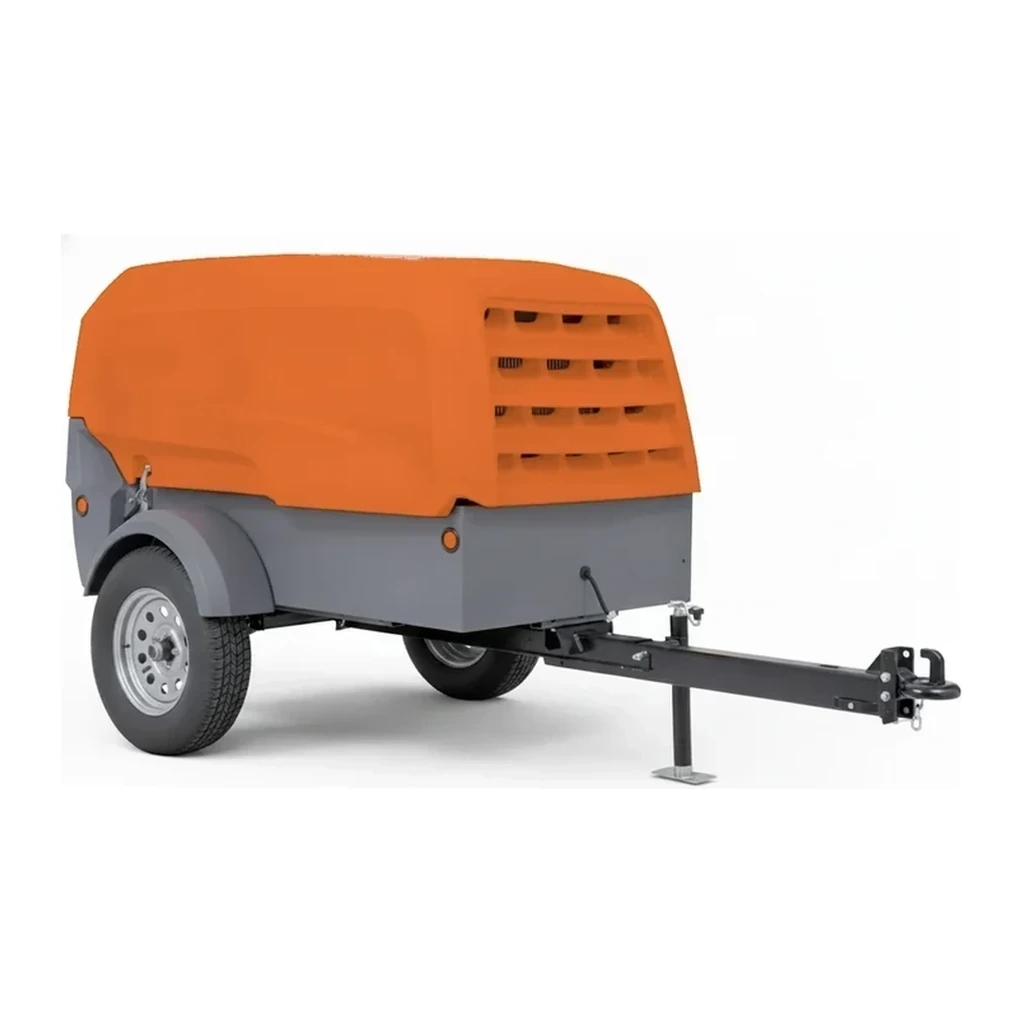
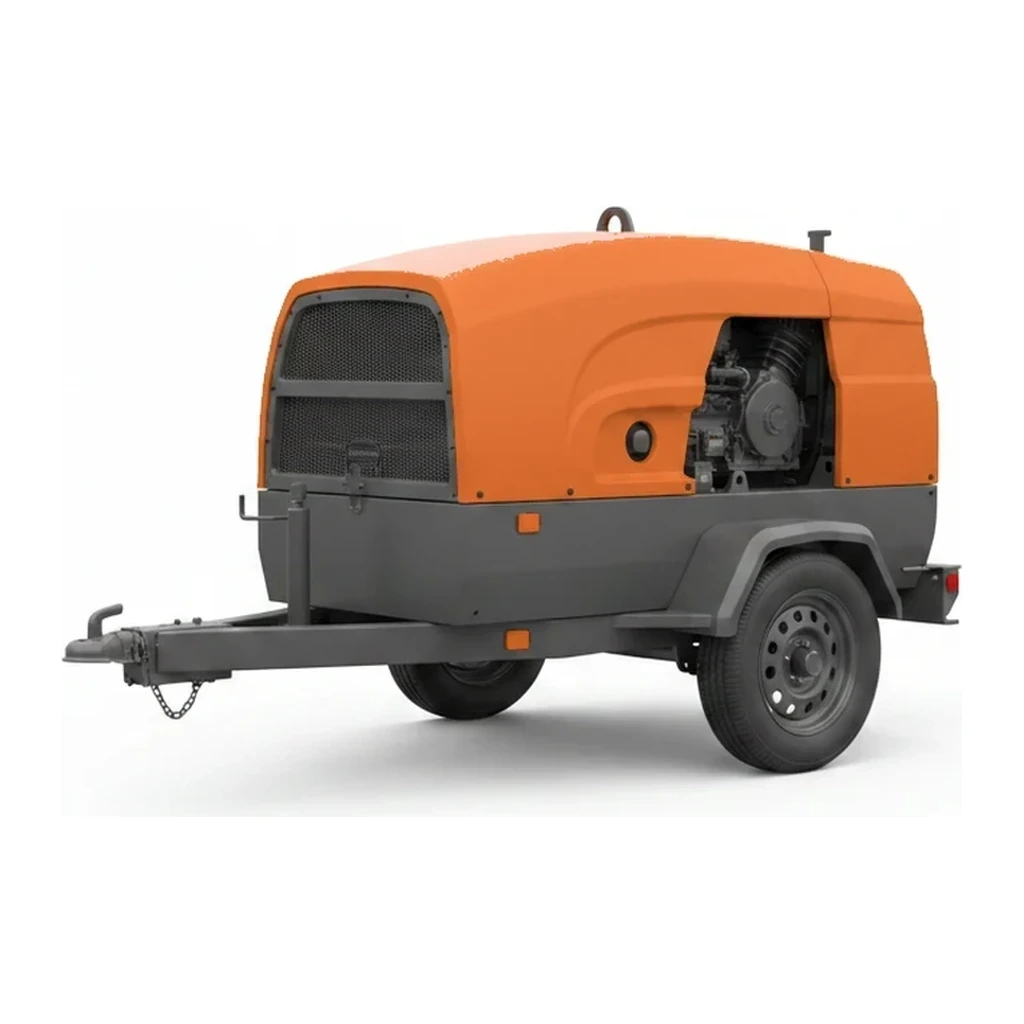
Key specifications
| Specification | Typical range | What it means |
|---|---|---|
| Free air delivery | 405-492 cfm | Volumetric output at atmospheric pressure; determines how many tools or processes the compressor can supply simultaneously. |
| Engine power | 93-127 hp | Diesel engine horsepower required to drive the compression cycle and maintain rated cfm under load. |
| Brand representation | Ingersoll Rand, Kaeser, Atlas Copco | Manufacturers offering models in this output class, reflecting industrial-grade construction and service networks. |
How to choose
This class is appropriate for sandblasting operations that require continuous air supply alongside multiple supporting tools, or for small crews operating several pneumatic tools simultaneously without interruption. When a single blast pot or two to three jackhammers represent the full load, the 260-400 cfm Towable Diesel Air Compressor provides adequate capacity with lower fuel consumption and transport weight. For larger abrasive blasting spreads, concrete demolition gangs, or high-demand production environments where downtime is costly, the 600-900 cfm Towable Diesel Air Compressor delivers greater headroom and redundancy.
What this size handles
- Sandblasting structural steel or storage tanks with one pot while running grinders and needle scalers
- Small pipeline crew operating multiple rock drills and tampers along a trench line
- Bridge maintenance work supporting abrasive blasting and pneumatic chipping hammers
- Industrial facility turnaround with concurrent surface prep and tool usage across nearby stations
- Concrete demolition crew running two breakers and a concrete vibrator continuously
- Quarry or rock excavation site powering pneumatic drills and dust suppression equipment
Safety & operation
- Air receiver and pressure relief valves must be inspected per ASME and local jurisdiction codes; pressure vessels require periodic certification in many areas
- Exhaust positioning and ventilation matter in confined or enclosed staging areas due to diesel emissions
- Condensate drains require regular purging to prevent moisture carryover into pneumatic tools and blast equipment
- Hearing protection mandatory within proximity of operating compressor; noise levels typically exceed 85 dBA at operator position
Transport & logistics
- Single-axle or tandem-axle trailer design with DOT-compliant lighting and braking; tow vehicle must meet GVWR and tongue weight specifications
- Pintle hitch or ball hitch coupling depending on manufacturer; typically requires 3/4-ton or larger truck for highway towing
- Compact footprint relative to output allows positioning in staging areas with standard access routes
Power & supply
- Self-contained diesel fuel system; tank capacity supports multi-hour or full-shift operation depending on load factor
- On-site refueling from bulk fuel tanks or service trucks; fuel consumption scales with air demand and engine load
- No external electrical connection required for compressor operation; auxiliary power outlets may be present on some models
Frequently asked
How many pneumatic tools can this class support at once?
What differentiates this class from the 600-900 cfm range?
Is this output class sufficient for SCBA breathing air systems?
Compare popular models
Find by spec →Normalised to the same units. A dash means the figure was not published.
| Model | Free air delivery | Max pressure | Engine power |
|---|---|---|---|
| Atlas Copco E-Air T500 | 232 l | 150 psi | 121 hp |
| Ingersoll Rand P425WIR | 425 cfm | - | 125 hp |
| Ingersoll Rand HP450WIR | 450 cfm | - | 170 hp |
| Kaeser MOBILAIR M118 | 405 cfm | 205 psi | - |
Related equipment
Browse by manufacturer
Sources
Every specification is verified against the manufacturer's published data, with the source linked for reference.
400-600 cfm Towable Diesel Air Compressor
4 models · Every spec cited to source