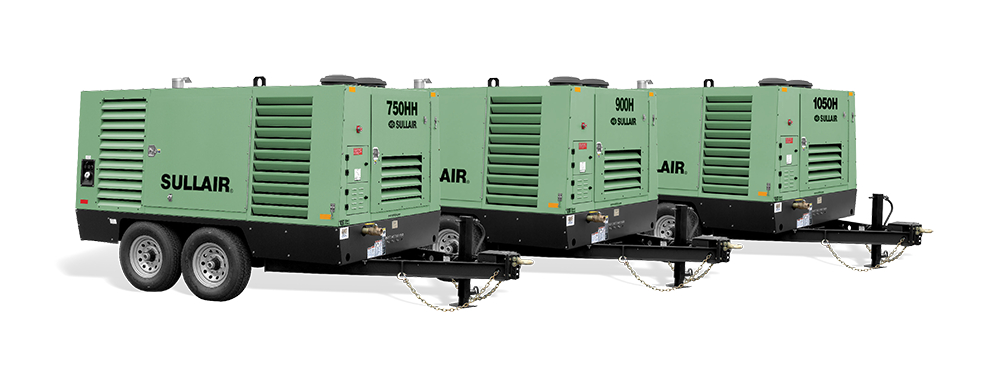

900-1,300 cfm Towable Diesel Air Compressor
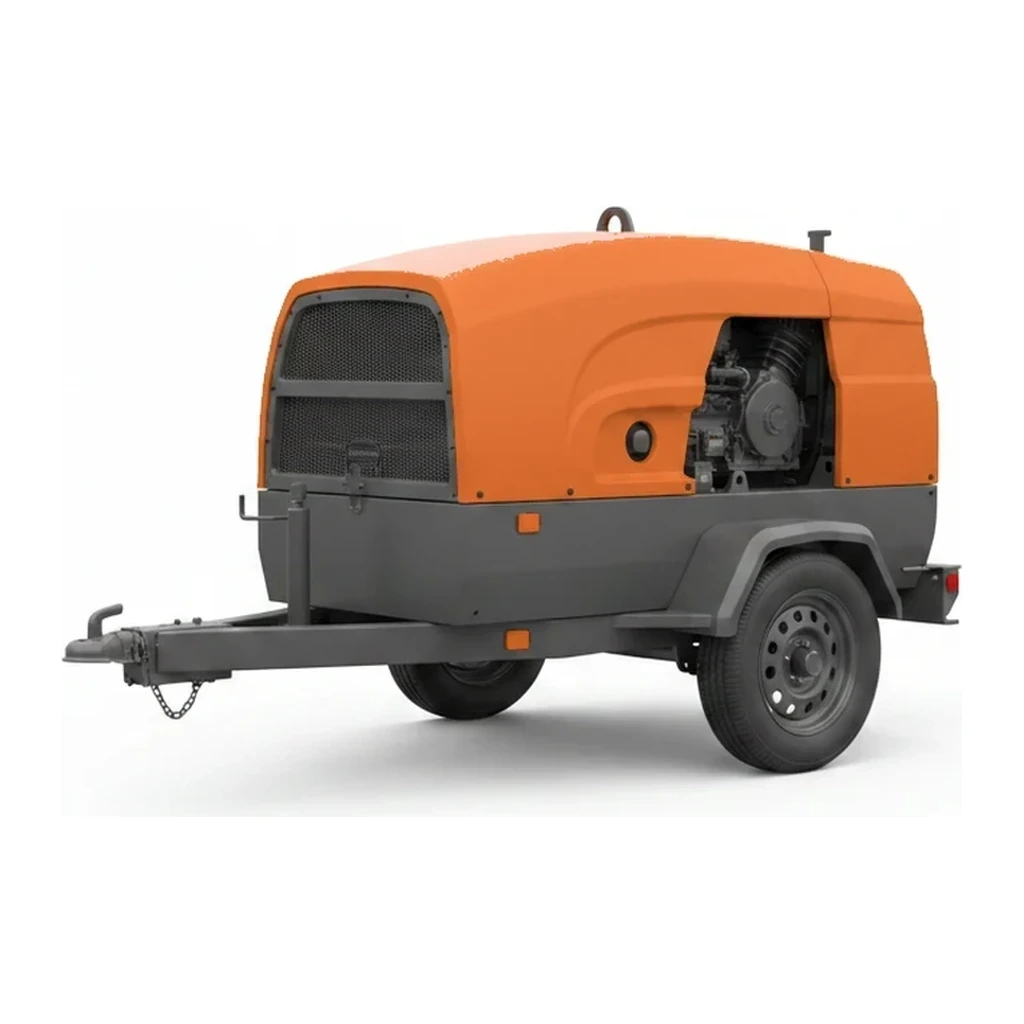
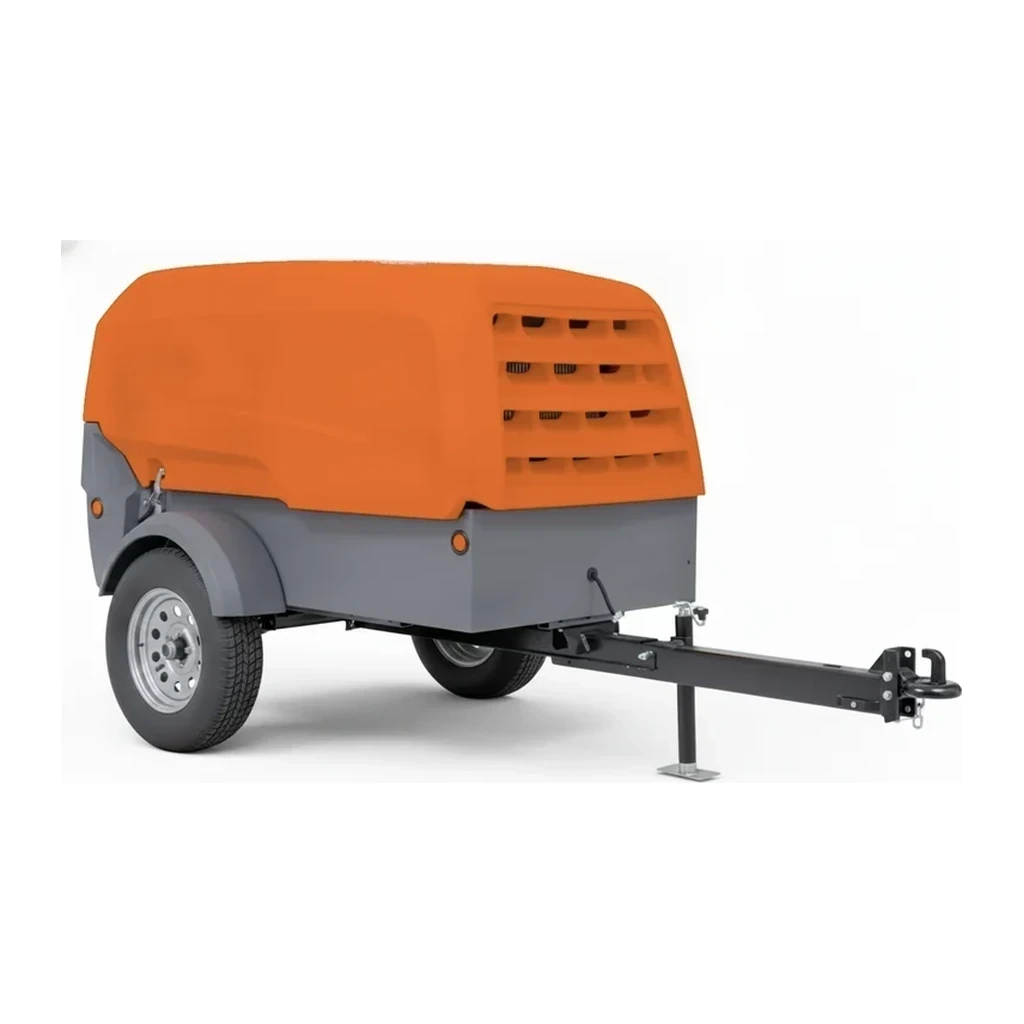
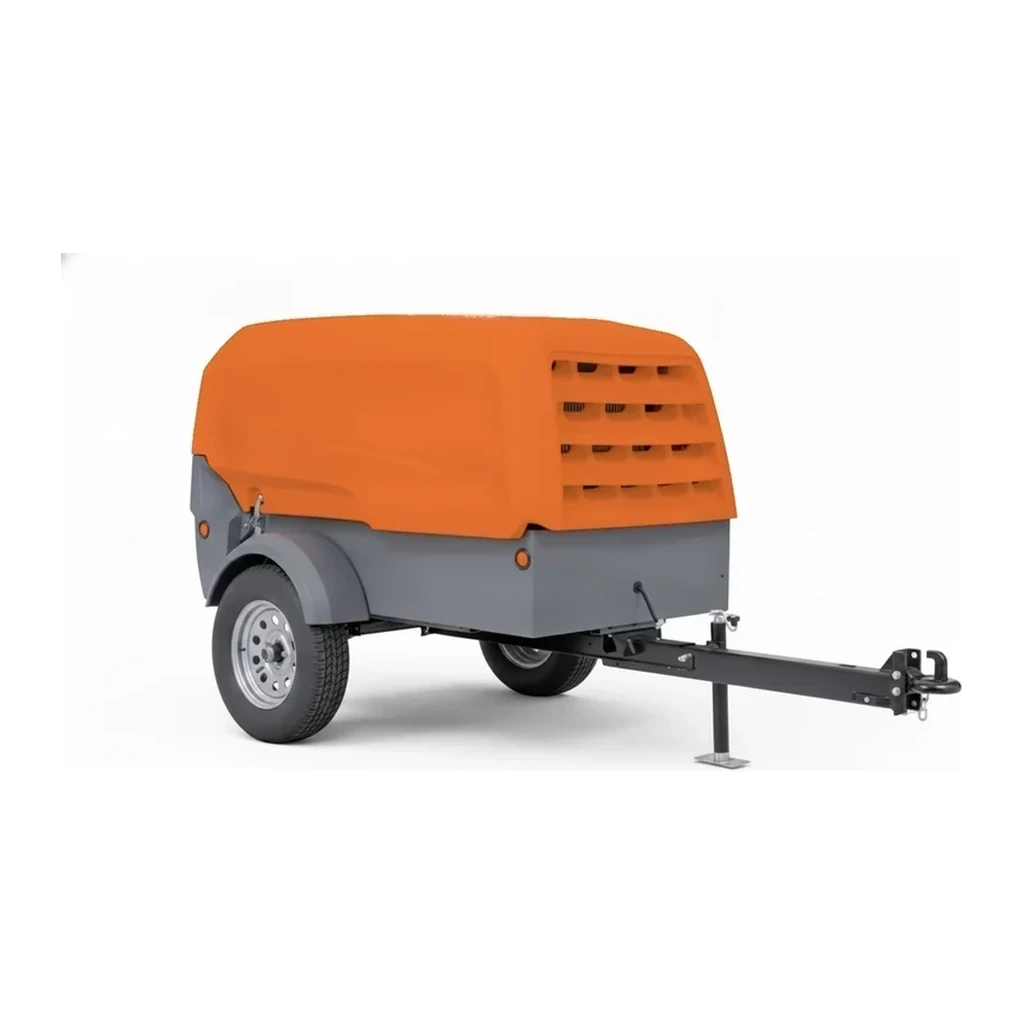
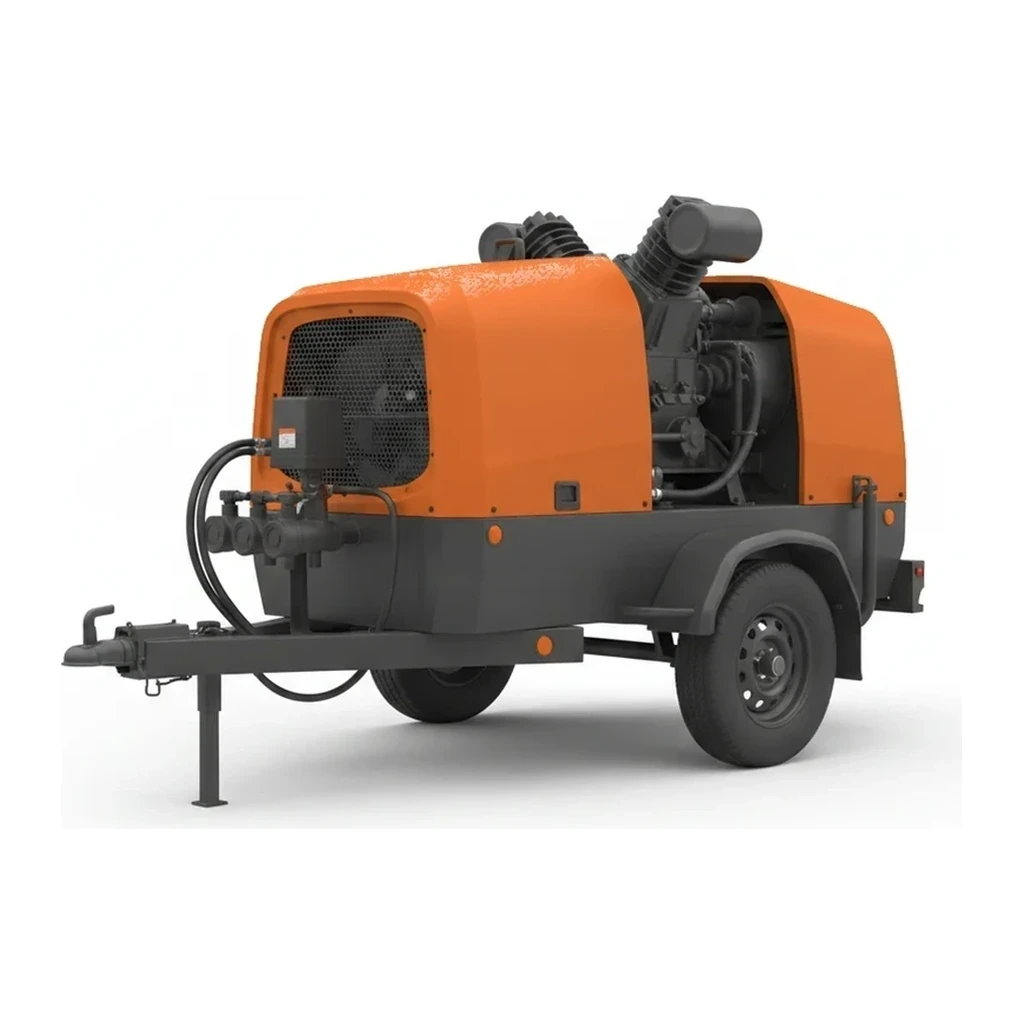
The 900-1,300 cfm towable diesel air compressor is a heavy industrial size class designed to supply multiple crews simultaneously or power high-demand pneumatic equipment. This size sits near the top of the towable air compressor ladder, bridging the gap between the 600-900 cfm band and the 1,300-1,800 cfm tier, serving large-scale construction, mining, and industrial operations.
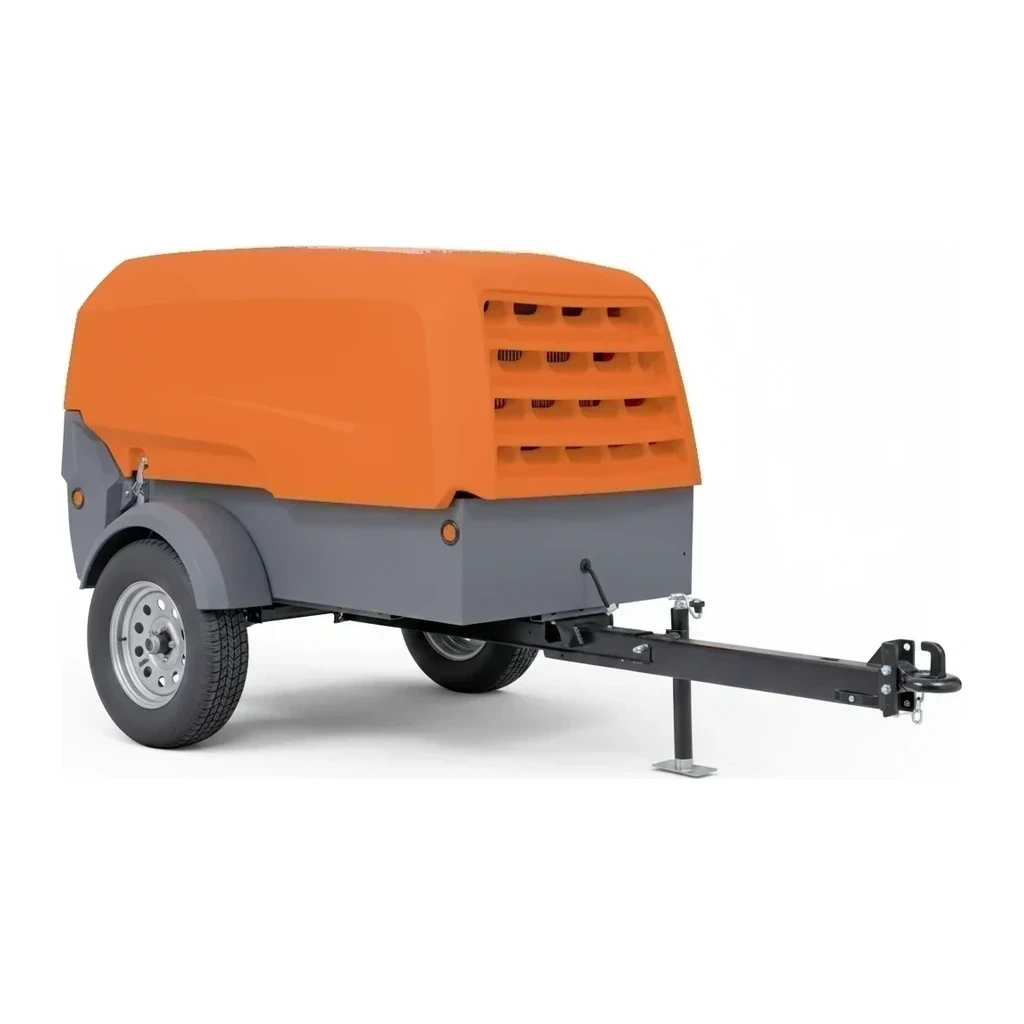
Cat classes
Pick a size class: capacity and reach differ across the range.
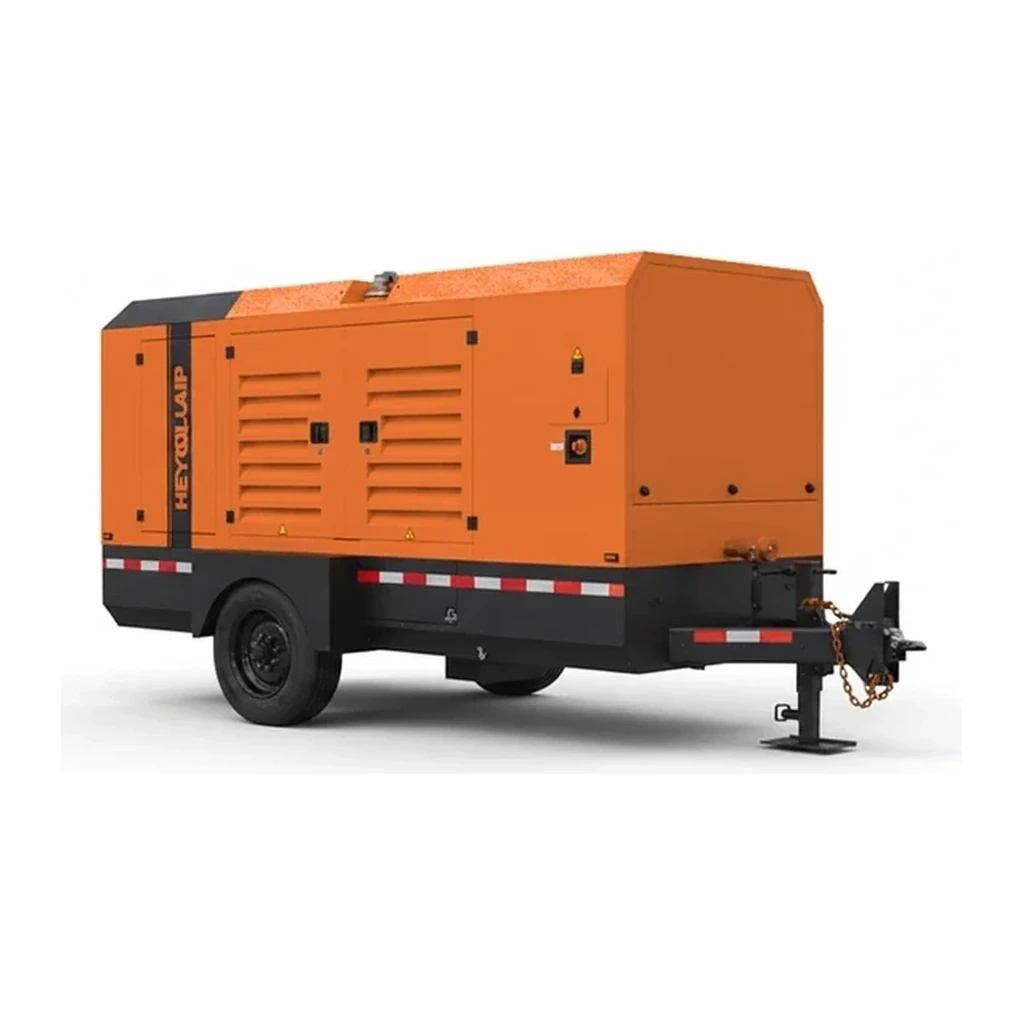
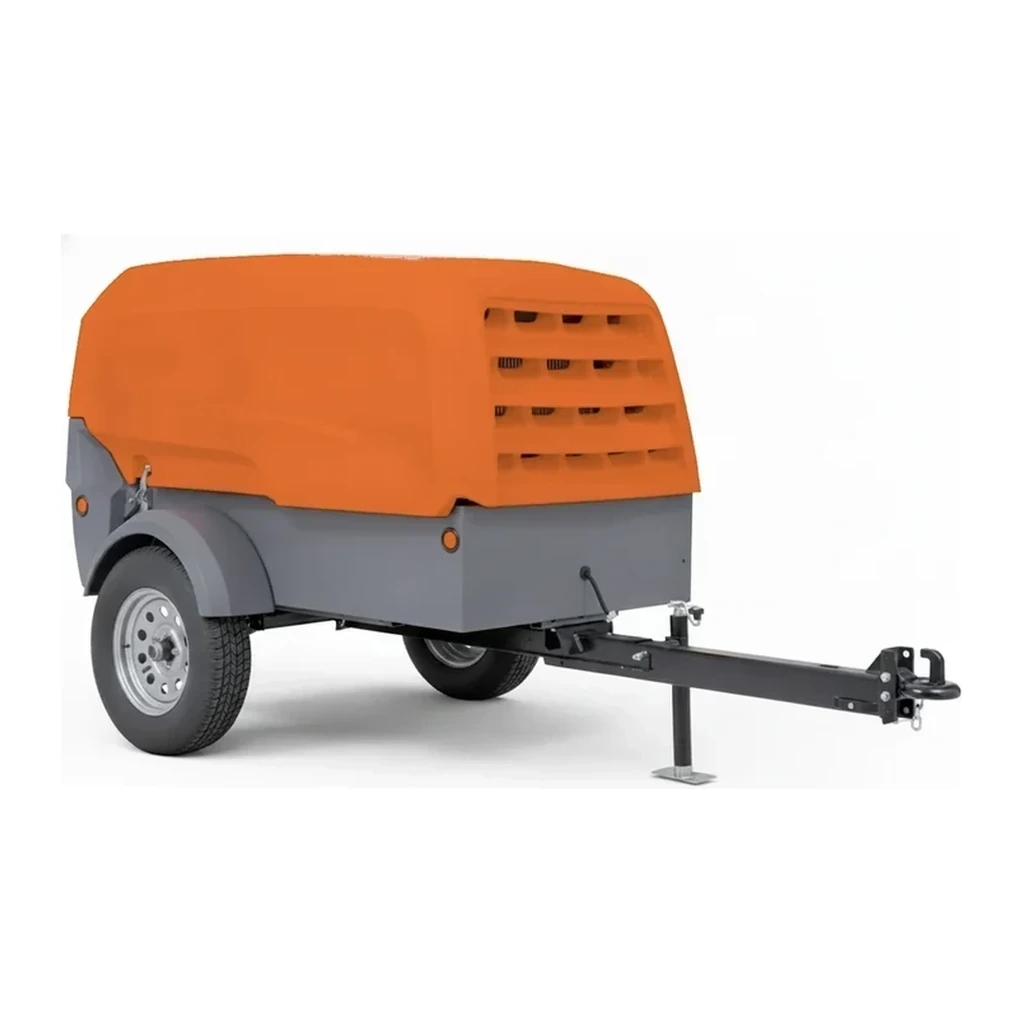
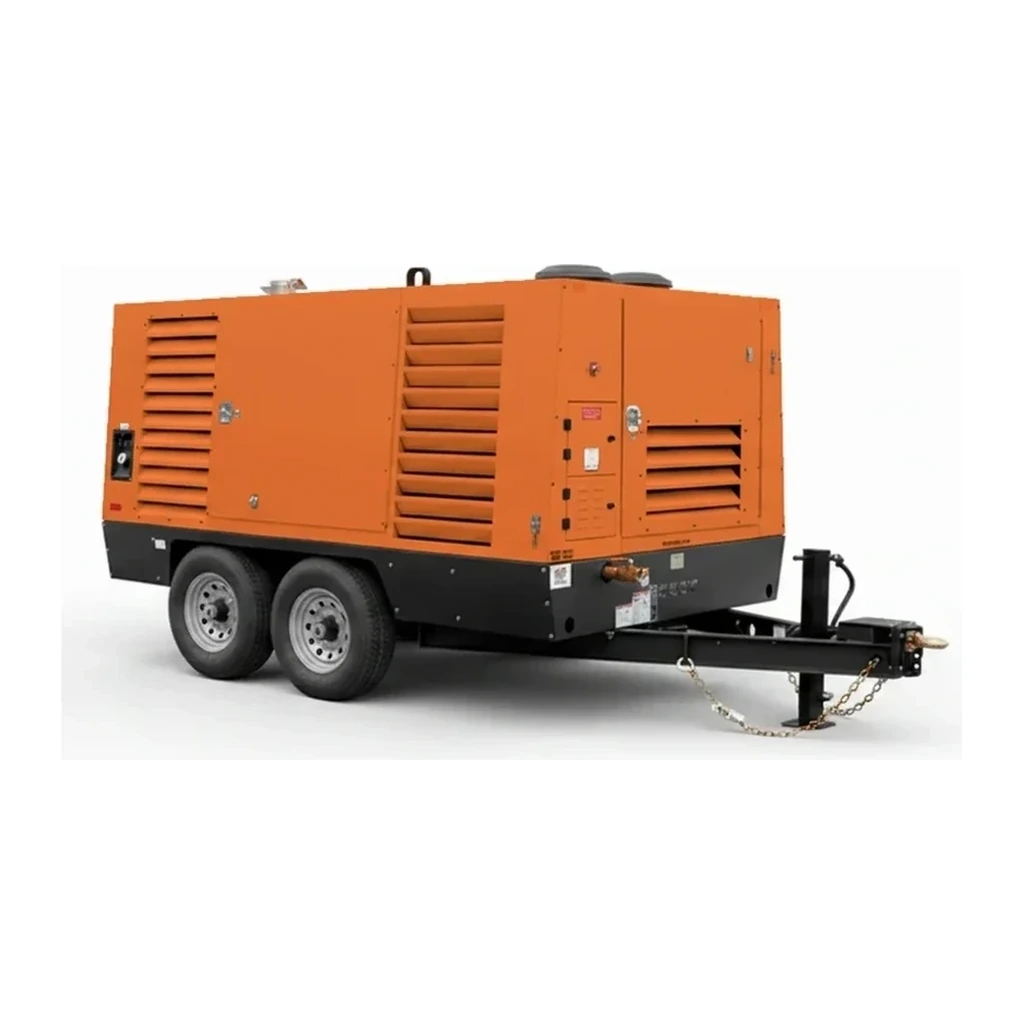
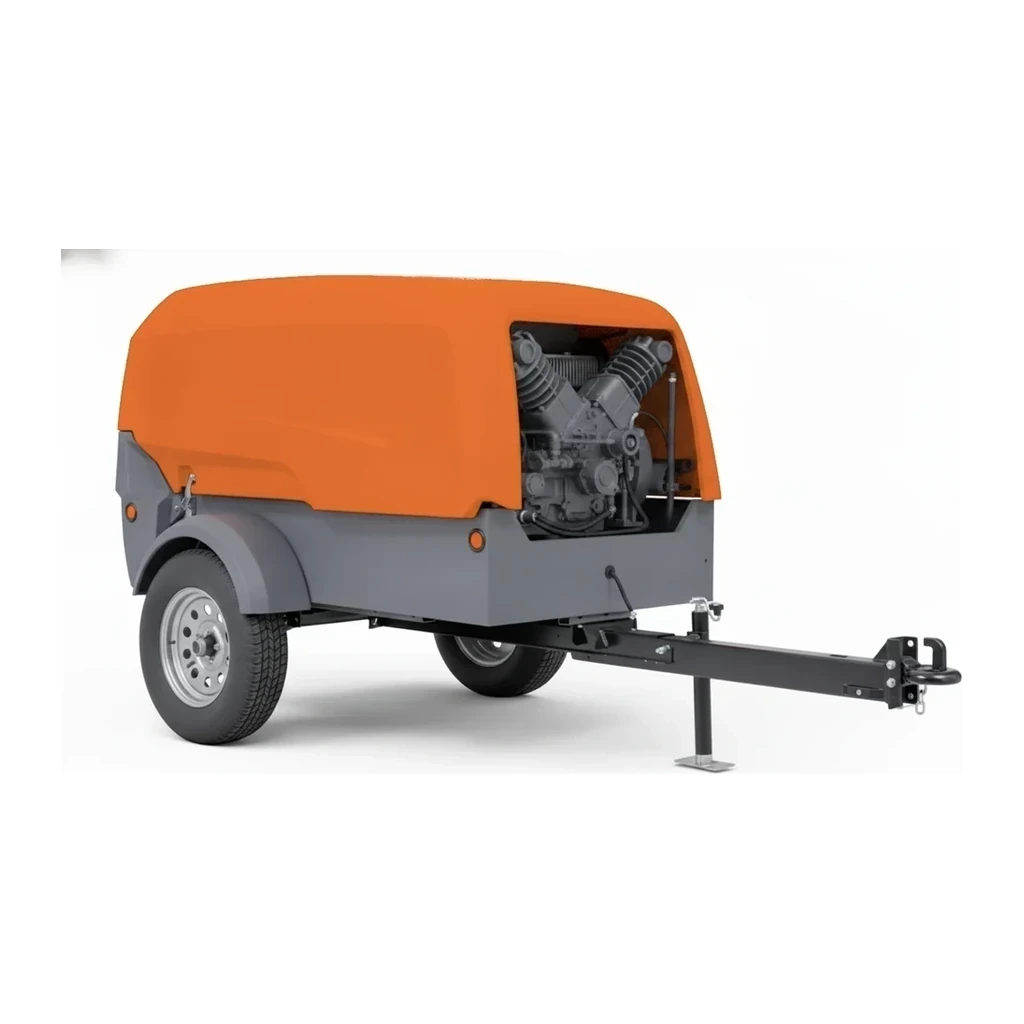
Key specifications
| Specification | Typical range | What it means |
|---|---|---|
| Air delivery | 900-1,300 cfm | Volumetric flow rate sufficient to operate multiple jackhammers, sandblasting rigs, or other high-demand pneumatic tools concurrently. |
| Pressure range | 100-150 psi | Standard working pressure for most industrial pneumatic tools and applications. |
| Engine type | Diesel, 200-300 hp | Large displacement diesel engines provide the power density needed for continuous high-volume air production. |
| Trailer configuration | Dual-axle highway-rated | Heavy-duty chassis and braking systems accommodate extended transport and rough site conditions. |
How to choose
The 900-1,300 cfm band is appropriate when multiple crews need simultaneous air supply or when single tools require exceptionally high flow rates, such as large-bore drilling or continuous sandblasting operations. Projects with six or more jackhammers running concurrently, or industrial facilities requiring redundant capacity, often specify this size. The 600-900 cfm Towable Diesel Air Compressor handles smaller crew counts or lower aggregate demand more efficiently. The 1,300-1,800 cfm Towable Diesel Air Compressor becomes necessary for the largest mining operations, tunnel boring projects, or when serving entire temporary compressed-air distribution networks.
What this size handles
- Large-scale demolition with eight to twelve breakers operating simultaneously
- Industrial sandblasting and surface preparation on bridges or marine structures
- Tunnel excavation and rock drilling in mining or civil infrastructure projects
- Pneumatic conveying systems for bulk material handling at industrial sites
- Multi-phase construction sites requiring dedicated air supply to separate work zones
- Emergency industrial service where backup capacity is critical
Safety & operation
- Hearing protection mandatory within 50 feet during operation due to high engine and compressor noise levels
- Automatic shutdown systems monitor oil pressure, coolant temperature, and other critical engine parameters
- Air receiver pressure relief valves and safety interlocks prevent over-pressurization
- Wheel chocks, stabilizers, and lockout/tagout procedures required during stationary operation and maintenance
Transport & logistics
- Dual-axle highway trailer requiring Class 5 or heavier tow vehicle with appropriate brake controller
- DOT compliance for width, lighting, and braking typically required for over-the-road transport
- Site positioning often requires firm, level ground and may involve spotter assistance due to overall length and weight
Power & supply
- Onboard diesel fuel tanks typically hold 100-200 gallons, supporting 12-24 hours of continuous operation depending on load
- Refueling access and bulk diesel delivery coordination necessary for extended projects
- Cold-weather operation may require fuel additives or block heaters in freezing conditions
Frequently asked
How many pneumatic tools can a 1,000 cfm compressor support?
What differentiates this size class from smaller towable compressors?
What towing capacity is required for this size class?
Compare popular models
Find by spec →Normalised to the same units. A dash means the figure was not published.
| Model | Free air delivery | Max pressure | Engine power |
|---|---|---|---|
| Sullair 900 Series T3 Portable Diesel Compressors | 425 l | 125 psi | 275 hp |
| Sullair TS20-250H | 1,132 acfm | - | 250 hp |
Related equipment
Browse by manufacturer
Sources
Every specification is verified against the manufacturer's published data, with the source linked for reference.
900-1,300 cfm Towable Diesel Air Compressor
2 models · Every spec cited to source