

Concrete, Paving, and Masonry
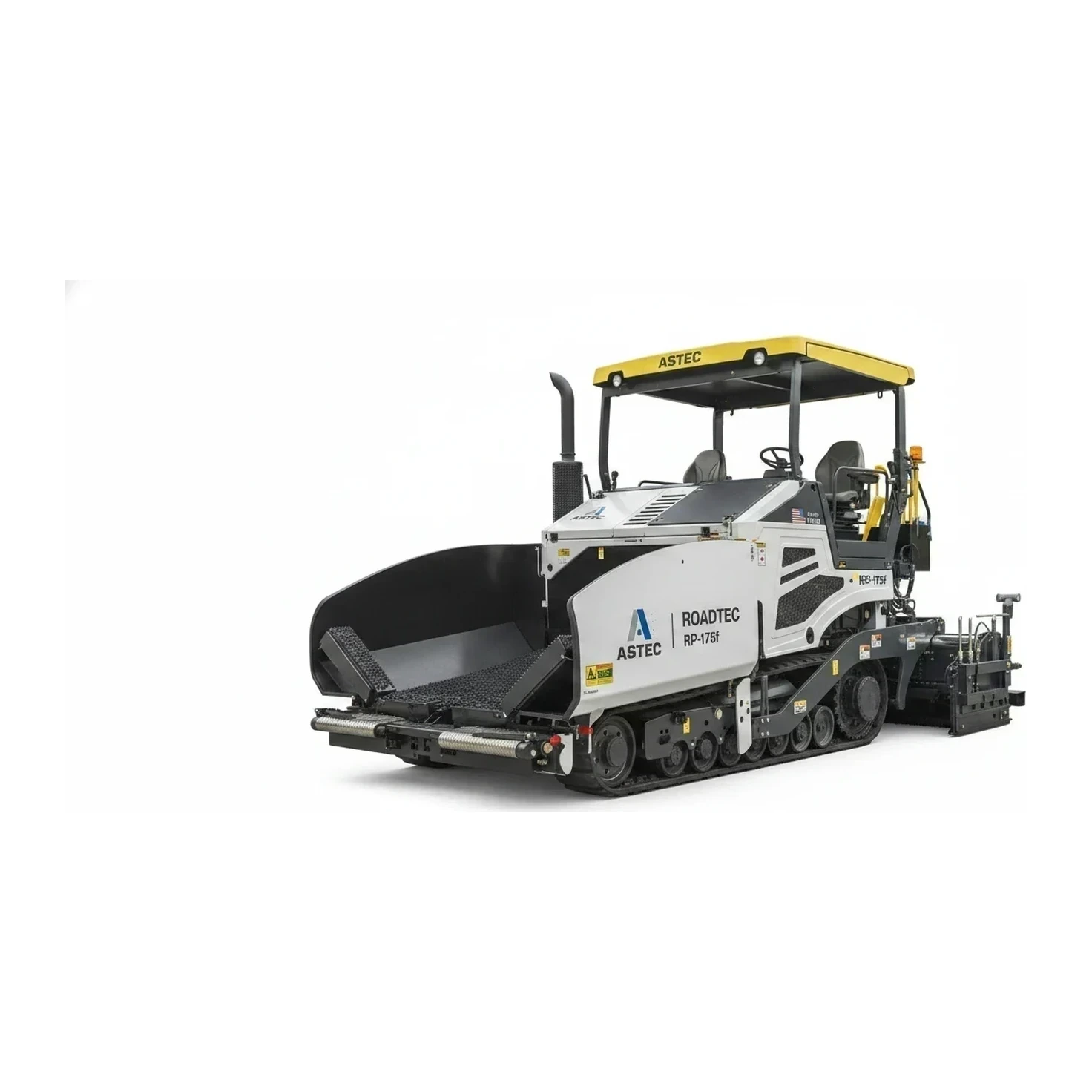
Concrete, paving, and masonry equipment covers the full life of cementitious work: mixing, placing, finishing, cutting, drilling, grinding, and breaking. It is one of the deepest categories in the catalog, anchored by the largest saw and mixer classes.
How it works
The equipment maps to the material's life cycle. Fresh concrete is mixed, transported, consolidated, and finished within its working window; cured concrete is then cut, drilled, ground, or broken with diamond tooling and percussion. Nearly all hardened-concrete work generates silica dust, making dust control integral to the tooling.
Types & variants
- Mixers
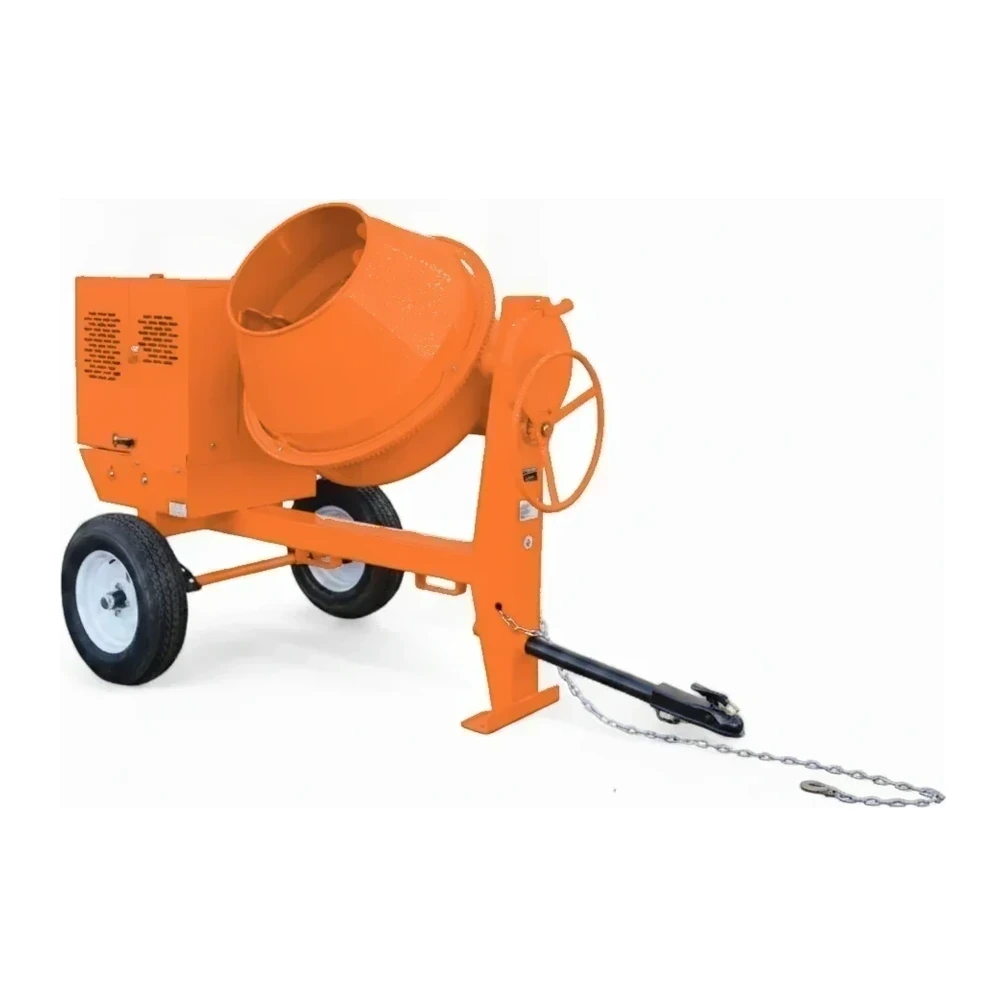
- Drum and paddle mixers that batch concrete, mortar, and grout on site.
- Concrete Placement
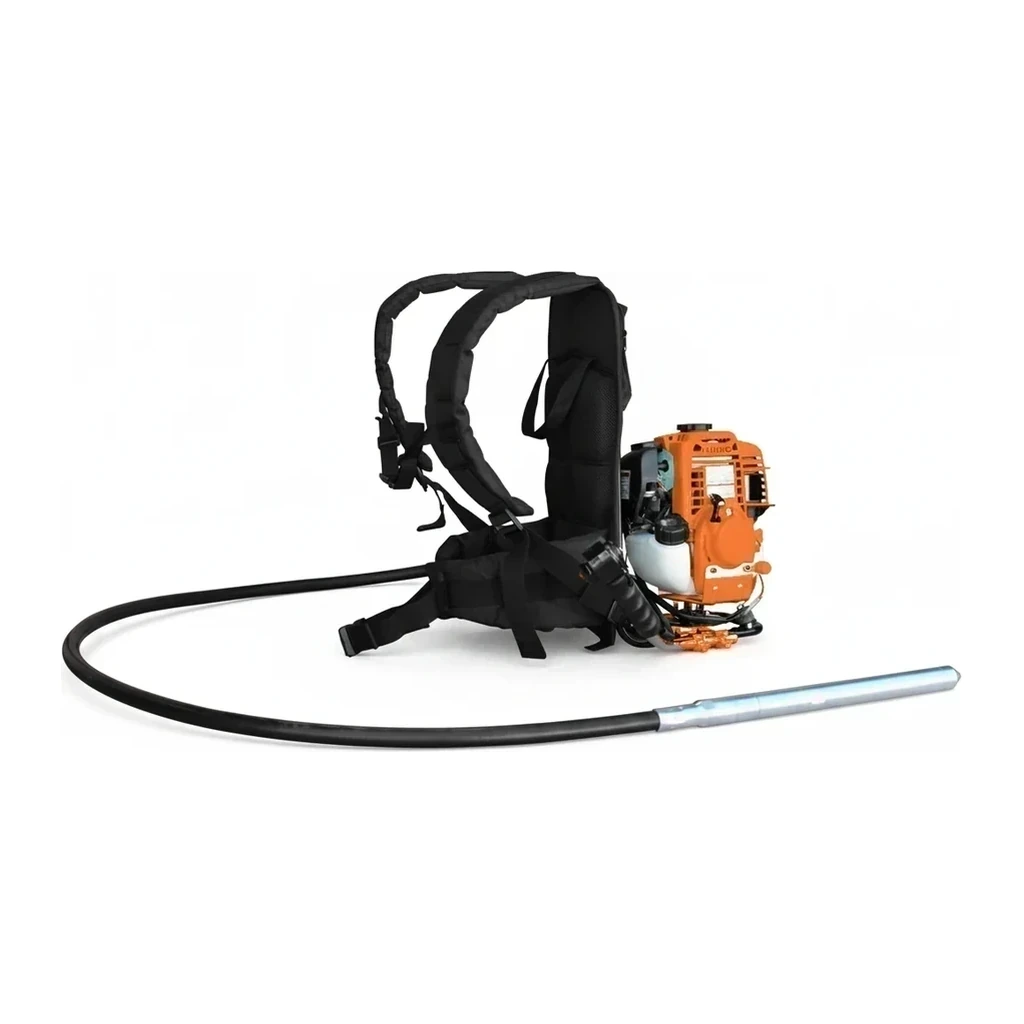
- Vibrators, pumps, buggies, and buckets that move and consolidate fresh concrete.
- Finishing
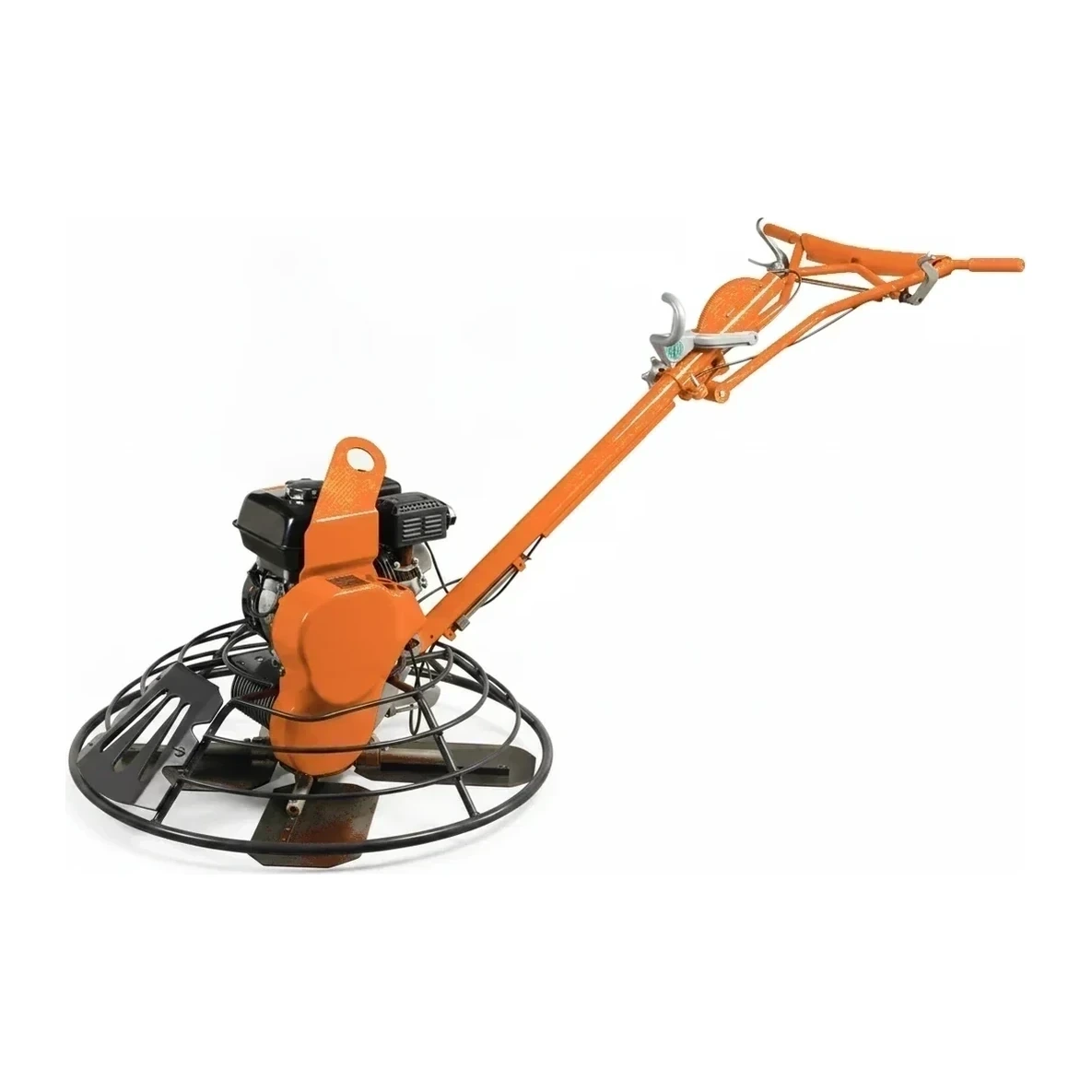
- Power trowels and screeds that level and finish concrete slabs.
- Surface Preparation
- Planers, grinders, and scarifiers that remove and profile hardened concrete.
- Saws
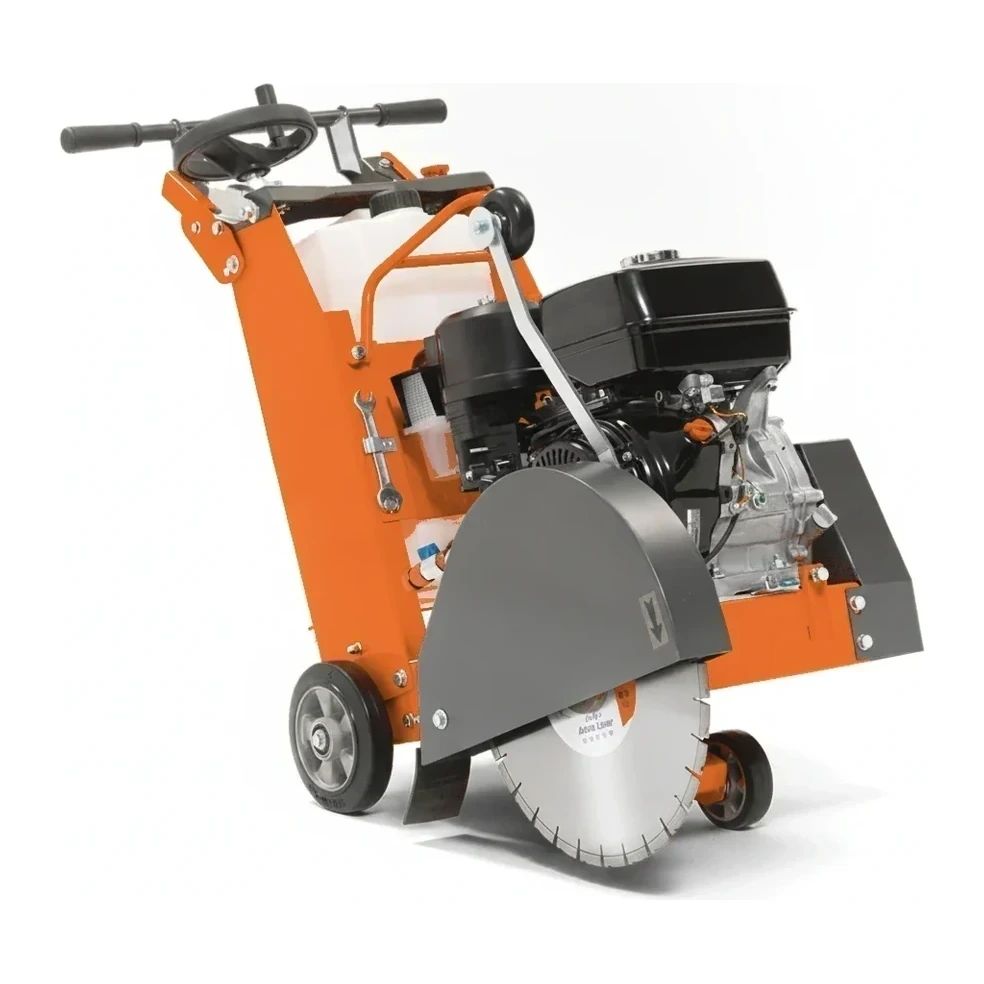
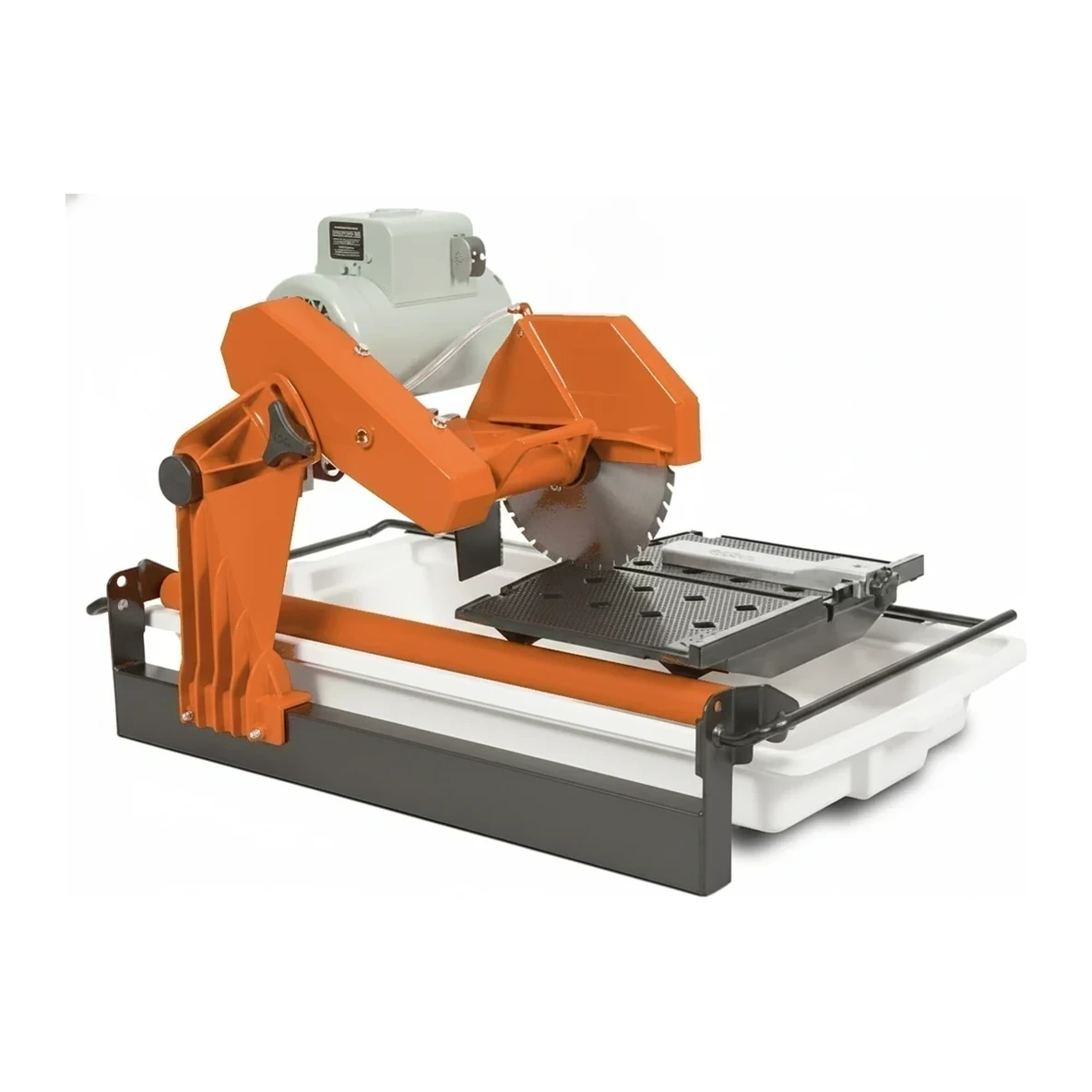
- Cut-off, walk-behind, tile, masonry, and early entry saws for concrete and masonry.
- Drilling and Cutting
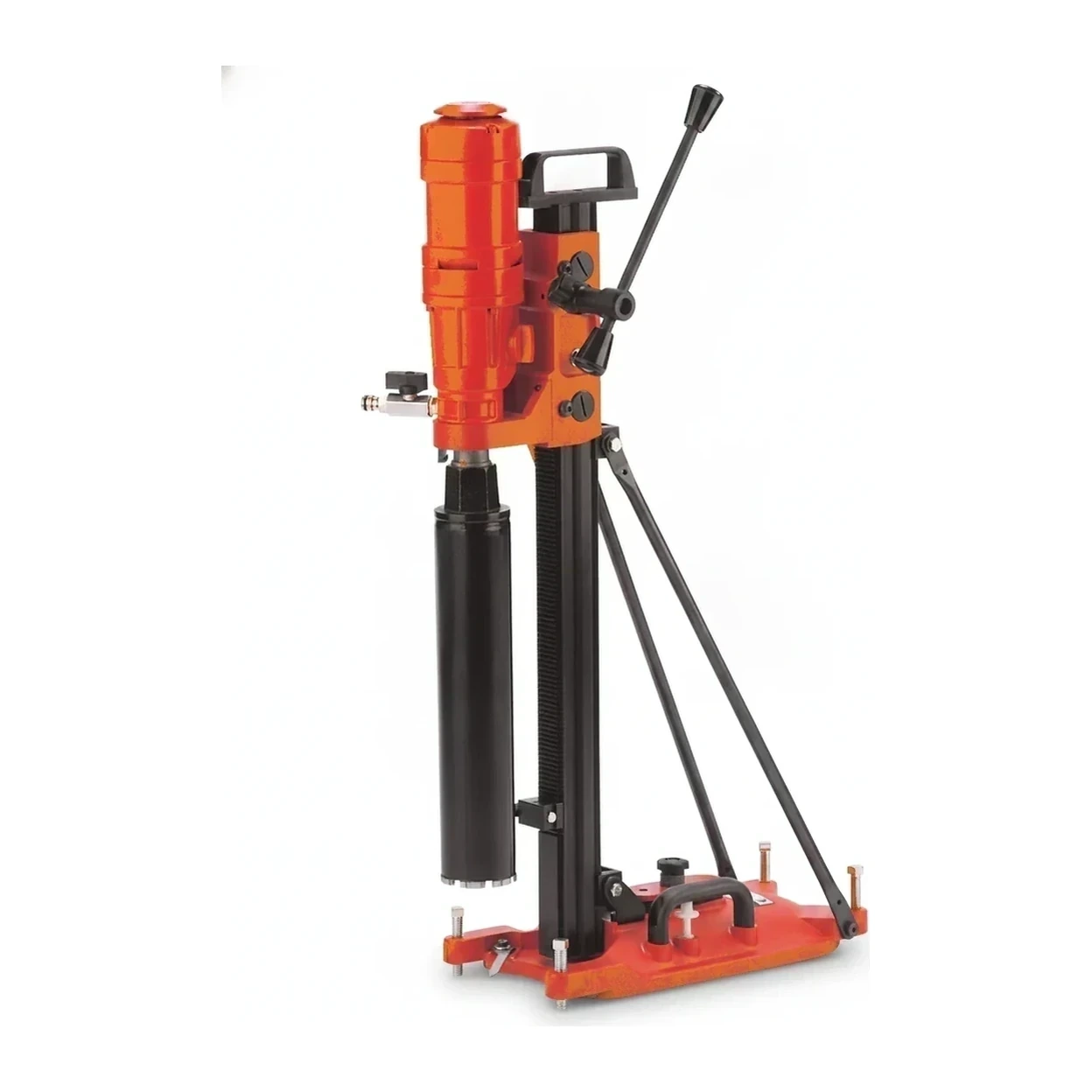
- Core drills, wall saws, and wire saws for precise structural penetrations.
- Demolition Hammers
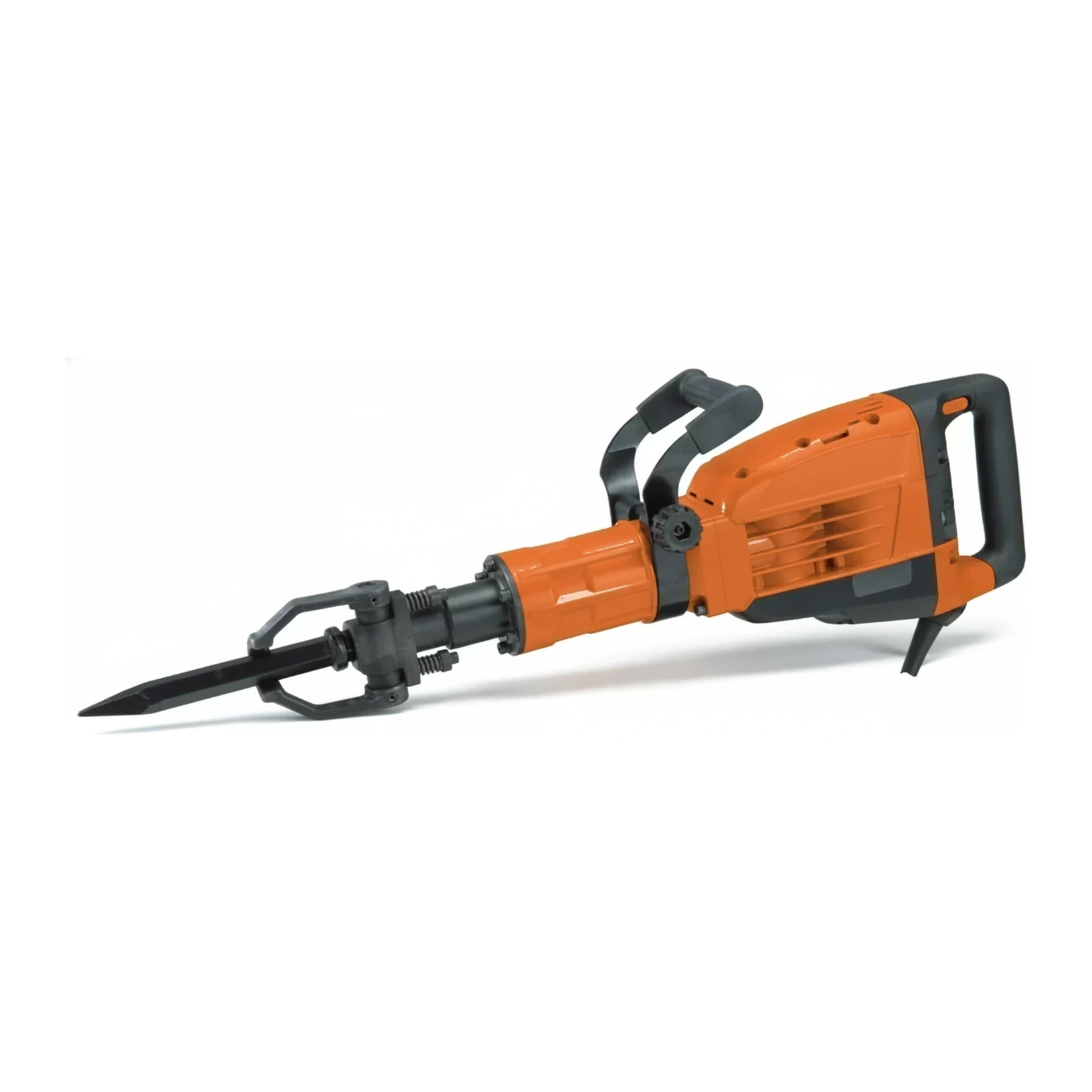
- Electric and pneumatic breakers for demolishing concrete and masonry.
How to choose
The phase of work locates the equipment: pours need mixing, placement, and finishing gear sized to volume and crew; modifications to cured concrete need the saw, drill, or grinder matched to the cut; demolition needs breakers matched to thickness. Across all of it, silica-rule compliance (water or vacuum extraction) travels with the tool.
Standards & certifications
- OSHA · 29 CFR 1926.1153
- Respirable crystalline silica rule; requires dust controls when cutting, grinding, or drilling concrete and masonry.
- OSHA · 29 CFR 1926 Subpart Q
- Concrete and masonry construction requirements, including formwork and shoring.