

Concrete Finishing
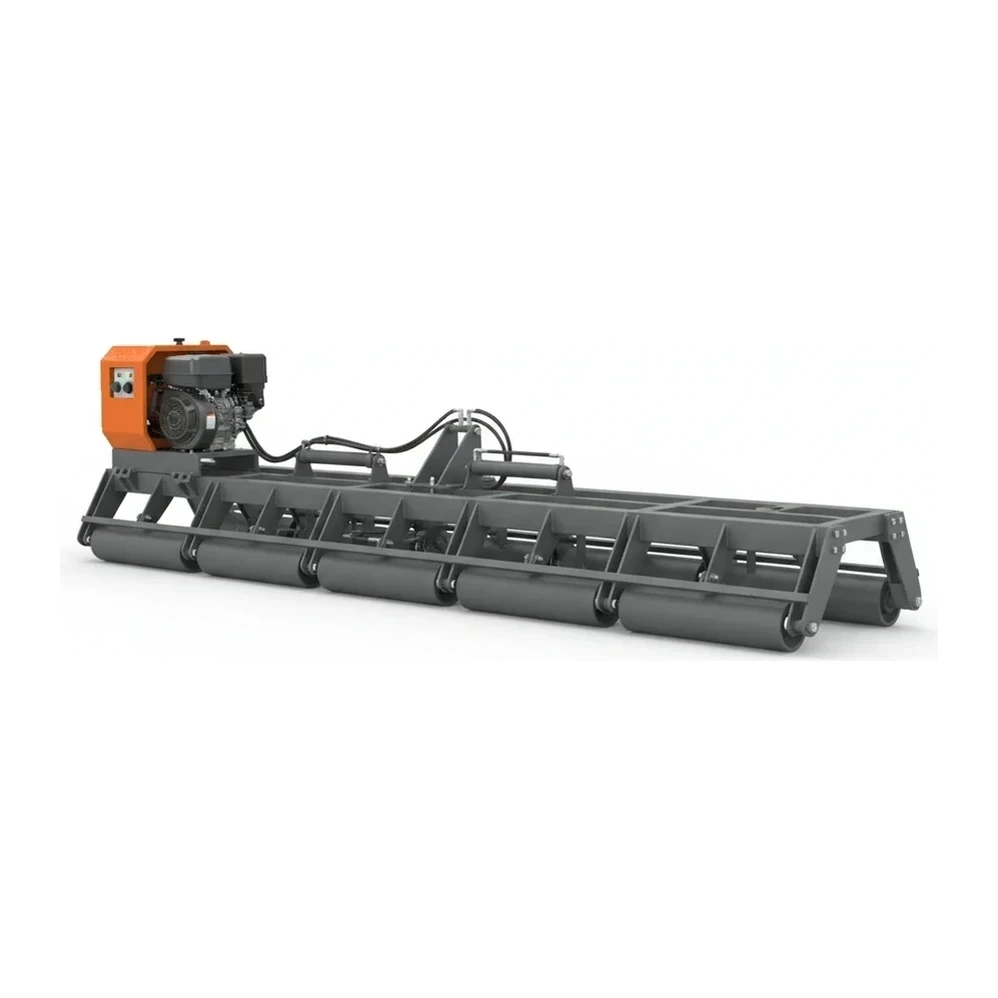
Finishing equipment turns screeded concrete into a flat, dense, durable surface. Walk-behind power trowels are the core class, with ride-on trowels for large slabs and vibratory screeds for strike-off.
How it works
A vibratory screed levels the wet pour first. As bleed water evaporates and the slab supports weight, trowel blades pass over it in stages: float blades open and flatten the surface, then finish blades at increasing pitch compact and polish it. Timing is the craft — troweling too early traps bleed water, too late and the surface will not close.
Types & variants
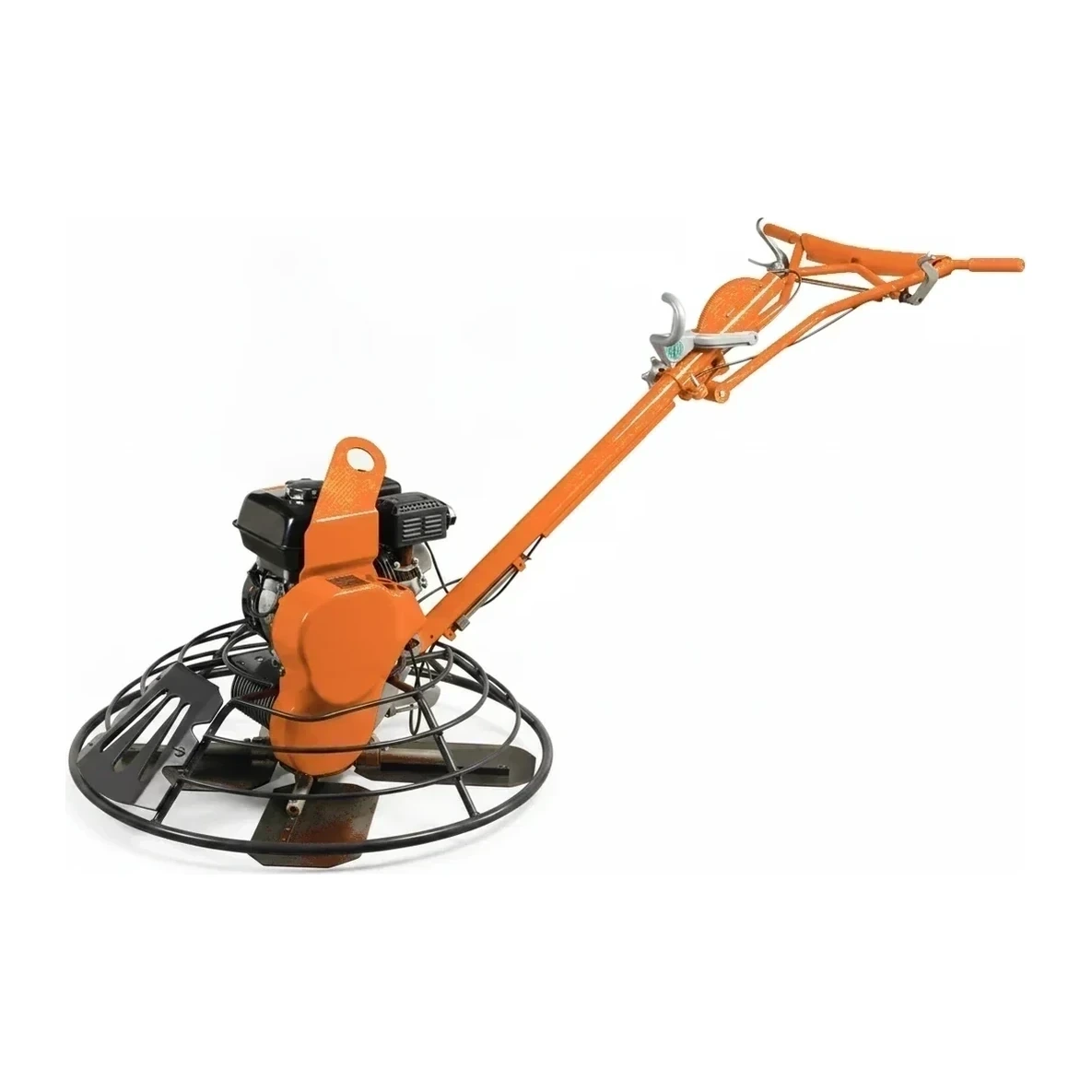
- Power Trowel
- Walk-behind rotary trowel that finishes concrete slabs to a smooth, dense surface.
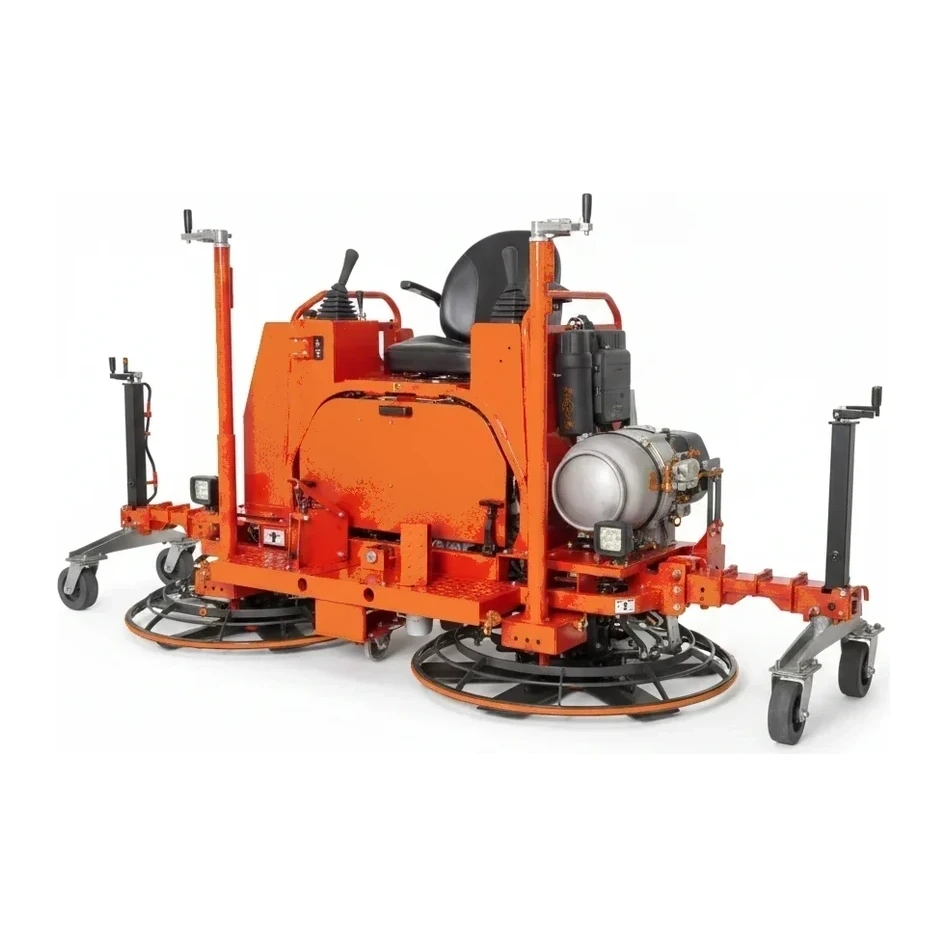
- Ride-On Power Trowel
- Operator-ridden trowel with twin rotors for finishing large slab pours quickly.
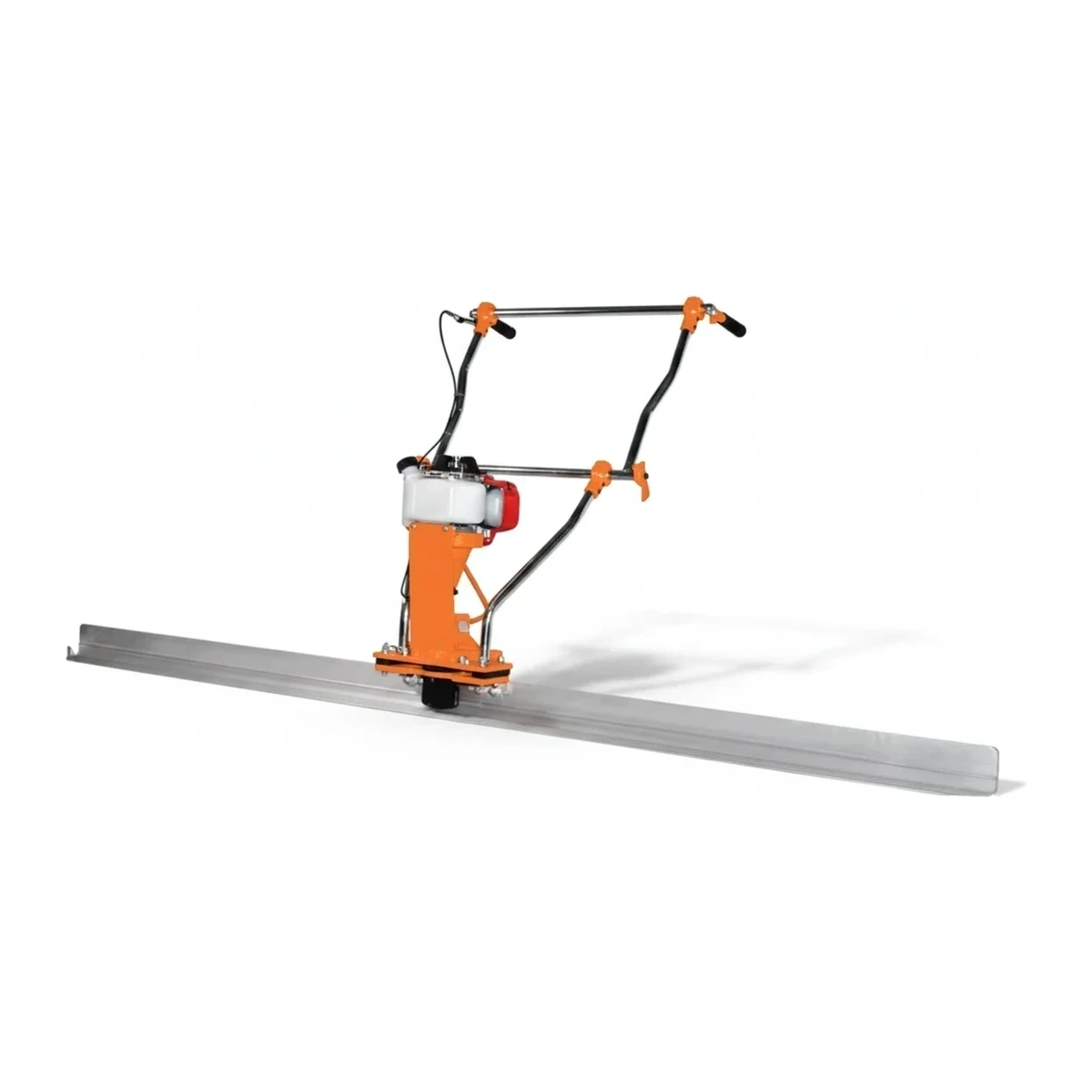
- Vibratory Power Screed
- Vibrating straightedge that strikes off and levels fresh concrete.
How to choose
Slab area sets the machine: hand trowels and small walk-behinds for edges and small pours, 36-48 in walk-behind trowels for general slabs, and twin-rotor ride-ons where thousands of square feet must be closed before the concrete sets. Screed choice follows form width and desired strike-off speed.
Standards & certifications
- OSHA · 29 CFR 1926 Subpart Q
- Concrete and masonry construction requirements, including formwork and shoring.
- OSHA · 29 CFR 1926.1153
- Respirable crystalline silica rule; requires dust controls when cutting, grinding, or drilling concrete and masonry.