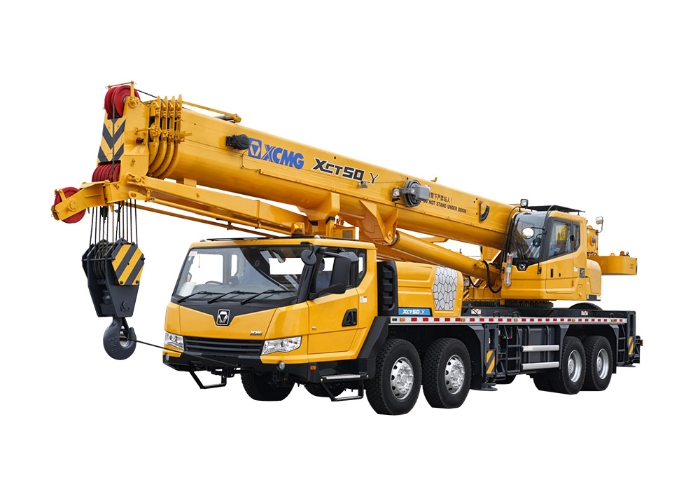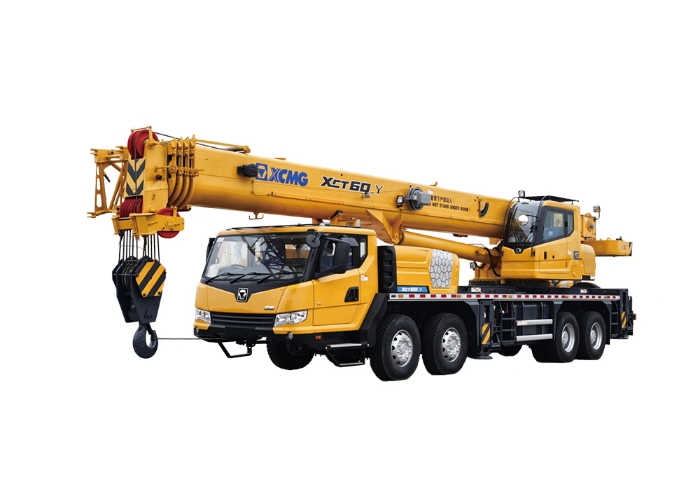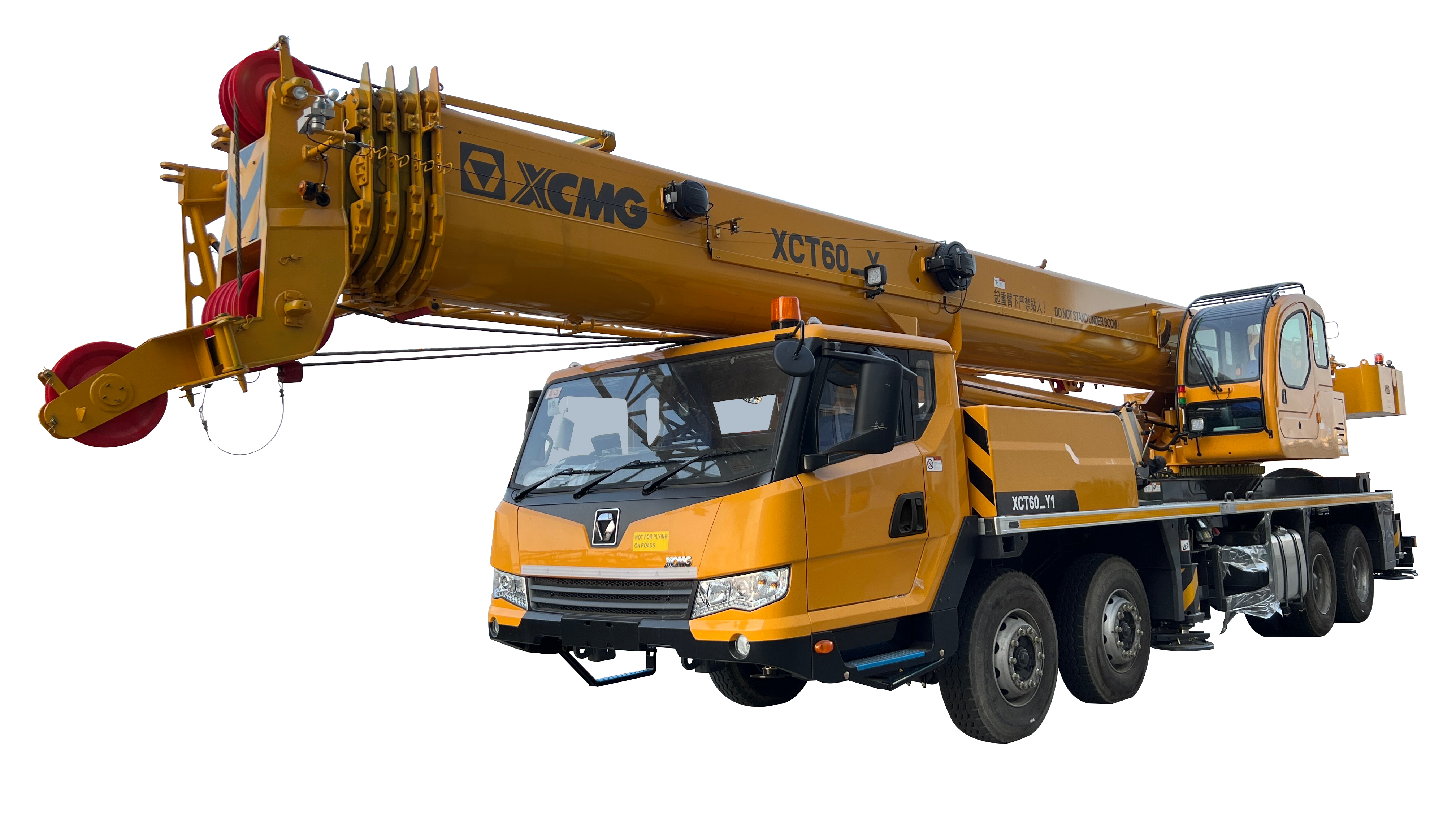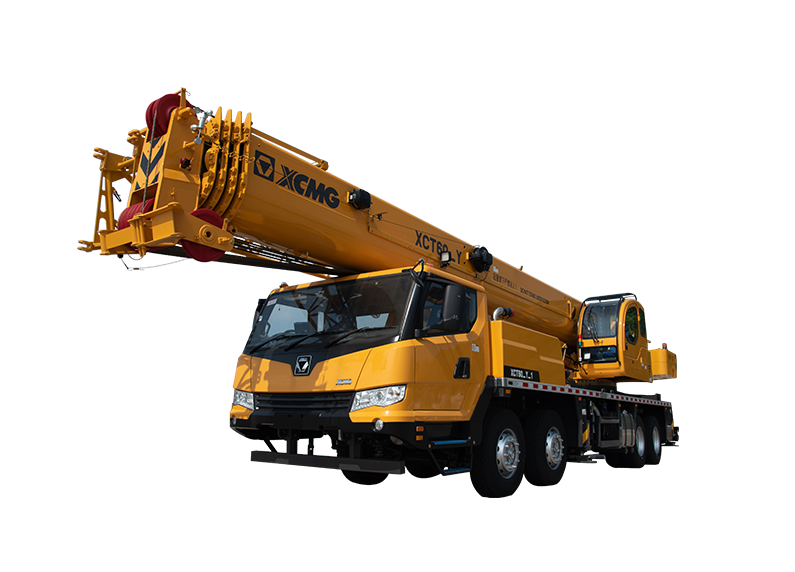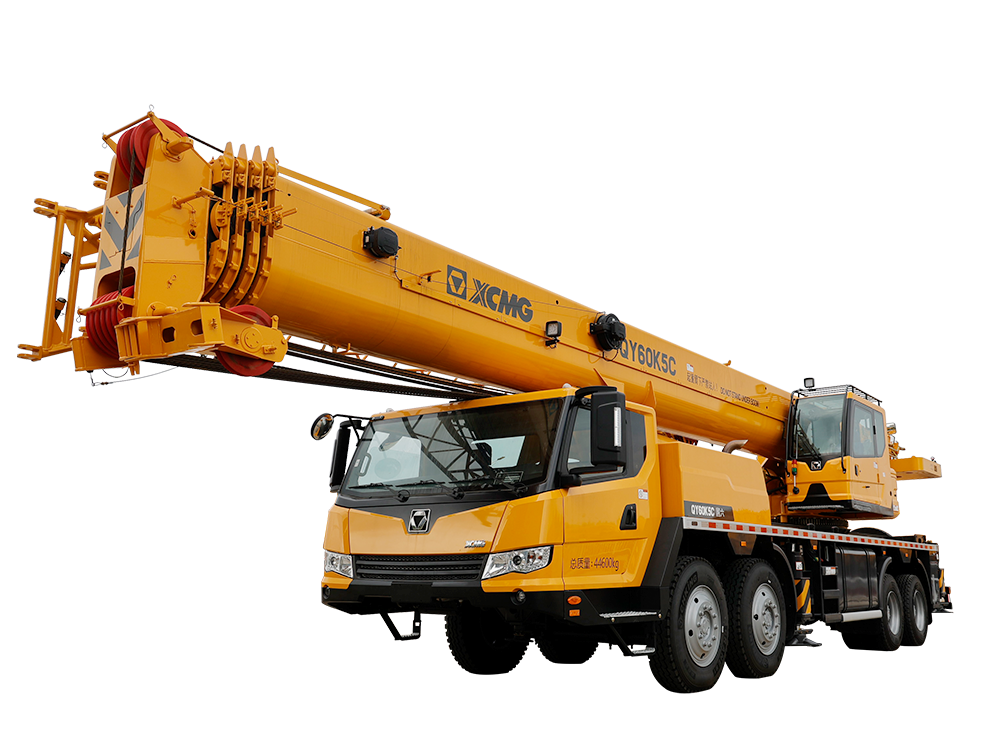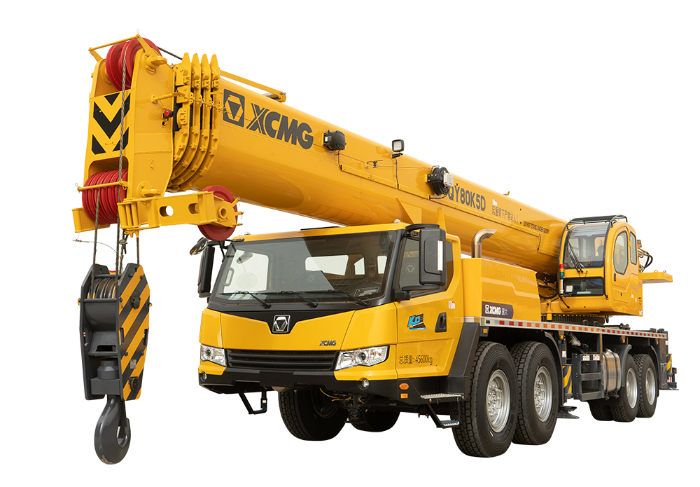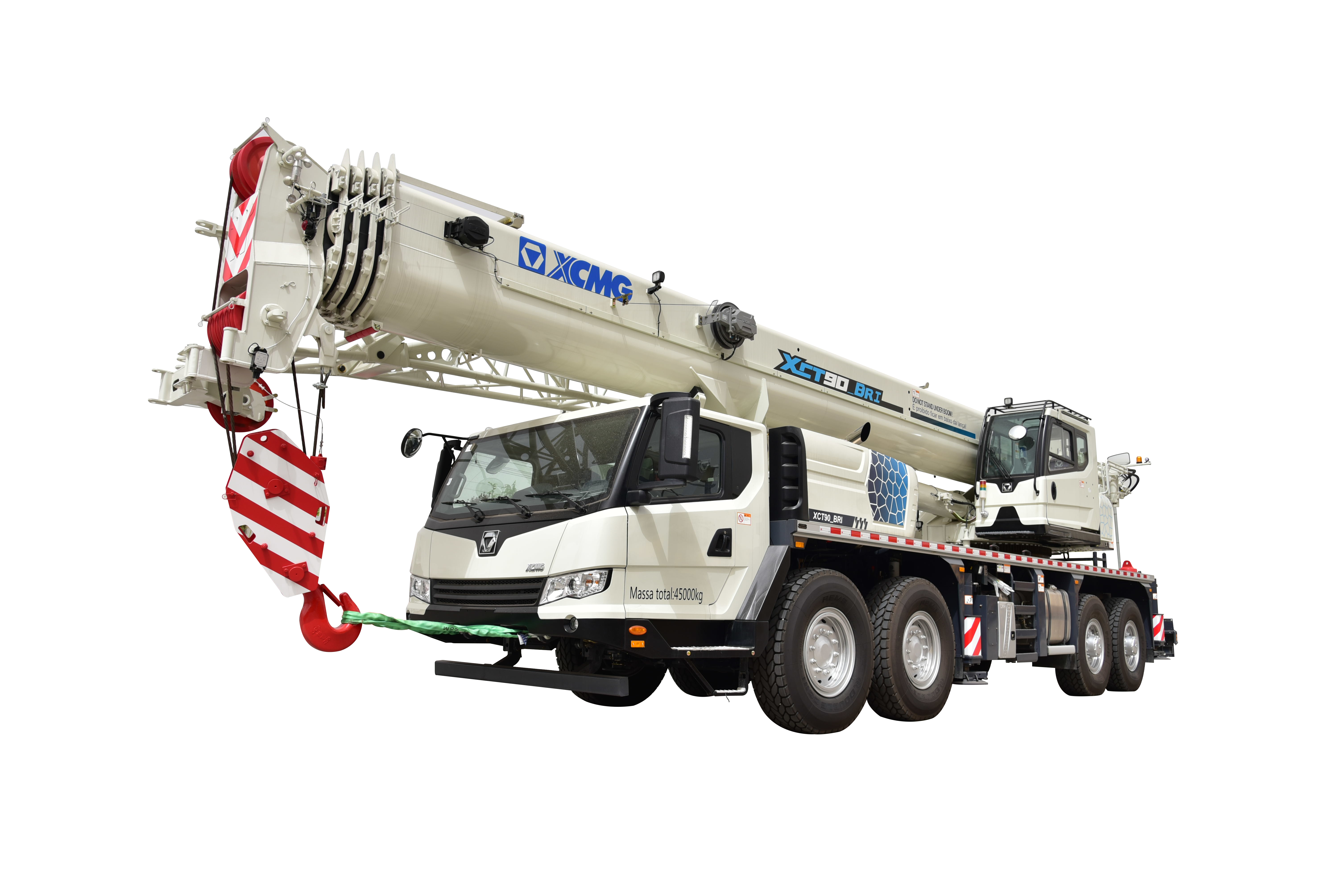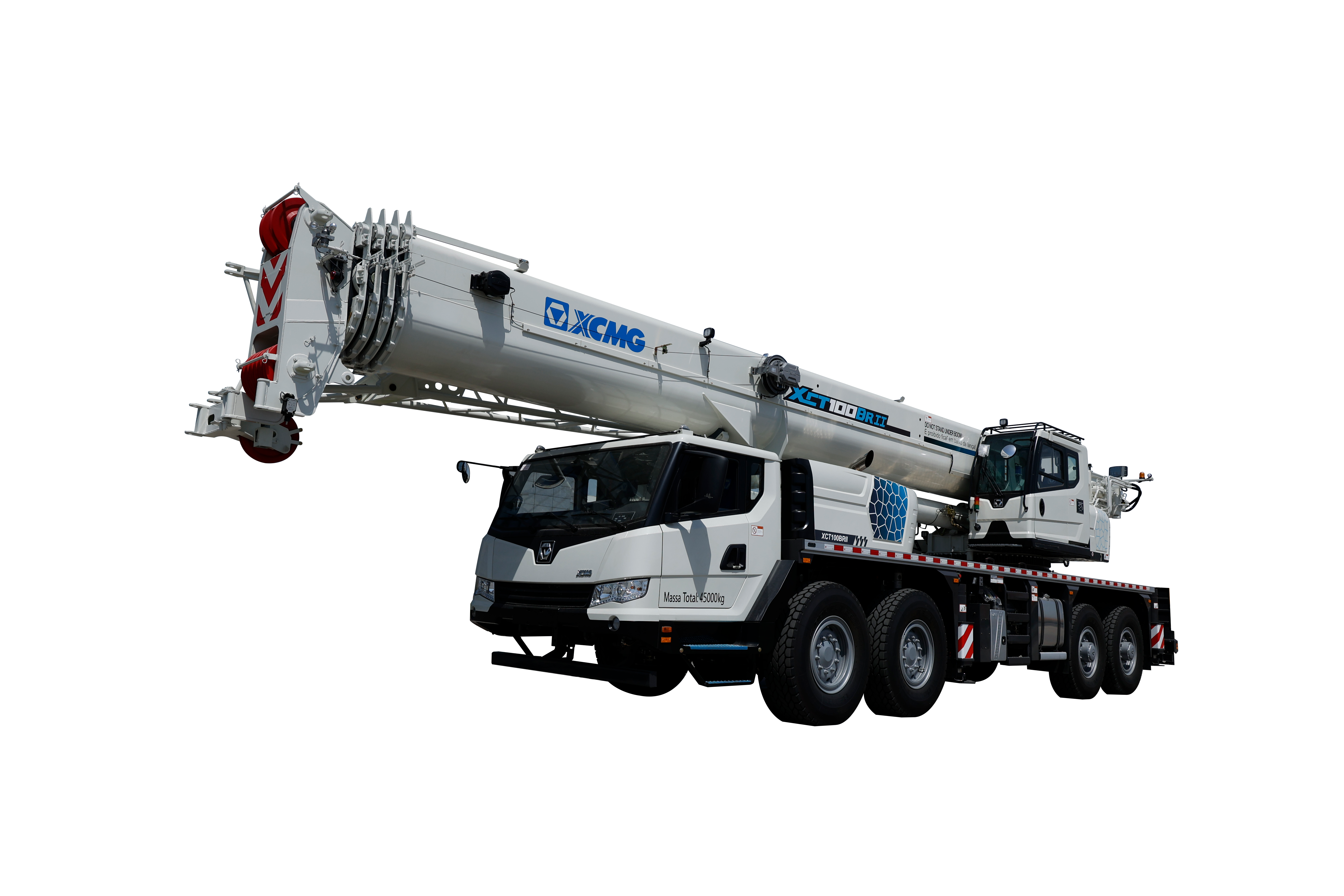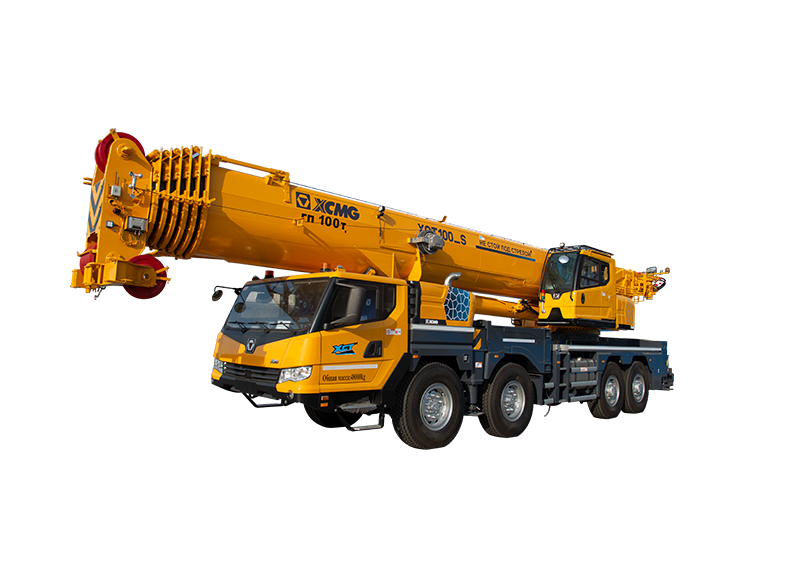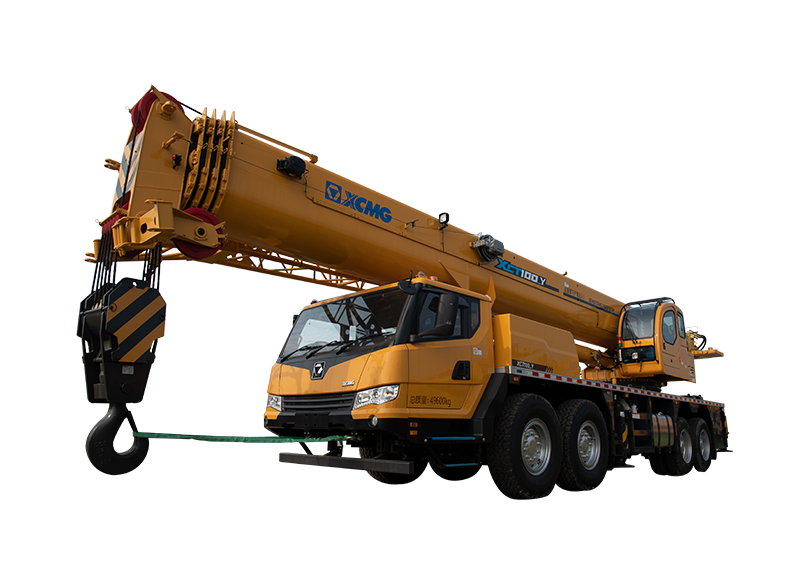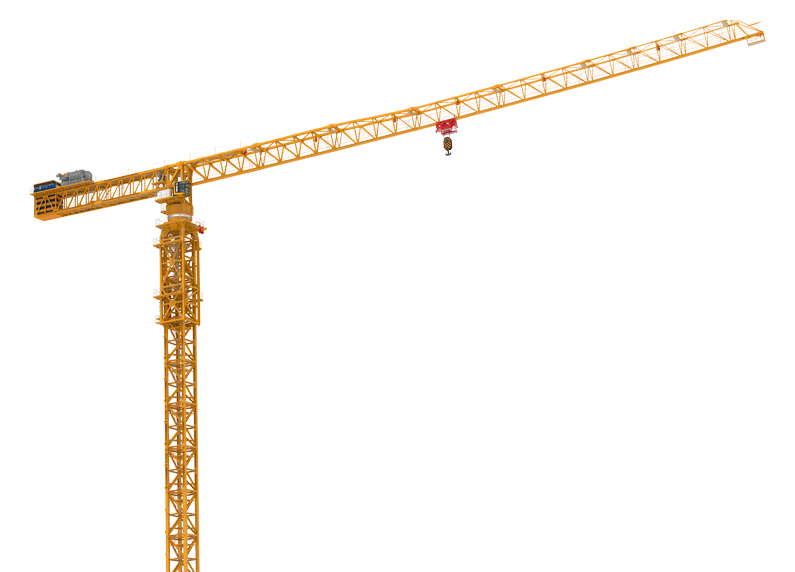

30+ ton Boom Truck
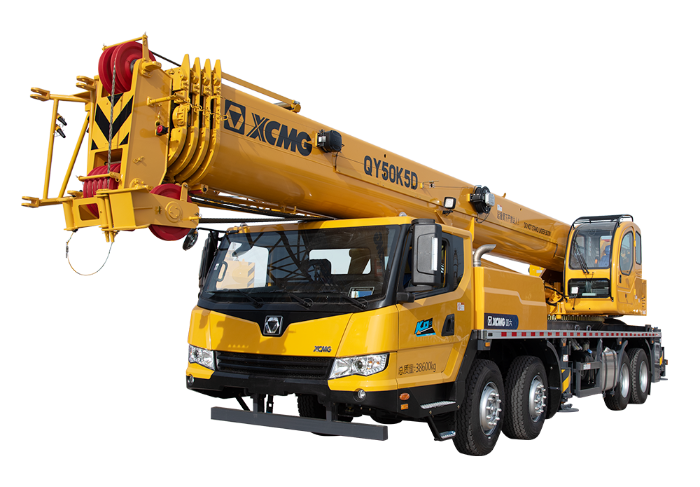
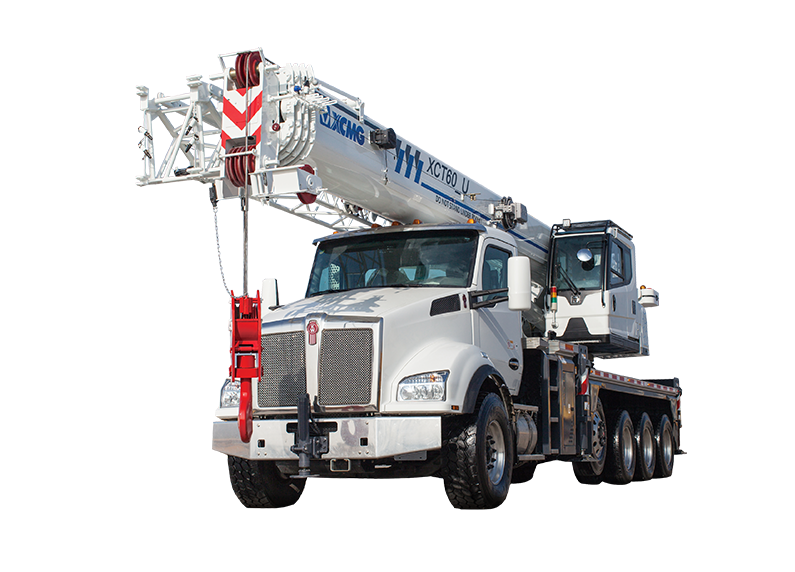
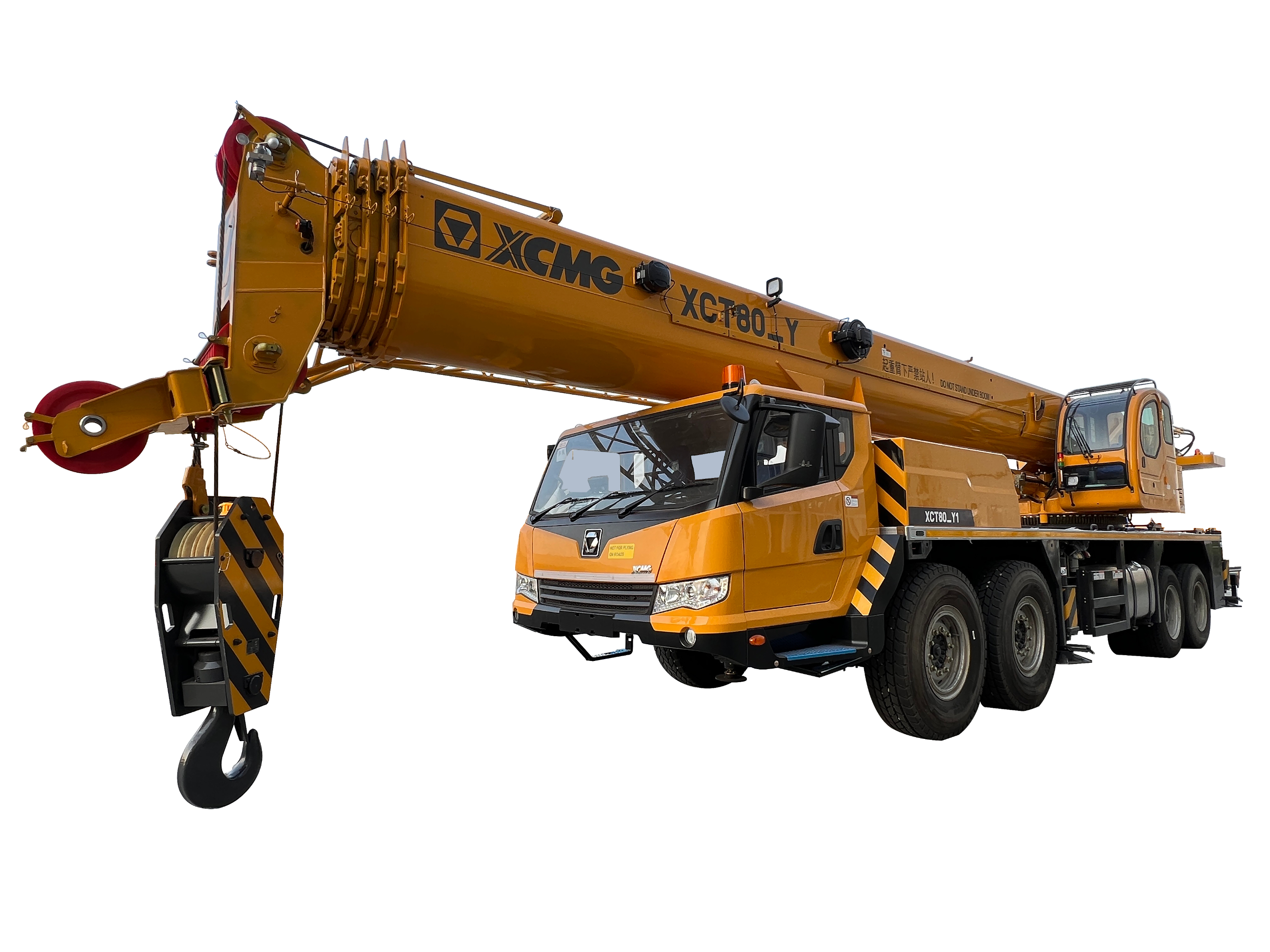
The 30+ ton boom truck represents the heaviest class of truck-mounted hydraulic cranes, combining lifting capacities from 28 to nearly 150 tons with the mobility of a highway-legal chassis. This size class handles structural steel erection, industrial tank setting, and other heavy lifts where a full lattice-boom crawler or rough-terrain crane would represent overkill in cost and setup time. These machines bridge the gap between mid-range boom trucks and dedicated mobile cranes.
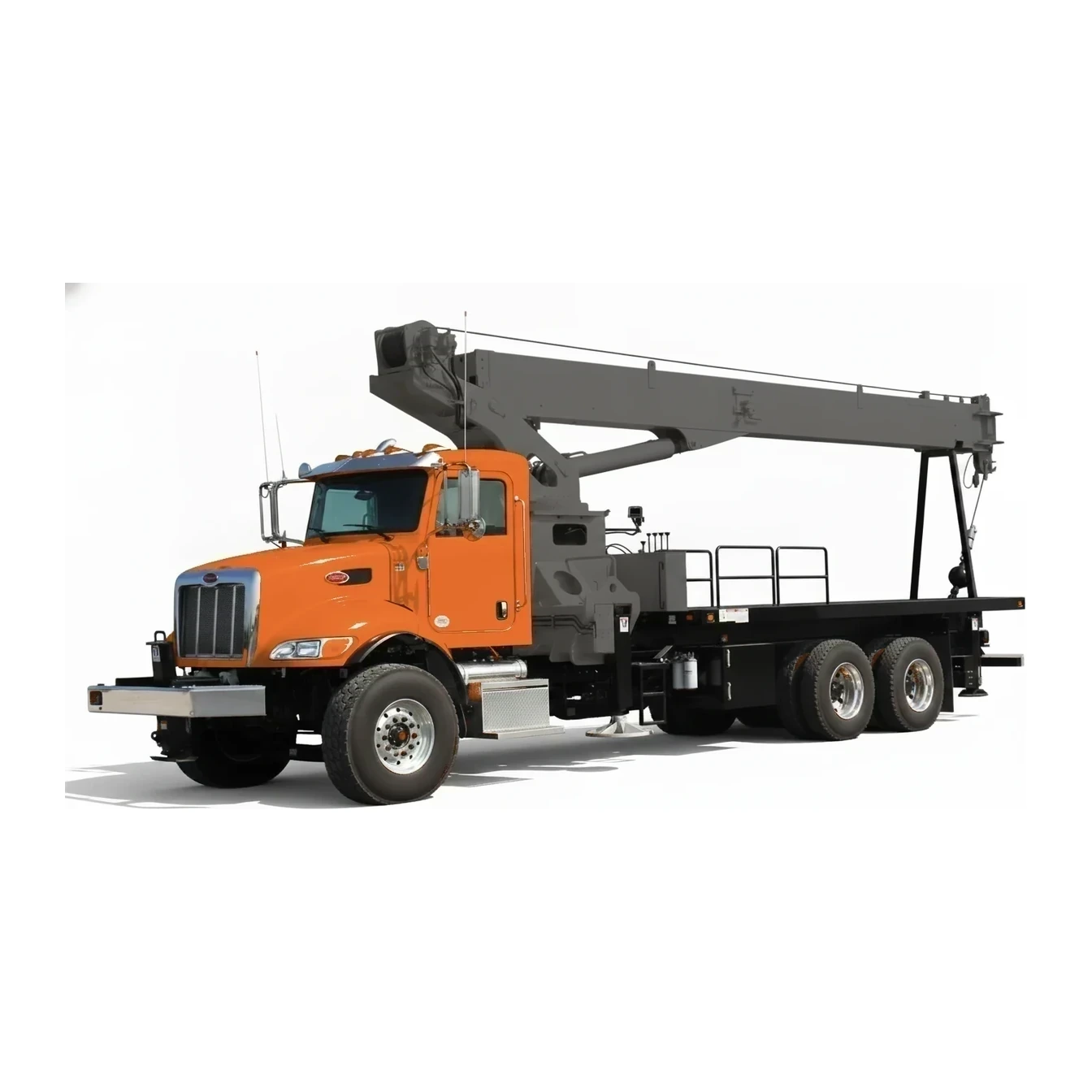
Cat classes
Pick a size class: capacity and reach differ across the range.
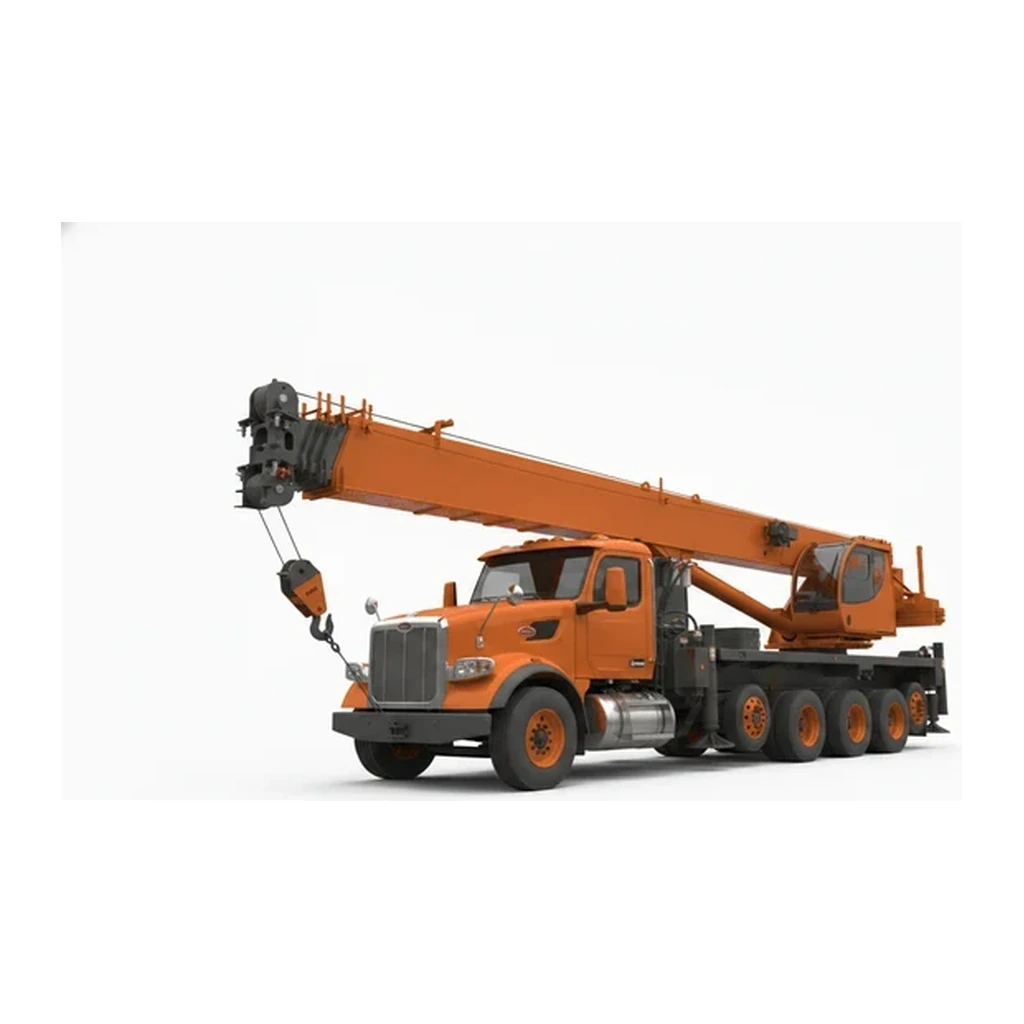
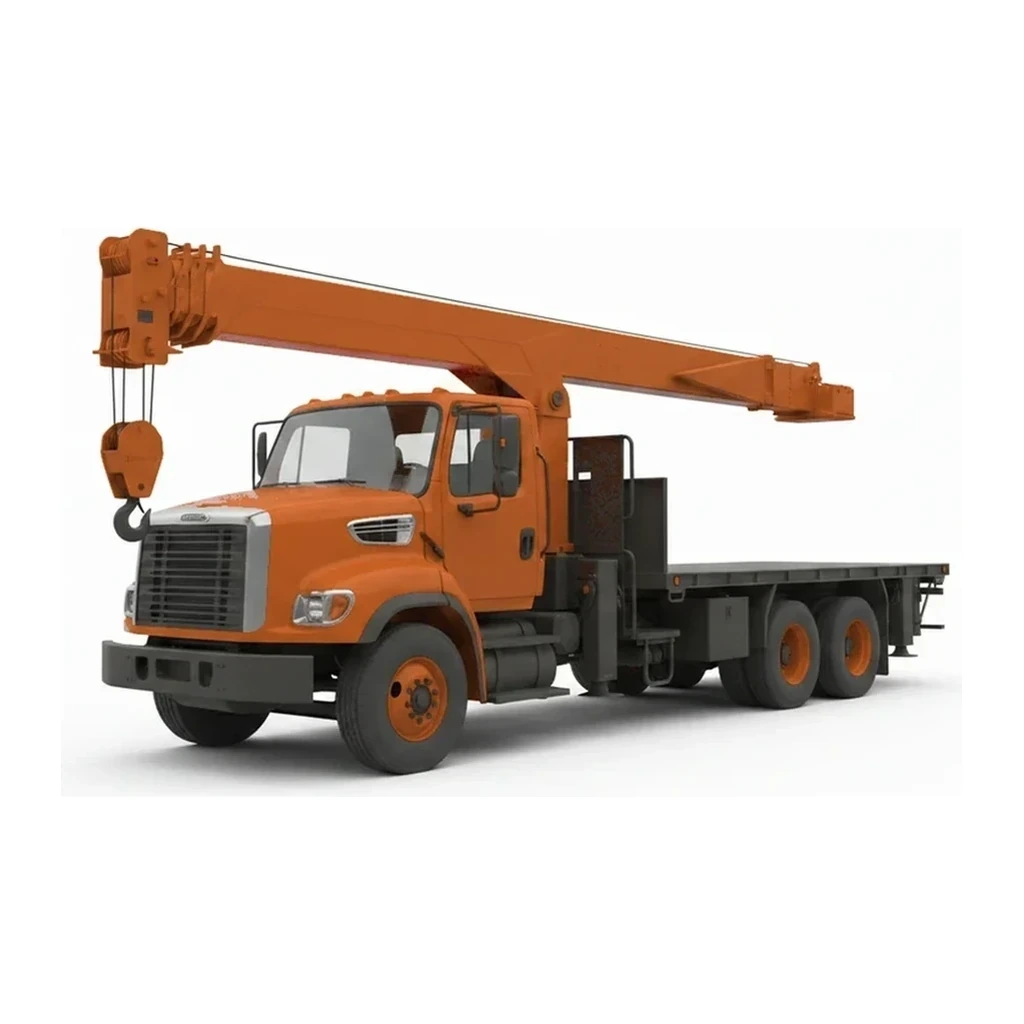
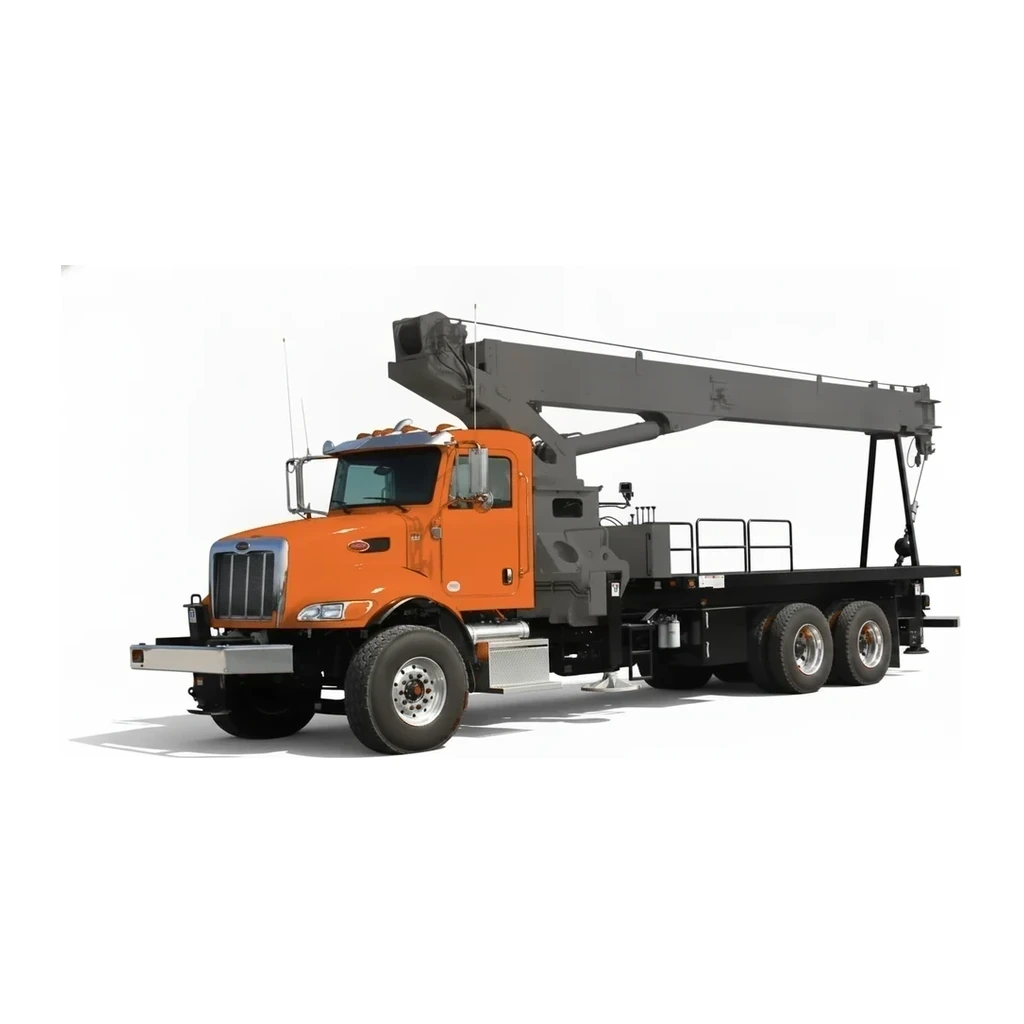
Key specifications
| Specification | Typical range | What it means |
|---|---|---|
| Lifting capacity | 28-150 tons | Main hook capacity determines maximum load weight at minimum radius; capacity decreases significantly as boom extends or angle lowers. |
| Max reach | 5-78 feet | Maximum horizontal reach from centerline of rotation; actual lift capacity at full extension is a small fraction of rated capacity. |
| Boom configuration | Telescoping hydraulic, 3-6 sections | Hydraulic extension offers faster setup than lattice boom; section count and material affect reach and weight. |
| Carrier class | Heavy-duty commercial chassis or purpose-built | Largest models may use purpose-built carriers; highway permitting and weight distribution govern road travel. |
How to choose
The 30+ ton boom truck is the correct choice when lifting structural steel members, positioning industrial tanks, or handling precast concrete elements that exceed the 15-30 ton class but do not require the ground preparation, assembly time, or cost of a full mobile crane. Steel erection on industrial buildings, HVAC unit placement on multi-story structures, and heavy equipment setting in active facilities are typical applications. When lifts consistently fall below 30 tons or involve shorter reaches, the 15-30 ton Boom Truck offers lower operating cost and simpler permitting. For loads approaching or exceeding 100 tons, jobs requiring frequent repositioning under load, or projects with extensive ground-bearing concerns, a dedicated lattice-boom mobile crane becomes the appropriate choice despite higher mobilization cost.
What this size handles
- Erecting structural steel frames for industrial buildings and warehouses
- Setting large HVAC units and mechanical equipment on commercial rooftops
- Positioning storage tanks and pressure vessels at refineries and chemical plants
- Installing precast concrete beams and wall panels on mid-rise construction
- Lifting heavy transformers and electrical switchgear at substations
- Placing large generators and emergency power equipment in active facilities
Safety & operation
- Load charts are configuration-specific; outrigger extension, boom angle, and radius must be verified before every lift to prevent tip-over
- Outrigger pad size and ground-bearing capacity are critical; inadequate ground preparation causes the majority of boom-truck incidents in this weight class
- Overhead power line clearance and swing radius must account for full boom length and load; electrocution remains a leading hazard
- Operator certification under NCCCO or equivalent standards is standard practice and required on most commercial and industrial sites
Transport & logistics
- Self-propelled on highways with overweight and oversize permits depending on configured weight and boom storage position
- Some models require pilot cars or specific routing to comply with state axle-weight and bridge-formula regulations
- Outrigger boxes and counterweights may require separate transport on heavy-duty lowboy trailers for the largest configurations
Power & supply
- Diesel engine powers both carrier propulsion and hydraulic systems for boom operation and outrigger deployment
- PTO-driven hydraulic pumps operate boom telescoping, swing, and winch functions from the carrier engine
- No external electrical supply required; all functions self-contained within the truck chassis and hydraulic system
Frequently asked
What distinguishes a 30+ ton boom truck from a similarly rated rough-terrain crane?
How does lifting capacity change with boom extension on these machines?
Do 30+ ton boom trucks require special operator certification?
Compare popular models
Find by spec →Normalised to the same units. A dash means the figure was not published.
| Model | Lifting capacity | Max reach |
|---|---|---|
| Grove TMS500-2- 102ft Boom | 79,366 lb (36 t) | - |
| Grove TMS500-2- 95ft Boom | 79,366 lb (36 t) | - |
| Grove TMS700E | 110,231 lb (50 t) | - |
| Grove TMS800-2 | 169,756 lb (77 t) | - |
| Grove TMS800E | 154,324 lb (70 t) | - |
| Grove TMS875-2 | 165,347 lb (75 t) | - |
Related equipment
Browse by manufacturer
Sources
Every specification is verified against the manufacturer's published data, with the source linked for reference.
30+ ton Boom Truck
113 models · Page 2 of 3 · Every spec cited to source