

50-65 ft Long-Reach Excavator
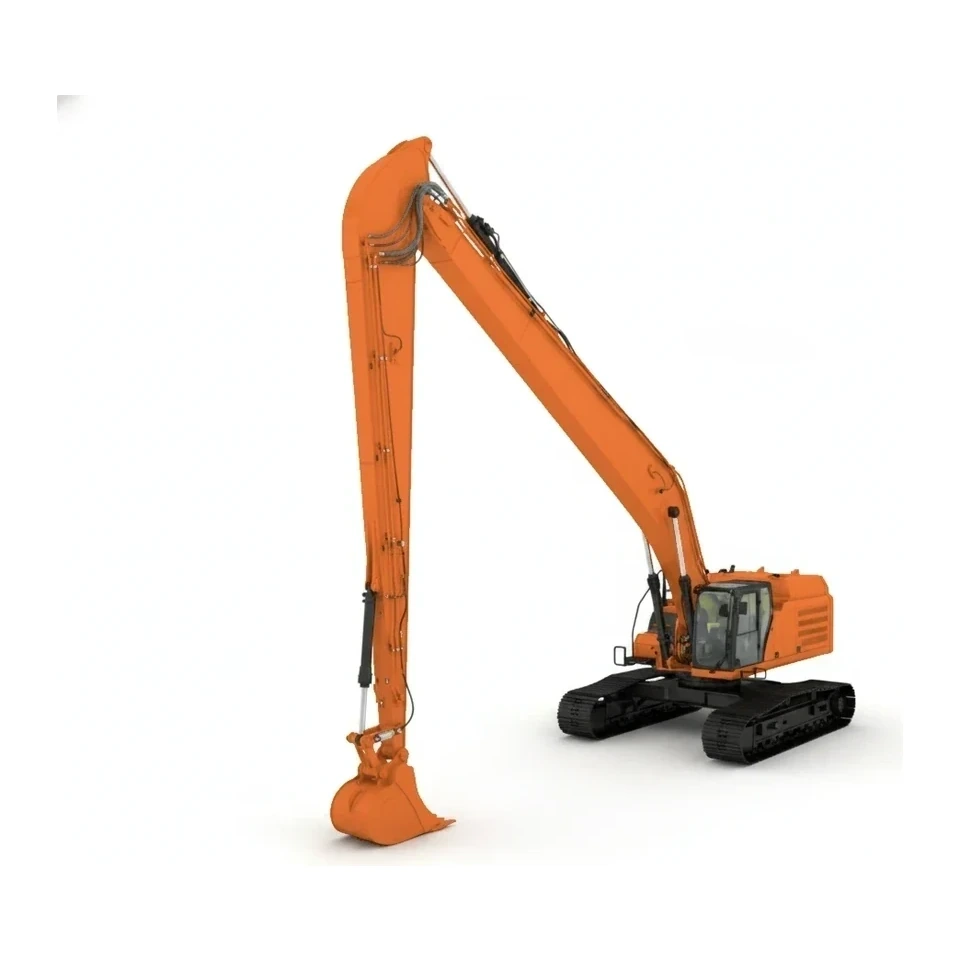
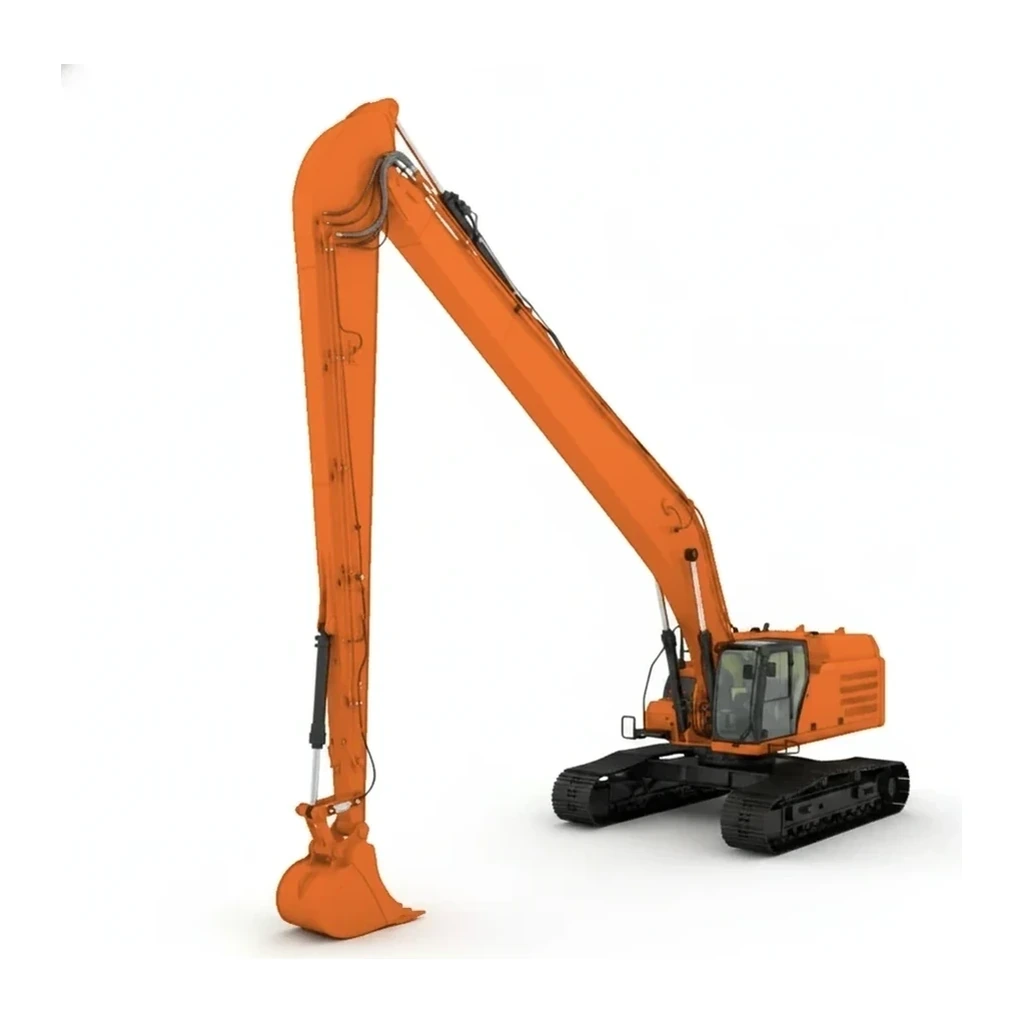
The 50-65 ft long-reach excavator represents the standard configuration for deep excavation and waterway work, delivering the reach necessary for canal dredging, river maintenance, and deep retention basins without repositioning. This size class sits at the upper end of the long-reach excavator ladder, handling the majority of municipal drainage projects, environmental remediation, and large-scale slope work. Machines in this band provide the optimal balance of reach and stability for projects requiring extended horizontal and vertical digging envelopes.
Cat classes
Pick a size class: capacity and reach differ across the range.
Key specifications
| Specification | Typical range | What it means |
|---|---|---|
| Maximum Reach | 50-65 ft horizontal | Determines access to canal centerlines, deep basin floors, and slope faces from levee or bank positioning |
| Digging Depth | 45-55 ft vertical | Maximum depth capability for retention ponds, drainage channels, and below-grade remediation work |
| Boom Configuration | Extended two-piece articulating | Engineered boom and stick sections provide structural integrity at maximum extension while maintaining bucket breakout force |
How to choose
This size class is appropriate for canal and river maintenance, deep stormwater basins, lagoon construction, and slope trimming operations where a single machine position must cover 50-65 feet of horizontal reach. The extended boom allows operators to work from levees, berms, or stable ground without entering soft or submerged areas. For projects with reach requirements under 50 feet, including smaller drainage ditches, pond edges, and standard foundation work, the Up to 50 ft Long-Reach Excavator offers adequate capacity with reduced transport complexity and lower operating weight. No larger long-reach class is cataloged; projects requiring greater reach typically employ specialized dredging equipment or clamshell configurations.
What this size handles
- Irrigation canal cleaning and reshaping from levee access roads
- Municipal retention basin excavation to 50+ foot depths
- River bank stabilization and slope grading across wide channels
- Lagoon construction for wastewater treatment facilities
- Environmental sediment remediation in wetland restoration projects
- Deep stormwater infrastructure and outfall construction
Safety & operation
- Operating radius and load charts critical; bucket weight and material loads significantly affect stability at maximum reach
- Ground conditions beneath tracks must support combined machine weight and overturning forces during deep digging cycles
- Boom position awareness essential near overhead utilities; extended boom height during transport or repositioning can contact power lines
- Spotter or ground personnel coordination required when working near water edges, steep slopes, or areas with limited operator sightlines to bucket position
Transport & logistics
- Heavy-duty lowboy or multi-axle trailer required due to extended boom length and counterweight configuration
- Boom sections typically transported in assembled position; width and height necessitate oversize permits and escort vehicles in most jurisdictions
- Loading and unloading performed with hydraulic ramps or dock facilities; machines of this size exceed conventional jobsite trailer capacities
Power & supply
- Diesel fuel supply on site; machines in this class consume 8-15 gallons per operating hour depending on load cycles and reach demands
- Bulk fuel storage or daily refueling logistics required for continuous canal and basin projects spanning multiple weeks
- Cold-weather operation may require block heaters and fuel conditioning for reliable hydraulic performance at full extension
Frequently asked
What differentiates a 50-65 ft long-reach excavator from a standard excavator with extended stick?
How does operating cost compare to smaller long-reach classes?
Can this size class work effectively on both deep vertical and long horizontal reach tasks?
Compare popular models
Find by spec →Normalised to the same units. A dash means the figure was not published.
| Model | Operating weight | Max dig depth | Max reach | Engine power |
|---|---|---|---|---|
| Hitachi ZX210-7 SLF | 56,218 lb (25,500 kg) | 37.9 ft (11.6 m) | 50.5 ft (15.4 m) | 172 hp |
| Hitachi ZX490-7 SLF | 116,625 lb (52,900 kg) | 39.1 ft (11.9 m) | 54.4 ft (16.6 m) | 397 hp |
Related equipment
Browse by manufacturer
Sources
Every specification is verified against the manufacturer's published data, with the source linked for reference.
50-65 ft Long-Reach Excavator
2 models · Every spec cited to source