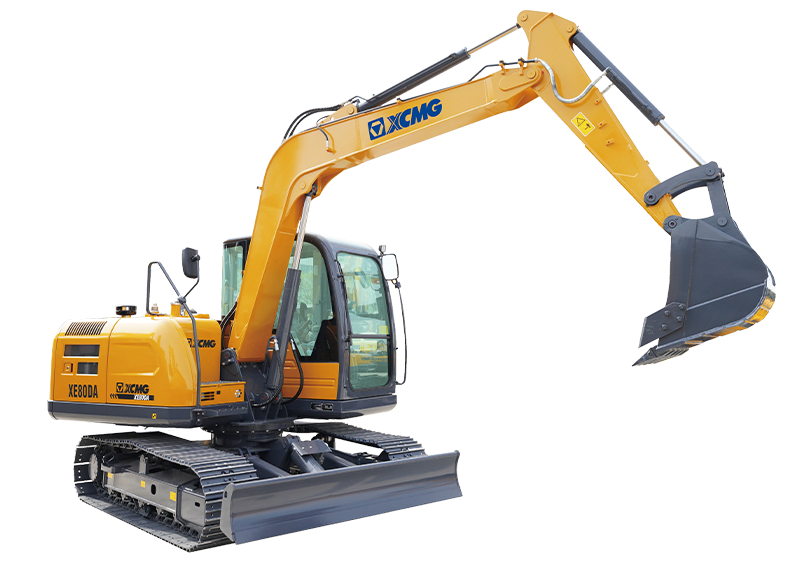

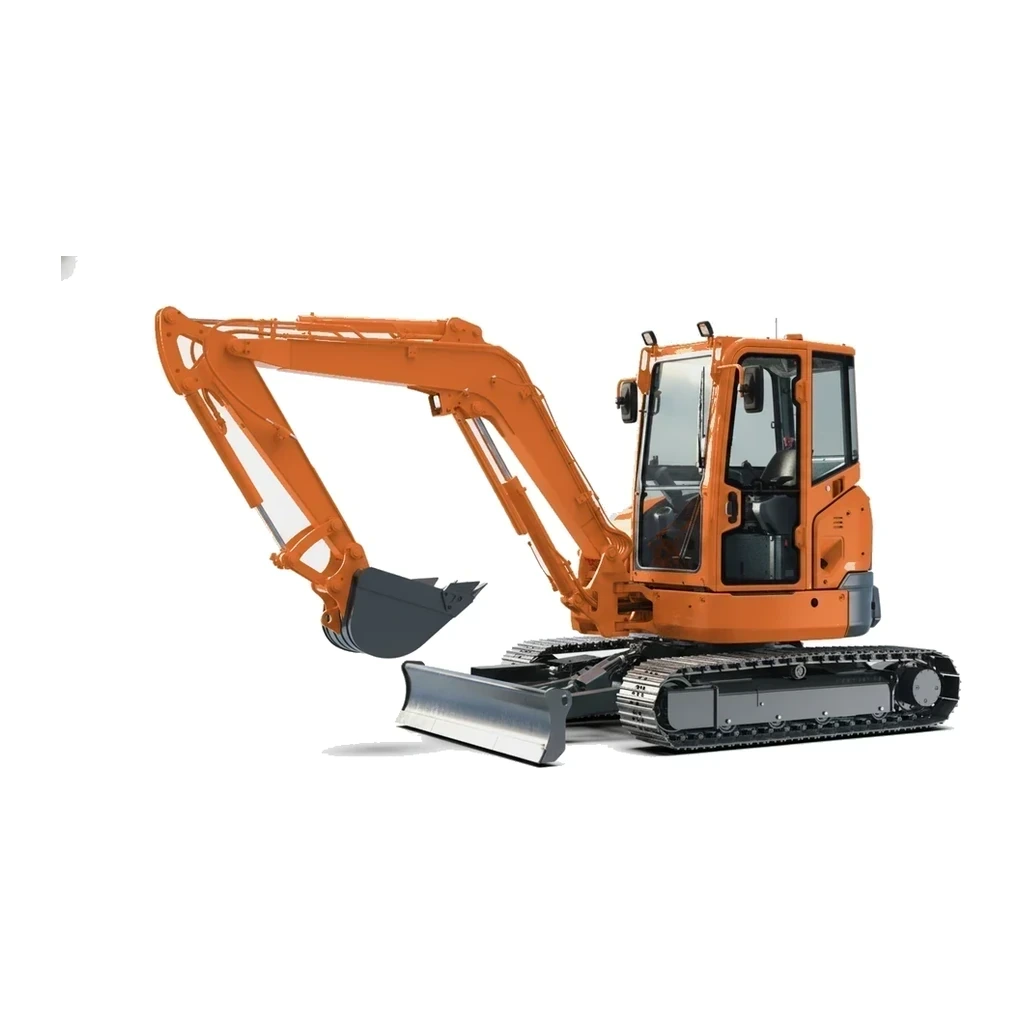
8,000-13,500 lb Mini Excavator
The 8,000-13,500 lb mini excavator class, commonly called the 4-6 ton range, represents the industry's most-specified mini excavator size. These machines deliver dig depths beyond 10 feet and operating reach to 17 feet while remaining towable on standard equipment trailers. This size bridges the gap between compactsite-access machines and full-size excavators, offering production-level bucket capacity with minimal site disturbance.
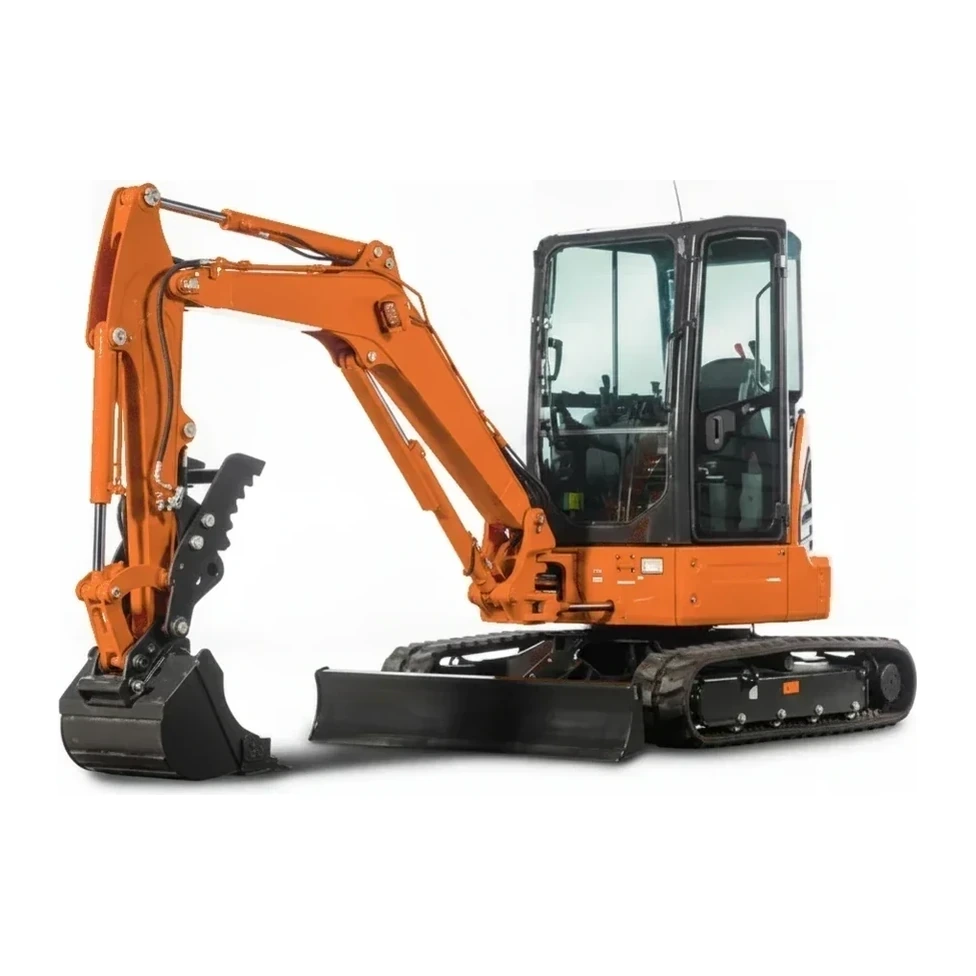
Cat classes
Pick a size class: capacity and reach differ across the range.
Key specifications
| Specification | Typical range | What it means |
|---|---|---|
| Max dig depth | 10–13 ft (3.0–4.0 m) | Sufficient for utility trenches, residential foundations, and drainage work below frost lines. |
| Max reach | 17–21 ft (5.2–6.4 m) | Horizontal digging radius for working across roadways or from stable ground positions. |
| Bucket capacity | 0.3-0.8 cu yd | Full-size bucket volumes for productive excavation without requiring compactor-class machines. |
| Operating weight | 8,800–13,200 lb (3,992–5,987 kg) | Heavy enough for stability in production digging, light enough for legal trailer transport. |
| Engine power | 38-49 hp | Diesel engines sized for continuous hydraulic demand and all-day operation. |
How to choose
This size class suits utility installation, residential foundation work, and site preparation where dig depth exceeds 10 feet and bucket productivity matters. The 4,000-8,000 lb Mini Excavator is the better choice when access gates, weight-sensitive surfaces, or extremely tight working envelopes dictate a narrower footprint and lighter ground pressure. Contractors step down to the lighter class for indoor demolition, landscape work in finished yards, or transport in pickup beds. The 8,000-13,500 lb class remains the default for open-site excavation, drainage systems, and commercial utility rough-ins where legal trailer transport is required but full-size excavator reach and bucket size are not.
What this size handles
- Utility trenching for water, sewer, and electrical service to 12 ft depth
- Residential and light-commercial foundation excavation and backfill
- Drainage system installation including catch basins and retention ponds
- Site grading and pad preparation for small commercial buildings
- Roadside ditch work and culvert installation from stable shoulders
- Demolition of residential foundations and below-grade structures
Safety & operation
- Operator certification per OSHA 1926 Subpart P for excavation and trenching work required in most jurisdictions
- ROPS (roll-over protective structure) and FOPS (falling object protective structure) cabs standard on most models
- Ground pressure of 4-6 psi requires evaluation of subsurface utilities, soil bearing capacity, and underground voids
- Swing radius and tail overhang exceed machine width; barricades or spotters necessary in shared-access areas
Transport & logistics
- Trailers legally on tandem-axle equipment trailers rated 14,000-16,000 lb GVWR without overweight permits
- Towed by 3/4-ton and 1-ton pickup trucks or medium-duty contractor trucks meeting trailer and load ratings
- Loaded via walk-on ramps or tilt-bed trailers; hydraulic thumb and bucket typically removed for width clearance
Power & supply
- Diesel fuel capacity of 15-32 gallons supports 6-10 hours of continuous operation depending on load
- Refueled on-site from diesel transfer tanks or service trucks; no external electrical power required
Frequently asked
What differentiates the 8,000-13,500 lb class from lighter mini excavators?
Can this size class be transported in a pickup truck bed?
What track width range does this class cover?
Compare popular models
Find by spec →Normalised to the same units. A dash means the figure was not published.
| Model | Operating weight | Max dig depth | Max reach | Engine power |
|---|---|---|---|---|
| Kubota KX057-5 | - | 12.8 ft (3.9 m) | - | 48 hp |
| Kubota U55-5 | - | 11.9 ft (3.6 m) | - | 48 hp |
| Takeuchi TB240 | - | - | - | 36 hp |
| Takeuchi TB260 | - | - | - | 48 hp |
| Wacker Neuson EZ50 | - | 12 ft (3.7 m) | - | 44 hp |
| Bobcat E50z | 11,023 lb (5,000 kg) | - | - | 42 hp |
Related equipment
Browse by manufacturer
Sources
Every specification is verified against the manufacturer's published data, with the source linked for reference.
8,000-13,500 lb Mini Excavator
147 models · Page 4 of 4 · Every spec cited to source