

600-1,000 lb Mini Skid Steer
The 600-1,000 lb mini skid steer is a ride-on compact loader designed for all-day attachment work—trenching, augering, or breaking—in confined jobsites where full-size skid steers cannot maneuver. With operating weights between 952.5 and 1,572.0 kg and lift capacities from 272.2 to 431.0 kg, this size class bridges the gap between walk-behind models and compact track loaders. Two manufacturers, Vermeer and Ditch Witch, dominate this segment with five core models.
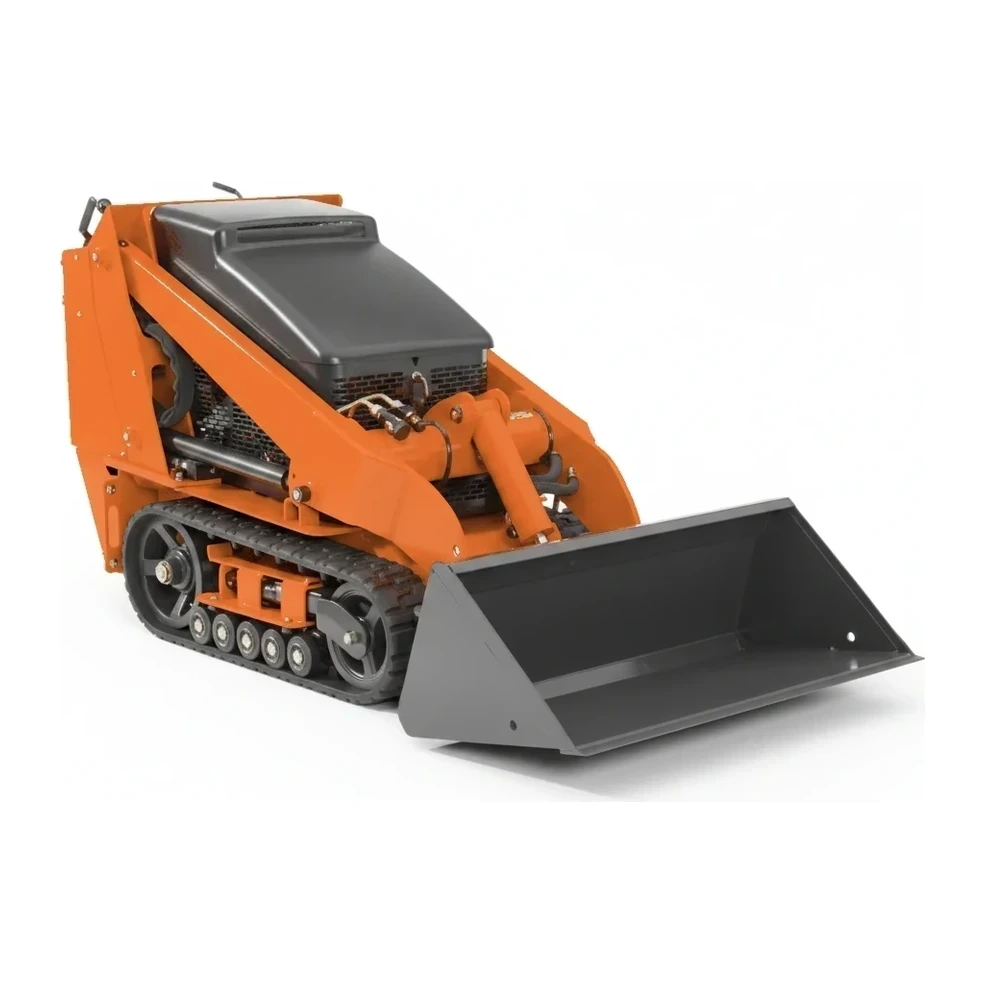
Cat classes
Pick a size class: capacity and reach differ across the range.
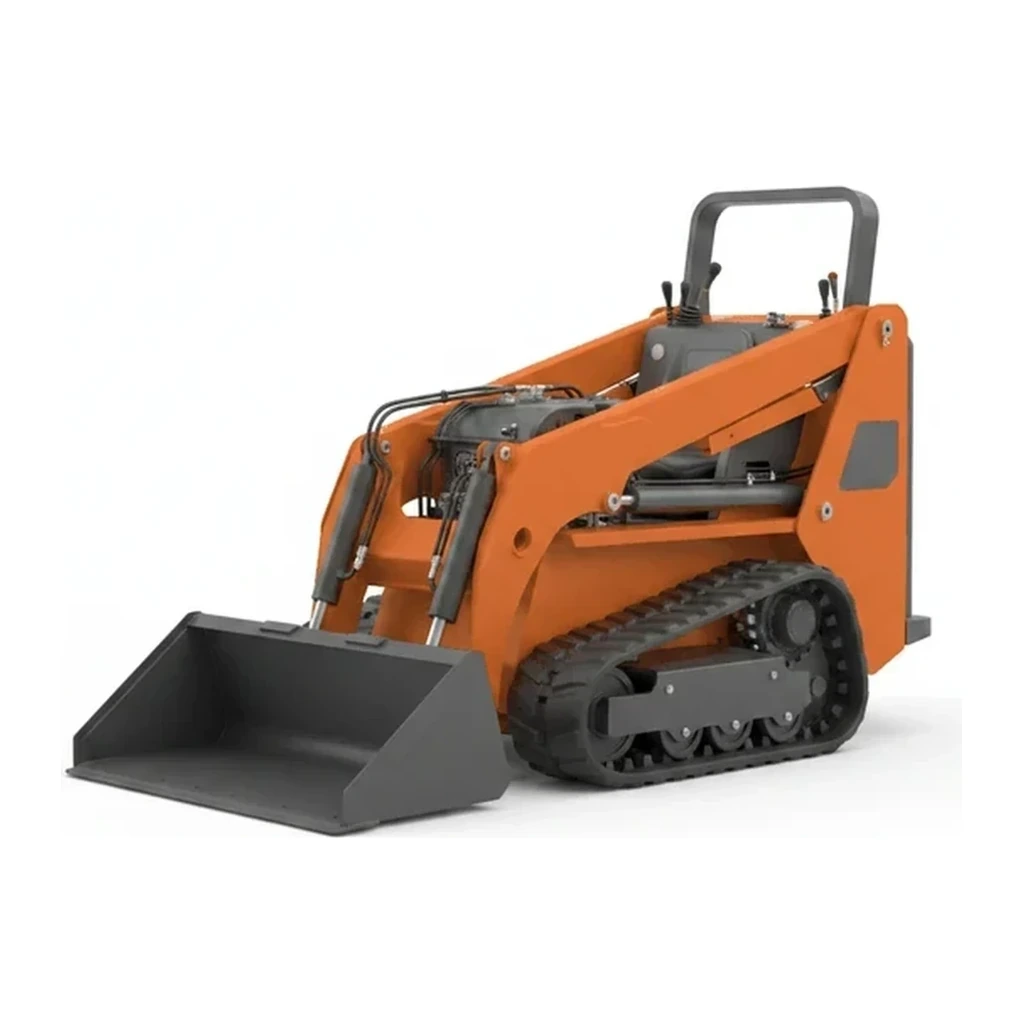
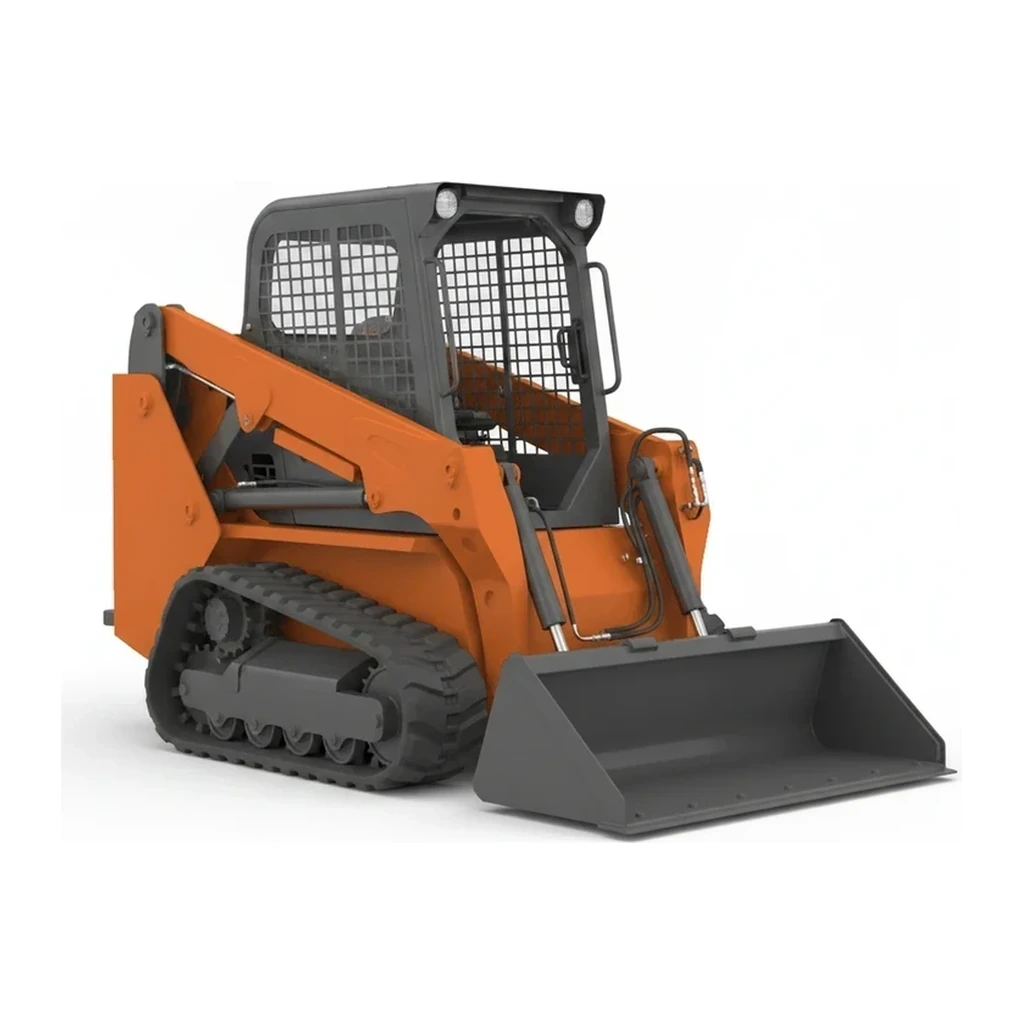
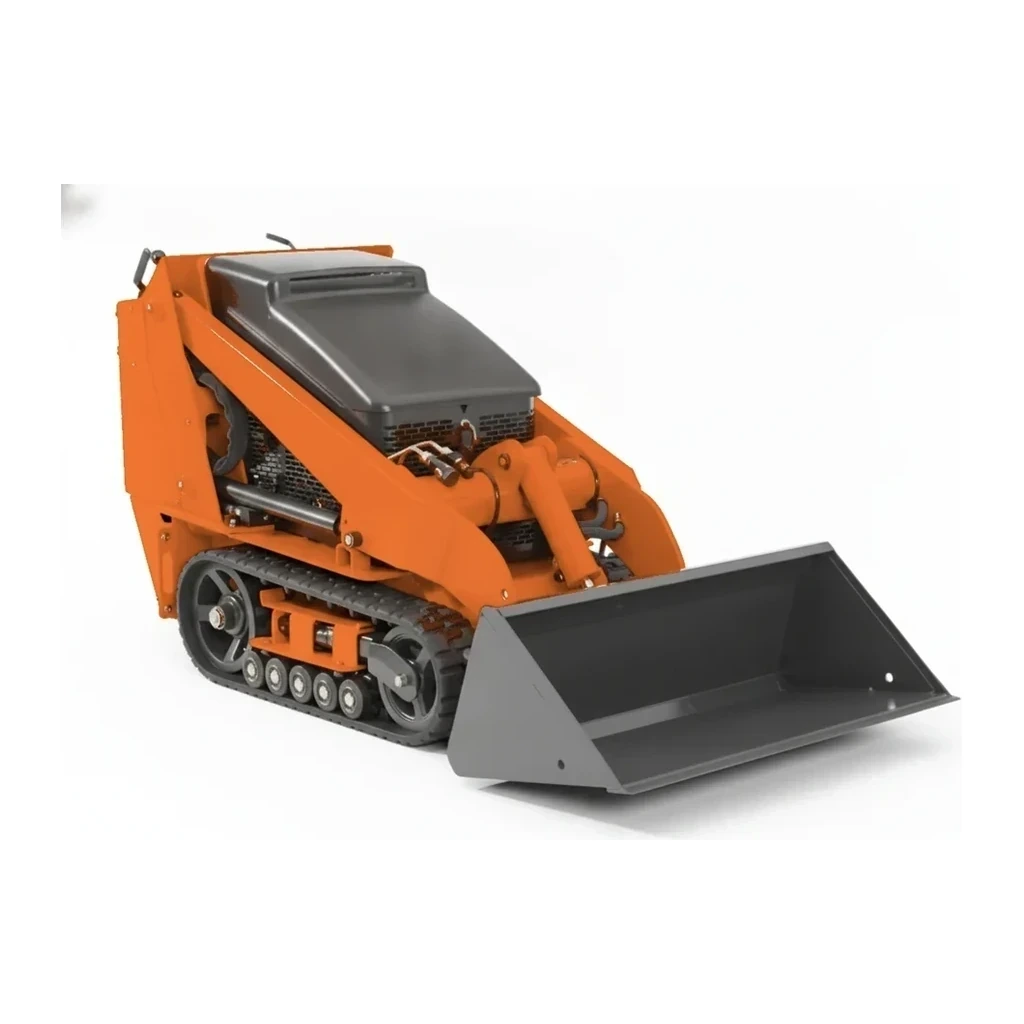
Key specifications
| Specification | Typical range | What it means |
|---|---|---|
| Operating weight | 2,100–3,466 lb (952–1,572 kg) | Heavy enough for stability under hydraulic attachment load, light enough for trailer transport without CDL. |
| Lift capacity | 600–950 lb (272–431 kg) | Handles earth augers, trencher attachments, and hydraulic breakers through extended shifts. |
| Engine power | 18.4–18.6 hp | Gasoline or diesel engines sized for continuous hydraulic flow to powered attachments. |
| Max travel speed | 5.6–6.8 mph | Fast enough to reposition around multi-acre sites without excessive transit time. |
How to choose
This size suits contractors running hydraulic attachments for hours in spaces too tight for standard skid steers—residential backyards, urban utility corridors, or interior demolition through standard doorways. When attachment work is intermittent or the operator can walk alongside the machine, the Up to 600 lb Mini Skid Steer offers easier transport and lower operating cost. For production grading, higher bucket breakout force, or operation on steep grades, the 1,000+ lb Mini Skid Steer delivers more stability and hydraulic power, though at the cost of heavier transport requirements and reduced maneuverability in the tightest quarters.
What this size handles
- Trenching utility lines through residential side yards with 24-inch-wide access gates
- Augering post holes for perimeter fencing across multi-acre commercial sites
- Breaking concrete footings in interior demolition where debris chutes limit machine size
- Grading and leveling around existing structures in urban infill developments
- Installing landscape drainage with mini-trencher attachment in established plantings
- Removing tree stumps with grinder attachment in confined park or campus settings
Safety & operation
- Operator presence systems cut engine or hydraulic flow when the operator leaves the seat during attachment operation
- Roll-over protective structures (ROPS) and seat belts are standard; many models offer optional enclosed cabs for debris protection
- Hydraulic attachment couplers must be fully seated and locked before applying flow to prevent hose rupture or attachment separation
- Narrow wheelbases and high centers of gravity require careful operation on slopes; manufacturer-specified grade limits typically range from 15 to 25 degrees
Transport & logistics
- Single-axle utility trailers rated 3,500–5,000 lb GVWR accommodate the lighter end of this weight class behind half-ton trucks
- Tandem-axle equipment trailers (7,000 lb+ GVWR) required for the heavier models, typically towed by three-quarter-ton or one-ton pickups
- Ramp angle and deck height require attention when loading machines with lower ground clearance; most models self-load via tracks or turf tires
Power & supply
- Gasoline engines use regular unleaded fuel from portable cans or truck-bed transfer tanks; 40.0–49.2 liter onboard capacity supports 6–8 hours of operation
- Diesel models in this class offer longer runtime per tank and better fuel economy under sustained hydraulic load
- No external electrical power required; hydraulic systems are machine-powered
Frequently asked
What distinguishes this weight class from walk-behind mini skid steers?
Can this size class power the same attachments as full-size skid steers?
How does track width affect site access and turf damage?
Compare popular models
Find by spec →Normalised to the same units. A dash means the figure was not published.
| Model | Operating weight | Max dig depth | Max reach | Engine power |
|---|---|---|---|---|
| Ditch Witch SK800 Mini Skid Steer | 2,919 lb (1,324 kg) | - | - | 25 hp |
| Vermeer ML100 Mini Loader | 3,466 lb (1,572 kg) | - | - | 25 hp |
| Vermeer ML80 Mini Loader | 3,159 lb (1,433 kg) | - | - | 25 hp |
| Vermeer S925TX Mini Skid Steer | 3,466 lb (1,572 kg) | - | - | 25 hp |
| Vermeer CTX50 Mini Skid Steer | 2,099 lb (952 kg) | - | - | 25 hp |
Related equipment
Browse by manufacturer
Sources
Every specification is verified against the manufacturer's published data, with the source linked for reference.
600-1,000 lb Mini Skid Steer
5 models · Every spec cited to source