

Up to 90 hp Dozer
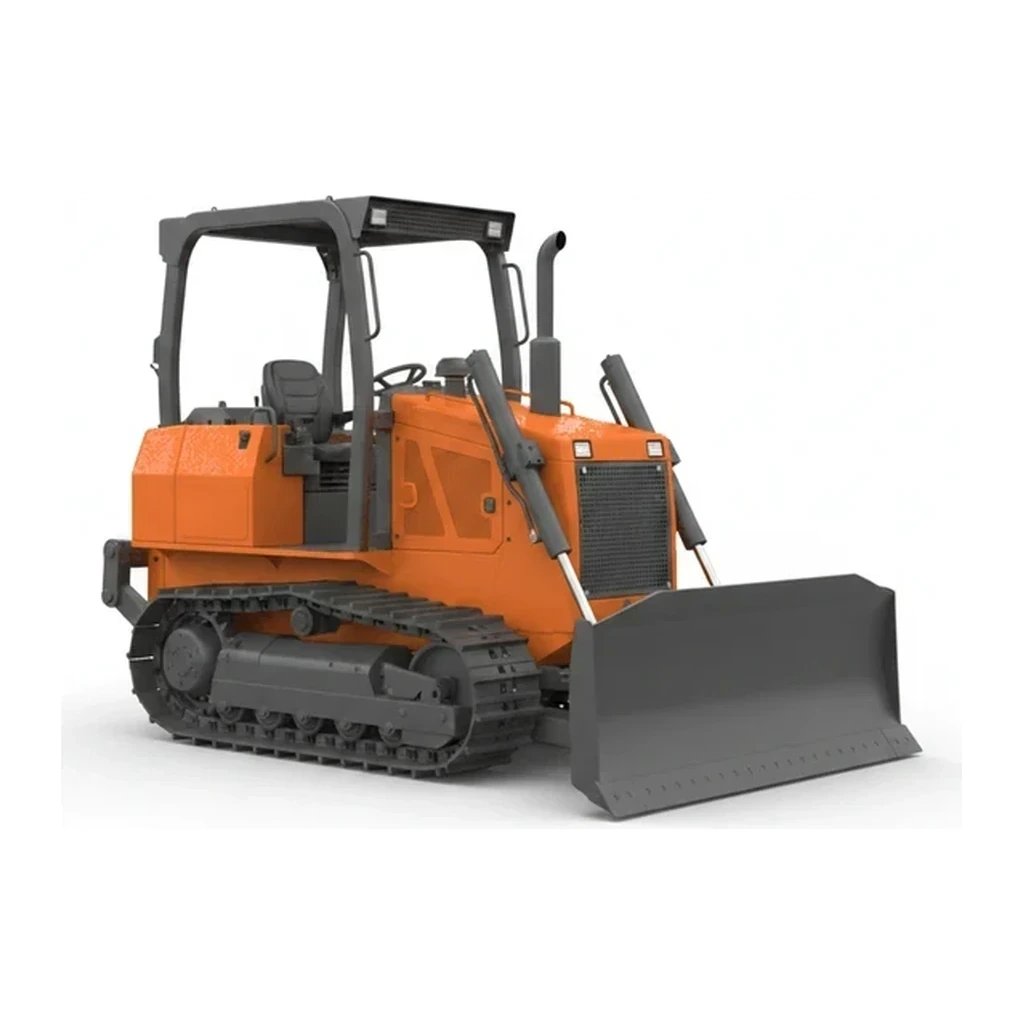
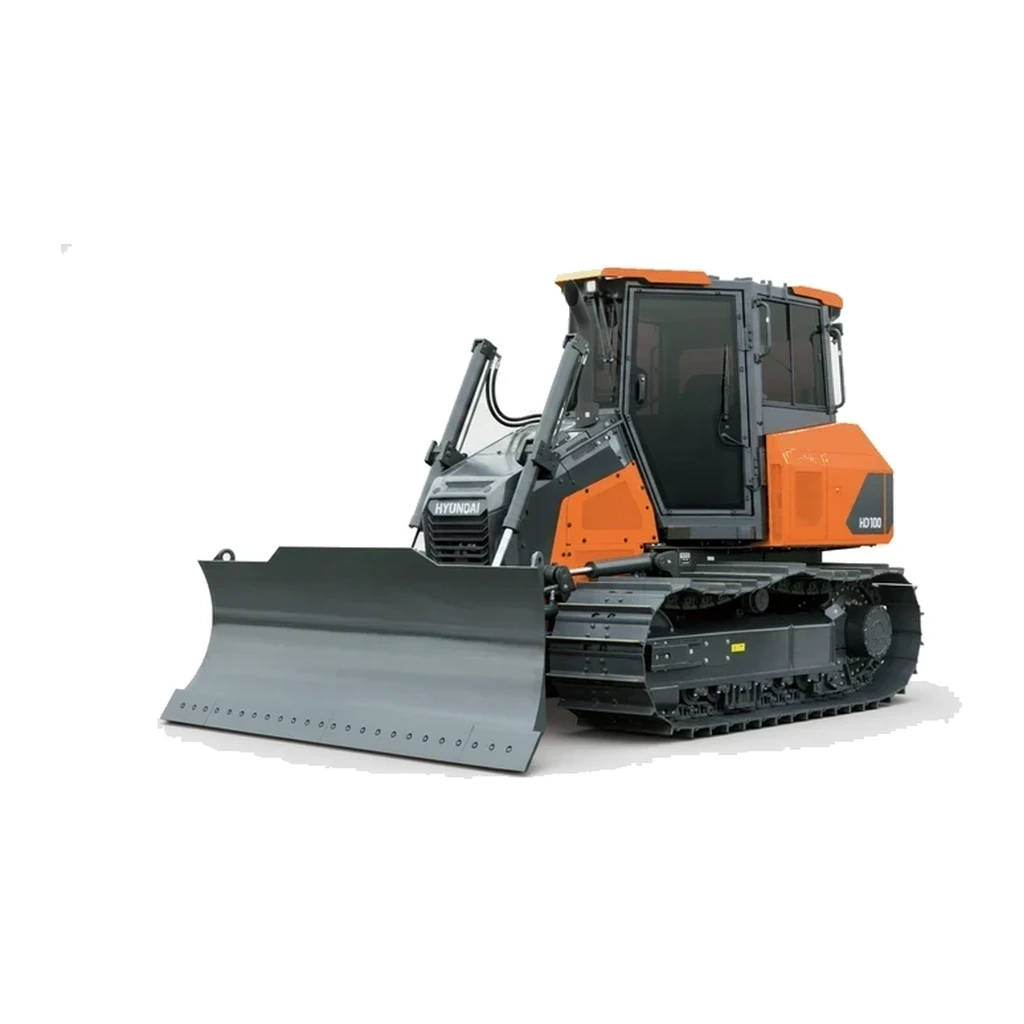
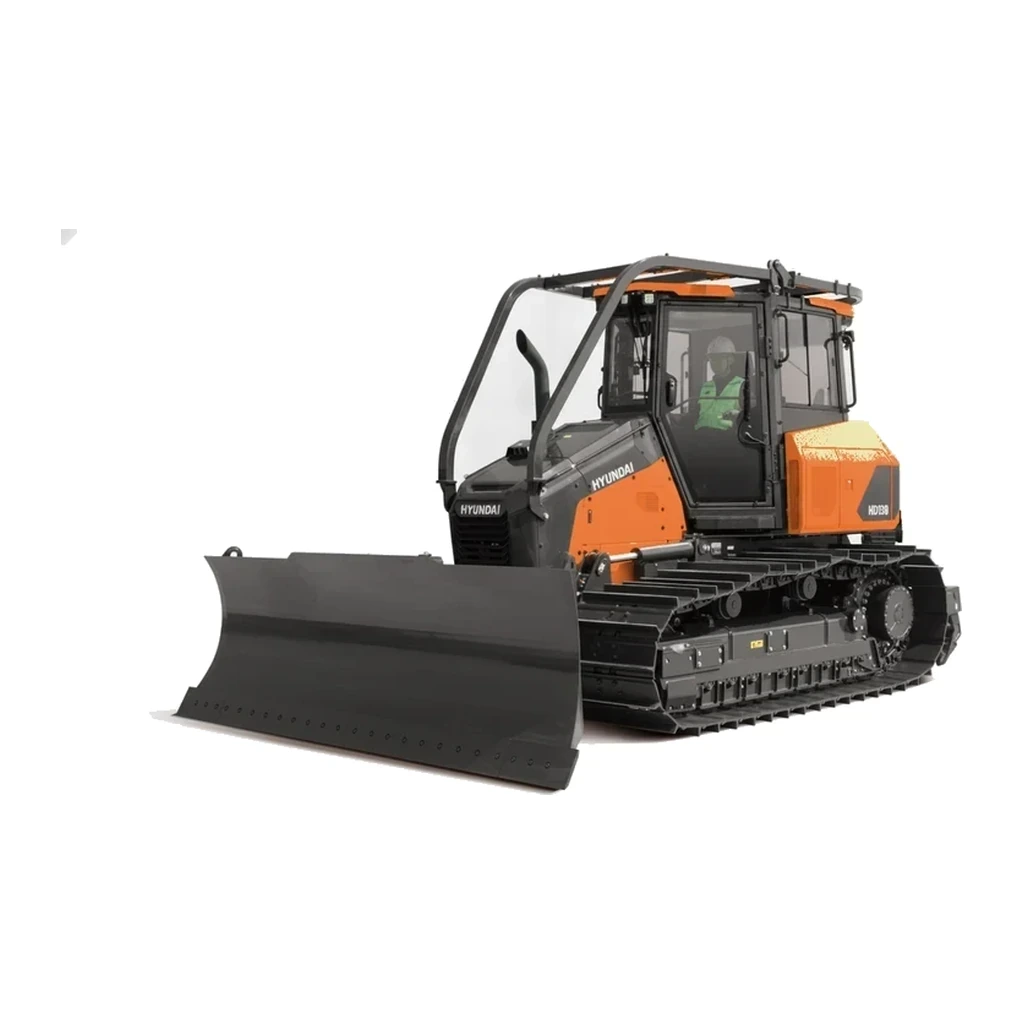
Up to 90 hp dozers represent the entry point in the crawler dozer ladder, spanning machines from approximately 42 to 78 horsepower and 7 to 12 tonnes operating weight. These compact crawlers handle backfill, fine grading, and landscape shaping on residential and light commercial sites where larger machines cannot access or would cause excessive disturbance. They trailer behind one-ton pickup trucks, making them the most mobile dozer class.
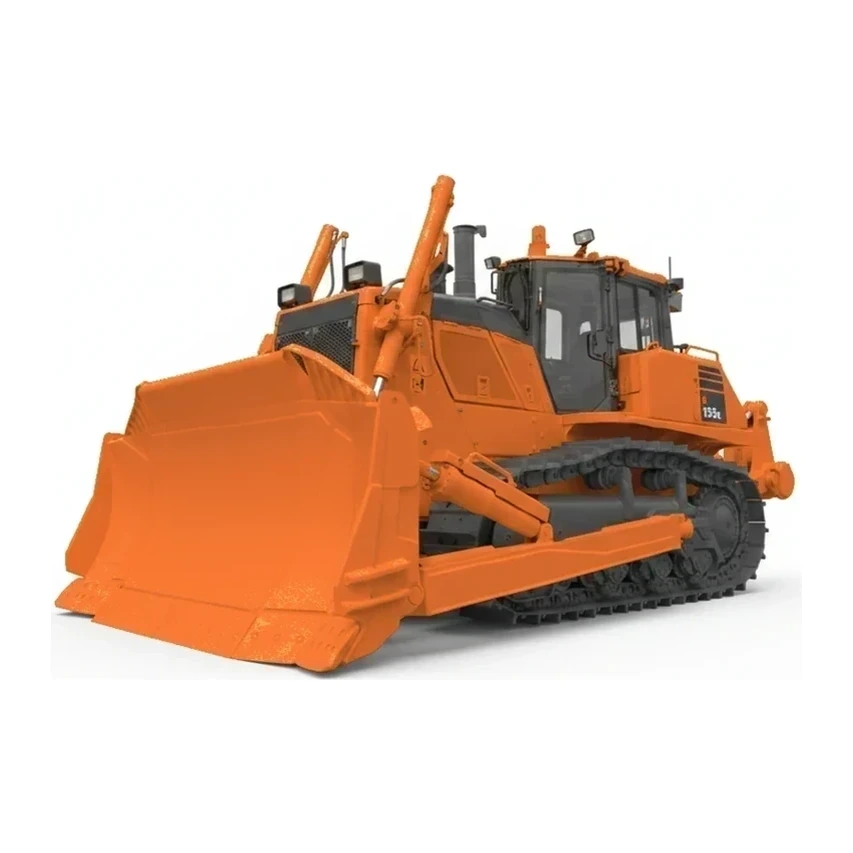
Cat classes
Pick a size class: capacity and reach differ across the range.
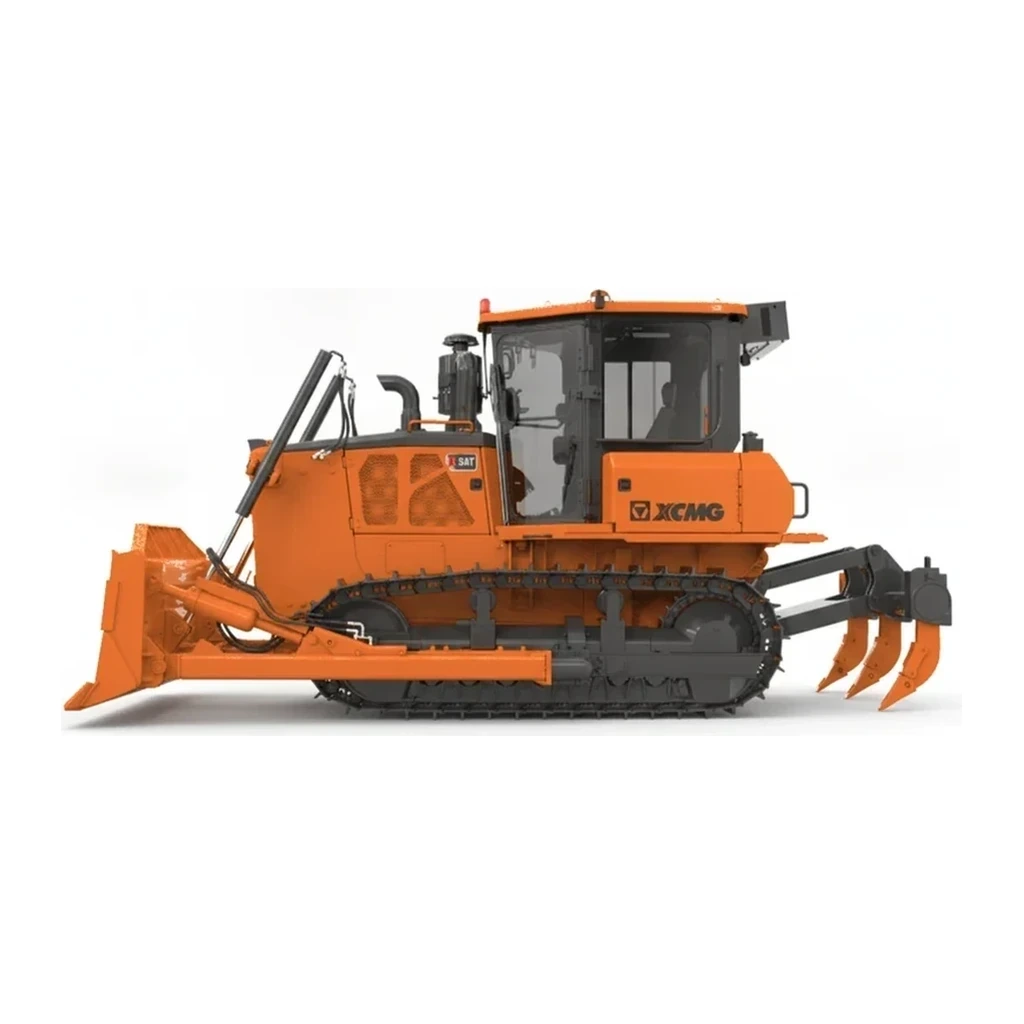
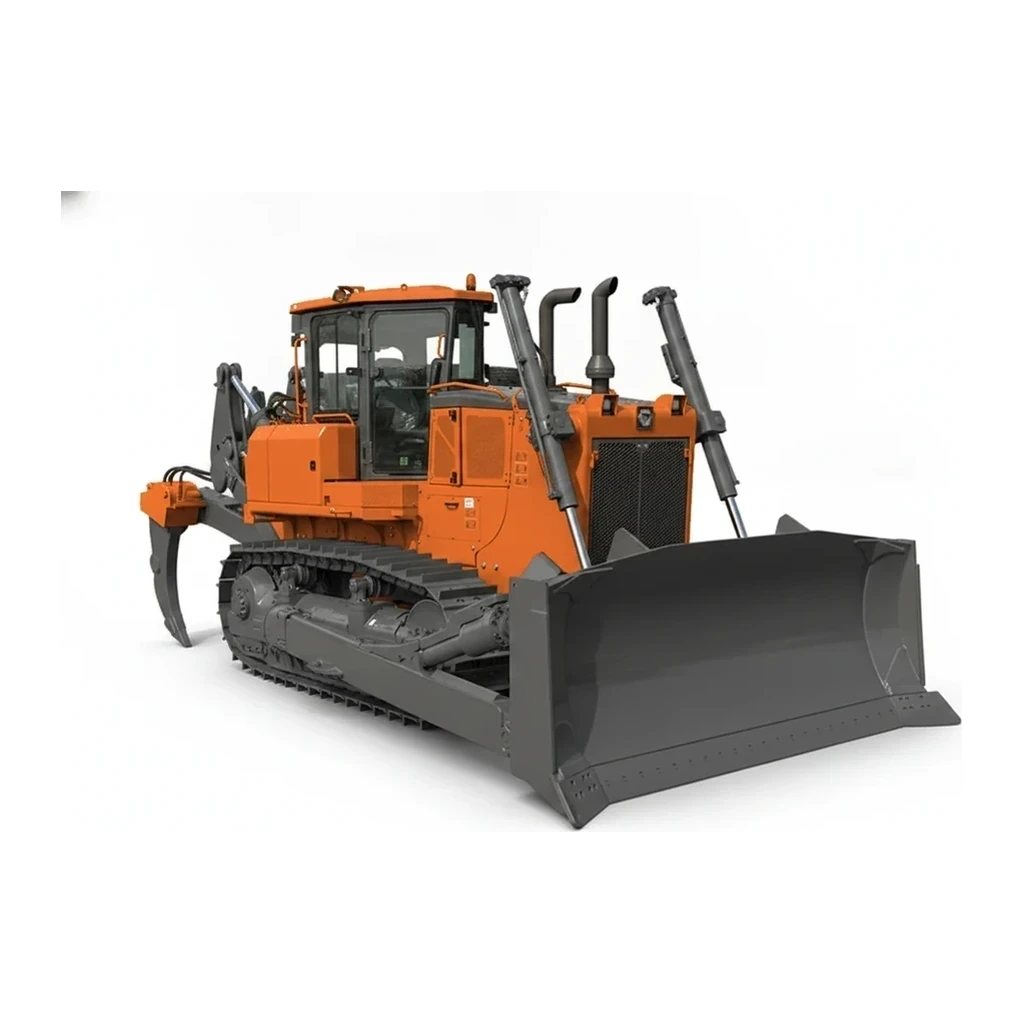
Key specifications
| Specification | Typical range | What it means |
|---|---|---|
| Engine power | 43-78 hp | Sufficient for residential grading and utility backfill without the fuel consumption of larger crawlers. |
| Operating weight | 15,653–26,786 lb (7,100–12,150 kg) | Light enough to trailer behind one-ton trucks yet heavy enough for stable pushing and compaction. |
| Blade capacity | Varies by model | Sized for fine grading passes and shallow cuts rather than large-volume earthmoving. |
How to choose
Up to 90 hp dozers suit confined residential lots, landscape projects, and utility trenches where ground pressure must remain low and access is restricted. Operators choose this class when the dozer must move frequently between small sites or navigate through gates and narrow rights-of-way. For larger subdivisions, commercial pads, or land clearing beyond an acre, the 90-130 hp Dozer class provides substantially greater productivity and blade capacity without requiring lowboy transport. This smallest class excels where mobility and minimal site impact outweigh hourly production rates.
What this size handles
- Backfilling residential foundation walls and basement excavations
- Final grading of home lots and small commercial pads
- Shaping berms and swales in landscape installations
- Spreading topsoil and seedbed preparation on residential sites
- Utility trench backfill in subdivisions and municipal projects
- Light land clearing and brush management on acreages
Safety & operation
- ROPS (rollover protective structure) and FOPS (falling object protective structure) are standard on modern machines
- Steep slopes and soft ground require particular attention due to relatively narrow track gauge on compact models
- Blade and ripper visibility is limited in reverse; spotters or cameras assist in congested sites
- Operators require competency in grade control to avoid over-cutting or damaging underground utilities
Transport & logistics
- Trailers behind one-ton pickup trucks on tandem-axle tagalongs rated for 12,000-14,000 kg
- Ramps and deck height allow loading without auxiliary equipment on most models
- Transport width typically remains under 2.4 m, avoiding oversize permits on highways
Power & supply
- Diesel fuel, typically 30-80 litres per eight-hour shift depending on load and engine size
- Onboard fuel tanks generally provide half- to full-day operation between refueling
- DEF (diesel exhaust fluid) required on newer Tier 4 Final emission-compliant models
Frequently asked
What distinguishes this class from skid steers with dozer blades?
When does a project require the next size up?
Can this size class handle finish grading to specification?
Compare popular models
Find by spec →Normalised to the same units. A dash means the figure was not published.
| Model | Operating weight | Max dig depth | Max reach | Engine power |
|---|---|---|---|---|
| John Deere 450P | - | 1.7 ft (0.5 m) | - | - |
| John Deere 550P | - | - | 26.7 ft (8.1 m) | - |
| Caterpillar D3 | 20,640 lb (9,362 kg) | - | 2.5 ft (0.8 m) | 104 hp |
Related equipment
Browse by manufacturer
Sources
Every specification is verified against the manufacturer's published data, with the source linked for reference.
Up to 90 hp Dozer
3 models · Every spec cited to source