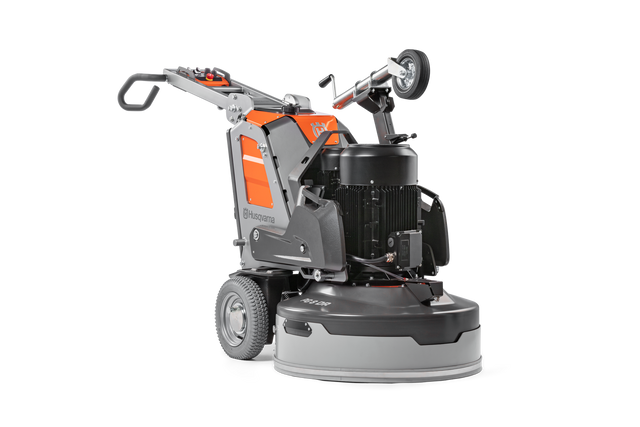
Planetary Floor Grinder
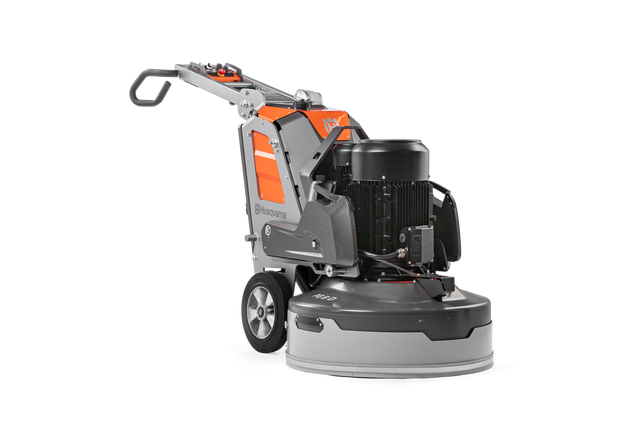
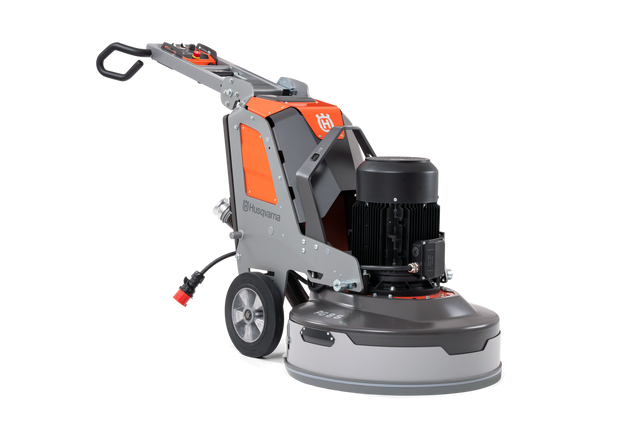
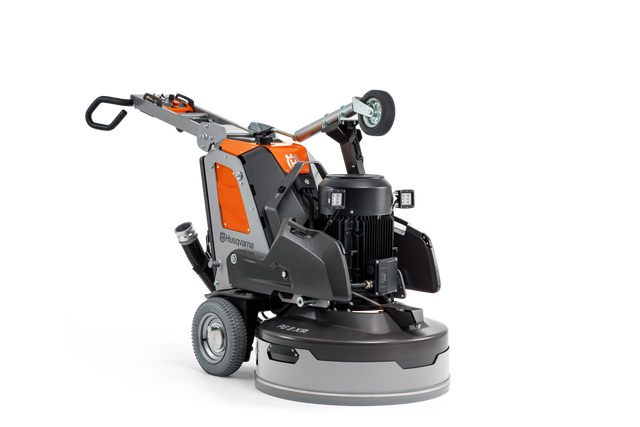
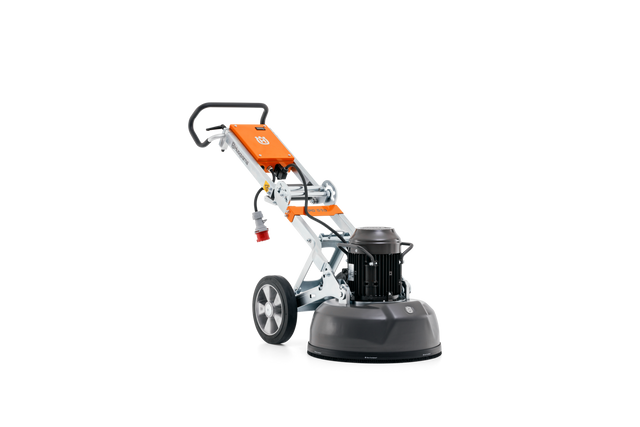
A planetary floor grinder is a walk-behind or ride-on machine designed for grinding, smoothing, and polishing concrete surfaces using multiple rotating heads arranged in a planetary motion. The machine employs a main disc that rotates in one direction while smaller grinding heads rotate counter to the main disc, creating an aggressive yet uniform cutting action. Planetary grinders are the primary equipment class for producing polished concrete floors and removing coatings in commercial and industrial settings.
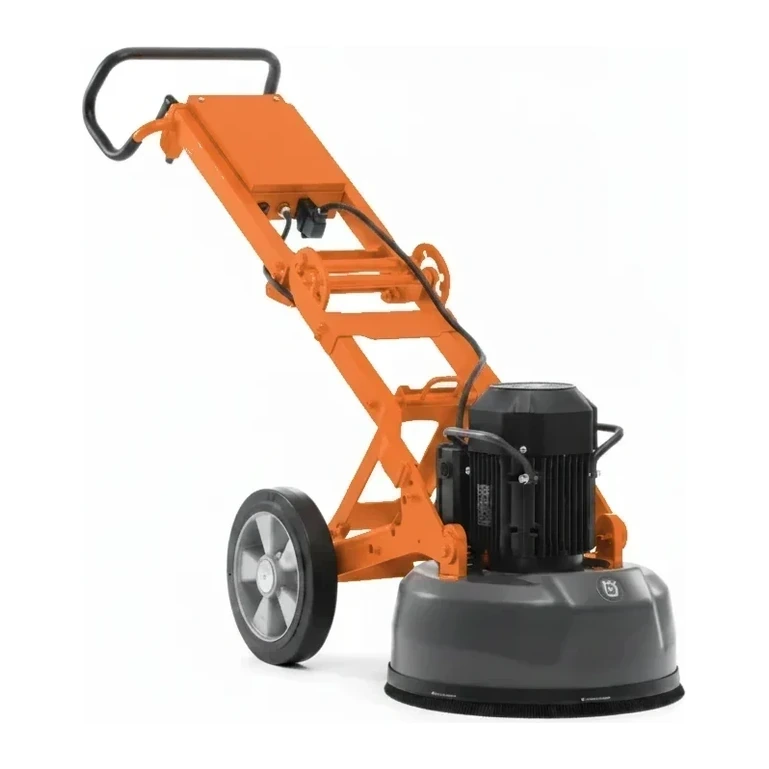
How it works
The machine operates with a central drive plate rotating in one direction while carrying three or more satellite heads that spin in the opposite direction. This counter-rotating planetary motion distributes grinding force evenly across the floor surface, preventing gouging and producing a flat, consistent finish. Diamond tooling mounted on the satellite heads performs the actual grinding, with grit progression from coarse to fine determining the final surface profile. Power is delivered through electric motors (single-phase, three-phase, or high-frequency) or propane engines, driving hydraulic or mechanical systems that control head speed and pressure. Operators adjust grinding pressure through machine weight, ballast, or hydraulic down-pressure systems. Dust collection systems, either integrated or external, capture silica-containing dust during operation to maintain visibility and comply with exposure regulations.
Types & variants
- Electric Single-Phase
- Powered by standard 110V or 220V circuits; typically smaller models under 20 inches suited for residential and light commercial work where three-phase power is unavailable.
- Electric Three-Phase
- High-power machines running on 208V, 230V, or 480V three-phase industrial power; the dominant configuration for mid-size to large commercial planetary grinders delivering consistent torque.
- Propane-Powered
- Internal combustion engines fueled by liquid propane; used where electrical power is unavailable or insufficient, common in new construction and outdoor applications despite exhaust considerations.
- High-Frequency Converter
- Machines paired with frequency converters that transform single-phase power into high-frequency three-phase output; allows large grinders to operate from standard power sources with reduced amperage draw.
- Dust-Free Integrated Systems
- Grinders with sealed shrouds and onboard vacuum systems designed to meet stringent silica dust regulations; often include HEPA filtration and automatic dust disposal.
Key specifications
| Specification | Typical range | What it means |
|---|---|---|
| Grinding Width | 16–38 in (40.6–96.5 cm) | The effective path width covered in a single pass; determines productivity and access limitations for doorways and tight spaces. |
| Engine Power | 5.0-20.1 hp | Total motor or engine output driving the grinding heads; higher power enables faster material removal and operation of aggressive tooling. |
| Number of Grinding Heads | 3-9 heads | Satellite heads rotating on the planetary plate; more heads distribute pressure and improve finish consistency on large models. |
| Machine Weight | 250–2,000 lb (113–907 kg) | Operating weight including ballast; heavier machines provide greater grinding pressure but reduce maneuverability and transport ease. |
| Head Speed | 800-1,500 rpm | Rotational speed of individual grinding heads; variable speed models allow adjustment for different diamond tooling and surface hardness. |
How the industry sizes it
The rental industry sizes planetary floor grinders primarily by grinding width, measured in inches from the outer edges of the grinding path. Machines under 20 inches are classified as compact or residential models that fit through standard doorways and navigate tight spaces. The 20- to 30-inch range represents the everyday commercial planetary grinder, balancing productivity with maneuverability for typical commercial floor work. Machines 30 inches and wider are designated as production or warehouse models, maximizing square footage per day on large open floors where coverage speed drives economics. Some manufacturers also reference model numbers that correspond to grinding width (e.g., "PG 530" indicates approximately 30 inches), though actual specifications should be verified as naming conventions vary by brand.
Applications
- Polished concrete installation in retail, warehouse, and institutional facilities requiring decorative and durable floor finishes
- Coating and adhesive removal from concrete substrates prior to recoating or overlay installation
- Surface preparation and profiling to specified CSP levels for epoxy, urethane, and other thin-film floor systems
- Concrete smoothing and leveling to remove high spots, lippage, and formwork imperfections in new construction
- Terrazzo grinding and restoration in historic buildings and high-end commercial interiors
- Densifier and hardener application polishing in multi-step polished concrete processes
Safety & operation
- Respirable crystalline silica dust generated during concrete grinding requires engineering controls including vacuum dust collection and compliance with OSHA silica regulations
- Ground fault circuit interrupters (GFCI) are required for electric models to prevent shock hazards, especially in environments with moisture or damp concrete
- Propane-powered units produce carbon monoxide and require adequate ventilation; indoor use necessitates air monitoring and exhaust management
- Machine stability and tip-over prevention demand attention to floor slopes, thresholds, and edge work; counterweights and proper weight distribution are critical
- Diamond tooling must be matched to machine specifications and concrete hardness to prevent tool shattering, overheating, or loss of machine control
Standards & certifications
- OSHA · 29 CFR 1926.1153
- Occupational exposure to respirable crystalline silica in construction; mandates dust control measures including vacuum systems and exposure assessment for concrete grinding operations.
- ANSI · B7.1
- Safety requirements for the use, care, and protection of abrasive wheels; applies to grinding wheel mounting, guarding, and operational safety for floor grinding equipment.
- CSA · C22.2 No. 68
- Motor-operated commercial floor maintenance machines; Canadian electrical safety standard covering construction, grounding, and insulation requirements for electric floor grinders.
- ARA · Concrete Polishing Best Practices
- The American Rental Association publishes guidance on polished concrete equipment operation, maintenance, and customer education relevant to rental industry applications.
Frequently asked
What distinguishes planetary grinders from single-disc grinders in concrete work?
How does grinding width affect machine selection for different floor projects?
What determines whether electric or propane power is appropriate?
What role does machine weight play in grinding performance?
Related equipment
Browse by manufacturer
Sources
Every specification is verified against the manufacturer's published data, with the source linked for reference.
All models
27 models · Every spec cited to source