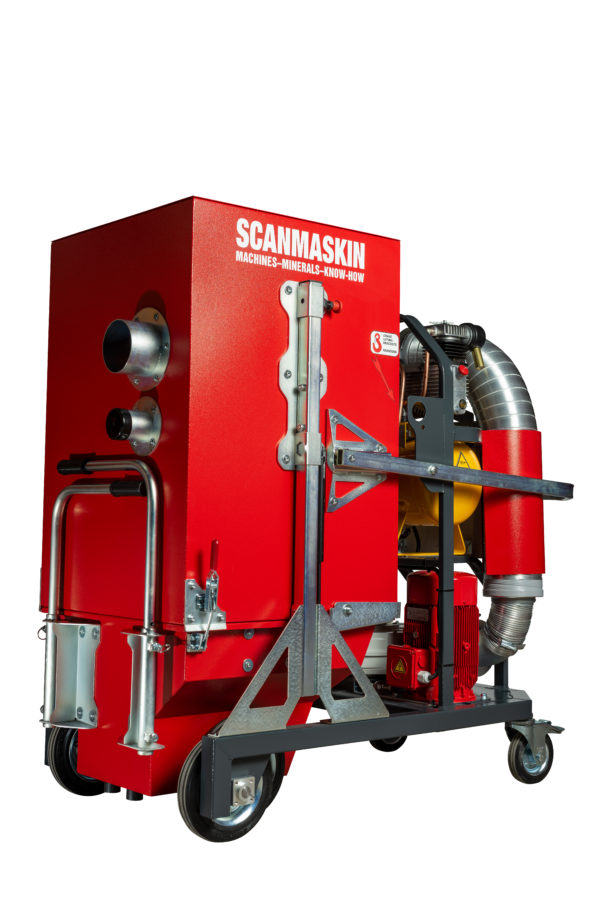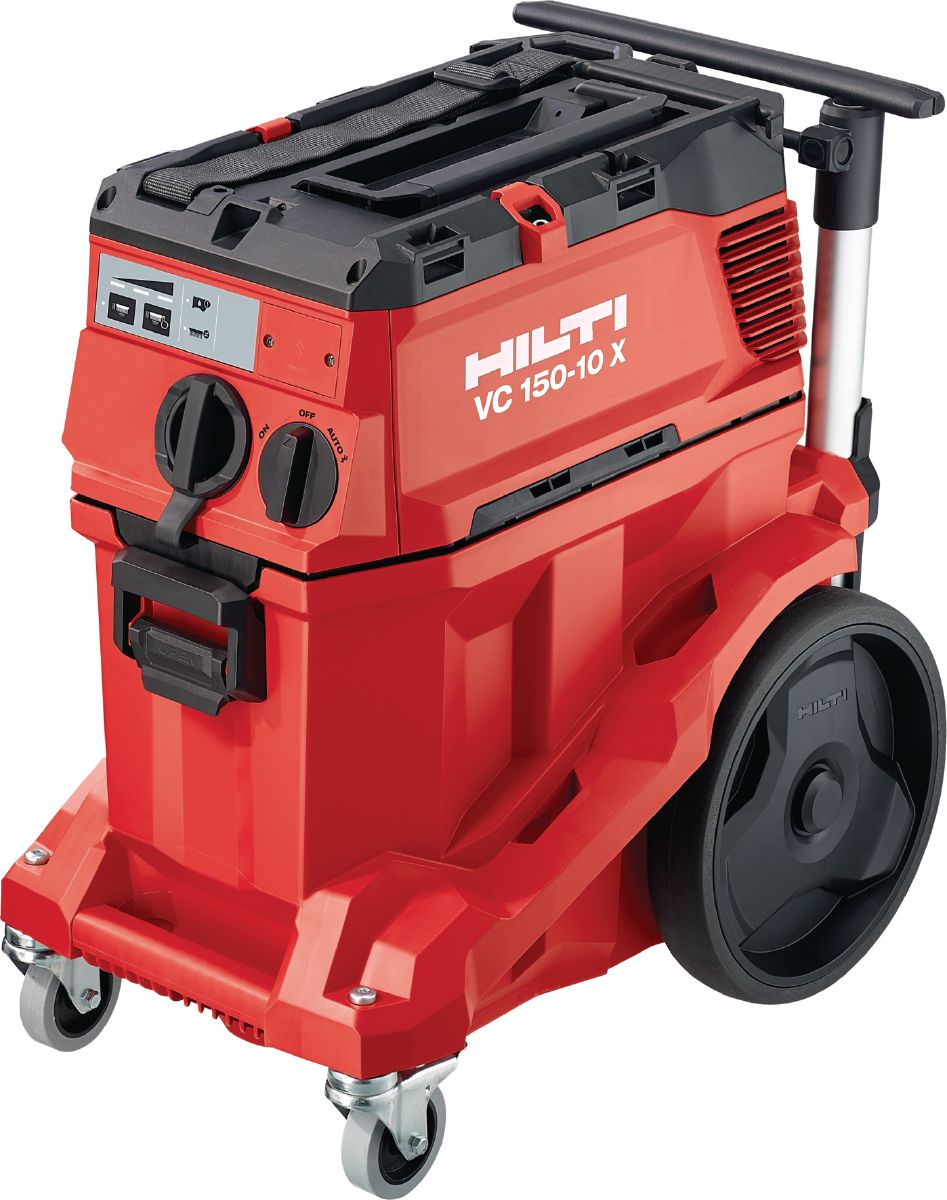

Up to 150 cfm Dust Extractor / HEPA Vacuum
Up to 150 cfm dust extractors are compact HEPA vacuums designed to connect directly to a single handheld power tool, typically a hand grinder or cut-off saw, for silica dust compliance on small-scale cutting, grinding, or surface prep work. These units sit at the bottom of the dust extractor ladder, offering portability and tool-specific extraction where larger multi-tool systems would be impractical. For work requiring simultaneous extraction on multiple tools or higher airflow demands, the 150-350 cfm class provides greater capacity.
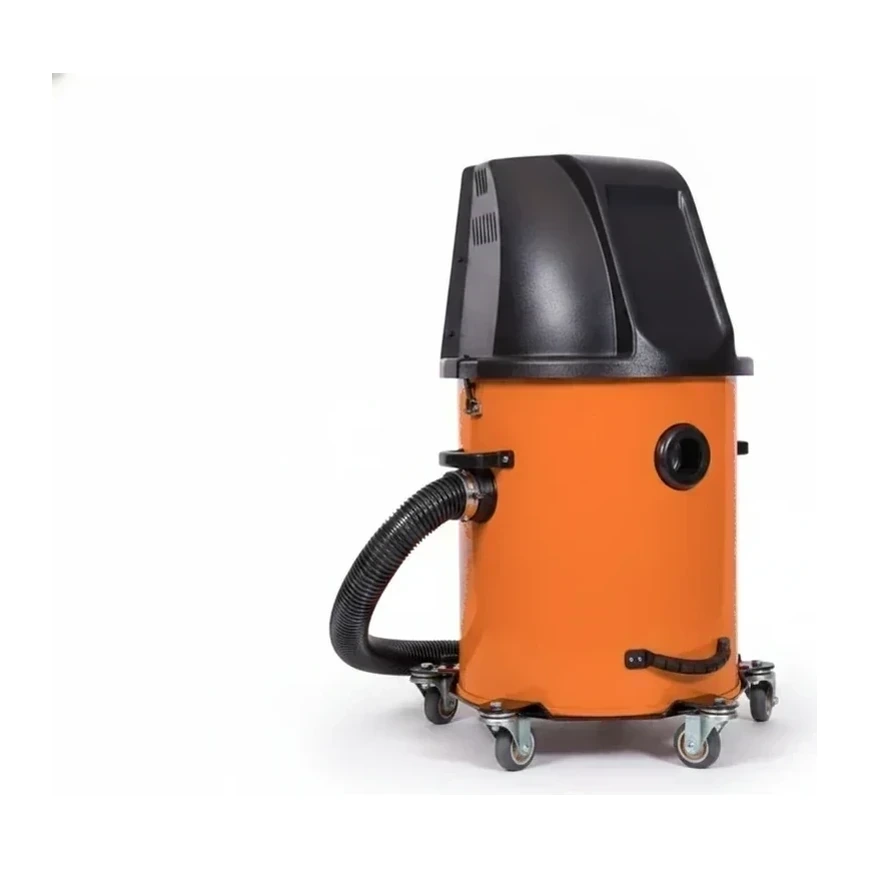
Cat classes
Pick a size class: capacity and reach differ across the range.
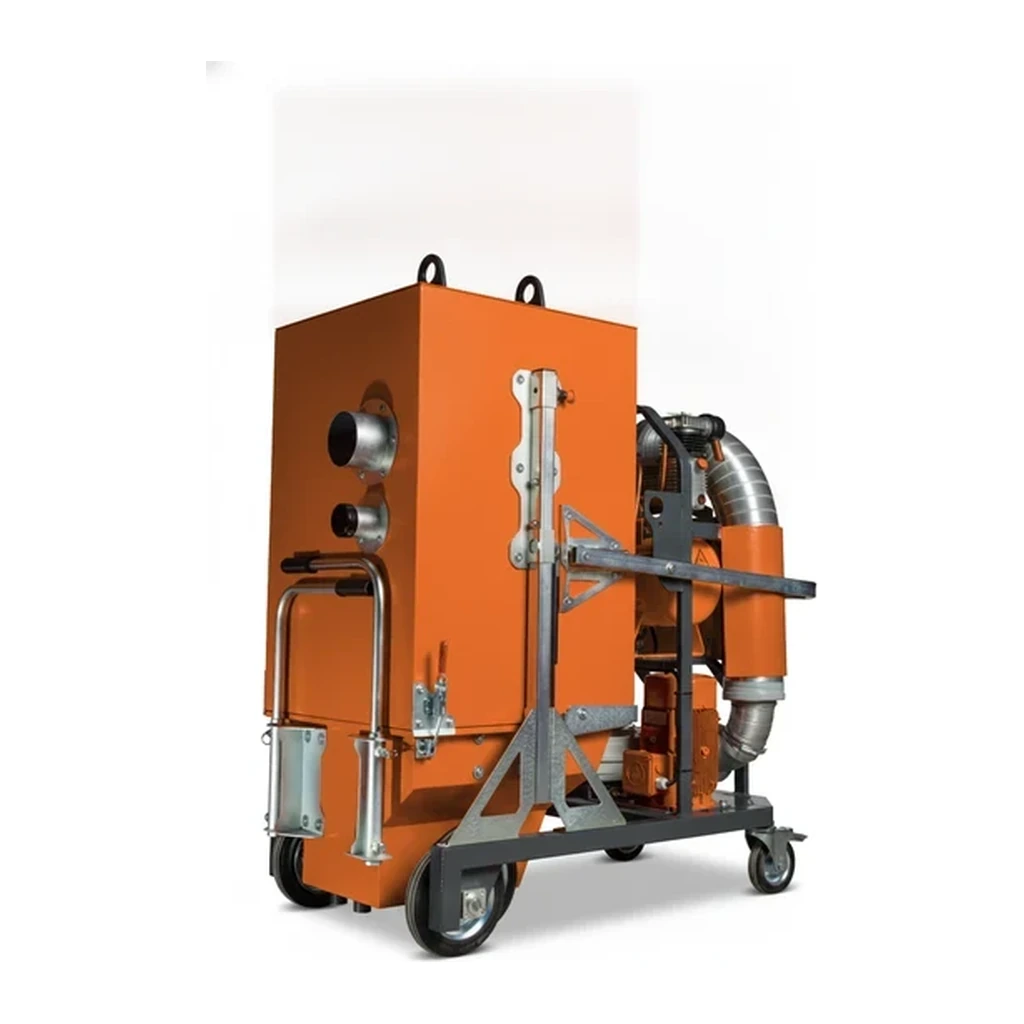
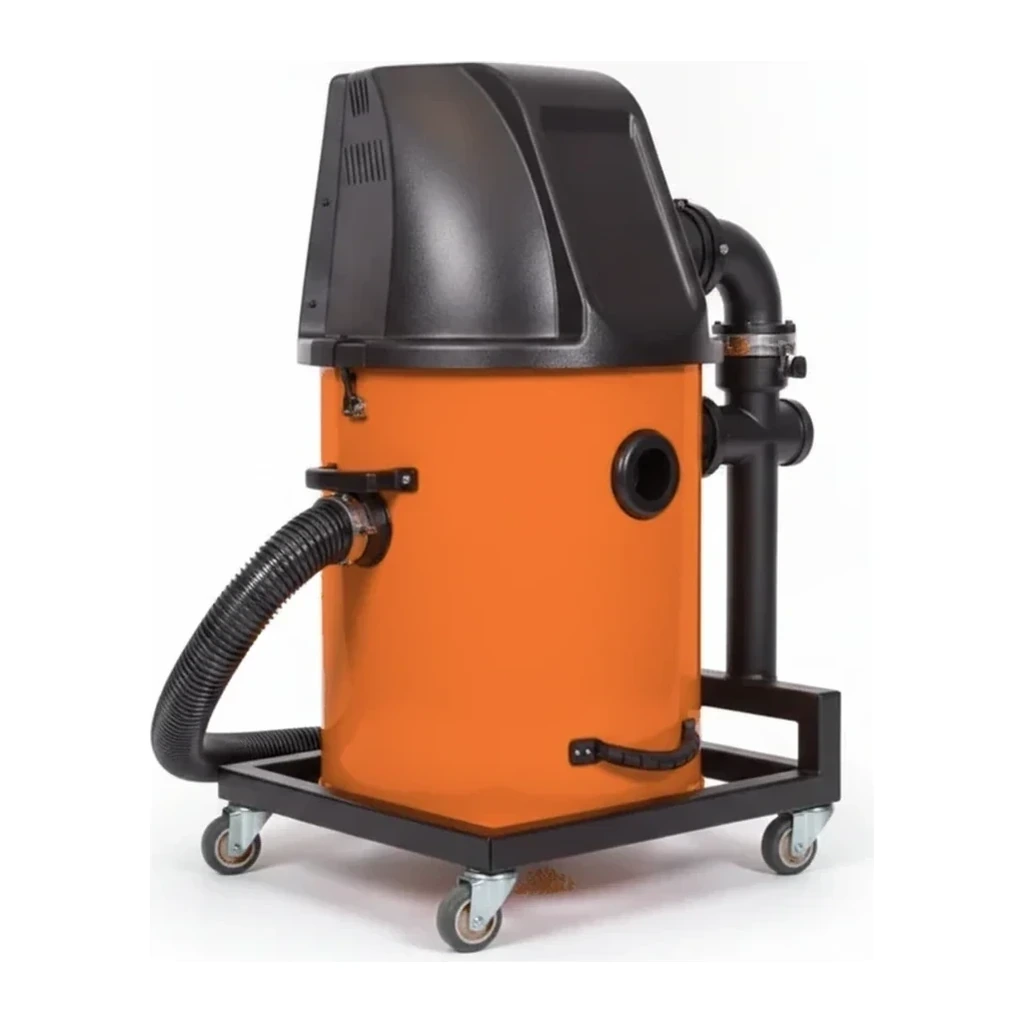
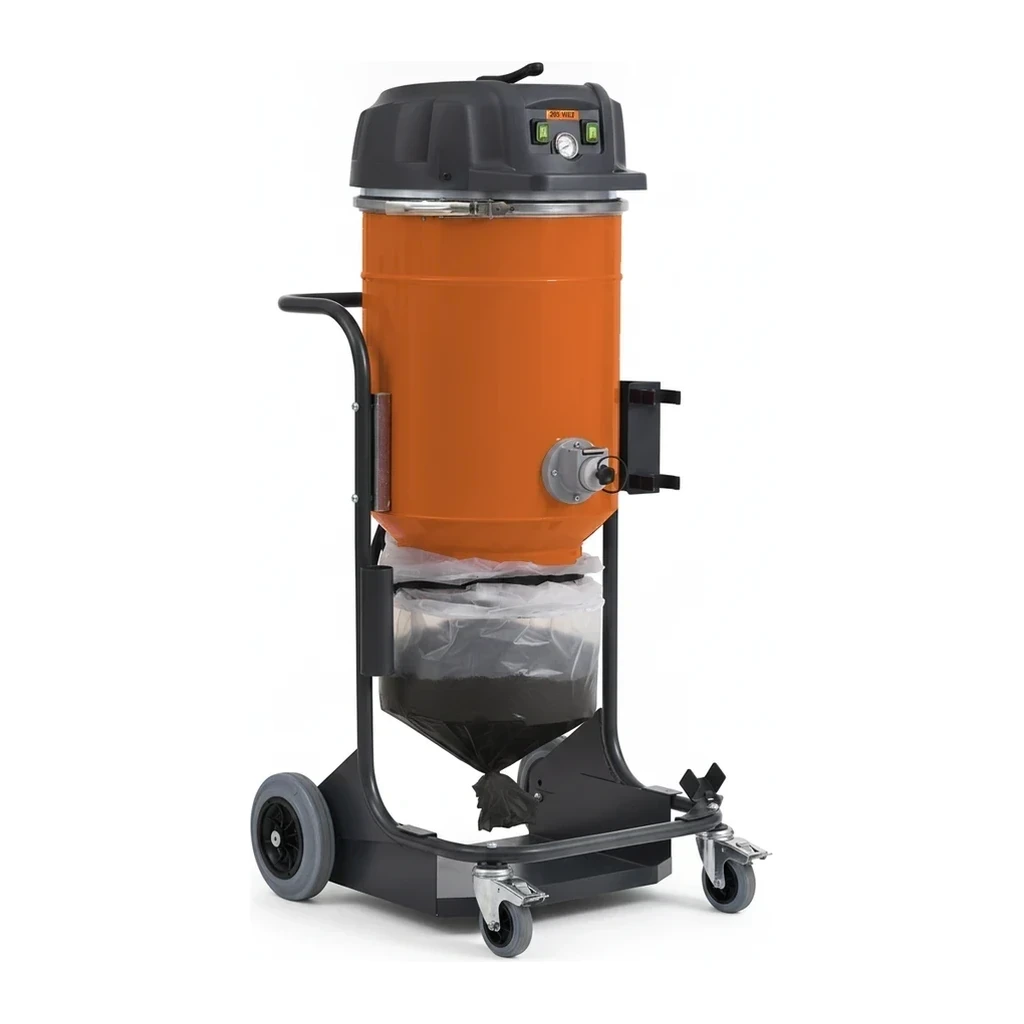
Key specifications
| Specification | Typical range | What it means |
|---|---|---|
| Flow rate | 27-124 gpm | Airflow sufficient to capture dust at the source of a single handheld tool |
| Filtration | HEPA (0.3 micron) | Captures respirable crystalline silica and other fine particulate to regulatory standards |
| Tool coupling | Single hose connection | Direct attachment to grinder, saw, or drill dust shroud for point-of-generation capture |
How to choose
This size class is appropriate when the task involves one handheld tool, such as a 4½-inch or 7-inch angle grinder, a handheld cut-off saw, or a rotary hammer with dust attachment, operating intermittently or on small work areas. The compact form factor and lower airflow match the dust generation of a single tool without over-sizing the system. When work scales to multiple simultaneous tools, continuous production cutting, or floor grinders and scarifiers that generate higher volumes of dust, the 150-350 cfm Dust Extractor / HEPA Vacuum class offers the necessary capacity and multi-port capability.
What this size handles
- Cutting rebar or metal studs with a handheld cut-off saw in occupied buildings
- Grinding mortar joints or surface coatings with a 4½-inch angle grinder for silica compliance
- Drilling anchor holes in concrete walls or slabs with a rotary hammer and dust shroud
- Removing tile or thin-set in bathroom or kitchen remodels with minimal dust spread
- Grinding welds or cutting concrete block on residential or light commercial sites
- Surface prep on small concrete pads or sidewalk sections ahead of coating or repair
Safety & operation
- HEPA filtration is required for OSHA Table 1 compliance when working with materials containing crystalline silica
- Filter replacement and dust disposal must follow manufacturer procedures to prevent secondary exposure to collected silica
- Hose and tool coupling integrity must be verified before each use to maintain capture efficiency
- Operators should confirm the vacuum airflow rating matches or exceeds the tool manufacturer's recommended minimum CFM for dust control
Transport & logistics
- Portable by hand or hand truck; most units weigh under 50 lb and include wheels or carry handles
- Fits in service vans, pickup beds, or behind equipment without dedicated trailer space
- Stored and transported alongside the powered tool it serves, often in the same vehicle compartment
Power & supply
- Standard 120V, 15A or 20A single-phase power from job-site outlets or portable generators
- Some models offer automatic tool-triggered start, drawing power only when the connected tool operates
- Cord lengths typically 10-25 ft; extension cords must be sized to prevent voltage drop under combined tool and vacuum load
Frequently asked
What distinguishes a HEPA dust extractor from a standard shop vacuum?
Can one extractor in this class serve multiple tools on the same job?
How is flow rate in gpm related to the cfm sizing band?
Related equipment
Browse by manufacturer
Sources
Every specification is verified against the manufacturer's published data, with the source linked for reference.
Up to 150 cfm Dust Extractor / HEPA Vacuum
7 models · Every spec cited to source