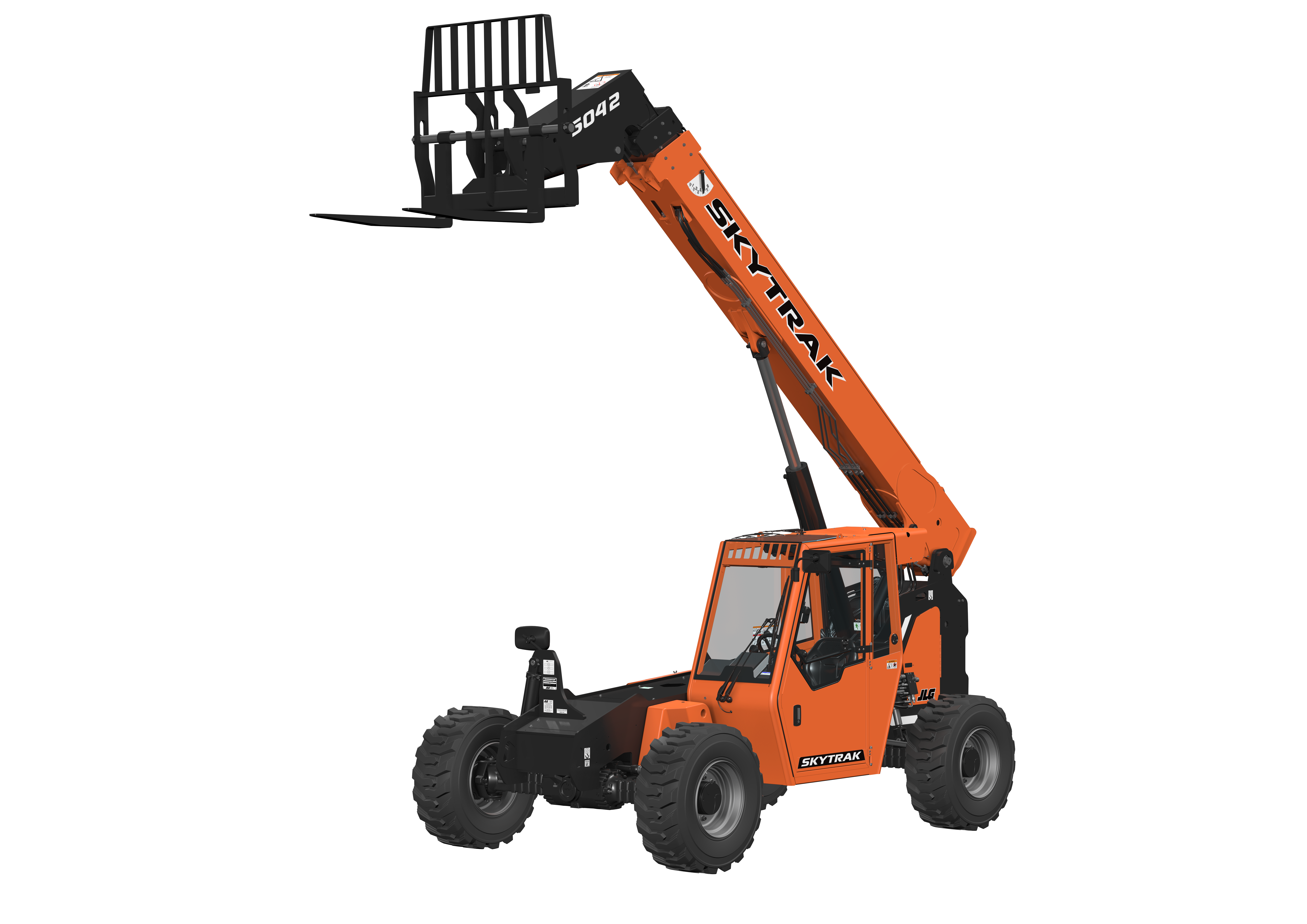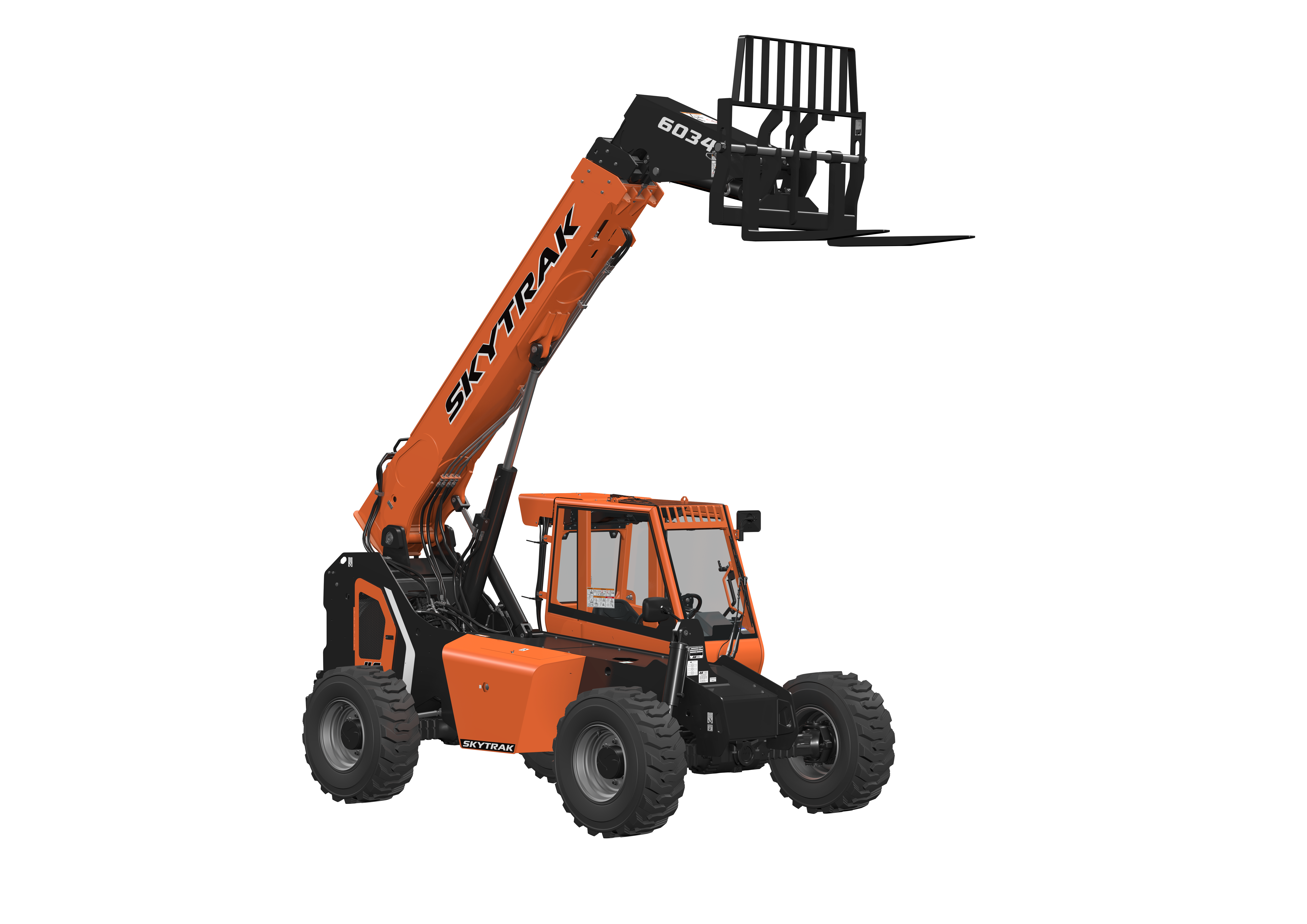

6,000-8,000 lb Telehandler
The 6,000-8,000 lb telehandler class serves as the workhorse for feeding two- to three-storey structures, typically offering 42-44 ft of vertical reach. This mid-capacity range bridges the gap between compact models and heavy-duty telehandlers, handling materials too demanding for sub-6,000 lb units while remaining more maneuverable than 8,000-10,000 lb machines. Major manufacturers in this segment include Manitou, JLG, SkyTrak, Genie, Bobcat, Wacker Neuson, Skyjack, and JCB.
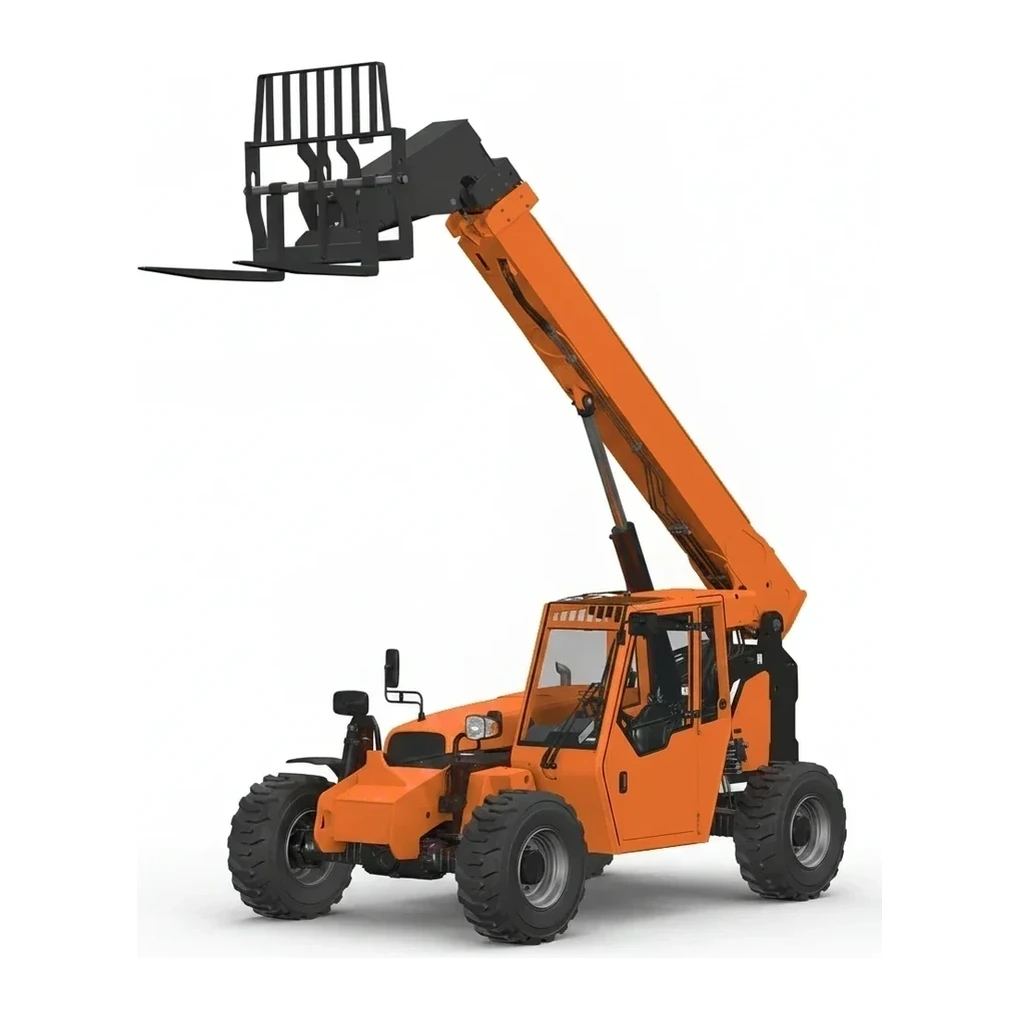
Cat classes
Pick a size class: capacity and reach differ across the range.
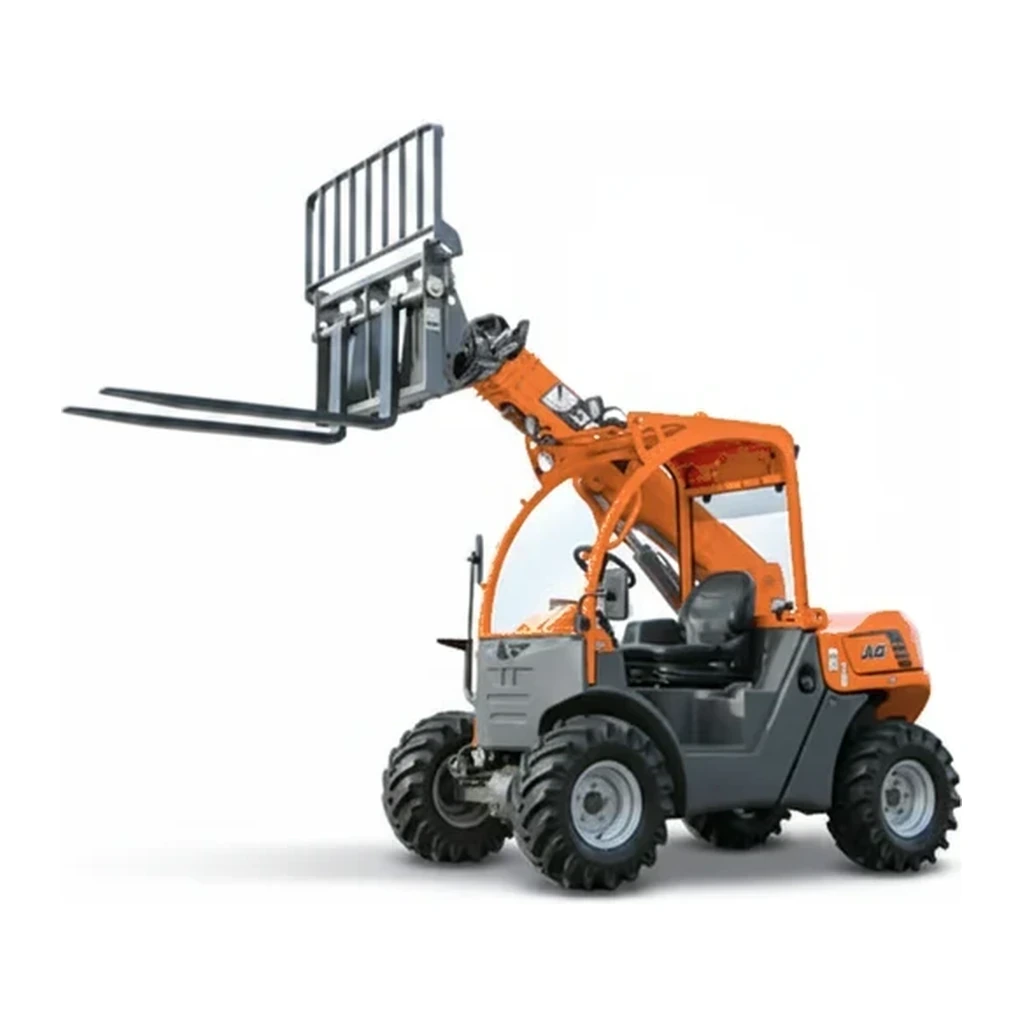
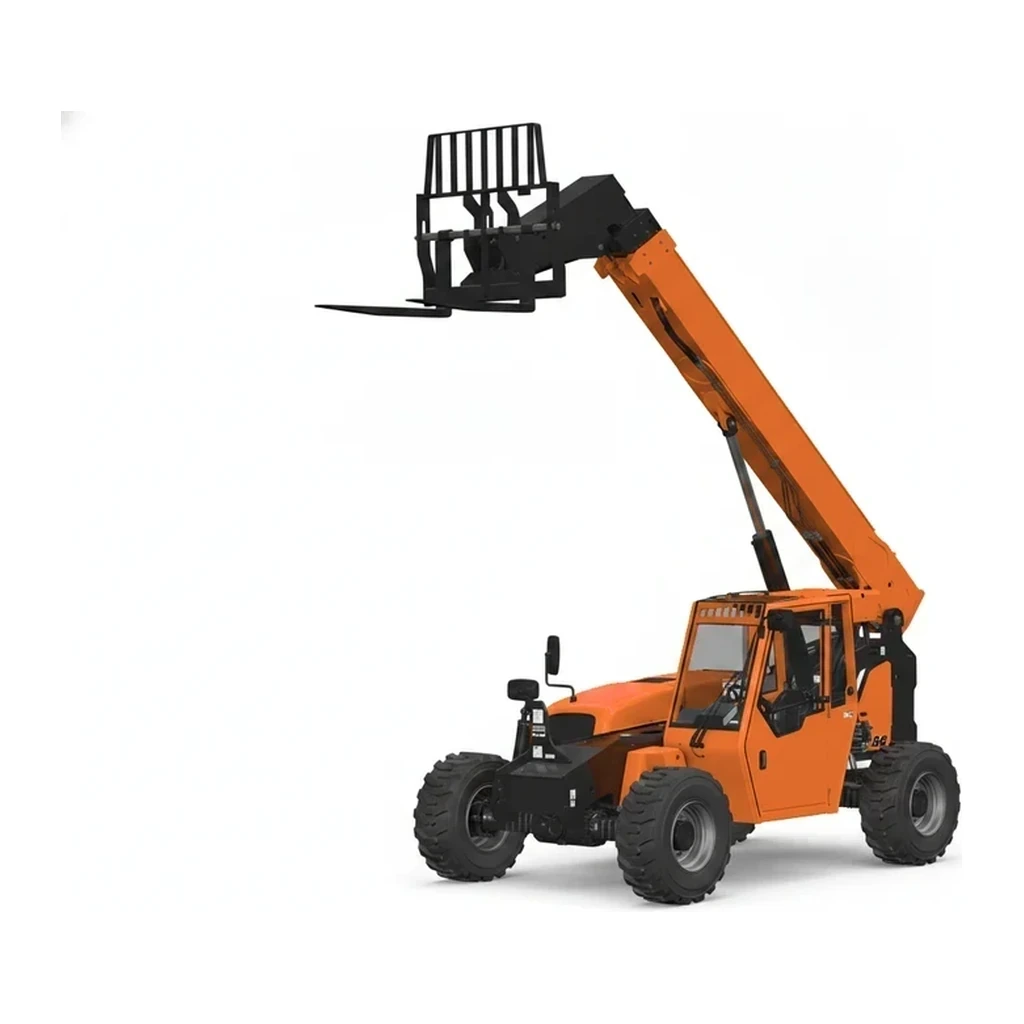
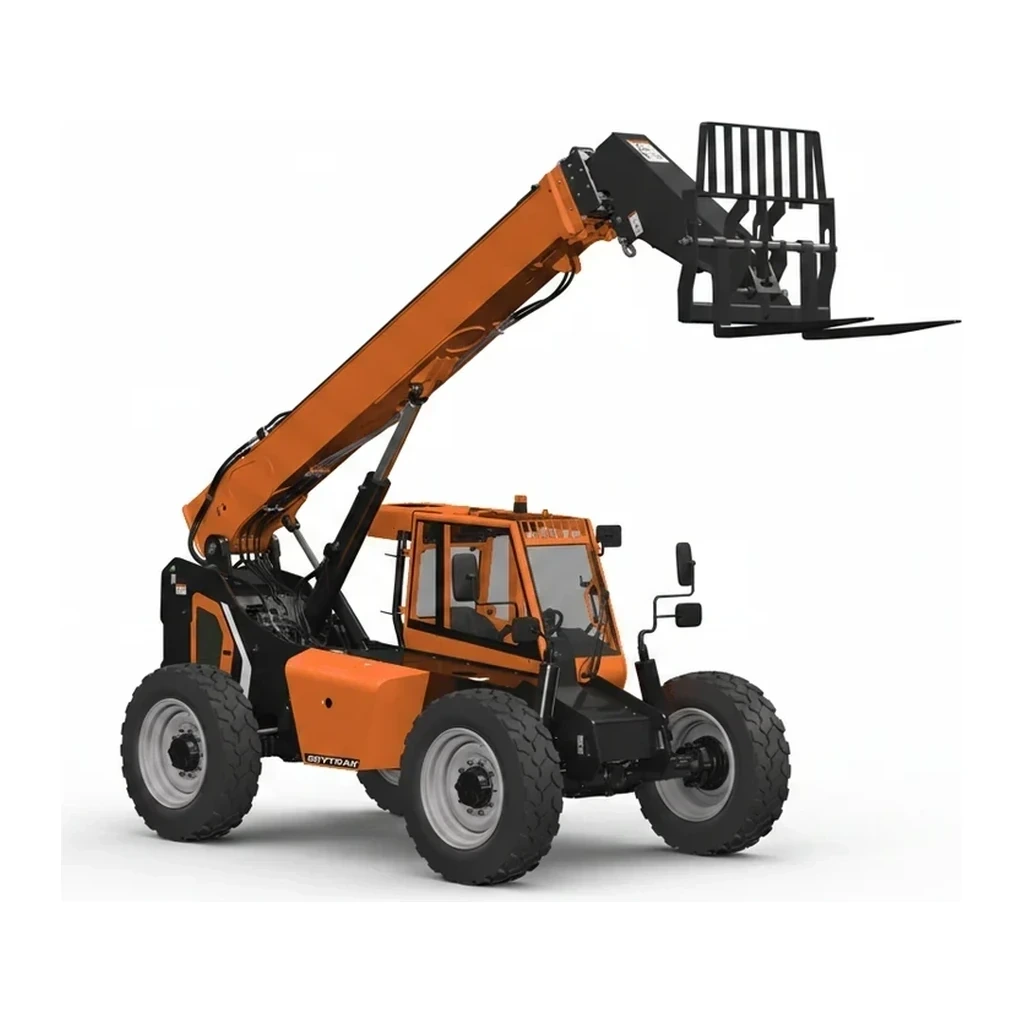
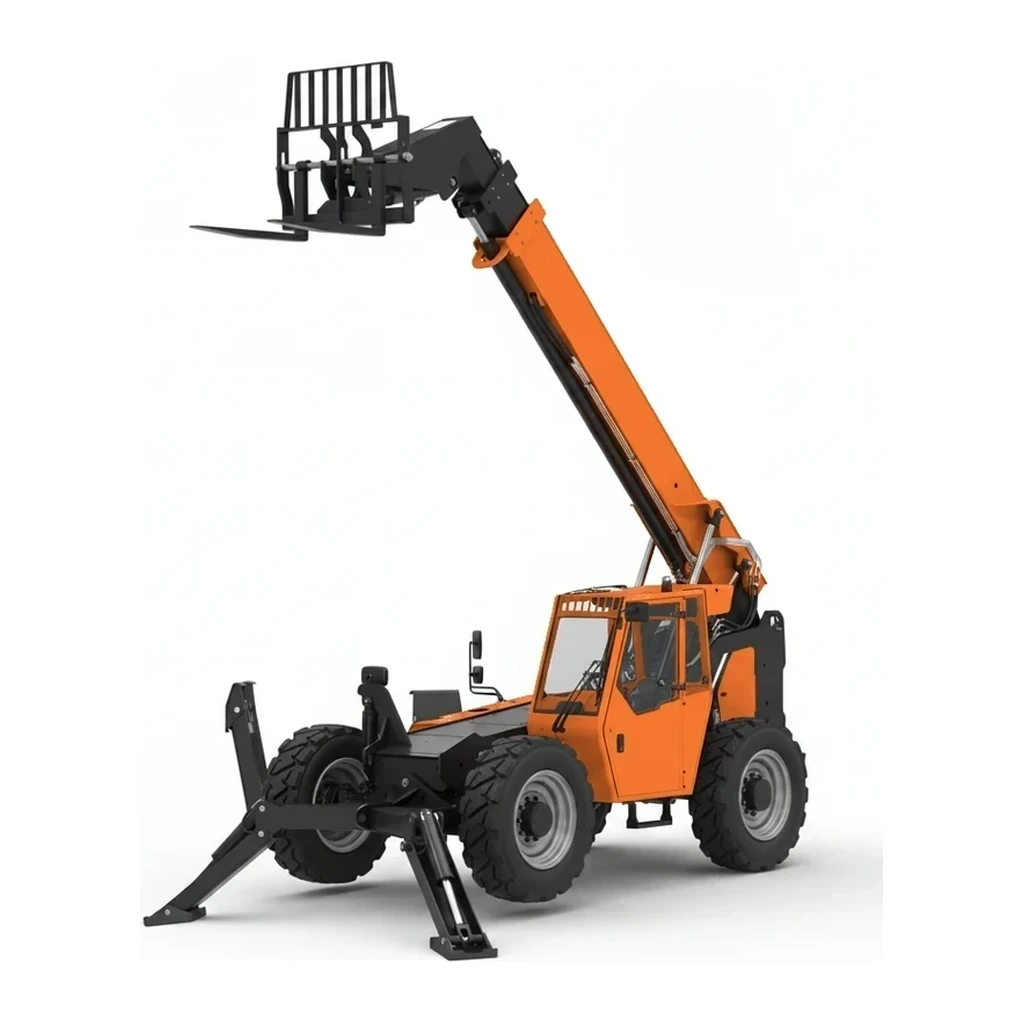
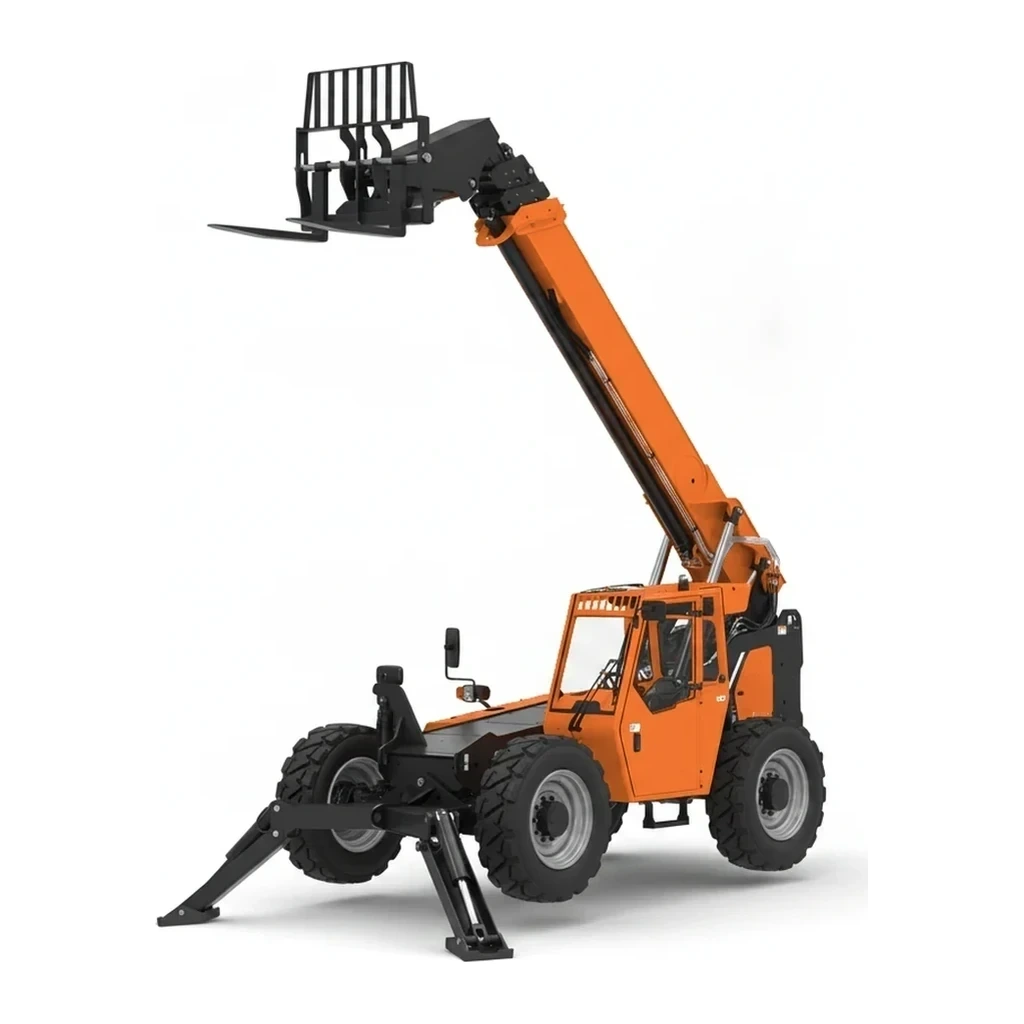
Key specifications
| Specification | Typical range | What it means |
|---|---|---|
| Lift capacity | 6,000-8,000 lb (2,700-3,600 kg) | Defines the class; maximum weight the boom can lift at minimum extension |
| Lift height | 42–44 ft (12.8–13.4 m) | Vertical reach to serve second and third floors in residential and light commercial construction |
| Max forward reach | 32–35 ft (9.8–10.7 m) | Horizontal extension at full boom angle, critical for placing loads over obstructions |
| Engine power | 74-100 hp | Diesel engines sized for both lifting cycles and loaded site travel |
| Operating weight | 15,000-18,000 lb (6,800-8,200 kg) | Counterbalance mass required for stability; determines trailer and surface load requirements |
How to choose
This class suits projects requiring moderate lift capacity to mid-height floors—wood-frame multi-family, two-storey commercial, and ag buildings where 6,000-8,000 lb handles bundles of lumber, palletized masonry, and roofing materials. When loads consistently remain under 5,500 lb and lift heights stay below 36 ft, the Up to 6,000 lb Telehandler class offers better maneuverability and lower operating weight. For projects demanding more than 7,500 lb capacity, lifting to four storeys, or placing heavy steel and precast elements, the 8,000-10,000 lb Telehandler provides the necessary stability and reach without the compromises of operating at the upper limits of this class.
What this size handles
- Placing framing lumber and trusses on second- and third-floor decks in multi-family wood construction
- Setting masonry pallets and scaffolding for two- to three-storey commercial facades
- Feeding concrete forming systems and rebar bundles on mid-rise structures
- Stacking hay and feed in agricultural storage facilities with elevated lofts
- Positioning HVAC units and roofing materials on low-rise commercial buildings
- Supplying drywall, insulation, and finish materials to upper floors during fit-out phases
Safety & operation
- Load charts account for boom angle and extension; capacity diminishes significantly as forward reach increases beyond minimum radius
- Outriggers or stabilizers are uncommon in this class; machine stability depends on wheelbase, counterweight, and tire contact with firm, level surfaces
- Operator certification under OSHA 1910.178 or equivalent provincial standards; telehandlers are not considered aerial work platforms and require separate fall protection when personnel are in elevated buckets
- Ground bearing pressure of 60-90 psi requires attention to soft soils, asphalt in warm weather, and temporary surface protection on finished slabs
Transport & logistics
- Operating weights of 15,000-18,000 lb typically require tandem-axle tagalong or tilt-bed trailers rated for 20,000+ lb GVWR
- Overall transport dimensions usually fall within standard 8.5 ft width limits, though boom length may exceed 20 ft, requiring oversize permits in some jurisdictions
- Towing generally requires 3/4-ton or 1-ton pickups; steeper ramps and self-loading configurations benefit from one-ton dually or medium-duty truck platforms
Power & supply
- Diesel fuel systems with 24-40 gallon tanks; consumption averages 2-4 gallons per hour under moderate use
- Electric auxiliary power via 12V battery for cab accessories and hydraulic controls; no external grid power required for operation
- Some models offer dual-fuel (diesel/propane) or Tier 4 Final emission compliance, affecting fuel infrastructure and on-site exhaust management
Frequently asked
What separates a 7,000 lb telehandler from an 8,500 lb model in real-world use?
Can this class handle precast concrete panels or structural steel?
How does maximum lift height compare to usable working height?
Compare popular models
Find by spec →Normalised to the same units. A dash means the figure was not published.
| Model | Load capacity | Lift height | Engine power |
|---|---|---|---|
| JLG 742 | 7,000 lb (3,175 kg) | 42 ft (12.8 m) | 74 hp |
| JLG 6042 | 6,001 lb (2,722 kg) | 42.3 ft (12.9 m) | 74 hp |
| SkyTrak 6034 | 6,001 lb (2,722 kg) | 34.4 ft (10.5 m) | 74 hp |
| Skyjack SJ643 TH | 6,001 lb (2,722 kg) | - | 74 hp |
| SkyTrak 6042 | 6,001 lb (2,722 kg) | 42.3 ft (12.9 m) | 74 hp |
| Genie GTH-3007 | - | - | 74 hp |
Related equipment
Browse by manufacturer
Sources
Every specification is verified against the manufacturer's published data, with the source linked for reference.
6,000-8,000 lb Telehandler
40 models · Every spec cited to source