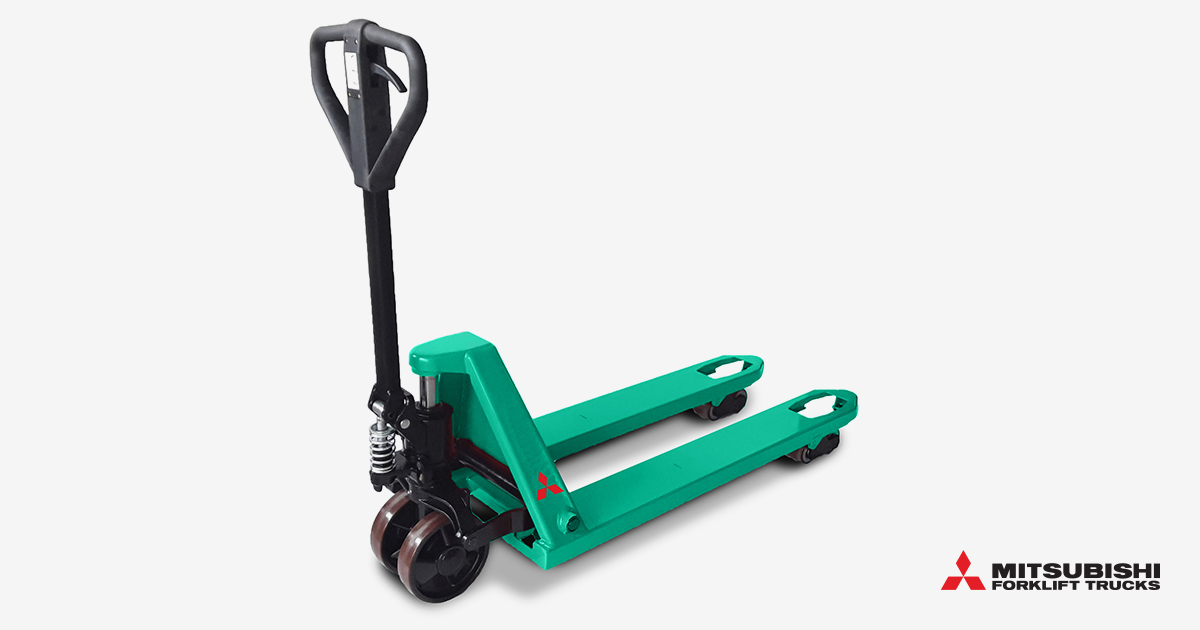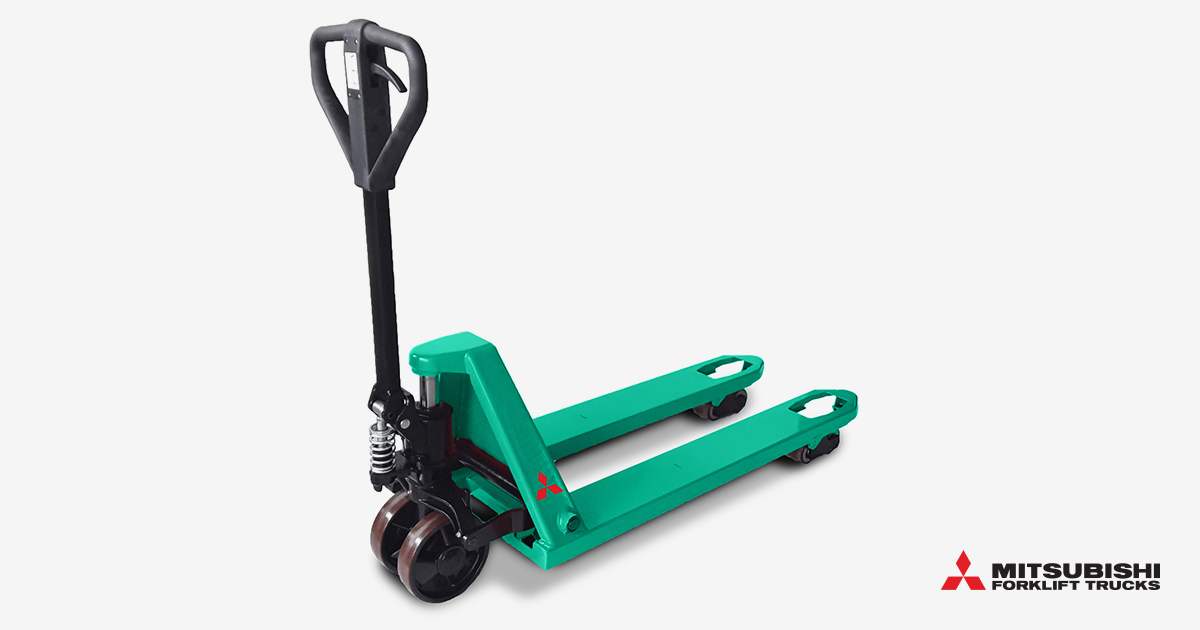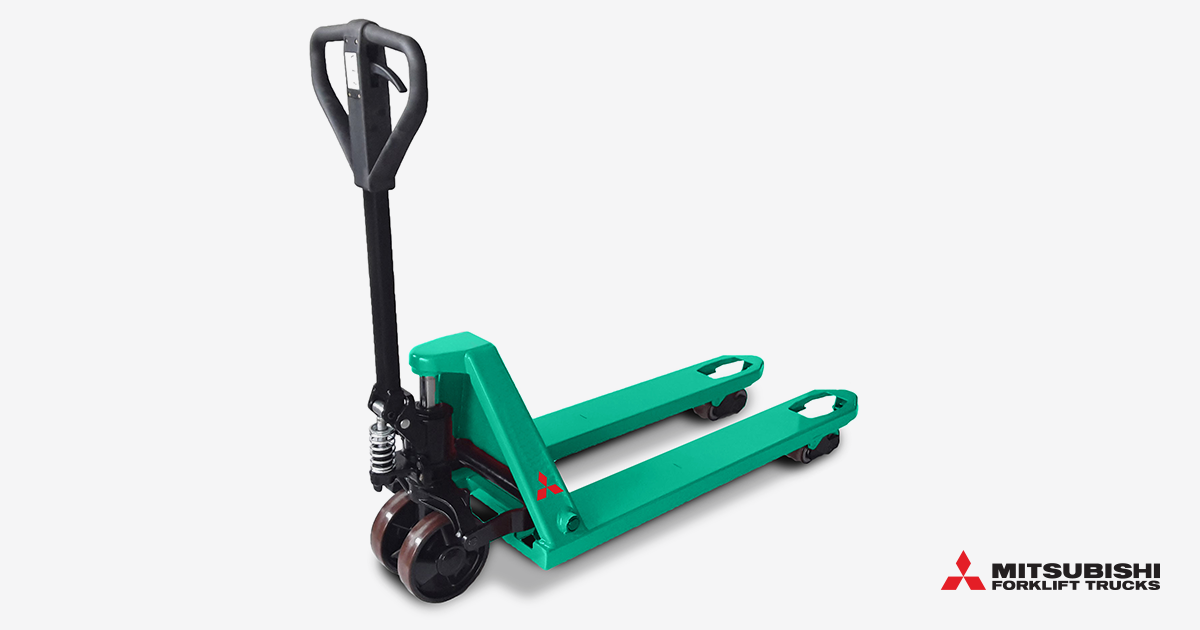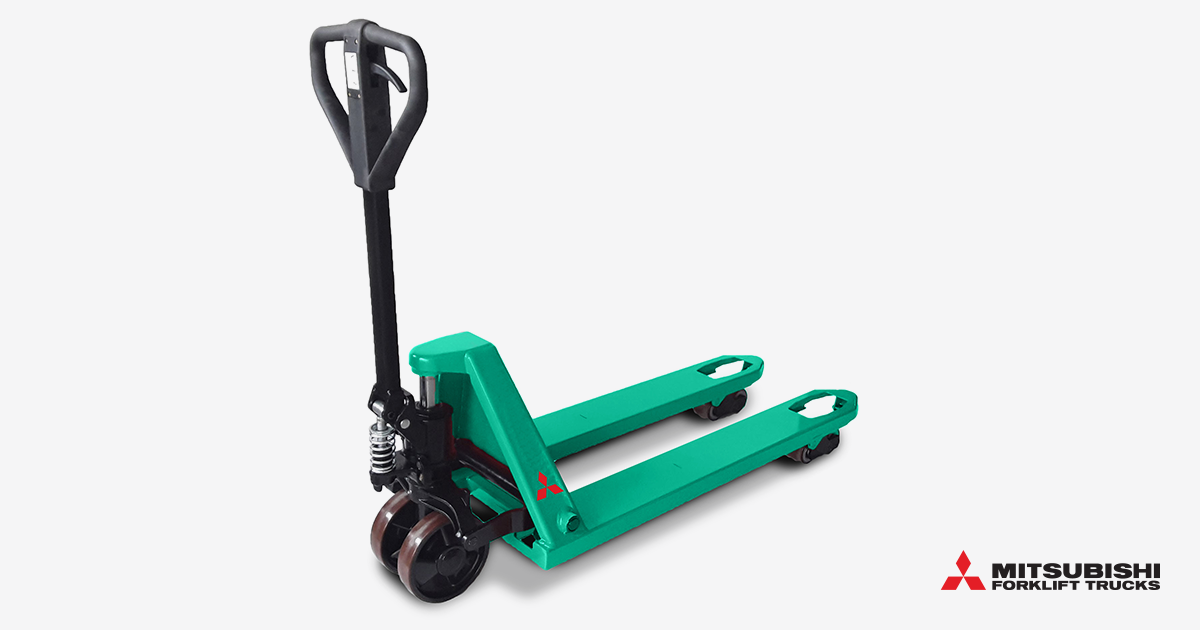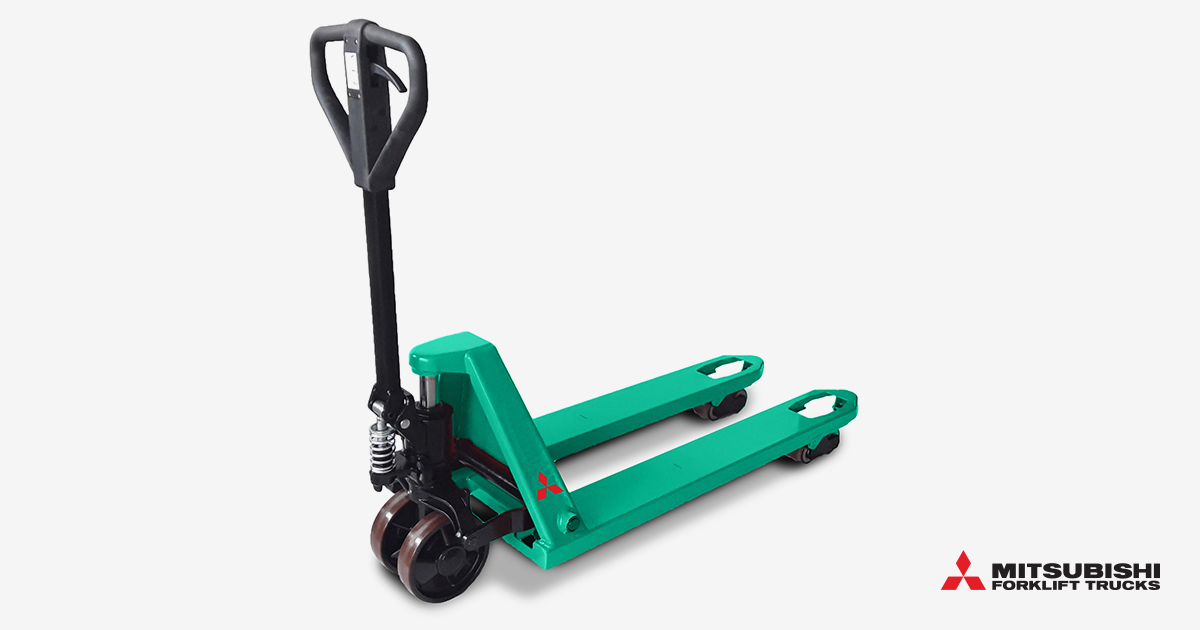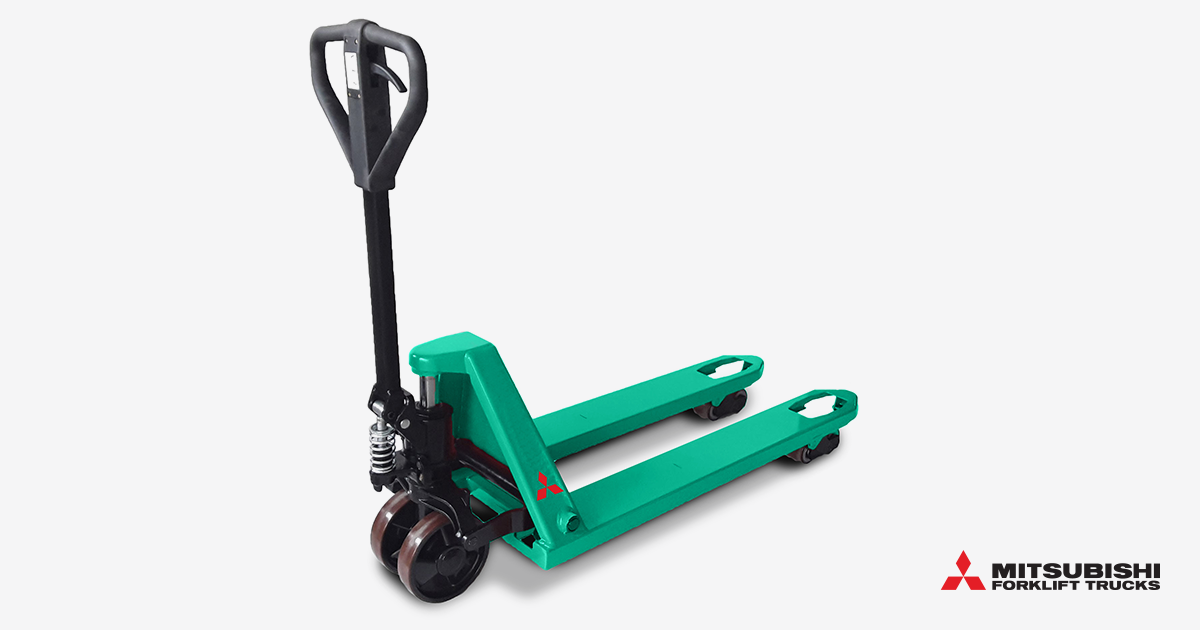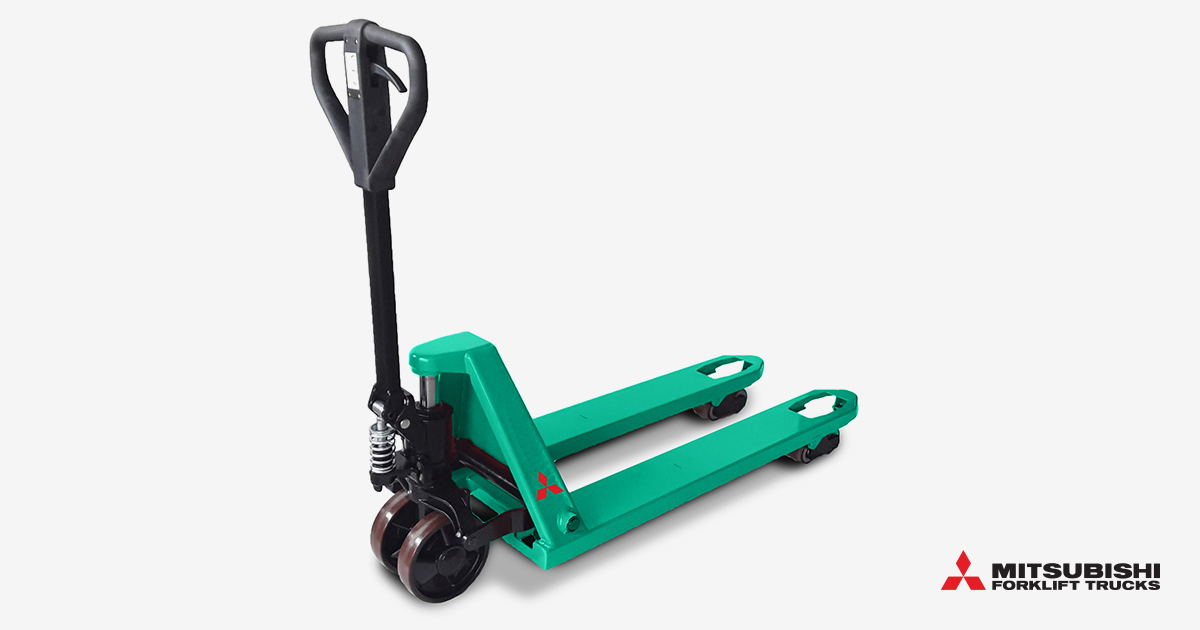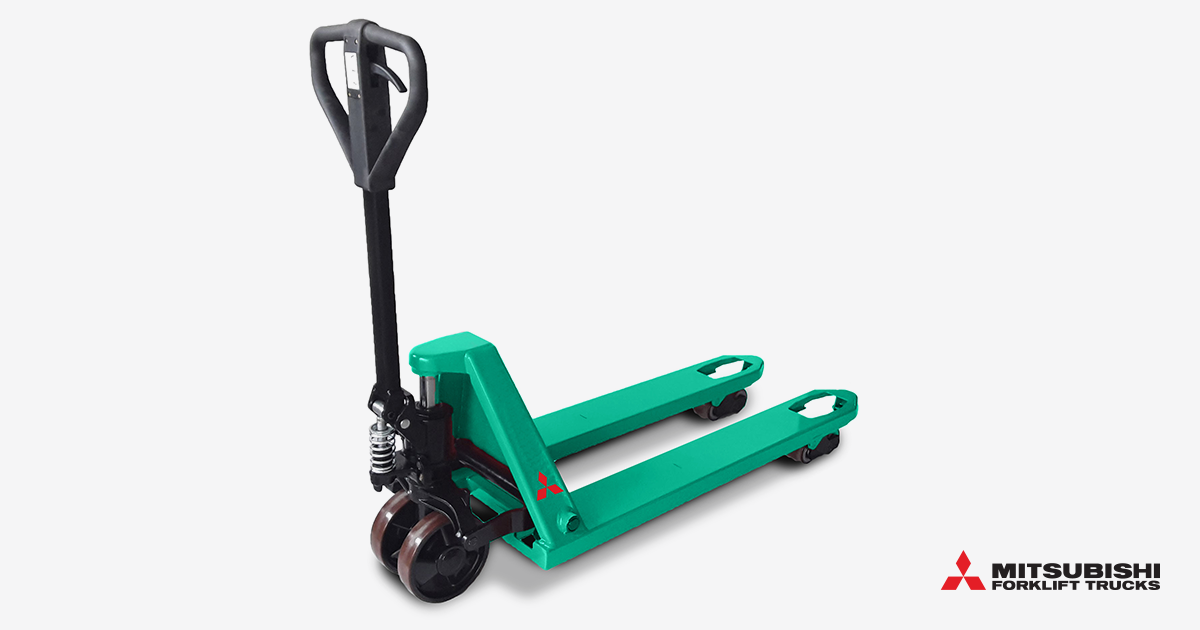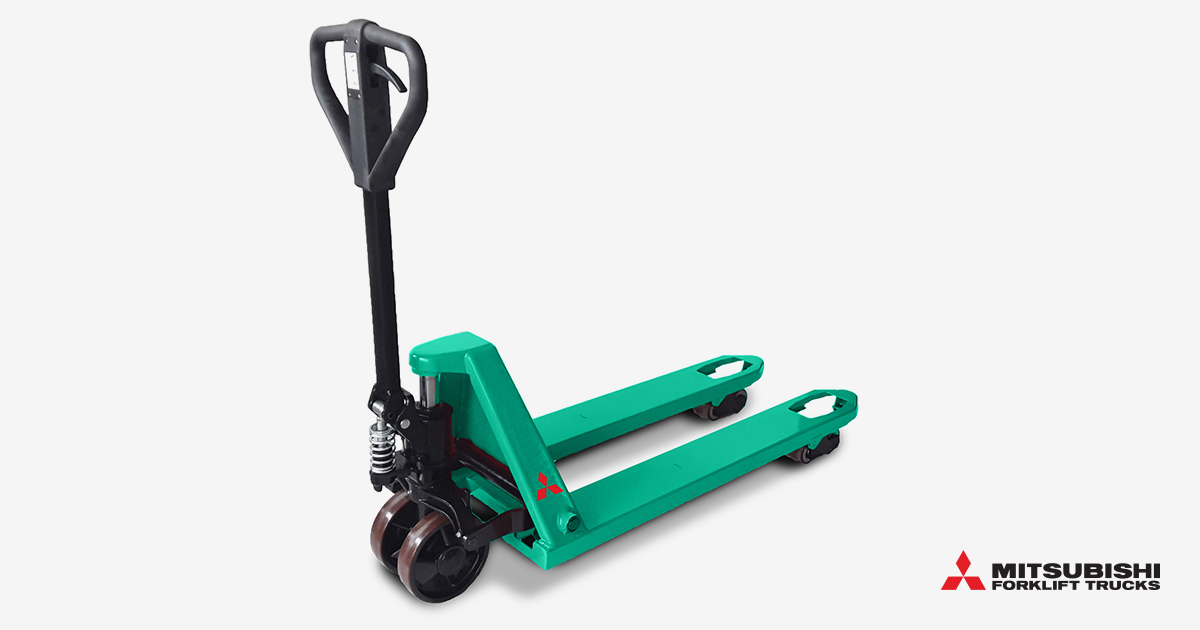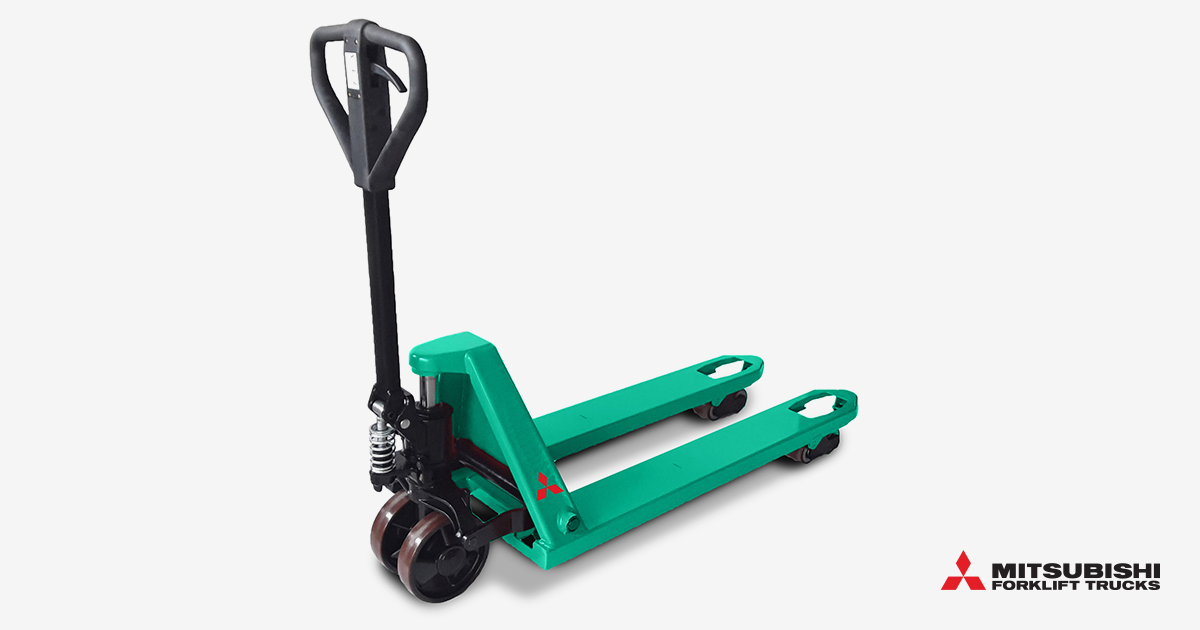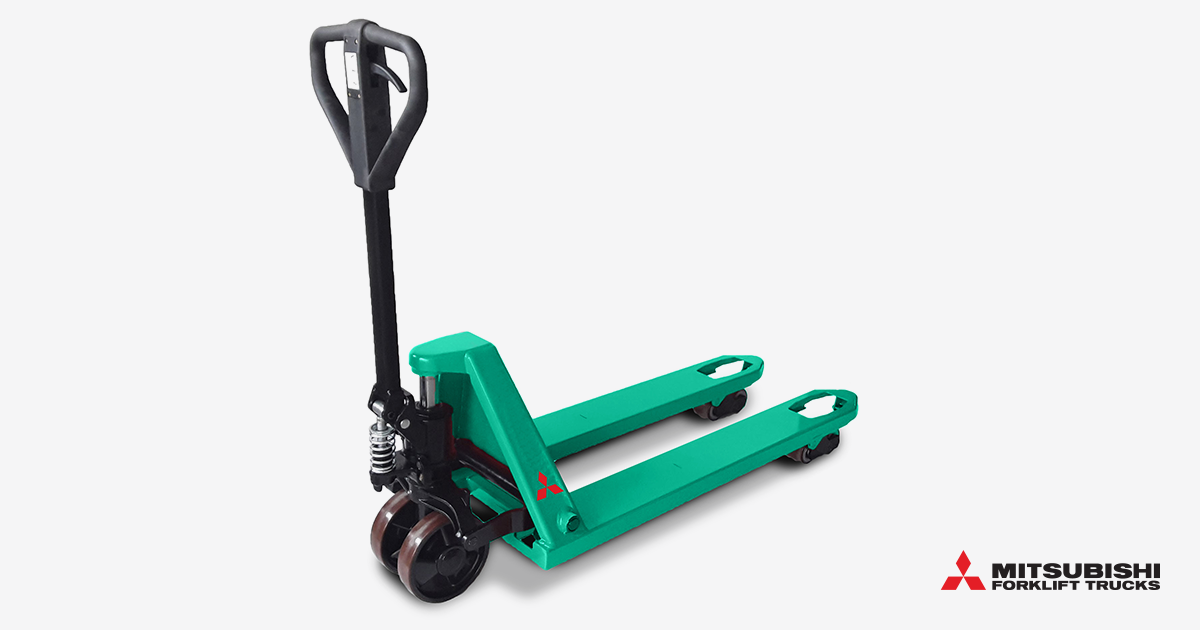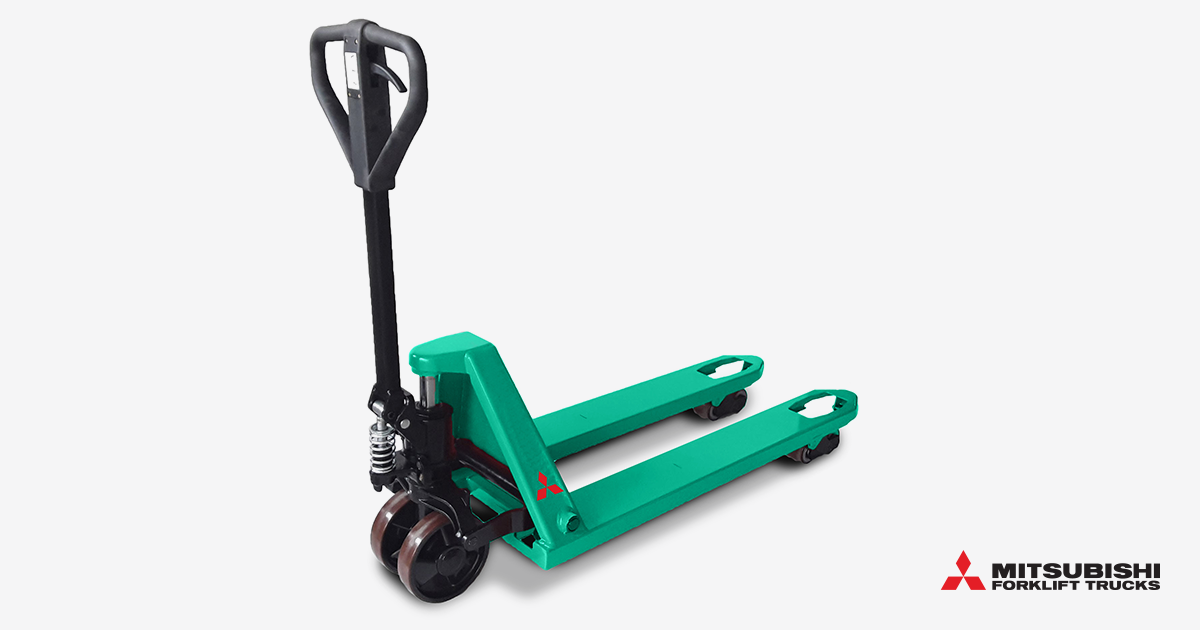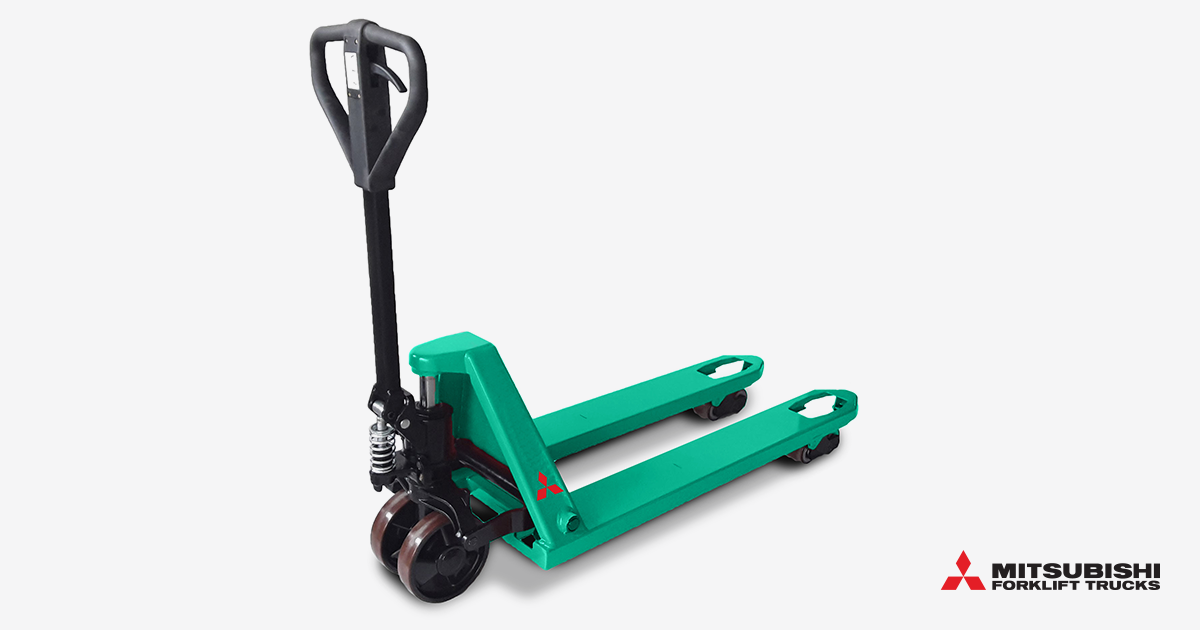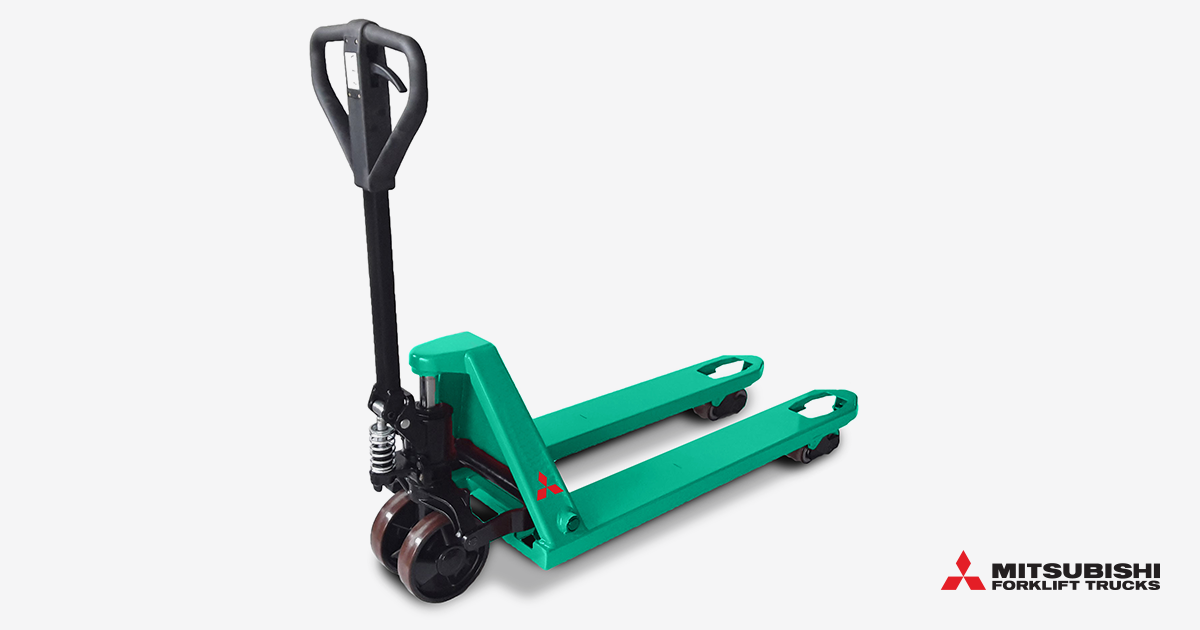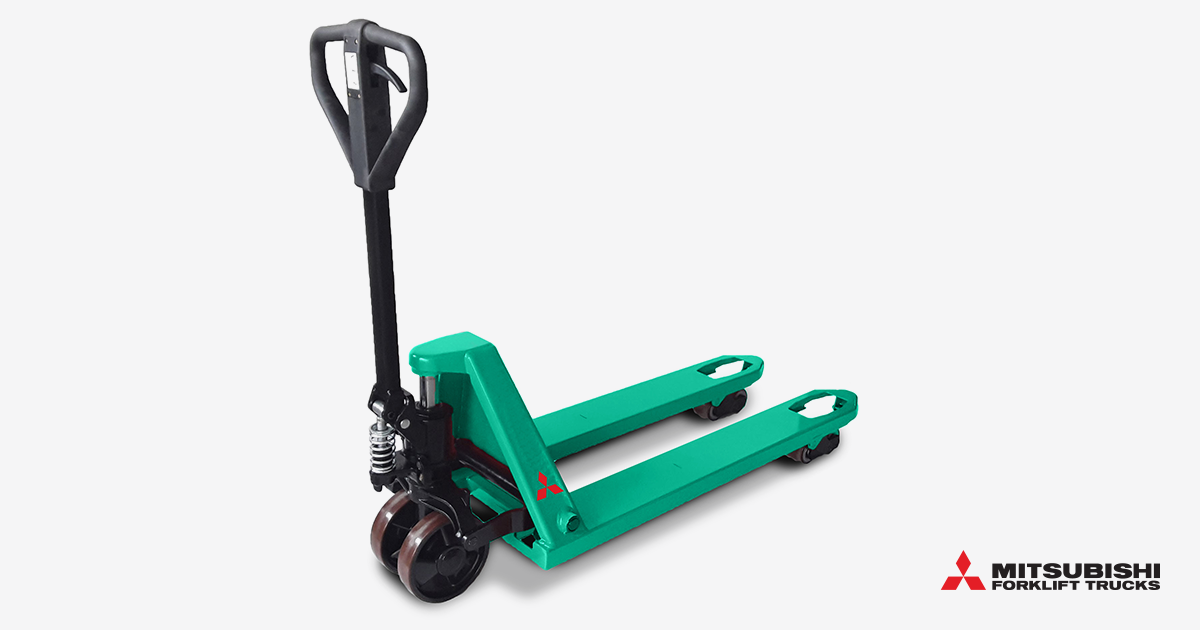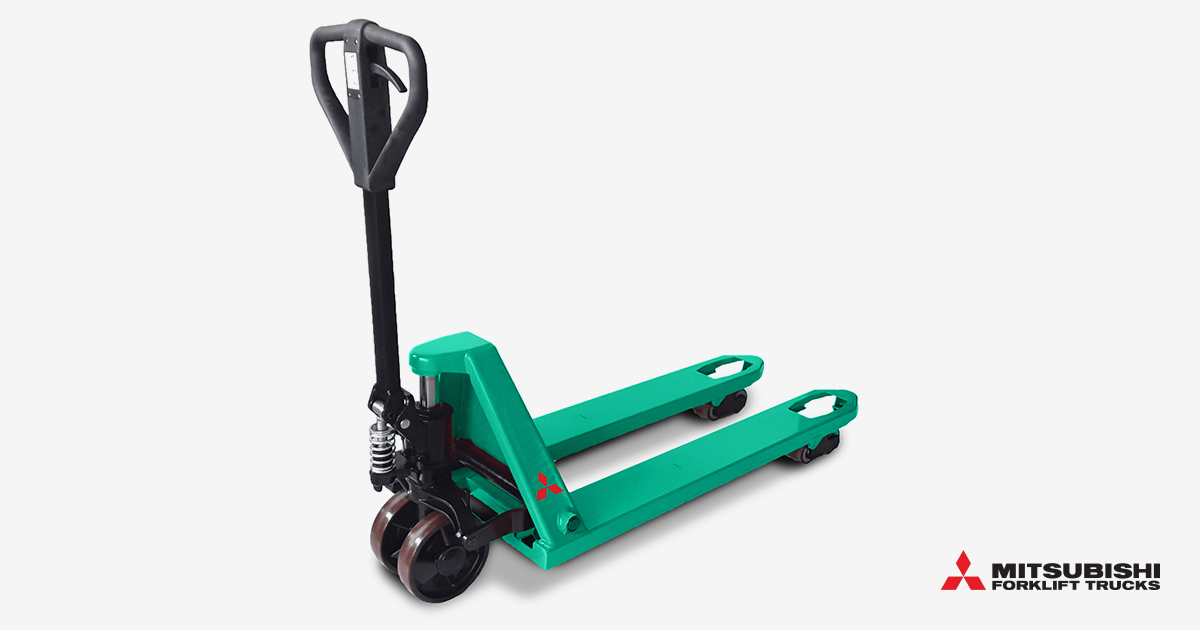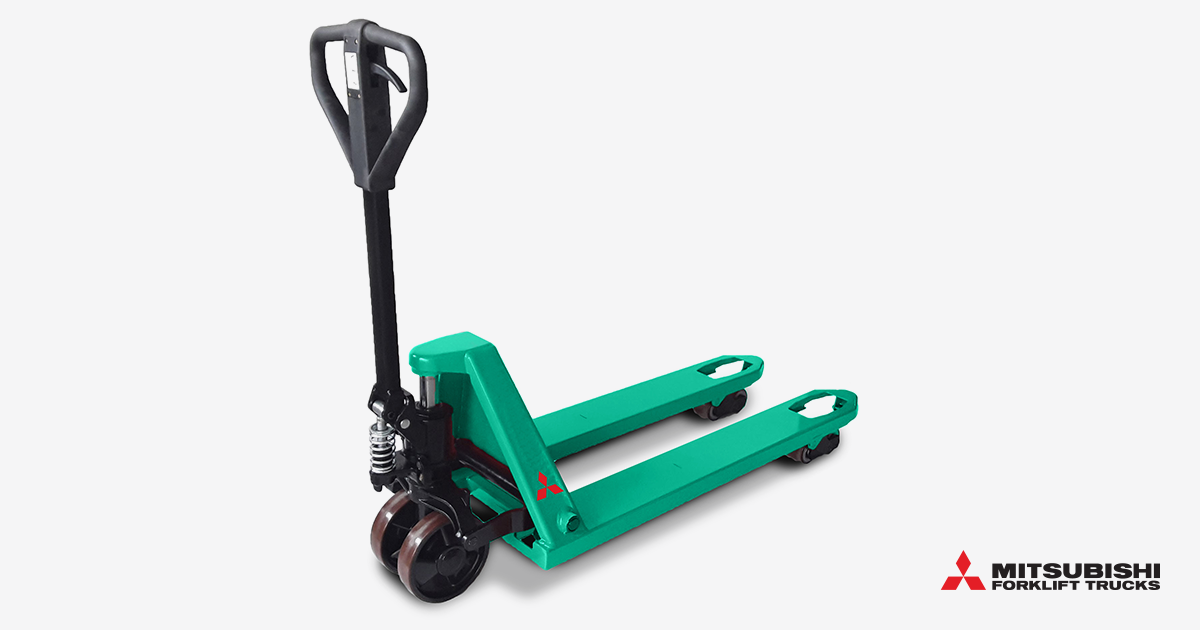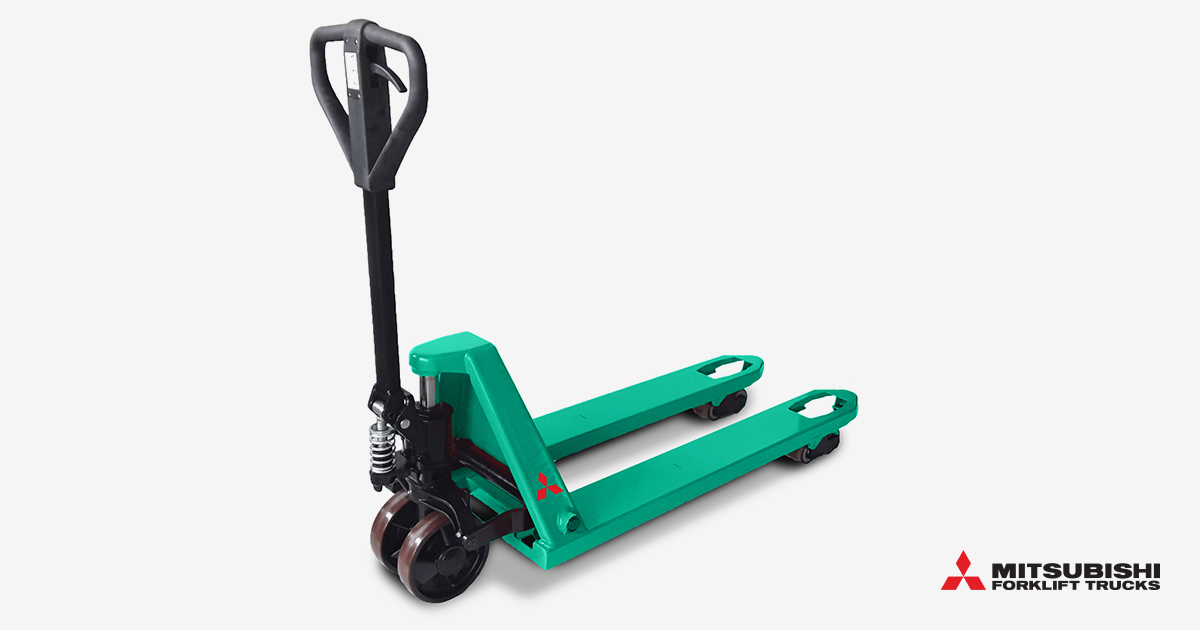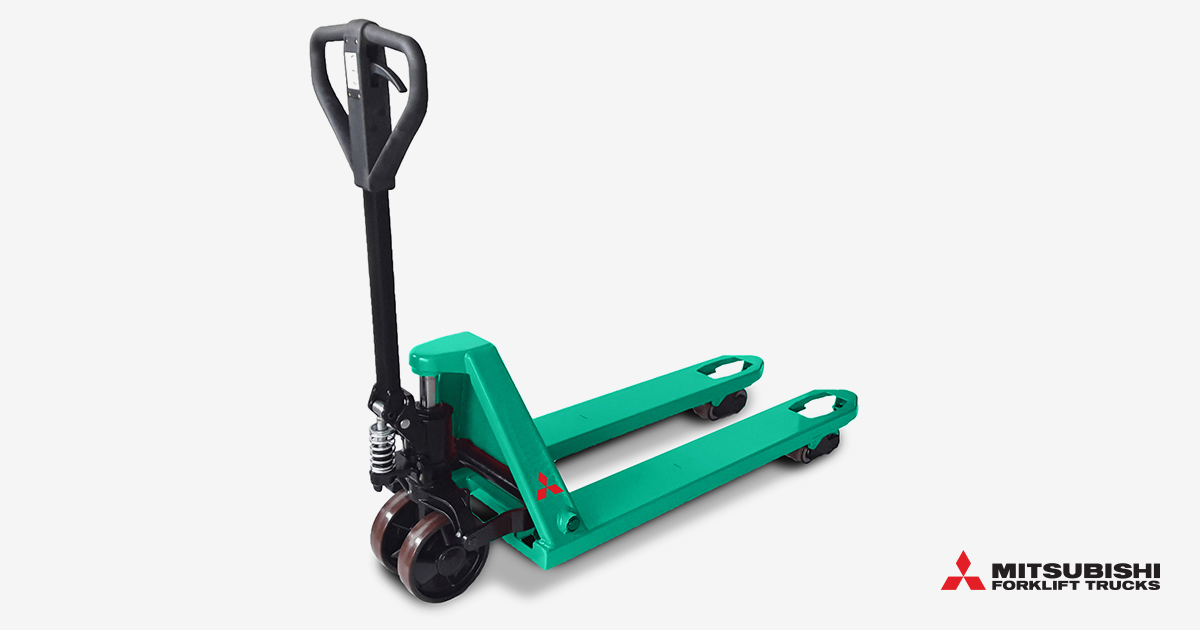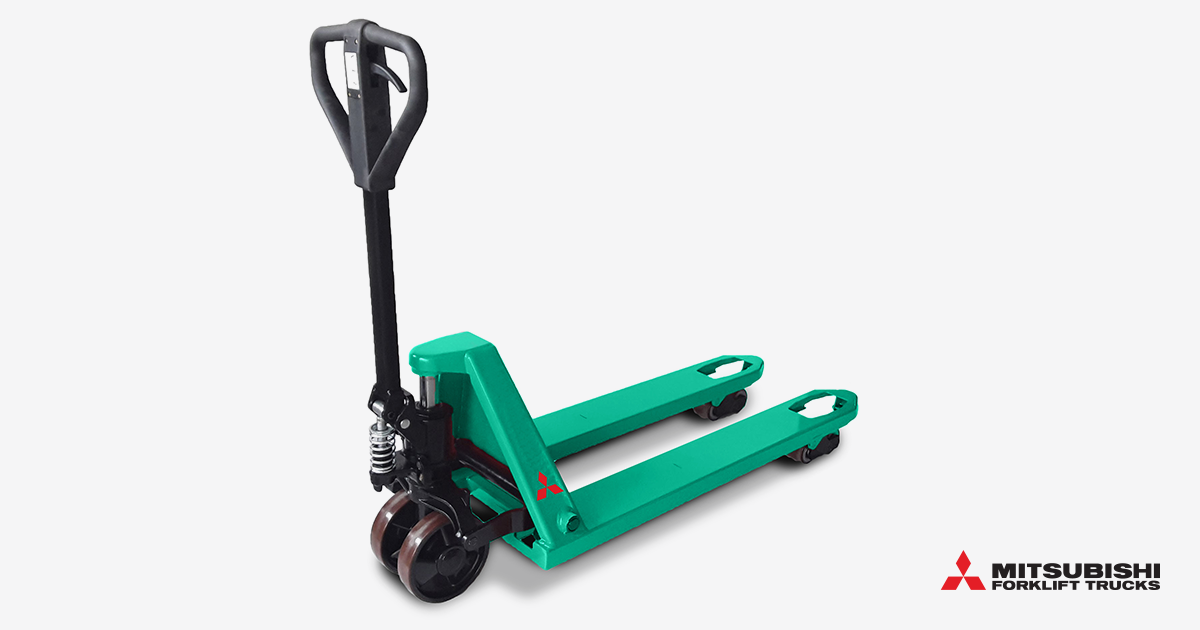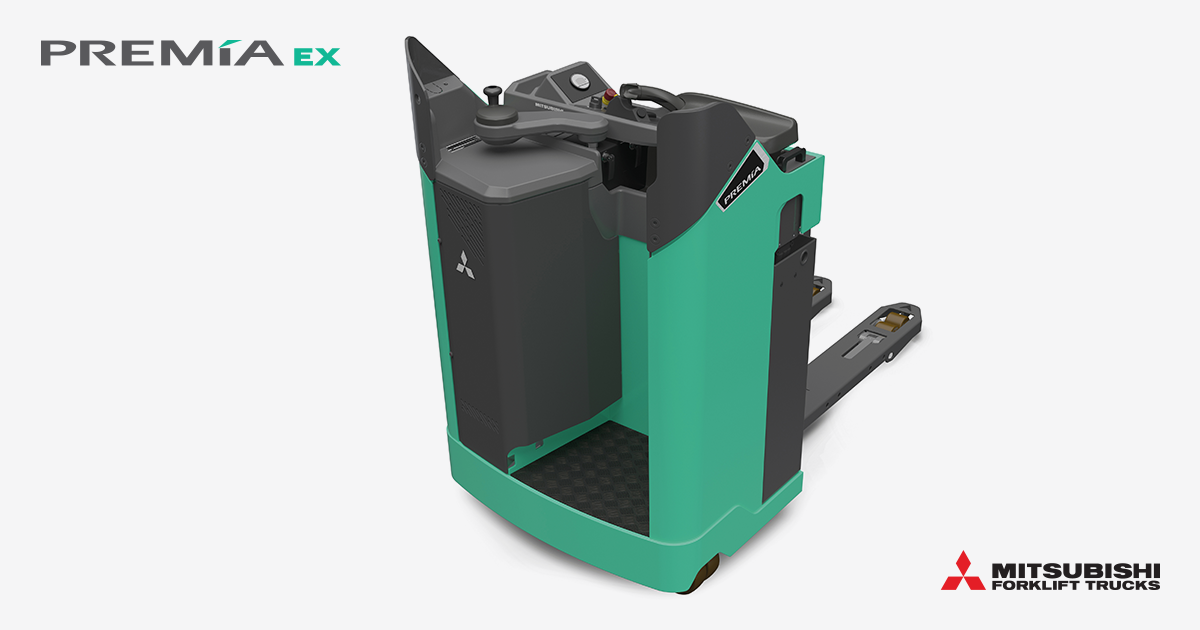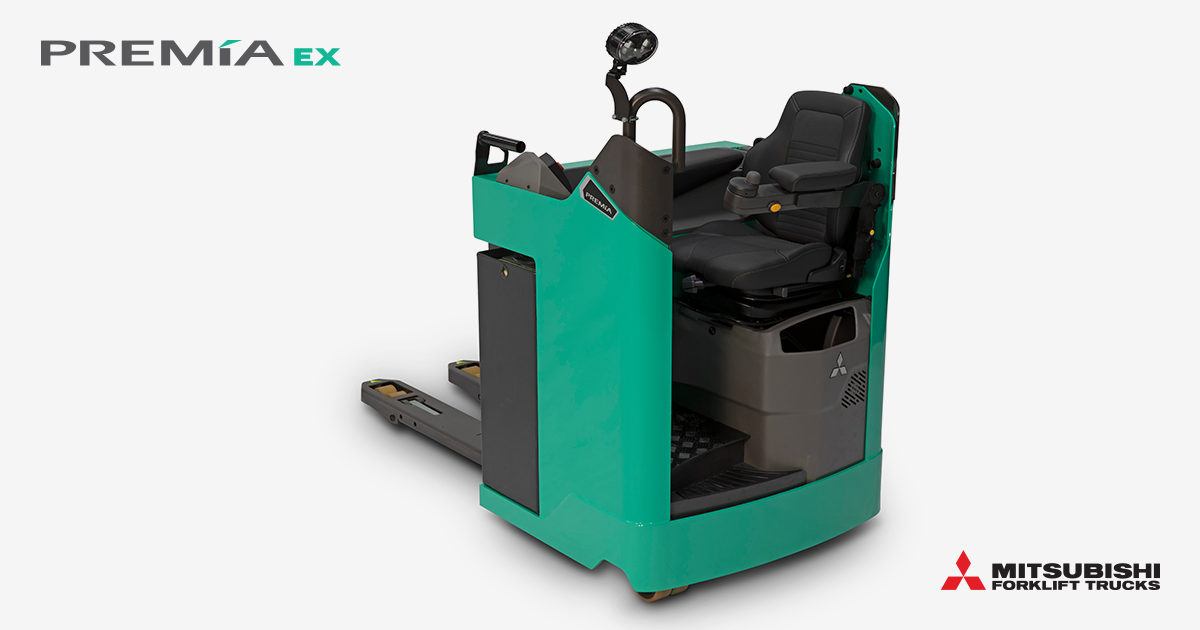

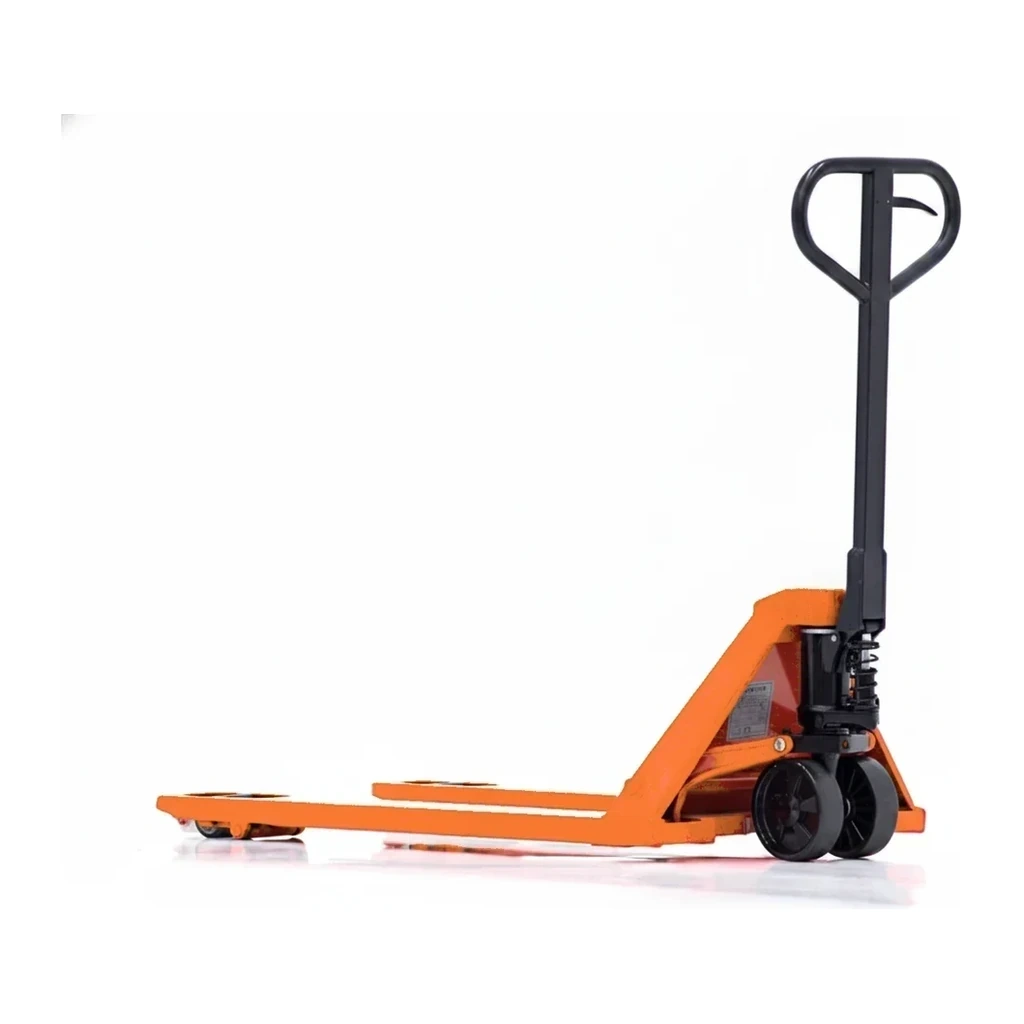
5,500+ lb Manual Pallet Jack
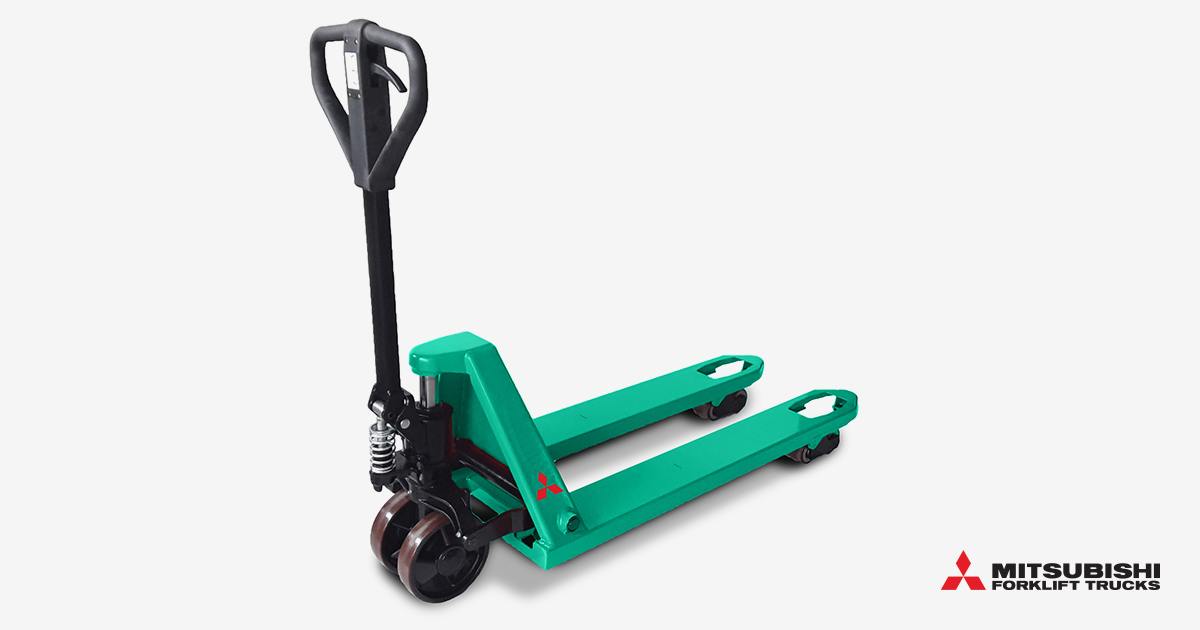
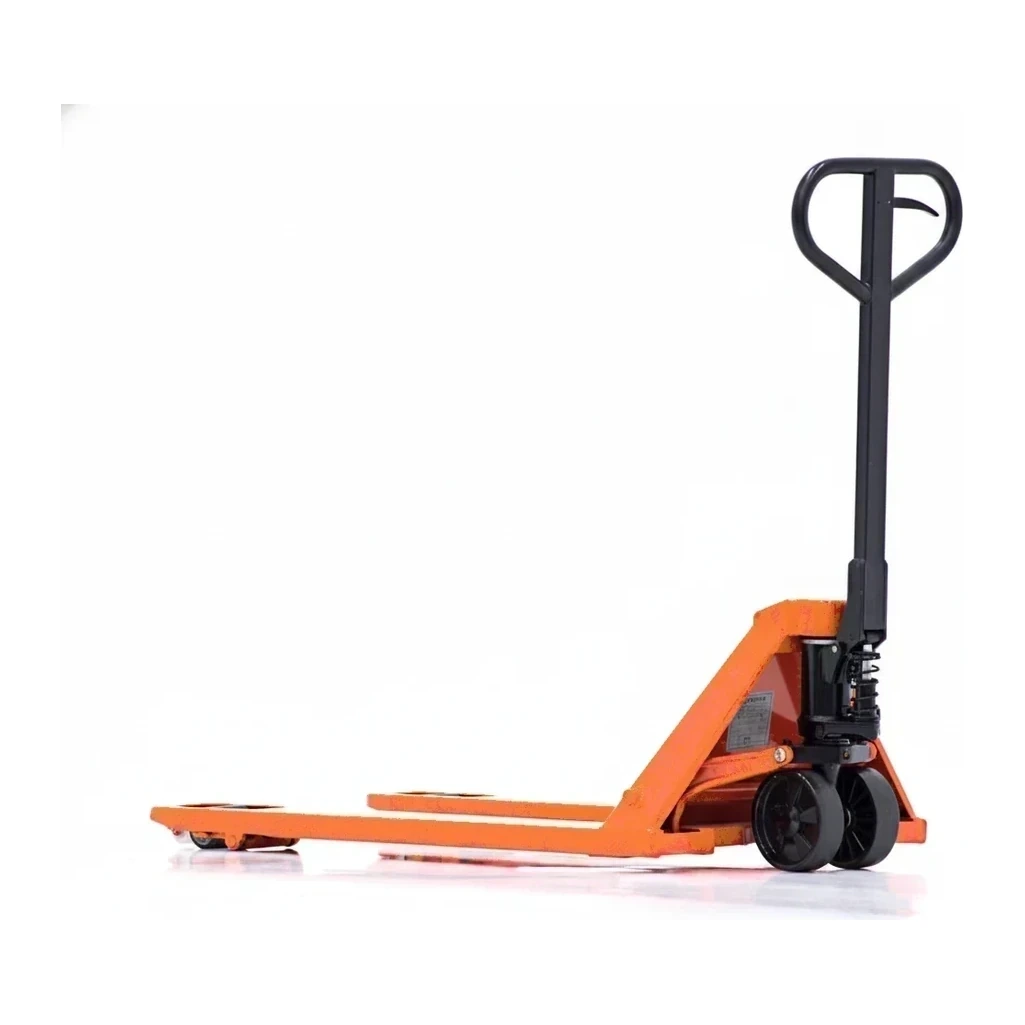
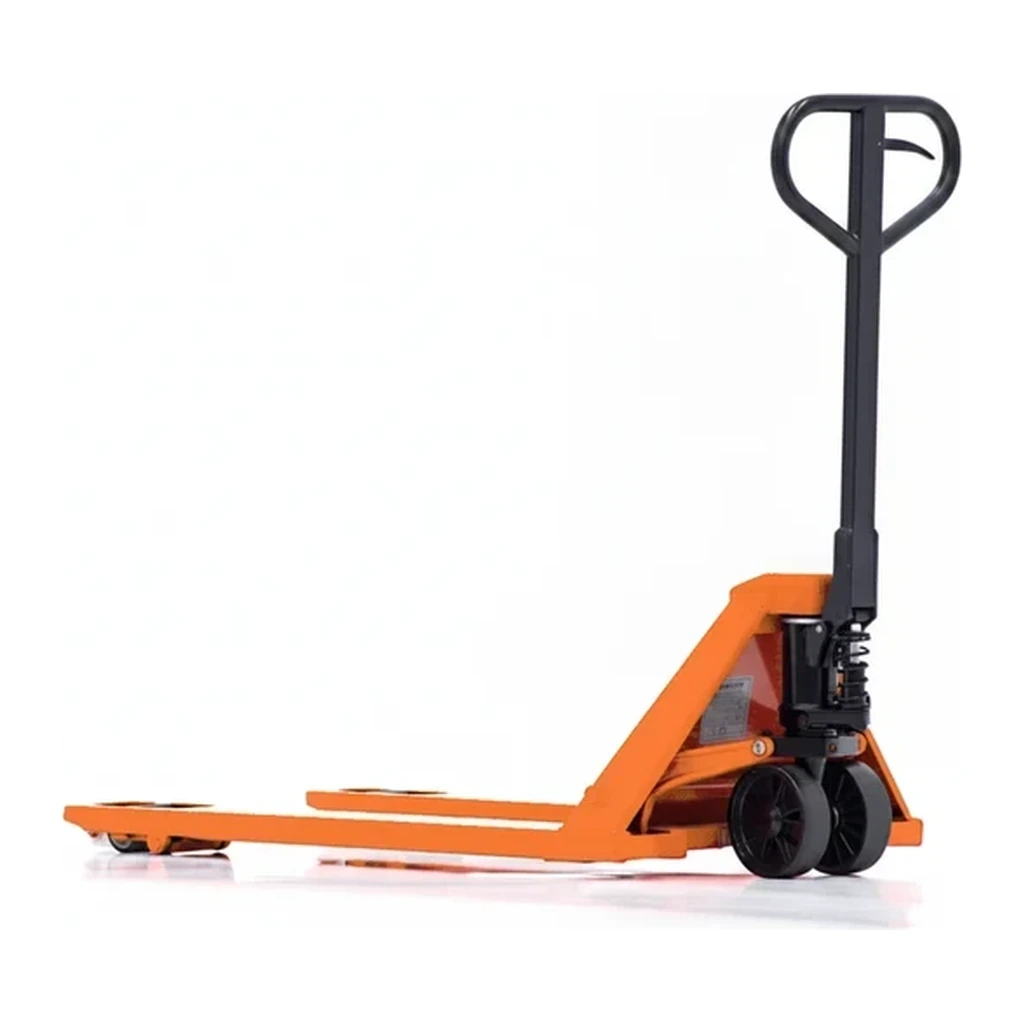
The 5,500+ lb Manual Pallet Jack class encompasses heavy-duty hydraulic hand jacks rated from approximately 2,500 kg to over 21,000 kg capacity, designed for steel coils, stone slabs, machinery components, and long or oversized pallets that exceed standard dimensions. These models typically feature reinforced frames, wider fork spreads, and longer fork lengths to accommodate loads that overhang conventional pallet footprints. This is the top rung of the manual pallet jack ladder, representing the heaviest-capacity equipment operated without electric or motorized assistance.
Cat classes
Pick a size class: capacity and reach differ across the range.
Key specifications
| Specification | Typical range | What it means |
|---|---|---|
| Load capacity | 2,500-21,500 kg (5,500-47,400 lb) | Maximum rated load; heaviest models serve steel, stone, and industrial machinery applications |
| Lift height | 7.9-19.7 in (200-500 mm) | Vertical travel from lowered to raised position; most models lift just enough for transport, not stacking |
| Fork length | 48-96 in (1,220-2,440 mm) | Extended fork options accommodate oversized pallets, steel bundles, and slabs that overhang standard 48-in pallets |
| Fork spread | Adjustable or fixed wide stance | Reinforced frames often feature wider fork separation or adjustable widths for stability under heavy loads |
How to choose
The 5,500+ lb Manual Pallet Jack class is appropriate when handling steel products, stone slabs, machinery components, or palletized loads exceeding 5,500 lb, particularly when those loads require extended fork lengths or wider fork spreads for stability. For standard warehouse pallets and general material handling up to 5,500 lb, the Up to 5,500 lb Manual Pallet Jack class offers easier maneuverability and lower operating effort. Once load weights, repetitive handling, or travel distances make manual pumping impractical, or when stacking height beyond simple ground-level transport is required, powered walkie pallet jacks, rider pallet jacks, or forklifts become the appropriate equipment classes.
What this size handles
- Moving steel coils and plate bundles in fabrication shops and metal service centers
- Handling stone slabs and countertop materials in fabrication facilities and warehouses
- Transporting heavy machinery components and castings on factory floors
- Loading and unloading oversized or double-length pallets that overhang standard fork dimensions
- Moving dense packaged goods such as bagged cement, flooring bundles, or industrial chemicals on reinforced pallets
- Positioning heavy equipment crates and export packaging in shipping and receiving docks
Safety & operation
- Operator effort increases significantly with load weight; multiple pumps required to raise heavy loads, leading to fatigue on repetitive tasks
- Load stability critical with heavy, dense materials; uneven loads or overhanging pallets can shift during transport
- Wide or extended forks require increased clearance in aisles and doorways; operators must account for overall equipment footprint
- Reinforced frames and components add weight to the jack itself, affecting maneuverability and the effort required to steer and position the equipment
Transport & logistics
- Most units fit in standard cargo vans or pickup beds; heavier reinforced models may require liftgate or ramp for loading
- Compact dimensions allow transport in service vehicles; no trailer typically required for delivery to site
- Heaviest models with extended forks may require flatbed or utility trailer for transport between facilities
Power & supply
- Fully manual hydraulic operation; no electrical power, batteries, or fuel required on site
- Pumping handle actuates hydraulic cylinder to raise forks; release valve lowers load under gravity
- No charging infrastructure or refueling needed; operational immediately upon arrival
Frequently asked
What distinguishes a 5,500+ lb manual pallet jack from standard models?
At what capacity does a powered pallet jack become more practical than a heavy-duty manual model?
Can extended-fork models handle standard 48-inch pallets as well as oversized loads?
Compare popular models
Find by spec →Normalised to the same units. A dash means the figure was not published.
| Model | Load capacity | Lift height | Engine power |
|---|---|---|---|
| Crown CDV160S | 35,999 lb (16,329 kg) | 19.7 ft (6.0 m) | - |
| Crown CDV180 | 55,001 lb (24,948 kg) | 19.7 ft (6.0 m) | - |
| Hyster B60ZAC2 | 6,001 lb (2,722 kg) | 9.3 ft (2.8 m) | - |
| Hyster B60ZHD2 | 6,001 lb (2,722 kg) | 9.3 ft (2.8 m) | - |
| Hyster B80ZHD2 | 8,001 lb (3,629 kg) | 9.3 ft (2.8 m) | - |
| Hyster BE80ZHD | 8,001 lb (3,629 kg) | 9.3 ft (2.8 m) | - |
Related equipment
Browse by manufacturer
Sources
Every specification is verified against the manufacturer's published data, with the source linked for reference.
5,500+ lb Manual Pallet Jack
53 models · Page 1 of 2 · Every spec cited to source