

2-6 ton Rigging Sling
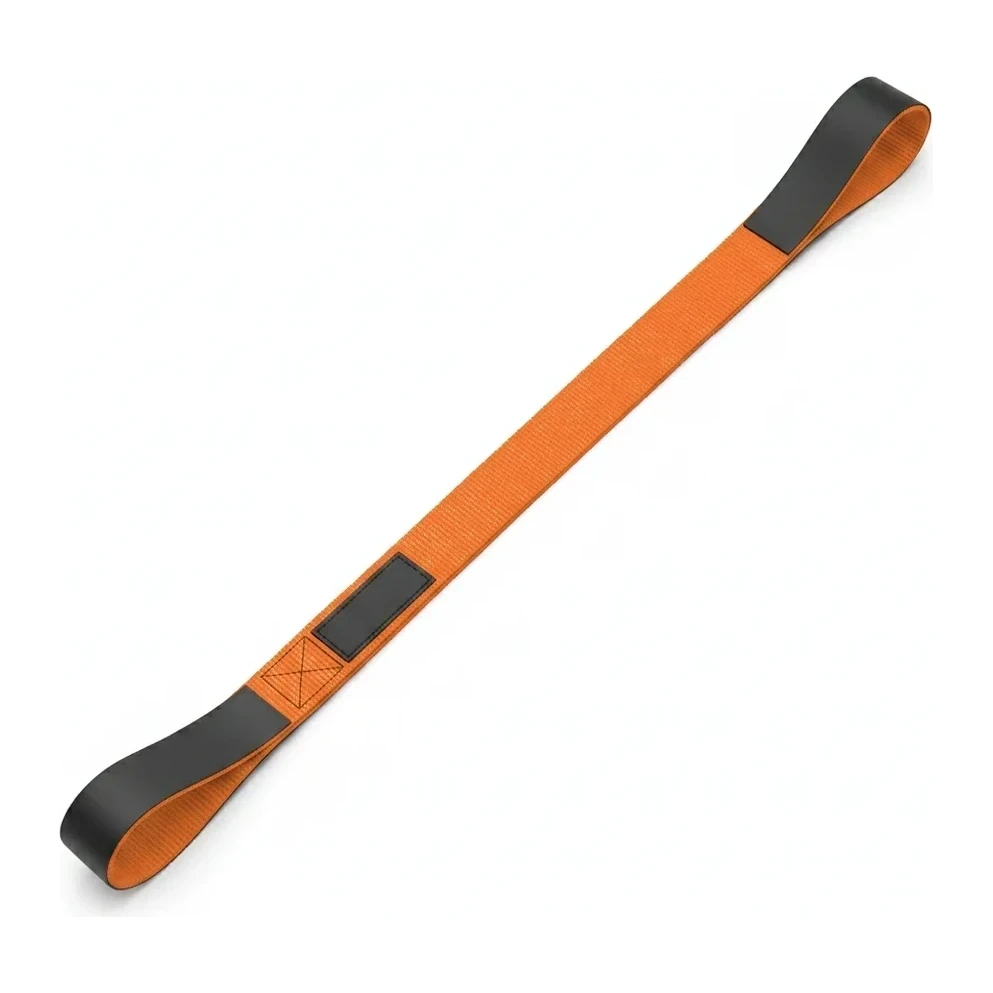
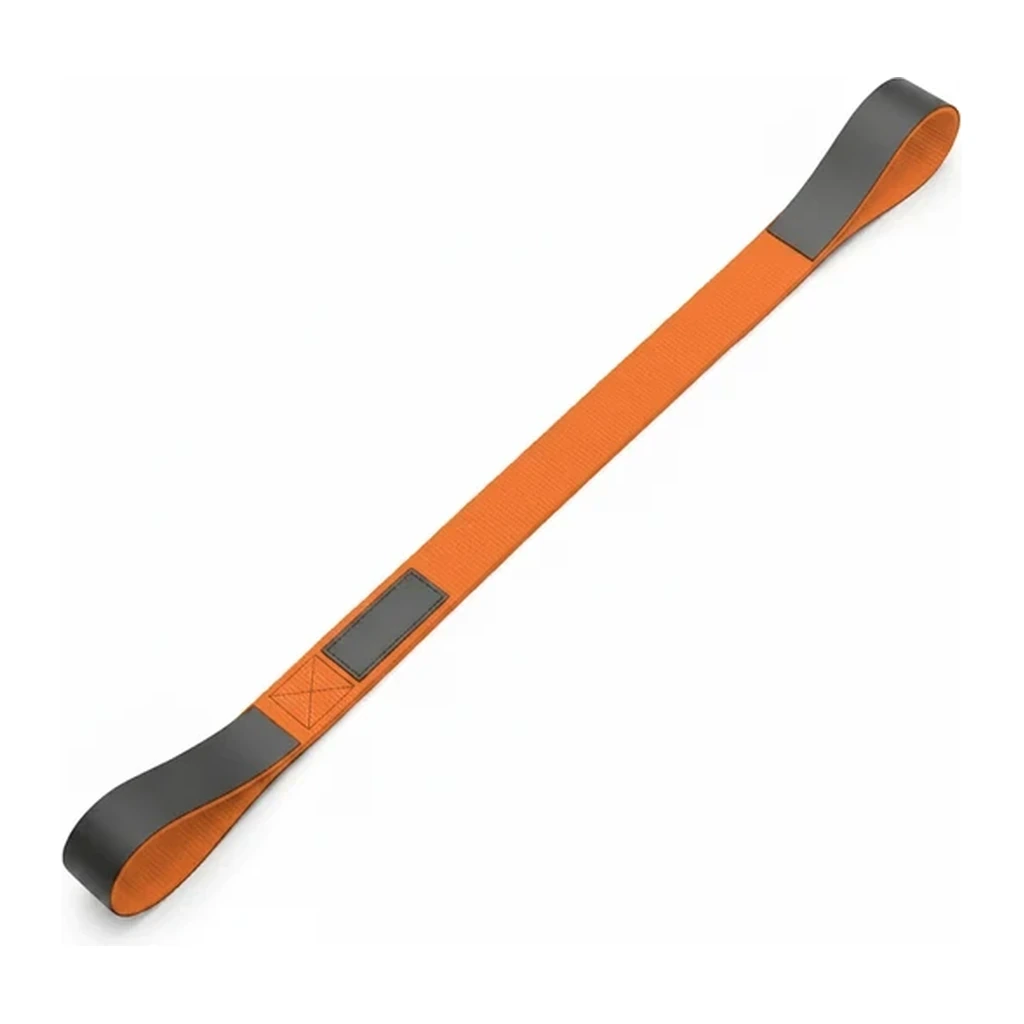
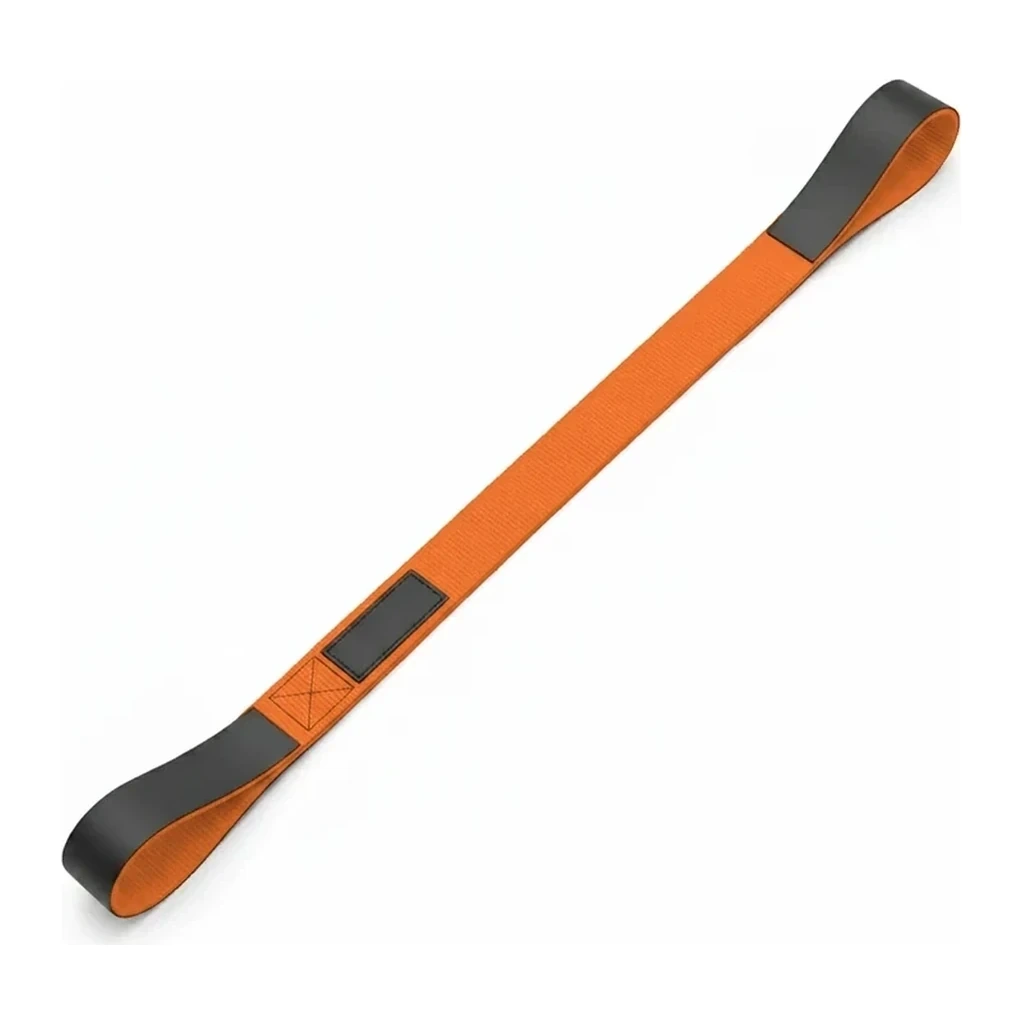
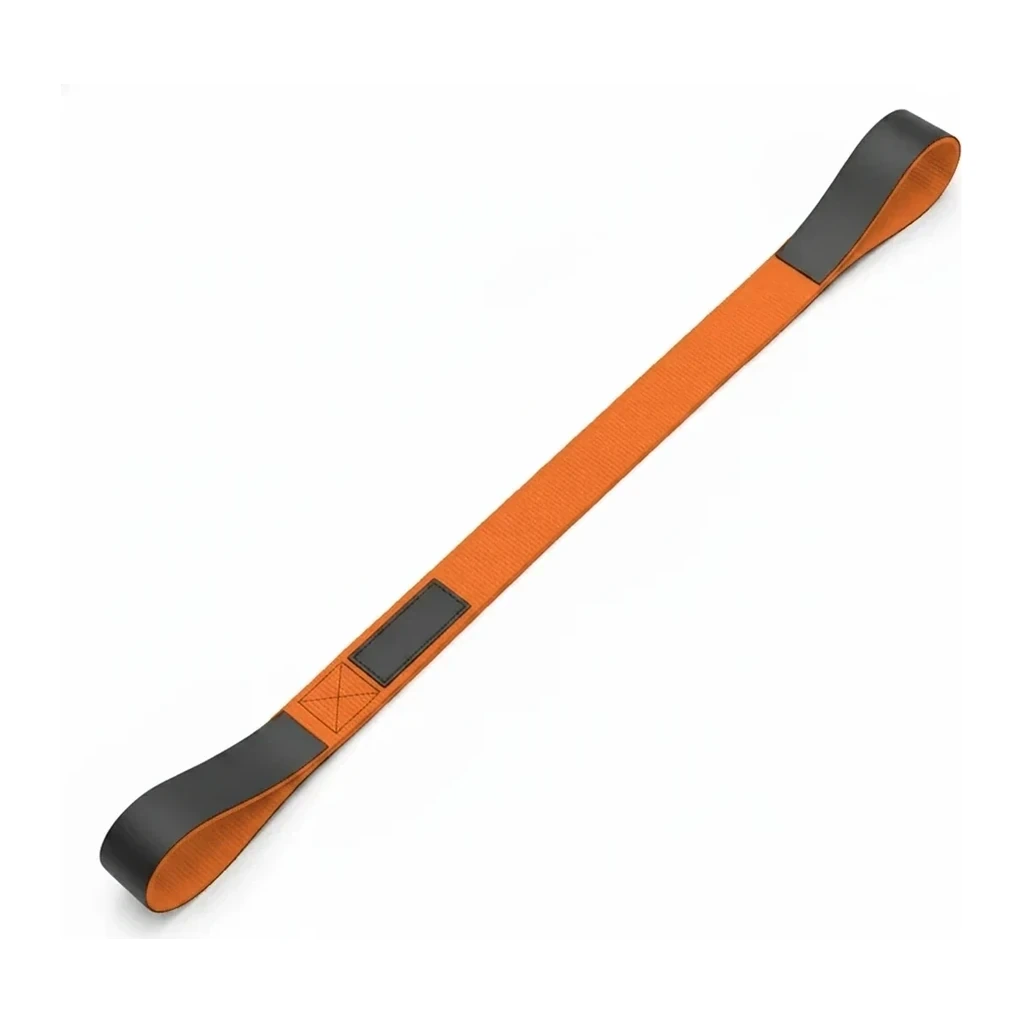
The 2-6 ton rigging sling is the everyday workhorse for structural steel rigging, machinery relocation, and general equipment picks. Spanning lifting capacities from 2.4 to 4.0 metric tons, this size class handles the majority of fabricated steel members, HVAC units, and mid-size industrial equipment. Below this band, up to 2 ton slings serve lighter loads; above, 6+ ton slings address heavy machinery and structural assemblies.
Cat classes
Pick a size class: capacity and reach differ across the range.
Key specifications
| Specification | Typical range | What it means |
|---|---|---|
| Lifting capacity | 5,291–8,818 lb (2.4–4 t) | Maximum load in vertical hitch; capacity reduces with choker or basket configurations. |
| Load capacity | 5,401–8,818 lb (2,450–4,000 kg) | Working load limit expressed in kilograms, the basis for hitch angle de-rating. |
| Sling material | Synthetic web or wire rope | Web slings offer flexibility and surface protection; wire rope resists abrasion and high temperatures. |
How to choose
This size class is appropriate for typical structural steel bundles, mechanical equipment in the 2,400-4,000 kg range, and general rigging tasks on commercial and industrial sites. When loads remain below 2,400 kg and compactness is valued, the up to 2 ton rigging sling offers easier handling and lower sling weight. For heavy machinery bases, large fabricated assemblies, or loads exceeding 4,000 kg, the 6+ ton rigging sling provides the necessary capacity and durability. Hitch configuration, vertical, choker, or basket, directly affects working load limit, so capacity at the expected hitch angle determines the correct size.
What this size handles
- Setting structural steel beams and columns on mid-rise construction
- Positioning HVAC units and mechanical equipment during fit-out
- Rigging fabricated pipe racks and equipment skids for industrial installations
- Relocating machine tools and process equipment within manufacturing facilities
- Lifting precast concrete panels and architectural elements
- Hoisting diesel generators and compressor packages for temporary power
Safety & operation
- Inspect slings before each use for cuts, abrasions, chemical damage, and tag legibility; remove damaged slings from service immediately
- Calculate working load limit based on hitch configuration and sling angle; choker hitches and acute angles reduce capacity significantly
- Protect sling material from sharp edges using corner protectors or softeners to prevent cut-through under load
- Verify that rigging hardware, shackles, hooks, and master links, matches or exceeds sling capacity and is rated for the hitch type in use
Transport & logistics
- Slings in this capacity range are compact and typically transported in toolboxes or the bed of a service truck alongside other rigging gear
- Multiple slings and associated hardware fit within a standard job box or gang box for organized site distribution
Power & supply
- Rigging slings are passive lifting devices requiring no power or fuel on site
- Operation depends on crane, hoist, or other powered lifting equipment to apply the lifting force
Frequently asked
How does hitch configuration affect the working load limit?
What is the difference between synthetic web and wire rope slings in this capacity class?
What determines when to move up to the 6+ ton size class?
Compare popular models
Find by spec →Normalised to the same units. A dash means the figure was not published.
Related equipment
Browse by manufacturer
Sources
Every specification is verified against the manufacturer's published data, with the source linked for reference.
2-6 ton Rigging Sling
5 models · Every spec cited to source