

Up to 2 ton Rigging Sling
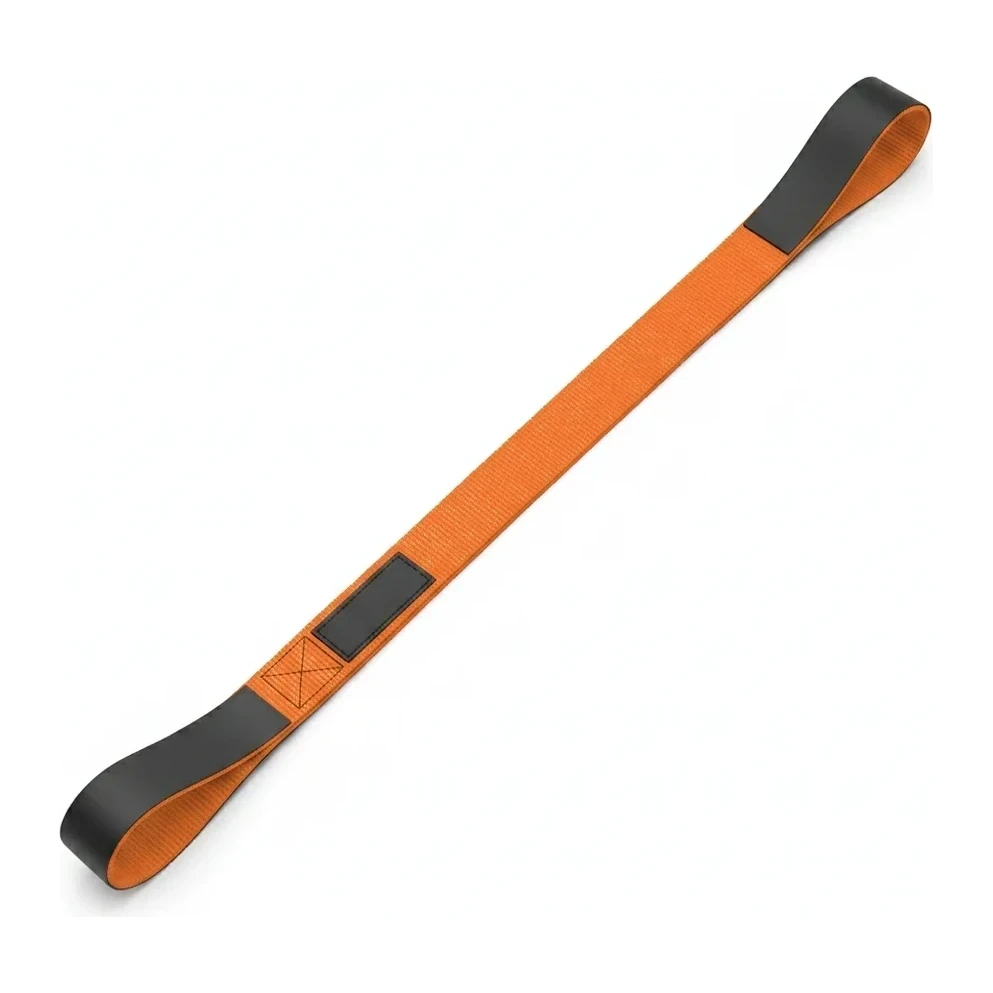
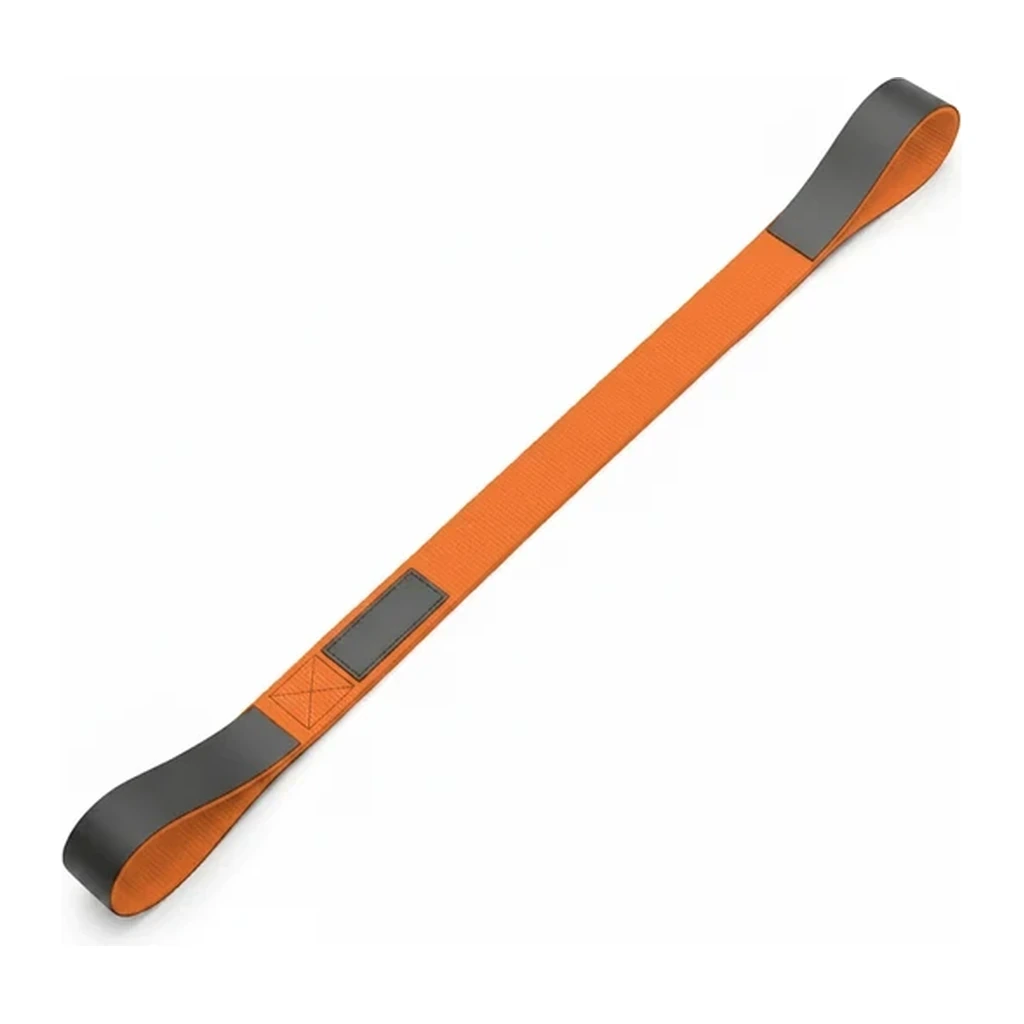
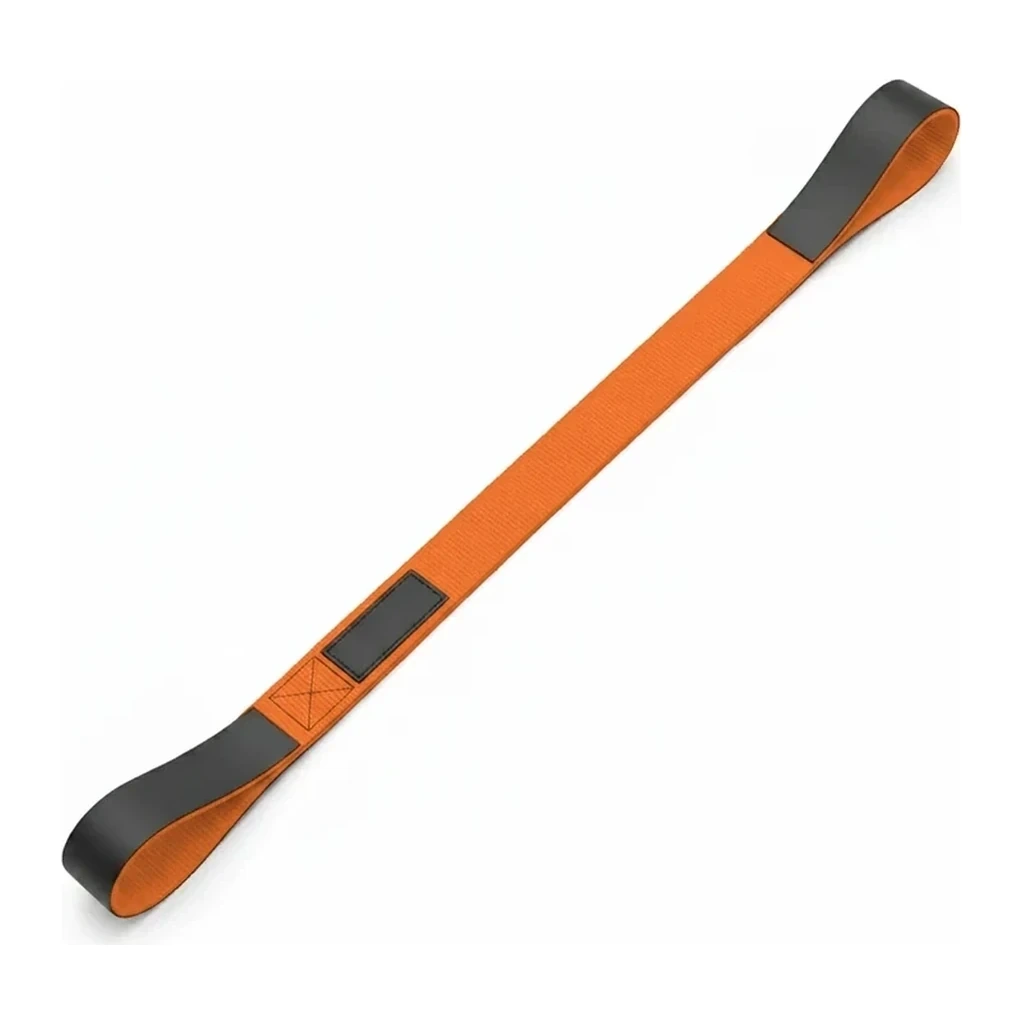
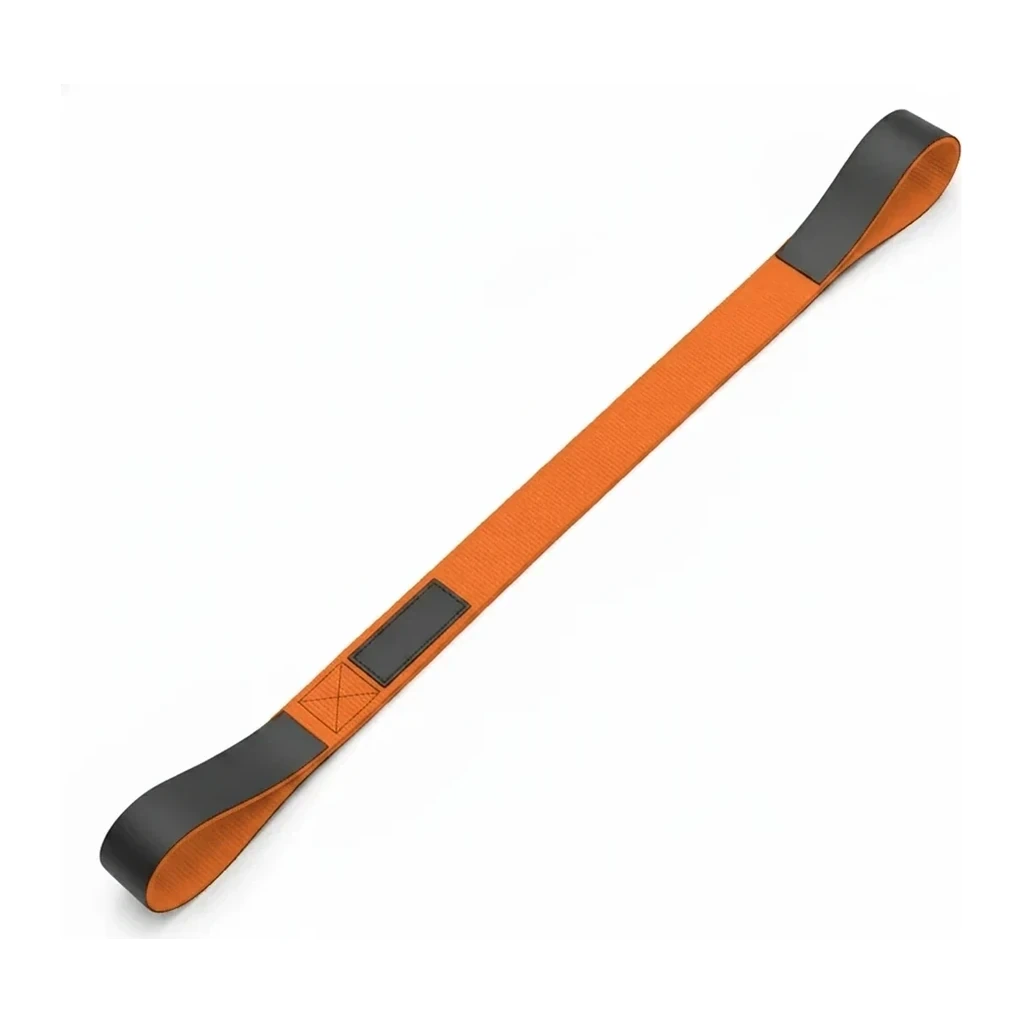
Up to 2 ton rigging slings are light-capacity lifting devices designed for motors, pallets, and small assemblies under hoists, with working load limits typically between 1.1 and 1.5 tons. These slings form the entry rung of the rigging sling ladder, handling everyday picks in fabrication shops, warehousing, and light industrial maintenance. Above this class, 2-6 ton slings address machinery and structural components that exceed light-duty capacity.
Cat classes
Pick a size class: capacity and reach differ across the range.
Key specifications
| Specification | Typical range | What it means |
|---|---|---|
| Lifting capacity | 2,425–3,307 lb (1.1–1.5 t) | Maximum working load limit in vertical hitch configuration. |
| Load capacity | 800–3,199 lb (363–1,451 kg) | Rated capacity range across hitch types and sling configurations. |
| Hitch type | Vertical, choker, basket | Common rigging configurations; capacity de-rates in choker by approximately 25%. |
| Material | Synthetic webbing, alloy chain | Webbing slings offer flexibility and surface protection; chain resists abrasion and heat. |
How to choose
Up to 2 ton rigging slings are appropriate for light picks where the load is known to be under 1.5 tons and fits within the sling's dimensional capacity: electric motors, palletized goods, small pump assemblies, and fabrication sub-components. When loads approach or exceed 2 tons, or when rigging larger machinery such as gearboxes, compressors, or structural steel, the 2-6 ton Rigging Sling class provides the necessary margin and physical strength. Proper hitch selection and load-angle calculations are critical; a basket hitch on a 1.5-ton sling may safely handle loads near the upper limit, while a choker hitch de-rates capacity significantly.
What this size handles
- Lifting fractional- to 5-HP electric motors onto mounting pads in HVAC installations
- Moving palletized materials and crated parts in fabrication shops
- Positioning small pump assemblies during mechanical-room fit-outs
- Hoisting engine blocks and transmissions in automotive service bays
- Suspending junction boxes and light electrical gear during panel installation
- Transferring concrete forms and light steel members on residential construction sites
Safety & operation
- Inspect for cuts, abrasion, heat damage, and tag legibility before each lift; remove damaged slings from service immediately
- Calculate working load limit based on hitch configuration and sling angle; capacity reduces as departure from vertical increases
- Protect sling edges from sharp corners using edge guards or softeners to prevent webbing or chain damage
- Verify load weight and center of gravity; unbalanced or shifting loads can overload individual legs in multi-leg rigging
Transport & logistics
- Hand-portable; slings coil or fold for transport in toolboxes or equipment carts
- Multiple slings typically carried in a rigger's bag or stored on service trucks
- No dedicated trailer or lifting equipment required for site delivery
Power & supply
- Passive lifting devices requiring no electrical, hydraulic, or pneumatic power
- Used in conjunction with overhead cranes, hoists, forklifts, or manual chain falls
Frequently asked
What is the capacity reduction when using a choker hitch?
Can synthetic and alloy-chain slings of the same rating be used interchangeably?
How does sling angle affect capacity in a basket hitch?
Compare popular models
Find by spec →Normalised to the same units. A dash means the figure was not published.
| Model | Load capacity | Lift height | Engine power |
|---|---|---|---|
| Lift-All Tuff-Edge II Polyester Web Sling: Type 3 Eye/Eye 1-Ply 1" | - | - | - |
| Lift-All Tuff-Edge II Polyester Web Sling: Type 3 Eye/Eye 1-Ply 2" | - | - | - |
| Lift-All Webmaster 1200 Polyester Web Sling: Eye/Eye 1-Ply | - | - | - |
| Lift-All Tuflex Endless Roundsling EN30 | - | - | - |
Related equipment
Browse by manufacturer
Sources
Every specification is verified against the manufacturer's published data, with the source linked for reference.
Up to 2 ton Rigging Sling
5 models · Every spec cited to source