

Grinding and Sanding Tools
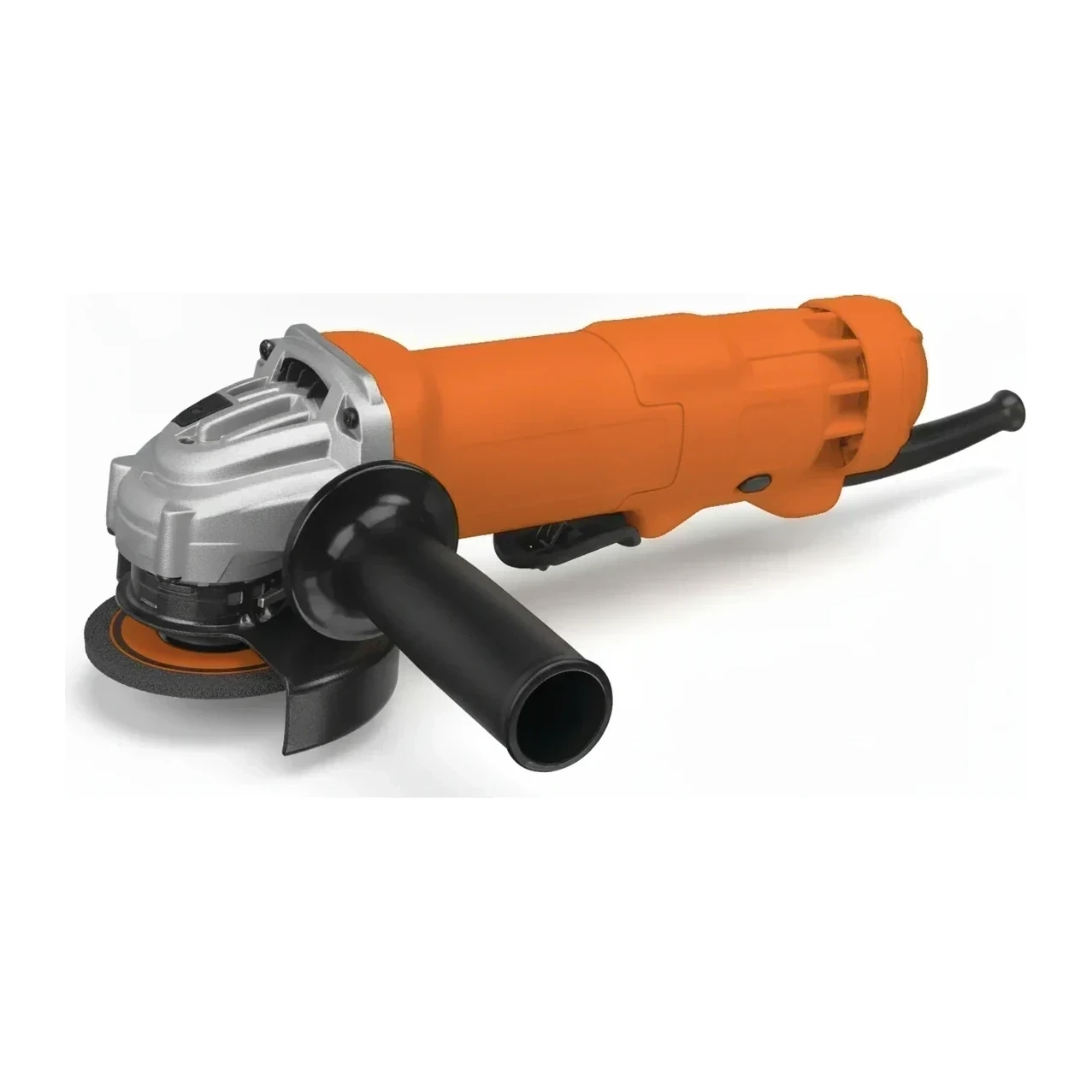
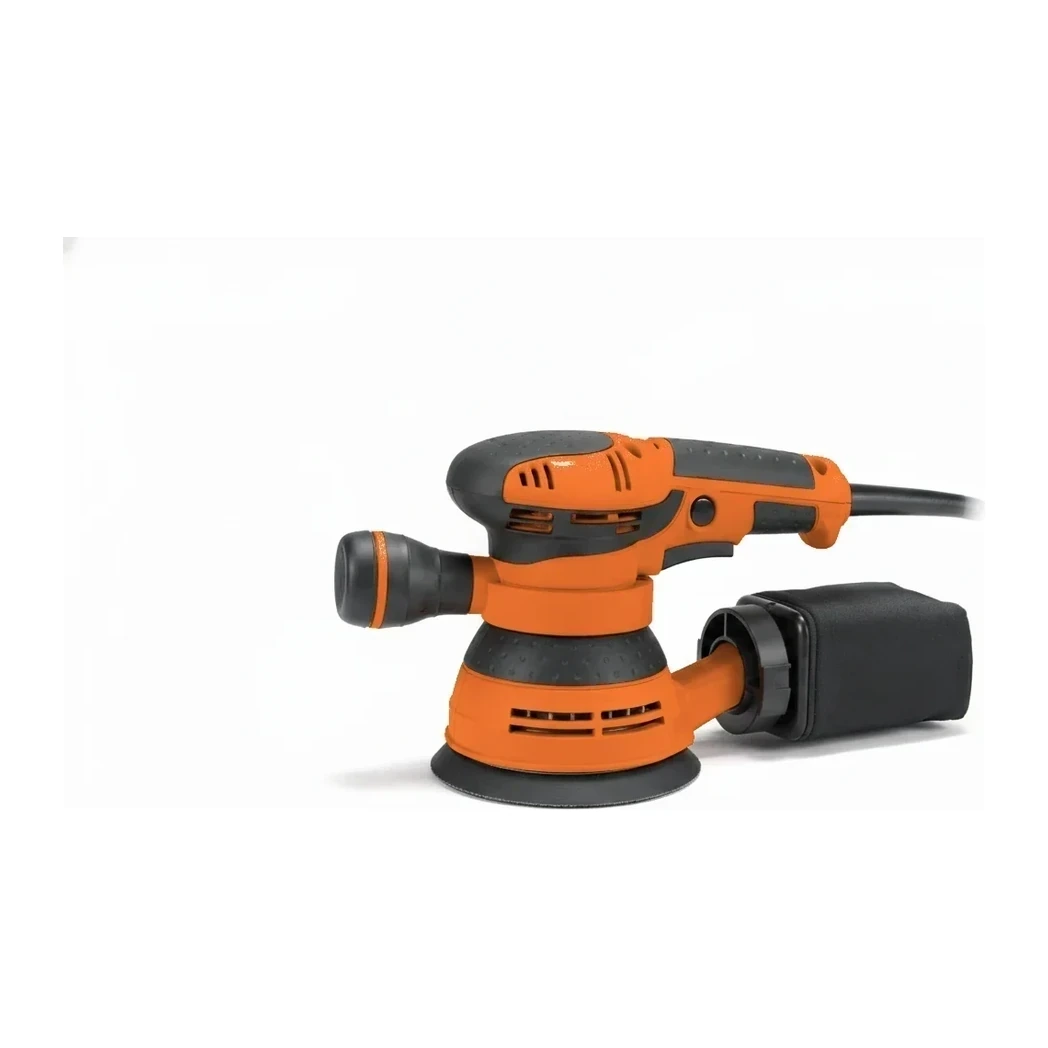
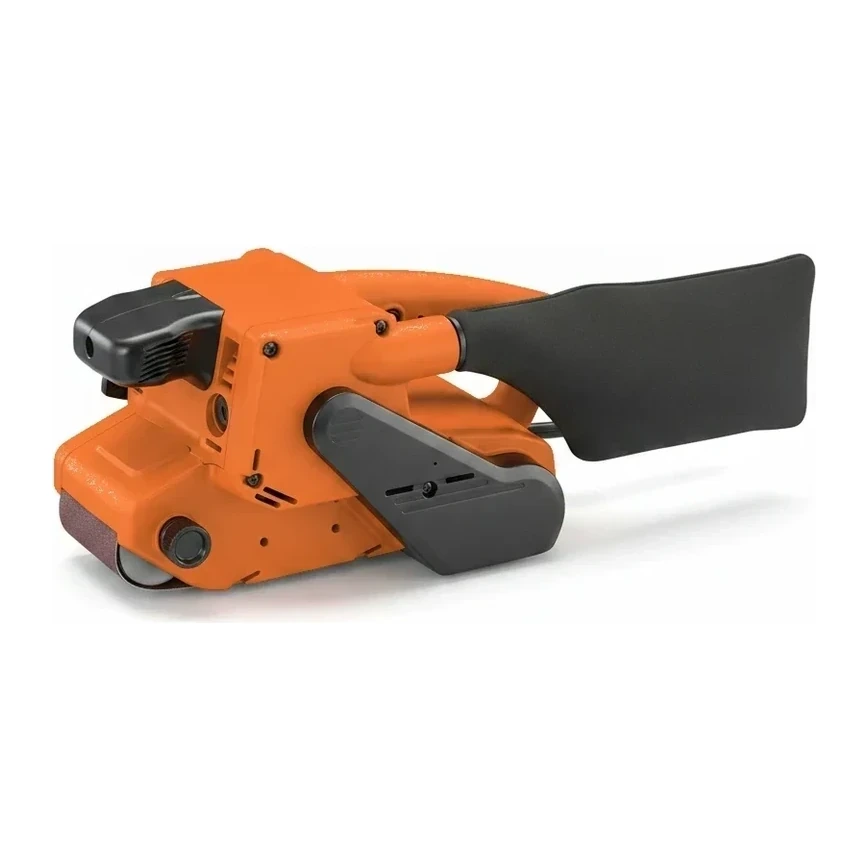
Grinders cut, grind, and finish metal, concrete, and masonry with abrasive wheels. Angle grinders are the volume class, with die grinders for detail work and bench grinders at the shop bench.
How it works
A motor spins the wheel at speeds around 8,000-11,000 rpm for common angle grinder sizes; the abrasive does the work while guards, correct wheel rating, and mounting keep wheel failure — the tool's signature hazard — contained. Wheel type transforms the tool: cutoff discs slice, grinding wheels hog, flap discs blend, diamond cups grind concrete.
Types & variants
- Angle Grinder
- Handheld grinder for cutting, grinding, and surface prep with abrasive discs.
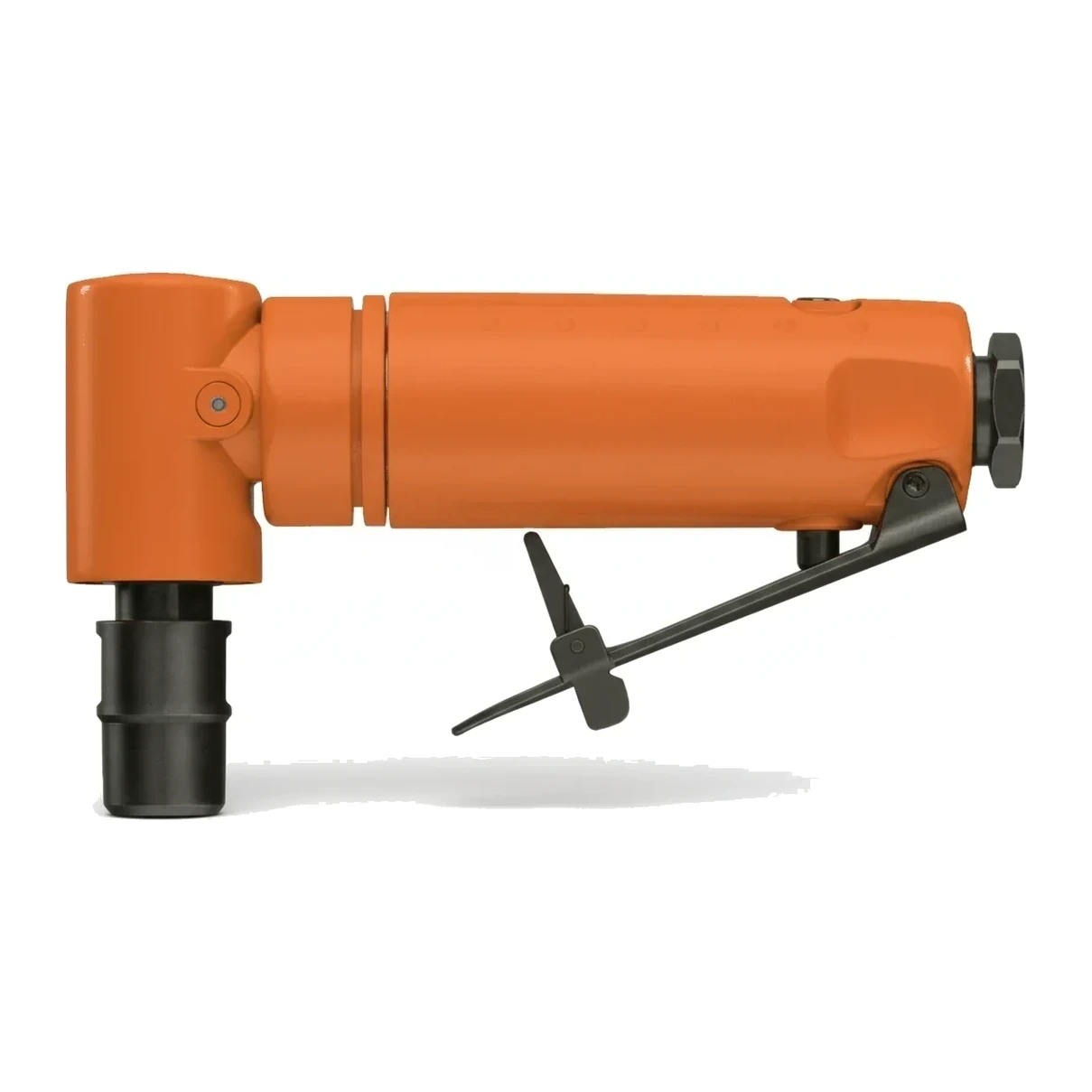
- Die Grinder
- Small high-speed grinder for detail grinding, porting, and deburring.
- Fasteners
- Screws, anchors, and pins consumed by fastening tools.
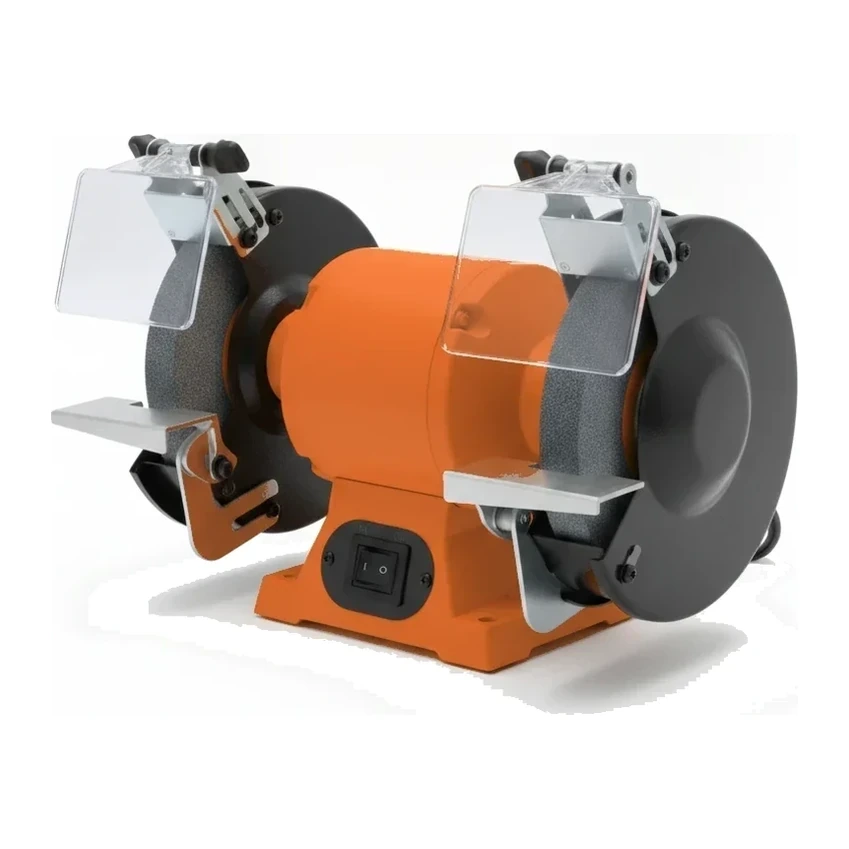
- Bench Grinder
- Stationary twin-wheel grinder for sharpening and shaping at the bench.
- Grinder Attachments
- Guards, hubs, and accessories that adapt grinders to different tasks.
How to choose
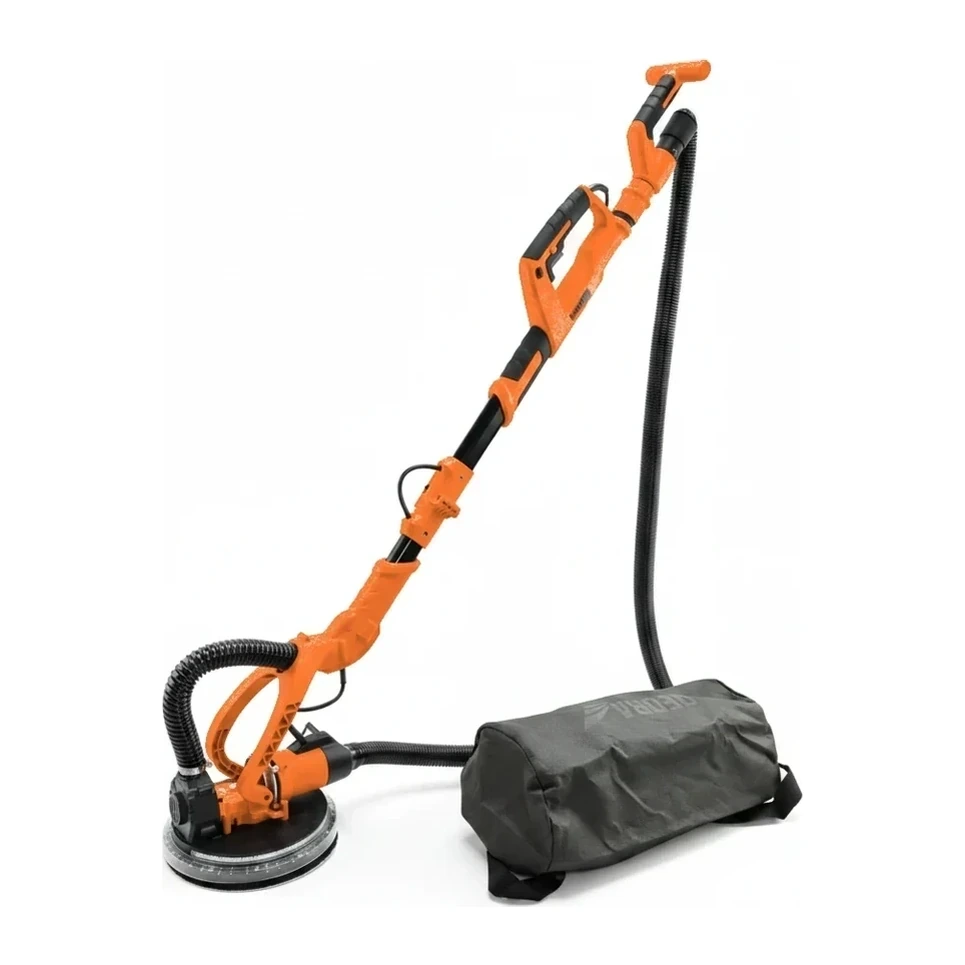
Disc diameter and power follow the work: 4.5-5 in grinders for general fabrication and masonry touch-up, larger classes for heavy cutting. Die grinders take over inside contours and small welds; bench grinders live where edges are dressed. Wheel speed rating must always meet or exceed the tool's rpm, and concrete grinding pairs with dust shrouds and vacuums.
Standards & certifications
- IEC · IEC 62841
- Safety standard series for hand-held and transportable motor-operated electric tools.
- OSHA · 29 CFR 1926.102
- Eye and face protection requirements when operating cutting and striking tools.
- OSHA · 29 CFR 1926.1153
- Respirable crystalline silica rule; requires dust controls when cutting, grinding, or drilling concrete and masonry.