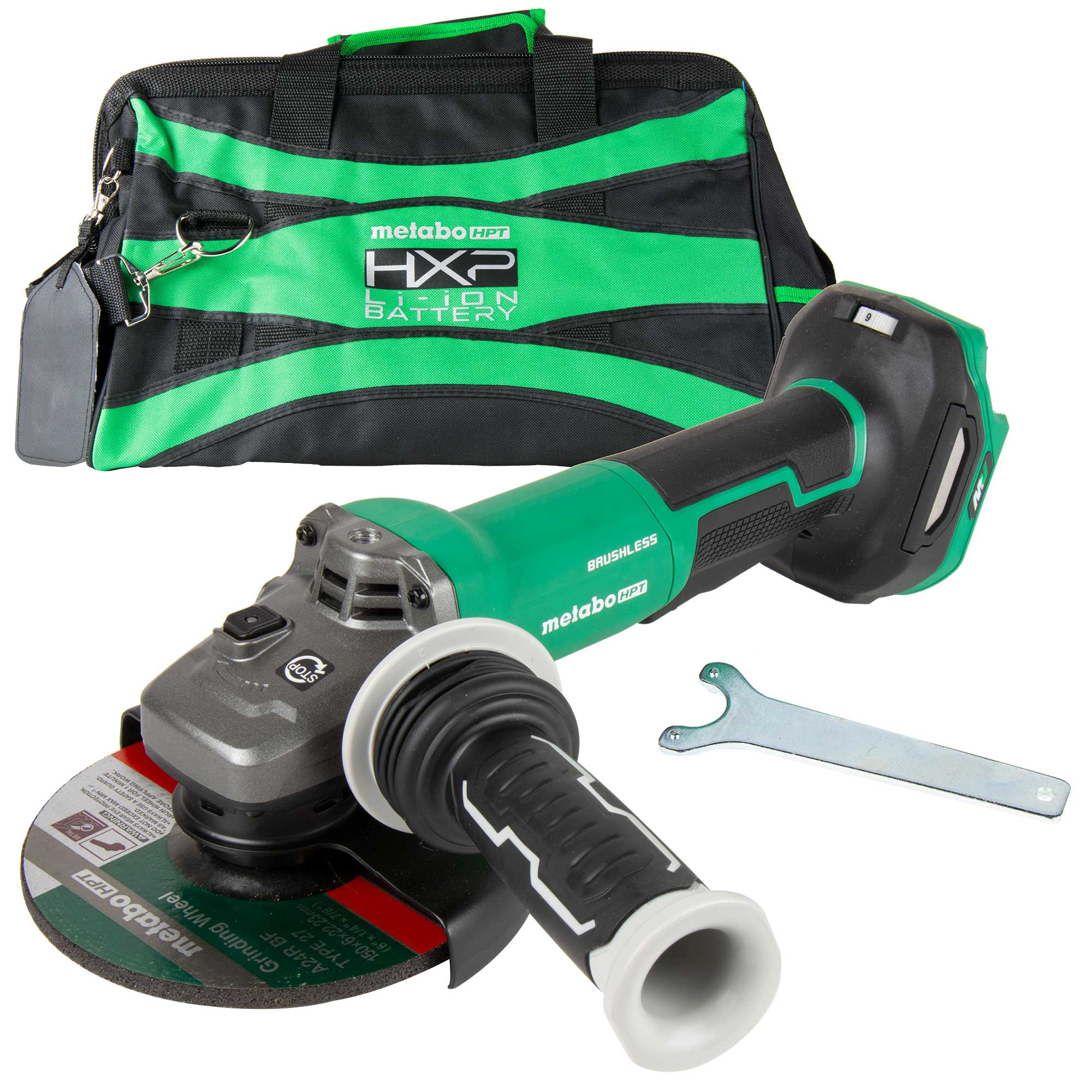

5.5-8 in Angle Grinder
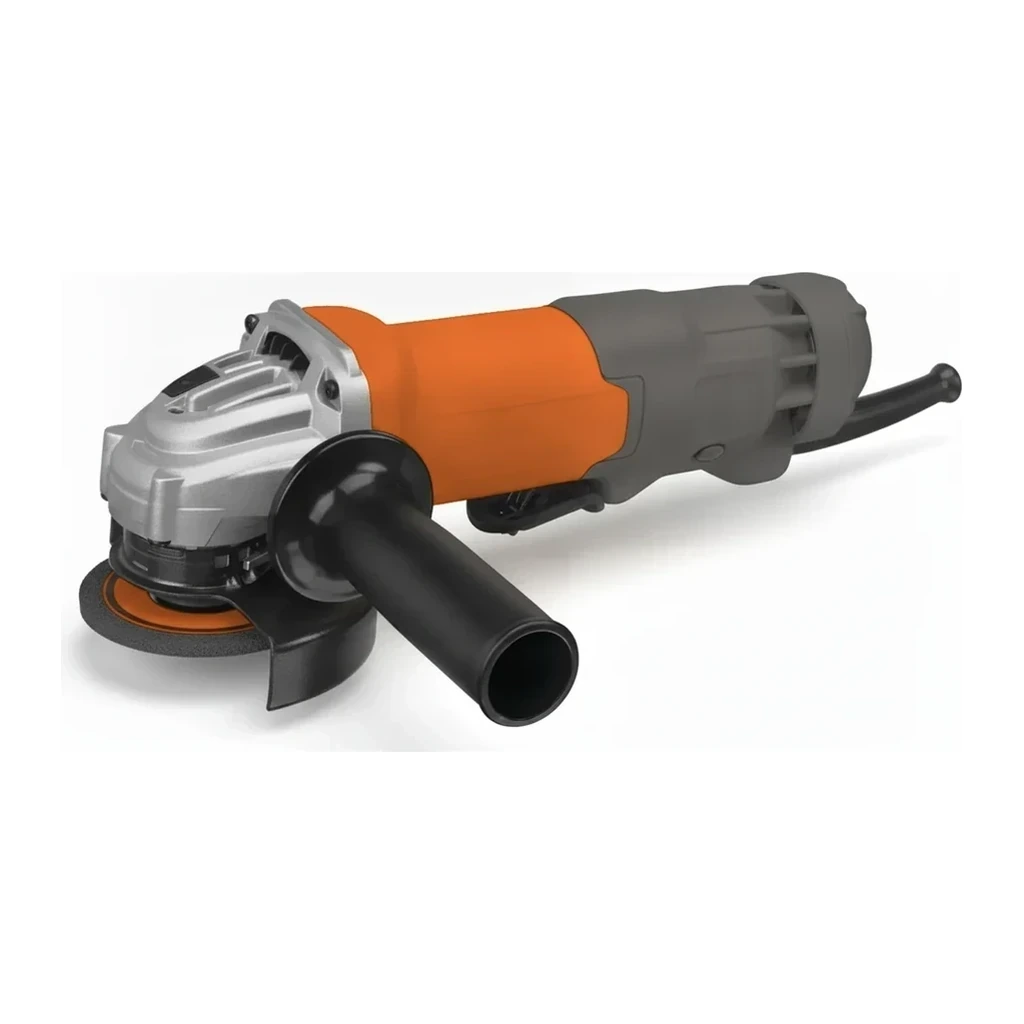
The 5.5-8 in angle grinder class encompasses two-handed tools with 6 to 7 in wheels, designed for deeper cuts and greater surface coverage per pass than compact models. This mid-size band bridges handheld portability and the performance needed for steel preparation and concrete edge work. Operators typically use both hands to control the added torque and weight of these grinders.
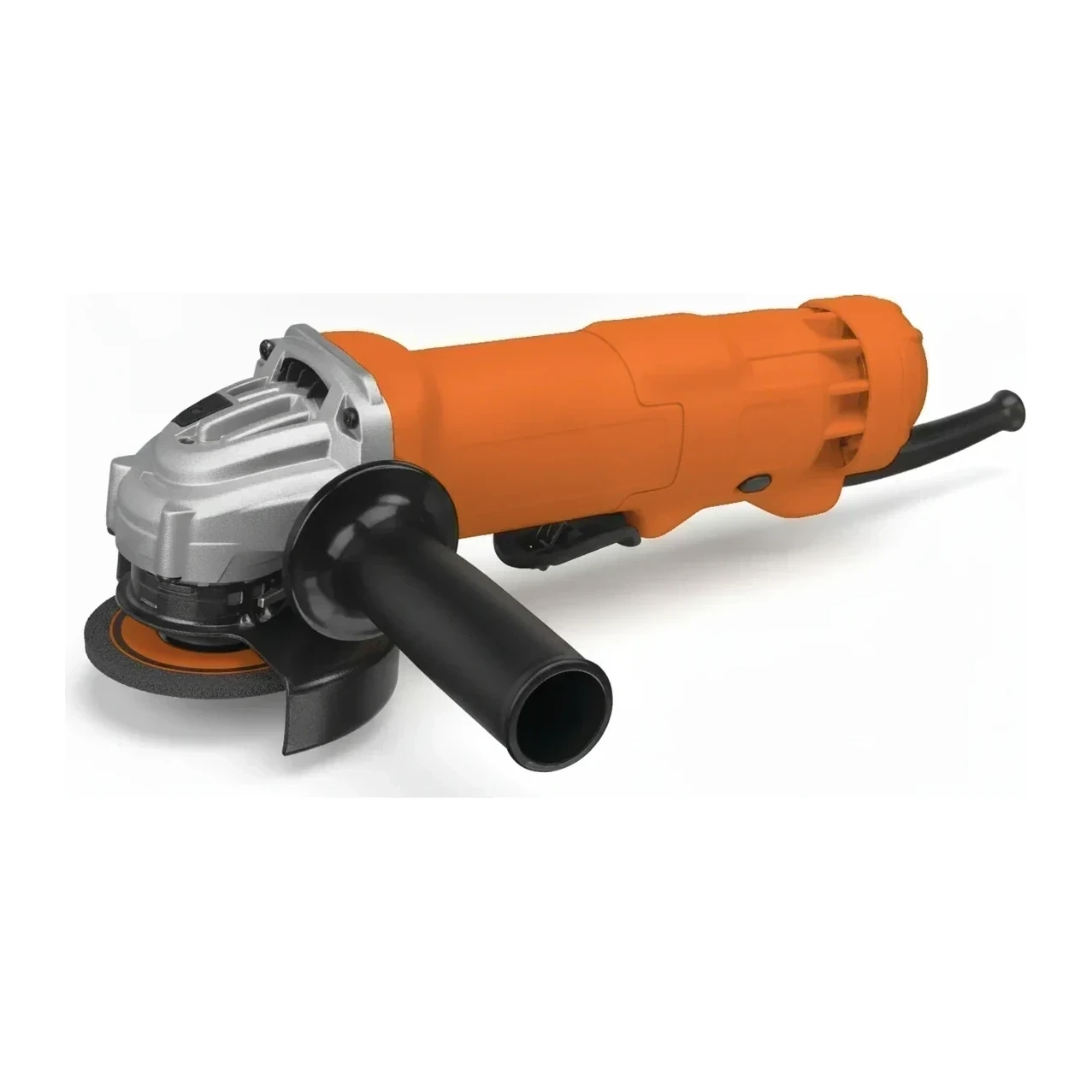
Cat classes
Pick a size class: capacity and reach differ across the range.
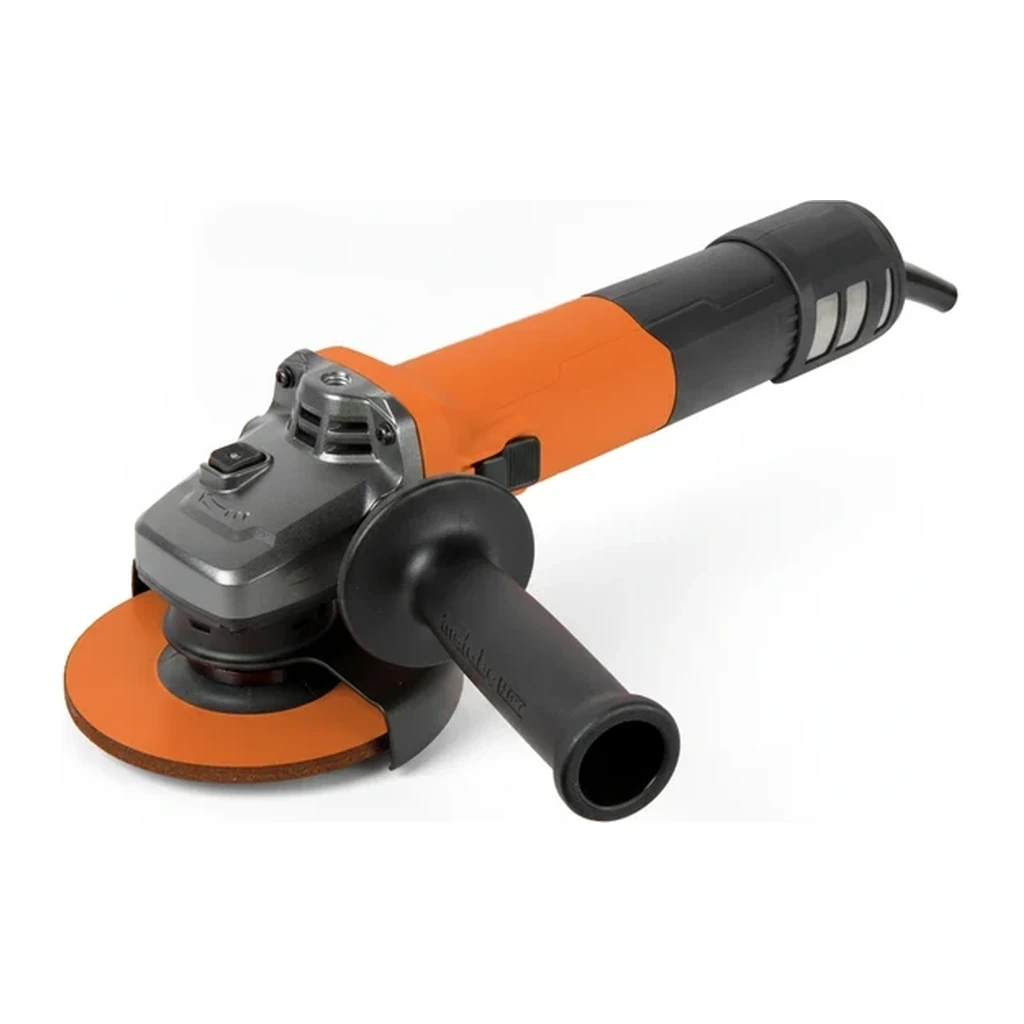
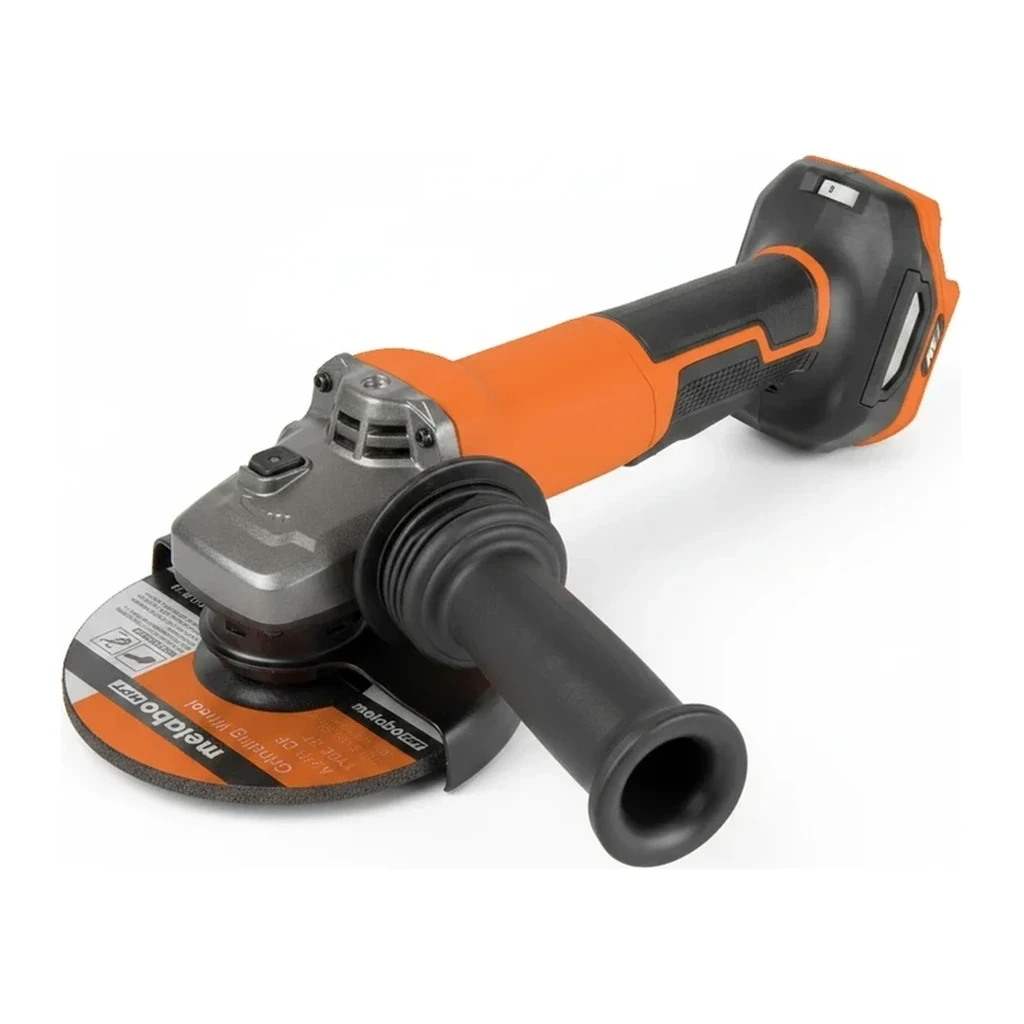
Key specifications
| Specification | Typical range | What it means |
|---|---|---|
| Wheel diameter | 6–7 in (15.2–17.8 cm) | Larger cutting depth and grinding surface area than compact grinders. |
| Motor design | Corded electric | Common brands include Bosch, Dewalt, and Metabo HPT in this size range. |
| Operating style | Two-handed | Side handle and body design accommodate controlled two-hand grip for higher torque. |
How to choose
The 5.5-8 in band suits applications requiring deeper cuts, faster material removal, or extended edge work on steel and concrete where compact grinders leave too much remaining surface. When the work involves detailed corner access, light-duty surface prep, or extended overhead use, the Up to 5.5 in Angle Grinder class offers better maneuverability and reduced operator fatigue. For heavy fabrication, large-diameter pipe cutting, or high-volume concrete grinding where wheel life and cut depth are priorities, the 8+ in Angle Grinder class delivers greater capacity and reduced cycle time.
What this size handles
- Beveling structural steel plate edges before welding
- Removing form ties and smoothing concrete slab edges
- Cutting rebar and reinforcing mesh in moderate quantities
- Surface preparation of steel beams and columns for coating
- Grinding weld seams on pipe 4 in diameter and larger
- Removing mortar from masonry joints in restoration work
Safety & operation
- Wheel guards must remain in place and adjusted to shield operator from debris ejection
- Two-handed operation reduces kickback risk; side handle orientation depends on task and operator position
- Face shield, hearing protection, and cut-resistant gloves required for grinding and cutting operations
- Lock-off switches prevent accidental startup during wheel changes or when setting down the tool
Transport & logistics
- Hand-carried to work area; typical weight under 15 lb for corded models
- Stored in gang boxes or tool trailers alongside other handheld power tools
- Extension cords or portable power distribution required at remote locations
Power & supply
- 120V or 240V AC electric service, depending on motor amperage and job-site infrastructure
- Extension cord length and gauge must match amperage draw to prevent voltage drop
- GFCI protection standard on construction sites and near wet conditions
Frequently asked
What differentiates a 6 in grinder from a 7 in model in this class?
Can this size class handle continuous production grinding?
What wheel types are common in the 6-7 in range?
Related equipment
Browse by manufacturer
Sources
Every specification is verified against the manufacturer's published data, with the source linked for reference.
5.5-8 in Angle Grinder
10 models · Every spec cited to source