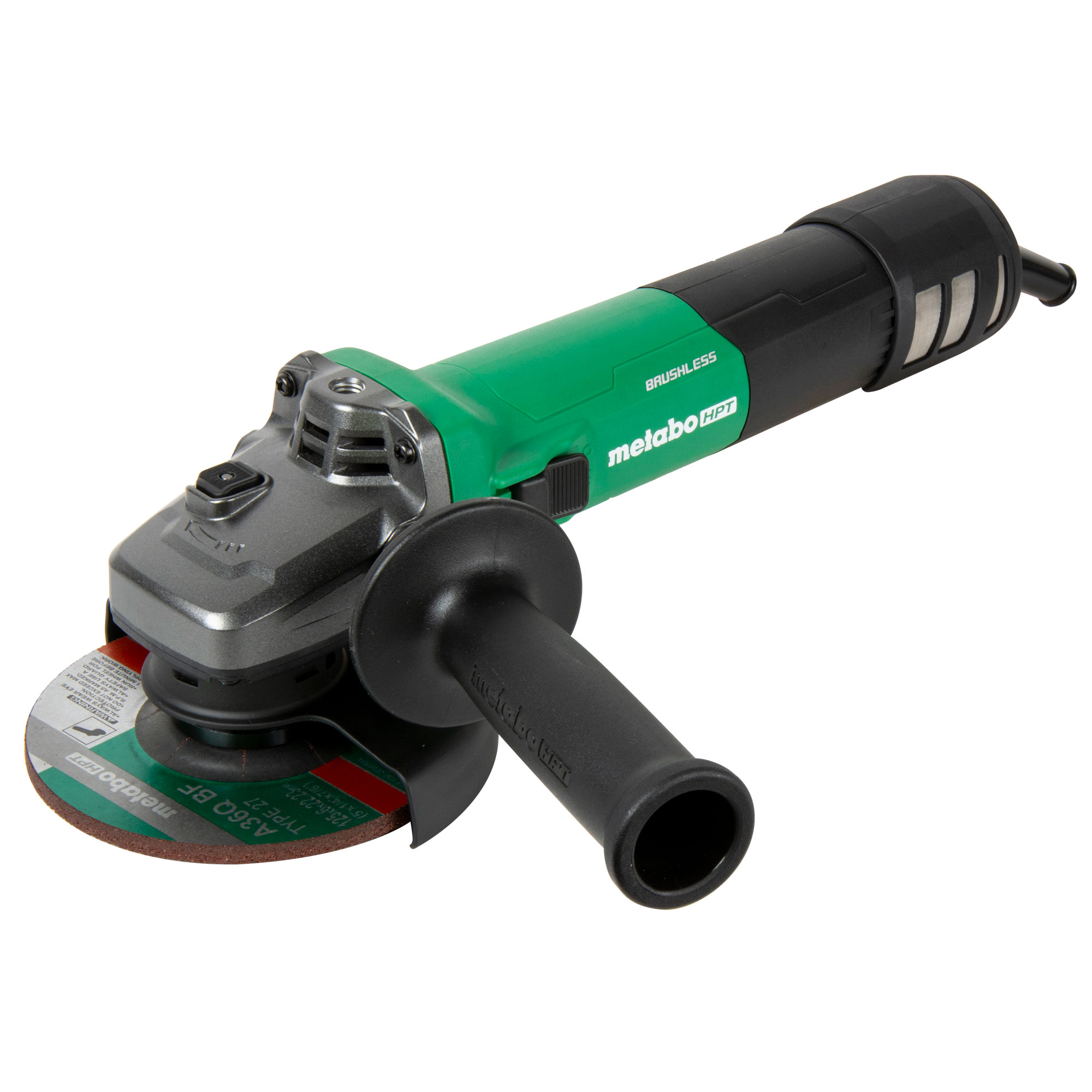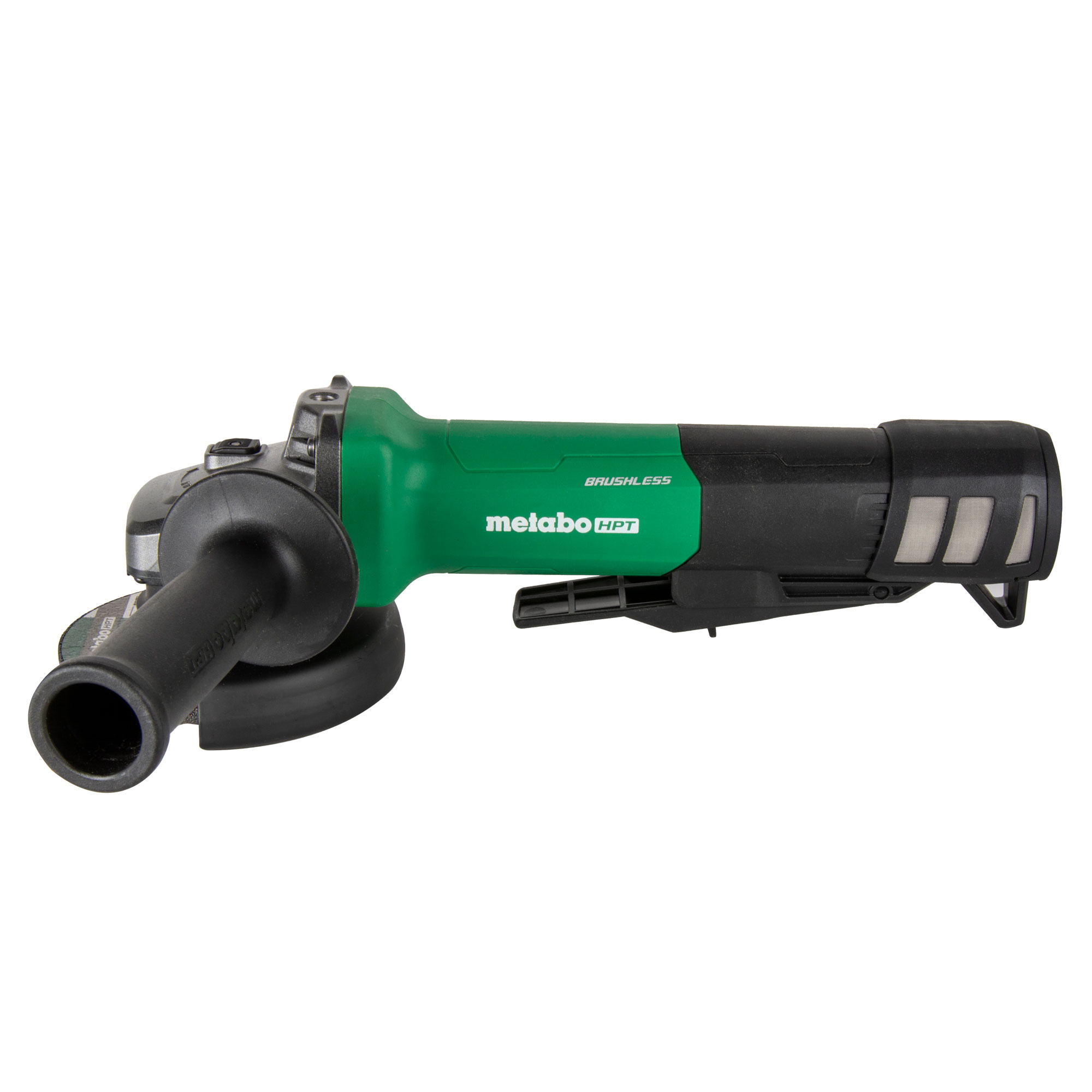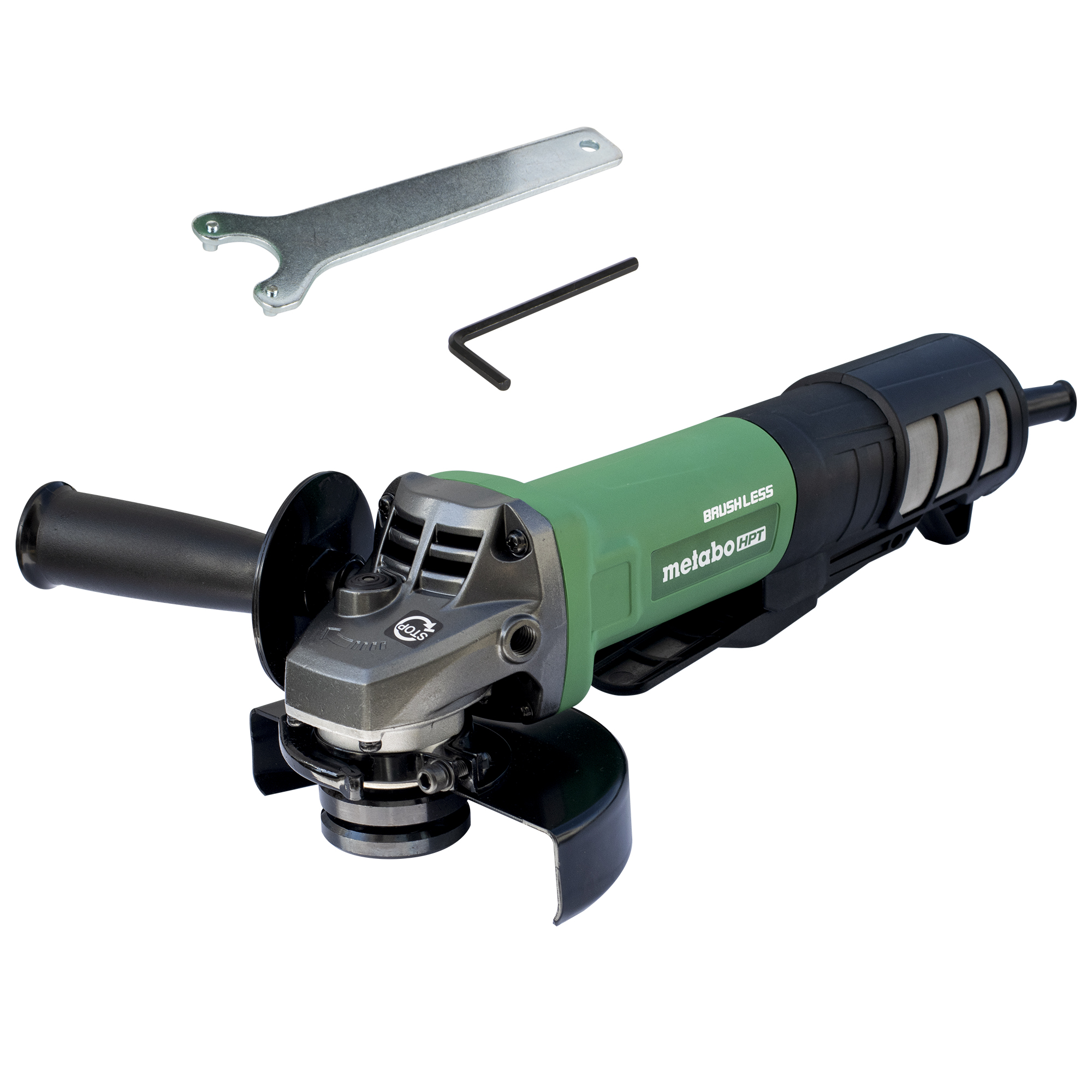

Up to 5.5 in Angle Grinder
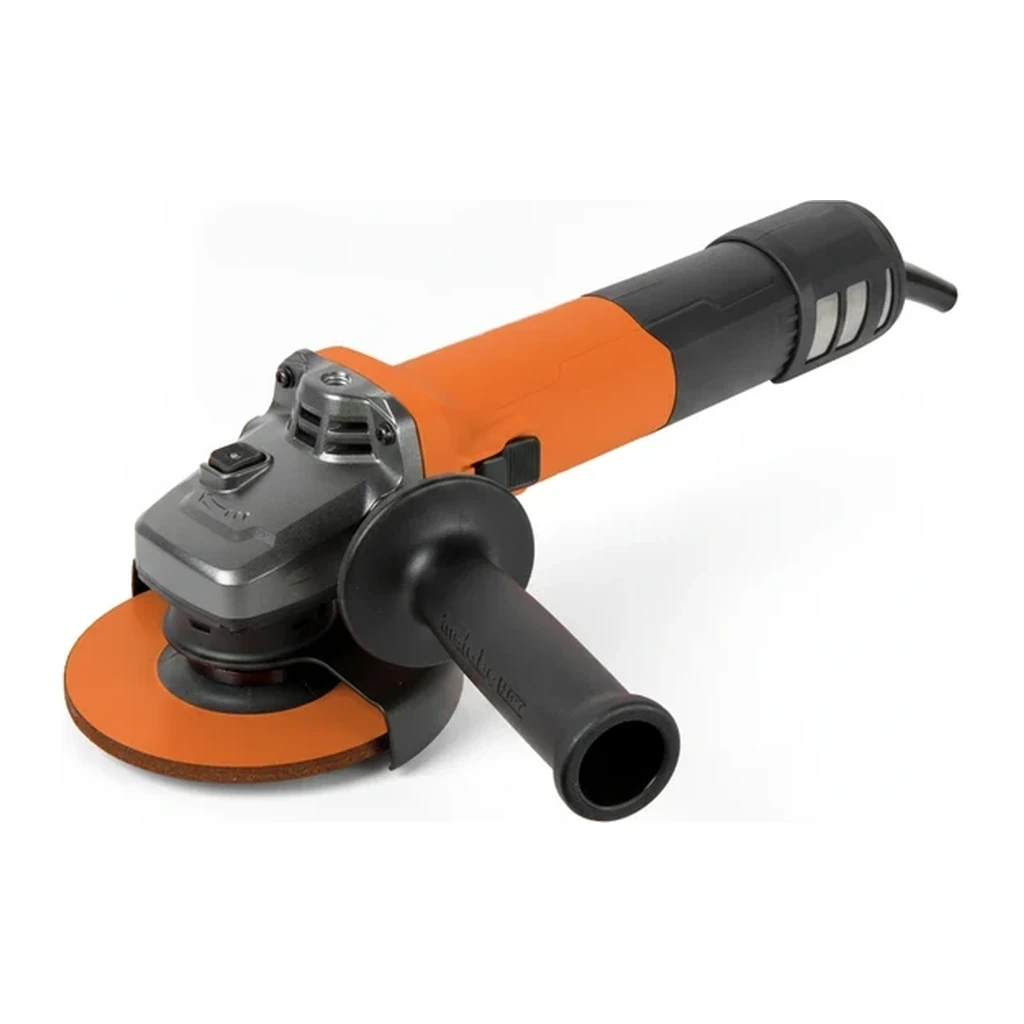
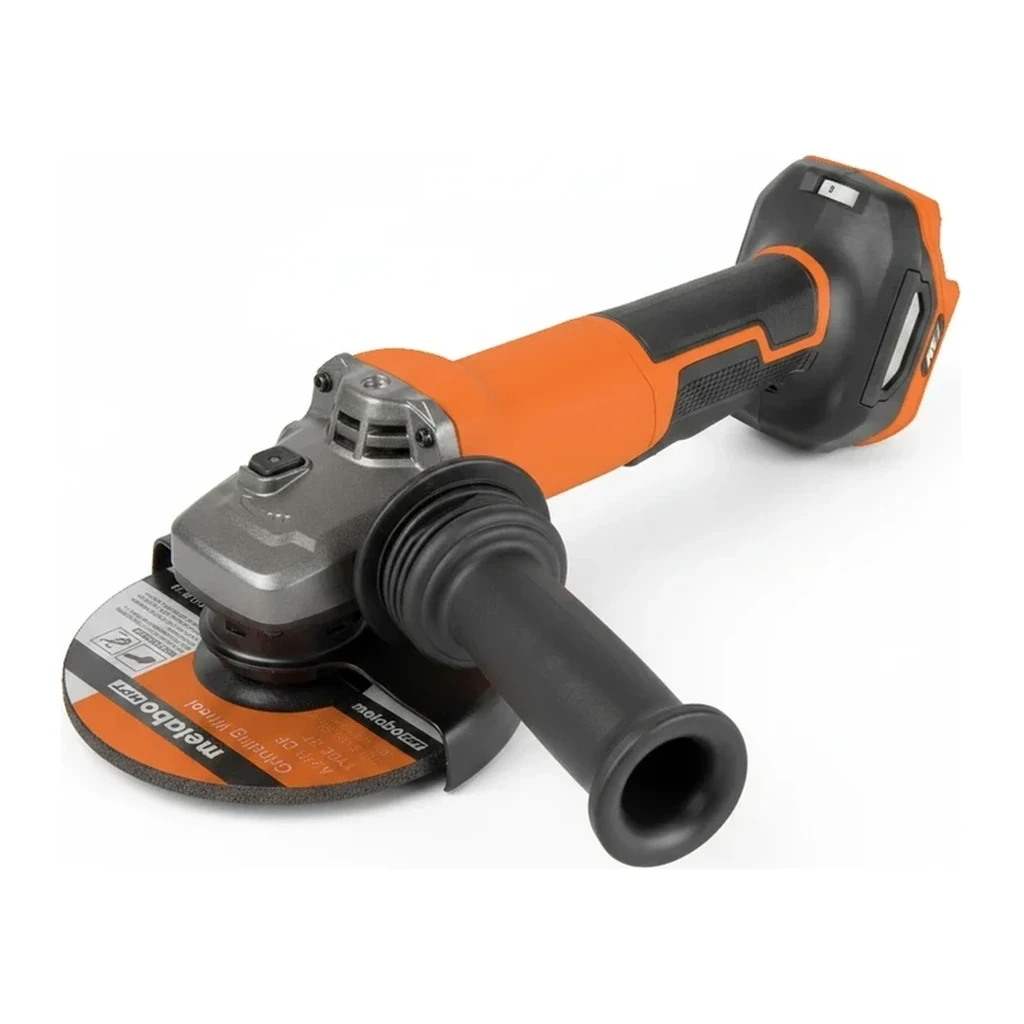
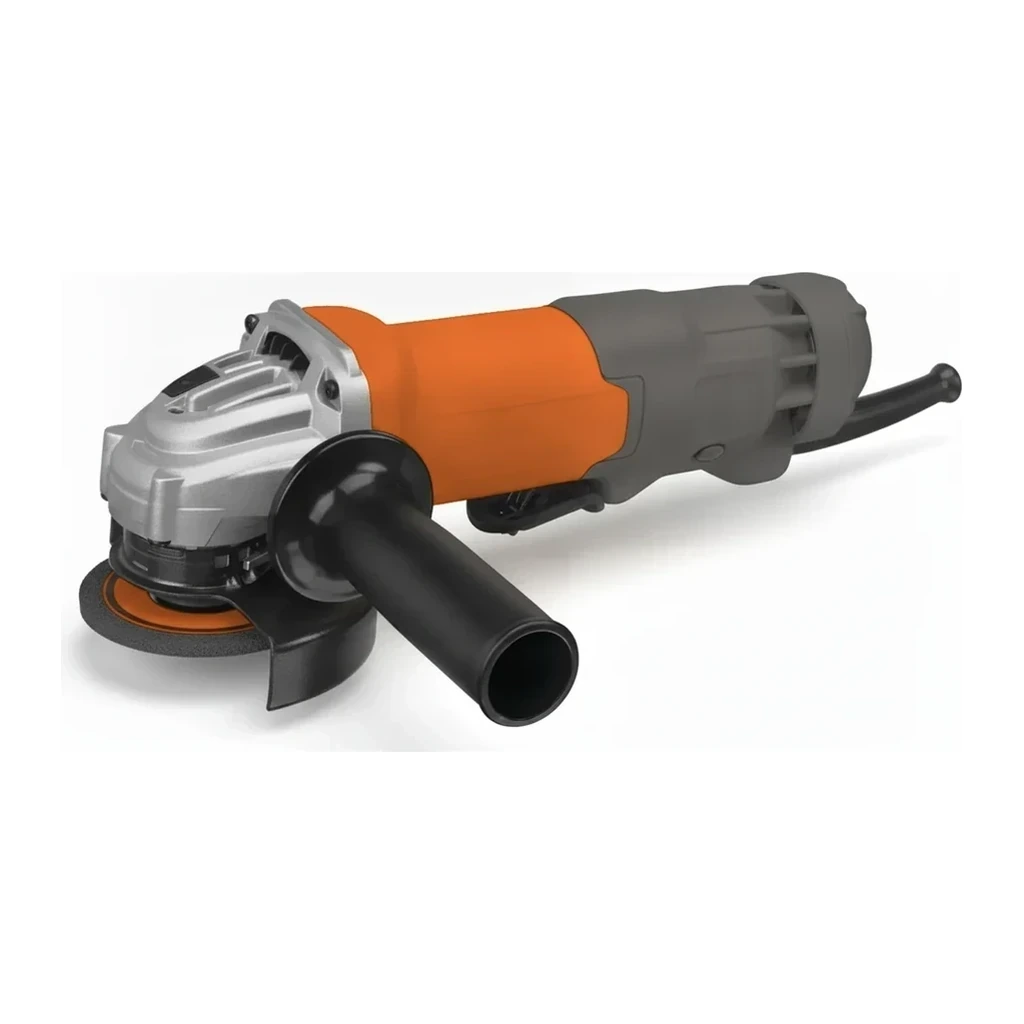
Up to 5.5 in angle grinders encompass the 4-1/2 to 5 in disc sizes that define compact, one-handed grinding tools. This size class is designed for cutting rebar and threaded rod, weld cleanup, and work in confined spaces where larger grinders cannot fit. It represents the smallest and most portable rung on the angle grinder ladder, with 5.5-8 in models offering more power and disc capacity for heavier material removal.
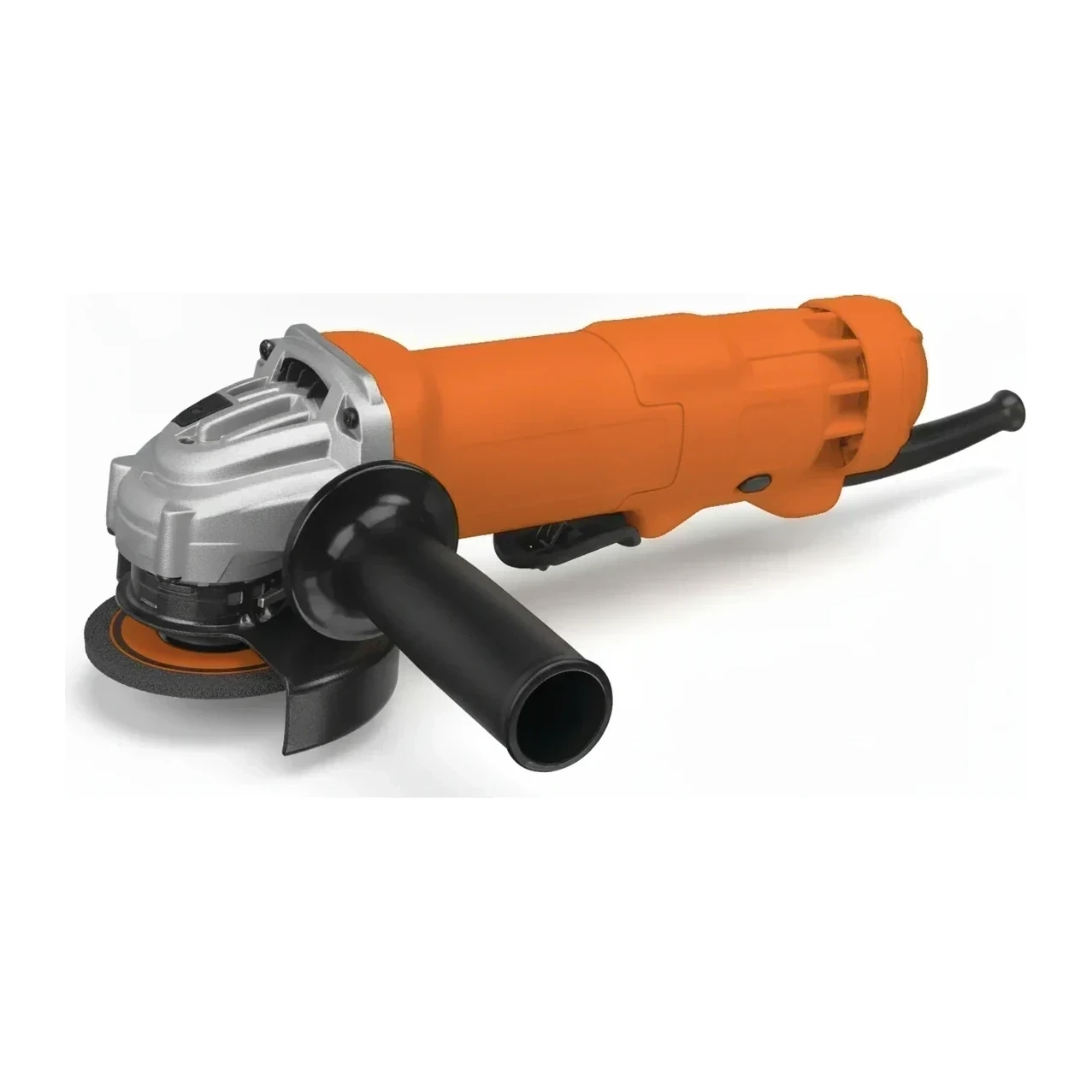
Cat classes
Pick a size class: capacity and reach differ across the range.
Key specifications
| Specification | Typical range | What it means |
|---|---|---|
| Wheel Diameter | 4-1/2 to 5 in | Disc size determines cut depth and material contact area; smaller discs enable tighter-radius work. |
| Operating Mode | One-handed | Compact form factor and weight distribution allow single-hand control for precision tasks. |
| Power Source | Corded electric or battery | Corded models deliver consistent power; battery versions provide mobility in locations without power access. |
How to choose
This size class is appropriate for cutting and grinding tasks that require maneuverability in tight quarters, one-handed operation, or frequent repositioning. The 4-1/2 to 5 in disc diameter suits rebar cutting, threaded rod trimming, small weld cleanup, and surface prep on steel and masonry where material removal rates are secondary to access. For sustained grinding on larger surfaces, heavier stock removal, or cutting thicker structural steel, the 5.5-8 in Angle Grinder provides greater disc capacity and motor power. The up to 5.5 in class remains the standard for trades requiring portability and control over raw capacity.
What this size handles
- Cutting rebar and threaded rod to length on steel framing sites
- Weld cleanup and surface finishing on structural steel connections
- Removing rust, paint, or coatings from small metal components
- Cutting and grinding in confined mechanical rooms or between joists
- Mortar removal and masonry prep in tight corners
- Sharpening and reshaping hand tools in metal fabrication shops
Safety & operation
- Wheel guards must remain in place and positioned between operator and workpiece to deflect sparks and debris
- Kickback occurs when disc binds in cuts; two-handed grip recommended even on compact models during startup and heavy loads
- Eye protection and hearing protection required; sparks and grinding dust necessitate appropriate respiratory protection in enclosed spaces
- Disc rated speed must meet or exceed grinder no-load RPM; mismatched wheels can disintegrate under centrifugal force
Transport & logistics
- Hand-carried to work areas; units typically weigh under 6 lb and fit in standard tool bags
- Multiple units and accessories transported in gang boxes or service vehicles without special handling
- Battery models stored with charged packs in climate-controlled environments to preserve cell life
Power & supply
- Corded models require 120V AC power, typically drawing 6 to 13 amps depending on motor rating
- Battery-powered units operate on 18V to 20V lithium-ion platforms common across major tool brands
- Generator or temporary power distribution adequate for corded operation on sites without permanent electrical service
Frequently asked
What distinguishes a 4-1/2 in grinder from a 5 in model in this size class?
When does a larger angle grinder become necessary?
Are battery-powered models in this size class equivalent to corded versions?
Related equipment
Browse by manufacturer
Sources
Every specification is verified against the manufacturer's published data, with the source linked for reference.
Up to 5.5 in Angle Grinder
25 models · Every spec cited to source