

Up to 11 in Miter Saw
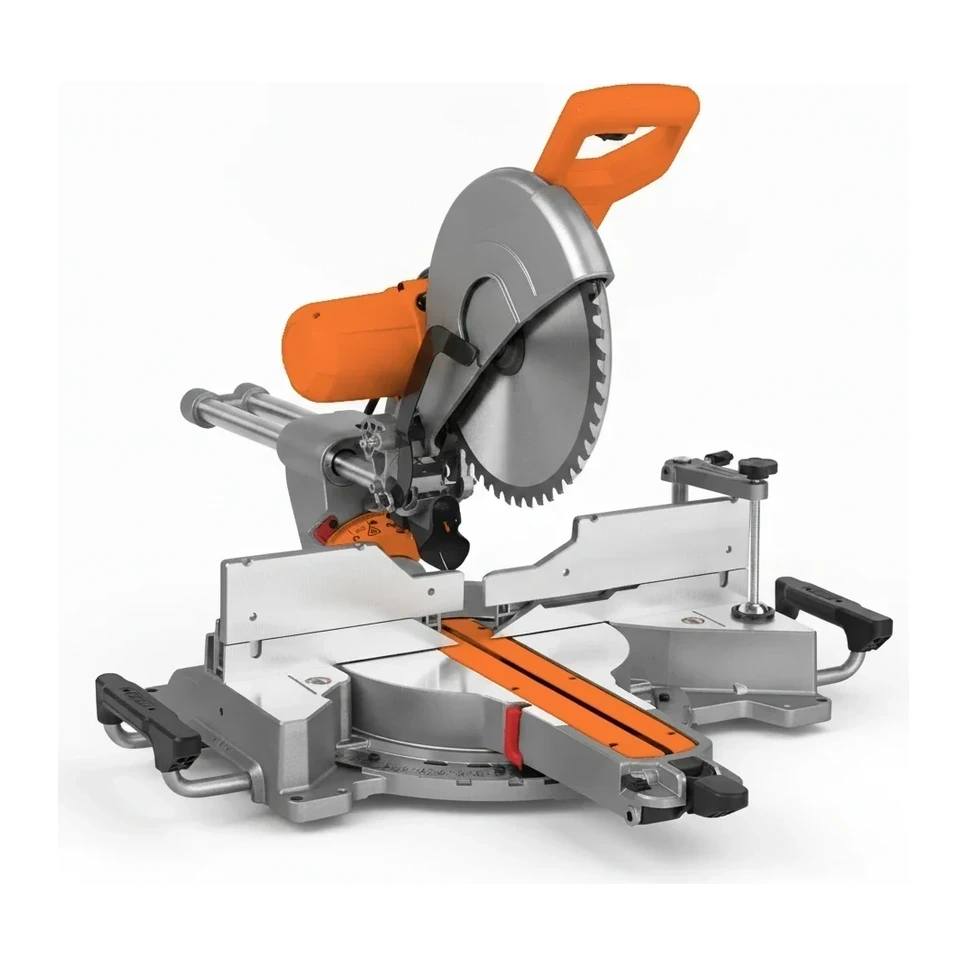
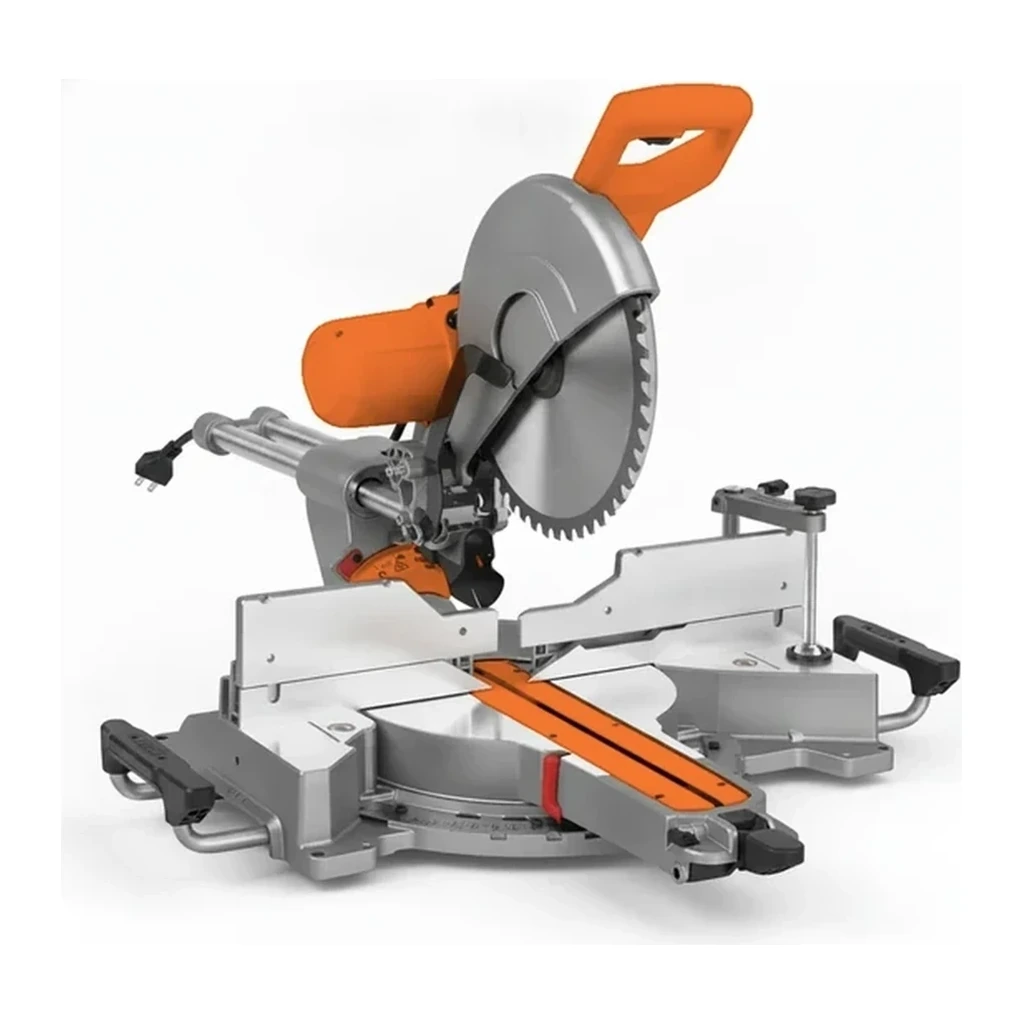
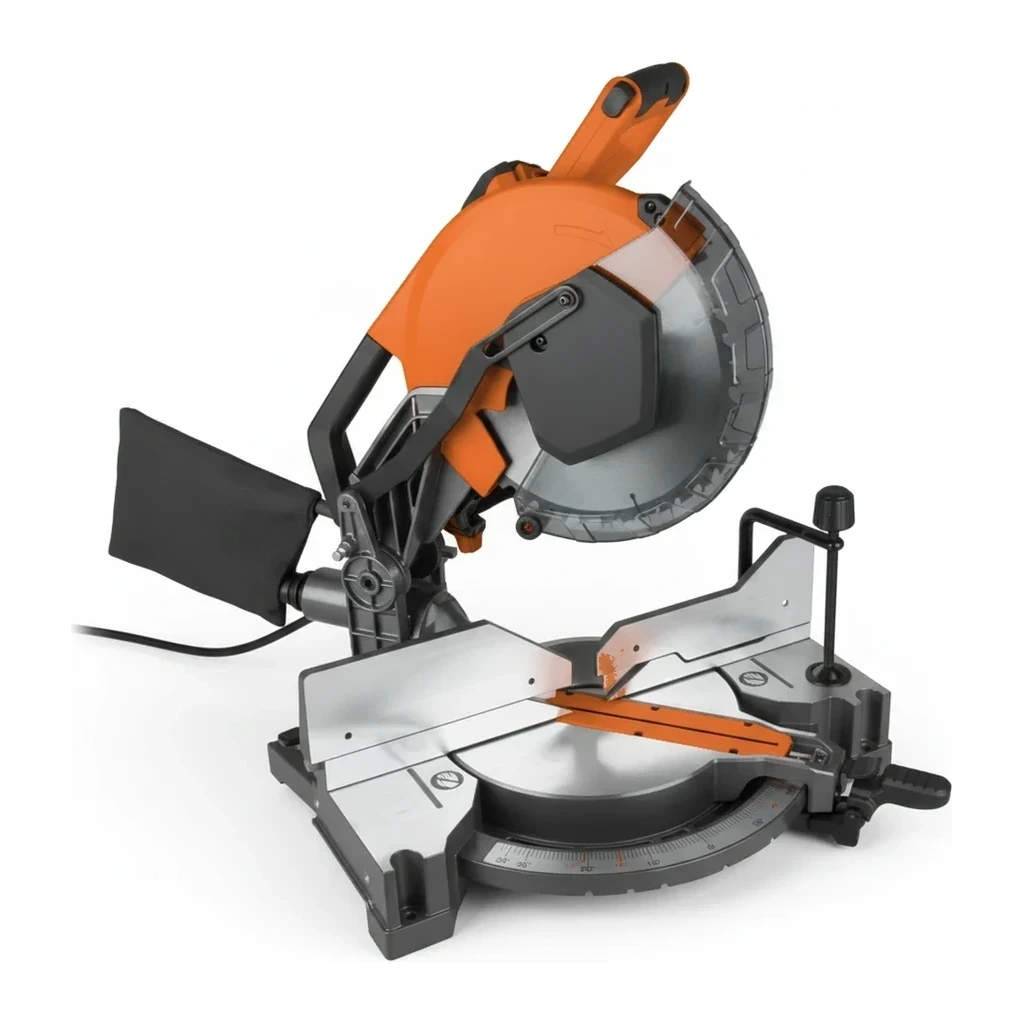
Miter saws in the up to 11 in class use blade diameters from 7.2 to 10 inches and are sized for trim, baseboard, and crosscuts up to about a 2x6. Light enough to carry room to room, this size class dominates finish carpentry and light framing work. For wider crown molding, deeper baseboards, or heavy framing cuts, the 11+ in Miter Saw class offers greater cutting capacity.
Cat classes
Pick a size class: capacity and reach differ across the range.
Key specifications
| Specification | Typical range | What it means |
|---|---|---|
| Blade Diameter | 7.2–10 in (18.3–25.4 cm) | Determines maximum cut depth and crosscut width; 10 in is the industry standard for finish work. |
| Weight | 25–40 lb (11.3–18.1 kg) | Portable enough for one person to carry between rooms or floors on most job sites. |
| Max Crosscut (90°) | 5.5–6 in (14.0–15.2 cm) | Handles dimensional lumber up to 2x6; insufficient for 2x8 or wider stock in a single pass. |
| Bevel Range | 0-45° or 0-48° | Single or dual bevel; dual-bevel models eliminate workpiece flipping for complex trim. |
How to choose
The up to 11 in class is appropriate for trim carpentry, baseboard installation, window and door casing, and light framing where dimensional lumber does not exceed 2x6. Portability is the defining advantage: these saws move easily between rooms and floors without dedicated carts or multiple workers. When cutting capacity becomes limiting, crown molding over 5 inches nested, baseboard taller than 6 inches standing, or repetitive cuts through 2x8 and wider framing lumber, the 11+ in Miter Saw class provides the necessary throat depth and blade diameter at the cost of significantly greater weight and bulk.
What this size handles
- Cutting baseboard, casing, and chair rail for residential finish carpentry
- Crosscutting 2x4 and 2x6 framing lumber for wall plates and blocking
- Mitering crown molding up to 4.5 inches (nested) for interior trim packages
- Cutting composite decking boards and PVC trim to length
- Installing window and door trim on multi-story residential projects
- Cutting aluminum or vinyl siding and soffit panels
Safety & operation
- Blade guards must return to the closed position automatically after each cut; damaged or sticky guards require immediate service
- Workpiece must be clamped or held firmly against the fence; free hands should remain outside the 6-inch zone around the blade path
- Dust extraction or on-board collection reduces airborne silica and wood dust; OSHA Table 1 compliance typically requires vacuum attachment for extended use
- Ear protection is recommended; sound levels during cutting commonly exceed 95 dBA at operator position
Transport & logistics
- Carried by hand or in a pickup bed; no trailer required for single units
- Some operators use rolling miter saw stands with wheels for movement within a building or across finished floors
- Weight and footprint allow transport in a van or crew cab without special tie-downs
Power & supply
- Corded models require 120V, 15A service; standard job-site outlets or portable generators of 2000W or greater
- Battery-powered models use 18V or higher lithium-ion platforms; typical runtime is 150-300 cuts per charge depending on material
- Extension cords should be 12 AWG or heavier for runs over 50 feet to prevent voltage drop and motor overheating
Frequently asked
What is the widest board this size class can crosscut in one pass?
Can a 10 in miter saw cut 4x4 posts?
When does a dual-bevel model justify the added cost and weight?
Related equipment
Browse by manufacturer
Sources
Every specification is verified against the manufacturer's published data, with the source linked for reference.
Up to 11 in Miter Saw
21 models · Every spec cited to source