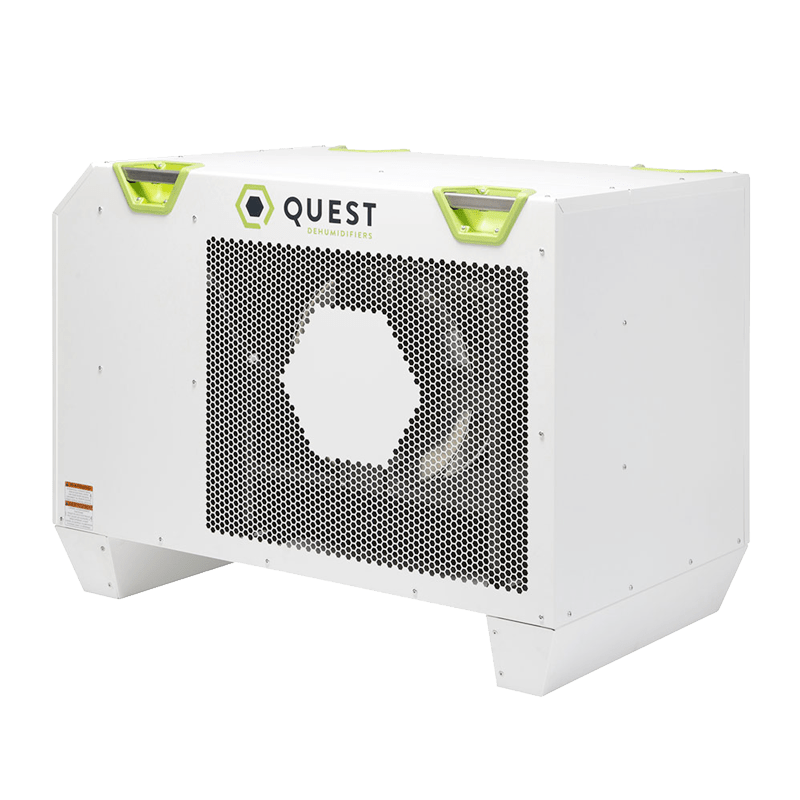
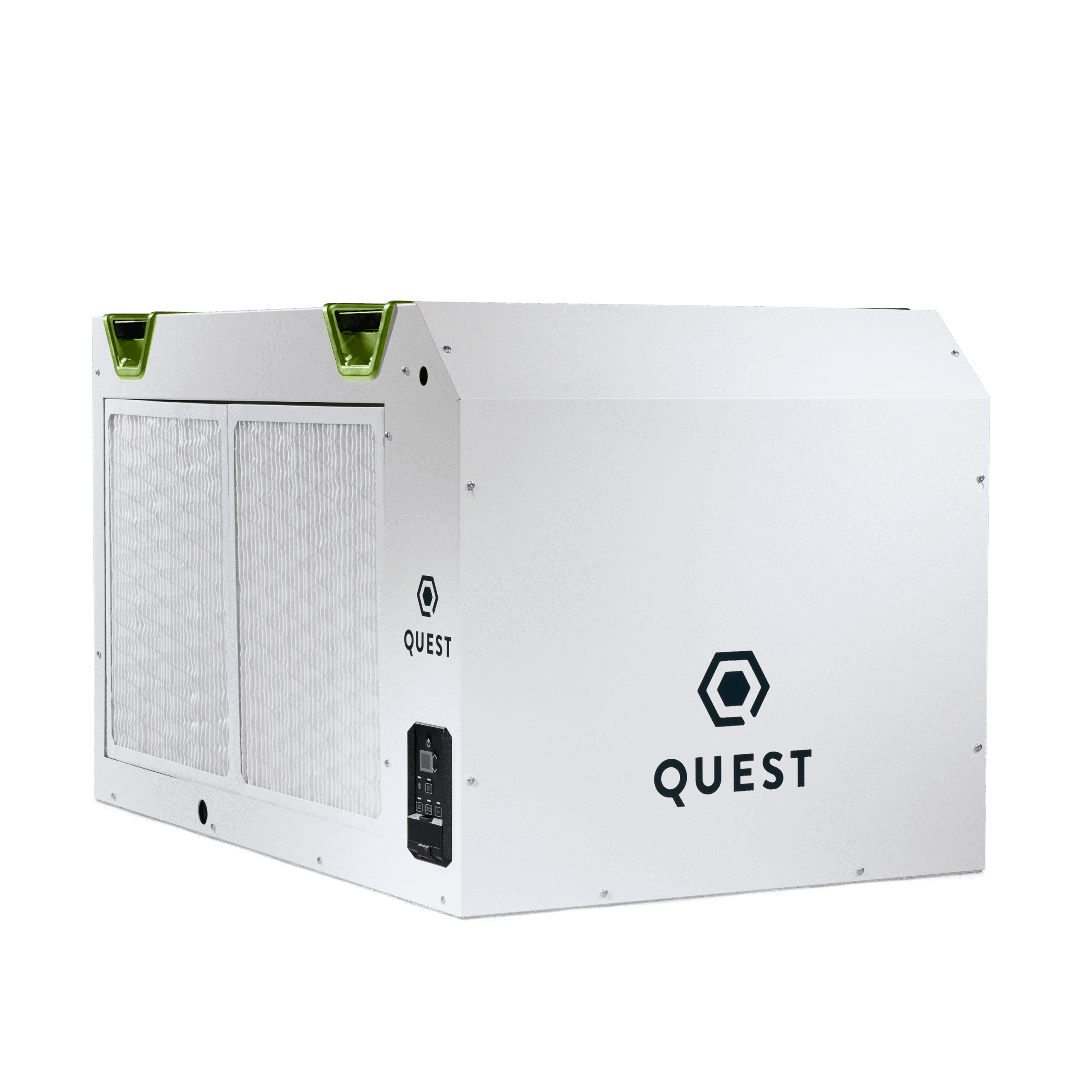
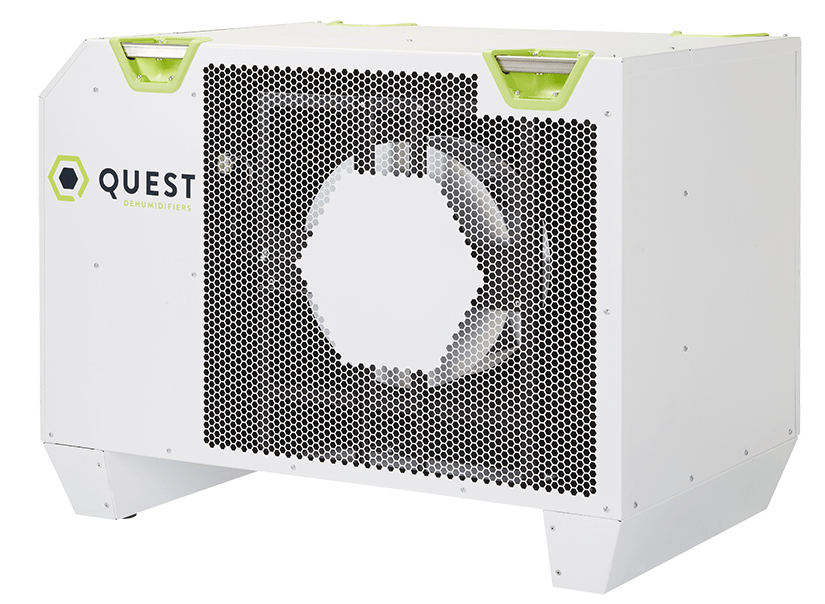
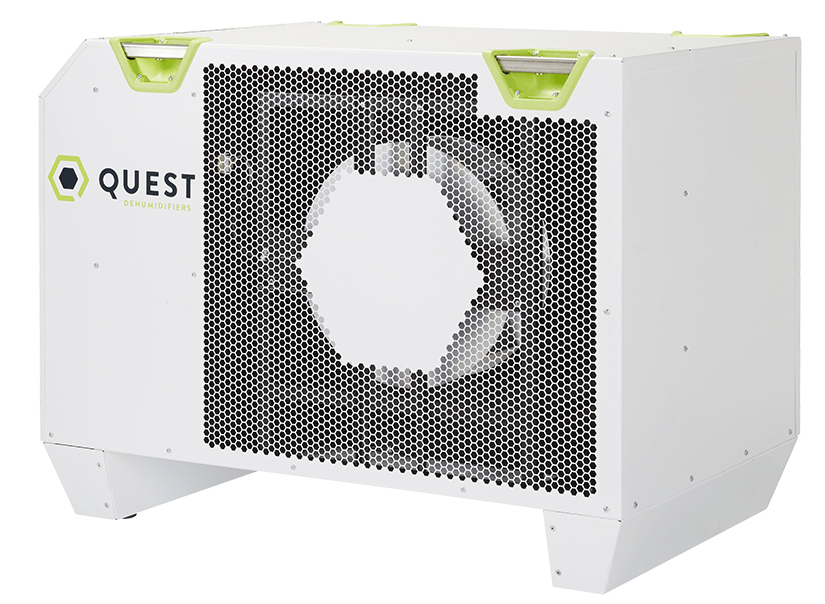
1,500-5,000 cfm Desiccant Dehumidifier
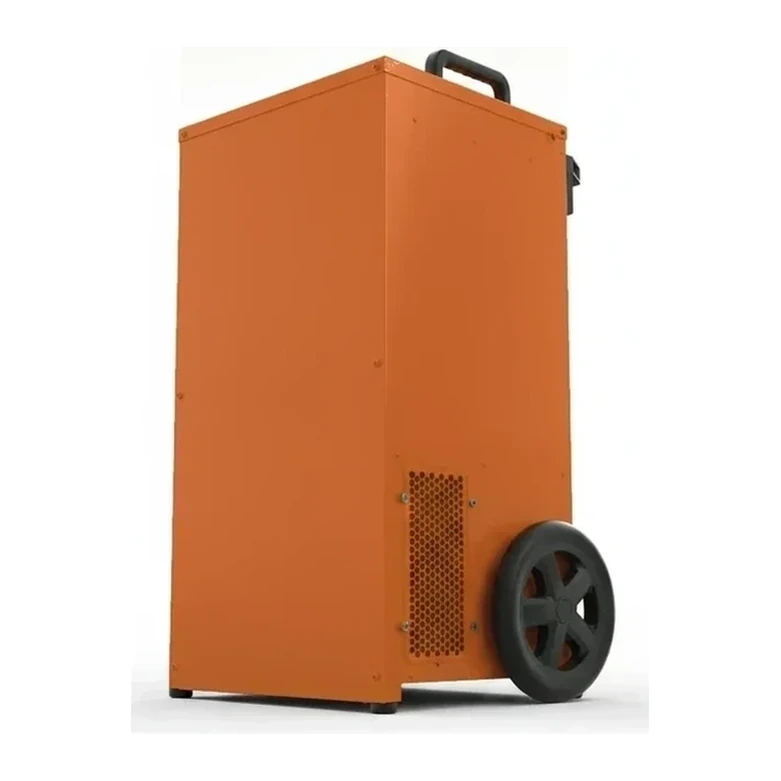
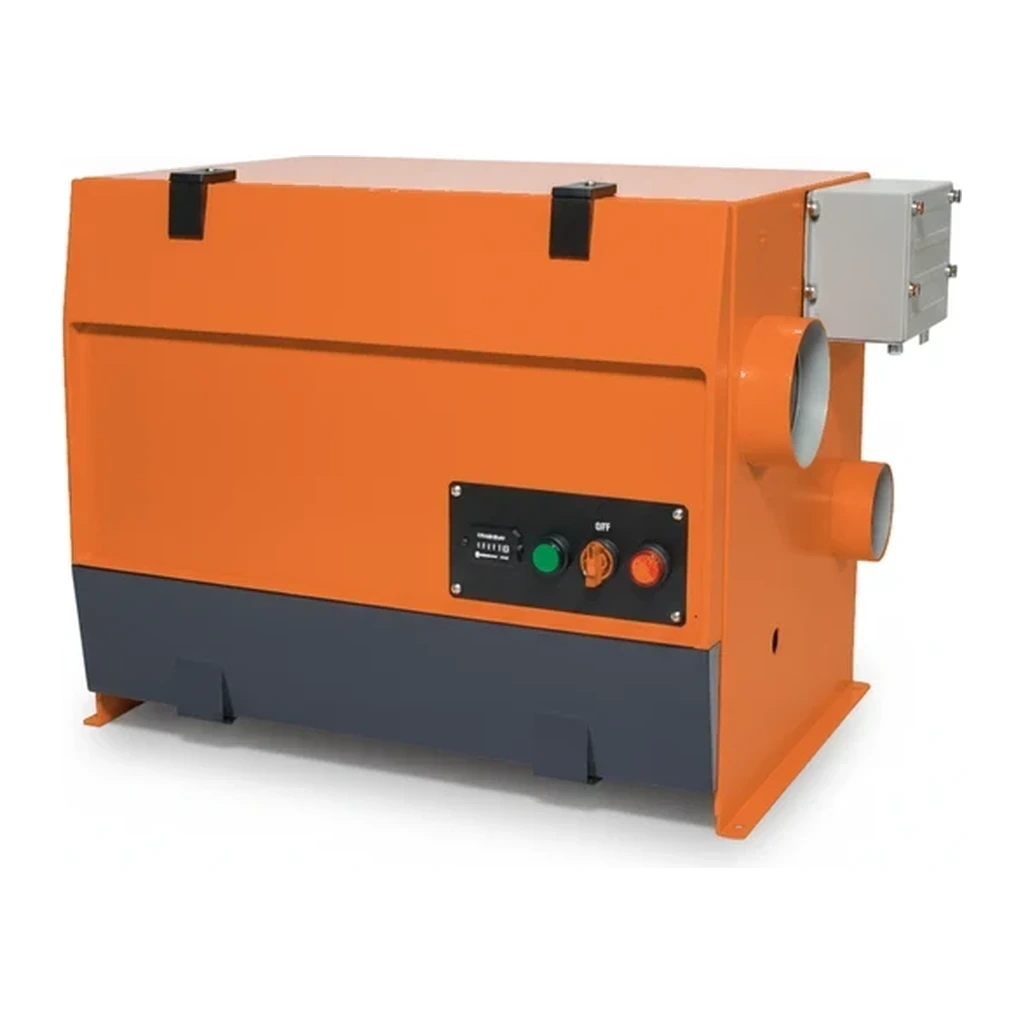
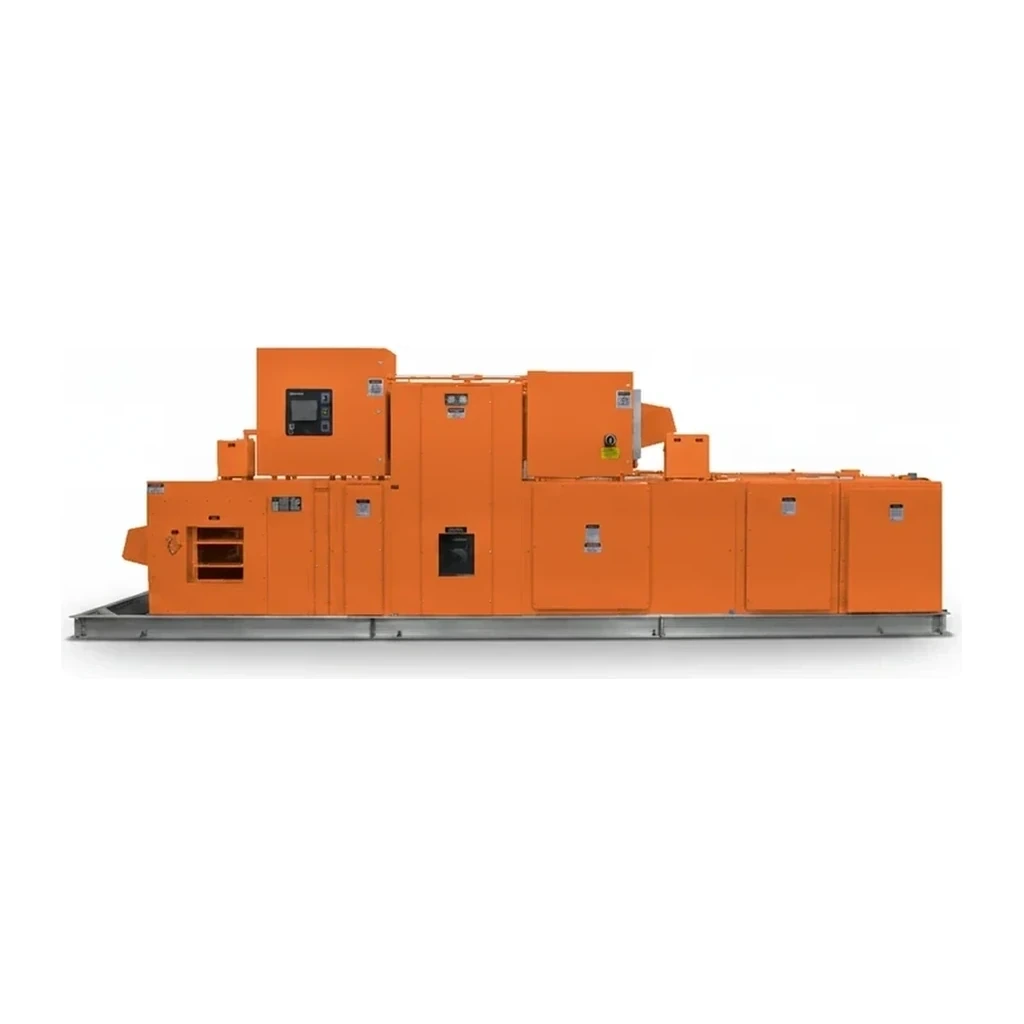
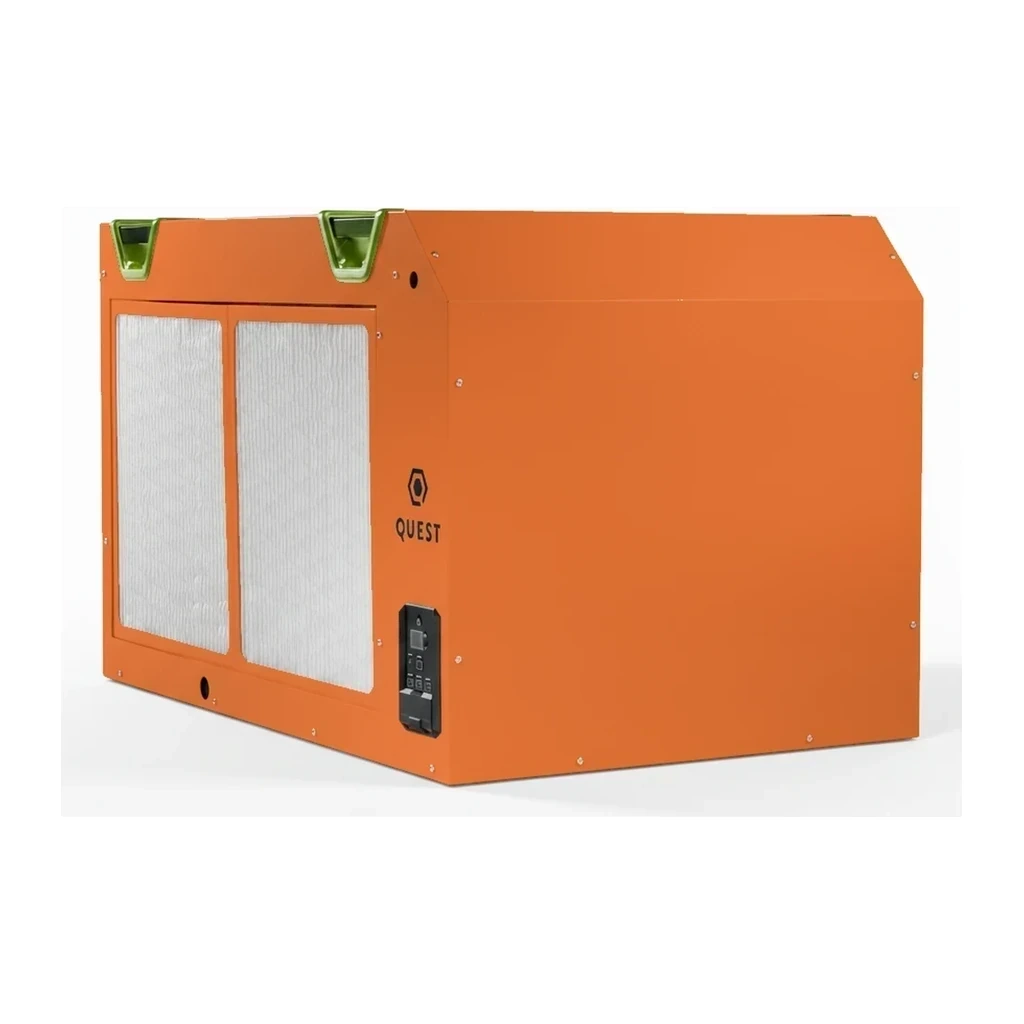
The 1,500-5,000 cfm desiccant dehumidifier is the largest class in the desiccant dehumidifier ladder, designed for industrial-scale dry-out of vessels, ship holds, and buildings under containment. These units sit above the 600-1,500 cfm class and represent the top rung for desiccant-based moisture removal in the rental industry. Eleven models from Quest, Ebac, Munters, and Abatement Technologies define this category, with airflow ranging from 1,500 to 3,531 cfm.
Cat classes
Pick a size class: capacity and reach differ across the range.
Key specifications
| Specification | Typical range | What it means |
|---|---|---|
| Airflow | 1,500–3,531 cfm | High-volume air processing for large enclosed spaces and industrial containment areas |
| Dehumidification Method | Desiccant wheel (silica gel or molecular sieve) | Removes moisture through adsorption, effective at low temperatures and low humidity levels |
| Application Type | Industrial containment and vessel dry-out | Continuous operation in enclosed environments requiring deep moisture reduction |
How to choose
This size class is appropriate for large-scale industrial dry-out applications where enclosed volumes exceed the capacity of smaller units or where deep dehumidification is required in contained spaces. For moderate industrial dry-out, multi-room environments, or smaller vessels, the 600-1,500 cfm Desiccant Dehumidifier handles the workload with less power demand and easier transport. The 1,500-5,000 cfm class becomes necessary when containment volumes, air-change requirements, or moisture loads demand processing rates above 1,500 cfm, or when a single large-capacity unit is more practical than multiple smaller machines.
What this size handles
- Ship hold and marine vessel dry-out during repair or storage
- Large building dry-out under full containment for mold remediation
- Industrial tank and pressure vessel drying before coating or inspection
- Pharmaceutical or electronics manufacturing clean-room humidity control
- Museum or archive climate control during construction or emergency water damage
- Dry-air supply for large-scale restoration projects under tarps or shrink-wrap
Safety & operation
- Reactivation heaters produce significant heat; maintain clearances from combustible materials and containment barriers
- Discharge air temperatures can exceed 200°F; route exhaust ducting away from personnel and plastic sheeting
- Confined-space applications require monitoring of oxygen levels and ventilation planning
- Noise levels in industrial settings may require hearing protection for nearby workers during extended operation
Transport & logistics
- Most units in this class require trailer transport or liftgate delivery due to size and weight
- Larger models may need forklift or pallet jack for positioning on site
- Some units built on carts or skids for movement within facilities using material handling equipment
Power & supply
- Typically 208-240V three-phase or 480V three-phase electrical service for reactivation heaters and blowers
- Power consumption varies widely depending on reactivation temperature and airflow settings
- Dedicated circuits required; some models draw 30-60 amps or more during operation
Frequently asked
When does a project require a 1,500+ cfm desiccant unit instead of multiple smaller machines?
What differentiates desiccant dehumidifiers from refrigerant models at this scale?
How is airflow capacity matched to containment volume?
Related equipment
Browse by manufacturer
Sources
Every specification is verified against the manufacturer's published data, with the source linked for reference.
1,500-5,000 cfm Desiccant Dehumidifier
10 models · Every spec cited to source